
Related News
- 00
0000-00
Electric Motorcycle Systems Price Breakdown: What Affects Cost From Battery to Controller? - 00
0000-00
Micro-mobility Systems Explained: Core Components, Operating Models, and City Use Cases - 00
0000-00
Electrification Strategies in Europe: Policy, Charging, and ROI Factors for Fleet Planning - 00
0000-00
OEM Market Share in Electric Motorcycles: What It Reveals About Brand Positioning - 00
0000-00
What Is a Smart Transportation Platform and Which Urban Mobility Use Cases Fit Best?
Ms. Elena Rodriguez
Weekly Insights
Stay ahead with our curated technology reports delivered every Monday.
Electric Motorcycle Systems Price Breakdown: What Affects Cost From Battery to Controller?





Electric Motorcycle Systems Price Breakdown: What Affects Cost From Battery to Controller?
Understanding electric motorcycle systems price starts with one basic fact: the system is never priced as a single part.
It is the result of battery chemistry, controller architecture, motor type, BMS logic, wiring quality, certifications, and production scale working together.
In real sourcing work, two systems with similar power ratings can show very different landed costs and very different lifecycle value.
That is why a useful electric motorcycle systems price analysis should go beyond headline quotations and look at what is driving cost underneath.
This breakdown explains where cost comes from, what tends to push price higher, and when that higher cost actually protects margin, compliance, and field reliability.
Battery Pack: The Biggest Share of Electric Motorcycle Systems Price
For most projects, the battery pack is the largest contributor to electric motorcycle systems price.
A pack cost depends first on cell chemistry. NMC usually supports higher energy density, while LFP often offers lower thermal risk and longer cycle life.
Cell brand also changes the quote quickly. Tier-one cells cost more, but they reduce consistency issues, warranty exposure, and sorting losses.
Pack voltage and capacity matter as well. A 72V system with higher amp-hours needs more cells, stronger busbars, and tighter thermal design.
Mechanical structure is another hidden cost driver. Aluminum housings, impact protection, sealing gaskets, and vibration resistance all add cost.
Battery swapping designs usually raise electric motorcycle systems price because connectors, locking systems, and repeated mating durability become critical.
Recent market changes make this even more visible. Buyers are paying closer attention to pack traceability, transport compliance, and thermal event containment.
A cheaper battery can lower the initial quote, but it often raises after-sales cost through capacity fade, imbalance, and service replacement rates.
Key battery cost factors
- Cell chemistry and energy density
- Cell brand, lot consistency, and screening level
- Voltage platform, capacity, and discharge rate
- Thermal management and enclosure protection
- UN38.3, IEC, and market-specific certification needs
Controller Pricing: Software, MOSFETs, and Thermal Control
The controller is often underestimated in electric motorcycle systems price, yet it strongly shapes ride feel, efficiency, and reliability.
A low-cost controller may meet nominal power targets, but fail under high current peaks, hot climates, or frequent hill starts.
Hardware cost is driven by semiconductor grade, PCB layout quality, potting, waterproofing, and heat dissipation design.
Software matters just as much. Field-oriented control, torque mapping, regenerative braking calibration, and fault diagnostics all influence price.
This is where supplier capability starts to separate. One vendor may sell hardware, while another delivers a tuned control strategy for a specific vehicle class.
In sourcing terms, that software layer can justify a higher electric motorcycle systems price if it reduces tuning time and improves riding consistency.
Communication protocols also affect cost. CAN-based systems usually cost more than simpler interfaces, but they support better diagnostics and fleet integration.
Controller cost questions to ask suppliers
- What is the continuous and peak current at defined ambient temperatures?
- Which MOSFET or power module platform is used?
- Is firmware customizable for riding modes and regen behavior?
- What fault logging and remote diagnostics are included?
- Has the controller passed vibration, salt spray, and ingress testing?
Motor Cost: Power Density, Materials, and Cooling Strategy
Motor pricing can swing widely even within similar power bands, which makes it a major variable in electric motorcycle systems price.
The first difference is architecture. Hub motors simplify packaging, while mid-drive motors usually offer better weight distribution and drivetrain control.
Magnet grade, copper content, lamination quality, and bearing specification all move cost.
Higher power density usually means tighter manufacturing tolerances and more advanced thermal engineering. That pushes the electric motorcycle systems price upward.
Cooling method is another important line item. Air-cooled systems are simpler, while liquid-cooled systems add pumps, channels, sealing, and controls.
In practical business terms, a more expensive motor can improve acceleration stability, reduce overheating complaints, and protect brand positioning in premium segments.
However, over-specifying the motor is common. If duty cycles are urban and speed-limited, excess performance may simply inflate cost without creating sales value.
BMS and Wiring: Small Components, Large Price Impact
BMS cost is smaller than battery cost, but it has an outsized effect on electric motorcycle systems price over time.
A basic BMS handles protection. An advanced BMS adds active balancing, state-of-health estimation, event recording, and communication with the vehicle controller.
That extra logic can raise the initial quote, but it often cuts battery abuse, field faults, and warranty disputes.
Wiring harnesses are another area where low quotes can be misleading. Connector grade, shielding, flame resistance, and assembly quality all matter.
More obvious signals appear in export programs. Regional compliance, EMC stability, and serviceability standards are making harness design a larger sourcing issue.
If one supplier prices far below the market, it is often worth checking the BMS feature set and connector specification first.
What Else Changes Electric Motorcycle Systems Price?
Beyond the core subsystems, several commercial factors shape electric motorcycle systems price in ways that are easy to miss during RFQ comparison.
- Order volume: larger runs reduce tooling amortization and component purchasing cost.
- Customization: special firmware, casing, connectors, or mounting geometry increase engineering expense.
- Certification scope: homologation for multiple markets raises testing and documentation costs.
- After-sales terms: longer warranty coverage is usually reflected in pricing.
- Raw material volatility: lithium, copper, aluminum, and rare earth pricing still affect timing.
Lead time commitments also matter. Fast delivery can require reserved production capacity, which may lift electric motorcycle systems price.
In actual procurement, a slightly higher quote with stable lead time often performs better than a low quote with weak supply assurance.
How to Compare Quotes Without Missing Real Cost
The most effective way to review electric motorcycle systems price is to compare systems by application, not by isolated component price.
A commuter model, a delivery vehicle, and a high-speed motorcycle do not need the same thermal margin, acceleration curve, or battery cycle life.
That means the cheapest compliant option for one program may be the wrong choice for another.
A practical comparison framework
- Define duty cycle, climate range, target speed, and payload first.
- Request separate pricing for battery, motor, controller, BMS, and harness.
- Match each quote against certifications, firmware scope, and warranty terms.
- Estimate lifecycle cost, not only ex-works purchase price.
- Validate with pilot samples under real operating conditions.
This approach gives a much clearer view of electric motorcycle systems price because it exposes where a quote is genuinely optimized and where it is simply stripped down.
When Higher Upfront Cost Delivers Better Value
A higher electric motorcycle systems price is usually justified when it improves safety, consistency, service life, or regulatory readiness.
Battery quality is the clearest example. Better cells and stronger BMS logic can prevent expensive failures that damage both operations and reputation.
The same applies to controller software. Stable torque delivery and reliable diagnostics reduce tuning loops and improve field service efficiency.
A more expensive harness can also be worthwhile if the vehicle will face vibration, rain, dust, and repeated maintenance access.
In other words, value comes from fit with the use case. Price matters, but mismatch costs more.
Final Take on Electric Motorcycle Systems Price
Electric motorcycle systems price is shaped by battery design, controller intelligence, motor materials, BMS capability, harness quality, and supply chain conditions.
The strongest sourcing decisions come from breaking the system into cost layers, then reconnecting those layers to real operating needs.
When quotes are reviewed this way, electric motorcycle systems price becomes easier to judge, negotiate, and defend internally.
Use that structure in the next RFQ round, and the conversation shifts from cheapest component to best-performing system at the right total cost.
Related News
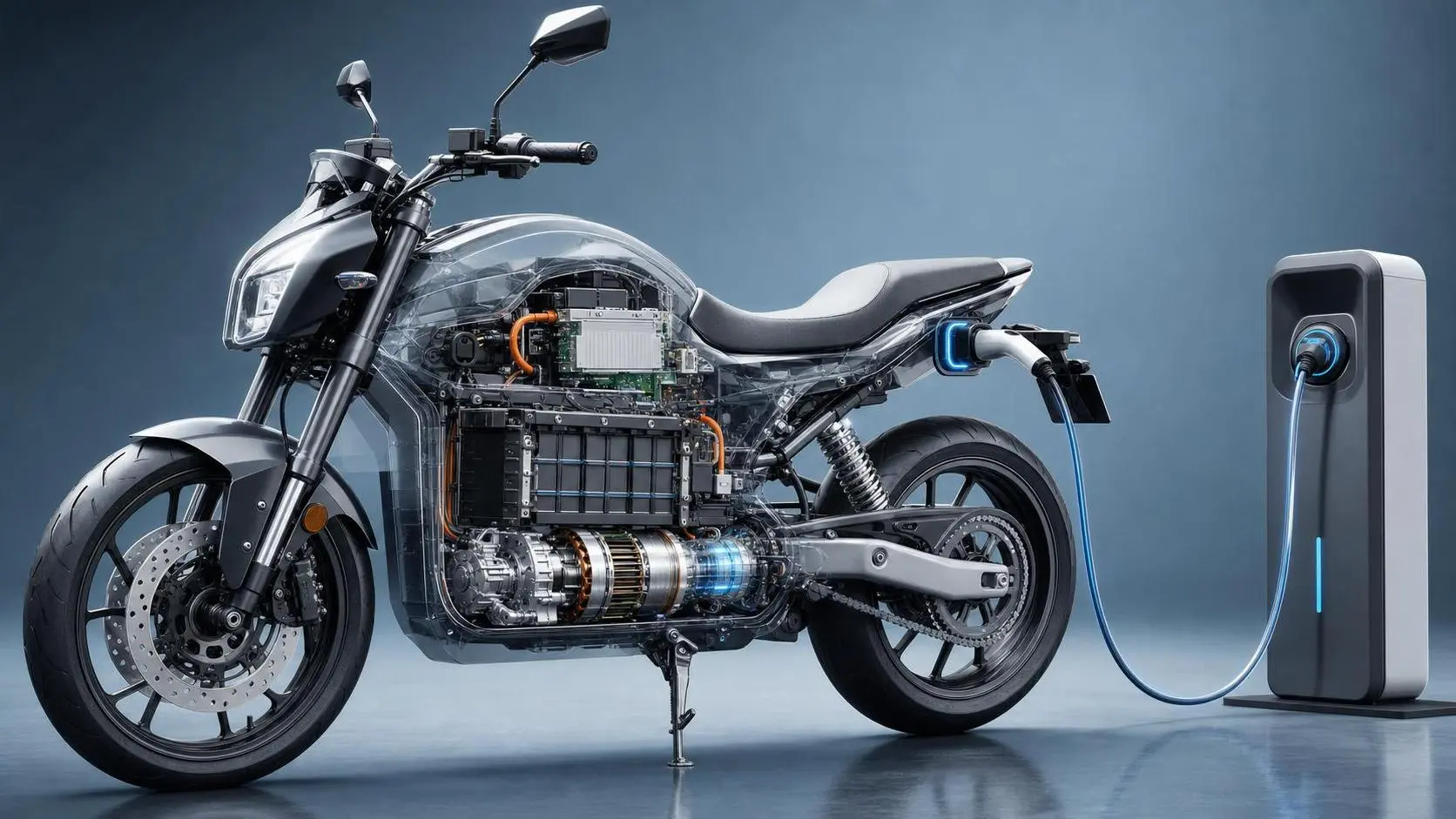
72V Electric Motorcycle Technology Explained: Motors, Controllers, Range, and Charging
Electric motorcycle technology 72V explained clearly: compare motors, controllers, range, battery design, and charging to choose a smoother, stronger, and smarter electric ride.
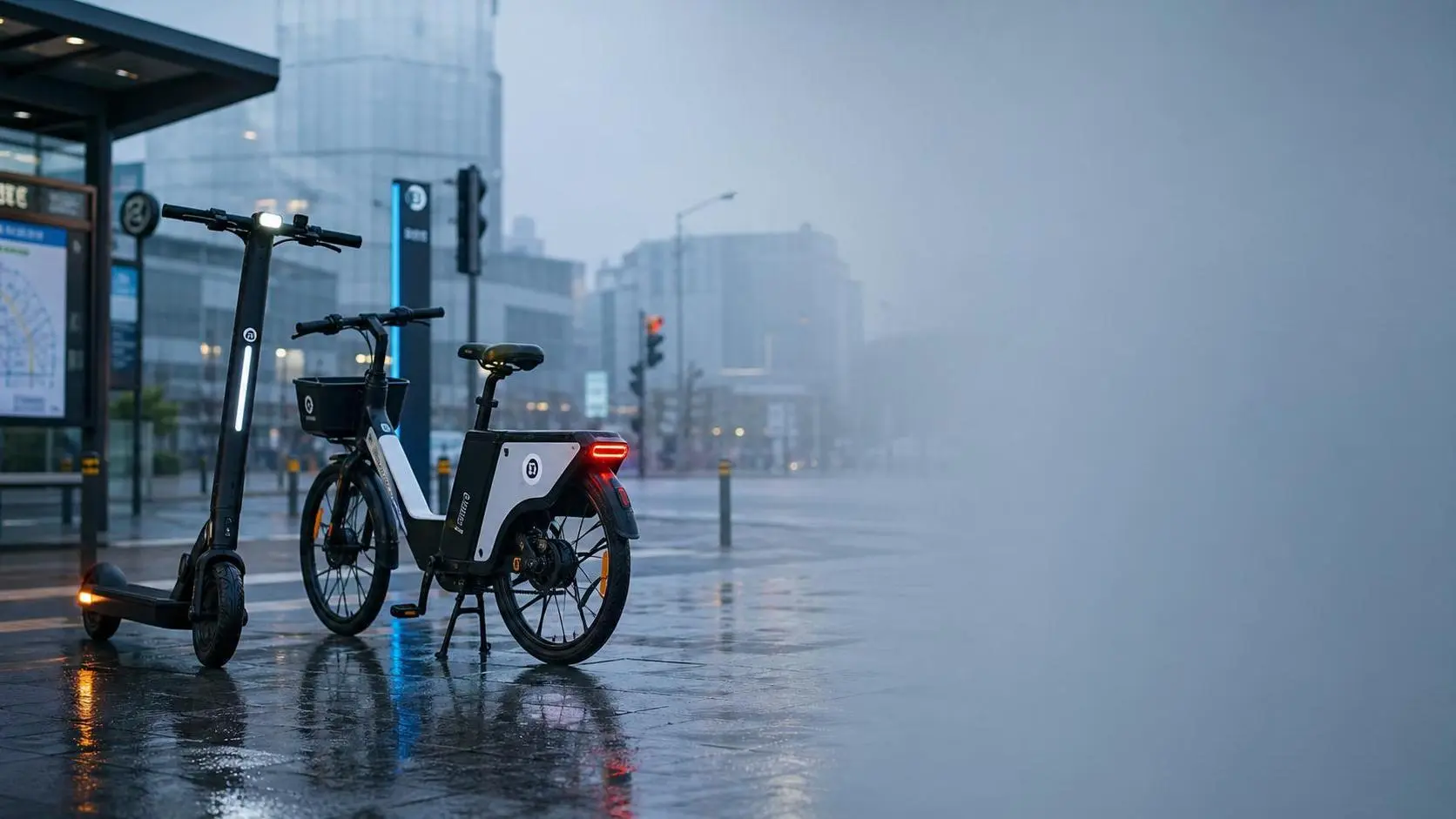
Where LED Urban Visibility Safety Systems Fit Best in Shared Scooters and City E-bikes
LED urban visibility safety systems deliver the most value in shared scooters and city e-bikes by improving multi-angle safety, fleet durability, and urban compliance across real-world routes.
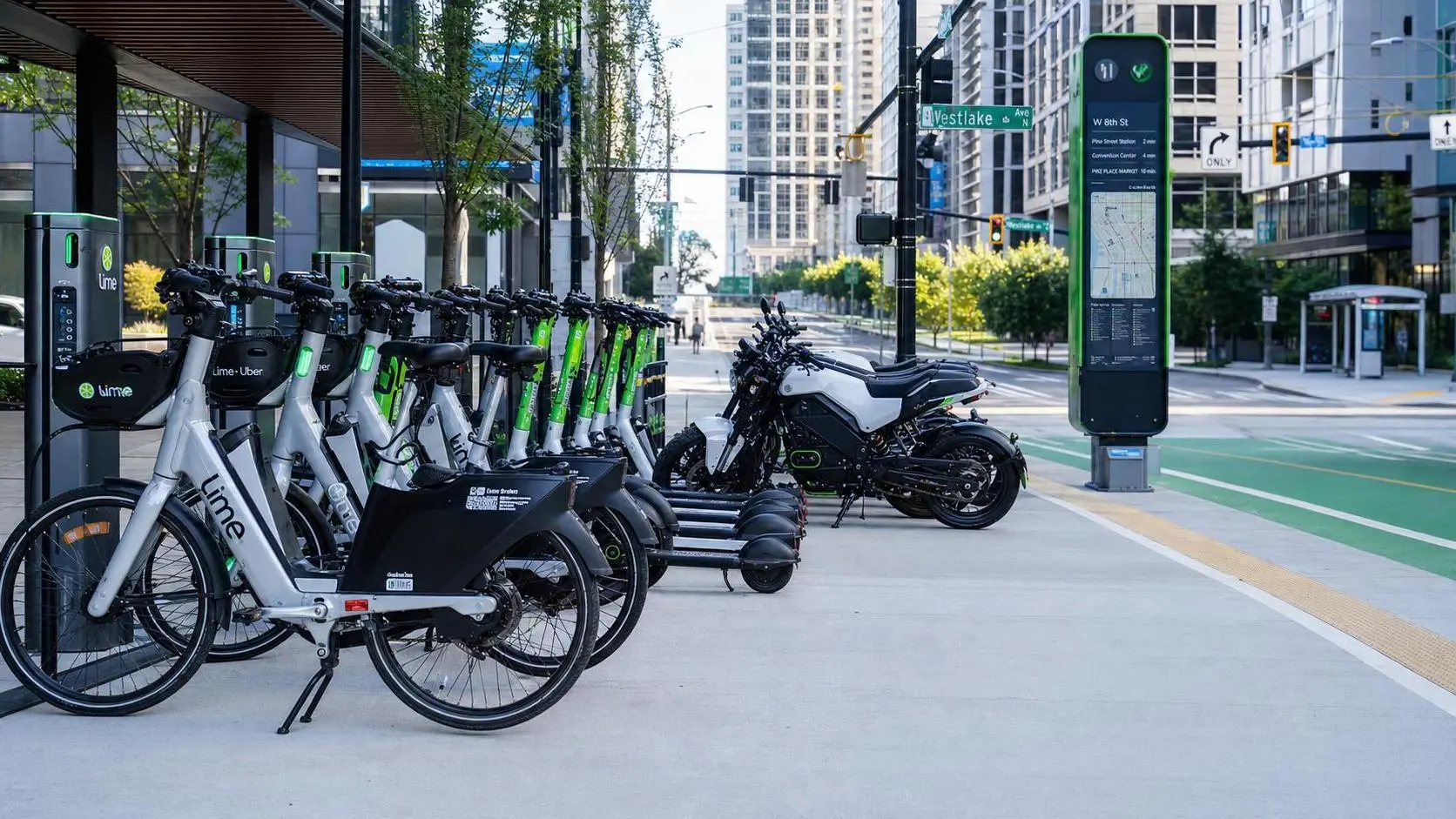
Intellectualization of Mobility in North America: What Is Driving Adoption Across Urban Transport?
Intellectualization of mobility North America is reshaping urban transport through data, smart fleets, and battery intelligence. Explore what is driving adoption and why cities and operators are accelerating now.
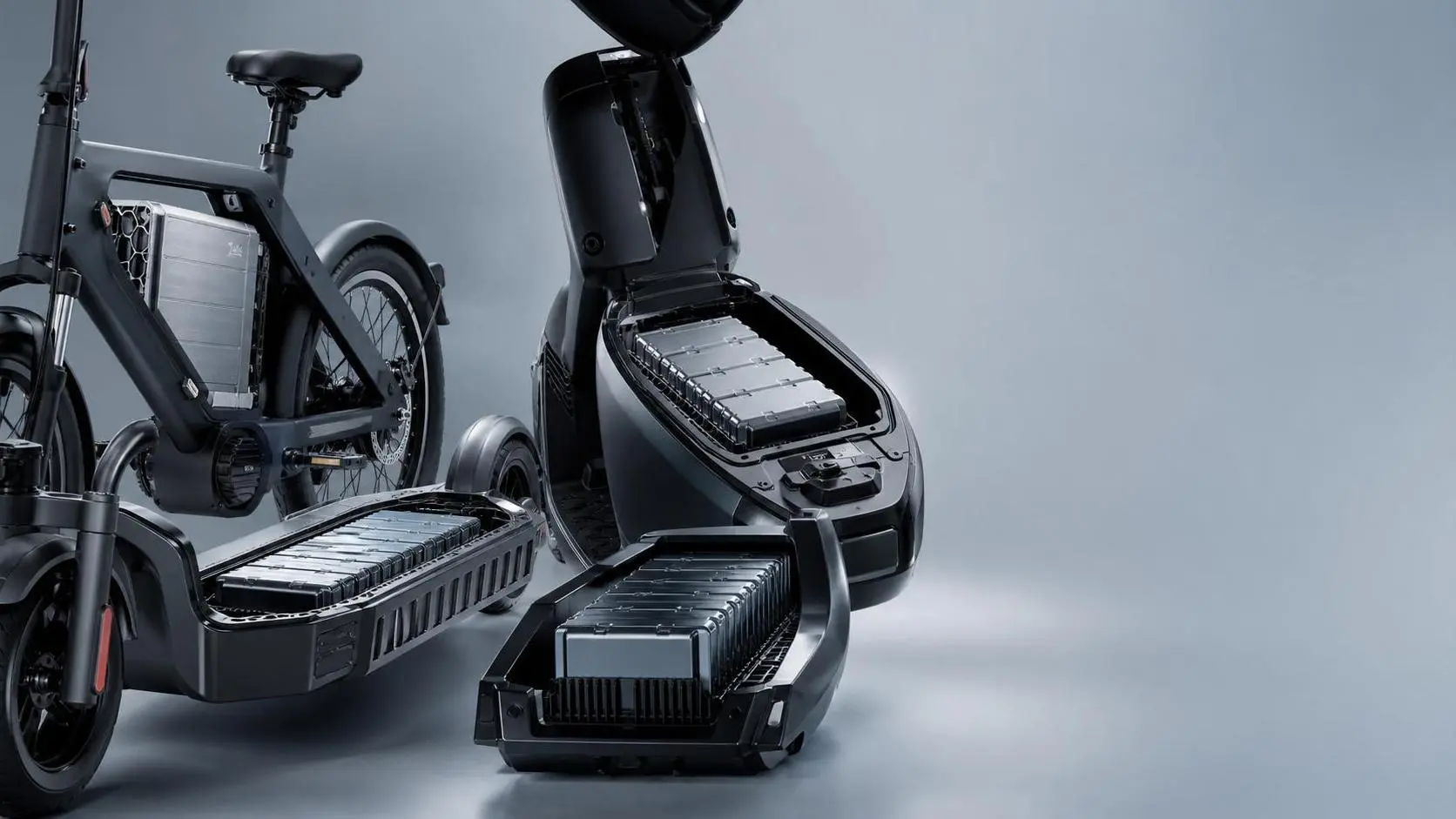
How to Choose a Compact Battery Pack: Size, Energy Density, Thermal Design, and Cycle Life
Compact battery pack selection starts with more than size. Learn how energy density, thermal design, and cycle life shape range, safety, and long-term value.
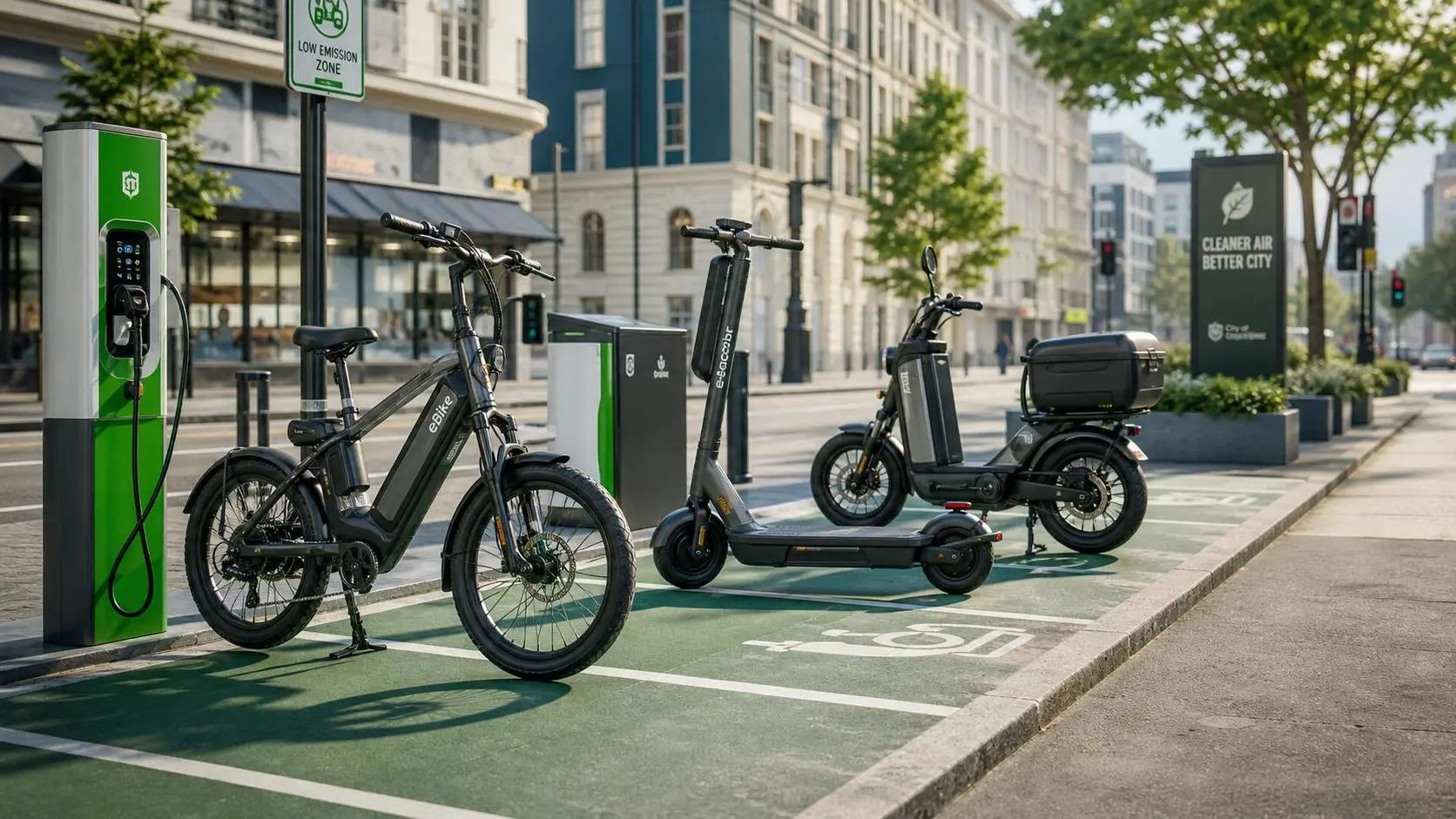
What Is Driving Green Two-wheelers Demand in Europe? Policy, Fuel Costs, and Buyer Segments
Green two-wheelers demand Europe is rising as policy support, fuel cost pressure, and diverse buyer segments reshape urban mobility. Explore the trends driving the next growth wave.
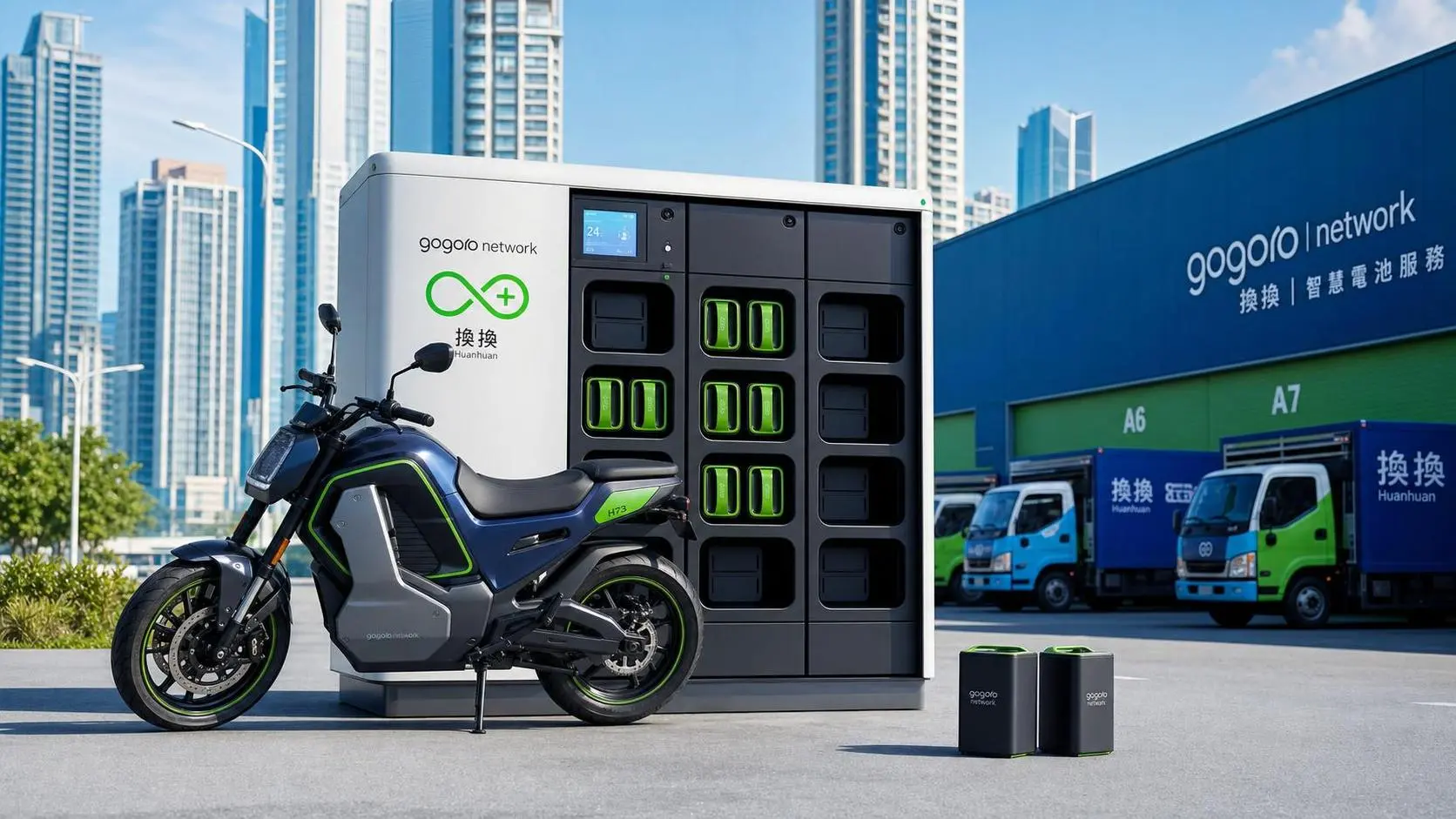
High-speed Electric Motorcycles with Swappable Battery: What to Check Before Commercial Deployment
High-speed electric motorcycles with swappable battery: learn what to verify before commercial deployment, from swap uptime and battery safety to compliance, serviceability, and real fleet ROI.
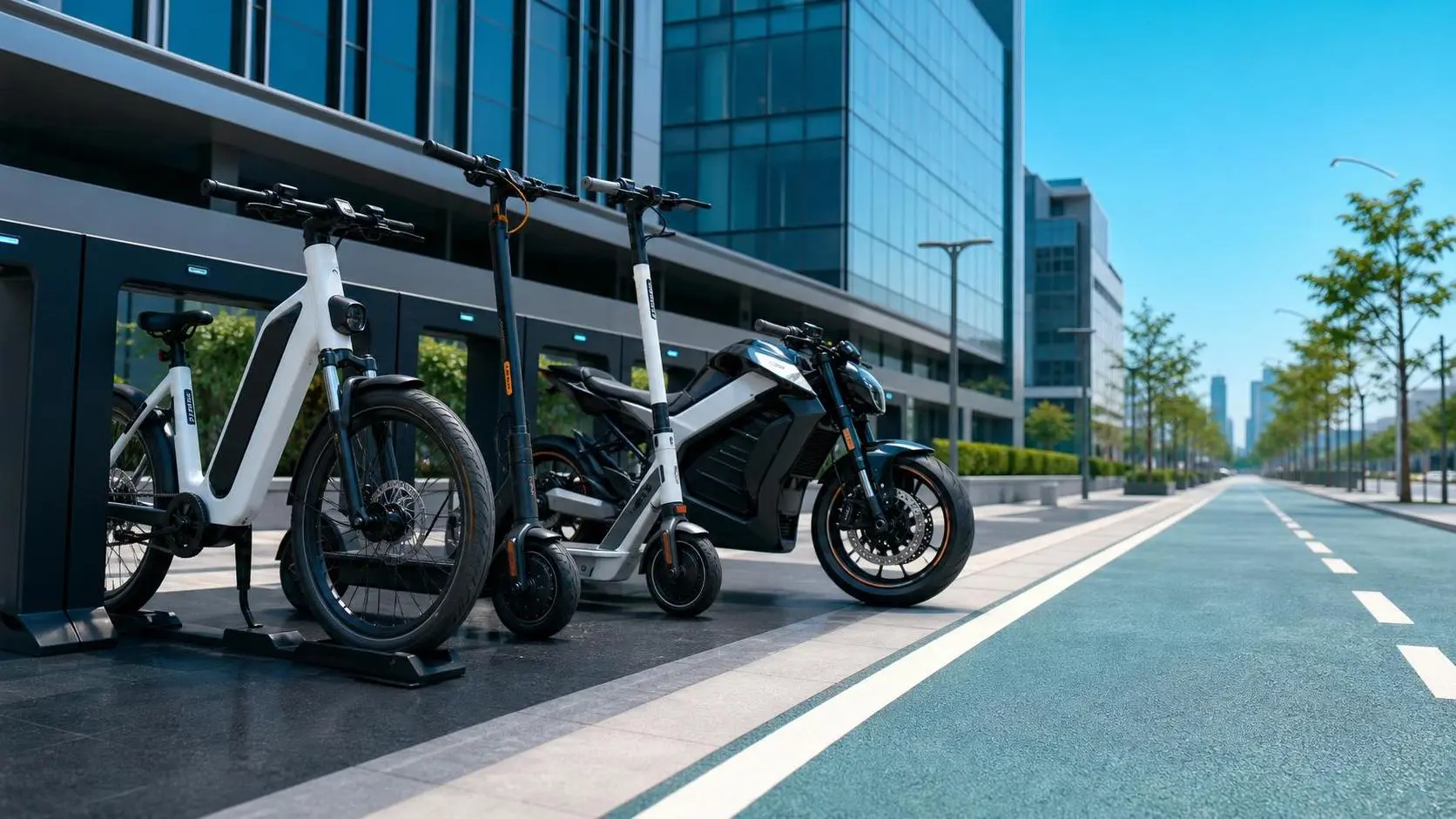
Micro-mobility Systems Explained: Core Components, Operating Models, and City Use Cases
Micro-mobility systems explained: discover key components, operating models, and real city use cases shaping cleaner, smarter urban transport and last-mile mobility.
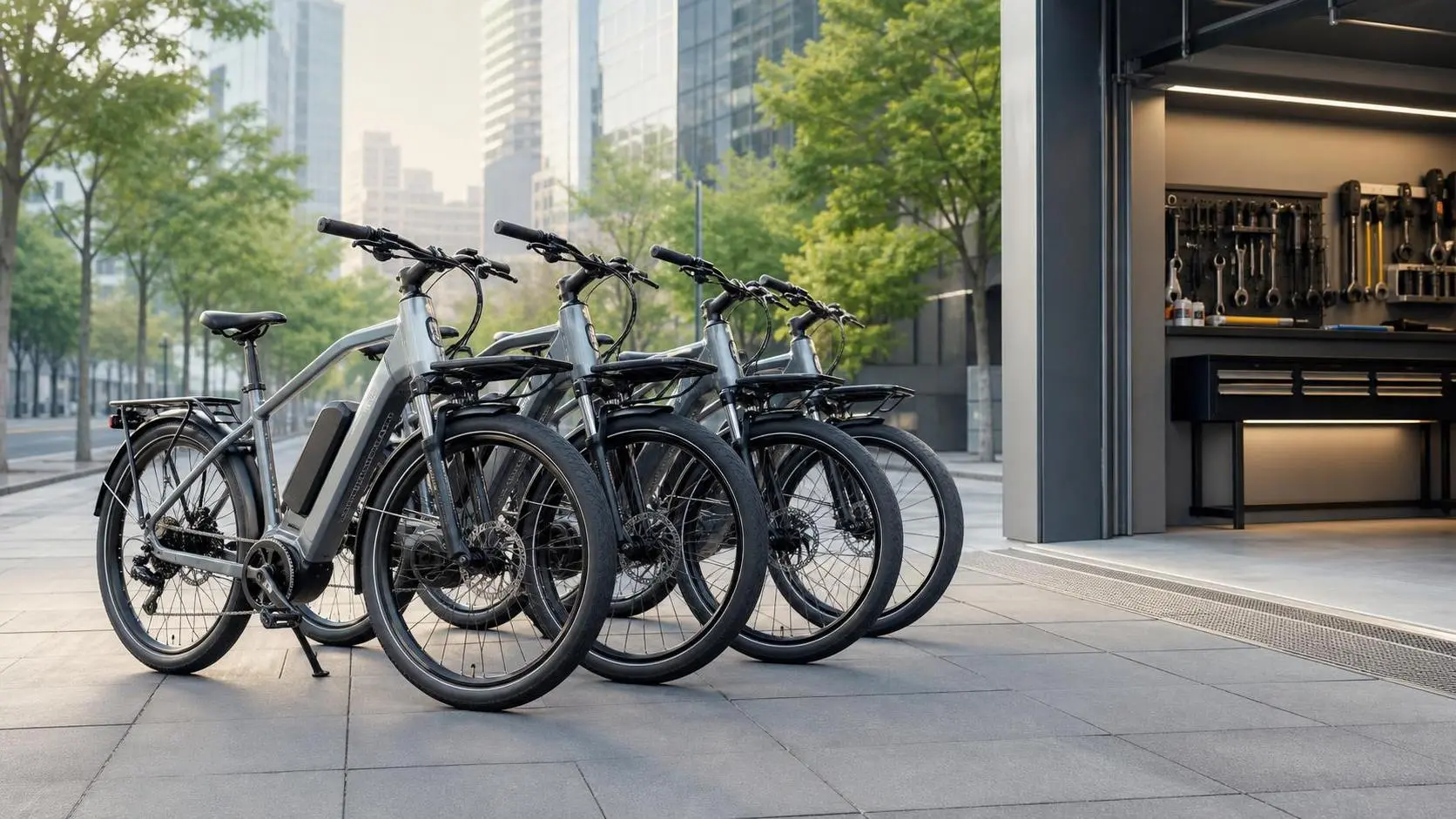
How to Choose Urban Commuting E-bikes for Rental Fleets by Range, Durability, and Serviceability
Urban commuting e-bikes for rental fleets: learn how to compare real-world range, durability, and serviceability to cut downtime, lower fleet costs, and choose smarter bikes.
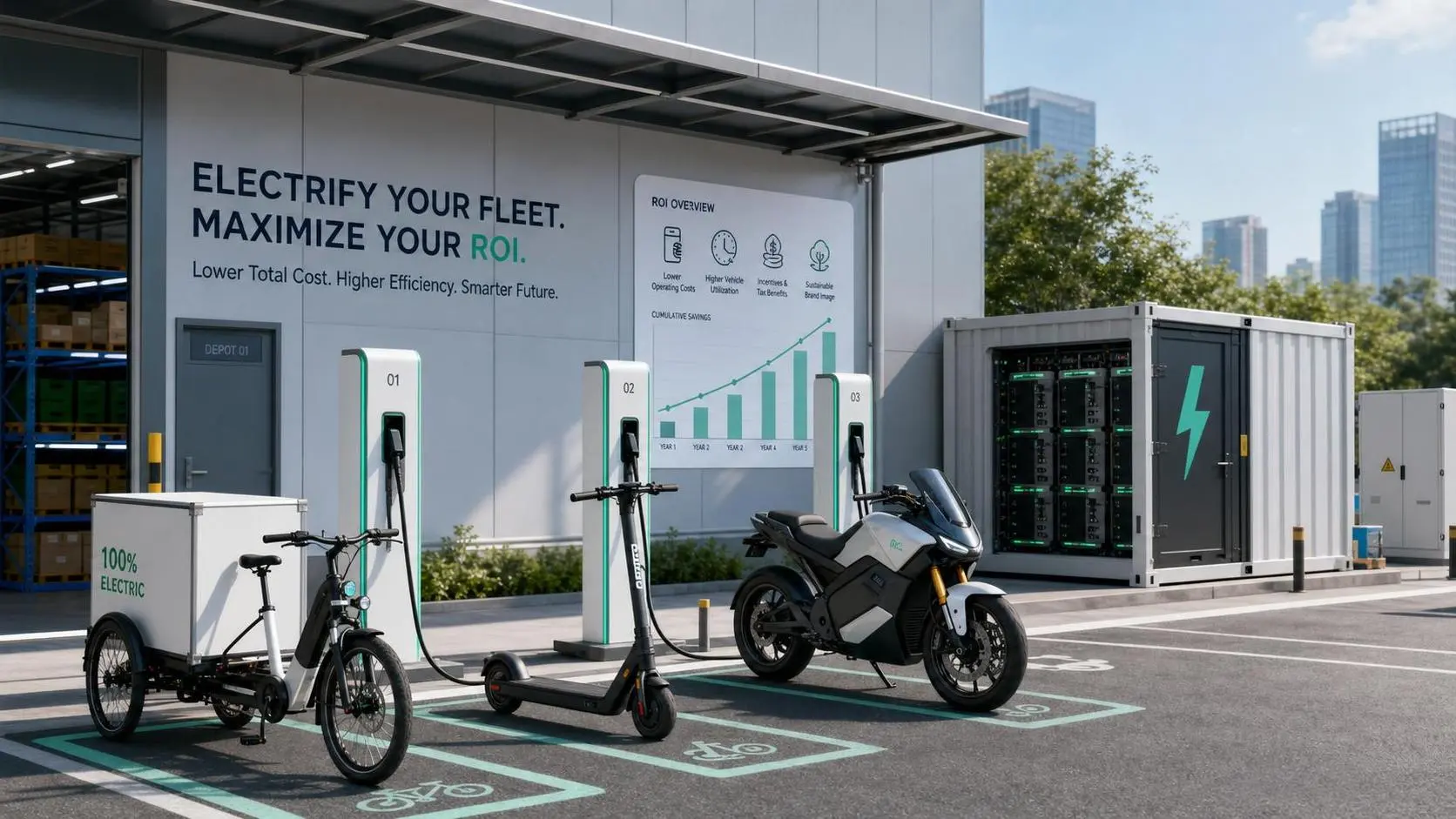
Electrification Strategies in Europe: Policy, Charging, and ROI Factors for Fleet Planning
Electrification strategies Europe: learn how policy shifts, charging readiness, and ROI modeling shape smarter fleet planning, lower risk, and faster payback across urban operations.