
Related News
- 00
0000-00
What Is Driving Green Two-wheelers Demand in Europe? Policy, Fuel Costs, and Buyer Segments - 00
0000-00
Urban Micro-Mobility in North America: Policy, Charging Access, and Fleet Growth Drivers - 00
0000-00
Carbon Neutrality for Fleets: How to Measure Emissions and Prioritize Upgrades - 00
0000-00
Urban Traffic Micro-Circulation Providers: Key Models, Deployment Scenarios, and ROI Factors - 00
0000-00
Ebike Market USA: What Dealers Should Know About Demand Shifts, Pricing, and Product Mix
Prof. Marcus Chen
Weekly Insights
Stay ahead with our curated technology reports delivered every Monday.
What Is Driving Green Two-wheelers Demand in Europe? Policy, Fuel Costs, and Buyer Segments





Green two-wheelers demand Europe is moving from niche preference to structural market shift
Europe’s mobility transition is no longer a soft consumer story. It is becoming a harder business signal shaped by regulation, energy costs, and urban transport redesign.
That is why green two-wheelers demand Europe now deserves closer attention across the broader mobility value chain, not only within bicycle and scooter retail channels.
E-bikes, smart e-scooters, and high-speed e-motorcycles are benefiting from the same macro direction, but not for identical reasons or at the same speed.
The more important point is this: demand is being reshaped by policy design, operating economics, and clearer use-case segmentation.
From the perspective of UMMS, this shift also connects upstream technology choices with downstream market timing.
Battery management, drivetrain efficiency, lightweight frames, and connected controls matter more when adoption moves from enthusiasm to routine daily use.
In practical terms, green two-wheelers demand Europe is becoming a strategic indicator for urban logistics, personal commuting, and low-carbon transport investment.
Why the signal has become more visible over the past two years
Several forces that once acted separately are now reinforcing each other.
Fuel inflation changed the economics of short trips. Emissions policy changed the cost of keeping older mobility habits. Cities changed access rules and parking logic.
At the same time, post-pandemic commuting patterns became less uniform. More people now combine office days, local errands, and leisure trips in one week.
That pattern favors flexible, low-operating-cost vehicles over fixed ownership models centered on private cars.
This helps explain why green two-wheelers demand Europe is growing even in markets where consumer confidence has been uneven.
The spending decision is less about discretionary lifestyle and more about transport resilience, convenience, and long-term cost control.
For that reason, demand is broadening beyond early adopters into more utility-driven segments.
Three forces are doing most of the heavy lifting
The interaction between these drivers matters more than any single policy announcement.
Policy is not just stimulating purchases; it is changing the rules of use
Public incentives still matter, especially for e-bikes and cargo-oriented urban vehicles. Yet the deeper impact comes from infrastructure and access regulation.
Protected lanes, restricted city-center traffic, and local sustainability targets make two-wheelers more practical, not simply cheaper to buy.
This distinction is important because direct subsidies can be reduced over time. Usability gains tend to last longer.
That is one reason green two-wheelers demand Europe has shown persistence despite policy variation across countries.
Another layer is product compliance. Speed classes, battery safety, connected anti-theft features, and right-of-way rules increasingly shape commercial competitiveness.
UMMS tracks this closely because technical credibility now supports market access as much as brand positioning does.
For high-speed e-motorcycles and smart e-scooters, the line between mobility hardware and regulated urban system is becoming thinner.
Fuel costs are pushing buyers toward utility-led decisions
Rising fuel costs do not automatically convert every car trip into a two-wheeler trip. The stronger effect appears in repetitive urban routes.
Short commutes, neighborhood deliveries, station-to-office connections, and campus circulation are the routes where economics become obvious very quickly.
When operating cost savings are experienced weekly, purchase hesitation drops faster.
This helps explain why green two-wheelers demand Europe often strengthens first in dense urban belts rather than uniformly across entire national markets.
More noticeably, buyers are comparing not only retail prices but also charging convenience, maintenance intervals, battery longevity, and insurance implications.
That change benefits suppliers with stronger powertrain efficiency, thermal management, and reliability performance.
It also creates room for precision components, including drivetrains and control systems, to influence purchase decisions more than before.
Buyer segments are no longer moving in one block
One of the clearest shifts in green two-wheelers demand Europe is segmentation.
Demand is now developing through several buyer groups with different expectations, replacement logic, and price tolerance.
- Urban commuters prioritize reliability, range realism, weather readiness, and secure parking compatibility.
- Leisure and sport riders still support premium e-bike demand, but performance and component quality carry more weight than subsidy timing.
- Shared mobility operators focus on durability, connected fleet control, swappable maintenance modules, and regulatory fit.
- Last-mile delivery users value payload balance, uptime, battery cycles, and route economics over style-led features.
- Younger urban buyers often treat smart e-scooters as flexible access devices rather than long-hold ownership assets.
This fragmentation means market opportunity is rising, but so is the cost of weak positioning.
A product that performs well in one segment can miss badly in another if regulatory class, ride quality, or charging logic is mismatched.
The impact is spreading beyond vehicle sales
Green two-wheelers demand Europe is often measured through unit sales, but the more durable impact appears across adjacent systems.
Component sourcing, battery diagnostics, software integration, fleet servicing, and urban safety technologies are becoming more commercially relevant.
That is where the UMMS view becomes useful. The market is not just buying vehicles; it is building a more complex micro-mobility operating stack.
For e-bikes, drivetrain precision and motor efficiency influence both user satisfaction and service costs. For e-scooters, IoT reliability and frame durability shape fleet economics.
For high-speed e-motorcycles, thermal management, charging architecture, and battery-swapping compatibility can define adoption barriers.
Even adjacent safety categories, such as visibility and weather-related systems, are gaining importance as usage extends across seasons and commuting conditions.
This broader systems view helps explain why green two-wheelers demand Europe should be read as an ecosystem trend, not a narrow retail trend.
What deserves closer watching through the next demand cycle
The next phase will likely be less about headline adoption and more about demand quality.
Several signals are worth tracking because they separate temporary spikes from durable market direction.
- Whether subsidy withdrawal slows purchases or merely shifts buyers toward better-defined value segments.
- How fast cities standardize access rules for scooters, speed pedelecs, and high-speed e-motorcycles.
- Whether battery safety standards and repairability expectations alter product ranking.
- How replacement demand evolves once first-wave buyers enter upgrade cycles.
- Whether fleet operators prioritize ruggedization over rapid expansion.
If these signals remain constructive, green two-wheelers demand Europe could become less volatile and more investment-friendly.
If they weaken, the market may still grow, but with sharper differences between countries, formats, and price bands.
A practical reading of the market from here
The current opportunity lies in disciplined interpretation, not broad enthusiasm.
Green two-wheelers demand Europe is being driven by structural forces, but those forces reward specificity.
Useful next steps are straightforward: compare policy durability by market, map buyer segments by use case, and test where operating economics are strongest.
It also helps to review technical factors that support repeat usage, including battery life, drivetrain efficiency, digital control stability, and serviceability.
For anyone assessing the category, the central question is no longer whether Europe wants greener mobility. That direction is already visible.
The more decisive question is where green two-wheelers demand Europe is becoming habitual, regulated, and economically rational enough to sustain the next wave of growth.
That is the point where market trend becomes durable market value, and where close reading of signals will matter most.
Related News
High-speed Electric Motorcycles with Swappable Battery: What to Check Before Commercial Deployment
High-speed electric motorcycles with swappable battery: learn what to verify before commercial deployment, from swap uptime and battery safety to compliance, serviceability, and real fleet ROI.
Micro-mobility Systems Explained: Core Components, Operating Models, and City Use Cases
Micro-mobility systems explained: discover key components, operating models, and real city use cases shaping cleaner, smarter urban transport and last-mile mobility.
How to Choose Urban Commuting E-bikes for Rental Fleets by Range, Durability, and Serviceability
Urban commuting e-bikes for rental fleets: learn how to compare real-world range, durability, and serviceability to cut downtime, lower fleet costs, and choose smarter bikes.
Electrification Strategies in Europe: Policy, Charging, and ROI Factors for Fleet Planning
Electrification strategies Europe: learn how policy shifts, charging readiness, and ROI modeling shape smarter fleet planning, lower risk, and faster payback across urban operations.

Battery Management Systems Factory Capabilities: How to Compare Testing and Traceability
Battery management systems factory comparison starts with testing depth and traceability. Learn how to evaluate BMS quality, firmware control, and risk reduction before choosing a supplier.
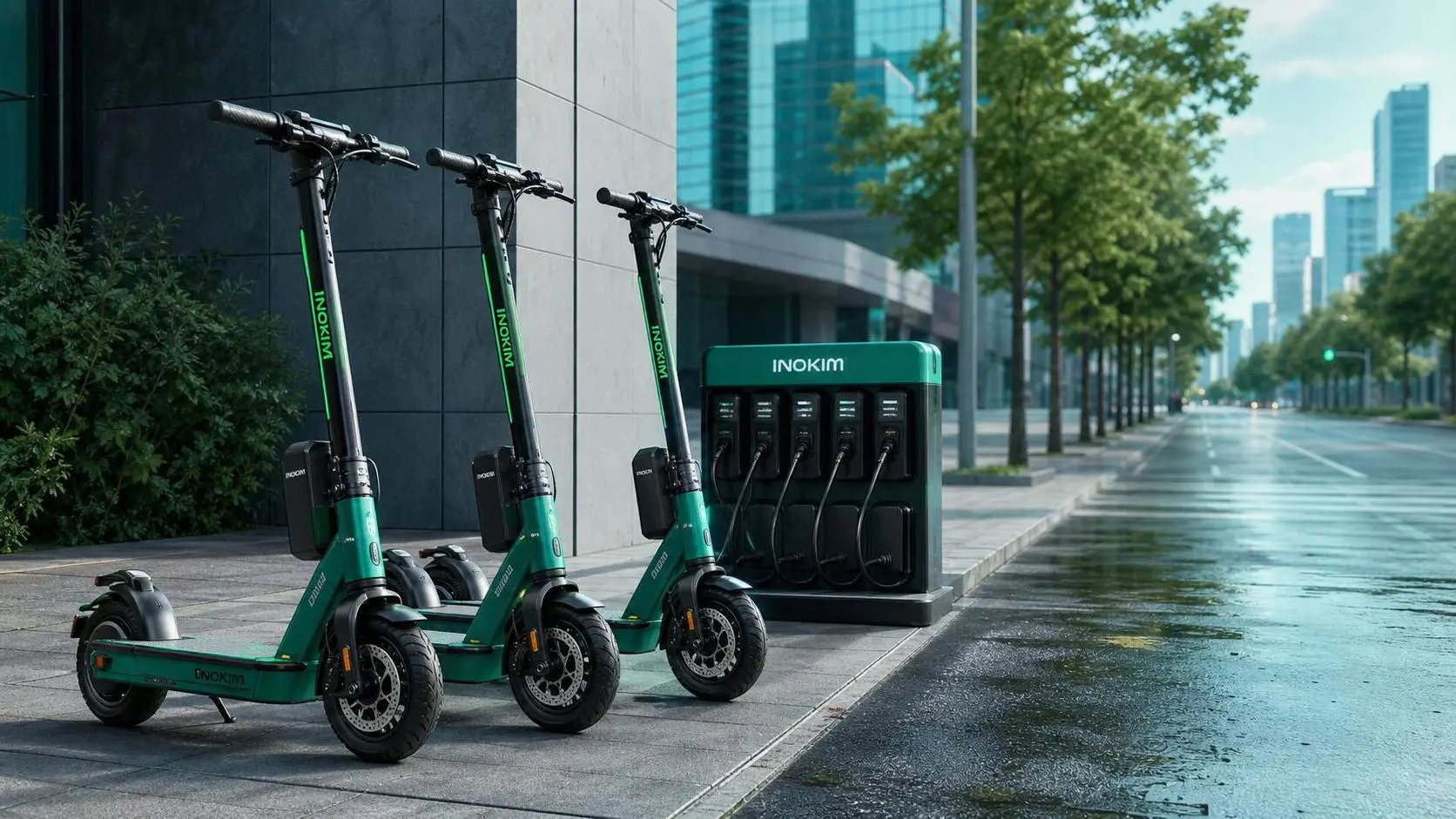
Green Transport Scooters for Urban Fleets: Which Specs Matter Most in Daily Use?
Green transport scooters for urban fleets: discover which specs truly drive uptime, safety, charging efficiency, and lower maintenance costs in daily city use.
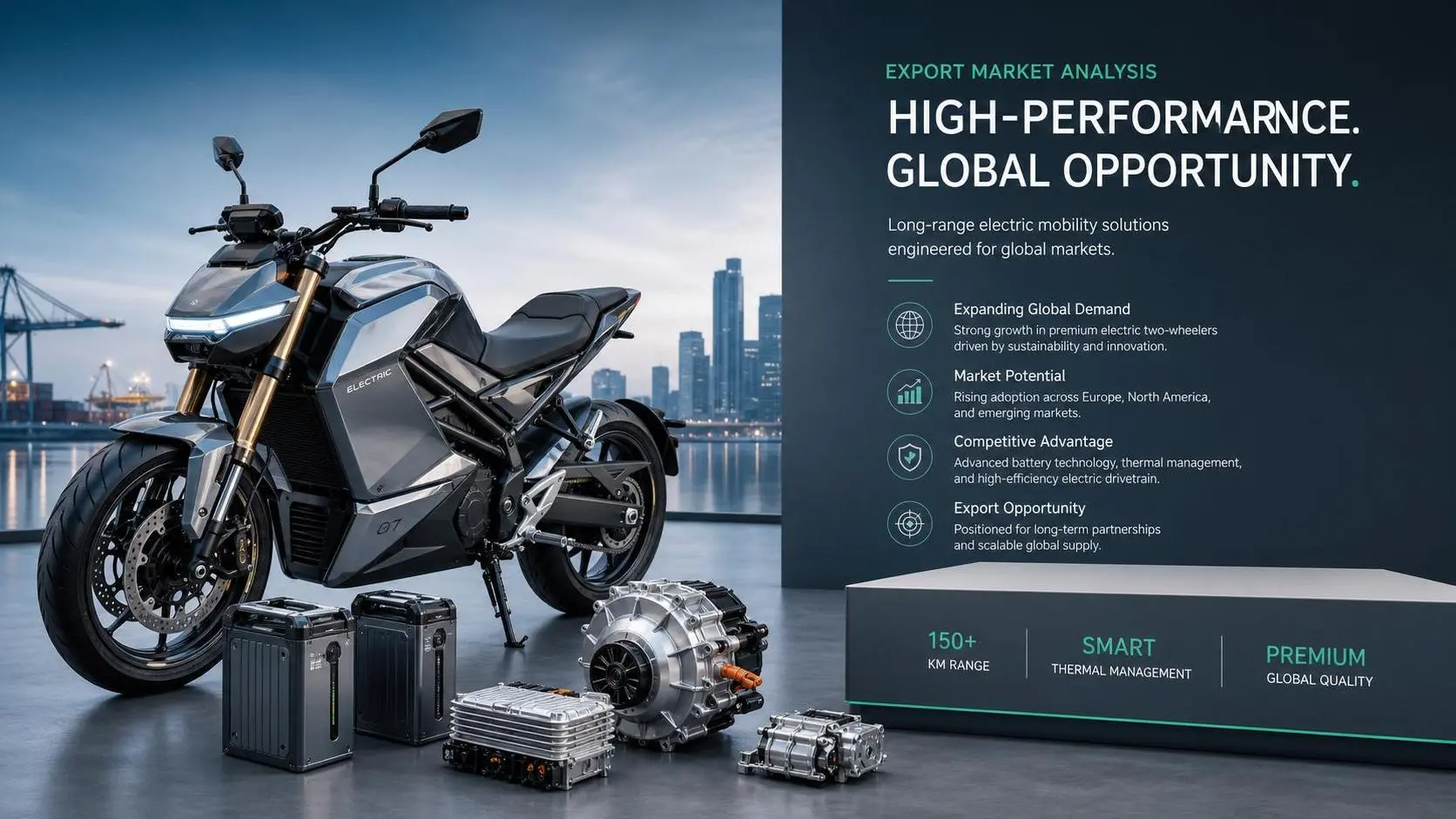
OEM Market Share in Electric Motorcycles: What It Reveals About Brand Positioning
OEM market share electric motorcycles reveals far more than sales volume—discover how share shifts expose brand positioning, technology strength, pricing logic, and scalable growth potential.
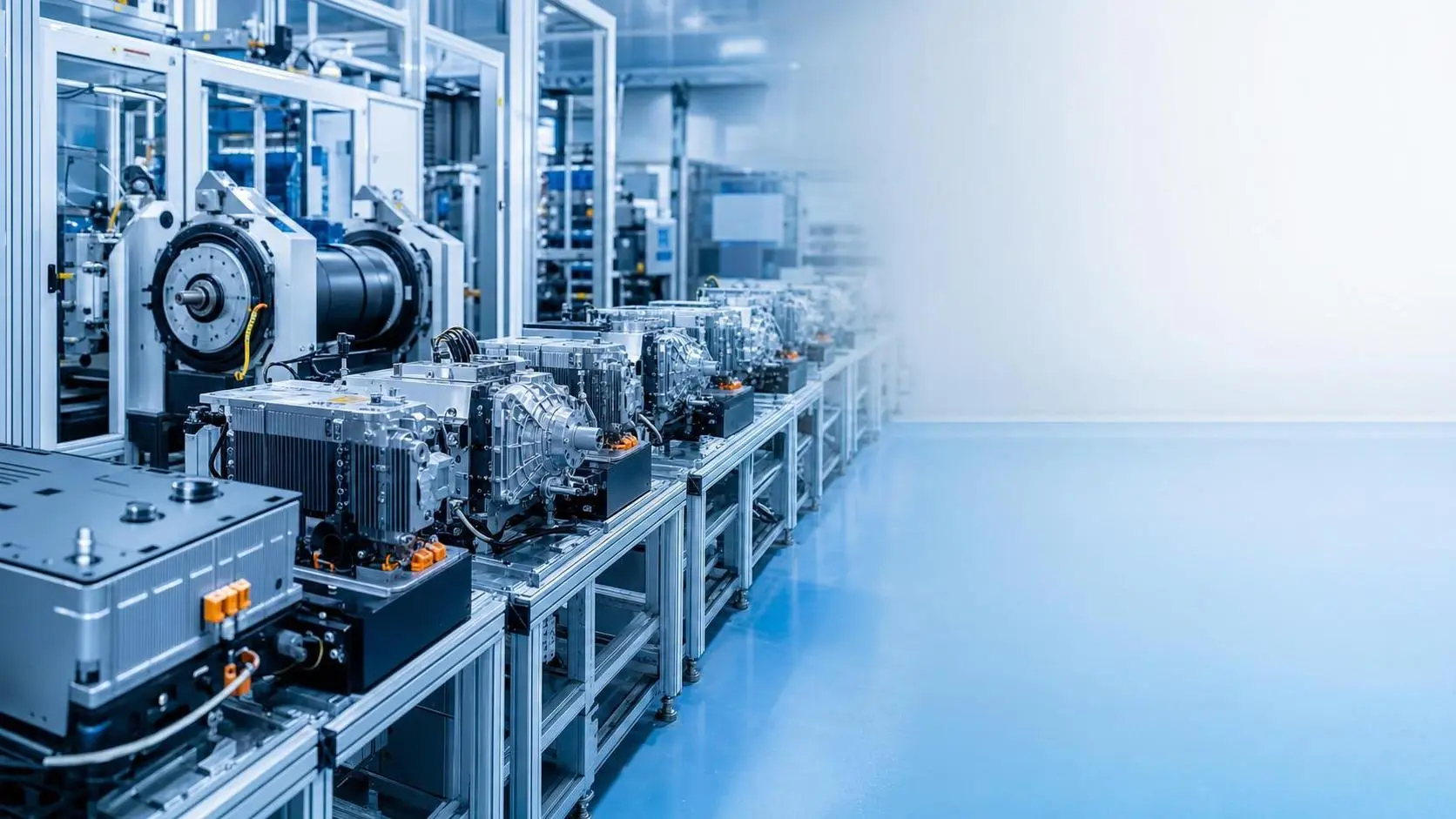
Electric Drivetrain Systems Factory Audit Checklist: Key Quality Points Before Sourcing
Electric drivetrain systems factory audit checklist: learn the key quality, testing, traceability, and process checks buyers should verify before sourcing to reduce risk and choose reliable suppliers.
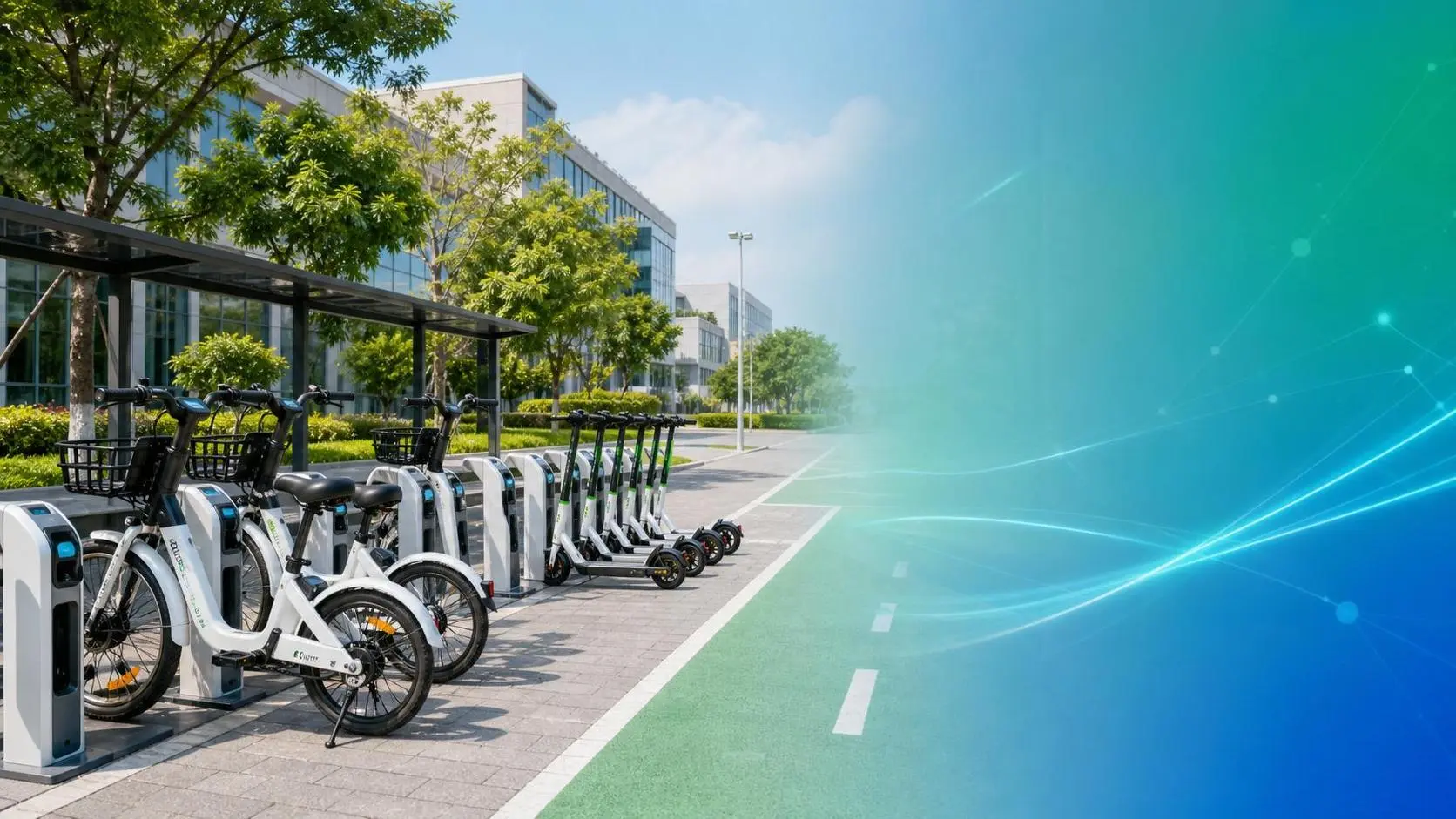
Micro-Mobility Solutions for Campuses: How to Choose the Right Fleet Model
Micro-mobility solutions for campuses: learn how to choose the right fleet model for safety, cost, charging, and rider demand to build a scalable, efficient campus transport program.