
Related News
- 00
0000-00
Intellectualization of Mobility in North America: What Is Driving Adoption Across Urban Transport? - 00
0000-00
What Is Driving Green Two-wheelers Demand in Europe? Policy, Fuel Costs, and Buyer Segments - 00
0000-00
Urban Micro-Mobility in North America: Policy, Charging Access, and Fleet Growth Drivers - 00
0000-00
Carbon Neutrality for Fleets: How to Measure Emissions and Prioritize Upgrades - 00
0000-00
Urban Traffic Micro-Circulation Providers: Key Models, Deployment Scenarios, and ROI Factors
Prof. Marcus Chen
Weekly Insights
Stay ahead with our curated technology reports delivered every Monday.
Intellectualization of Mobility in North America: What Is Driving Adoption Across Urban Transport?





Intellectualization of Mobility North America Is Moving From Pilot to Operating Model
The intellectualization of mobility North America is no longer a fringe discussion around connected scooters or app-based rentals.
It is becoming a practical framework for how cities manage short-distance movement, safety, energy use, and curbside capacity.
What changed is not only vehicle technology.
The larger shift is that urban transport now depends on data feedback, software coordination, and component-level intelligence.
That makes connected e-bikes, smart e-scooters, and electric two-wheelers more relevant to transport planning than they were even three years ago.
Across North America, congestion remains stubborn, public transit recovery is uneven, and climate targets are under pressure.
In that environment, the intellectualization of mobility North America is gaining traction because it addresses more than convenience.
It helps link mode choice, rider behavior, fleet reliability, charging logic, and infrastructure investment into one decision system.
For a market closely watched by UMMS, this is the point where micro-mobility stops being a novelty category.
It starts behaving like an integrated urban mobility layer, shaped by powertrain efficiency, sensor inputs, and operational intelligence.
The clearest signals are coming from streets, not presentations
Recent demand patterns show that adoption is being driven by lived transport friction.
Commuters want shorter transfer times, more reliable first-mile options, and predictable travel during peak congestion.
Cities want cleaner modes without adding more heavy infrastructure everywhere at once.
Operators want better asset utilization, fewer idle vehicles, and lower maintenance surprises.
That combination favors intelligent systems over simple hardware expansion.
The intellectualization of mobility North America is therefore showing up in several visible ways.
- Shared fleets are using telematics to rebalance vehicles by block, hour, and rider density.
- E-bike programs are integrating battery status, route gradients, and weather data into dispatch planning.
- Cities are tightening parking and right-of-way rules, which increases the value of compliance software.
- Premium electric motorcycles are being evaluated less as lifestyle products and more as urban fleet assets.
- Component intelligence, from thermal management to wireless shifting, is becoming part of the mobility performance story.
A more subtle signal is the widening definition of smart mobility.
It now includes reliability in harsh weather, battery diagnostics, anti-theft logic, and vehicle visibility systems.
That matters in North America, where climate variation and city form create very different operating conditions.
Why this shift is becoming harder to ignore
The drivers behind the intellectualization of mobility North America are converging rather than acting separately.
That convergence is what makes this phase more durable.
This also explains why the conversation is broadening beyond scooters alone.
E-bikes, high-speed electric motorcycles, and precision drivetrain systems are now part of the same intelligence stack.
UMMS has been tracking that stack closely because market value is shifting toward systems that connect mechanics, electronics, and operations.
The impact is spreading across the entire urban mobility chain
One common mistake is to view the intellectualization of mobility North America as a software overlay.
In practice, it reshapes decisions from component design to city partnerships.
Vehicle design is becoming operation-aware
Design priorities are moving toward uptime, sensor integration, and maintainability under dense urban use.
That raises the importance of battery management logic, motor efficiency, weather resilience, and diagnostic interfaces.
Even areas such as smart wiper systems matter more in mixed-weather cities where visibility affects fleet safety and compliance.
Operations are becoming more predictive
Fleet operators increasingly depend on data to predict battery degradation, part failure, and demand peaks.
That shifts maintenance from reactive repair to planned intervention.
The financial effect is significant because labor, downtime, and asset replacement are tightly linked.
Infrastructure planning is becoming more selective
North American cities are not building uniformly.
They are prioritizing corridors, charging points, parking rules, and multimodal hubs where data supports demand certainty.
That rewards companies able to demonstrate route intelligence, utilization quality, and measurable safety outcomes.
Demand is also separating into distinct use cases
The intellectualization of mobility North America is not producing one uniform market.
It is creating several demand lanes with different requirements.
- Shared urban fleets need strong telemetry, geofencing precision, and durable hardware for repeated daily turnover.
- Commuter e-bikes need range confidence, secure parking integration, and efficient power assistance in mixed terrain.
- Delivery and service use cases need heavier-duty batteries, predictable maintenance cycles, and low downtime costs.
- High-speed electric motorcycles need thermal stability, battery swapping logic, and stronger safety architecture.
- Performance bicycle systems need precise electronic shifting and drivetrain efficiency that support premium urban riding segments.
This segmentation matters because growth will not be captured by generic smart mobility positioning.
Winning strategies are becoming more scenario-specific, especially in city-by-city rollout decisions.
What deserves closer attention over the next planning cycle
Several indicators now carry more strategic value than headline shipment numbers.
From recent market behavior, four deserve particular attention.
Interoperability will matter more than isolated features
Connected hardware must work across fleet software, charging systems, municipal rules, and service workflows.
A technically impressive device can still lose relevance if it cannot fit larger operating systems.
Reliability data will shape procurement and partnerships
Cities and operators are asking tougher questions about component life, weather performance, and field repair frequency.
That puts more value on evidence from battery analytics, drivetrain durability, and sensor fault rates.
Regulation will increasingly reward measurable compliance
Parking discipline, speed behavior, and right-of-way enforcement are easier to manage when the vehicle itself produces verifiable data.
This is one reason the intellectualization of mobility North America is becoming policy-relevant, not just commercially attractive.
Technical credibility is becoming market credibility
UMMS has emphasized this point through its focus on micro-mobility intelligence, not surface-level category tracking.
In this market, details like anti-interference protocols, thermal management models, and electromechanical efficiency affect strategic positioning.
A practical way to respond without overcommitting too early
The next step is not to chase every mobility signal at once.
A better approach is to build a sharper view of where the intellectualization of mobility North America is already changing decisions.
- Map which urban use cases depend most on software visibility, battery intelligence, and fleet coordination.
- Compare city-level policy signals with actual corridor demand instead of relying on national averages.
- Track which components create measurable gains in uptime, safety, and energy efficiency.
- Test whether data outputs are strong enough to support compliance, funding discussions, and partnerships.
- Build a staged roadmap for connected vehicles, charging logic, and service operations rather than one large rollout.
The larger judgment is fairly clear.
The intellectualization of mobility North America is advancing because urban transport now needs systems that can sense, adapt, and prove value.
That creates openings for organizations that understand mobility as a connected industrial ecosystem, not a single vehicle category.
Over the next cycle, the most useful move is to keep watching the data-rich edges of the market.
Those edges usually reveal where urban transport is heading before the mainstream language catches up.
- e-bikes
- smart e-scooters
- wiper systems
- battery management
- thermal management
- micro-mobility intelligence
- precision drivetrain
- electric two-wheelers
- smart mobility
- anti-interference protocols
- technical credibility
- intellectualization of mobility
- electronic shifting
- battery swapping
- micro-mobility
- electric motorcycles
- wireless shifting
- high-speed electric motorcycles
- smart wiper systems
- precision drivetrain systems
- intellectualization of mobility North America
Related News
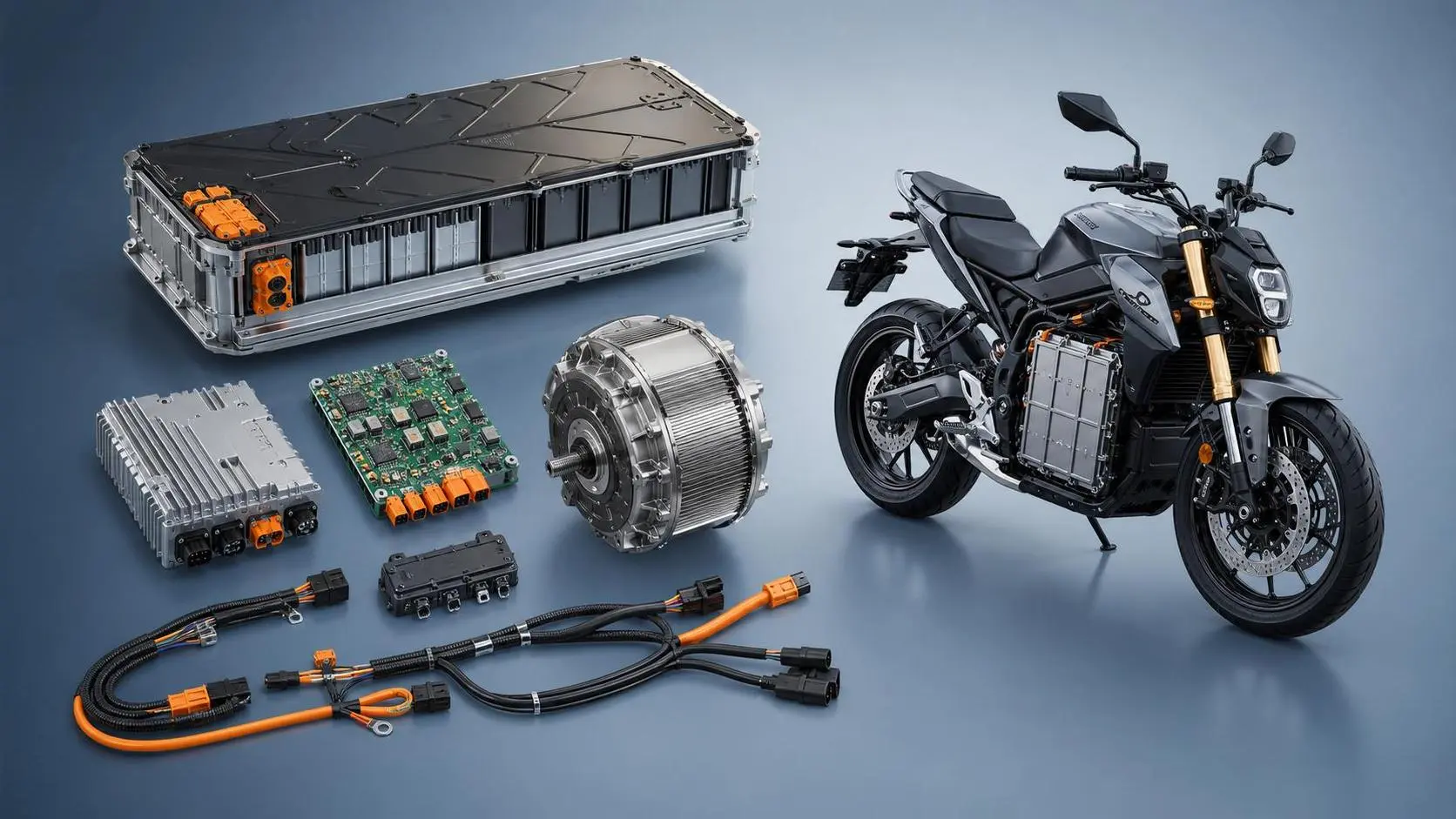
Electric Motorcycle Systems Price Breakdown: What Affects Cost From Battery to Controller?
Electric motorcycle systems price explained: see how battery, controller, motor, BMS, and wiring affect total cost, reliability, and sourcing value before you buy.
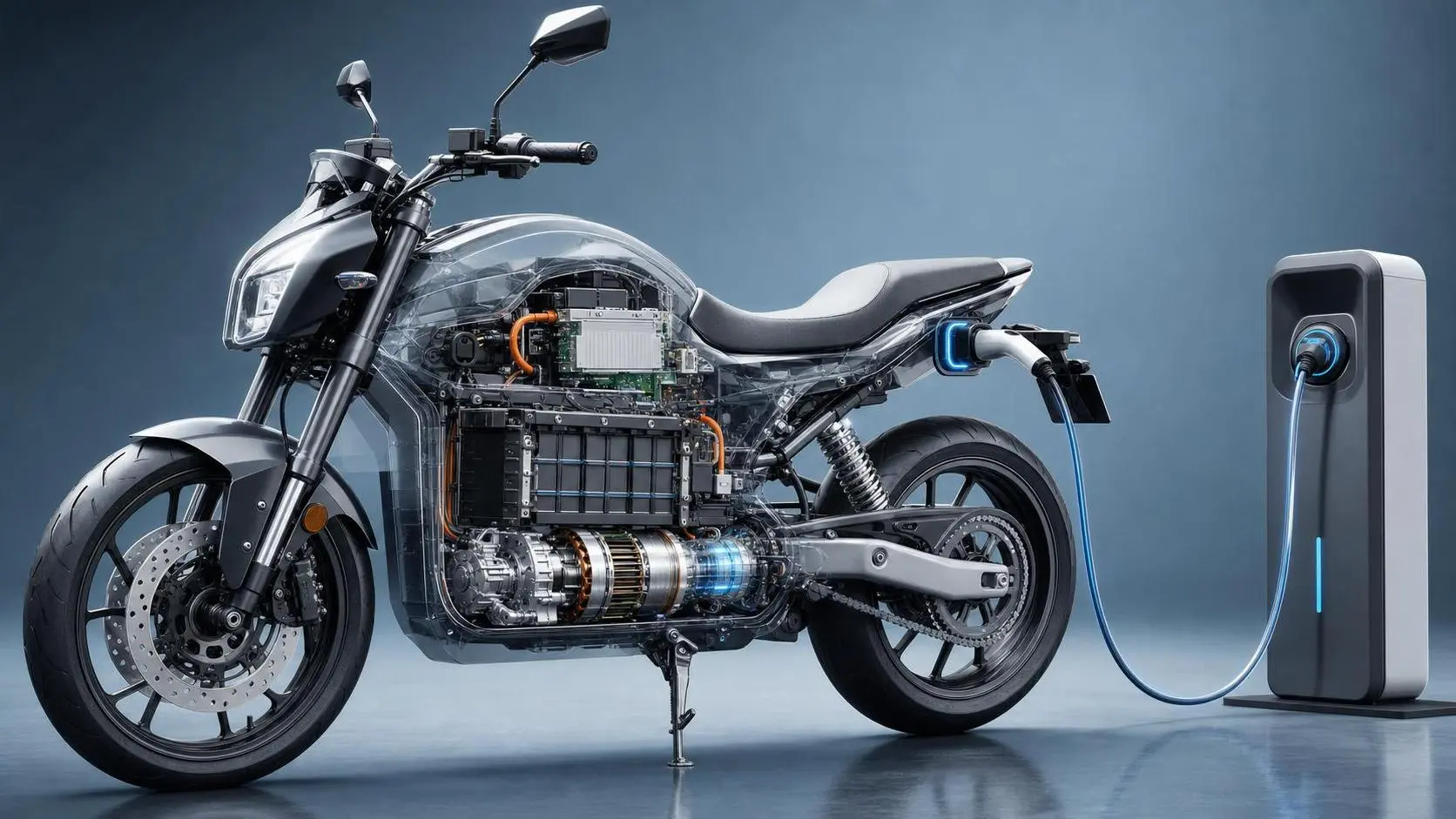
72V Electric Motorcycle Technology Explained: Motors, Controllers, Range, and Charging
Electric motorcycle technology 72V explained clearly: compare motors, controllers, range, battery design, and charging to choose a smoother, stronger, and smarter electric ride.

Where LED Urban Visibility Safety Systems Fit Best in Shared Scooters and City E-bikes
LED urban visibility safety systems deliver the most value in shared scooters and city e-bikes by improving multi-angle safety, fleet durability, and urban compliance across real-world routes.
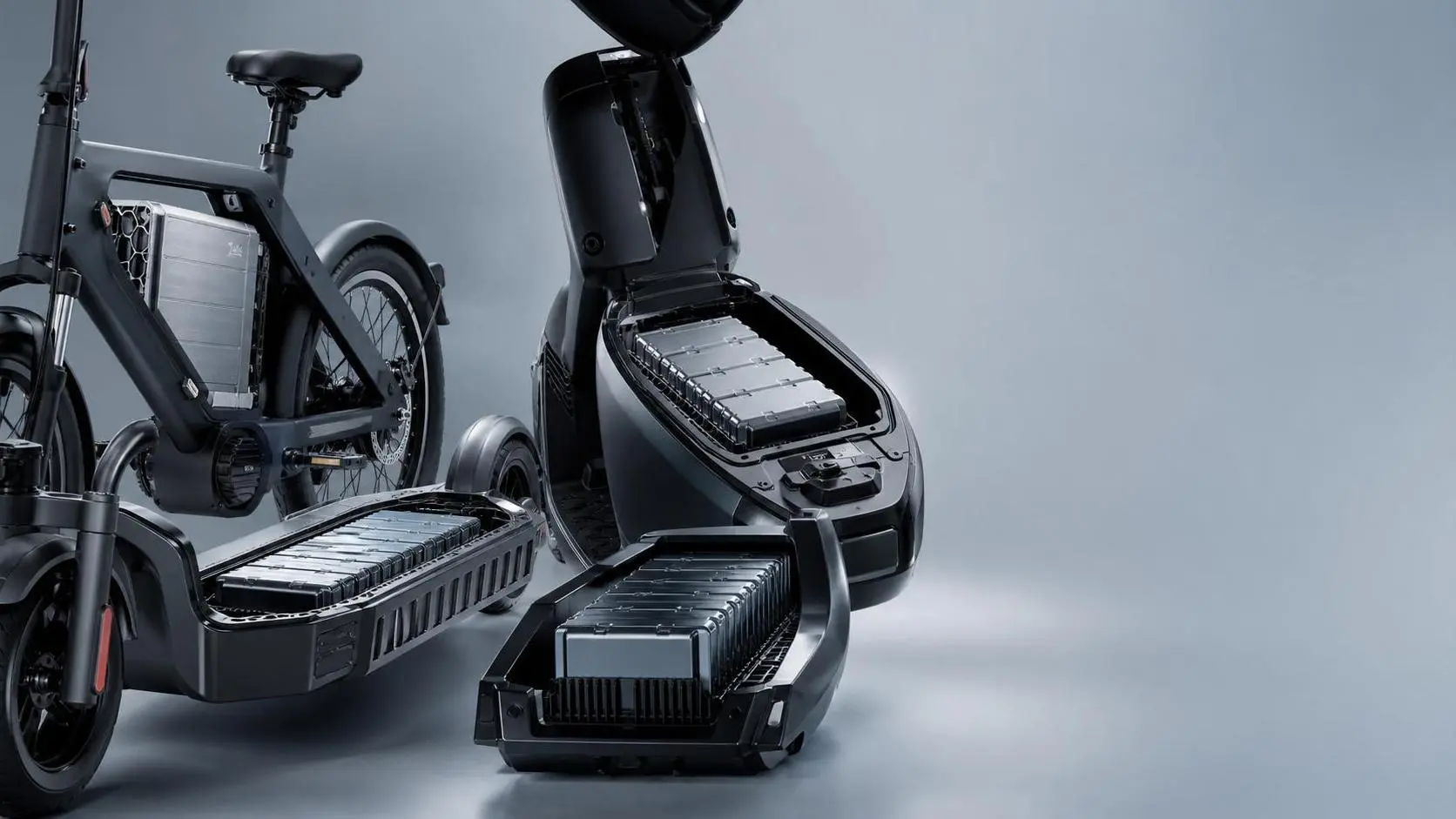
How to Choose a Compact Battery Pack: Size, Energy Density, Thermal Design, and Cycle Life
Compact battery pack selection starts with more than size. Learn how energy density, thermal design, and cycle life shape range, safety, and long-term value.
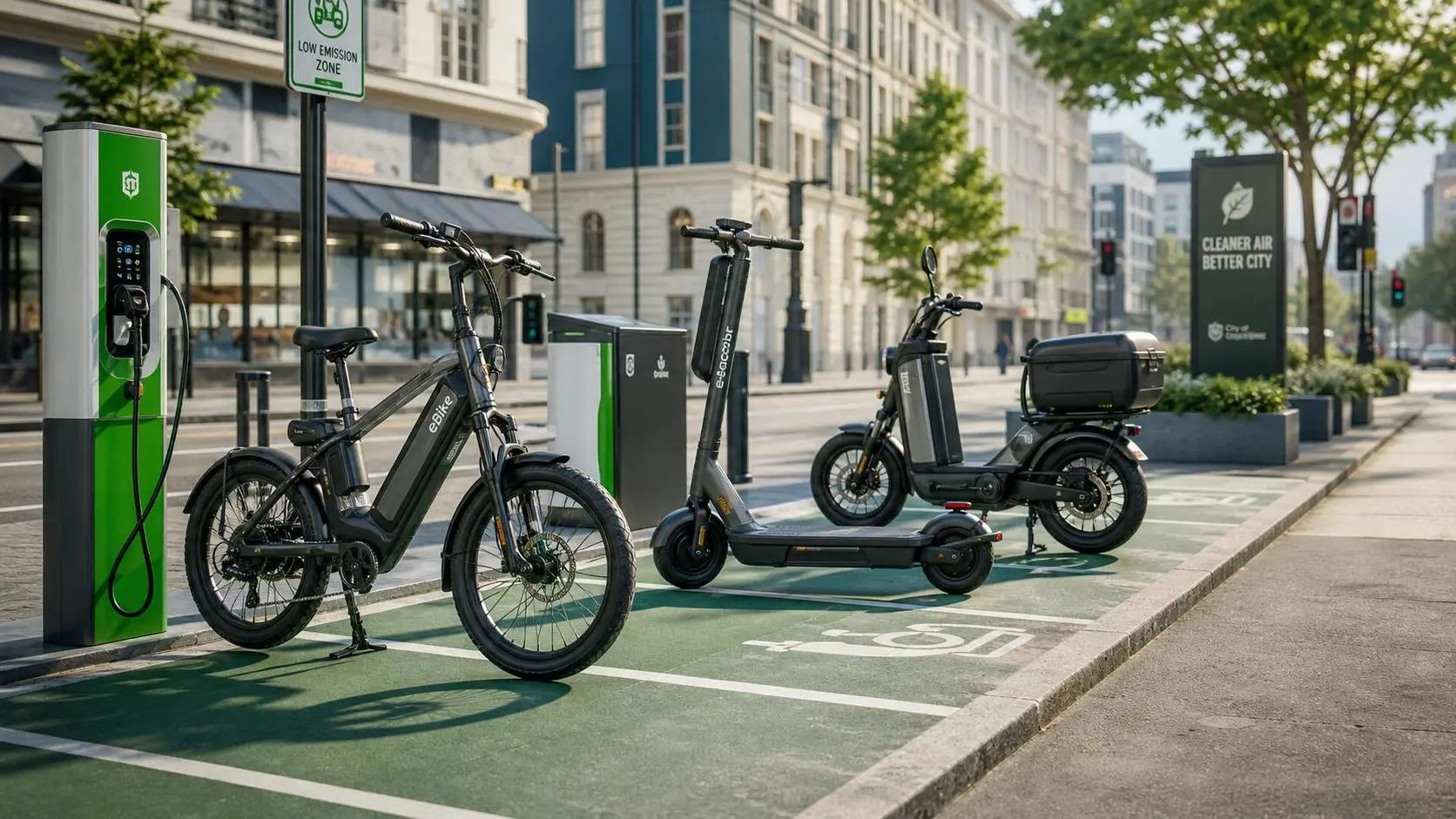
What Is Driving Green Two-wheelers Demand in Europe? Policy, Fuel Costs, and Buyer Segments
Green two-wheelers demand Europe is rising as policy support, fuel cost pressure, and diverse buyer segments reshape urban mobility. Explore the trends driving the next growth wave.
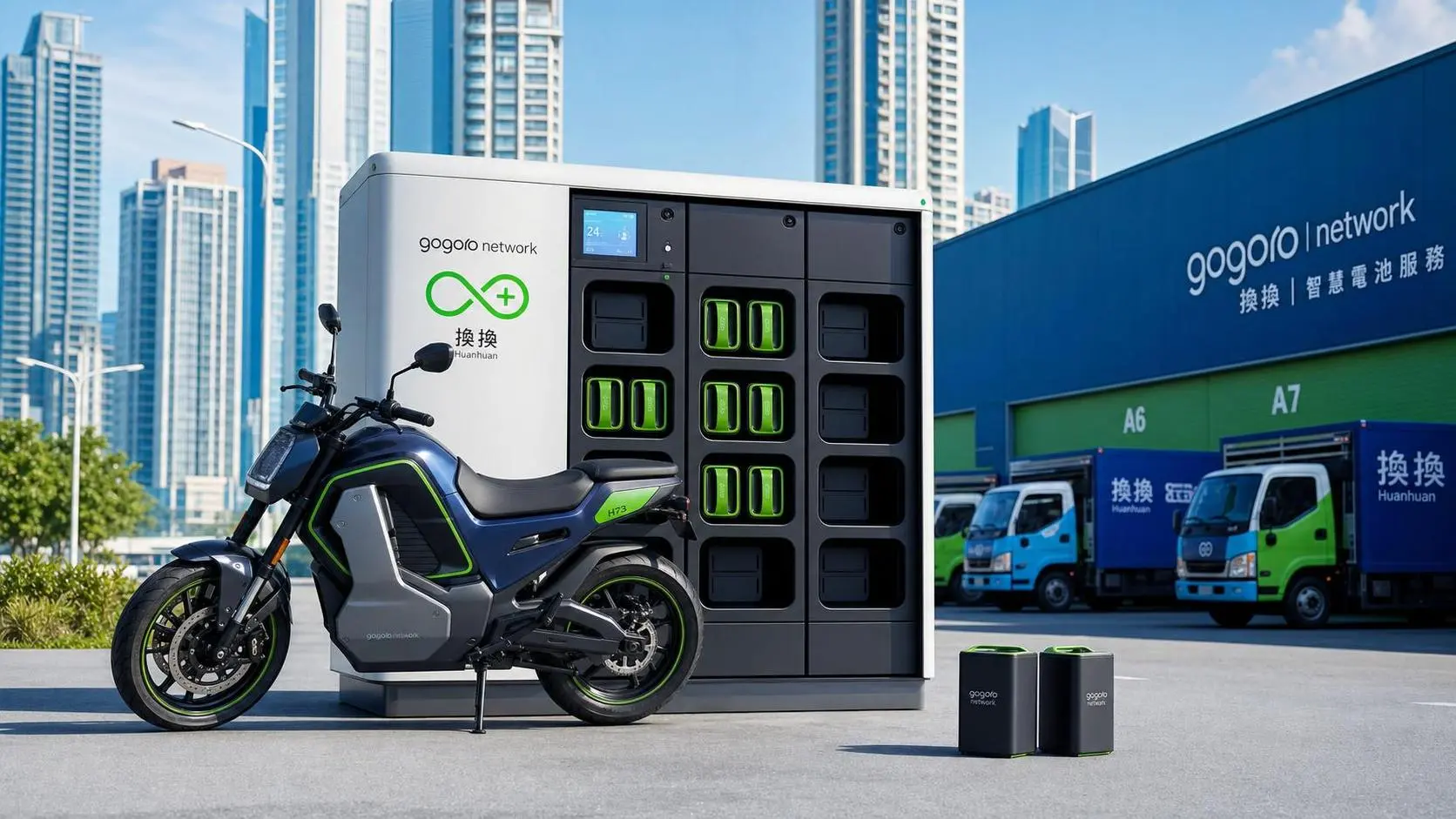
High-speed Electric Motorcycles with Swappable Battery: What to Check Before Commercial Deployment
High-speed electric motorcycles with swappable battery: learn what to verify before commercial deployment, from swap uptime and battery safety to compliance, serviceability, and real fleet ROI.
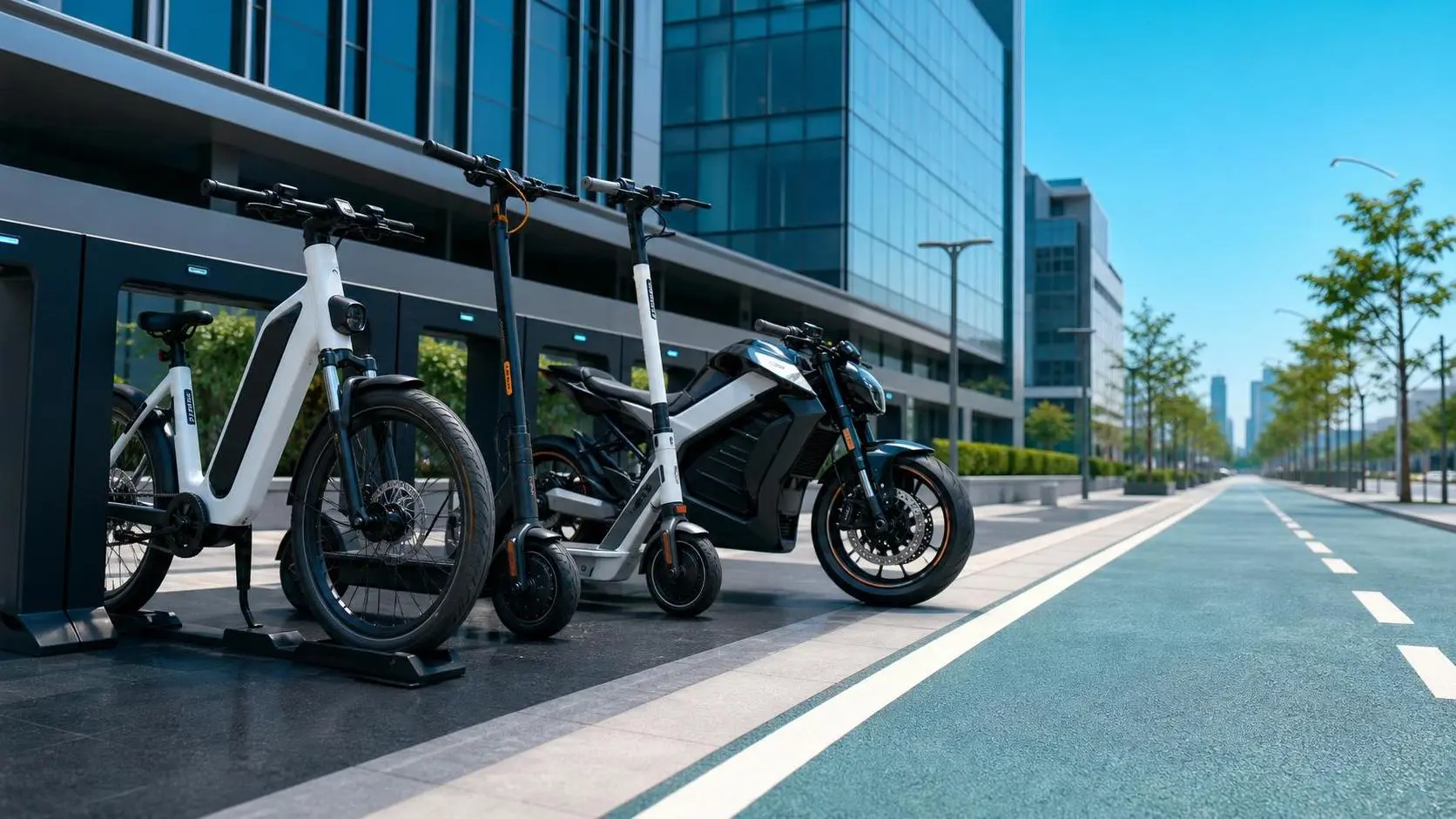
Micro-mobility Systems Explained: Core Components, Operating Models, and City Use Cases
Micro-mobility systems explained: discover key components, operating models, and real city use cases shaping cleaner, smarter urban transport and last-mile mobility.
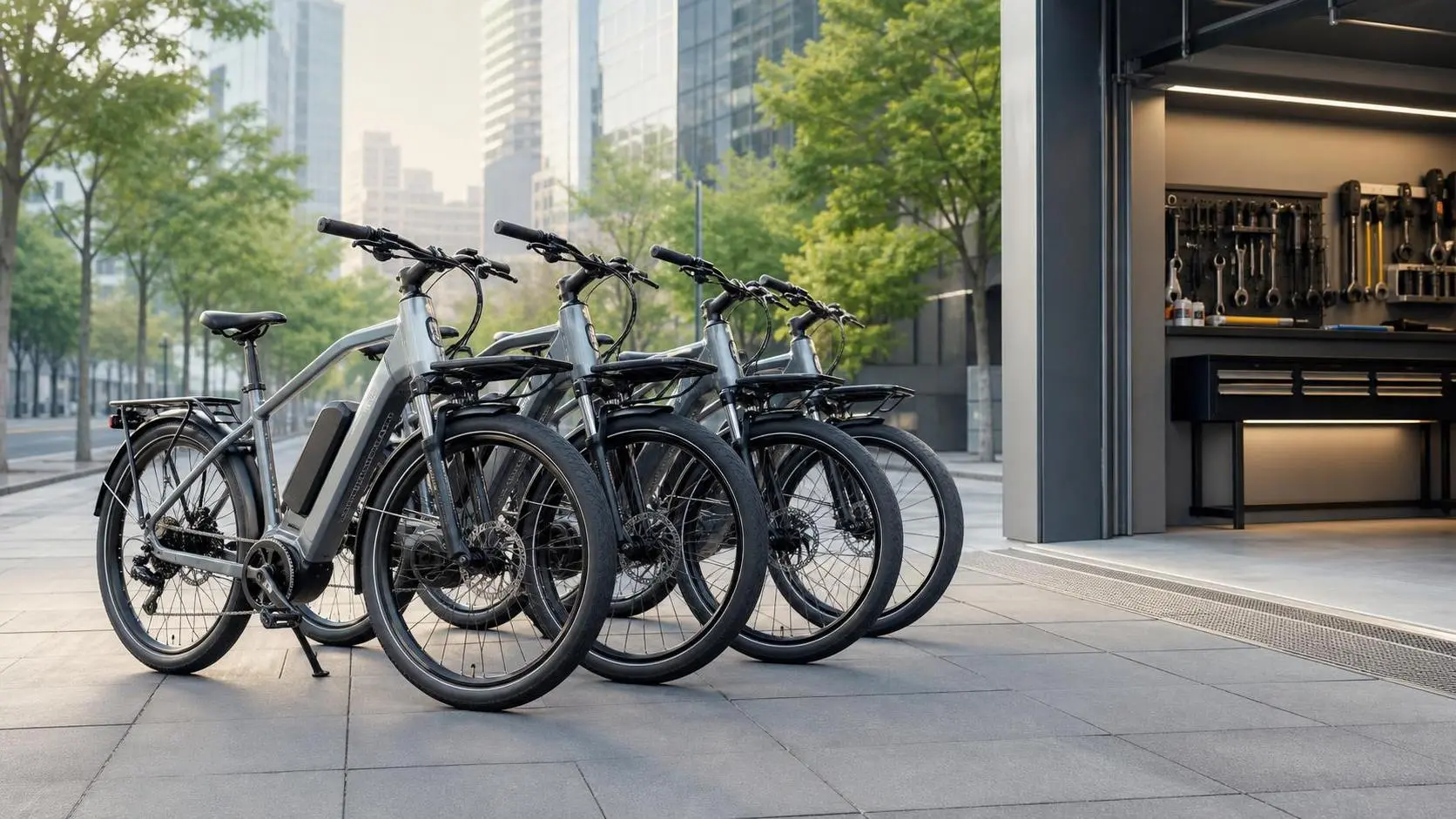
How to Choose Urban Commuting E-bikes for Rental Fleets by Range, Durability, and Serviceability
Urban commuting e-bikes for rental fleets: learn how to compare real-world range, durability, and serviceability to cut downtime, lower fleet costs, and choose smarter bikes.
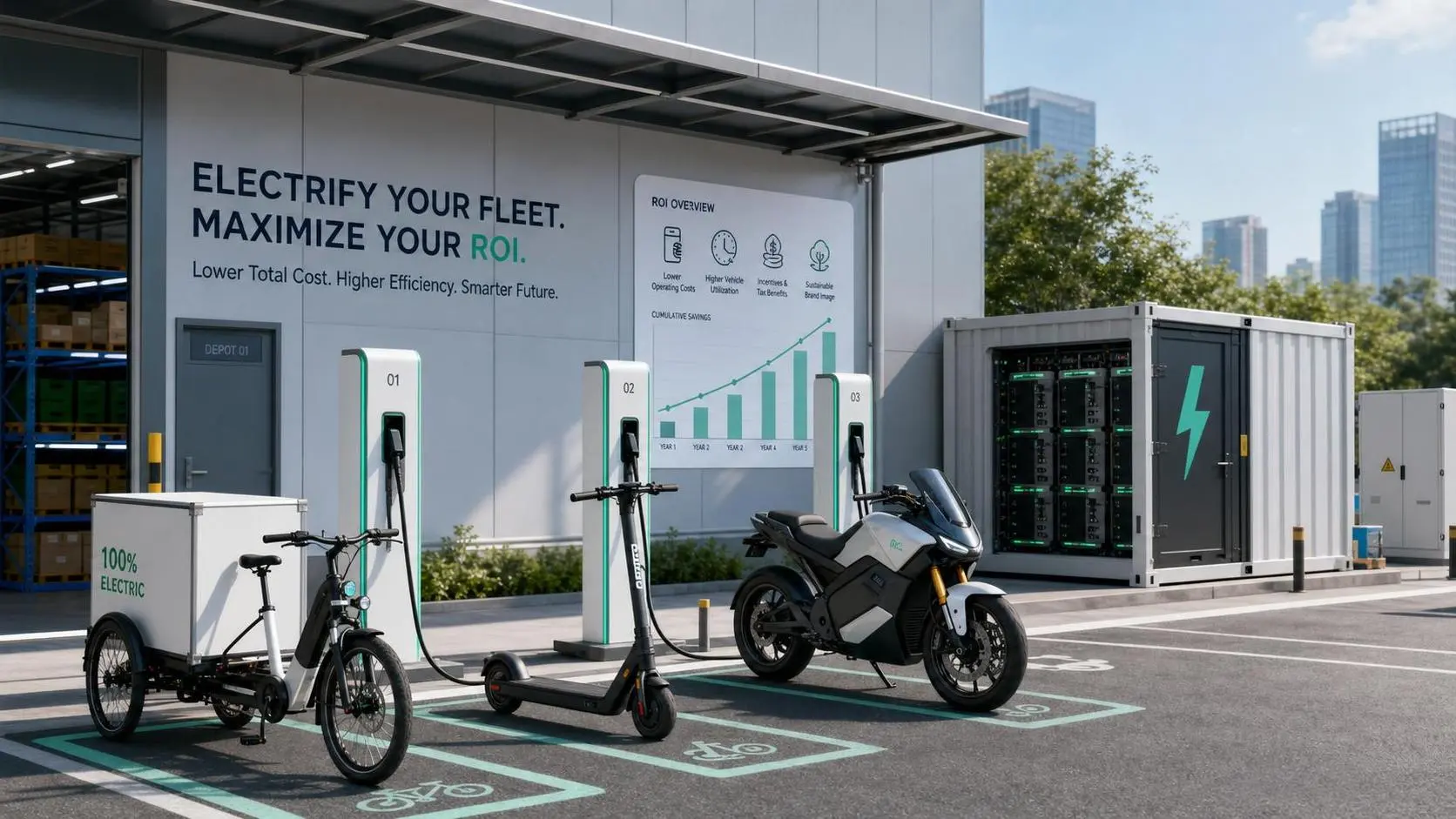
Electrification Strategies in Europe: Policy, Charging, and ROI Factors for Fleet Planning
Electrification strategies Europe: learn how policy shifts, charging readiness, and ROI modeling shape smarter fleet planning, lower risk, and faster payback across urban operations.