
Related News
- 00
0000-00
How to Choose a Compact Battery Pack: Size, Energy Density, Thermal Design, and Cycle Life - 00
0000-00
Battery Management Systems Factory Capabilities: How to Compare Testing and Traceability - 00
0000-00
Swappable Battery Scooter Market: Key Growth Segments and Fleet Demand Signals - 00
0000-00
Fleet Battery Swap Solutions: How to Compare Throughput, Downtime, and Site Needs - 00
0000-00
Battery Swapping Network Cost: What Drives Setup and Operating Expenses?
Electric Powertrain Analyst
Weekly Insights
Stay ahead with our curated technology reports delivered every Monday.
How to Choose a Compact Battery Pack: Size, Energy Density, Thermal Design, and Cycle Life





Choosing a compact battery pack for micro-mobility is rarely a matter of fitting cells into the smallest possible volume. In e-bikes, smart e-scooters, and high-speed e-motorcycles, the better question is how size, usable energy, heat behavior, and aging interact under real duty cycles. A pack that looks efficient on paper can still create integration limits, thermal stress, or poor lifetime economics once it enters daily urban service.
That is why compact battery pack selection has become a strategic topic across the UMMS coverage landscape. As two-wheeler electrification expands, battery architecture now affects rider range, frame packaging, charging routines, service intervals, safety margins, and even market positioning. The strongest evaluations connect cell-level metrics with system-level outcomes.
What a compact battery pack really means
A compact battery pack is not simply a small battery. It is a battery system designed to deliver required energy and power within tight mass and volume constraints.
In practical terms, compactness must be judged against the full vehicle package. Downtube cavities, deck housings, removable modules, and battery-swap formats all impose different limits.
This changes the evaluation logic. A physically smaller pack may reduce available cooling surface, increase internal current stress, or complicate protection design.
For that reason, the best compact battery pack is usually the one that balances packaging efficiency with reliable electrical and thermal behavior over time.
Why the topic matters more now
Urban mobility platforms are being pushed in several directions at once. Vehicles need longer range, lighter frames, faster charging, and cleaner industrial design.
At the same time, policy pressure around safety, transport certification, and battery traceability is increasing. Shared fleets also demand lower downtime and more predictable replacement cycles.
UMMS tracks these shifts because battery decisions now influence more than propulsion. They affect connectivity modules, control layouts, frame geometry, and service models across the micro-mobility value chain.
In other words, compact battery pack selection now sits between engineering feasibility and commercial competitiveness.
Size is only the starting point
Dimensional fit matters, but it should not dominate the decision by itself. A pack that fits neatly into the enclosure may still be difficult to wire, mount, cool, or service.
Look beyond external dimensions
Internal layout strongly affects usable performance. Cell spacing, busbar routing, fuse strategy, and BMS placement all consume volume that headline dimensions do not reveal.
Mechanical tolerance also matters. Tight housing designs can transfer vibration loads into cells or tabs, especially in scooters facing curb impacts and road shock.
Packaging must match the duty profile
A removable e-bike pack may prioritize ergonomic extraction and sealing. A fixed under-deck scooter pack may prioritize low center of gravity and structural rigidity.
For high-speed e-motorcycles, compact packaging often competes with high discharge demand. That makes internal resistance and heat rejection much more critical.
Energy density is valuable, but not free
Energy density is often the first selling point of a compact battery pack. Higher gravimetric and volumetric energy density can extend range without enlarging the battery bay.
Still, high energy density involves trade-offs. More active material in less space can reduce thermal headroom and make fault propagation harder to manage.
Chemistry choice shapes that balance. Nickel-rich cells may deliver attractive energy density, while LFP may offer stronger thermal stability and longer cycle durability in some use cases.
The correct comparison is not cell brochure against cell brochure. It is pack-level usable watt-hours under expected load, temperature, and state-of-charge windows.
Thermal design decides whether the pack stays compact in practice
Thermal design is often where compact battery pack projects succeed or fail. Small packs face concentrated heat generation during climbing, rapid acceleration, fast charging, and hot-weather parking.
The problem is not only maximum temperature. Temperature spread across cells also affects balancing behavior, aging uniformity, and available output.
What deserves closer attention
- Cell-to-cell thermal gradient during repeated acceleration events.
- Heat paths through potting, pads, casing, and structural mounts.
- Ambient exposure inside closed frames or sealed scooter decks.
- BMS derating logic during charging and regenerative braking.
- Recovery time after peak load or fast-charge sessions.
This matters especially in dense urban operations. Stop-start riding can generate repeated current spikes without giving the pack enough time to cool.
In shared or delivery fleets, that pattern may be more severe than standard lab cycling. Bench results should therefore be checked against route-level load maps.
Cycle life should be measured in usable service, not laboratory optimism
Cycle life is often quoted as a large round number, but the figure can hide important assumptions. Depth of discharge, charge rate, temperature, and end-of-life criteria all change the result.
For a compact battery pack, aging can accelerate if the design regularly operates near thermal or current limits. High energy density alone does not guarantee lower total cost.
The more useful question is how long the pack can maintain acceptable range, power response, and charging time in the target application.
A practical cycle-life lens
For commuter e-bikes, moderate current draw may support long calendar life if summer storage temperatures stay controlled.
For smart e-scooters, frequent top-up charging and outdoor heat exposure may cause capacity fade earlier than cycle count alone suggests.
For high-speed e-motorcycles, repeated peak discharge and aggressive fast charging can push internal resistance upward before energy loss becomes obvious.
How application context changes the right answer
There is no universal compact battery pack specification that fits all platforms. The right choice depends on operating profile, enclosure geometry, and service logic.
This application-first view is consistent with the broader UMMS approach. Battery assessment should be tied to the full urban mobility system, not isolated component claims.
A better evaluation process
A disciplined review of a compact battery pack usually benefits from a short checklist that combines mechanical, electrical, thermal, and lifecycle evidence.
- Map actual route loads, including grade, payload, starts, and charging intervals.
- Compare usable pack energy instead of nominal cell capacity alone.
- Review temperature rise under repeated peak events, not single bursts.
- Check degradation data across realistic SOC windows and ambient conditions.
- Confirm serviceability, diagnostics, and protection architecture early.
- Treat certification and transport compliance as design inputs, not final paperwork.
That process usually exposes hidden trade-offs faster than broad supplier comparisons. It also helps separate a visually neat battery module from a truly robust compact battery pack.
Where to focus next
The most productive next step is to define the battery around the vehicle mission profile, then pressure-test each claim at pack level. Size, energy density, thermal design, and cycle life should be reviewed as one connected system.
For teams following the micro-mobility sector through UMMS, the clearest advantage comes from comparing battery options against real urban operating patterns, evolving safety expectations, and long-term service economics. That is where compact battery pack selection moves from specification reading to defensible technical judgment.
Related News
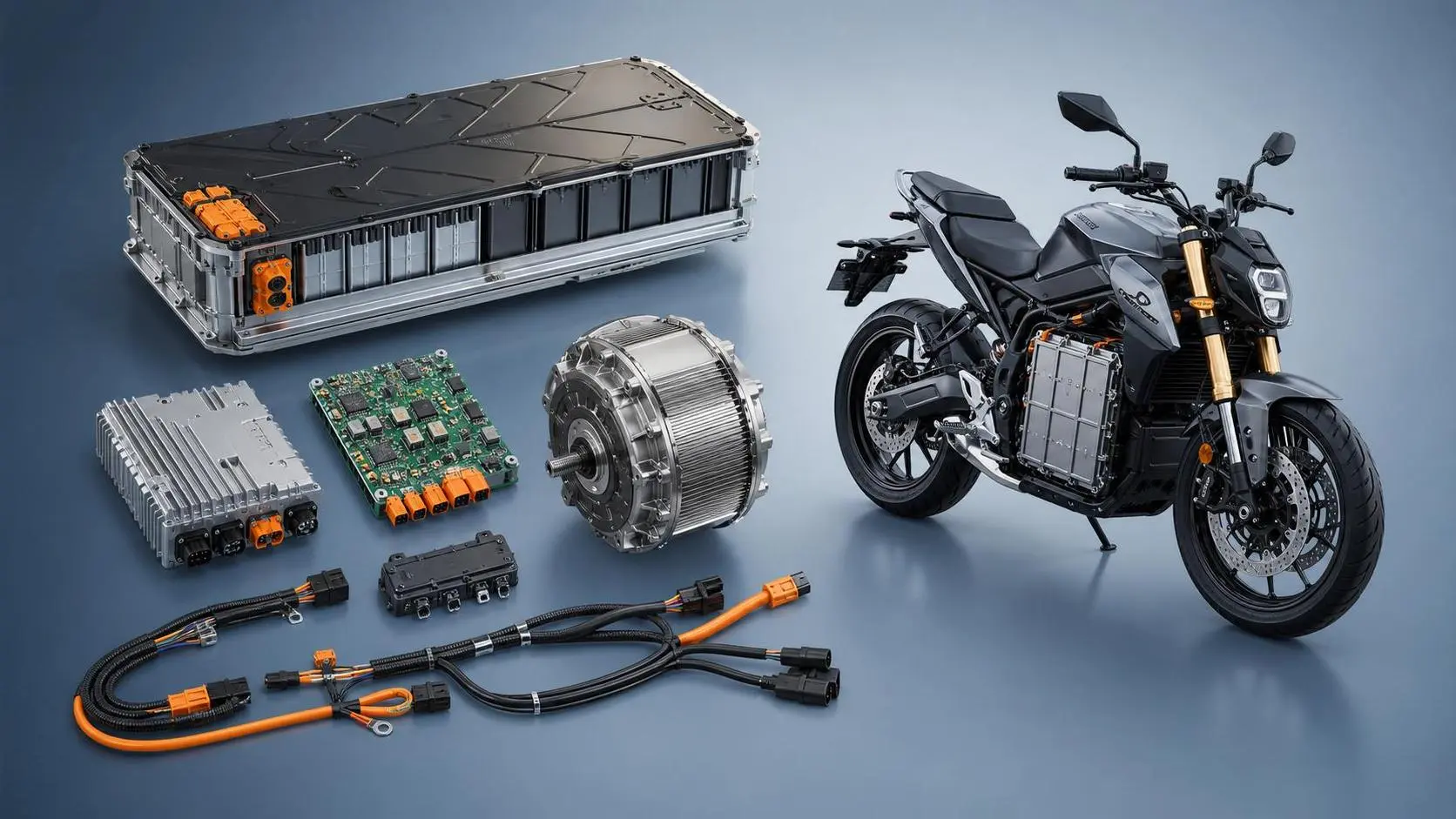
Electric Motorcycle Systems Price Breakdown: What Affects Cost From Battery to Controller?
Electric motorcycle systems price explained: see how battery, controller, motor, BMS, and wiring affect total cost, reliability, and sourcing value before you buy.
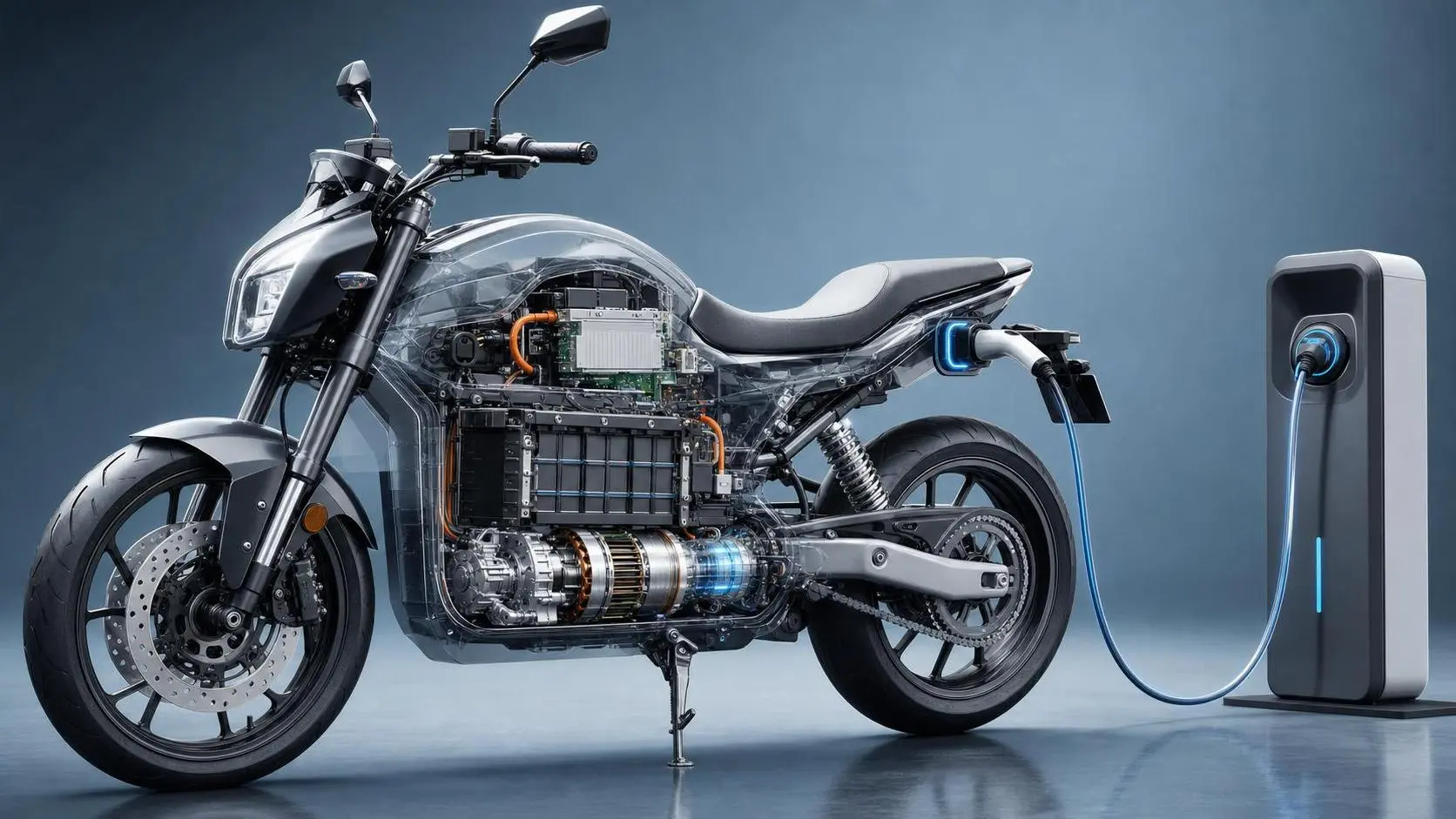
72V Electric Motorcycle Technology Explained: Motors, Controllers, Range, and Charging
Electric motorcycle technology 72V explained clearly: compare motors, controllers, range, battery design, and charging to choose a smoother, stronger, and smarter electric ride.

Where LED Urban Visibility Safety Systems Fit Best in Shared Scooters and City E-bikes
LED urban visibility safety systems deliver the most value in shared scooters and city e-bikes by improving multi-angle safety, fleet durability, and urban compliance across real-world routes.

Intellectualization of Mobility in North America: What Is Driving Adoption Across Urban Transport?
Intellectualization of mobility North America is reshaping urban transport through data, smart fleets, and battery intelligence. Explore what is driving adoption and why cities and operators are accelerating now.
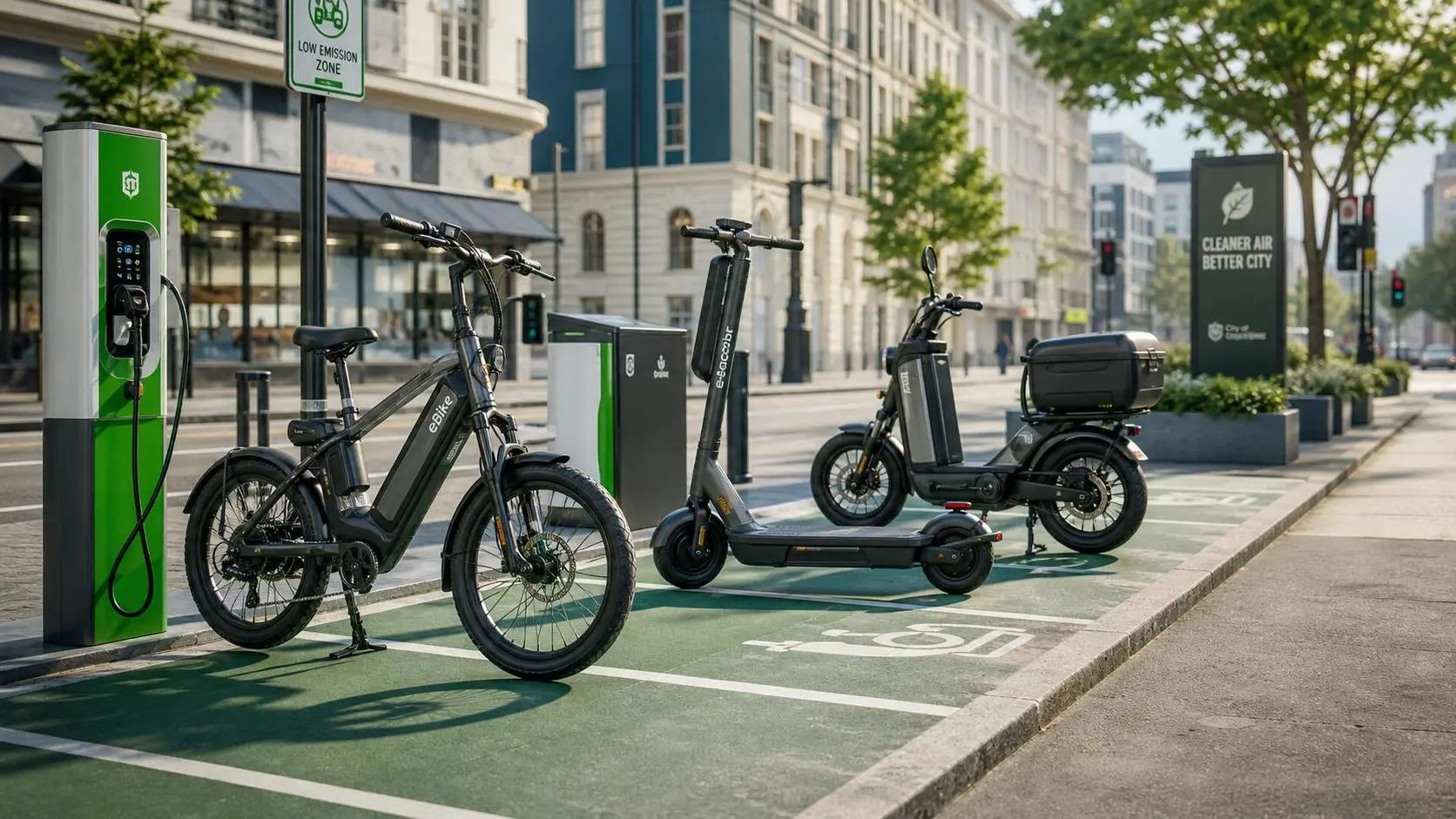
What Is Driving Green Two-wheelers Demand in Europe? Policy, Fuel Costs, and Buyer Segments
Green two-wheelers demand Europe is rising as policy support, fuel cost pressure, and diverse buyer segments reshape urban mobility. Explore the trends driving the next growth wave.
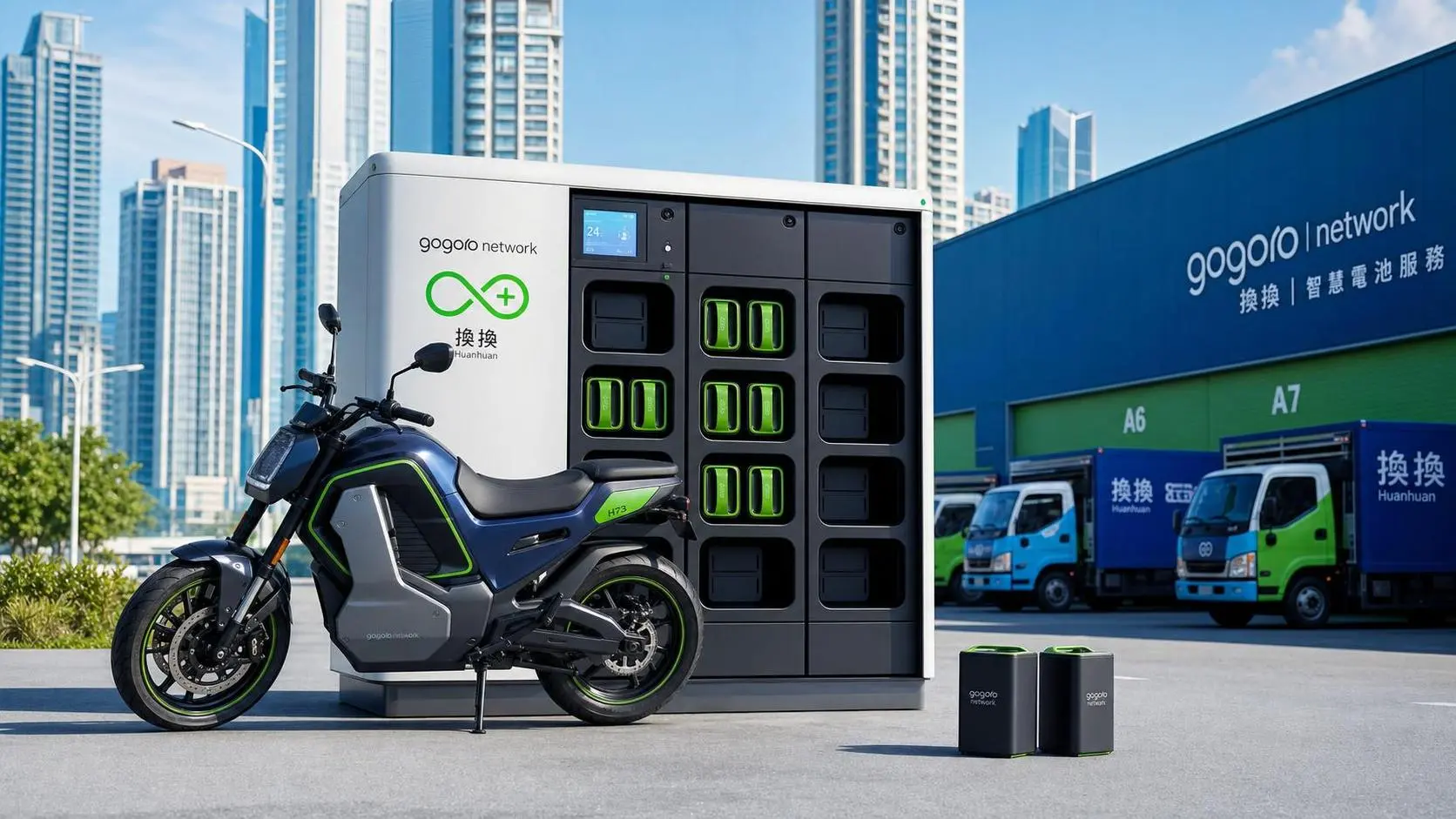
High-speed Electric Motorcycles with Swappable Battery: What to Check Before Commercial Deployment
High-speed electric motorcycles with swappable battery: learn what to verify before commercial deployment, from swap uptime and battery safety to compliance, serviceability, and real fleet ROI.
Micro-mobility Systems Explained: Core Components, Operating Models, and City Use Cases
Micro-mobility systems explained: discover key components, operating models, and real city use cases shaping cleaner, smarter urban transport and last-mile mobility.
How to Choose Urban Commuting E-bikes for Rental Fleets by Range, Durability, and Serviceability
Urban commuting e-bikes for rental fleets: learn how to compare real-world range, durability, and serviceability to cut downtime, lower fleet costs, and choose smarter bikes.
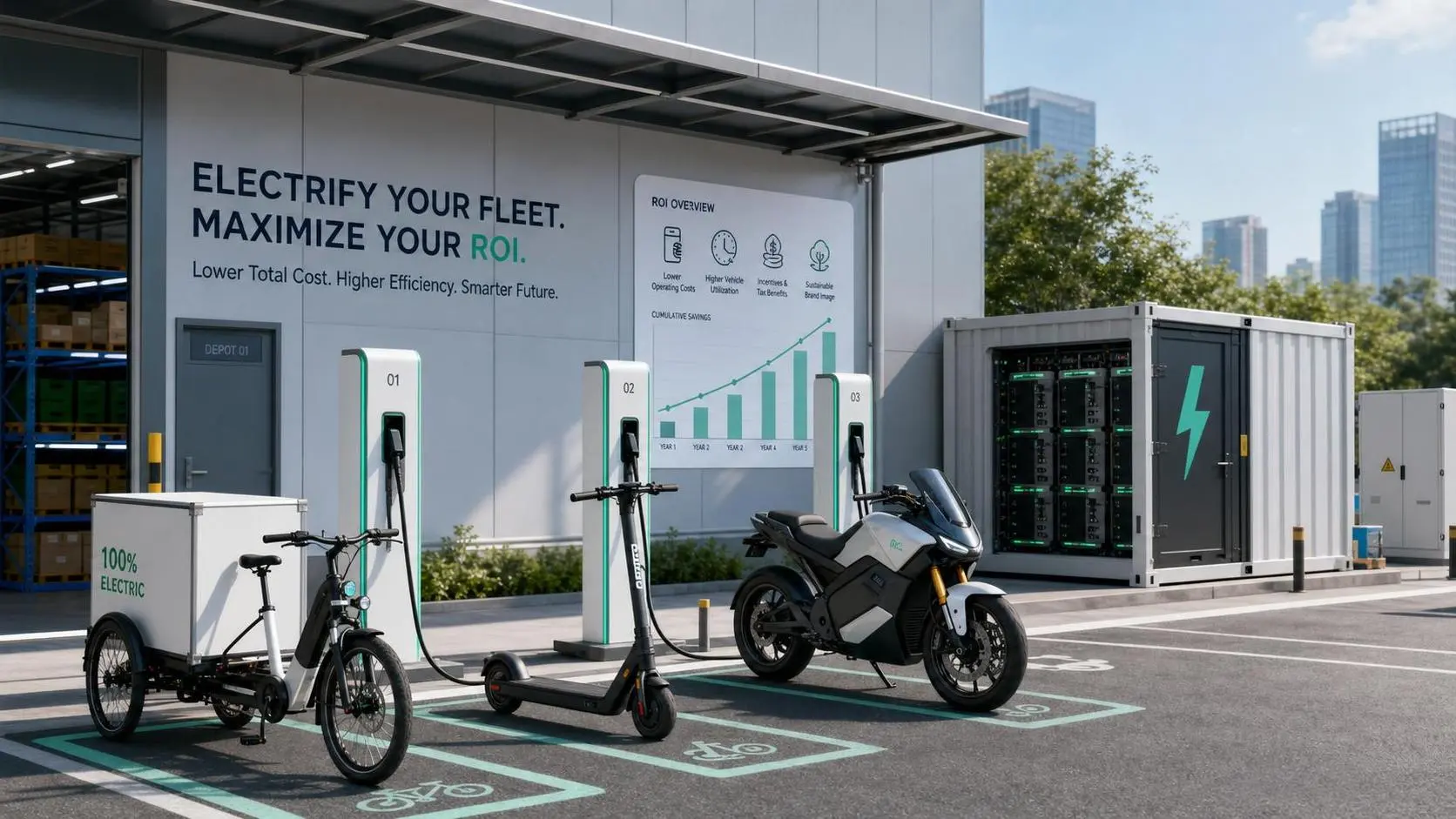
Electrification Strategies in Europe: Policy, Charging, and ROI Factors for Fleet Planning
Electrification strategies Europe: learn how policy shifts, charging readiness, and ROI modeling shape smarter fleet planning, lower risk, and faster payback across urban operations.