
Related News
- 00
0000-00
What Is the Intellectualization of Mobility Platform and How Is It Applied in Shared Fleets? - 00
0000-00
Where LED Urban Visibility Safety Systems Fit Best in Shared Scooters and City E-bikes - 00
0000-00
Green Transport Scooters for Urban Fleets: Which Specs Matter Most in Daily Use? - 00
0000-00
Micro-Mobility Solutions for Campuses: How to Choose the Right Fleet Model - 00
0000-00
Smart Battery Solutions for Shared Fleets: What Reduces Downtime and Maintenance Costs?
Urban Transit Fellow
Weekly Insights
Stay ahead with our curated technology reports delivered every Monday.
What Is the Intellectualization of Mobility Platform and How Is It Applied in Shared Fleets?





The intellectualization of mobility platform is becoming a defining layer in shared fleet operations. It no longer means simple GPS tracking or remote locking. It describes a system that senses vehicle status, interprets usage patterns, predicts operational needs, and supports decisions in real time.
That shift matters because shared e-bikes, smart e-scooters, and connected two-wheel fleets now operate under tighter urban rules, higher service expectations, and stronger pressure for low-carbon efficiency. In this context, platform intelligence is turning mobility from asset deployment into dynamic urban infrastructure.
For a sector closely observed by UMMS, this change is especially relevant. The interaction between batteries, drivetrains, IoT modules, safety systems, and fleet software increasingly determines whether a mobility service can scale, stay compliant, and remain economically viable.
A clearer meaning behind the term
In practical terms, the intellectualization of mobility platform refers to embedding digital perception and decision logic into fleet management. Vehicles, docks, batteries, apps, and operations teams become part of one connected operating system.
The platform gathers data from multiple sources. It then transforms that data into operational actions, such as rebalancing vehicles, flagging maintenance, limiting riding zones, adjusting charging priorities, or identifying fraud.
This is why the idea goes beyond software dashboards. A truly intelligent platform links hardware behavior with business logic. It understands not only where a scooter is, but whether the battery is degrading, whether braking patterns suggest risk, and whether local demand will rise within the next hour.
What usually sits inside an intelligent platform
- IoT connectivity for location, battery, motor, and lock status
- Data analytics for route behavior, fleet usage, and asset health
- Automated rules for geofencing, speed control, and compliance
- Predictive models for charging, maintenance, and redistribution
- User-side integration through apps, payments, and service alerts
When these elements work together, the intellectualization of mobility platform becomes a management capability, not a marketing phrase.
Why shared fleets are paying closer attention
Shared mobility fleets operate in conditions that change by the hour. Demand shifts with weather, commuting peaks, public transit disruptions, local events, and municipal restrictions. Manual management cannot respond fast enough at scale.
At the same time, cities are asking more from operators. They want safer parking behavior, cleaner right-of-way management, lower battery waste, and better visibility into vehicle circulation. Intelligent platforms help address those expectations with traceable data.
The financial side also matters. Idle vehicles, poor charging cycles, avoidable breakdowns, and inefficient rebalancing quickly erode unit economics. The intellectualization of mobility platform improves margins by reducing blind spots in daily operations.
This is one reason UMMS places strategic weight on connected micro-mobility systems. Hardware performance and intelligence architecture now influence each other. Battery management logic, wireless control reliability, and component responsiveness increasingly affect platform outcomes.
How it is applied in shared fleets
Application starts with visibility. Every vehicle sends live data, allowing operators to see location, speed, charge level, error codes, and ride completion status. That basic visibility becomes the foundation for higher-level automation.
The next layer is decision support. The platform compares current conditions with historical patterns. It can recommend where to move vehicles, when to swap batteries, and which units should be pulled for inspection before failure occurs.
More advanced deployment adds automated actions. A scooter entering a restricted zone may slow automatically. A battery approaching unsafe thermal behavior can trigger a lockout. An abnormal vibration pattern can open a maintenance ticket without human review.
Typical shared fleet use cases
In real fleets, these use cases rarely operate alone. Their value comes from being linked inside one decision environment.
The hardware layer still matters
It is easy to treat platform intelligence as a software issue. In micro-mobility, that is incomplete. The intellectualization of mobility platform depends on signal quality, component responsiveness, and system reliability at the vehicle level.
An e-bike motor with unstable output data weakens prediction models. A smart e-scooter with poor sensor calibration creates false alerts. A battery pack without dependable thermal reporting limits automated safety decisions.
This is where the UMMS perspective is useful. The field is not only about apps and control panels. It also involves electromechanical transmission efficiency, battery management logic, wireless communication stability, and component-level precision.
Even categories that seem peripheral can affect platform intelligence. Visibility and sensing functions, including smart wiper-related recognition systems in broader mobility contexts, show how safety hardware can feed decision layers with higher-quality environmental data.
Where the business value actually appears
The intellectualization of mobility platform creates value when it improves a measurable operating condition. That usually happens in four areas: asset efficiency, risk control, service quality, and regulatory alignment.
Asset efficiency improves when each vehicle spends more time available for use and less time waiting for charging, repair, or manual intervention. Even small gains in uptime can shift overall fleet economics.
Risk control becomes more precise when anomalies are identified early. Instead of reacting after a breakdown or incident, operators can act on warning patterns across motors, batteries, braking behavior, or route conditions.
Service quality improves when users encounter fewer unavailable vehicles, less inaccurate battery information, and clearer ride rules. Intelligent parking prompts and route-sensitive restrictions also reduce friction with city authorities.
Regulatory alignment is increasingly critical. Shared fleets face right-of-way rules, parking limits, speed restrictions, and data reporting demands. An intelligent platform helps convert policy requirements into executable operating rules.
What to evaluate before calling a platform intelligent
Not every connected system qualifies as an advanced platform. Some solutions collect data but offer little actionable logic. Others automate rules but lack reliable hardware inputs. The difference matters when comparing market claims.
Useful evaluation points
- Data depth: Does the system capture only location, or full vehicle health signals?
- Decision speed: Can it respond in real time, or only through later reporting?
- Actionability: Are recommendations linked to workflows, dispatch, and maintenance tasks?
- Hardware compatibility: Can it integrate across e-bikes, scooters, battery systems, and component variants?
- Policy adaptability: Can local rules be updated without redesigning the entire system?
- Model transparency: Is there a clear basis for alerts, restrictions, and forecasts?
A strong platform usually performs well across all six points, not just one. This is especially important in shared fleets crossing multiple cities and vehicle categories.
What comes next for shared micro-mobility systems
The next stage of the intellectualization of mobility platform will likely be more predictive and more cross-functional. Battery analytics, vehicle design, software rules, and city data will increasingly interact in one operating loop.
That creates a wider field for observation. It is no longer enough to study ride demand alone. Signal reliability, thermal behavior, drivetrain precision, wireless control, and policy changes all shape platform performance.
A sensible next step is to map the full decision chain inside a fleet system. Identify which actions are still manual, which signals are weak, and where hardware limitations reduce software intelligence. That approach makes platform evaluation more concrete and more useful for future comparison.
For anyone tracking urban micro-mobility through the UMMS lens, the central question is no longer whether fleets are connected. It is whether their intelligence architecture is robust enough to support safer, cleaner, and more efficient urban circulation.
- urban micro-mobility
- e-bikes
- smart e-scooters
- battery management
- IoT modules
- electromechanical transmission
- shared mobility
- intellectualization of mobility
- micro-mobility
- electromechanical transmission efficiency
- micro-mobility systems
- connected micro-mobility systems
- shared micro-mobility systems
- intellectualization of mobility platform
Related News
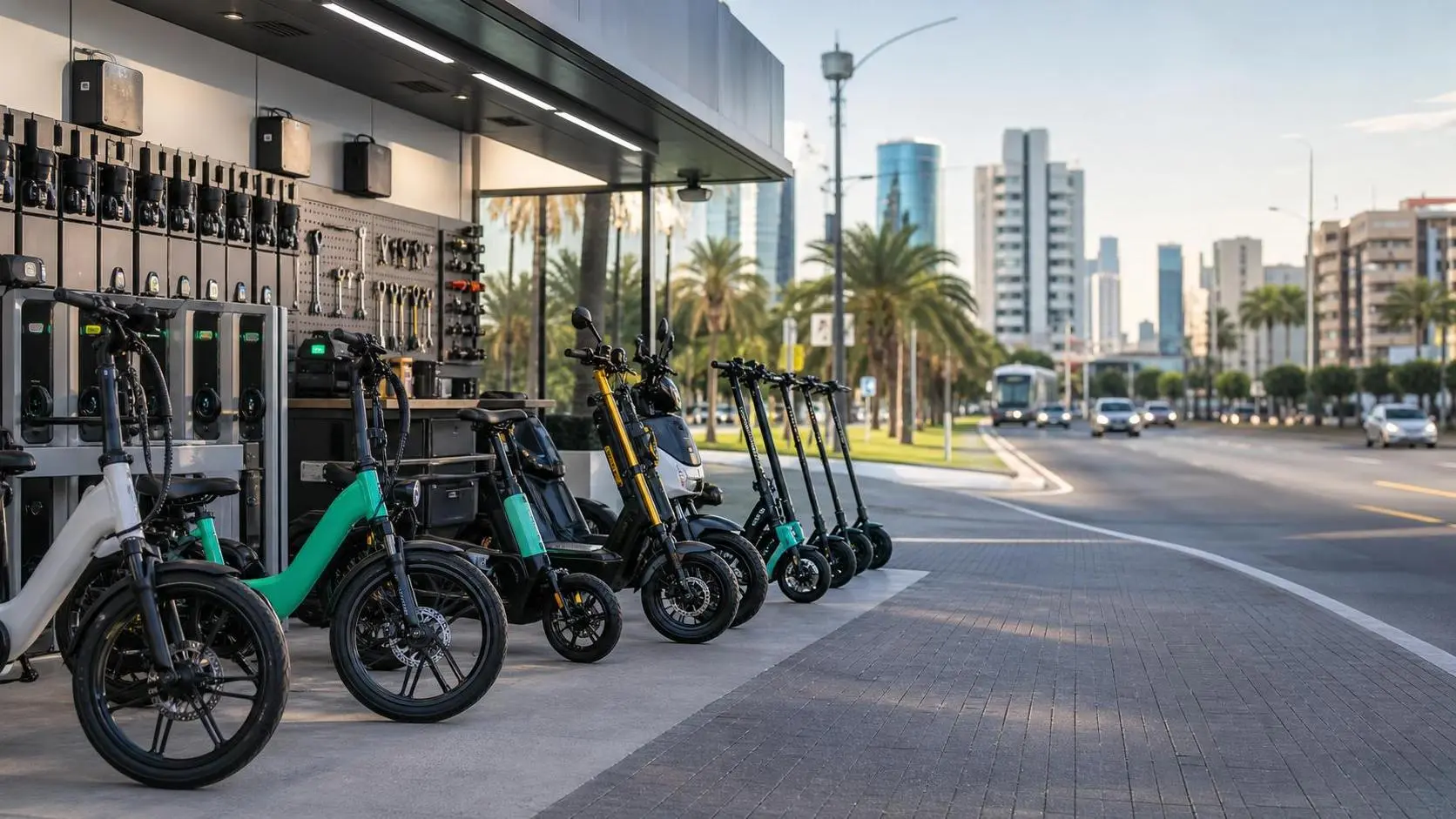
Urban Micro-Mobility Systems in Latin America: Key Market Drivers, Barriers, and Growth Segments
Urban micro-mobility systems Latin America are reshaping city transport. Explore key drivers, barriers, and high-growth segments to spot the region’s most investable opportunities.
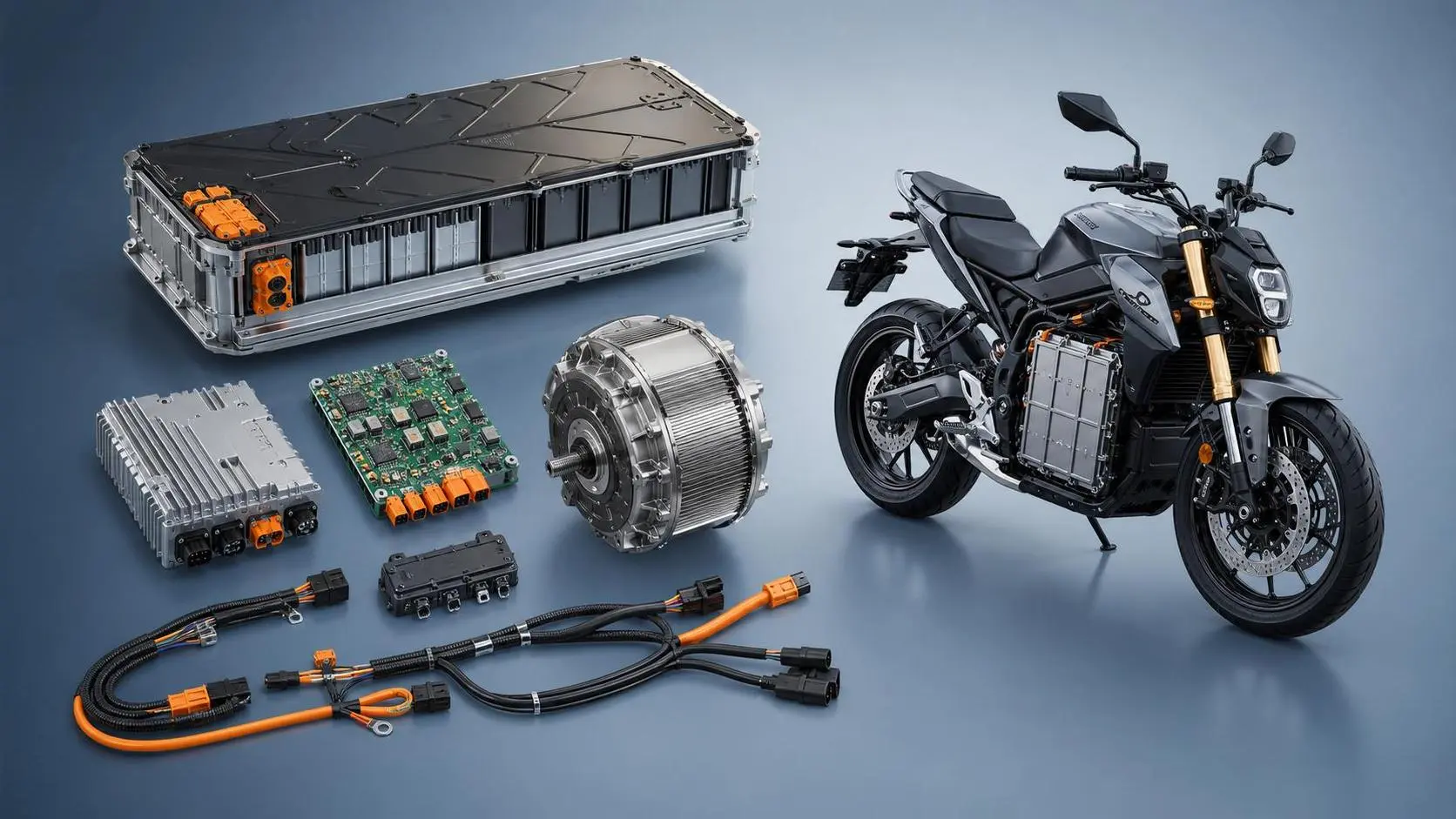
Electric Motorcycle Systems Price Breakdown: What Affects Cost From Battery to Controller?
Electric motorcycle systems price explained: see how battery, controller, motor, BMS, and wiring affect total cost, reliability, and sourcing value before you buy.

72V Electric Motorcycle Technology Explained: Motors, Controllers, Range, and Charging
Electric motorcycle technology 72V explained clearly: compare motors, controllers, range, battery design, and charging to choose a smoother, stronger, and smarter electric ride.

Where LED Urban Visibility Safety Systems Fit Best in Shared Scooters and City E-bikes
LED urban visibility safety systems deliver the most value in shared scooters and city e-bikes by improving multi-angle safety, fleet durability, and urban compliance across real-world routes.
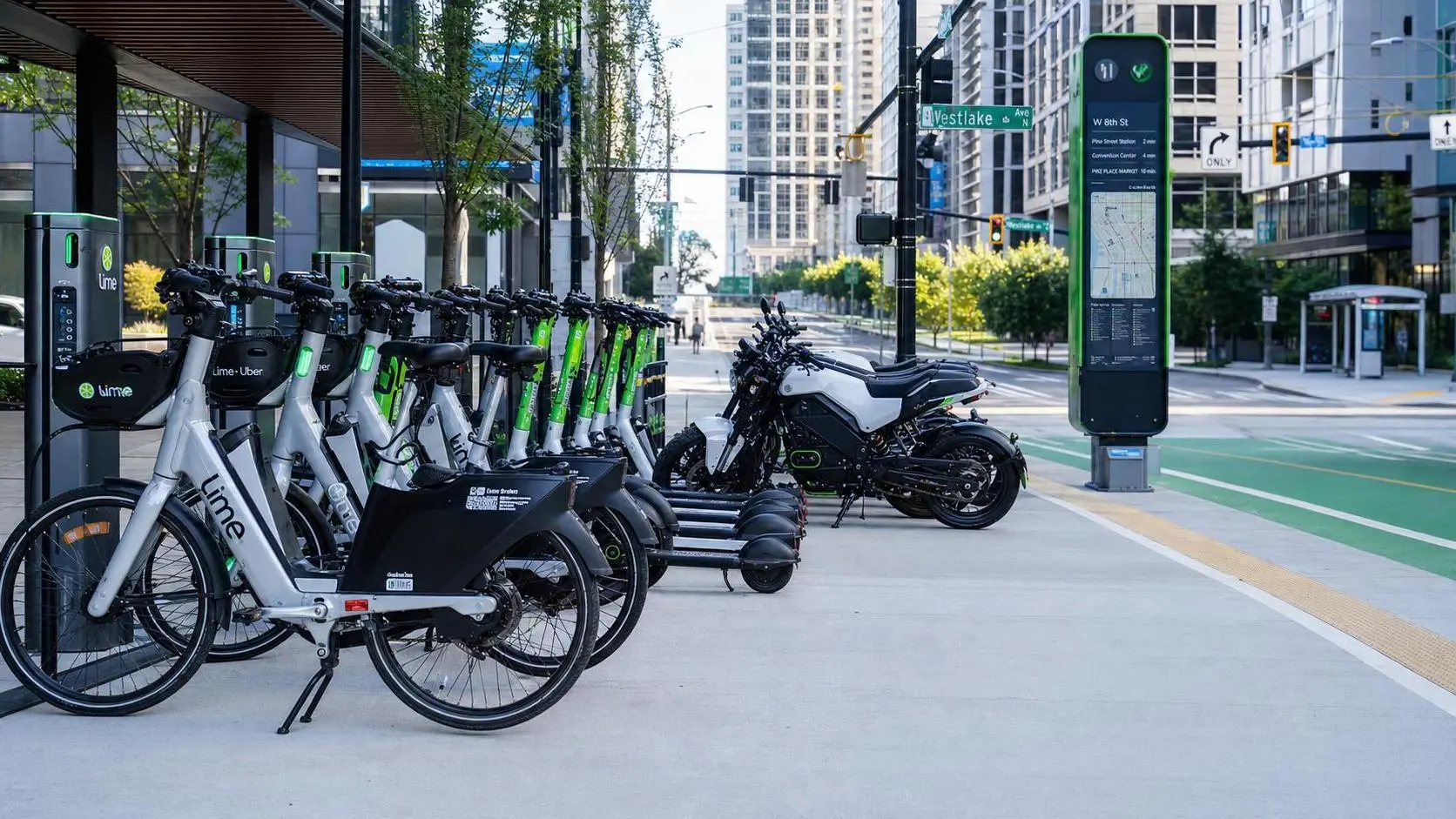
Intellectualization of Mobility in North America: What Is Driving Adoption Across Urban Transport?
Intellectualization of mobility North America is reshaping urban transport through data, smart fleets, and battery intelligence. Explore what is driving adoption and why cities and operators are accelerating now.

How to Choose a Compact Battery Pack: Size, Energy Density, Thermal Design, and Cycle Life
Compact battery pack selection starts with more than size. Learn how energy density, thermal design, and cycle life shape range, safety, and long-term value.
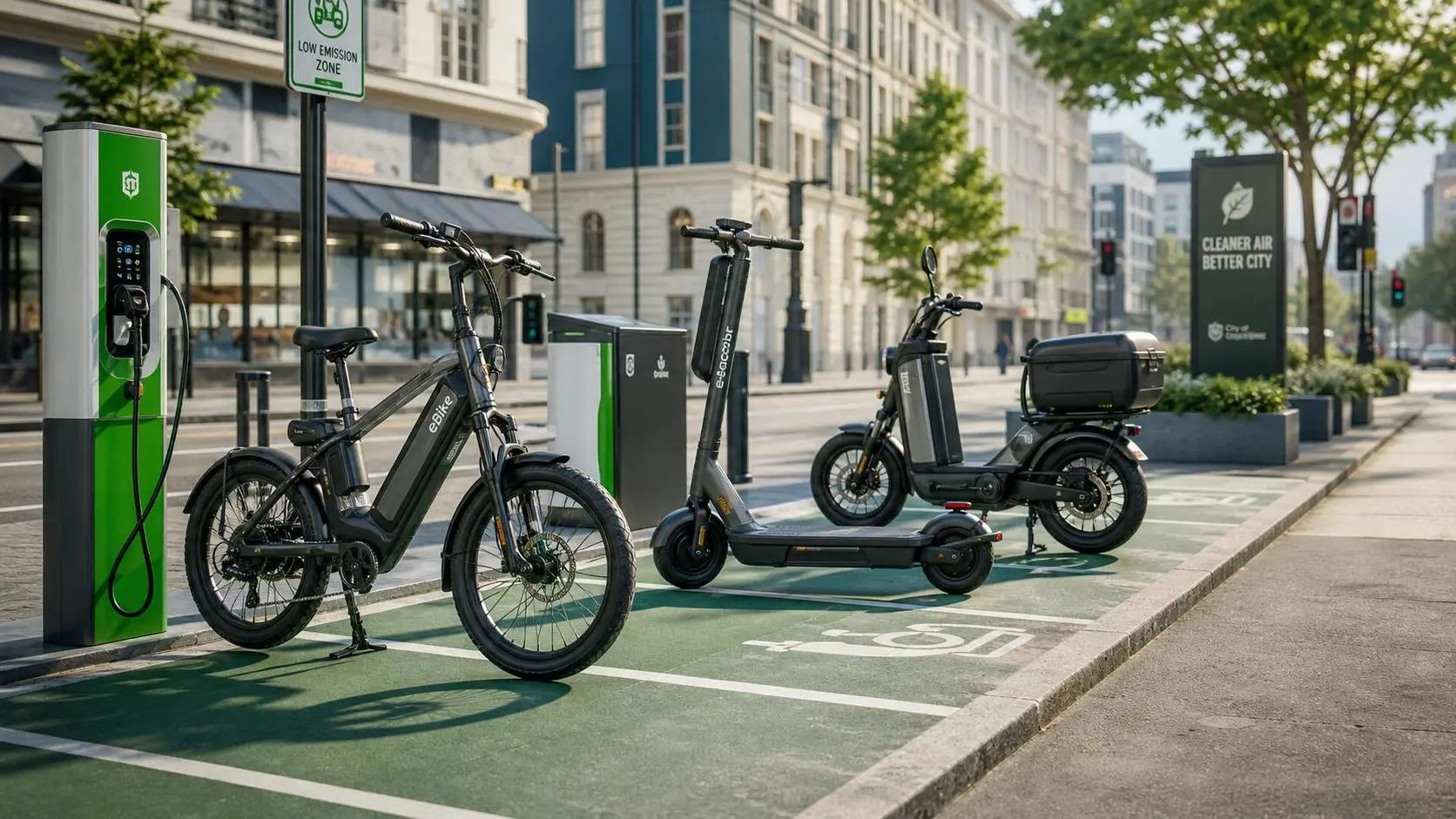
What Is Driving Green Two-wheelers Demand in Europe? Policy, Fuel Costs, and Buyer Segments
Green two-wheelers demand Europe is rising as policy support, fuel cost pressure, and diverse buyer segments reshape urban mobility. Explore the trends driving the next growth wave.
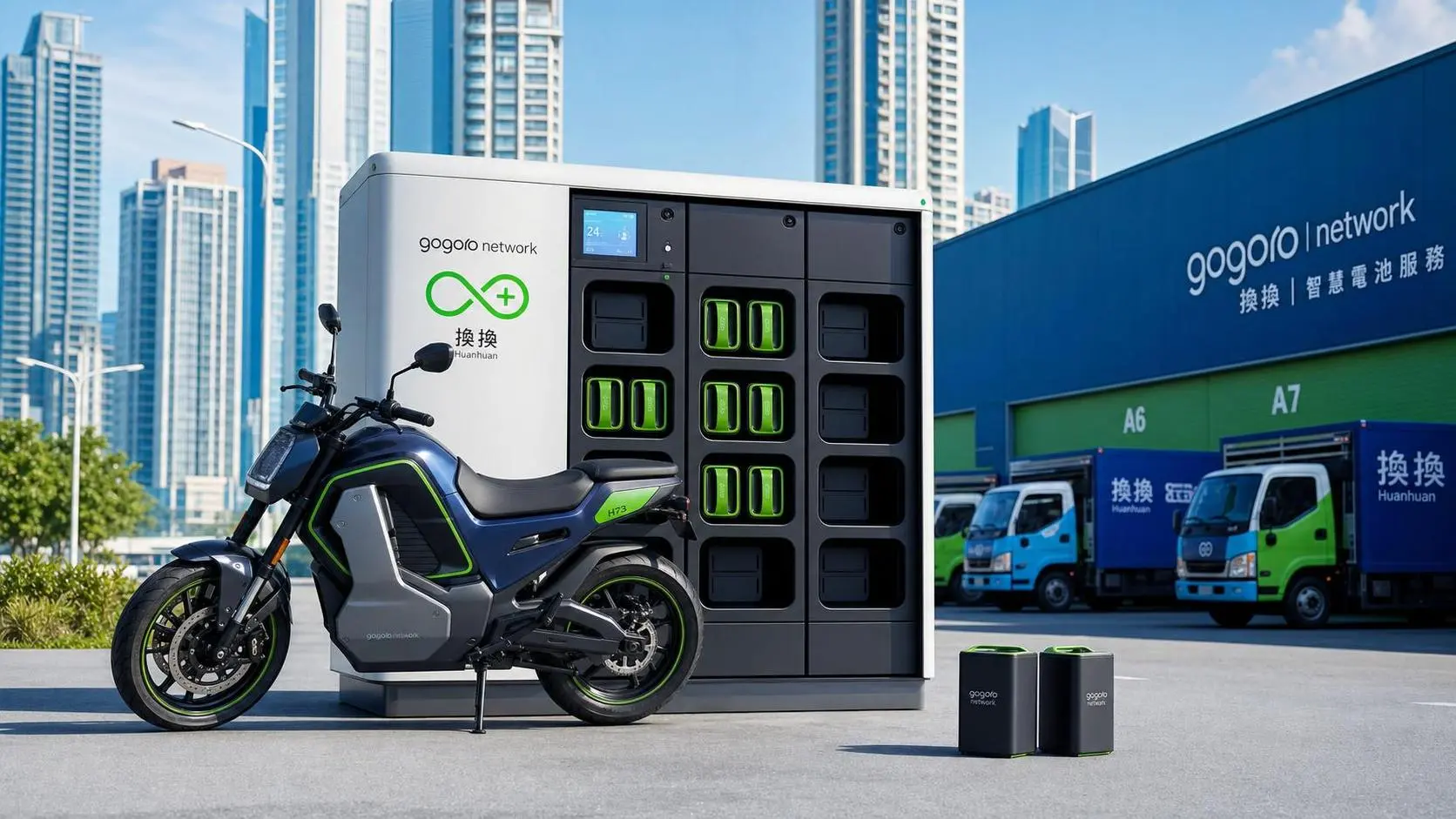
High-speed Electric Motorcycles with Swappable Battery: What to Check Before Commercial Deployment
High-speed electric motorcycles with swappable battery: learn what to verify before commercial deployment, from swap uptime and battery safety to compliance, serviceability, and real fleet ROI.
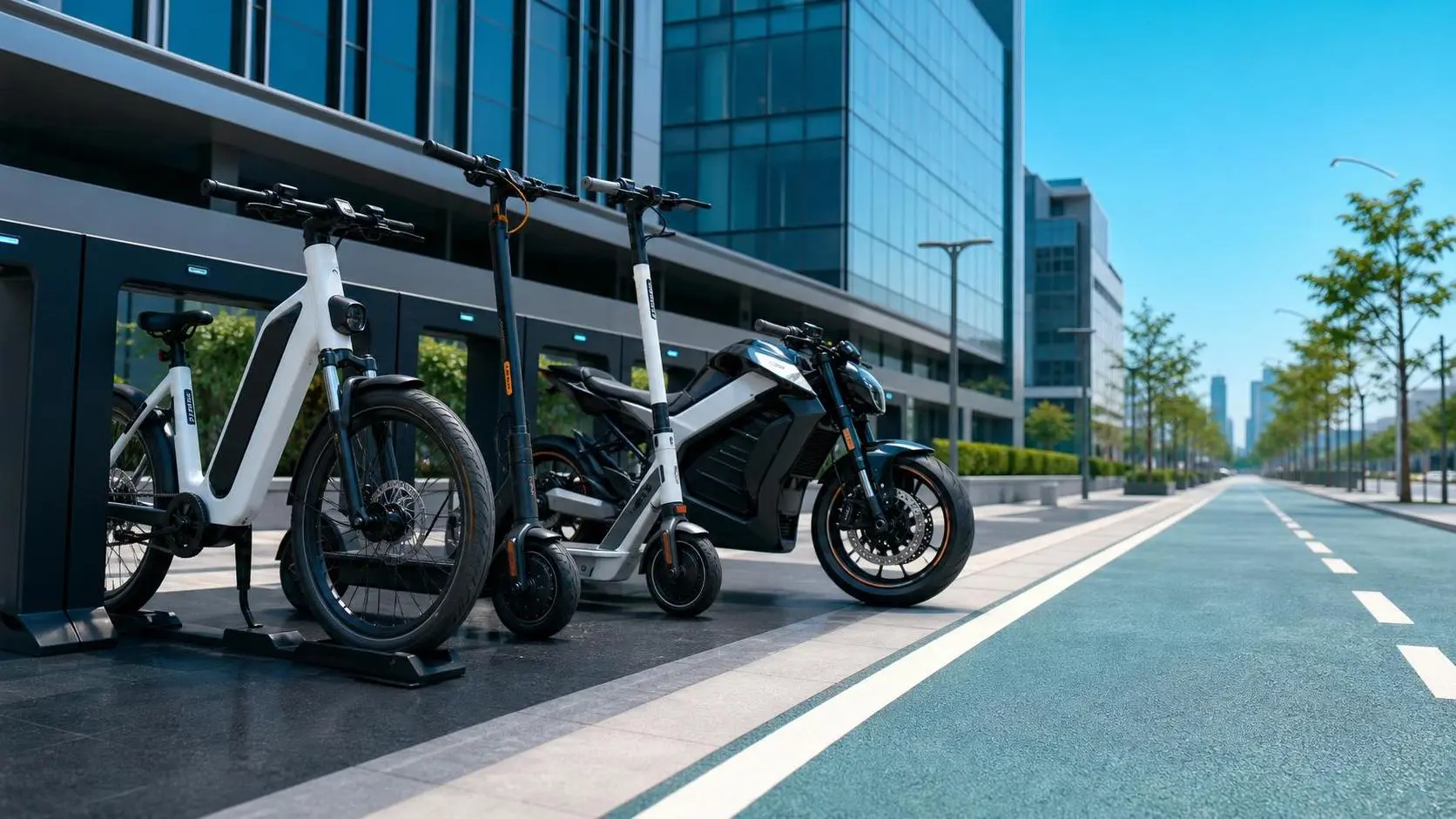
Micro-mobility Systems Explained: Core Components, Operating Models, and City Use Cases
Micro-mobility systems explained: discover key components, operating models, and real city use cases shaping cleaner, smarter urban transport and last-mile mobility.