
Related News
- 00
0000-00
72V Electric Motorcycle Technology Explained: Motors, Controllers, Range, and Charging - 00
0000-00
High-speed Electric Motorcycles with Swappable Battery: What to Check Before Commercial Deployment - 00
0000-00
Urban Electric Motorcycle Buying Guide: Range, Top Speed, Licensing, and Daily Use - 00
0000-00
Electric Motorcycle Battery Trends: Cell Chemistry, Fast Charging, and Pack Design Shifts - 00
0000-00
What Causes Torque Lag in Electric Two-Wheelers and How Can Engineers Reduce It?
Electric Powertrain Analyst
Weekly Insights
Stay ahead with our curated technology reports delivered every Monday.
72V Electric Motorcycle Technology Explained: Motors, Controllers, Range, and Charging





72V Electric Motorcycle Technology Explained: Motors, Controllers, Range, and Charging
Understanding electric motorcycle technology 72V systems matters because voltage shapes how the whole bike feels on the road.
A 72V platform usually delivers stronger launch, better cruising stability, and lower current stress than many 48V or 60V setups.
That does not mean every 72V bike is automatically faster or more efficient.
Real performance depends on the motor, controller, battery quality, thermal control, and charging logic working as one system.
Why 72V Matters in Electric Motorcycle Technology
In simple terms, higher voltage lets a powertrain move the same power with less current.
Lower current can reduce heat in cables, connectors, and controller stages.
This is one reason electric motorcycle technology 72V designs often feel smoother under heavy acceleration.
The benefit becomes clearer on hills, with a passenger, or during long urban commutes.
A 72V system also gives engineers more room to tune speed and torque without overloading the wiring harness.
Still, voltage alone is only the headline. The supporting hardware decides whether the bike feels refined or rough.
How 72V Motors Deliver Torque and Speed
Most high-speed electric motorcycles use brushless DC or permanent magnet synchronous motors.
Both can work well in electric motorcycle technology 72V platforms when matched to the controller and battery.
Hub Motor vs Mid-Drive Motor
Hub motors are integrated into the wheel. They are simpler, quieter, and easier to maintain.
They fit commuters well, especially where packaging simplicity matters.
Mid-drive motors sit near the frame center. They usually improve weight distribution and thermal control.
That makes them popular in performance-focused 72V motorcycles.
Rated Power vs Peak Power
Rated power is what the motor can sustain without overheating.
Peak power is the short burst used for launch or overtaking.
When comparing electric motorcycle technology 72V options, check both numbers.
A bike with attractive peak output but weak sustained power may feel quick first, then fade under real use.
The Controller: The Real Traffic Manager
The controller converts battery power into timed signals for the motor.
In practice, it decides how responsive, efficient, and stable the motorcycle feels.
This is where electric motorcycle technology 72V becomes more than a voltage label.
What to Check in a 72V Controller
- Continuous current rating for real riding load
- Peak current limit for acceleration demand
- Field-oriented control for smoother torque delivery
- Thermal protection to prevent power fade
- Regenerative braking support and tuning range
- Water resistance, connector quality, and fault diagnostics
A well-matched controller can make a moderate motor feel polished.
A poorly tuned controller can make a strong 72V setup jerky, hot, and inefficient.
Battery Architecture in Electric Motorcycle Technology 72V Systems
The battery is not just an energy box. It is the foundation of power quality, range, and lifespan.
A nominal 72V pack is often built from lithium-ion cells connected in series.
Actual full-charge voltage is usually higher, depending on chemistry and cell count.
Why Battery Capacity Matters
Capacity is commonly shown in amp-hours, but watt-hours give a clearer comparison.
Multiply nominal voltage by amp-hours to estimate stored energy.
For example, 72V and 40Ah equals about 2880Wh.
That figure is more useful than marketing range claims.
The Role of the BMS
The battery management system monitors voltage, temperature, charge balance, and safety limits.
A strong BMS improves pack life and protects electric motorcycle technology 72V systems from costly failure.
In daily operation, weak cell balancing can slowly reduce usable range even when the bike still appears healthy.
How to Estimate Real 72V Range
Range is where expectations often drift away from reality.
The same electric motorcycle technology 72V setup can produce very different mileage across riders and routes.
Main Factors That Change Range
- Average speed and throttle behavior
- Rider weight, passenger load, and cargo
- Terrain, stops, and hill frequency
- Tire pressure and rolling resistance
- Ambient temperature and battery condition
- Controller tune and regenerative braking effectiveness
A practical method is to divide battery watt-hours by average energy use per kilometer.
If a 2880Wh pack uses 45Wh per kilometer, expected range is about 64 kilometers.
That estimate is usually more honest than ideal-condition brochures.
Charging Logic, Speed, and Battery Care
Charging looks simple from the outside, but it strongly affects convenience and battery aging.
Most 72V chargers use a constant-current and constant-voltage process.
Early in the cycle, current stays high. Near full charge, current tapers down.
What Affects Charging Time
- Battery capacity in amp-hours or watt-hours
- Charger output current
- Battery temperature during charging
- BMS balancing behavior near full state of charge
Fast charging is useful, but repeated heat exposure can shorten battery life.
That is why many electric motorcycle technology 72V operators prefer standard charging for daily use.
Reserve faster charging for tight schedules, long-distance work, or fleet turnaround needs.
Common Risks and Practical Maintenance Checks
Good electric motorcycle technology 72V performance depends on regular inspection, not just headline specifications.
A few routine checks can prevent most reliability problems.
- Inspect charging ports and connectors for heat marks, looseness, or corrosion.
- Watch for sudden voltage drop under load, which can signal cell aging.
- Check tire pressure often because low pressure wastes energy and reduces range.
- Keep controller and motor cooling paths clean in dusty urban conditions.
- Avoid storing the battery at full charge for long inactive periods.
- Use the specified charger and avoid unverified high-current replacements.
These points sound basic, but they directly affect safety, consistency, and operating cost.
Quick Comparison Table for 72V System Evaluation
What to Prioritize Before Choosing or Upgrading
The best electric motorcycle technology 72V decision starts with actual usage, not brochure speed.
If daily riding includes traffic, hills, and repeated stops, focus on controller quality and thermal stability.
If the route is longer, battery watt-hours and charging access matter more than peak acceleration.
If uptime is critical, choose a system with serviceable connectors, strong diagnostics, and proven BMS protection.
In other words, 72V is a strong platform, but system balance is what turns specifications into useful performance.
Review motor ratings, controller current, battery watt-hours, and charging behavior together. That is the practical way to judge a high-speed electric motorcycle with confidence.
Related News
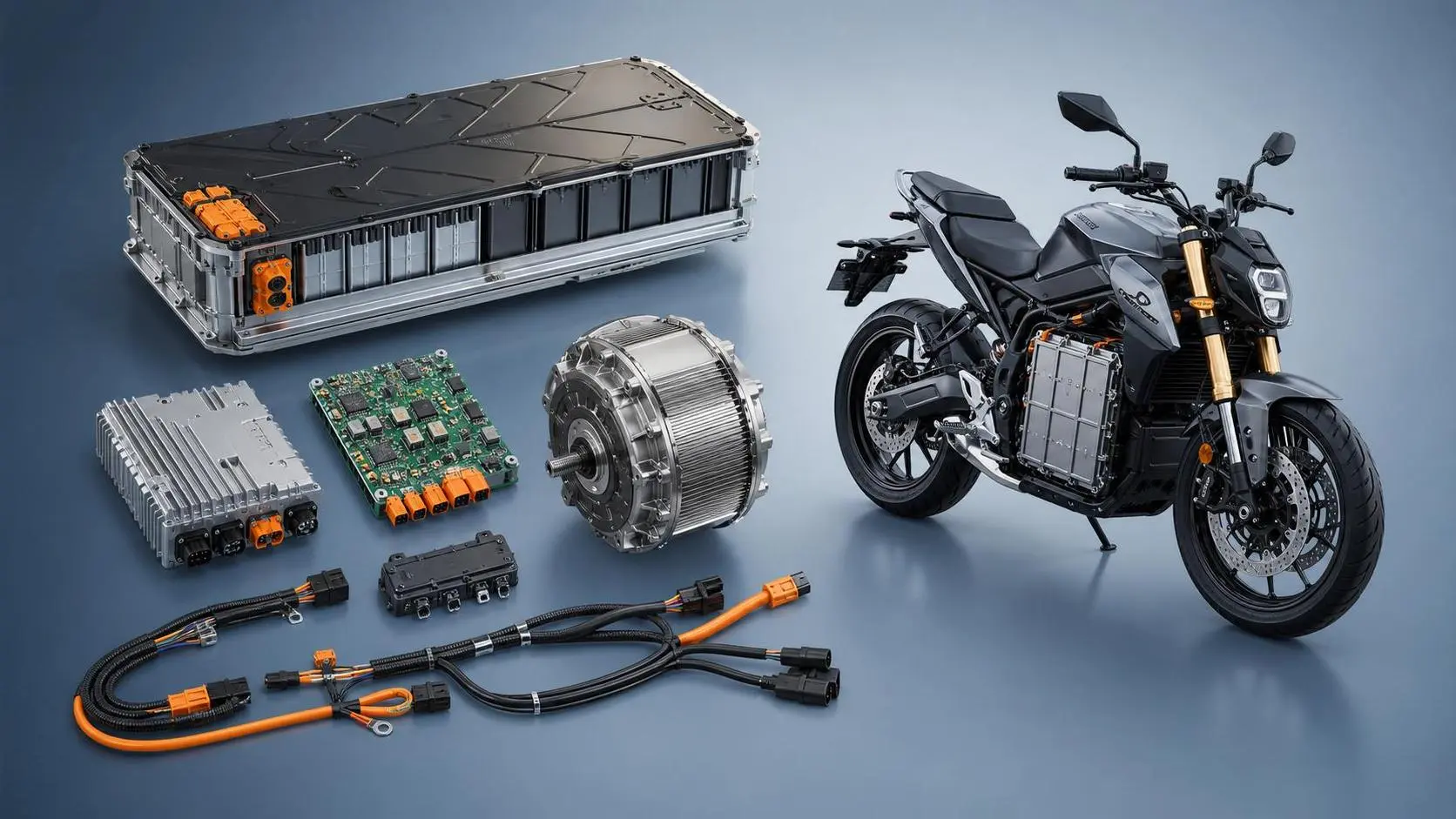
Electric Motorcycle Systems Price Breakdown: What Affects Cost From Battery to Controller?
Electric motorcycle systems price explained: see how battery, controller, motor, BMS, and wiring affect total cost, reliability, and sourcing value before you buy.
Where LED Urban Visibility Safety Systems Fit Best in Shared Scooters and City E-bikes
LED urban visibility safety systems deliver the most value in shared scooters and city e-bikes by improving multi-angle safety, fleet durability, and urban compliance across real-world routes.
Intellectualization of Mobility in North America: What Is Driving Adoption Across Urban Transport?
Intellectualization of mobility North America is reshaping urban transport through data, smart fleets, and battery intelligence. Explore what is driving adoption and why cities and operators are accelerating now.
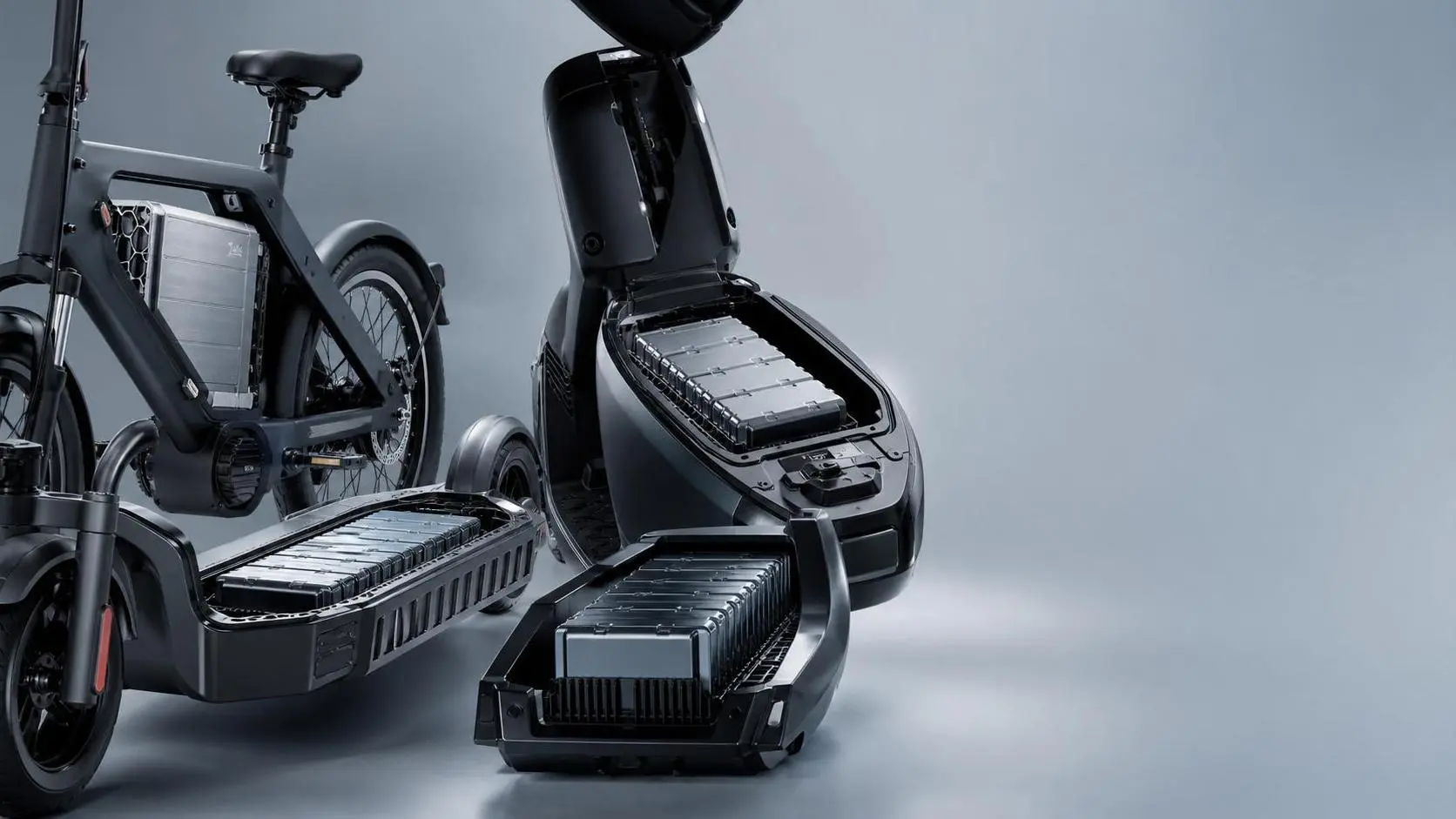
How to Choose a Compact Battery Pack: Size, Energy Density, Thermal Design, and Cycle Life
Compact battery pack selection starts with more than size. Learn how energy density, thermal design, and cycle life shape range, safety, and long-term value.
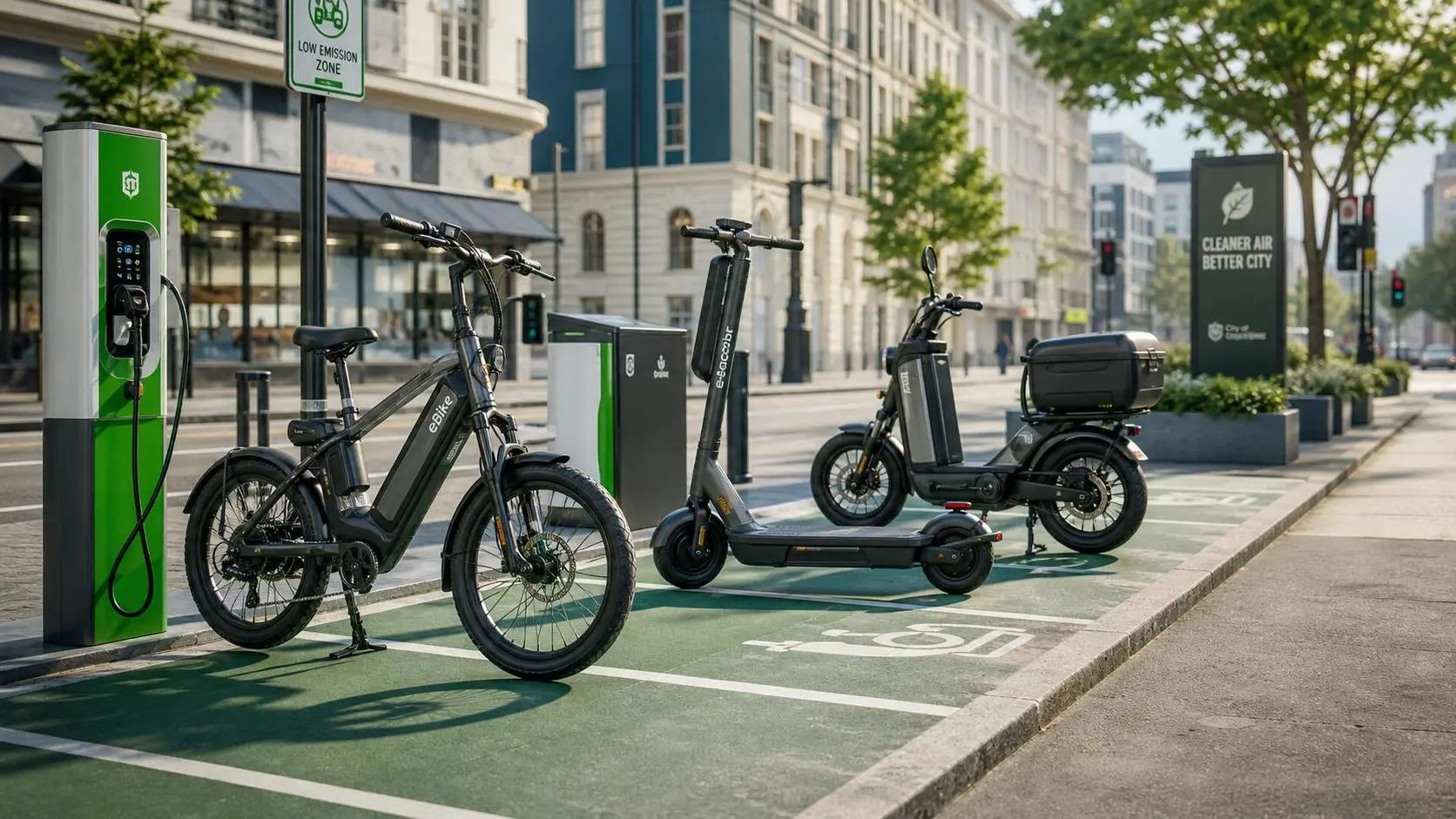
What Is Driving Green Two-wheelers Demand in Europe? Policy, Fuel Costs, and Buyer Segments
Green two-wheelers demand Europe is rising as policy support, fuel cost pressure, and diverse buyer segments reshape urban mobility. Explore the trends driving the next growth wave.
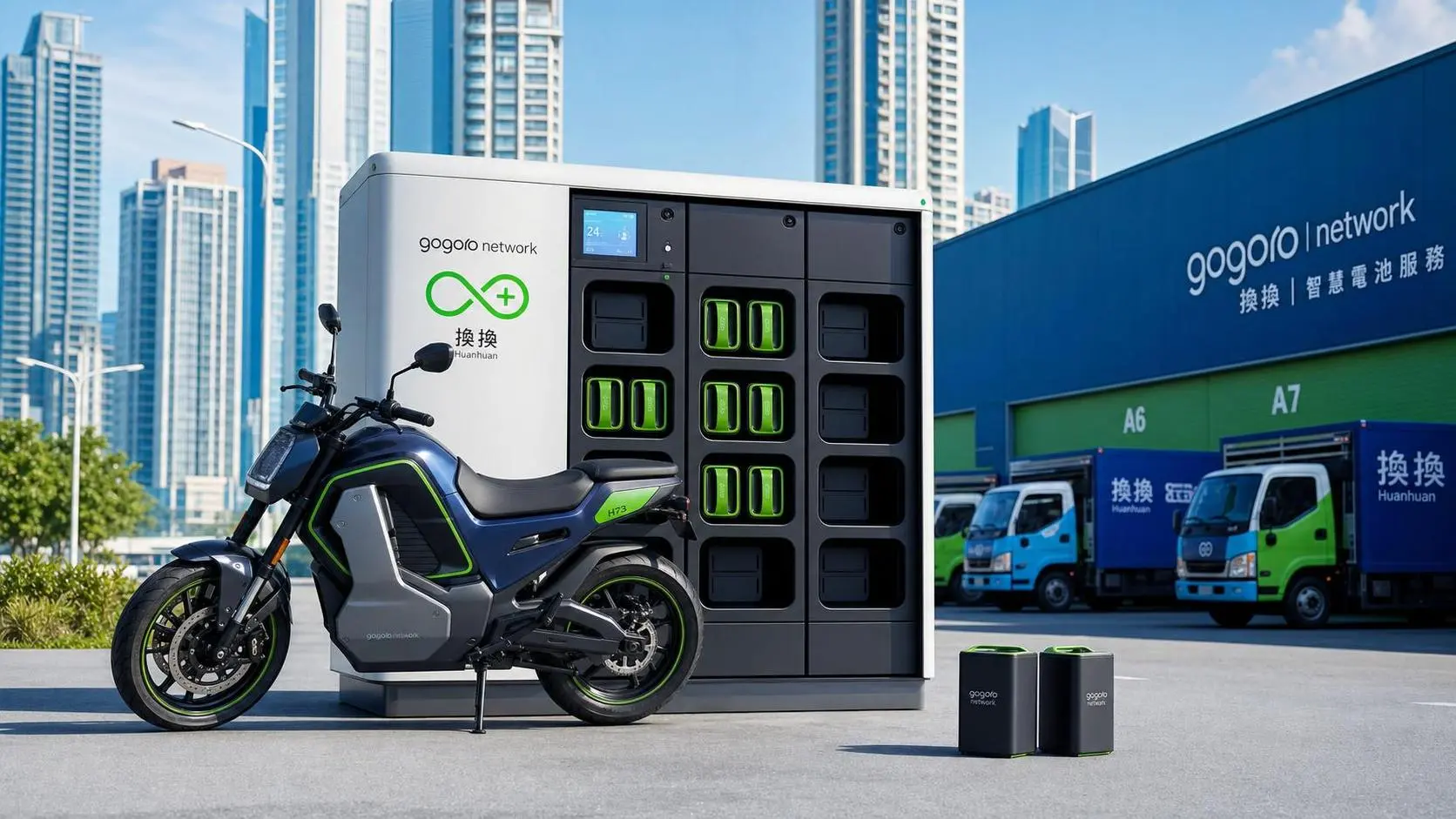
High-speed Electric Motorcycles with Swappable Battery: What to Check Before Commercial Deployment
High-speed electric motorcycles with swappable battery: learn what to verify before commercial deployment, from swap uptime and battery safety to compliance, serviceability, and real fleet ROI.
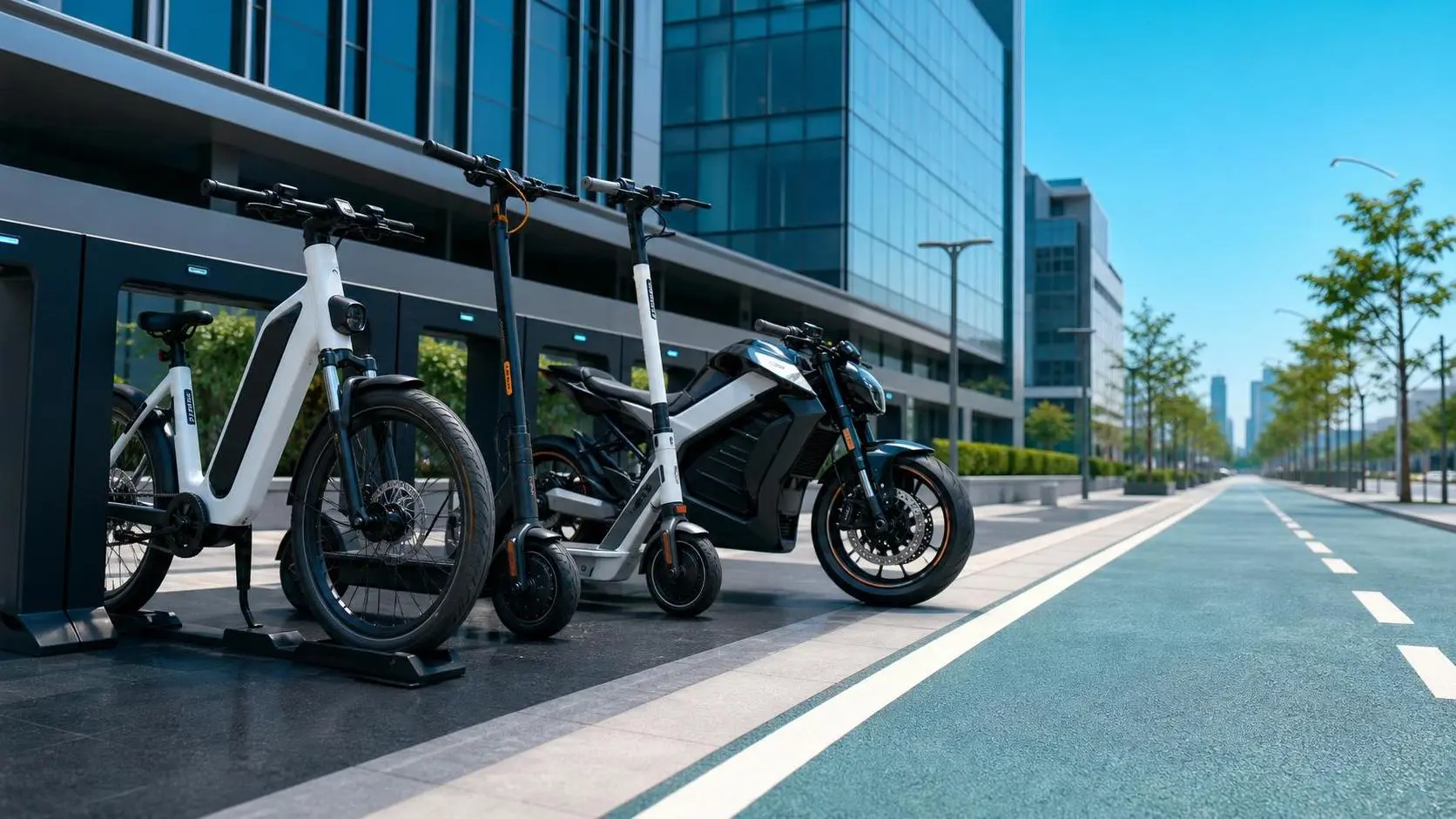
Micro-mobility Systems Explained: Core Components, Operating Models, and City Use Cases
Micro-mobility systems explained: discover key components, operating models, and real city use cases shaping cleaner, smarter urban transport and last-mile mobility.
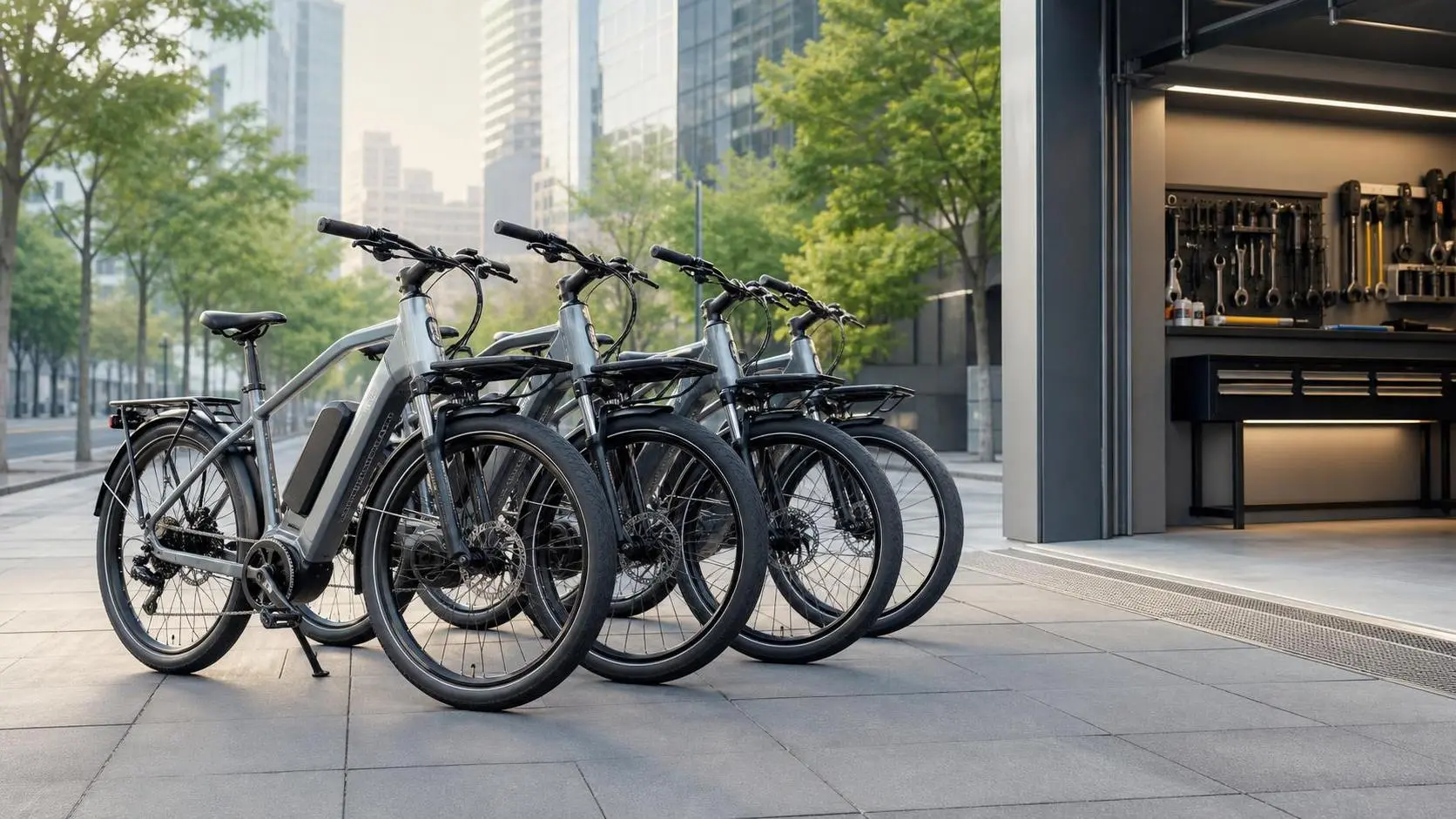
How to Choose Urban Commuting E-bikes for Rental Fleets by Range, Durability, and Serviceability
Urban commuting e-bikes for rental fleets: learn how to compare real-world range, durability, and serviceability to cut downtime, lower fleet costs, and choose smarter bikes.
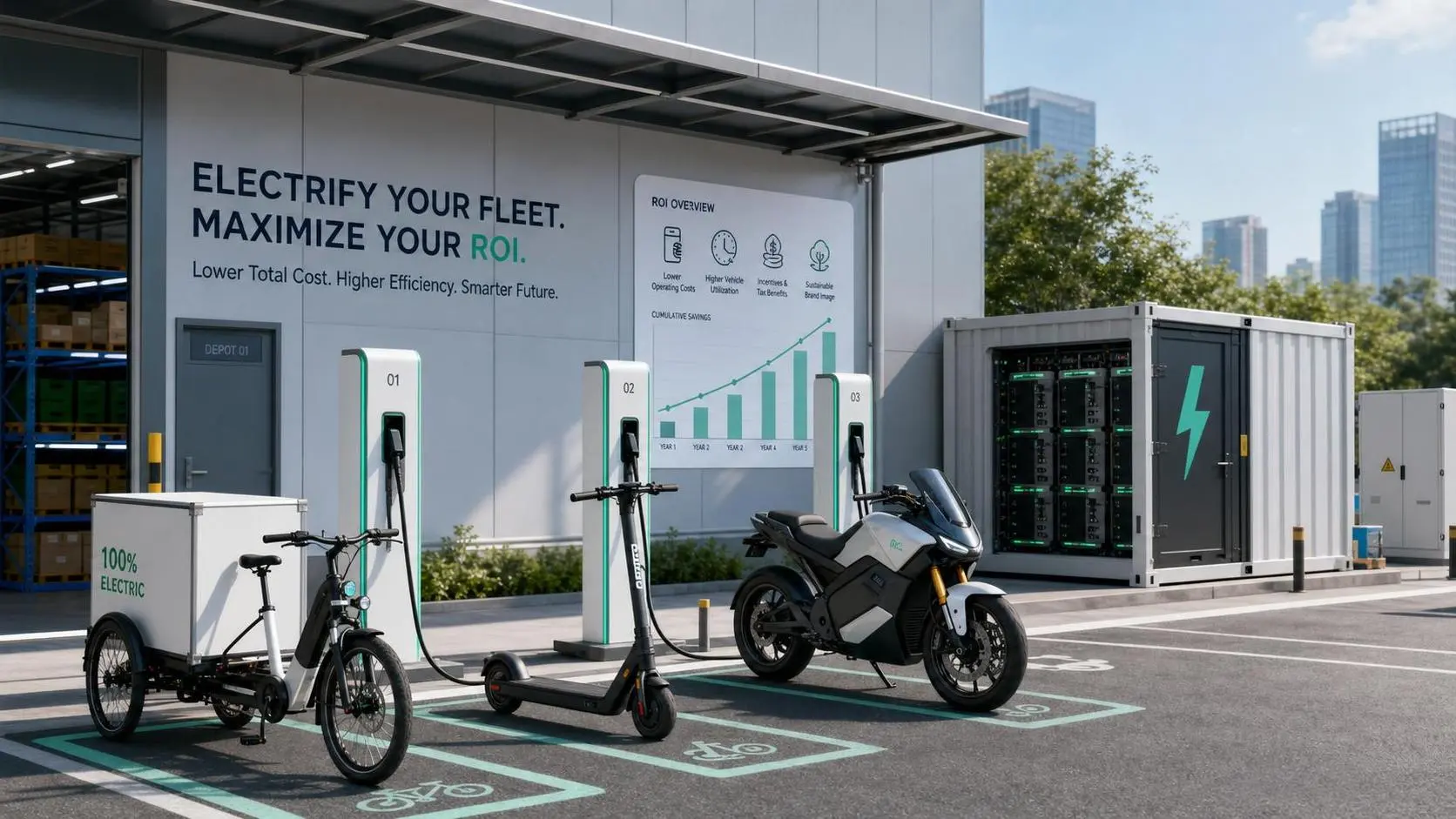
Electrification Strategies in Europe: Policy, Charging, and ROI Factors for Fleet Planning
Electrification strategies Europe: learn how policy shifts, charging readiness, and ROI modeling shape smarter fleet planning, lower risk, and faster payback across urban operations.