
Related News
- 00
0000-00
Urban Micro-Mobility Systems in Latin America: Key Market Drivers, Barriers, and Growth Segments - 00
0000-00
Intellectualization of Mobility in North America: What Is Driving Adoption Across Urban Transport? - 00
0000-00
What Is Driving Green Two-wheelers Demand in Europe? Policy, Fuel Costs, and Buyer Segments - 00
0000-00
Urban Micro-Mobility in North America: Policy, Charging Access, and Fleet Growth Drivers - 00
0000-00
Carbon Neutrality for Fleets: How to Measure Emissions and Prioritize Upgrades
Prof. Marcus Chen
Weekly Insights
Stay ahead with our curated technology reports delivered every Monday.
Urban Micro-Mobility Systems in Latin America: Key Market Drivers, Barriers, and Growth Segments





Urban micro-mobility systems Latin America are moving from niche urban experiments to a more serious mobility and infrastructure market. Congestion, uneven public transport, decarbonization pressure, and smartphone-based service models are all pushing two-wheeled electric mobility into the center of city planning and private investment discussions.
What makes this market especially relevant is its mixed character. It is not only about shared scooters or consumer e-bikes. It also includes batteries, drivetrains, connected fleet software, charging logic, safety components, and the policy frameworks that determine whether adoption can scale.
For any serious market review, urban micro-mobility systems Latin America should be assessed as an ecosystem. Vehicle demand matters, but so do right-of-way rules, service economics, battery durability, theft exposure, and the reliability of local supply and maintenance networks.
Why the Region Has Reached an Inflection Point
Large Latin American cities share several structural conditions that favor micro-mobility. Commute times are long, road networks are crowded, and many short trips remain poorly served by conventional buses, metro systems, or private cars.
At the same time, affordability matters more here than in many mature mobility markets. Users often compare total trip cost, charging convenience, maintenance frequency, and security risks before they compare design or brand prestige.
That is why urban micro-mobility systems Latin America cannot be understood through demand alone. The winning models are those that fit dense neighborhoods, mixed-income travel patterns, and variable road conditions while remaining financially workable for operators and distributors.
What Falls Inside Urban Micro-Mobility Systems
In practical terms, the category covers more than lightweight electric vehicles. It also includes the technical and commercial systems needed to keep those vehicles safe, connected, and economically useful in daily city circulation.
UMMS tracks this market through a wider lens. E-bikes, smart e-scooters, high-speed e-motorcycles, and precision bicycle drivetrain components each reveal a different part of the urban mobility value chain.
This broader view matters in Latin America. A city may show rapid scooter adoption, yet the more durable opportunity may sit in battery management, fleet diagnostics, anti-theft electronics, or replacement drivetrain parts for heavy-use riding environments.
Core market layers
- Vehicles: e-bikes, smart e-scooters, and light electric motorcycles.
- Components: motors, controllers, batteries, derailleurs, braking systems, and visibility parts.
- Digital systems: IoT modules, fleet tracking, route intelligence, and remote diagnostics.
- Operating infrastructure: charging, battery swapping, service workshops, and spare parts logistics.
- Policy architecture: licensing, parking, lane access, import rules, and subsidy structures.
The Main Drivers Behind Demand Growth
Urban mobility pressure is the most visible driver. Short-distance trips in congested districts create a natural use case for vehicles that are smaller, faster to park, and cheaper to run than cars or ride-hailing.
The second driver is electrification economics. Fuel costs, maintenance burdens for internal combustion models, and stricter environmental expectations are shifting attention toward lighter electric formats with lower operating expense.
A third driver is digital readiness. Shared mobility platforms, app-based payments, connected security, and telematics make it easier to monitor assets, shape user behavior, and optimize fleet deployment across high-density corridors.
There is also a commercial logic at work. Delivery, courier, and service fleets increasingly treat electric two-wheelers as productivity tools, not lifestyle products. That changes purchase criteria and accelerates recurring demand for components and maintenance.
Barriers That Still Limit Scale
The opportunity is real, but the market is not frictionless. Regulatory fragmentation remains one of the biggest obstacles. Rules on helmet use, sidewalk riding, shared fleet licensing, and parking discipline vary widely across cities.
Infrastructure is another constraint. Dedicated lanes remain limited in many urban areas, and road surfaces can be harsh on tires, suspensions, wheel assemblies, and precision drivetrain components. That increases service costs and shortens replacement cycles.
Security risk also shapes adoption. Theft, battery tampering, and vandalism can undermine both consumer confidence and operator margins. In this context, connected locking systems, GPS tracking, and fleet visibility are not optional extras.
Import dependence adds another layer of volatility. Currency swings, customs delays, and inconsistent parts availability can slow deployment and disrupt maintenance quality. A promising sales market can still fail on service continuity.
Operational barriers worth tracking
- City-by-city regulation rather than uniform national standards.
- Weak charging or swapping support outside premium districts.
- Low-cost imports with uneven quality and warranty backing.
- Limited technician depth for advanced battery and control systems.
- Public resistance where fleet clutter or unsafe riding has become visible.
Which Segments Look Most Attractive
Not all categories within urban micro-mobility systems Latin America carry the same growth profile. Some scale faster in user numbers, while others offer better durability in margins, service revenue, or strategic positioning.
E-bikes
E-bikes sit at the intersection of commuting, recreation, and light commercial movement. They benefit from a broader social acceptance than shared scooters and often fit cities where users want private control over charging and storage.
Their value extends beyond retail sales. Motors, battery packs, braking systems, and precision derailleur components create recurring aftermarket demand, especially where usage intensity is high and terrain is demanding.
Smart e-scooters
Smart e-scooters remain important in high-density urban cores, tourism zones, and short-trip commuter corridors. Their economic logic depends heavily on fleet management software, geo-fencing, uptime, and local permission structures.
Where city cooperation exists, they can scale quickly. Where regulation is unstable, asset-heavy operators face a harder path. The technology stack often matters as much as the vehicle itself.
High-speed e-motorcycles
This segment may deliver some of the strongest commercial returns, particularly in delivery and professional transport. Higher utilization rates support stronger economics for charging systems, thermal management, battery swapping, and maintenance networks.
In several cities, this category can evolve beyond micro-mobility and into mainstream urban transport. That makes policy clarity and infrastructure planning especially important.
Why Component and Intelligence Layers Matter
A common mistake is to treat Latin America as a pure vehicle sales story. In reality, margins and defensibility often sit deeper in the system, especially in data, parts, and reliability engineering.
UMMS approaches the market from that deeper layer. Battery logic, drivetrain precision, anti-interference control, and sensor-driven safety all shape long-term competitiveness more than launch volume alone.
This is particularly relevant where riding conditions are variable. Poor roads, steep grades, tropical heat, seasonal rain, and stop-start traffic place heavy stress on controllers, battery packs, brakes, and electromechanical transmission systems.
That is why intelligence gathering should include technical credibility. Commercial insights are useful, but so are indicators such as battery cycle stability, wireless shifting resilience, waterproofing, thermal management, and spare parts availability.
How to Evaluate Real Market Potential
A workable assessment starts with city selection, not regional averages. Latin America is too heterogeneous for broad assumptions. Trip density, regulation, purchasing power, and street design vary sharply between markets.
The next step is to separate visible growth from durable growth. Rapid fleet expansion may look impressive, yet weak maintenance capacity or unstable policy can quickly erode returns.
Useful decision filters usually include the following:
- How often are short urban trips replacing cars, buses, or motorcycles?
- Is the operating model consumer-owned, shared, commercial, or hybrid?
- What is the local service model for repairs, batteries, and replacement components?
- How exposed is the offer to theft, vandalism, weather, and road stress?
- Which part of the value chain captures repeat revenue?
Where to Focus Next
Urban micro-mobility systems Latin America deserve attention because they combine climate relevance, transport necessity, and digital business logic in one fast-changing market. Yet growth is not automatic, and the strongest opportunities rarely sit in headline demand figures alone.
The better approach is to compare city-level regulation, vehicle economics, component resilience, and service depth side by side. That reveals whether a market is simply active or truly investable.
For the next round of analysis, focus on segment fit, operational durability, and the intelligence layer behind the vehicles. In urban micro-mobility systems Latin America, long-term value tends to follow technical reliability, policy compatibility, and repeatable local execution.
- urban micro-mobility
- e-bikes
- smart e-scooters
- high-speed e-motorcycles
- battery management
- shared scooters
- thermal management
- precision drivetrain
- IoT modules
- electromechanical transmission
- commercial insights
- electric two-wheelers
- shared mobility
- lightweight electric vehicles
- electric mobility
- technical credibility
- mobility value chain
- battery swapping
- micro-mobility
- electric motorcycles
- bicycle drivetrain
- bicycle drivetrain components
- electromechanical transmission systems
- precision drivetrain components
- wireless shifting
- urban micro-mobility systems
- micro-mobility systems
- urban micro-mobility systems Latin America
Related News
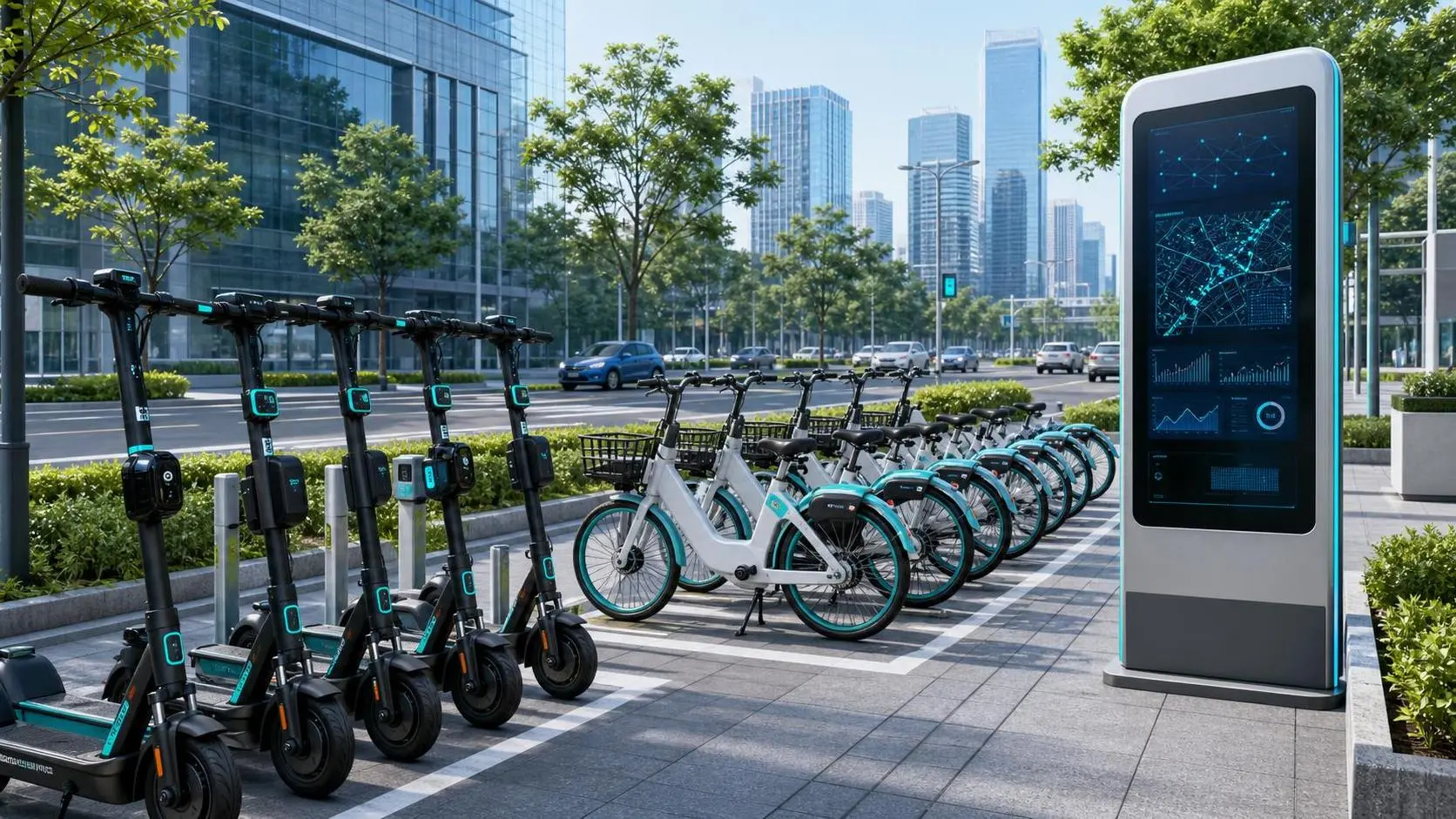
What Is the Intellectualization of Mobility Platform and How Is It Applied in Shared Fleets?
Intellectualization of mobility platform is reshaping shared fleets with real-time data, predictive maintenance, and smarter compliance—learn how it boosts safety, uptime, and urban mobility efficiency.
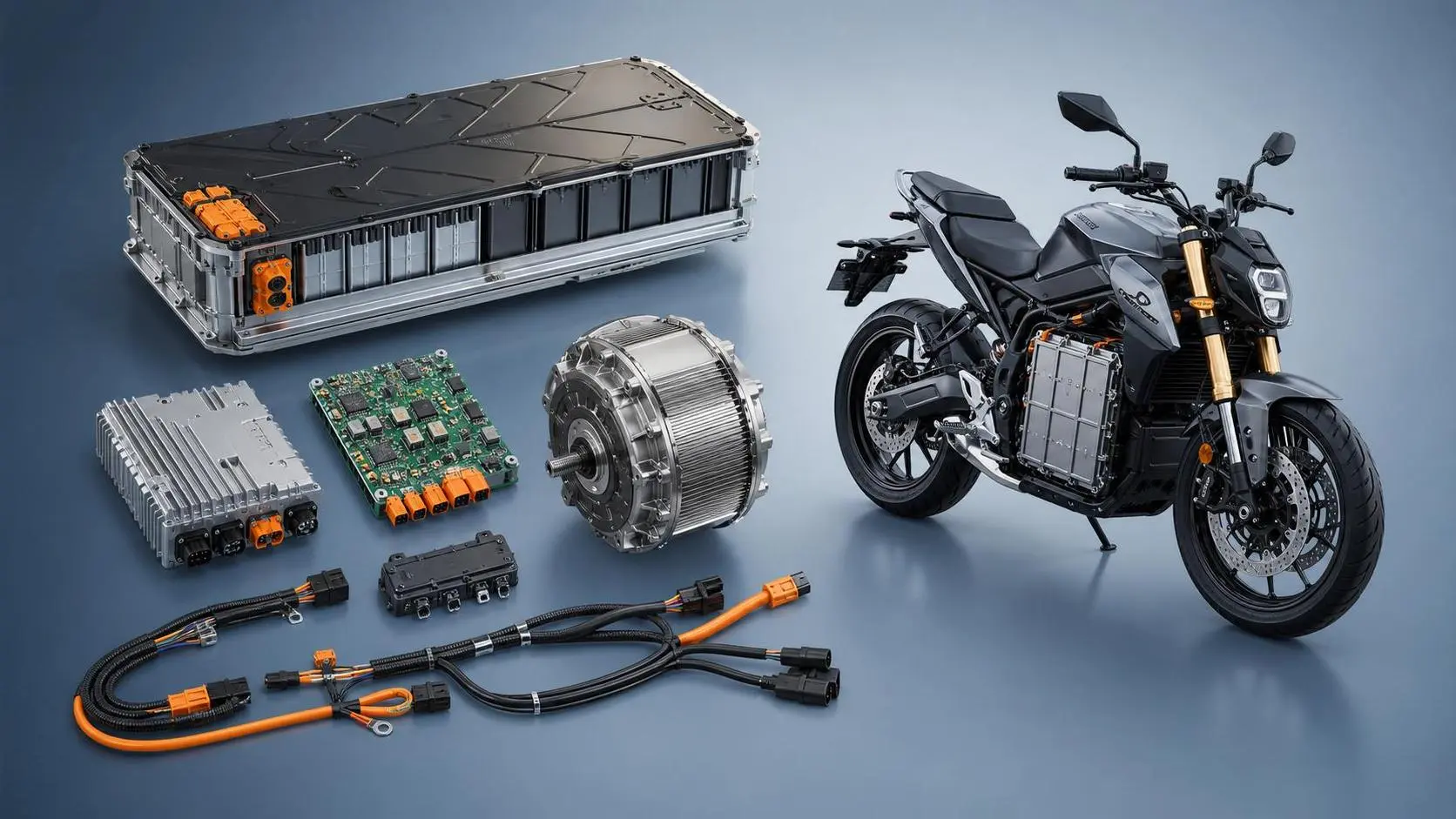
Electric Motorcycle Systems Price Breakdown: What Affects Cost From Battery to Controller?
Electric motorcycle systems price explained: see how battery, controller, motor, BMS, and wiring affect total cost, reliability, and sourcing value before you buy.
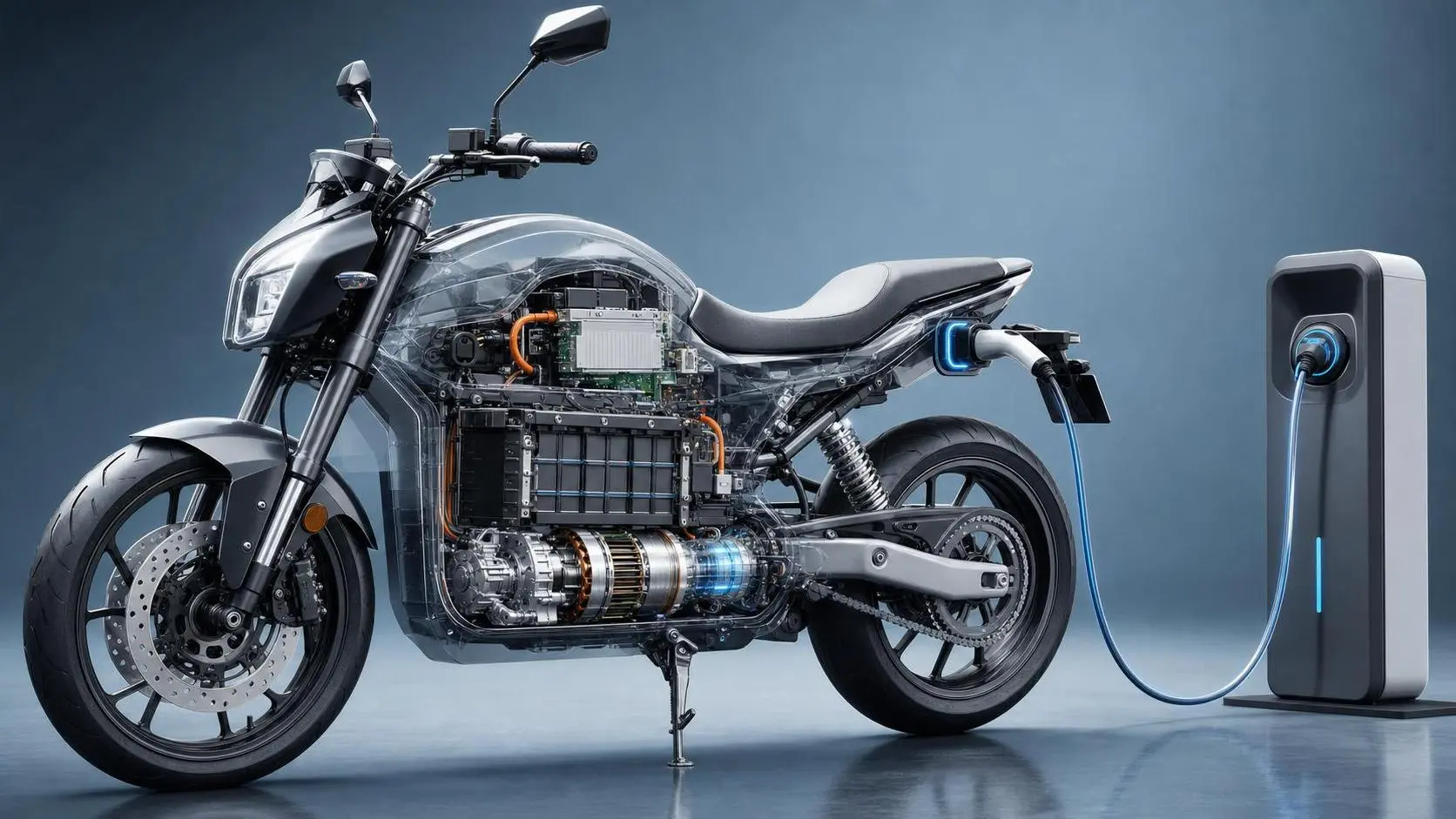
72V Electric Motorcycle Technology Explained: Motors, Controllers, Range, and Charging
Electric motorcycle technology 72V explained clearly: compare motors, controllers, range, battery design, and charging to choose a smoother, stronger, and smarter electric ride.

Where LED Urban Visibility Safety Systems Fit Best in Shared Scooters and City E-bikes
LED urban visibility safety systems deliver the most value in shared scooters and city e-bikes by improving multi-angle safety, fleet durability, and urban compliance across real-world routes.
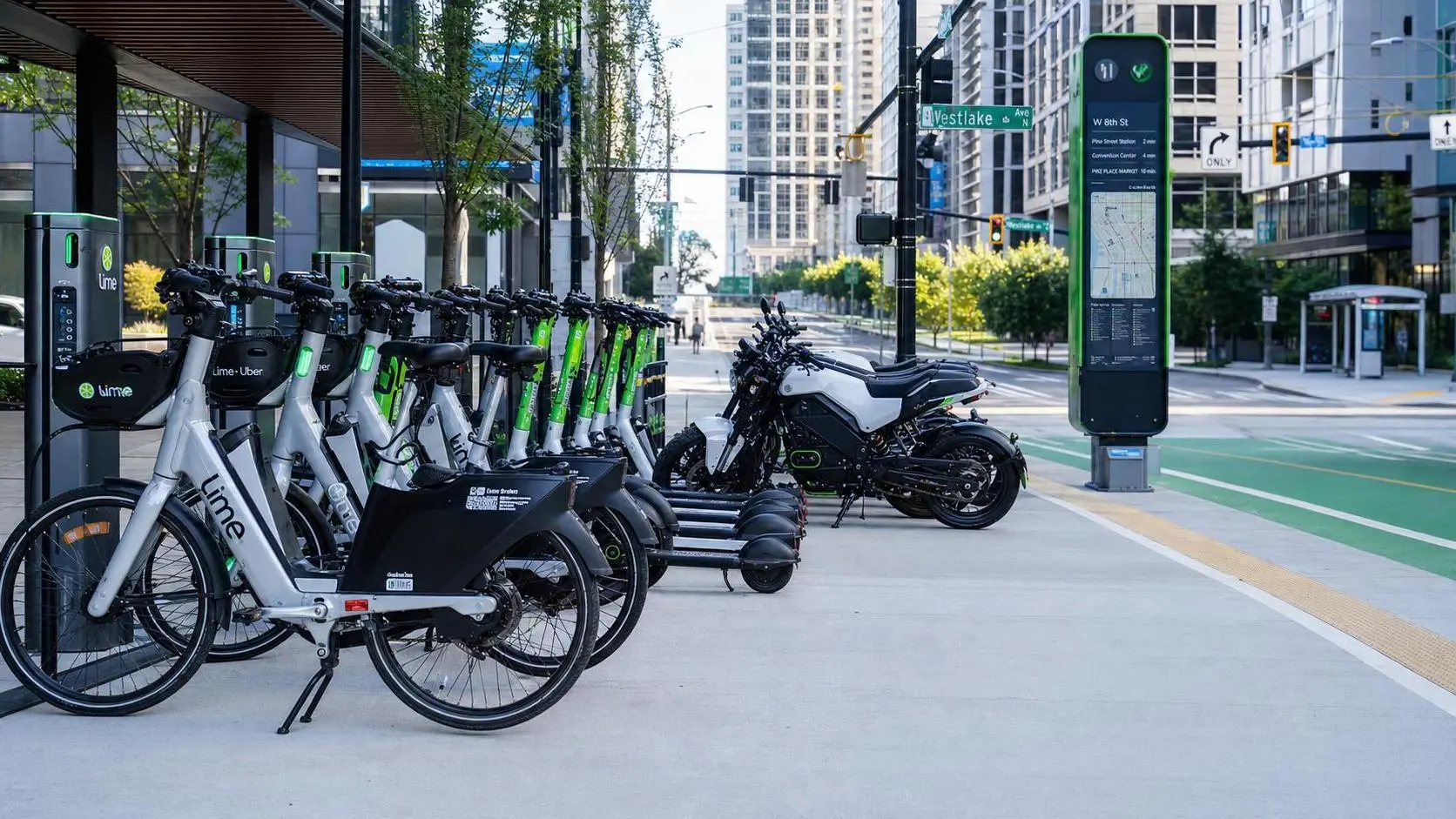
Intellectualization of Mobility in North America: What Is Driving Adoption Across Urban Transport?
Intellectualization of mobility North America is reshaping urban transport through data, smart fleets, and battery intelligence. Explore what is driving adoption and why cities and operators are accelerating now.
How to Choose a Compact Battery Pack: Size, Energy Density, Thermal Design, and Cycle Life
Compact battery pack selection starts with more than size. Learn how energy density, thermal design, and cycle life shape range, safety, and long-term value.
What Is Driving Green Two-wheelers Demand in Europe? Policy, Fuel Costs, and Buyer Segments
Green two-wheelers demand Europe is rising as policy support, fuel cost pressure, and diverse buyer segments reshape urban mobility. Explore the trends driving the next growth wave.
High-speed Electric Motorcycles with Swappable Battery: What to Check Before Commercial Deployment
High-speed electric motorcycles with swappable battery: learn what to verify before commercial deployment, from swap uptime and battery safety to compliance, serviceability, and real fleet ROI.
Micro-mobility Systems Explained: Core Components, Operating Models, and City Use Cases
Micro-mobility systems explained: discover key components, operating models, and real city use cases shaping cleaner, smarter urban transport and last-mile mobility.