
Related News
- 00
0000-00
Wiper Streaking Problem: 7 Common Causes and How to Fix Them Step by Step - 00
0000-00
How to Choose OEM Windshield Wipers for Private Label Auto Parts Programs - 00
0000-00
Flat Wiper Blades Europe: What to Check Before Choosing OEM or Aftermarket Options - 00
0000-00
Replacement Wiper System Components Explained: Parts, Fitment, and When to Replace - 00
0000-00
Flat Wiper Blades Wholesale Buying Guide: MOQ, Rubber Quality, Fitment, and Supplier Checks
Visibility Safety Expert
Weekly Insights
Stay ahead with our curated technology reports delivered every Monday.
How do smart wiper sensors reduce safety risks on roads?





In road safety management, visibility failures can quickly become safety incidents, product complaints, and compliance concerns. Smart wiper sensors reduce these risks by reading rain intensity, adjusting wipe timing, and keeping the windshield clearer during unstable weather. In practical terms, smart wiper sensors support safer driving, steadier system performance, and fewer preventable failures across modern mobility applications.
What are smart wiper sensors and why do they matter for road safety?
Smart wiper sensors are electronic detection units that monitor moisture, rain level, and sometimes glass conditions in real time.
They usually work with optical, photoelectric, or capacitive sensing methods to trigger automatic wiping without manual input.
Their safety value is simple. Drivers lose time when they must notice rain, decide wiper speed, and react manually.
That delay may last only seconds, but on busy roads, seconds can decide stopping distance and lane control.
Smart wiper sensors shorten that reaction gap. They start wiping earlier and match the wipe cycle to changing rainfall.
This matters in passenger cars, logistics fleets, buses, utility vehicles, and emerging smart mobility systems.
For platforms like UMMS, the topic also links to wider transport intelligence, including sensor logic, system reliability, and safety integration.
Why visibility failures are so dangerous
- Water film can distort lane markings and brake light recognition.
- Intermittent rain often causes delayed manual wiping decisions.
- Night glare becomes worse when droplets scatter incoming light.
- Fast weather shifts can overwhelm fixed-speed wiping settings.
How do smart wiper sensors reduce safety risks in changing weather?
The biggest benefit of smart wiper sensors is dynamic response. They do not rely on a fixed driver habit.
Instead, they measure rain events continuously and command the wiper motor to respond at the right moment.
That improves road safety in three connected ways: faster activation, more stable visibility, and fewer overcorrections.
1. Faster activation during sudden rain
A light shower can become heavy rain within seconds. Manual operation may lag behind the actual windshield condition.
Smart wiper sensors detect the first droplets and begin wiping before visibility degrades too far.
2. Better wipe timing under variable rainfall
Too little wiping leaves streaks and water buildup. Too much wiping creates noise, wear, and distraction.
Smart wiper sensors help balance both extremes by adjusting interval and speed based on actual rainfall intensity.
3. Improved focus for the driver
Automatic control removes one repetitive task. That lets the driver focus more on steering, spacing, and hazard detection.
In dense urban traffic, this reduction in task switching can support faster situational awareness.
Where are smart wiper sensors most useful across mobility and transport systems?
Smart wiper sensors are not limited to premium cars. Their value appears anywhere visibility reliability affects operational safety.
They are especially useful in mixed urban mobility networks, where roads, speeds, and weather exposure change constantly.
Common high-value use cases
- Passenger vehicles facing unpredictable city rain and highway spray.
- Commercial fleets needing safer uptime and lower driver workload.
- Public service vehicles operating in all-weather duty cycles.
- Connected mobility systems requiring integrated sensor-based safety functions.
In the broader UMMS landscape, smart wiper sensors also fit the growing push toward intelligent, responsive safety components.
That trend mirrors developments in e-bikes, smart e-scooters, and high-speed e-motorcycles, where sensors increasingly support safer operation.
Although two-wheelers use different visibility systems, the design principle is similar: automate risk response before conditions worsen.
How do smart wiper sensors compare with traditional wiper systems?
Traditional systems depend mainly on manual selection or fixed intermittent settings. They work, but they react slowly to changing rain patterns.
Smart wiper sensors add adaptive control. That makes performance more precise and often more consistent in real traffic conditions.
The comparison shows why smart wiper sensors are becoming more relevant in safety-focused vehicle design and quality planning.
What should be checked when selecting or evaluating smart wiper sensors?
Not every system delivers equal results. Good smart wiper sensors depend on sensing accuracy, software tuning, and environmental durability.
Key evaluation points
- Detection sensitivity in light mist, heavy rain, and splash conditions.
- Response speed between droplet detection and wipe initiation.
- Resistance to false triggers caused by dirt, glare, or washing residue.
- Compatibility with wiper motor control and vehicle electronics.
- Long-term reliability across temperature shifts and vibration.
A common mistake is focusing only on automatic function. The real goal is reliable automatic function under messy real-world conditions.
It is also wise to review blade quality, windshield shape, and aerodynamic flow, because sensor logic alone cannot fix poor mechanical wiping.
Quick judgment table
What risks, limitations, or misconceptions should be understood?
Smart wiper sensors improve safety, but they are not a stand-alone guarantee of safe visibility.
One misconception is that sensor automation removes the need for maintenance. It does not.
A worn blade, dirty glass, damaged arm pressure, or poor calibration can still reduce wiping quality.
Another misconception is assuming all automatic systems respond equally well in fog spray, road grime, or mixed precipitation.
Real performance depends on tuning, sensor placement, algorithm design, and integration with the whole wiping system.
Risk reminders
- Check calibration after windshield replacement.
- Inspect blades regularly for streaking or chatter.
- Review sensor behavior during seasonal weather transitions.
- Validate software logic in both urban and highway rain conditions.
When these issues are addressed properly, smart wiper sensors can deliver meaningful safety gains with fewer visibility-related interruptions.
How can smart wiper sensors support future mobility and better safety strategy?
The future of mobility is increasingly sensor-led. Smart wiper sensors fit this direction because they turn weather input into immediate action.
That makes them relevant not only for individual vehicles, but also for broader safety architecture and connected transport design.
As intelligent systems spread across urban mobility, visibility control will likely become more integrated with driver assistance and predictive maintenance.
For an intelligence platform like UMMS, this is part of a bigger pattern: safety components are becoming data-aware, efficient, and strategically important.
That same logic already shapes electric powertrains, thermal management, and precision control across modern mobility sectors.
Practical next steps
- Map current visibility-related failure points.
- Test smart wiper sensors under multiple rainfall scenarios.
- Compare sensor data with wipe quality and driver feedback.
- Integrate maintenance checks into broader safety review cycles.
In summary, smart wiper sensors reduce safety risks by improving response time, stabilizing visibility, and supporting more reliable road behavior.
When selected carefully and maintained correctly, smart wiper sensors become a practical safety upgrade rather than a simple convenience feature.
A useful next move is to evaluate current wiping performance, identify visibility gaps, and compare whether smart wiper sensors can close those risks effectively.
Related News
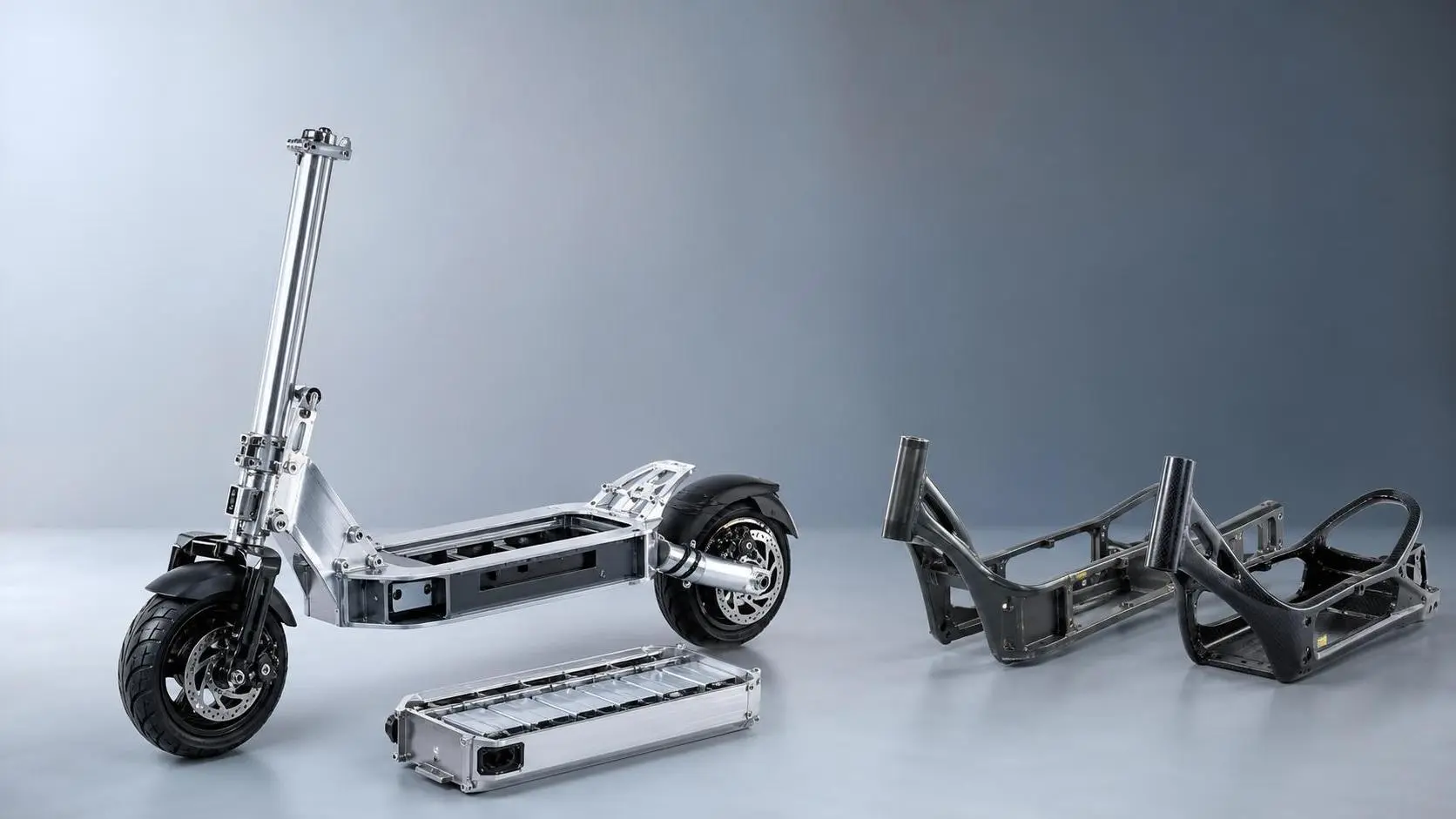
How to Choose Lightweight Scooter Frames in Europe: Materials, Standards, and Use Cases
Lightweight scooter frames Europe buyers need should balance materials, EN standards, durability, and real use cases. Discover how to choose safer, smarter, compliant frames.
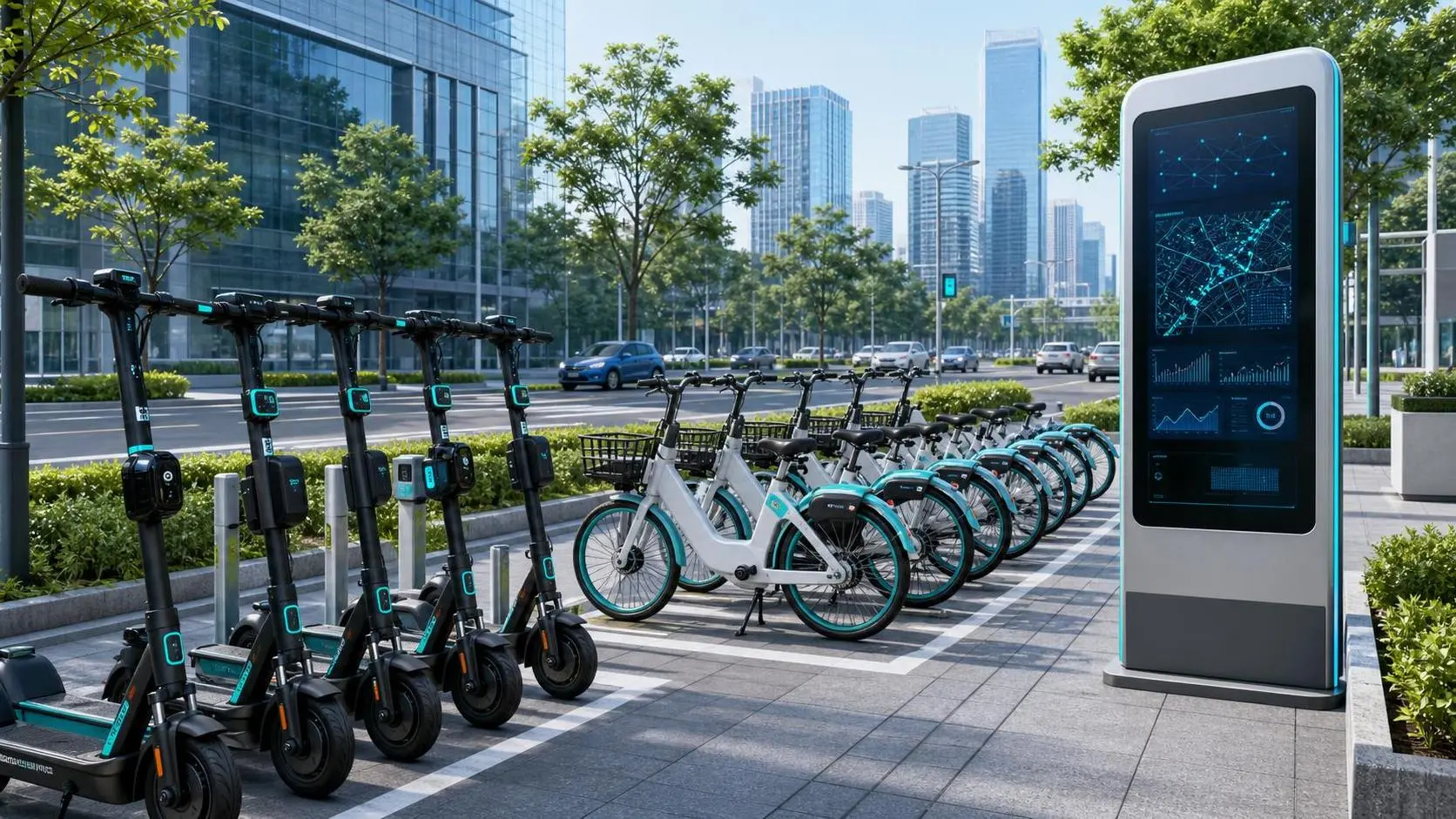
What Is the Intellectualization of Mobility Platform and How Is It Applied in Shared Fleets?
Intellectualization of mobility platform is reshaping shared fleets with real-time data, predictive maintenance, and smarter compliance—learn how it boosts safety, uptime, and urban mobility efficiency.
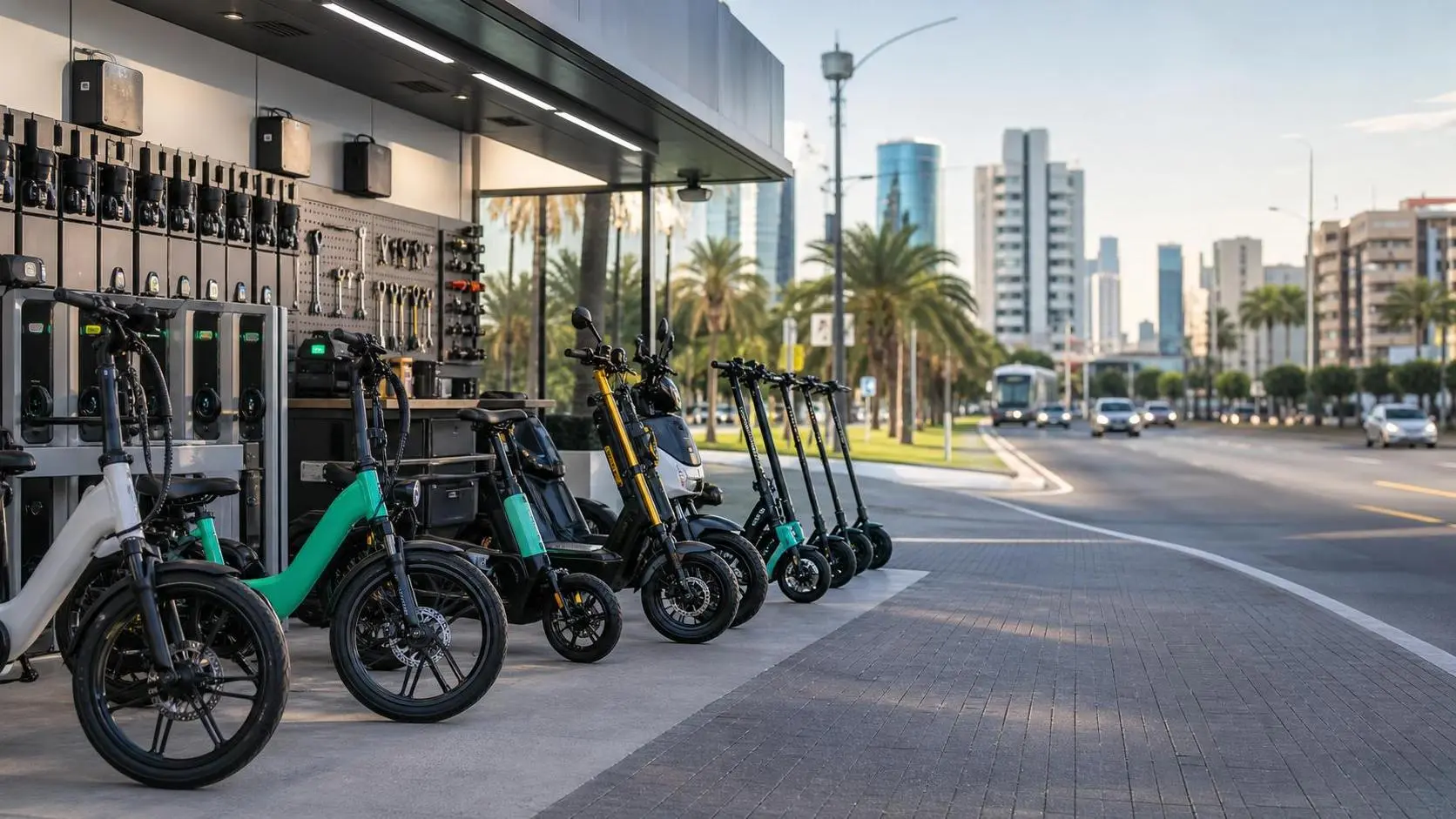
Urban Micro-Mobility Systems in Latin America: Key Market Drivers, Barriers, and Growth Segments
Urban micro-mobility systems Latin America are reshaping city transport. Explore key drivers, barriers, and high-growth segments to spot the region’s most investable opportunities.
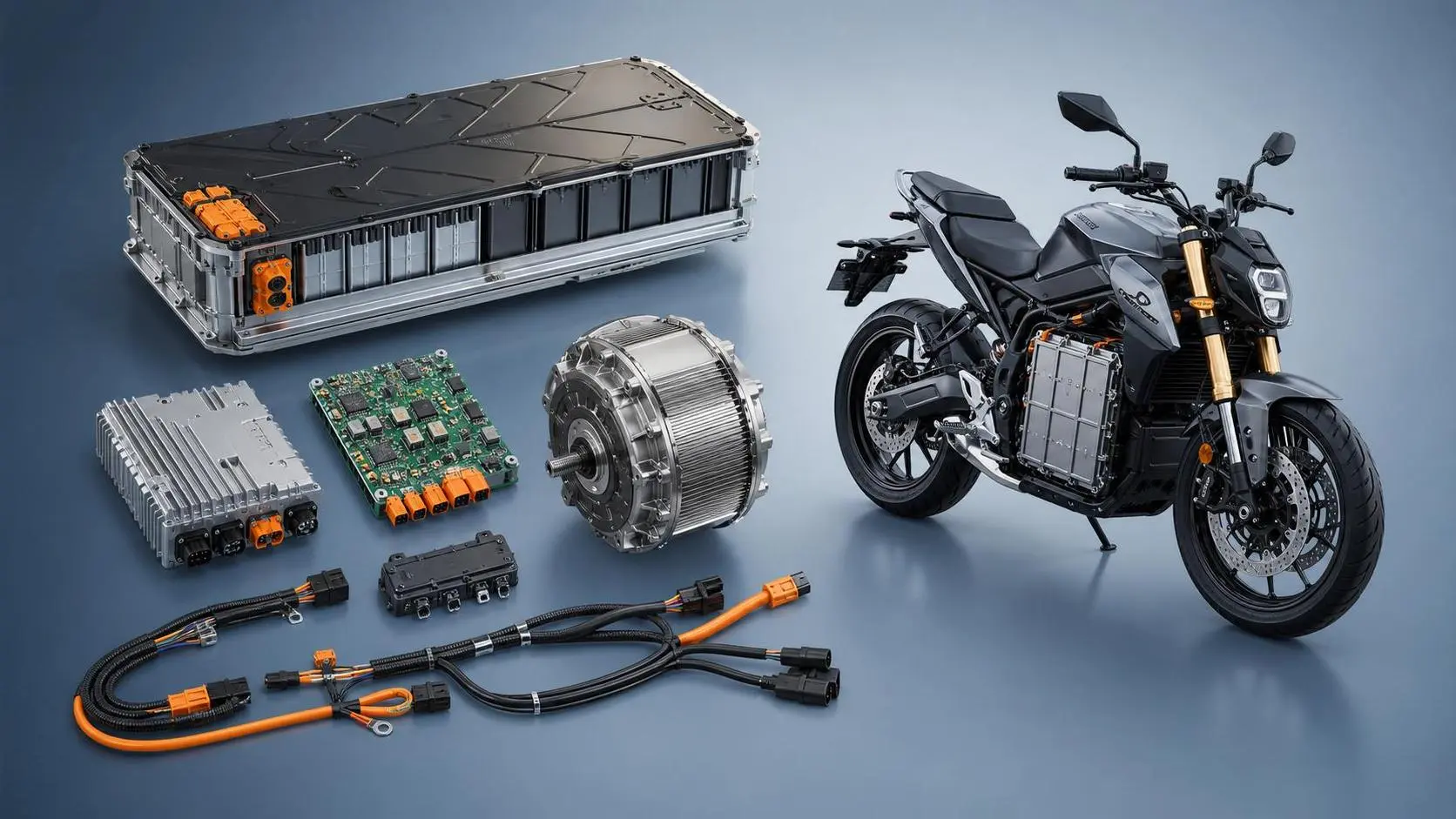
Electric Motorcycle Systems Price Breakdown: What Affects Cost From Battery to Controller?
Electric motorcycle systems price explained: see how battery, controller, motor, BMS, and wiring affect total cost, reliability, and sourcing value before you buy.
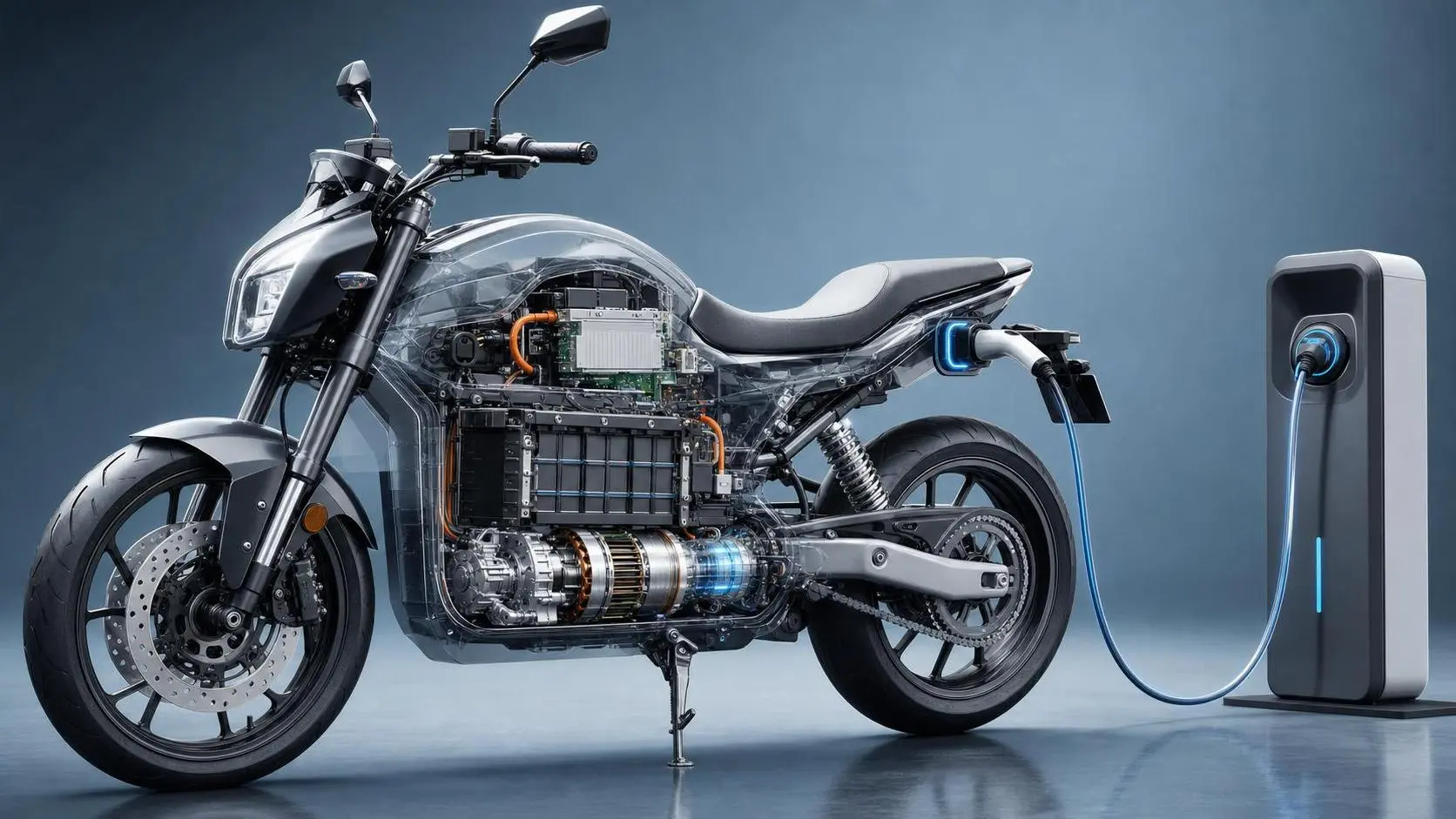
72V Electric Motorcycle Technology Explained: Motors, Controllers, Range, and Charging
Electric motorcycle technology 72V explained clearly: compare motors, controllers, range, battery design, and charging to choose a smoother, stronger, and smarter electric ride.
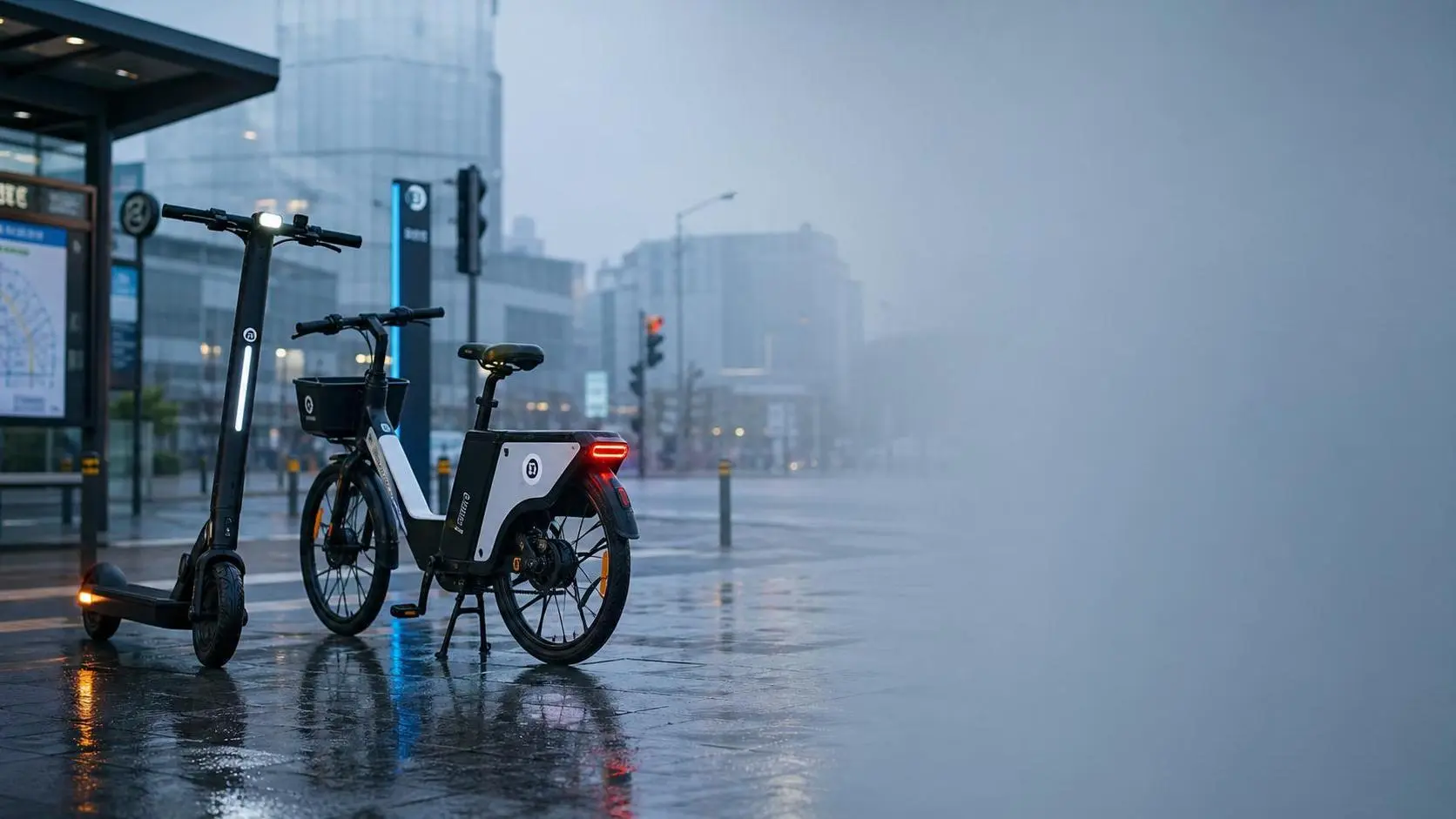
Where LED Urban Visibility Safety Systems Fit Best in Shared Scooters and City E-bikes
LED urban visibility safety systems deliver the most value in shared scooters and city e-bikes by improving multi-angle safety, fleet durability, and urban compliance across real-world routes.
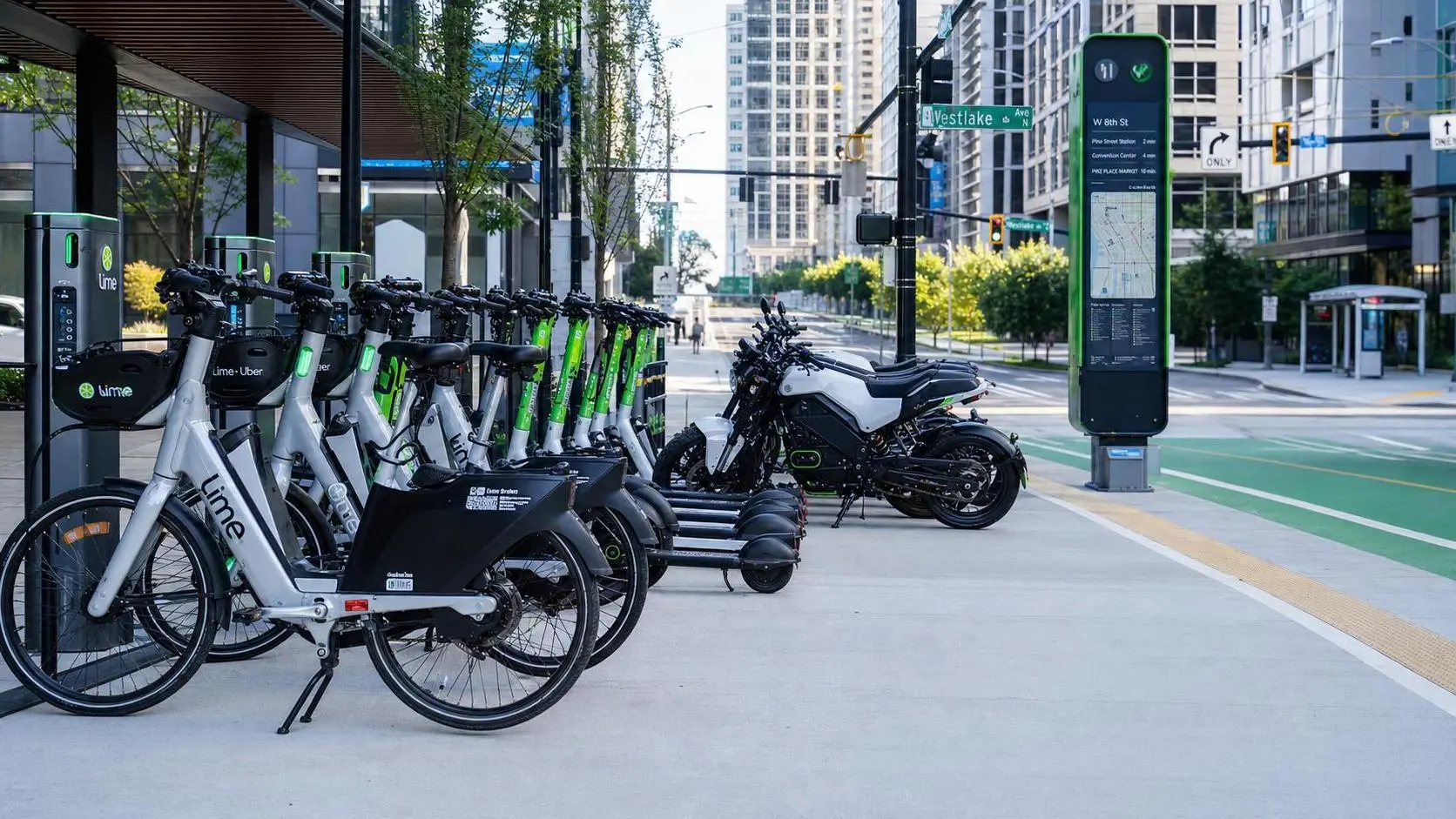
Intellectualization of Mobility in North America: What Is Driving Adoption Across Urban Transport?
Intellectualization of mobility North America is reshaping urban transport through data, smart fleets, and battery intelligence. Explore what is driving adoption and why cities and operators are accelerating now.
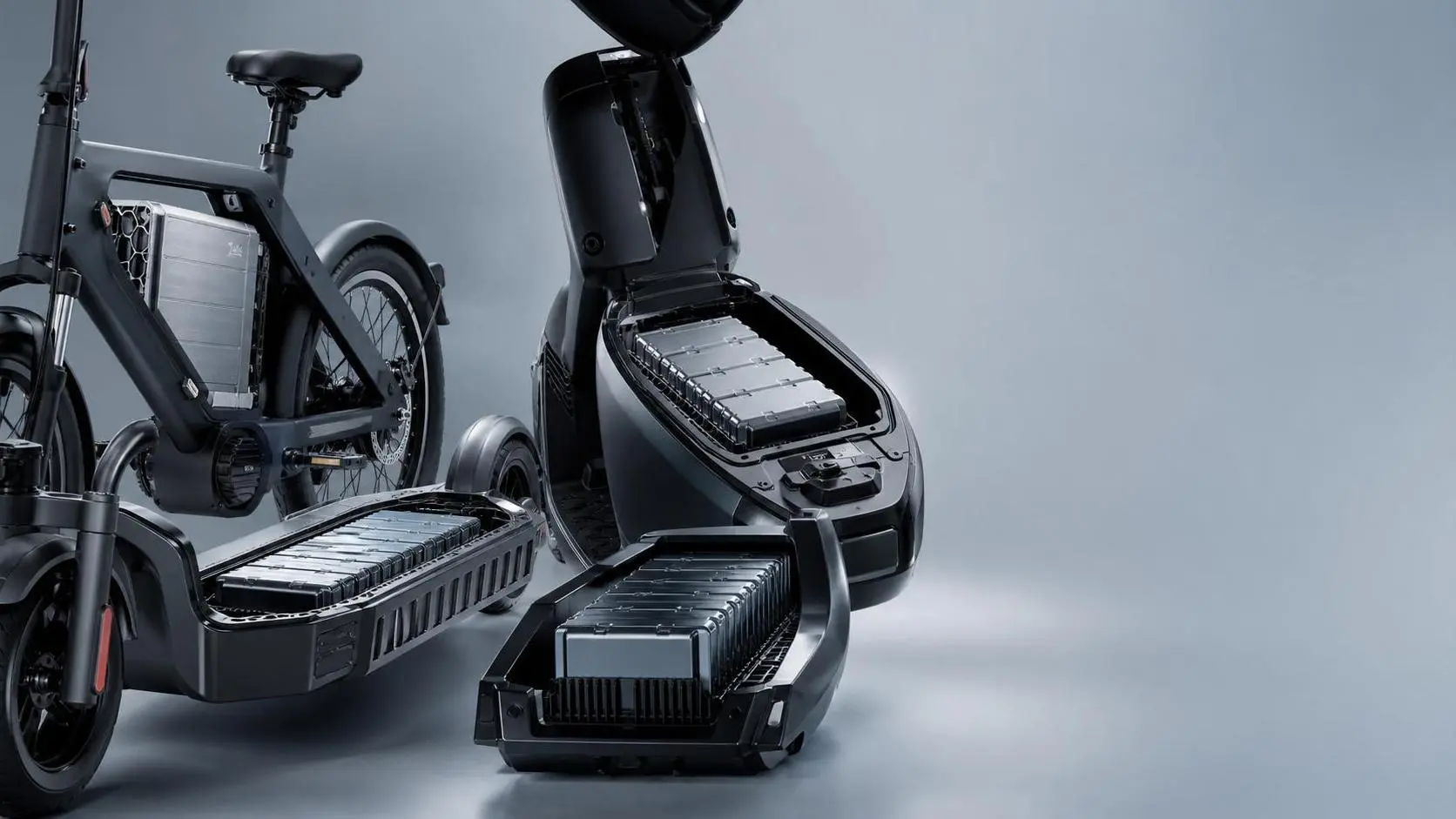
How to Choose a Compact Battery Pack: Size, Energy Density, Thermal Design, and Cycle Life
Compact battery pack selection starts with more than size. Learn how energy density, thermal design, and cycle life shape range, safety, and long-term value.
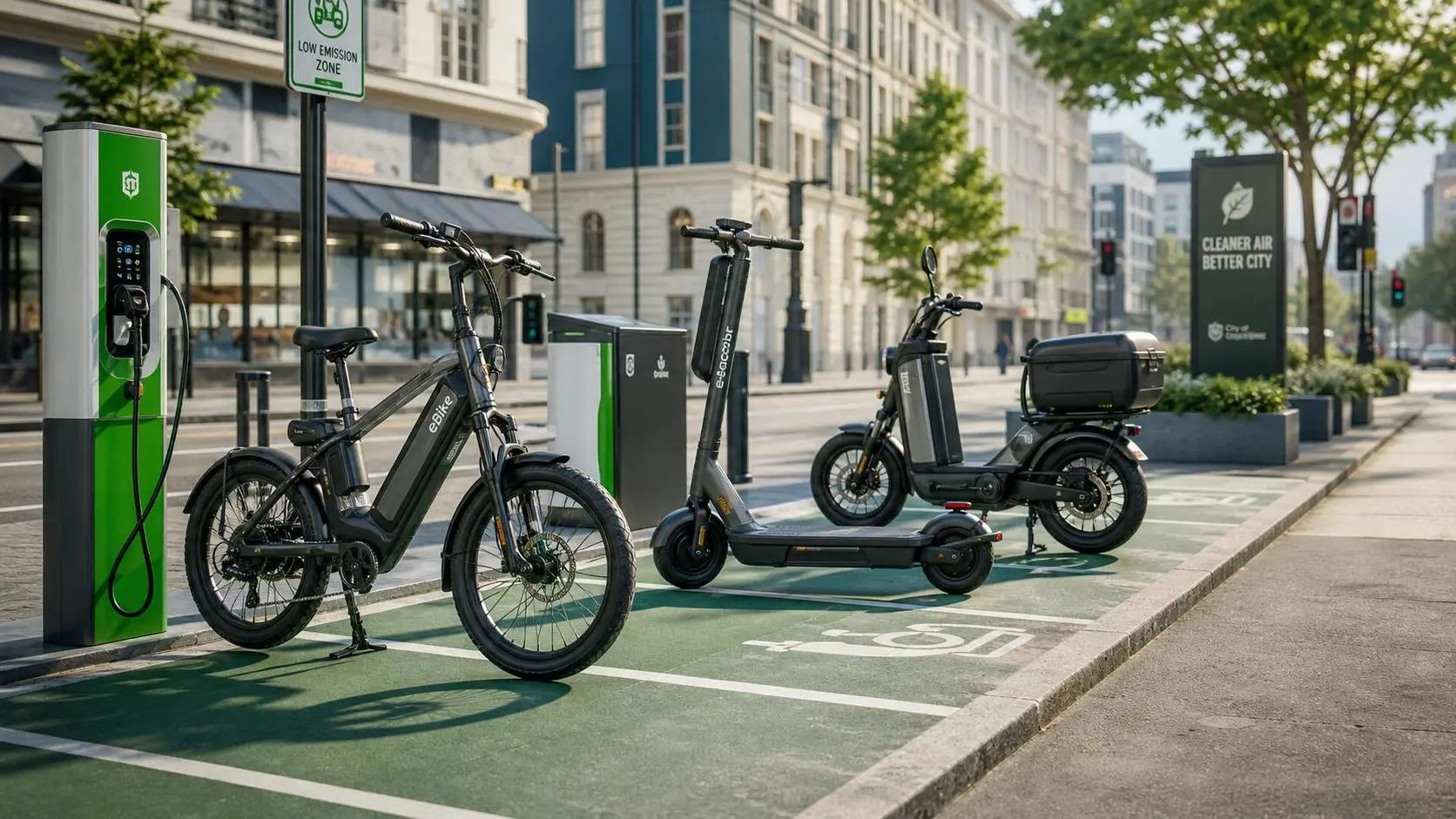
What Is Driving Green Two-wheelers Demand in Europe? Policy, Fuel Costs, and Buyer Segments
Green two-wheelers demand Europe is rising as policy support, fuel cost pressure, and diverse buyer segments reshape urban mobility. Explore the trends driving the next growth wave.