
Related News
- 00
0000-00
Wiper System Price Breakdown: What Changes Cost Across OEM, Aftermarket, and Fleet Orders - 00
0000-00
How do smart wiper sensors reduce safety risks on roads? - 00
0000-00
Smart Wiper Sensors: Failure Risks and Fix Priorities - 00
0000-00
Evolutionary trends in aero flat wipers: aerodynamic drag reduction versus rain-clearing efficiency trade-off
Visibility Safety Expert
Weekly Insights
Stay ahead with our curated technology reports delivered every Monday.
Wiper System Price Breakdown: What Changes Cost Across OEM, Aftermarket, and Fleet Orders





Wiper System Price Breakdown: What Changes Cost Across OEM, Aftermarket, and Fleet Orders
Understanding wiper system price is no longer just about comparing unit quotes.
For sourcing teams, the final cost often moves with design scope, order structure, and compliance requirements.
A basic blade-and-arm package may look affordable at first glance.
Yet the real wiper system price can rise fast once motors, linkages, sensors, tooling, and testing enter the picture.
That gap becomes even wider across OEM programs, aftermarket replacement channels, and fleet-volume contracts.
In practical buying decisions, these differences matter because quote structure affects margins, lead time, warranty exposure, and inventory risk.
This guide breaks down what actually changes cost and how to compare suppliers with better accuracy.
Why wiper system price changes so much
The first thing to know is that wiper system price is not a single number.
It is usually a bundle of component cost, engineering cost, quality cost, and delivery cost.
A supplier may quote low on hardware but recover margin through tooling, packaging, or validation charges.
Another supplier may include more in the unit price, making comparisons look confusing.
Core cost drivers
- Blade material, such as natural rubber, silicone, or coated compounds
- Motor type, torque output, noise target, and durability cycle
- Arm geometry, spring force, corrosion protection, and aerodynamic profile
- Sensor integration for rain detection or smart control logic
- Regional compliance, validation testing, and documentation
- Packaging, shipping mode, service support, and warranty terms
From recent market shifts, raw material volatility has been one of the clearest pricing signals.
Motor electronics and specialty rubber compounds have also pushed wiper system price higher in premium applications.
OEM orders: lower unit logic, higher total program cost
OEM sourcing often delivers the lowest visible unit cost at scale.
But the total wiper system price in an OEM project is rarely simple.
That is because OEM business usually includes custom engineering, validation, tooling, and launch coordination.
In many programs, the quoted assembly cost is only one part of the financial picture.
What raises OEM pricing
- Vehicle-specific arm length, mounting interface, or sweep angle
- Brushless motor upgrades for lower noise and better efficiency
- Electronic control integration with body modules or sensor networks
- PPAP, endurance testing, salt spray testing, and traceability systems
- Dedicated tooling, fixtures, and launch inventory buffers
A useful way to evaluate OEM wiper system price is to separate piece price from non-recurring charges.
If that split is unclear, the quote may hide future cost pressure.
This also means annual volume matters more than many buyers expect.
At 100,000 units, tooling dilution looks manageable. At 10,000 units, the same program can become expensive fast.
Aftermarket sourcing: flexible entry, wider price dispersion
Aftermarket purchasing usually shows the widest spread in wiper system price.
The reason is simple.
Products in this channel range from low-cost universal replacements to premium branded systems with better fit and longer life.
So a low quote does not always indicate good value.
Why aftermarket prices vary
- Universal versus vehicle-specific design
- Retail packaging level and barcode requirements
- Brand premium and channel margin expectations
- Replacement rate, shelf life, and customer return risk
- Performance in noise, streaking, ice resistance, and UV exposure
In actual business terms, aftermarket wiper system price often includes a stronger logistics burden.
More SKUs mean more inventory fragmentation.
That creates hidden carrying costs, especially when demand by vehicle model is uneven.
For that reason, standardization can sometimes save more than a small unit price discount.
Fleet orders: volume helps, uptime decides value
Fleet contracts often sit between OEM and aftermarket logic.
The wiper system price may improve through larger recurring volume.
Still, the real decision is usually about service life, replacement intervals, and downtime reduction.
That is especially true in shared mobility, municipal service, and delivery operations.
What matters most in fleet pricing
- Batch order consistency across multiple delivery windows
- Field replacement speed and training simplicity
- Warranty response and spare parts availability
- Durability under dust, rain, cold start, and vibration
- Regional stock positioning to reduce service delays
A fleet buyer may accept a slightly higher wiper system price if replacement frequency drops meaningfully.
That tradeoff becomes more visible when maintenance teams manage hundreds or thousands of assets.
In short, total operating cost often matters more than the lowest invoice line.
A practical comparison table for wiper system price
How to evaluate supplier quotes more accurately
A strong sourcing process looks beyond headline wiper system price.
The better question is what exactly the quote includes and what risk remains outside it.
Use this procurement checklist
- Confirm whether the quote covers blades, arms, motor, linkage, controller, and mounting hardware.
- Ask for material specs, motor life data, and environmental test results.
- Separate recurring unit cost from tooling, testing, and engineering charges.
- Review Incoterms, packaging details, and shipment frequency assumptions.
- Check warranty handling, defect thresholds, and replacement lead times.
- Compare service life, not just purchase price, across competing offers.
A more obvious signal today is supplier transparency.
Clear cost breakdowns usually indicate a more mature manufacturing and quality system.
By contrast, unclear pricing often leads to later disputes over scope, quality, or delivery responsibility.
Common mistakes when comparing wiper system price
Several buying mistakes show up again and again.
They usually happen when the team focuses only on short-term savings.
- Comparing unit prices without matching technical scope
- Ignoring replacement labor and downtime in fleet projects
- Overlooking certification requirements for destination markets
- Accepting universal designs where precise fit is critical
- Underestimating the impact of packaging and warehouse handling
These issues can make an attractive wiper system price look far less attractive after launch.
That is why disciplined cost comparison should include technical, commercial, and operational factors together.
Final takeaway for better cost decisions
The most useful way to read wiper system price is through context.
OEM orders reward scale but bring engineering and validation cost.
Aftermarket orders offer flexibility but often create inventory and return complexity.
Fleet contracts benefit from volume, yet uptime and service response usually define the better deal.
So instead of chasing the lowest quote, compare total value across lifecycle, support, and risk.
That approach leads to more reliable supplier selection and better long-term control over wiper system price.
When the next quote arrives, break it into components first. The cost story becomes much clearer from there.
Related News
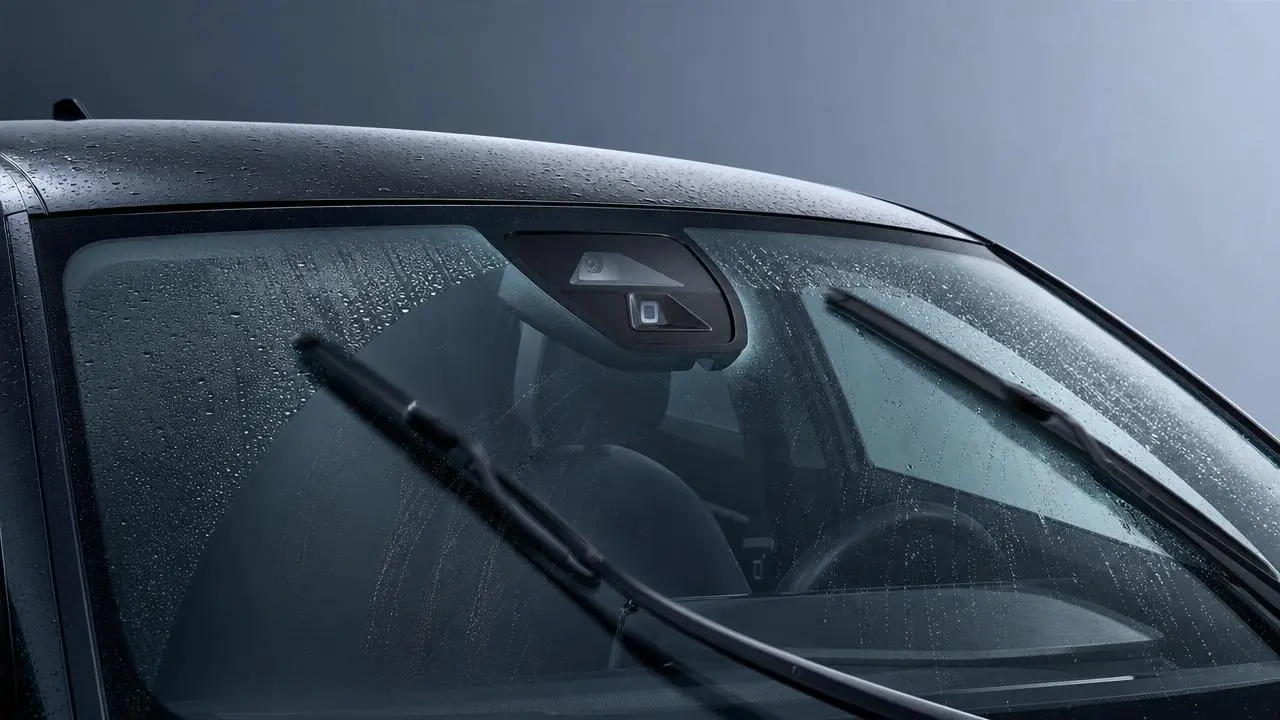
Wiper Sensor Technology: How Rain Detection Works and What Affects Response Accuracy
Wiper sensor technology explained: learn how rain detection works, what affects response accuracy, and how to evaluate reliable, safety-focused performance across modern mobility platforms.
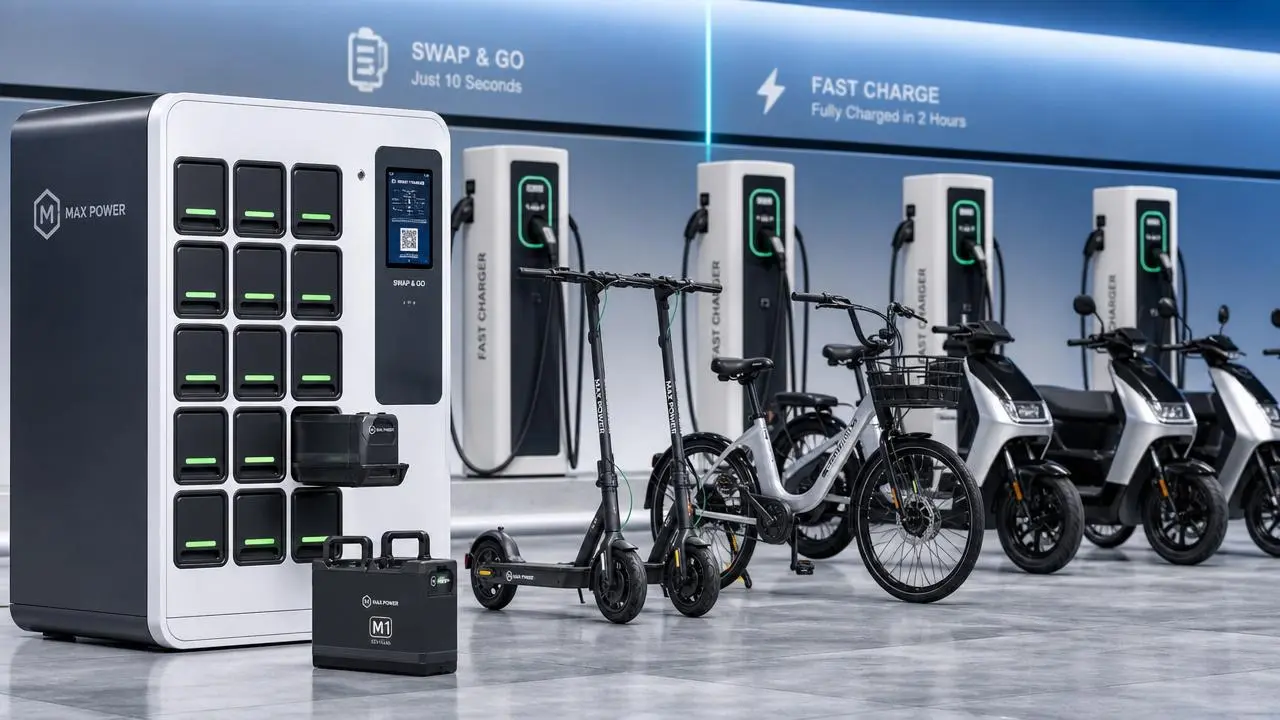
Battery Swapping vs Fast Charging: Which Lowers Fleet Downtime and Operating Costs?
Battery swapping vs fast charging: discover which model cuts fleet downtime, improves uptime, and lowers operating costs for e-bikes, scooters, and urban mobility fleets.
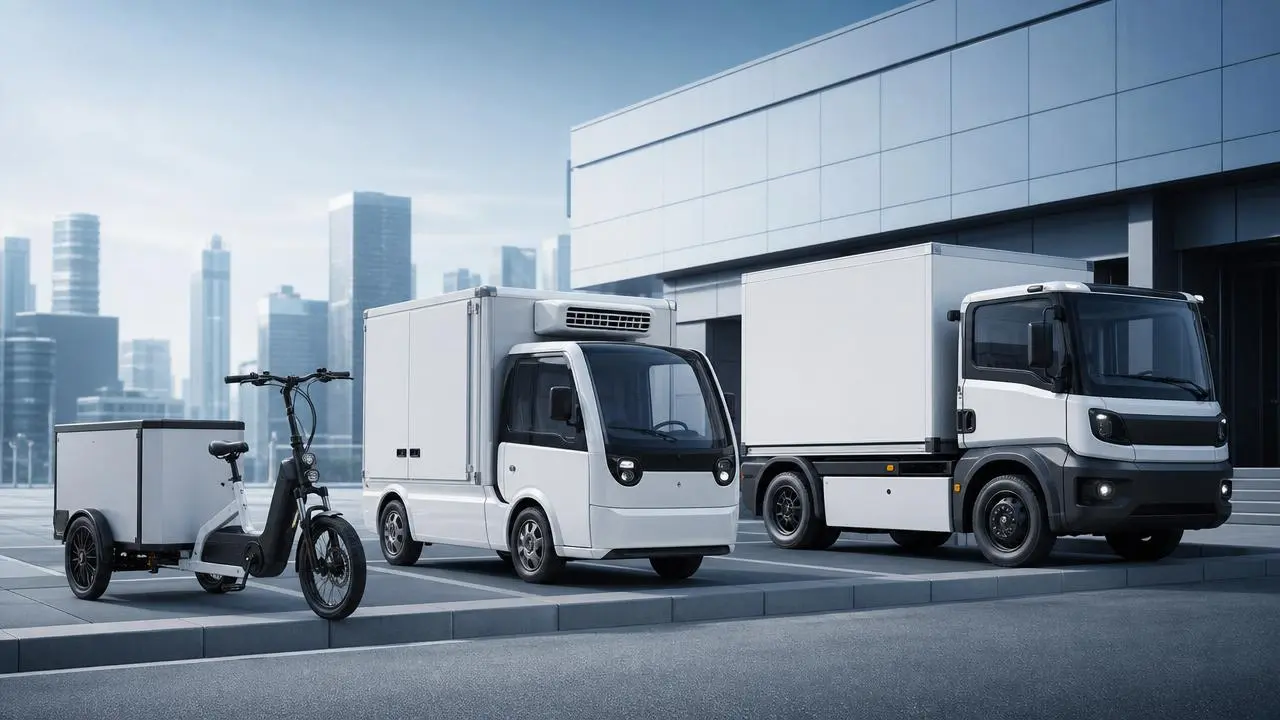
How to Choose Last Mile Delivery Solutions for Urban Routes, Cold Chain, and Heavy Loads
Last mile delivery solutions for urban routes, cold chain, and heavy loads: learn how to compare fleet fit, control risk, and improve delivery performance with a smarter decision framework.
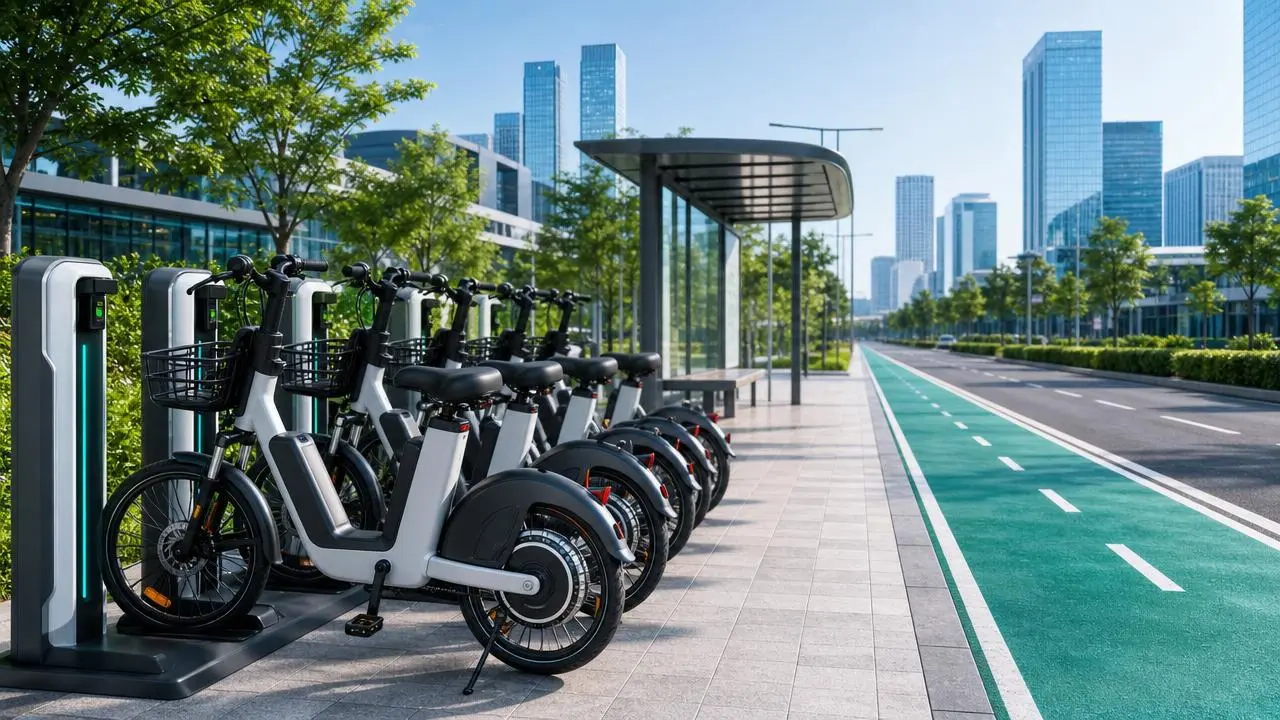
Shared Electric Bike Market Explained: Growth Drivers, City Models, and Revenue Risks
Shared electric bike market trends are reshaping urban mobility. Explore growth drivers, city models, revenue risks, and what defines profitable, regulation-ready fleets.
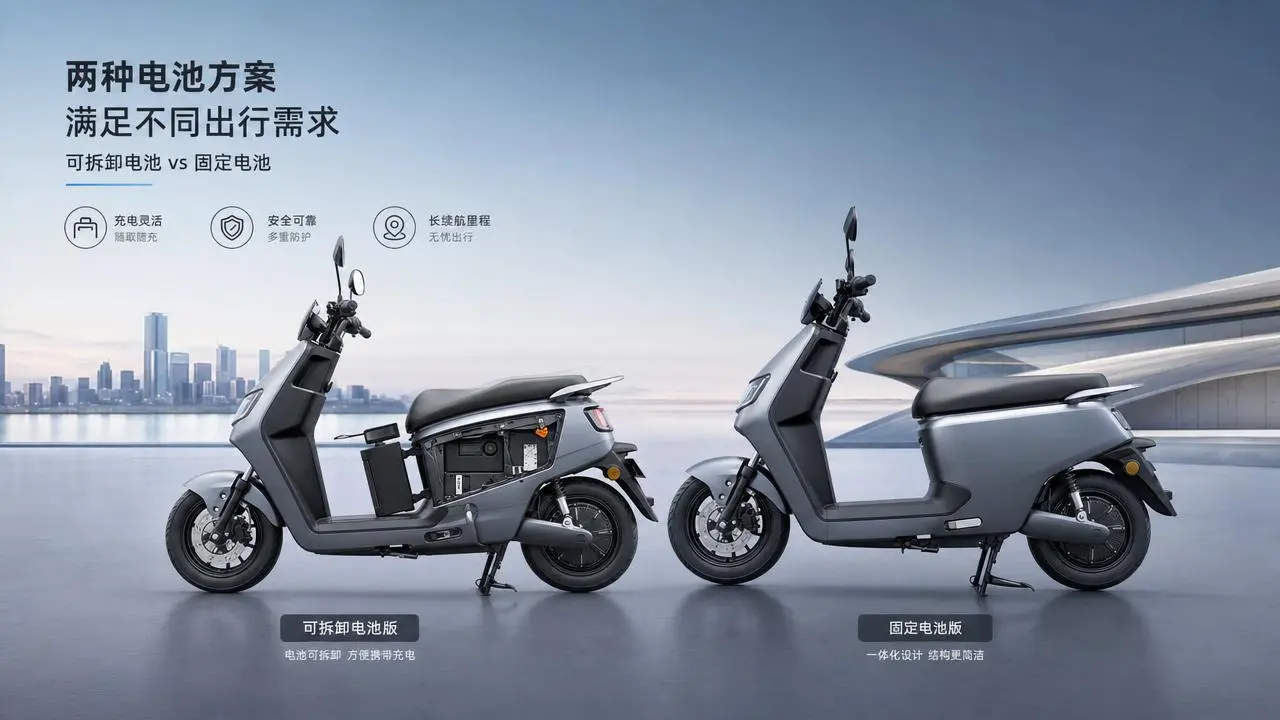
Swappable Battery Motorcycle vs Fixed Battery Models: Which Setup Fits Daily Use?
Swappable battery motorcycle or fixed-battery bike? Compare charging ease, range, cost, and daily convenience to find the best fit for your commute and lifestyle.
Derailleur Skipping Gears: 7 Common Causes and How to Fix Each One
Derailleur skipping gears? Discover 7 common causes, practical fixes, and smart maintenance tips to restore smooth shifting, reduce wear, and keep your bike or e-bike performing better.
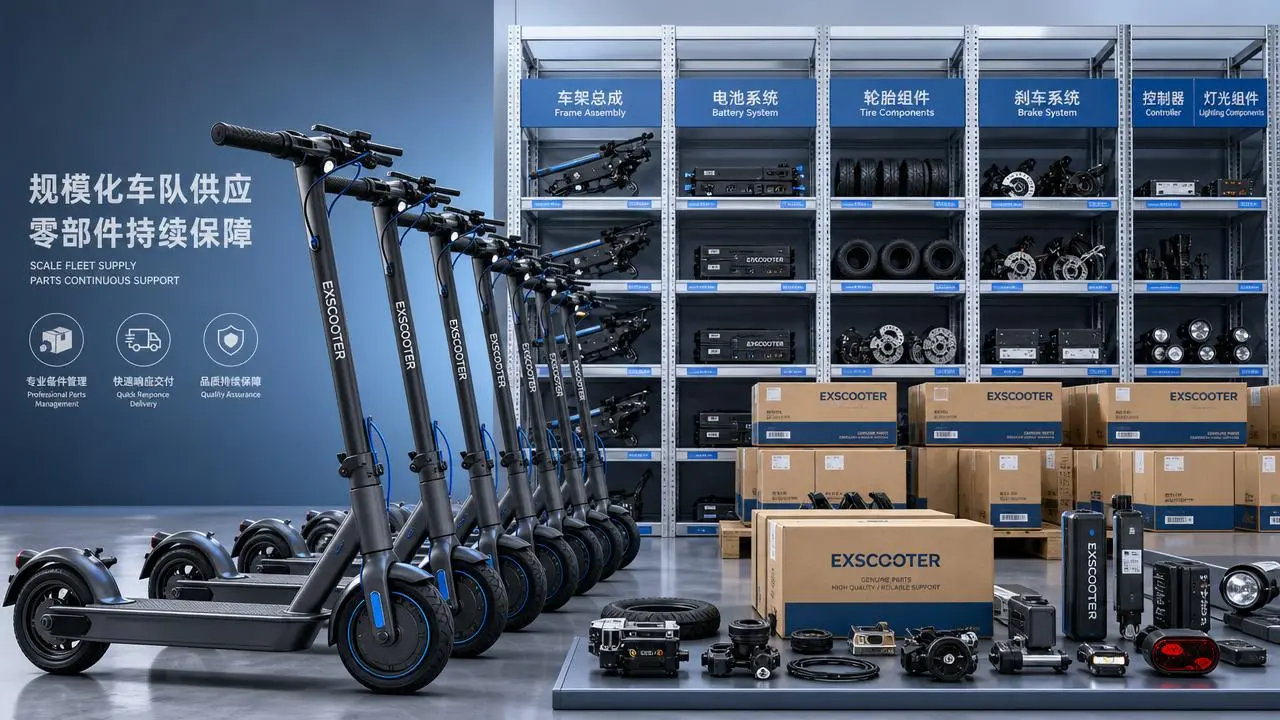
How to Choose a Shared Scooters Supplier for Fleet Scale, Parts Supply, and After-Sales
Shared scooters supplier selection affects fleet uptime, parts availability, and service costs. Learn how to compare scale, spare parts, warranty, and after-sales support before you buy.
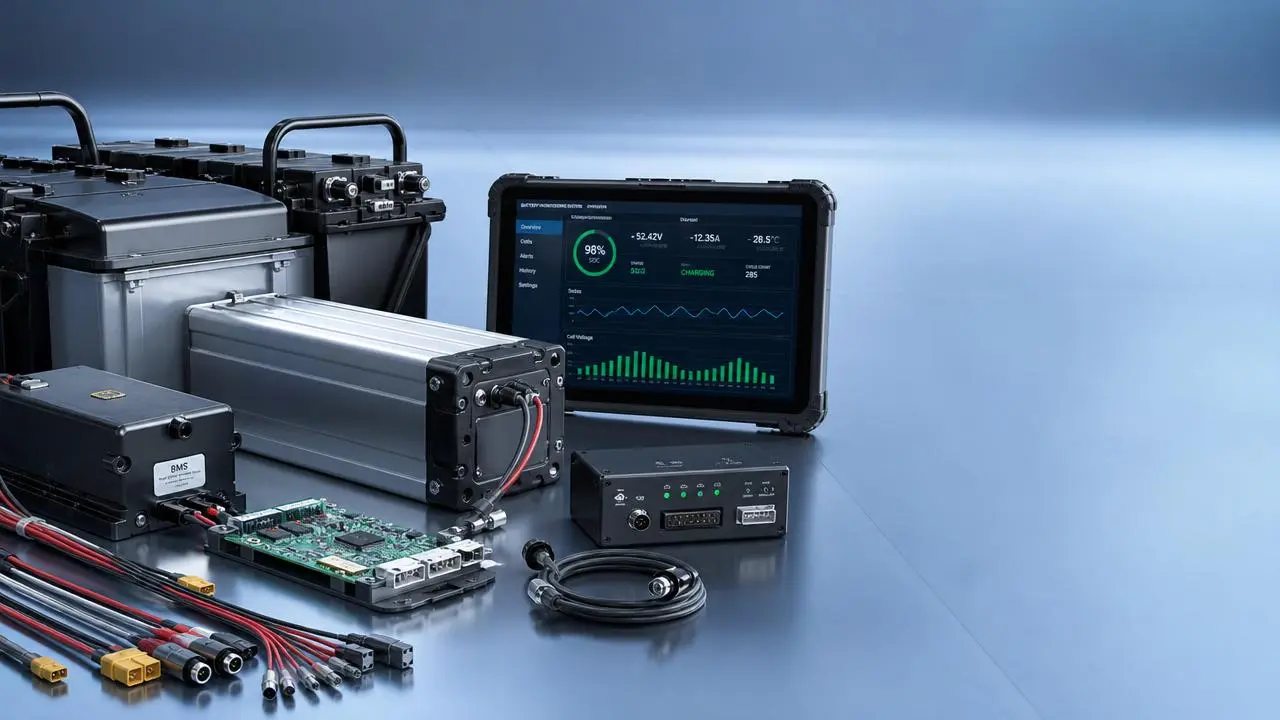
Battery Management USA: How to Evaluate Compliance, Data Visibility, and Service Support
Battery management USA evaluation starts with compliance, data visibility, and service support. Learn how to reduce sourcing risk, improve uptime, and choose a stronger battery partner.
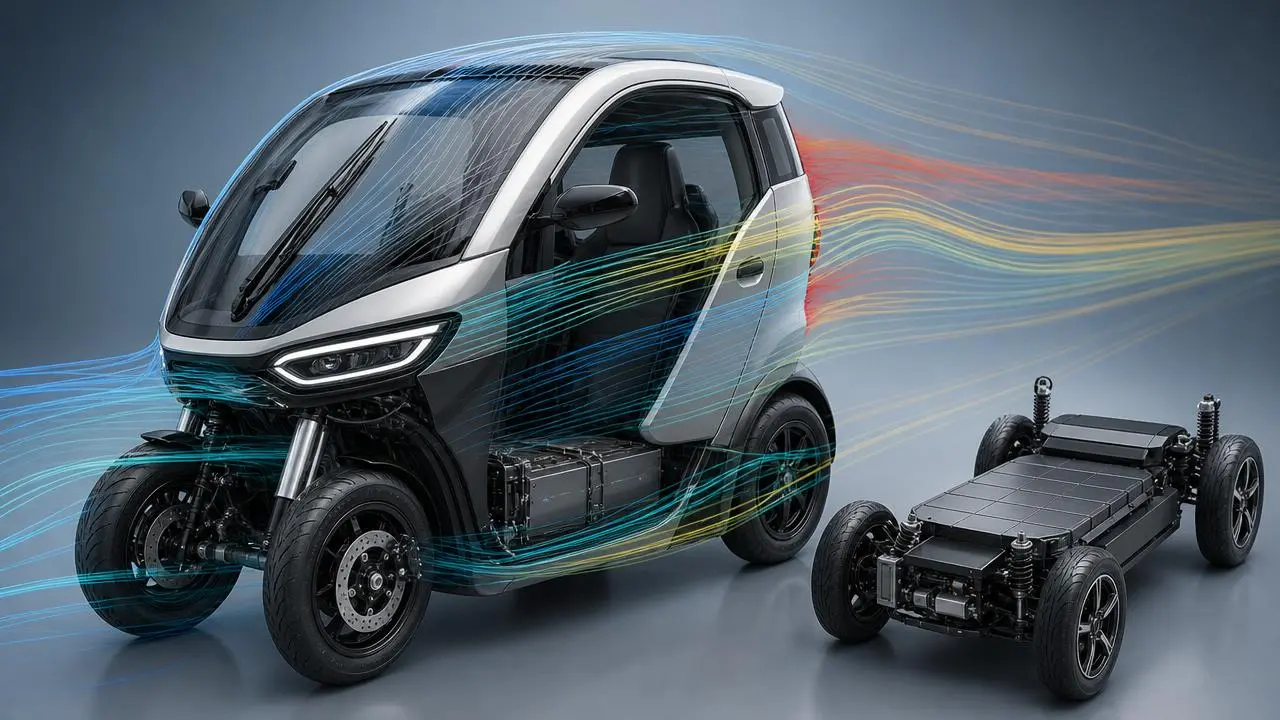
Aerodynamics Analysis for EV Design: Which Drag Parameters Matter Most?
Aerodynamics analysis for EV design goes beyond Cd. Discover which drag parameters most affect range, stability, cooling, and control to build smarter, more efficient electric vehicles.