
Related News
- 00
0000-00
Flat Wiper Blades Wholesale Buying Guide: MOQ, Rubber Quality, Fitment, and Supplier Checks - 00
0000-00
Wiper System Price Breakdown: What Changes Cost Across OEM, Aftermarket, and Fleet Orders - 00
0000-00
How do smart wiper sensors reduce safety risks on roads? - 00
0000-00
Smart Wiper Sensors: Failure Risks and Fix Priorities - 00
0000-00
Evolutionary trends in aero flat wipers: aerodynamic drag reduction versus rain-clearing efficiency trade-off
Visibility Safety Expert
Weekly Insights
Stay ahead with our curated technology reports delivered every Monday.
Flat Wiper Blades Wholesale Buying Guide: MOQ, Rubber Quality, Fitment, and Supplier Checks





Flat Wiper Blades Wholesale Buying Guide: MOQ, Rubber Quality, Fitment, and Supplier Checks
For procurement teams evaluating flat wiper blades wholesale options, the real cost goes beyond unit price.
MOQ flexibility, rubber consistency, fitment accuracy, and supplier verification shape inventory risk, complaint rates, and long-term margin.
In practice, a cheap order can become expensive fast.
Returns, slow-moving SKUs, noisy blades, and poor wipe performance usually start with weak sourcing controls.
This flat wiper blades wholesale guide focuses on the checkpoints that matter before placing a bulk order.
Start with the real buying objective
Not every flat wiper blades wholesale program serves the same business model.
A distributor needs broad coverage and steady replenishment.
A private-label importer may care more about packaging, barcode control, and consistent finish.
A workshop chain often values fast-moving sizes and easy adapter handling.
That also means supplier selection should match the sales channel, not only the target price.
- Aftermarket retail: broad fitment and stable packaging quality.
- B2B fleet supply: durability, noise control, and batch consistency.
- Private label: printing accuracy, carton design, and compliance support.
- E-commerce: low return rate and clear vehicle application data.
MOQ is not just a pricing issue
MOQ is one of the first filters in flat wiper blades wholesale negotiations.
Still, the lowest MOQ is not always the best choice.
A useful MOQ should fit forecast accuracy, SKU depth, and reorder rhythm.
If the supplier forces large quantity by size, dead stock risk rises quickly.
More importantly, MOQ rules should be reviewed at three levels.
- Per item MOQ: useful for testing top-selling sizes first.
- Mixed order MOQ: better for building a starter range.
- Private label MOQ: often tied to box printing and master carton quantity.
In actual business, flexible mixed MOQ often creates better cash flow than a lower headline unit price.
Ask one direct question early: can slow-moving sizes be combined with high-volume sizes in one production batch?
Rubber quality decides repeat orders
In flat wiper blades wholesale, rubber quality is the main performance driver.
Frame design matters, but the wiping edge carries the real customer experience.
Poor compounds usually lead to chatter, skipping, haze, or early cracking.
Those failures do not only hurt one order.
They damage trust across the full brand line.
What to confirm about the rubber compound
- Natural rubber or synthetic blend composition.
- Silicone, graphite, or PTFE coating options.
- Temperature resistance across target markets.
- UV and ozone aging resistance.
- Hardness tolerance between production lots.
Do not rely on supplier claims alone.
Request test reports, sample retention records, and clear batch traceability.
If possible, compare at least three sample sets from different batches.
That reveals whether the factory can hold quality, not just produce a good sample once.
Simple performance checks that matter
A practical flat wiper blades wholesale review should include several quick checks.
- Wipe smoothness on dry and wet glass.
- Noise level after repeated cycles.
- Edge recovery after storage compression.
- Visual finish of the rubber lip.
- Adhesion stability if coated.
Fitment accuracy is where many bulk orders fail
Fitment errors are a common hidden cost in flat wiper blades wholesale.
A blade may look correct by length but still fail at the connector.
Adapter mismatch, arm pressure issues, or poor curvature can trigger returns.
This is especially relevant when selling across Europe, North America, and mixed emerging markets.
What fitment data should be checked
- Vehicle make, model, and production year mapping.
- Driver side and passenger side length pairing.
- Rear wiper compatibility where relevant.
- Connector types and included adapters.
- Special arm structures for regional models.
A reliable supplier should provide fitment charts that are current, not copied from old catalogs.
Better still, they should explain how fitment data is maintained.
That process says a lot about future claim rates.
Why adapter strategy affects inventory
Universal adapter systems can reduce SKU count in flat wiper blades wholesale programs.
However, too many adapters inside one pack can confuse installers and raise complaint risk.
A cleaner strategy is often better.
Focus on the connector families that dominate the target market, then review coverage gaps carefully.
Supplier checks should go beyond certificates
A supplier may look strong on paper and still create costly disruption.
That is why flat wiper blades wholesale sourcing needs operational verification, not only document collection.
Core checks before approval
- Production capacity for peak season demand.
- Incoming material control procedures.
- In-line inspection and final AQL process.
- Batch coding and traceability system.
- Complaint response speed and root cause reporting.
- Export experience in destination markets.
Ask for recent shipment references by region and product line.
Then compare their answers for consistency.
A solid supplier usually responds with specifics, not broad marketing language.
Questions worth asking during factory review
- Which parts are produced in-house, and which are outsourced?
- How is rubber batch variation controlled?
- What is the rejection rate for the last six months?
- How are fitment updates added to the catalog?
- What happens when packaging errors are found after loading?
Cost comparison should include landed risk
When comparing flat wiper blades wholesale offers, unit price is only one line of the equation.
The lower quote may hide higher total cost after claims and slow rotation.
From a margin perspective, the best flat wiper blades wholesale deal is usually the most predictable one.
Build a practical approval process
A structured approval process reduces sourcing mistakes before they become expensive habits.
For flat wiper blades wholesale, a useful sequence is simple and repeatable.
- Define target markets, key connectors, and top-selling lengths.
- Shortlist suppliers by MOQ logic and export capability.
- Review samples from multiple batches, not one set only.
- Verify fitment charts against actual vehicle applications.
- Confirm packaging, barcode, and carton labeling standards.
- Start with a controlled trial order before scaling volume.
This approach keeps the decision commercial, technical, and measurable at the same time.
Final takeaway
A strong flat wiper blades wholesale program is built on four basics.
MOQ must support healthy inventory.
Rubber quality must stay consistent across batches.
Fitment data must be precise enough to prevent avoidable returns.
Supplier checks must test execution, not only paperwork.
When these points are reviewed together, flat wiper blades wholesale decisions become less reactive and more profitable.
The next step is straightforward.
Turn these checkpoints into a supplier scorecard, test small, and scale only when the data supports it.
Related News

Ebike Market USA: What Dealers Should Know About Demand Shifts, Pricing, and Product Mix
ebike market USA is shifting fast. Discover how demand segmentation, pricing pressure, and smarter product mix decisions can help dealers protect margins and grow.
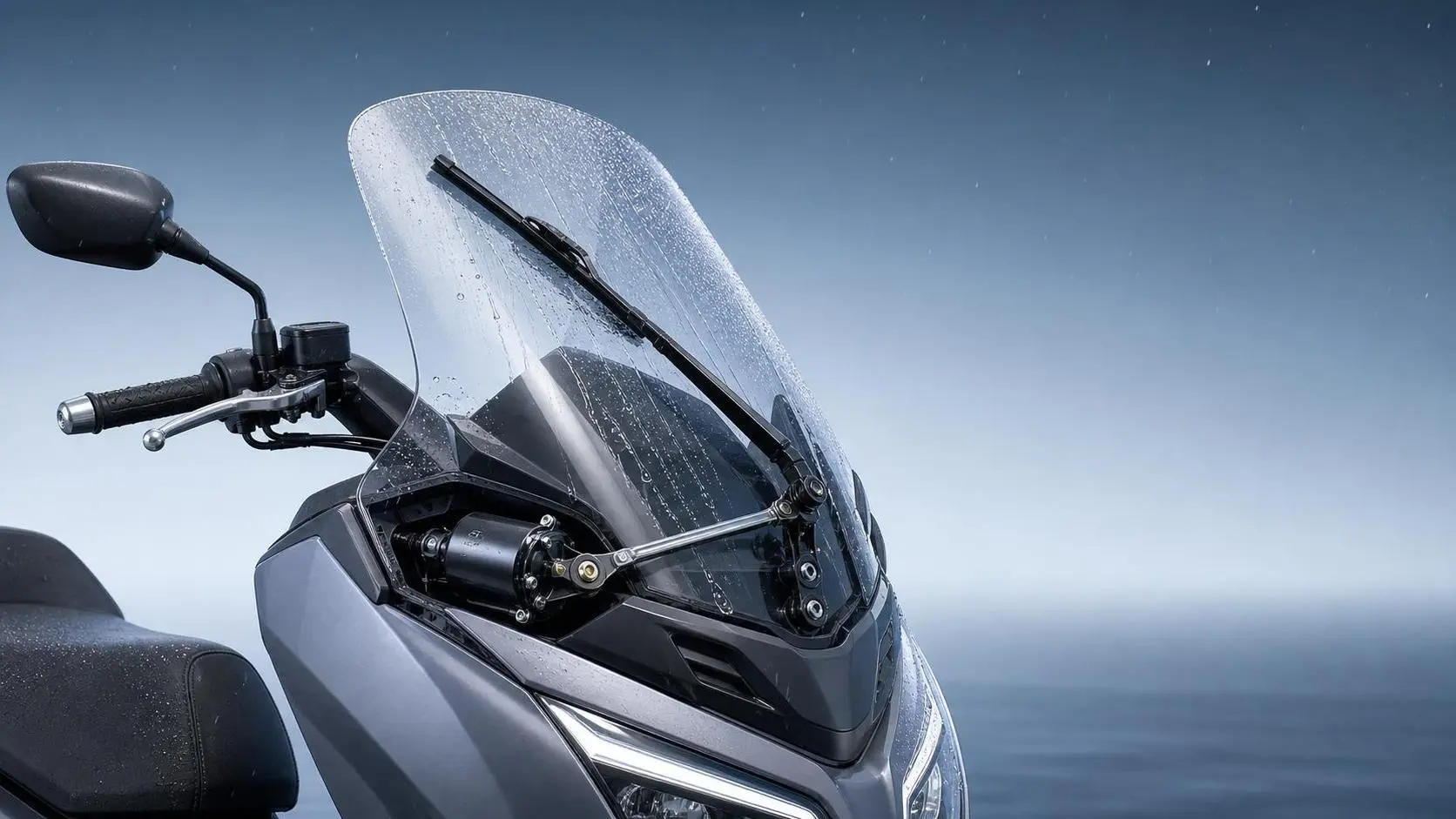
Wiper Systems for Scooters: Common Failure Points, Maintenance Tips, and Replacement Signs
Wiper systems for scooters: learn the most common failure points, smart maintenance tips, and clear replacement signs to improve visibility, reduce repeat repairs, and keep riders safer.

How to Choose Micro-Mobility Docking Stations for Shared Fleets and Public Charging Hubs
Micro-mobility docking stations: learn how to compare charging, locking, software, and site-fit factors to choose safer, smarter hubs for shared fleets and public use.
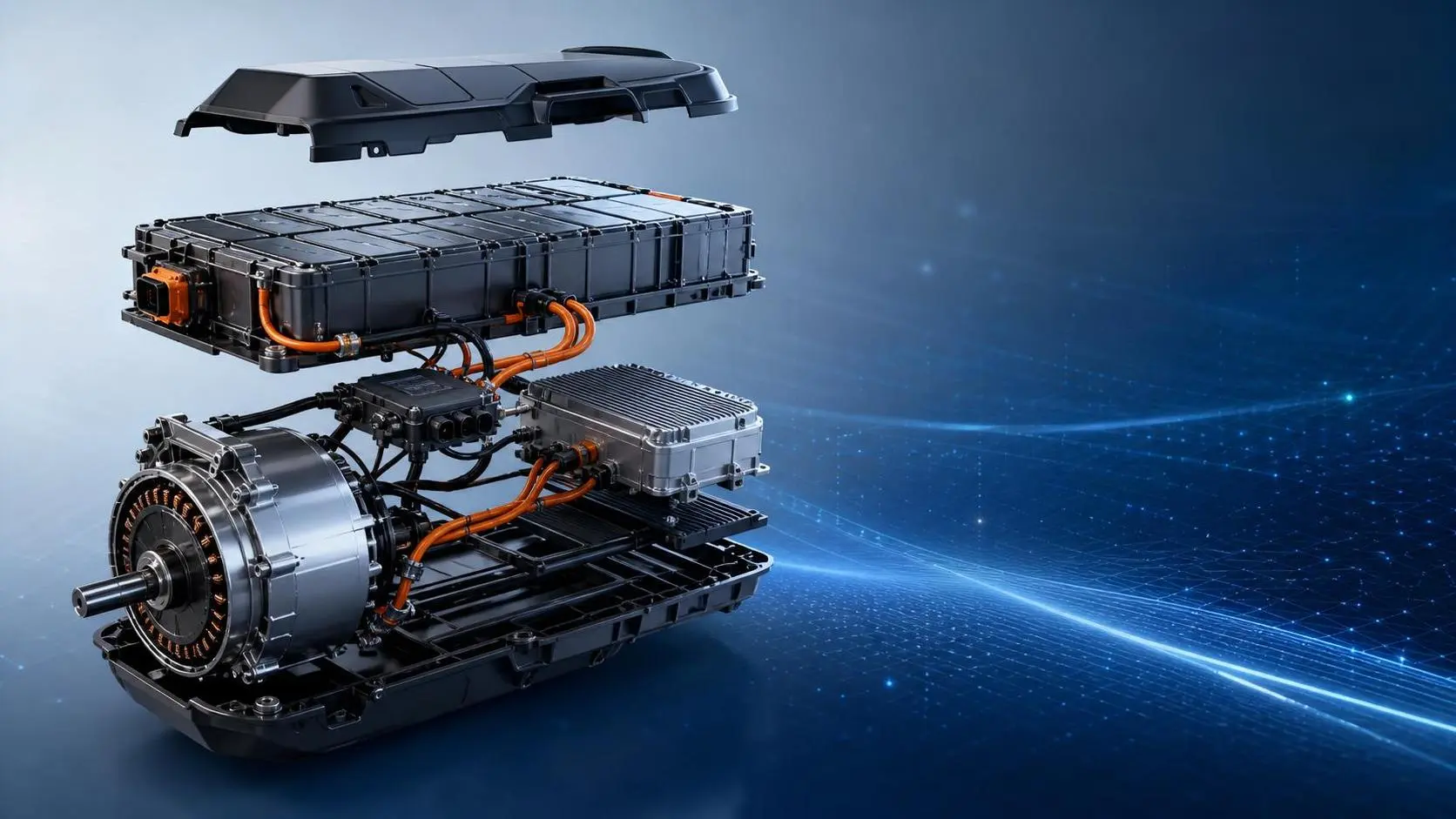
Powertrain Heat Management Explained: Key Design Factors for EV Efficiency and Battery Life
Powertrain heat management explained for EVs: discover how thermal design boosts efficiency, protects battery life, improves safety, and sustains real-world performance.

Urban Mobility Market Analysis: Demand Drivers, Policy Risks, and Revenue Models Compared
Urban mobility market analysis compares demand drivers, policy risks, and revenue models across e-bikes, scooters, and e-motorcycles to reveal where growth is durable.

Shared Mobility Compliance Checklist: Permits, Safety Rules, and Fleet Data Requirements
Shared mobility compliance made simple: explore a practical checklist for permits, safety rules, and fleet data requirements to launch faster, reduce risk, and stay audit-ready.

What Affects Ebike Energy Efficiency? Battery Size, Rider Weight, Terrain, and Speed
Ebike energy efficiency explained: learn how battery size, rider weight, terrain, and speed shape real-world range, lower Wh/km, and smarter buying or commuting decisions.
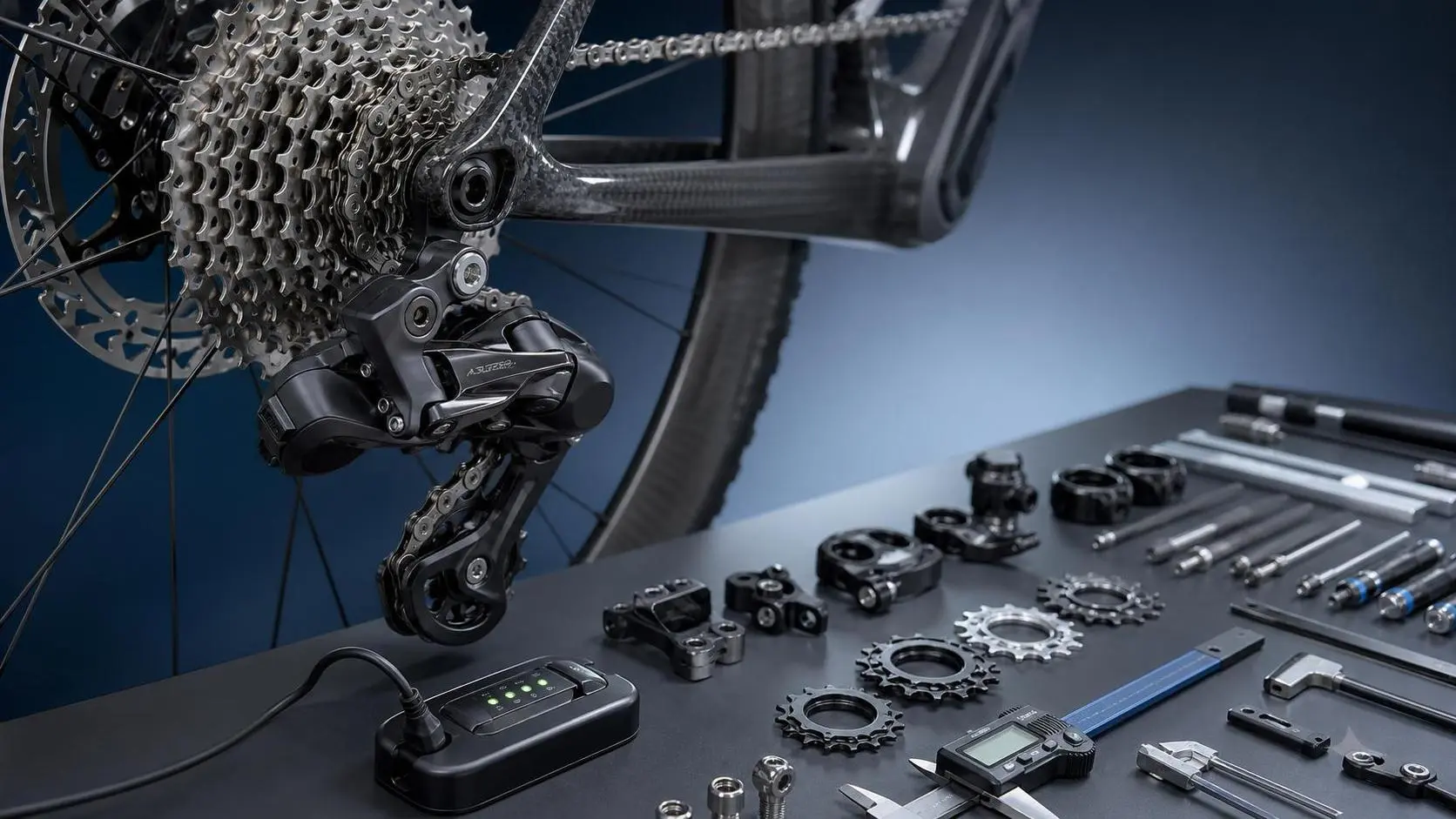
Wireless Electronic Shifting in North America: Compatibility, Standards, and Upgrade Limits
Wireless electronic shifting North America explained: compare compatibility, FCC/ISED standards, retrofit limits, and upgrade risks before choosing the right platform.
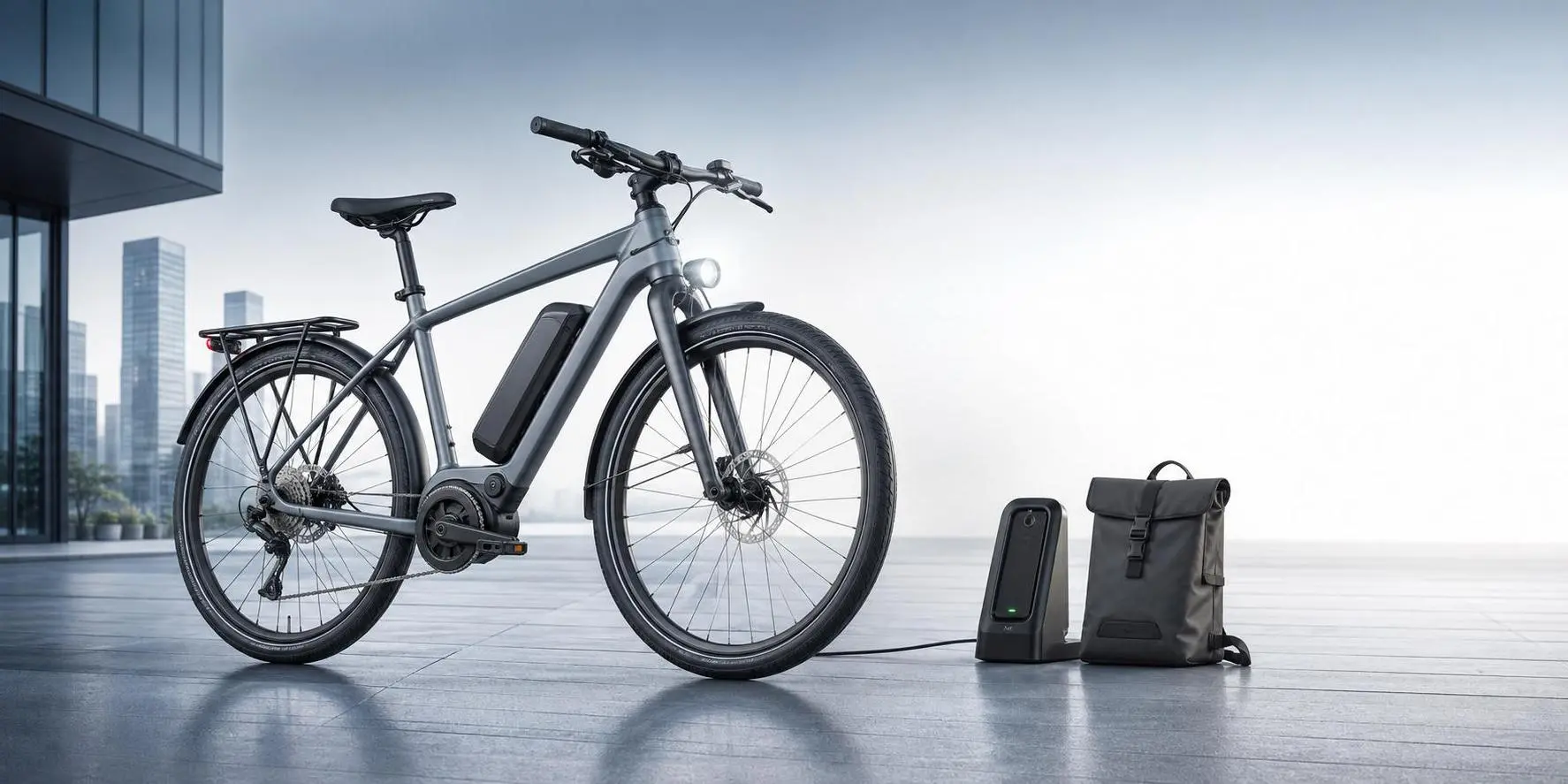
How to Choose an Electric Bicycle for City Commuting: Range, Motor, and Weight Explained
Electric bicycle buying guide for city commuting: learn how range, motor type, torque, and weight affect comfort, storage, and daily efficiency before you choose.