
Related News
- 00
0000-00
Micro Mobility USA Market: Key Regulations, Demand Signals, and Growth Segments - 00
0000-00
Clean Urban Transport Options Explained: Which Modes Fit Dense City Routes? - 00
0000-00
How Micromobility Regulations Affect Fleet Permits, Speed Limits, and Parking Rules - 00
0000-00
Micro Mobility Adoption Barriers: What Stops Cities From Scaling Daily Use? - 00
0000-00
Green Mobility Demand Explained: What Is Driving Growth Across Urban Transport?
Prof. Marcus Chen
Weekly Insights
Stay ahead with our curated technology reports delivered every Monday.
Micro Mobility USA Market: Key Regulations, Demand Signals, and Growth Segments





The micro mobility USA market is moving beyond early hype into a phase defined by regulation, operating discipline, and measurable urban demand. City governments are tightening safety and access rules, commuters are rethinking short-distance travel costs, and clean two-wheel transport is gaining relevance across both public infrastructure and private investment decisions. That mix makes micro mobility USA a market worth reading with precision, especially where e-bikes, smart e-scooters, and higher-performance electric two-wheelers intersect with policy, technology, and practical use.
Why the U.S. market matters now
Micro-mobility in the United States is no longer a single-category story.
It now includes consumer e-bikes, shared scooters, campus fleets, delivery-focused light electric vehicles, and the early expansion of high-speed electric motorcycles.
What makes the current cycle more important is the shift from experimentation to market filtering.
Operators, OEMs, component suppliers, and cities are all asking harder questions about compliance, durability, operating economics, and rider behavior.
That is also why intelligence-led platforms such as UMMS become useful in this space.
The value is not only in tracking headlines, but in connecting rules, drivetrain efficiency, battery management, IoT functions, and commercial demand into a business decision framework.
What micro mobility USA really includes
In practical terms, micro mobility USA refers to lightweight, short-range, mostly urban transport systems designed for last-mile and near-neighborhood movement.
The category spans hardware, digital systems, and operating models.
E-bikes remain the most commercially mature segment.
They serve commuting, recreation, cargo use, and light commercial delivery.
Smart e-scooters sit closer to dense urban circulation.
Their economics depend heavily on fleet uptime, right-of-way rules, geofencing, and rider compliance.
High-speed electric motorcycles are a smaller but increasingly visible edge of the market.
They matter because they widen the range, performance, and replacement potential of electrified two-wheelers.
Component technologies also matter more than many summaries suggest.
Battery thermal logic, wireless shifting reliability, lightweight frame strength, braking performance, and even visibility safety systems shape long-term market quality.
Regulation is becoming the real growth filter
The most important feature of micro mobility USA today is fragmentation.
Federal goals support electrification, but actual operating conditions are often decided at state and city level.
That creates uneven market access and uneven risk.
For e-bikes, vehicle class definitions remain essential.
Speed thresholds, throttle rules, helmet requirements, and access to bike lanes can materially change adoption potential.
For shared scooters, permitting systems are often the decisive factor.
Cities increasingly require fleet caps, parking controls, data sharing, rider education, and stronger service standards.
Battery safety is another rising issue across micro mobility USA.
Fire risks linked to low-quality lithium packs have pushed more attention toward certified systems, traceable sourcing, and smarter battery management architecture.
This is where technical credibility becomes commercial leverage.
Companies that can demonstrate tested systems, compliant electronics, and reliable performance will generally move faster through procurement and partnership reviews.
Key regulatory signals to watch
- City permit revisions for shared scooter fleets and curb management.
- State-level e-bike class updates affecting access and insurance logic.
- Battery certification, charging, and storage enforcement standards.
- Data governance rules tied to fleet tracking and public reporting.
- Safety-driven requirements for lighting, braking, and visibility systems.
Demand signals are becoming easier to read
Demand in micro mobility USA is no longer driven only by novelty.
It is increasingly tied to structural urban pressures.
Congestion, parking costs, fuel volatility, and transit gaps all push short-distance users toward compact electric alternatives.
At the same time, municipalities want lower-emission transport without waiting for full automotive turnover.
Several signals stand out.
First, commuter e-bike demand remains relatively resilient where infrastructure is improving.
Second, fleet operators are prioritizing asset life and operational efficiency over pure deployment scale.
Third, buyers are showing greater interest in total ownership cost, not just upfront price.
That favors better motors, smarter controllers, stronger frames, and more dependable battery packs.
There is also a technology demand layer.
IoT modules, theft deterrence, remote diagnostics, wireless components, and energy management are becoming part of the buying conversation.
In other words, the micro mobility USA market is rewarding systems thinking rather than isolated product claims.
Which segments show the clearest growth potential
Not every segment is scaling for the same reason.
A useful view is to compare regulatory fit, urban use case, and technical maturity.
E-bikes currently offer the widest commercial path.
They benefit from broader user acceptance and clearer daily utility.
Smart e-scooters remain viable, but the market is now more city-specific and operator-sensitive.
High-speed electric motorcycles deserve attention because they connect micro-mobility with the wider electrification of two-wheelers.
That overlap could open premium and performance-led niches faster than headline volumes suggest.
How to assess the market in practical terms
A sound reading of micro mobility USA requires more than shipment or ridership numbers.
The stronger approach is to test five layers at once.
A workable evaluation lens
- Policy fit: check city access, permit rules, lane rights, and safety enforcement.
- Use-case clarity: separate commuter, leisure, fleet, and delivery demand.
- System quality: review motors, controllers, battery logic, braking, and electronics integration.
- Economics: compare maintenance cycles, charging costs, replacement rates, and residual value.
- Scalability: test whether the model survives beyond one city or one subsidy window.
This is where a specialized intelligence source can sharpen judgment.
UMMS, for example, frames the market through e-bikes, smart e-scooters, high-speed e-motorcycles, and precision drivetrain components rather than treating them as disconnected topics.
That matters because regulation, performance, and commercial viability often shift together.
A strong battery system may improve safety compliance.
A better shifting platform may raise ride quality and efficiency.
A better sensing or visibility system may directly support fleet durability and rider trust.
Where the next decisions should focus
The next phase of micro mobility USA will likely favor disciplined expansion over aggressive market land grabs.
The best opportunities are likely to come from matching the right product class to the right city conditions and operating model.
That means watching municipal rule changes, battery standards, component quality trends, and evidence of repeat daily use.
It also means treating micro mobility USA as a layered systems market, not just a vehicle market.
For the next review cycle, it is worth mapping target geographies, separating personal and fleet demand, and comparing which segments benefit from regulation rather than merely surviving it.
That kind of structured comparison usually reveals where the most durable growth segments are forming, and where caution is still justified.
- e-bikes
- smart e-scooters
- high-speed e-motorcycles
- battery management
- shared scooters
- precision drivetrain
- IoT modules
- electric two-wheelers
- technical credibility
- micro-mobility
- electric motorcycles
- wireless shifting reliability
- micro mobility USA
- light electric vehicles
- precision drivetrain components
- shared scooter fleets
- wireless shifting
Related News
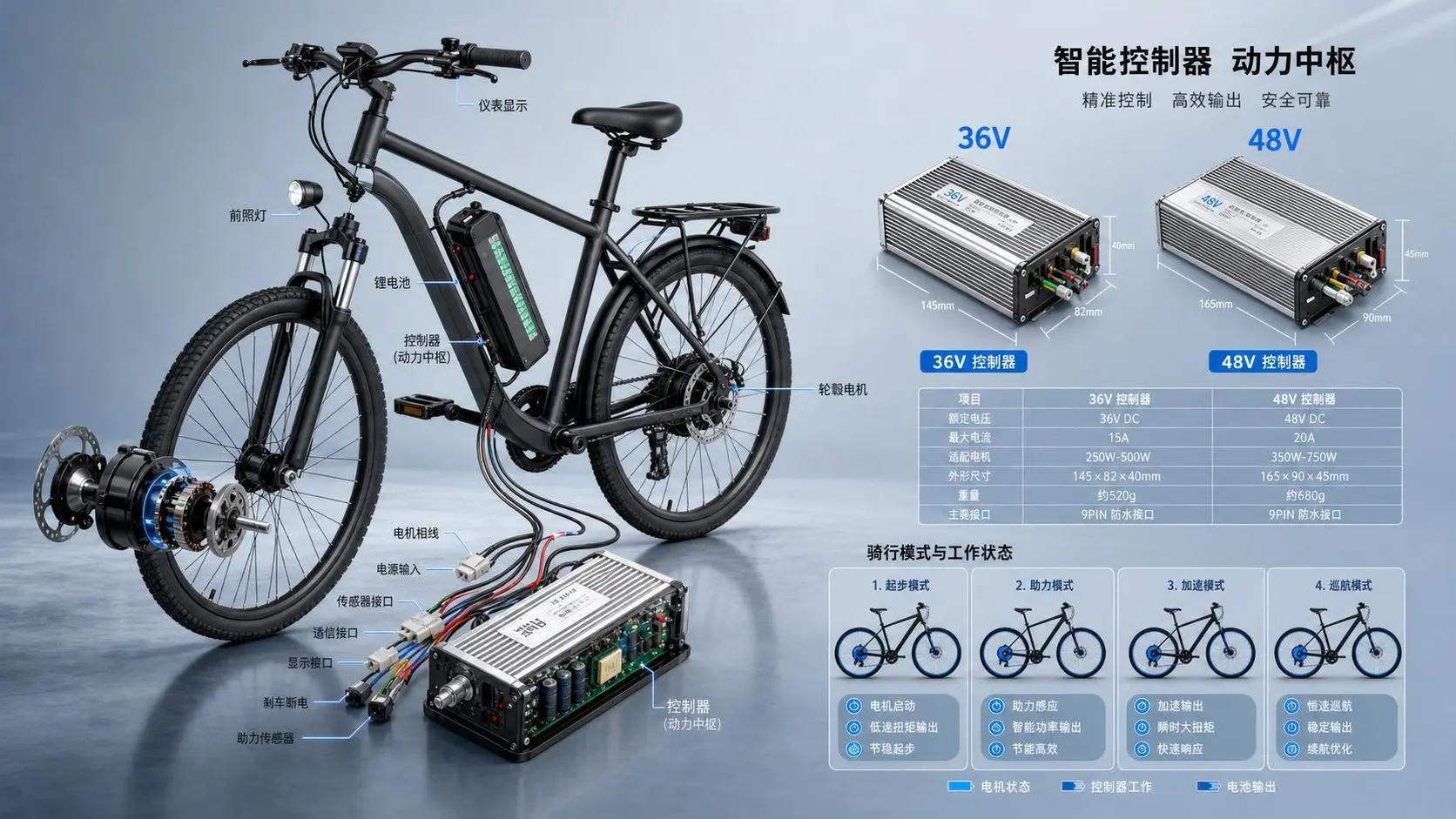
E Bike Controllers Explained: How to Match Voltage, Current, and Riding Mode
E bike controllers explained: learn how to match voltage, current, and riding mode for smoother power, safer compatibility, better efficiency, and more confident e-bike upgrades.
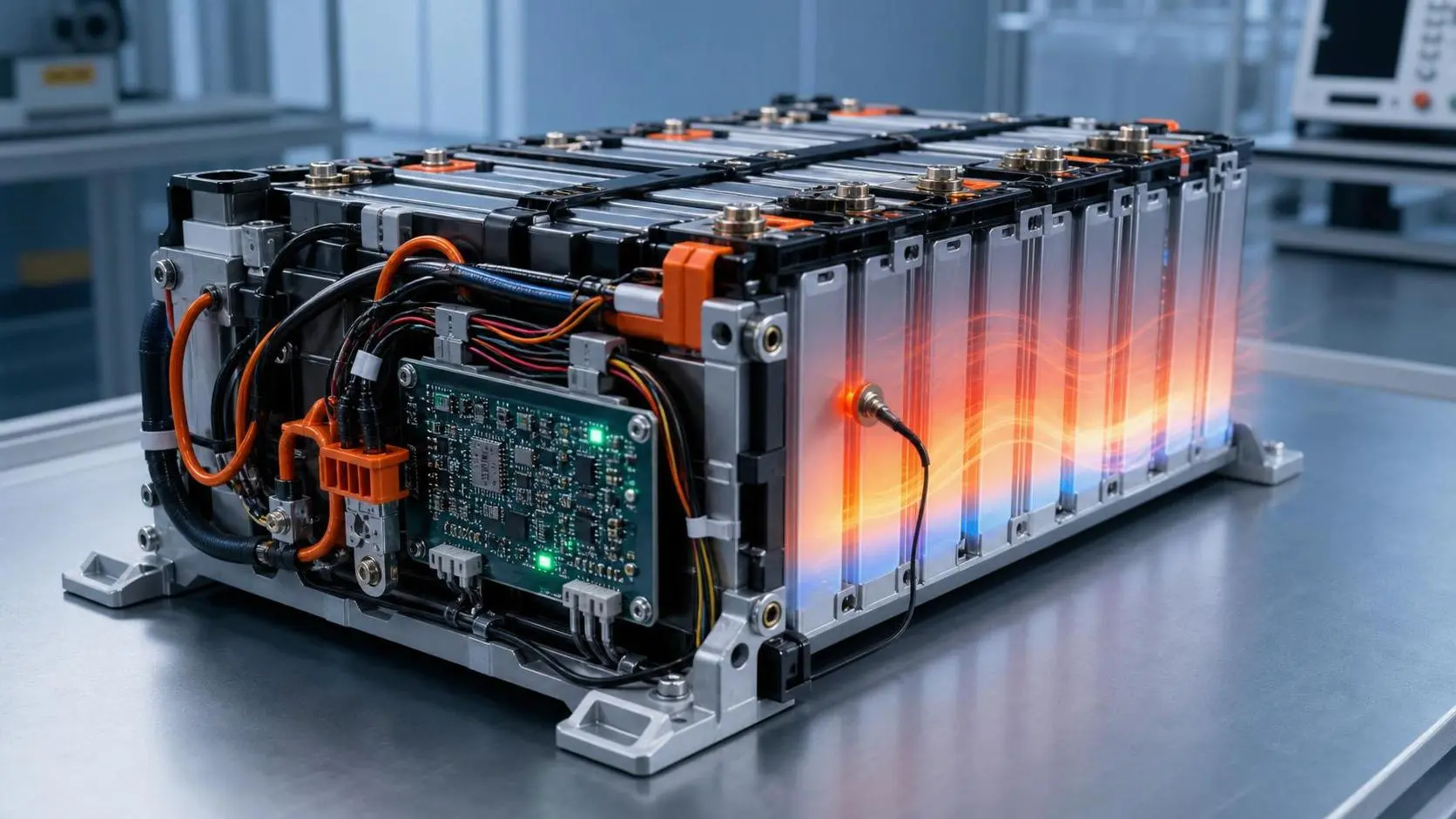
Battery Overheating Management in Light EVs: Causes, Sensors, and Control Strategies
Battery overheating management in light EVs: learn the main causes, key sensors, and proven control strategies to improve safety, reliability, and thermal compliance.
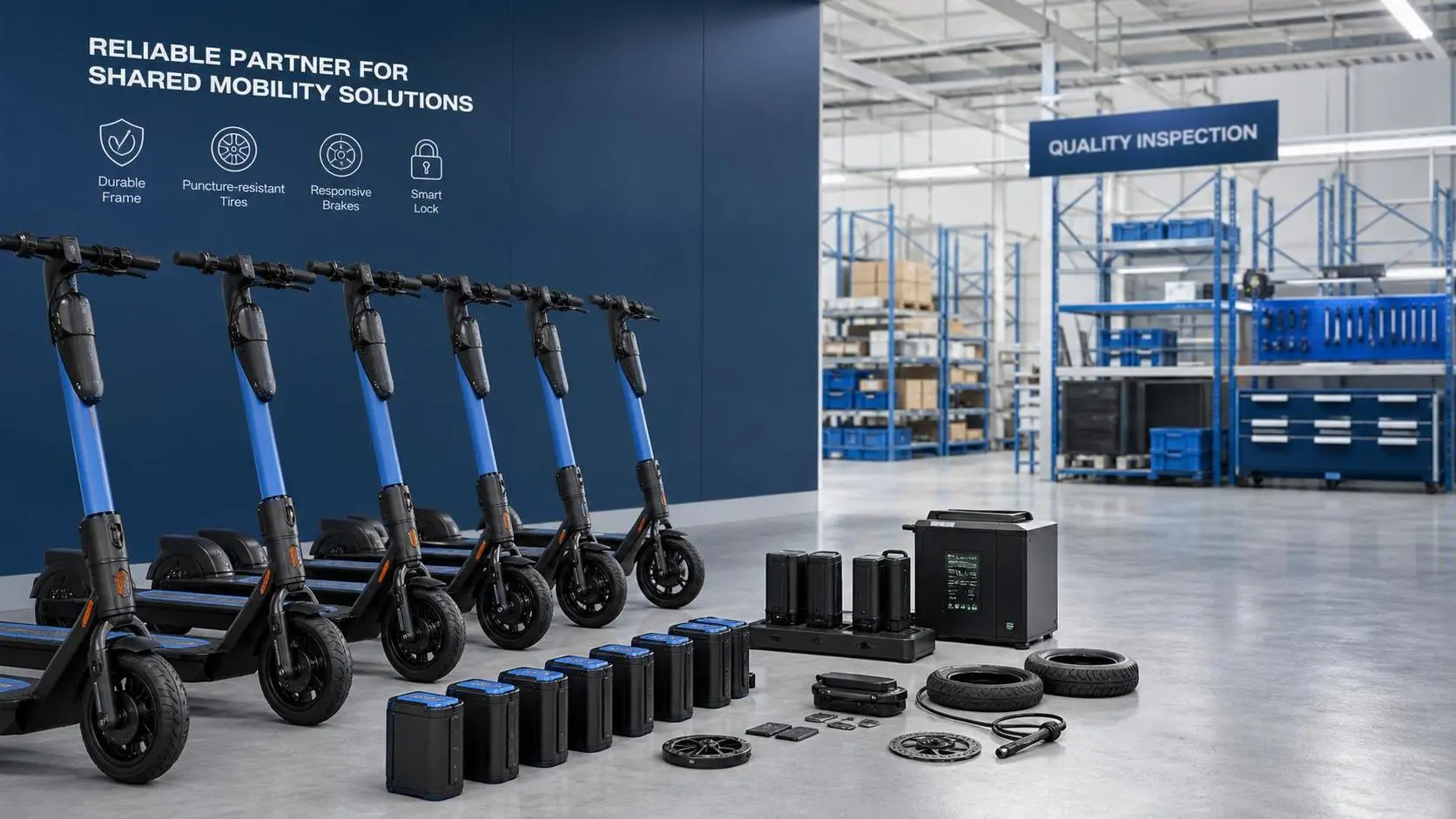
Shared Scooters Supplier Checklist: What to Compare Before Fleet Procurement
Shared scooters supplier checklist: compare total cost, durability, battery strategy, IoT, compliance, and support before fleet procurement to reduce risk and improve long-term ROI.
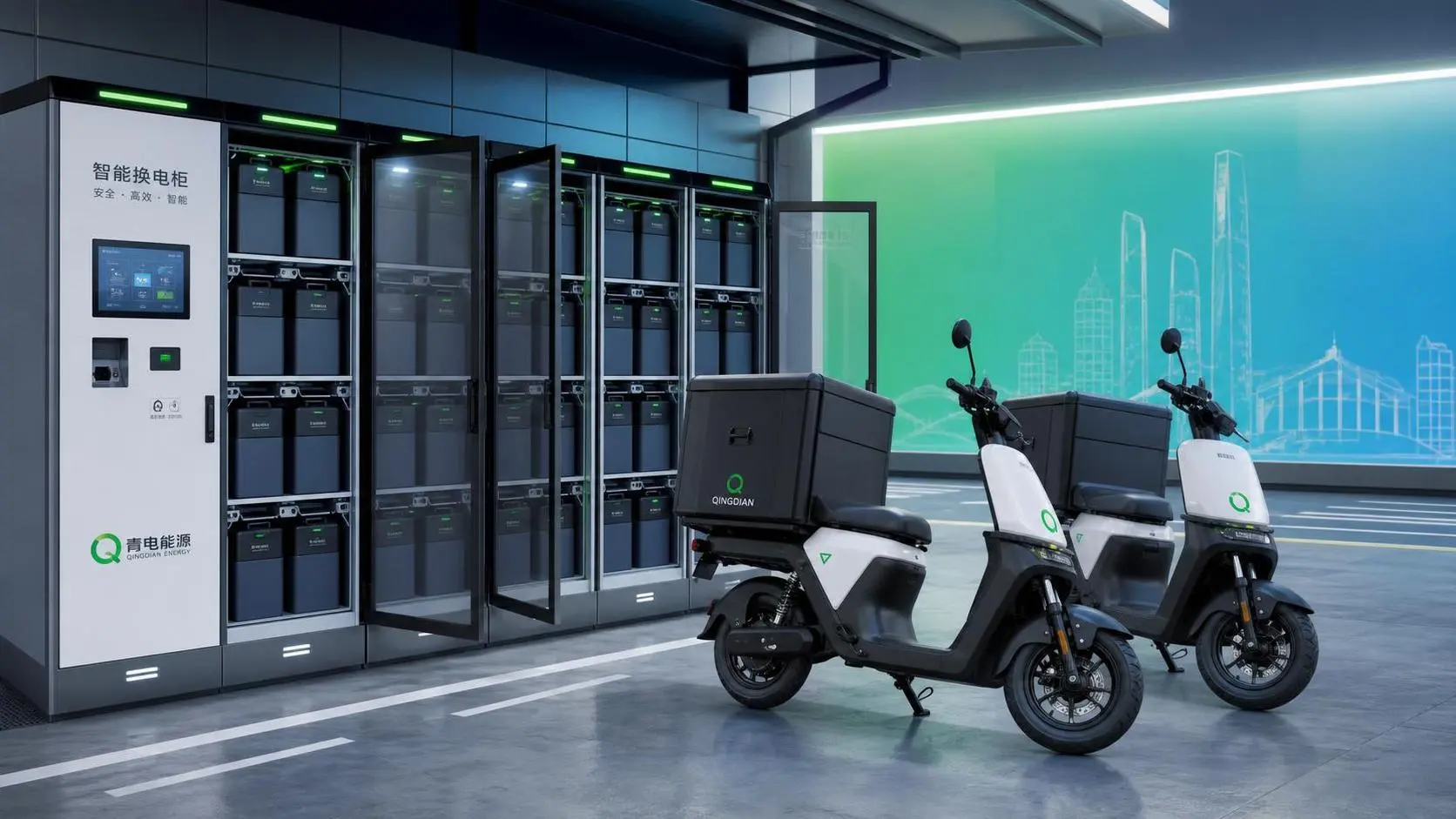
Battery-Swapping Networks for Motorcycles: Key Cost Drivers and Deployment Models
Battery-swapping networks motorcycles explained: explore key cost drivers, utilization risks, and deployment models shaping profitable electric two-wheeler infrastructure.
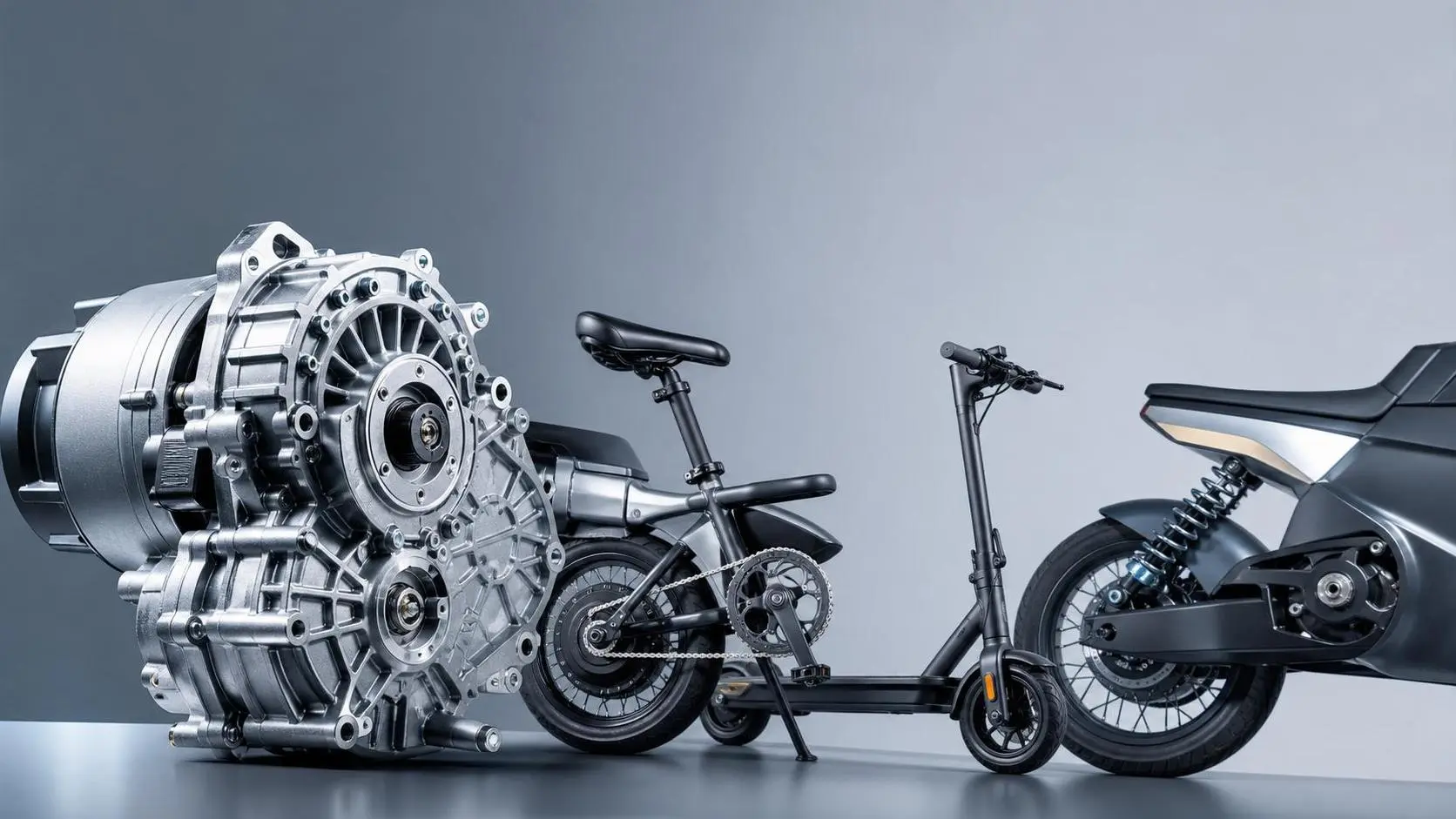
How to Choose an Electromechanical Transmission Manufacturer for E-Mobility Projects
Electromechanical transmission manufacturer selection can make or break e-mobility projects. Learn how to compare suppliers for performance, quality, compliance, and long-term value.
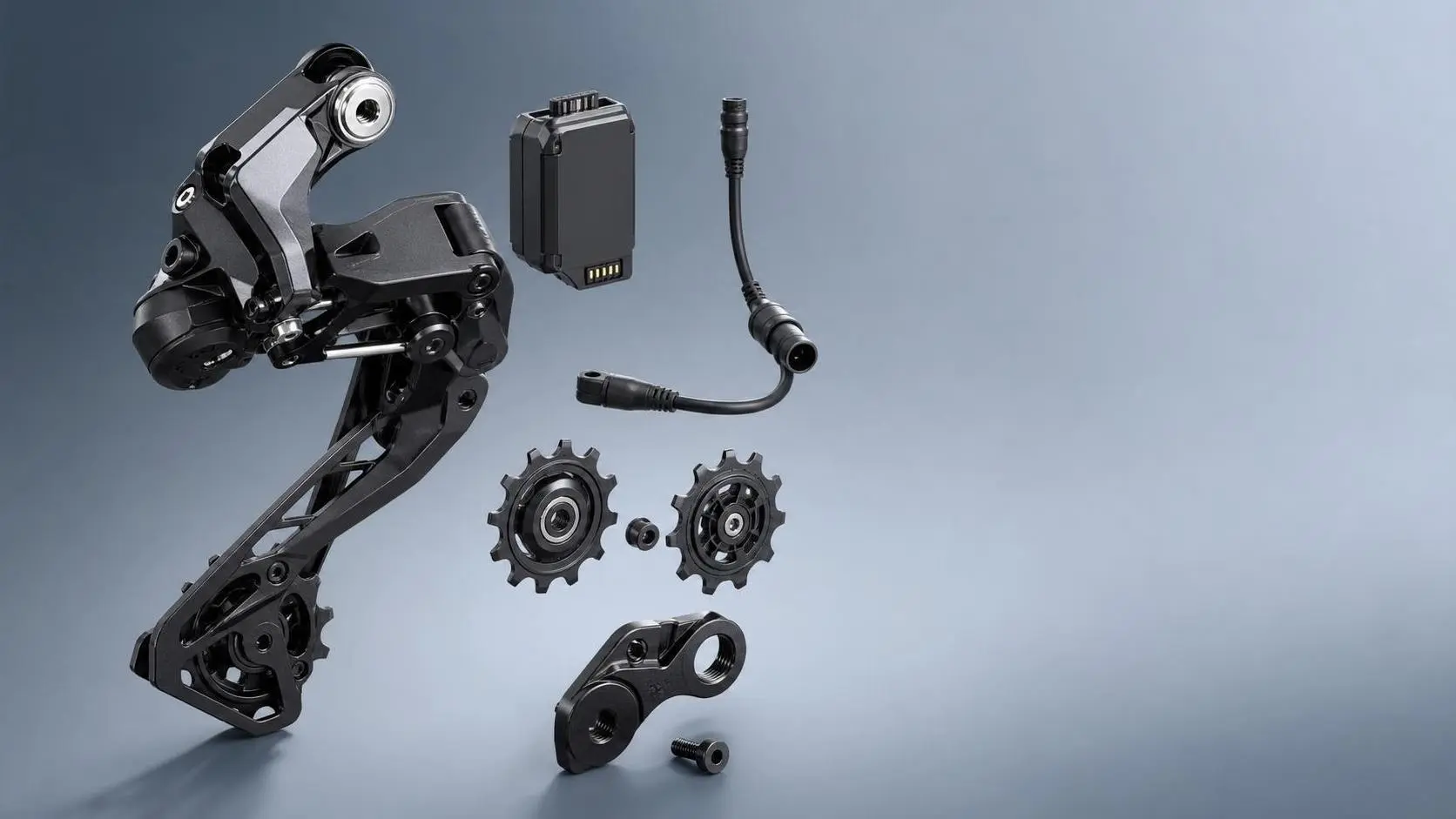
Electronic Derailleur Parts Guide: Compatibility, Wear Points, and Replacement Tips
Electronic derailleur parts guide covering compatibility, common wear points, and smart replacement tips. Learn how to diagnose issues faster, avoid mismatch errors, and improve shifting reliability.
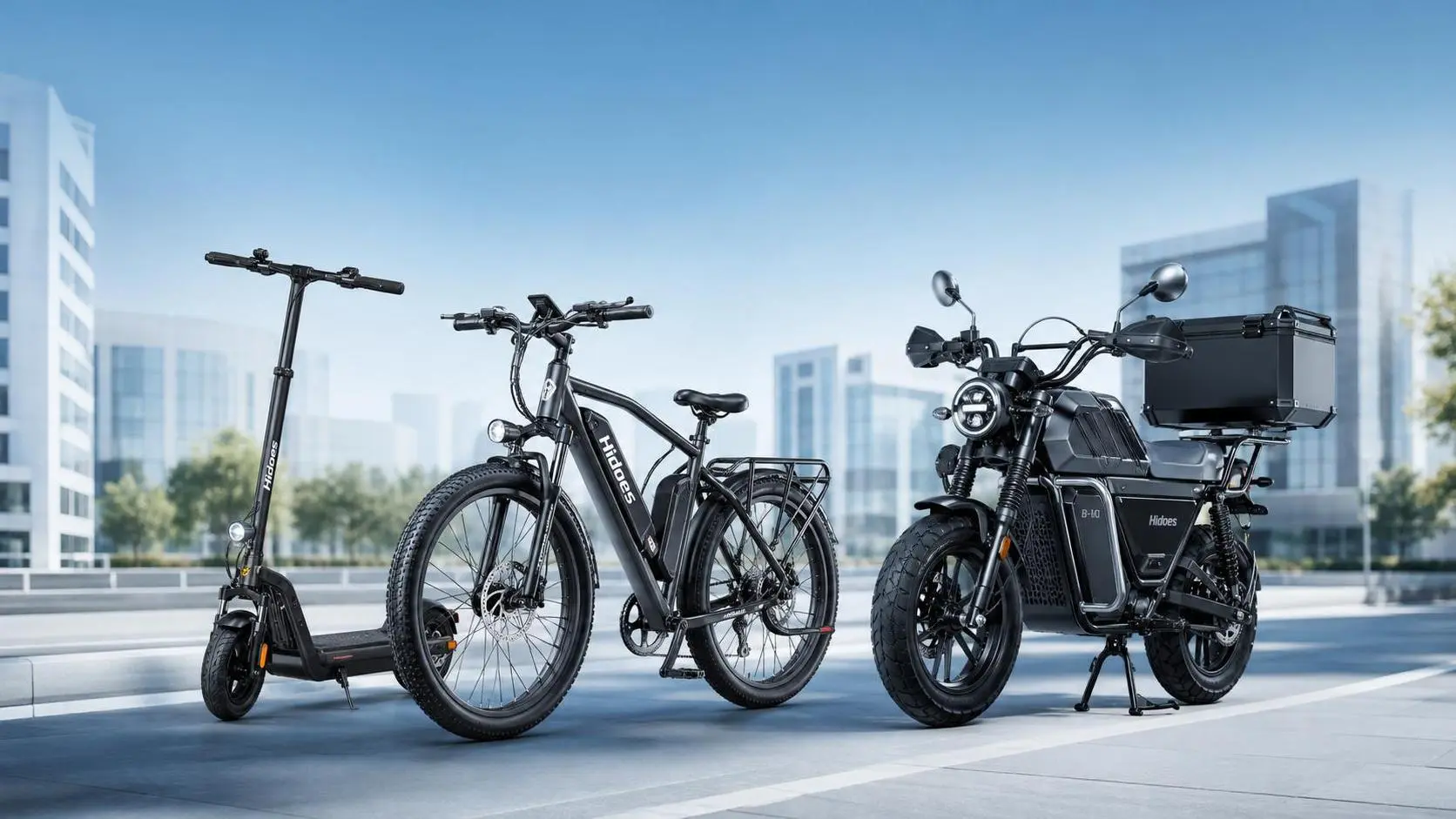
How to Choose Urban Mobility Devices for Shared Use, Campus Travel, or Delivery
Urban mobility devices for shared fleets, campus travel, or delivery require the right mix of safety, uptime, battery strategy, and serviceability—discover how to choose smarter.
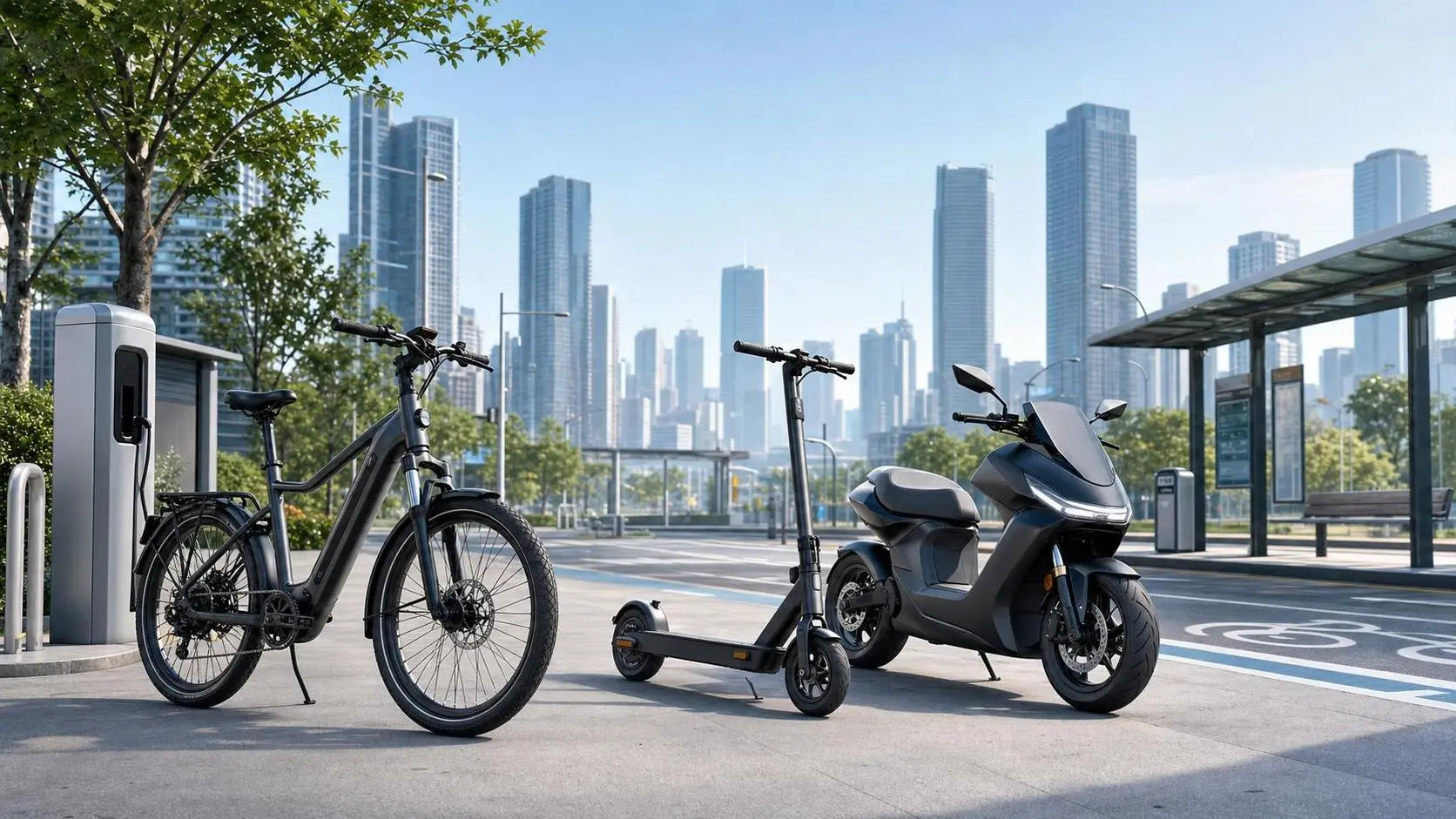
Clean Urban Transport Options Explained: Which Modes Fit Dense City Routes?
Clean urban transport explained for dense city routes—compare e-bikes, smart e-scooters, and e-motorcycles to find the best fit for speed, comfort, range, and city compliance.
Vehicle Electrification Strategy: How to Prioritize Fleets, Charging, and ROI
Vehicle electrification strategy made practical: learn how to prioritize fleets, align charging plans, and model ROI for faster, lower-risk EV deployment.