
Related News
- 00
0000-00
Shared Scooters Supplier Checklist: What to Compare Before Fleet Procurement - 00
0000-00
How to Choose Urban Mobility Devices for Shared Use, Campus Travel, or Delivery - 00
0000-00
How a Camera Recognition System Improves Detection Accuracy in Shared Fleet Scooters - 00
0000-00
Shared Scooters China: Operating Models, Policy Risks, and Expansion Lessons - 00
0000-00
How to Choose a Shared Scooters Supplier for Fleet Scale, Parts Supply, and After-Sales
Urban Transit Fellow
Weekly Insights
Stay ahead with our curated technology reports delivered every Monday.
How to Choose Urban Mobility Devices for Shared Use, Campus Travel, or Delivery





Choosing urban mobility devices starts with the real operating context
Urban mobility devices look similar on a spec sheet, yet they behave very differently once deployed across shared fleets, campuses, or delivery routes.
The practical question is rarely which vehicle is most advanced. It is which platform stays reliable, safe, and economical under a specific pattern of use.
That is why urban mobility devices should be judged through operating density, rider behavior, charging access, weather exposure, and service complexity.
In the broader micro-mobility market, this shift is becoming clearer. The conversation has moved from product novelty to lifecycle fit.
UMMS follows this transition closely across e-bikes, smart e-scooters, high-speed e-motorcycles, and component systems that shape real-world performance.
That perspective matters because battery logic, drivetrain efficiency, IoT visibility, and safety hardware affect each use case in different ways.
Why the same urban mobility devices do not fit every route
Shared use creates high turnover and unpredictable handling. Campus travel adds short hops, mixed rider confidence, and strong expectations around convenience.
Delivery operations are different again. They stress payload stability, battery continuity, and uptime far more than casual rider comfort.
In actual deployment, the main mistake is treating all urban mobility devices as interchangeable because top speed or range appears acceptable.
A better approach is to ask what failure looks like in each setting. For one fleet, failure means vandalism and tire wear. For another, it means missed deliveries.
This is also where component quality matters. Motor efficiency, brake consistency, battery thermal behavior, and even visibility systems influence total operating results.
Shared fleets usually reward simplicity more than headline performance
For shared fleets, urban mobility devices need to survive repeated short trips, rough parking habits, and low user accountability.
Smart e-scooters often work well in dense zones because they are compact, easy to redistribute, and familiar to occasional riders.
Even so, not every scooter platform performs equally. Frame rigidity, controller sealing, wheel size, and remote diagnostics matter more than marketing range.
E-bikes can outperform scooters in cities with rough pavement, slopes, or riders who expect better comfort and stability.
The tradeoff is more mechanical complexity. Chains, derailleurs, and brake adjustments add service work unless the specification is chosen carefully.
A common oversight is underestimating weather. Water resistance, braking in wet conditions, lighting integration, and sensor reliability can reshape fleet availability.
UMMS often highlights how hardware decisions and local rules interact. Shared scooter access, parking regulation, and right-of-way policy can change asset productivity overnight.
What matters most in a shared environment
- Fast fault detection through IoT modules and remote lock control.
- Low-maintenance braking and tires that tolerate curb impacts.
- Battery packs sized for route density, not only maximum range claims.
- Simple rider onboarding with stable acceleration and predictable handling.
Campus travel needs urban mobility devices that feel intuitive and low-friction
Campus networks are less chaotic than city centers, but the user mix is broader and trip purpose changes throughout the day.
That usually favors urban mobility devices with approachable ergonomics, moderate speed, and clear safety signaling rather than aggressive output.
E-bikes are often the strongest fit where routes are longer, terrain varies, or riders carry bags, books, or light equipment.
Smart e-scooters can still be effective, especially where storage space is limited and trips remain short between buildings or transit nodes.
The judgment point is usually not raw speed. It is how comfortably the device handles frequent starts, pedestrian interaction, and mixed surface quality.
Campuses with early morning fog, seasonal rain, or leaf-covered paths should also think beyond the drive system.
Lighting visibility, dependable braking, and in some specialized service vehicles, compact wiper systems or weather sensors become relevant safety details.
Delivery work changes the selection logic completely
Delivery routes place the heaviest operational burden on urban mobility devices because time windows and load changes directly affect revenue performance.
Here, cargo-capable e-bikes frequently offer the best balance between agility and carrying efficiency in dense urban cores.
When distances grow or terrain becomes steeper, high-speed e-motorcycles may become more suitable, especially where battery swapping is available.
The key is to evaluate continuous duty conditions. Repeated acceleration, stop-and-go traffic, thermal load, and battery turnaround matter more than laboratory range.
Drivetrain durability also deserves more attention in this setting. Precision components reduce wasted energy, but they must also survive contamination and frequent service cycles.
If the route includes poor weather, visibility systems, sealed electronics, and braking confidence become essential rather than optional.
A practical comparison across common deployments
The battery and connectivity choices often decide long-term success
Across all three settings, battery strategy can make or break urban mobility devices far more quickly than frame styling or dashboard features.
Swappable batteries reduce downtime in delivery service, but they also require secure handling processes and inventory visibility.
Fixed charging can work on campuses with predictable parking, yet it becomes restrictive if turnaround windows are short.
Connectivity is equally important. Shared fleets need strong geolocation and health monitoring. Delivery operations need route-linked battery status and fault reporting.
Informed selection means checking how the electrical system, software layer, and service process work together, not treating them as separate purchases.
This systems view reflects the UMMS approach to micro-mobility intelligence, where drivetrain response, battery management, and fleet logic are evaluated as one operating stack.
Where selection mistakes usually happen
One common misread is buying urban mobility devices around a single peak scenario while ignoring everyday conditions.
Another is focusing on acquisition price while overlooking brake wear, battery replacement timing, software subscription cost, and field repair labor.
There is also a tendency to assume similar routes create identical needs. A flat campus loop and a downtown courier corridor may have the same distance, yet not the same stress profile.
Regulatory fit is often left too late. Speed classes, lane access, parking rules, and battery transport compliance can restrict deployment options after purchase.
The more effective method is to validate urban mobility devices against weather, rider variability, charging rhythm, maintenance intervals, and local mobility rules before scaling.
A grounded way to narrow the right fit
Start by mapping trip length, stop frequency, terrain, carrying load, and expected daily utilization for each deployment area.
Then compare urban mobility devices not only by speed and range, but by service complexity, battery workflow, rider learning curve, and weather resilience.
- Define the dominant route pattern instead of averaging all use cases together.
- Check whether charging or swapping matches the real operating window.
- Review local regulations before locking speed class and device type.
- Estimate maintenance events over a full year, not just initial deployment.
- Confirm that telemetry data supports fast intervention when failures appear.
When those conditions are clear, the choice becomes more disciplined. The right urban mobility devices are the ones that match operational reality without creating hidden complexity later.
A useful next step is to build a scenario matrix for shared use, campus travel, and delivery, then rank each option by uptime, safety, battery fit, and service burden.
Related News
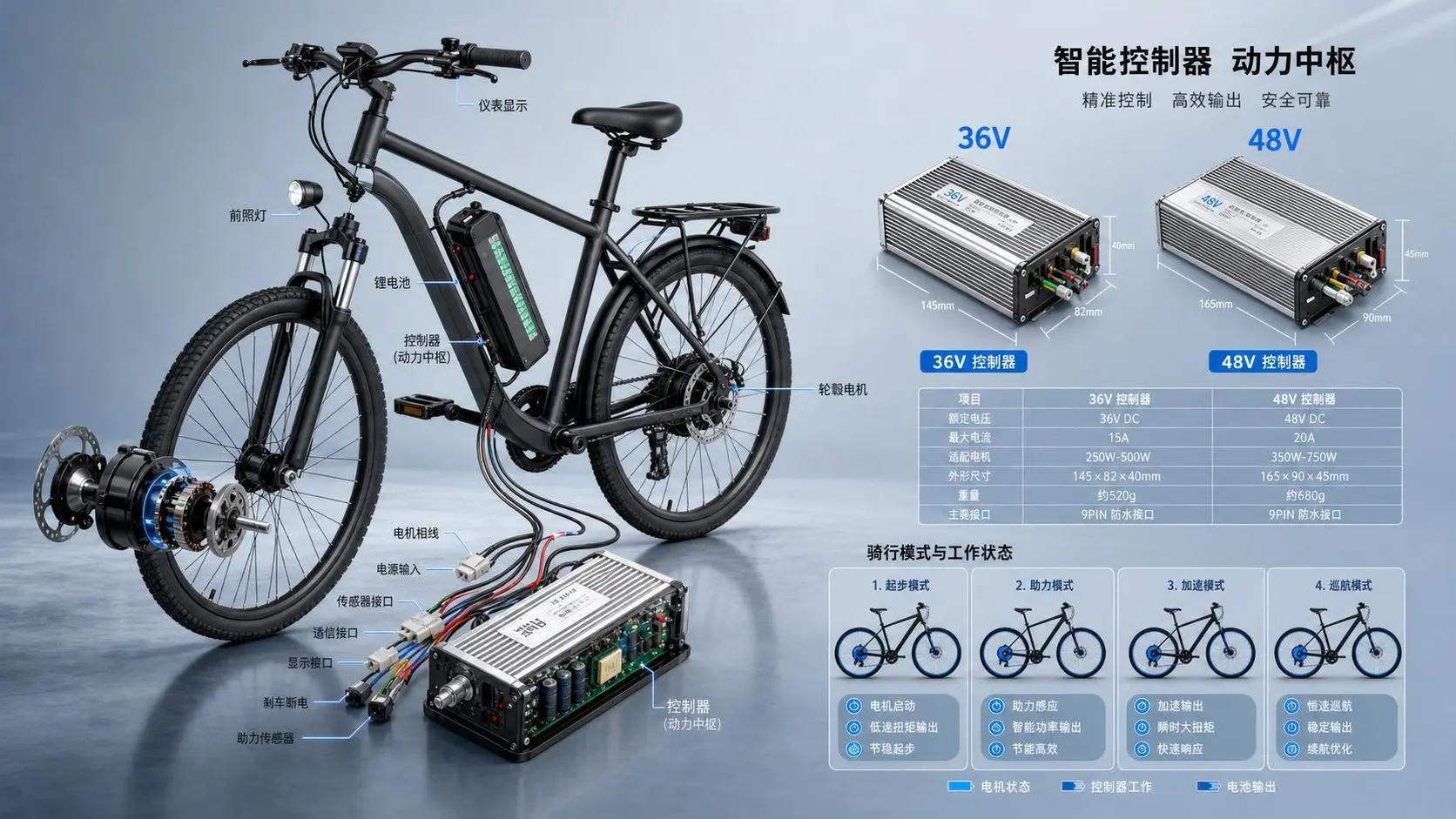
E Bike Controllers Explained: How to Match Voltage, Current, and Riding Mode
E bike controllers explained: learn how to match voltage, current, and riding mode for smoother power, safer compatibility, better efficiency, and more confident e-bike upgrades.

Battery Overheating Management in Light EVs: Causes, Sensors, and Control Strategies
Battery overheating management in light EVs: learn the main causes, key sensors, and proven control strategies to improve safety, reliability, and thermal compliance.
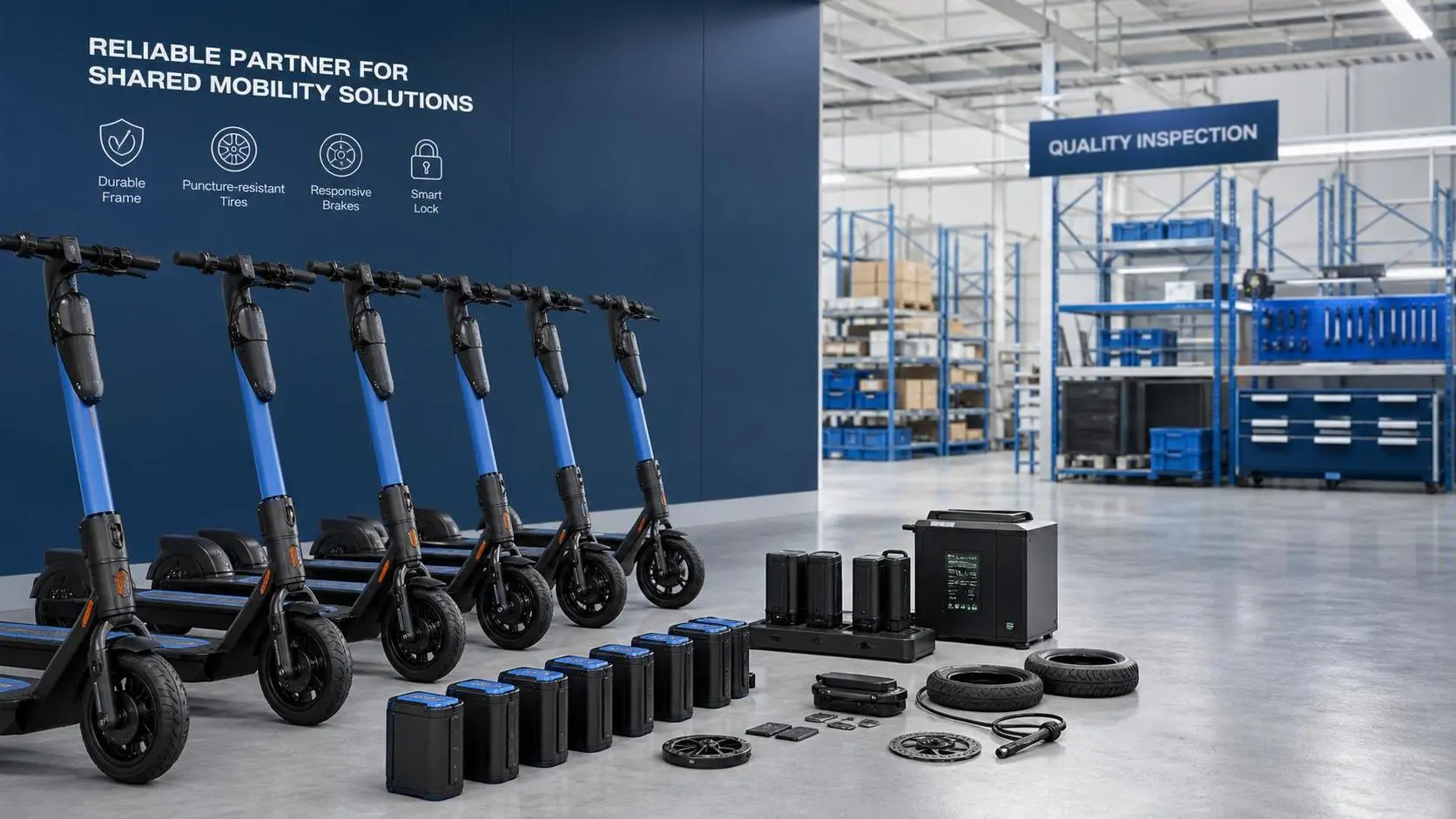
Shared Scooters Supplier Checklist: What to Compare Before Fleet Procurement
Shared scooters supplier checklist: compare total cost, durability, battery strategy, IoT, compliance, and support before fleet procurement to reduce risk and improve long-term ROI.

Battery-Swapping Networks for Motorcycles: Key Cost Drivers and Deployment Models
Battery-swapping networks motorcycles explained: explore key cost drivers, utilization risks, and deployment models shaping profitable electric two-wheeler infrastructure.
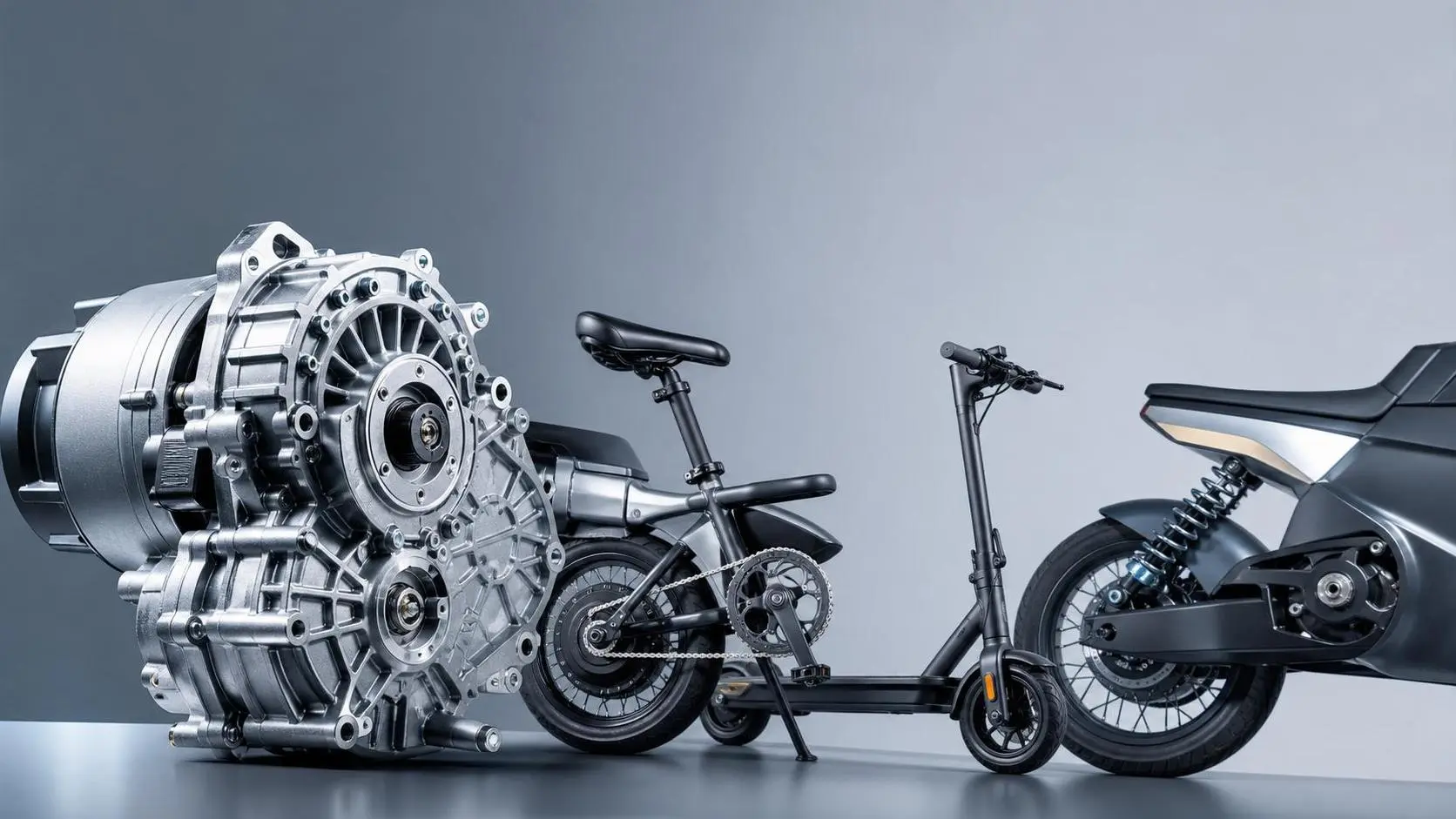
How to Choose an Electromechanical Transmission Manufacturer for E-Mobility Projects
Electromechanical transmission manufacturer selection can make or break e-mobility projects. Learn how to compare suppliers for performance, quality, compliance, and long-term value.

Electronic Derailleur Parts Guide: Compatibility, Wear Points, and Replacement Tips
Electronic derailleur parts guide covering compatibility, common wear points, and smart replacement tips. Learn how to diagnose issues faster, avoid mismatch errors, and improve shifting reliability.
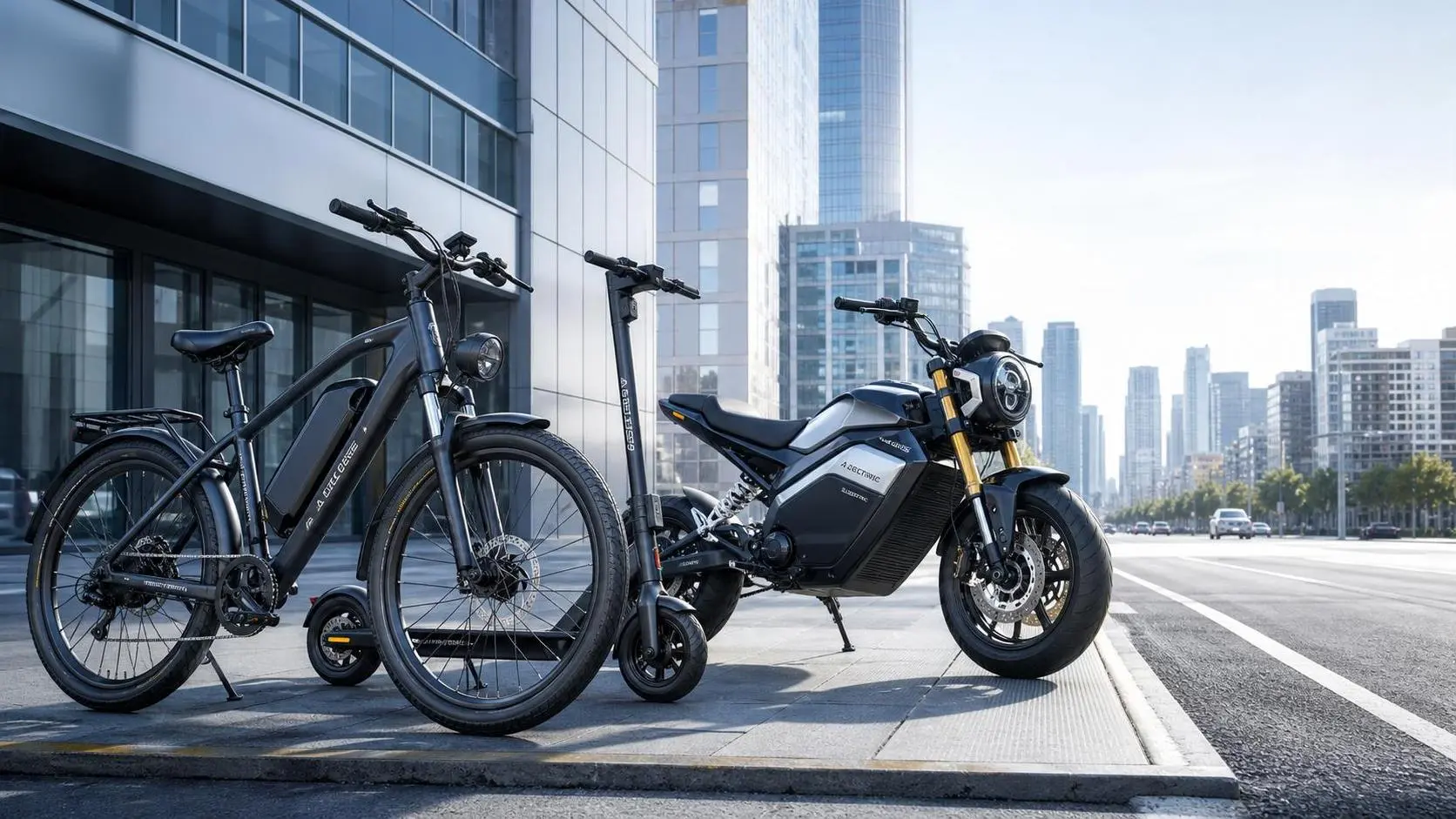
Micro Mobility USA Market: Key Regulations, Demand Signals, and Growth Segments
Micro mobility USA is entering a regulation-led growth phase. Explore key rules, demand signals, and top segments shaping e-bikes, scooters, and electric two-wheel opportunities.
Clean Urban Transport Options Explained: Which Modes Fit Dense City Routes?
Clean urban transport explained for dense city routes—compare e-bikes, smart e-scooters, and e-motorcycles to find the best fit for speed, comfort, range, and city compliance.

Vehicle Electrification Strategy: How to Prioritize Fleets, Charging, and ROI
Vehicle electrification strategy made practical: learn how to prioritize fleets, align charging plans, and model ROI for faster, lower-risk EV deployment.