
Related News
- 00
0000-00
E Bike Controllers Explained: How to Match Voltage, Current, and Riding Mode - 00
0000-00
Electric Bike Technology for Daily Commuting: Which Features Matter Most? - 00
0000-00
E-Bikes Explained: Main Types, Typical Range, and Which Riders They Suit - 00
0000-00
Commuter E-Bikes Explained: Range, Motor Torque, and Fit for Daily City Riding - 00
0000-00
Pedal Assist Ebike Buying Guide: Motor Torque, Sensor Type, and Range Explained
Micro-Mobility Strategist
Weekly Insights
Stay ahead with our curated technology reports delivered every Monday.
E Bike Controllers Explained: How to Match Voltage, Current, and Riding Mode





Why do e bike controllers matter more than many people expect?
E bike controllers look small, but they decide how the whole drive system behaves on the road.
They sit between the battery, motor, sensors, and rider inputs, translating demand into usable electrical output.
That is why e bike controllers influence acceleration, hill response, heat build-up, range stability, and even noise.
In practical evaluation, the controller is less a simple switch and more a decision layer for the drivetrain.
This matters across urban micro-mobility, where efficiency and reliability are judged under real traffic, payload, gradient, and weather conditions.
UMMS follows this wider logic closely because modern two-wheeler electrification depends on tight coordination between battery management, power electronics, and riding behavior.
For that reason, choosing e bike controllers is rarely about one headline number alone.
The better question is whether voltage, current, and control mode match the intended system and operating profile.
When people ask about compatibility, what are they really trying to match?
Most compatibility questions come down to four linked items: battery voltage, current limit, motor characteristics, and riding logic.
Voltage decides the electrical platform. Current decides torque potential and thermal stress. Control strategy shapes how power arrives.
A 36V system and a 48V system may look similar mechanically, yet their controller requirements differ immediately.
Using the wrong controller voltage can trigger undervoltage lockout, unstable operation, or permanent component damage.
Current matching is often less obvious. A controller with higher current capability can improve launch and climbing.
Still, if battery discharge limits or motor thermal capacity are lower, that extra current becomes a risk rather than an advantage.
Then comes riding mode. Pedal-assist city bikes, cargo platforms, and throttle-oriented off-road builds do not ask for the same response curve.
In other words, matching e bike controllers means aligning electrical limits with the vehicle mission, not just fitting connectors.
A quick decision table helps clarify the basics
This type of check is especially useful when comparing mixed fleets, export platforms, or revised powertrain specifications.
How should voltage be matched without overcomplicating the decision?
Start with the battery’s nominal system voltage, then confirm the controller’s supported operating range and protection thresholds.
That sounds simple, yet mismatch often appears in modified vehicles or cross-market platforms using different regional battery packs.
A controller designed for 48V typically expects a certain full-charge ceiling and low-voltage cutoff behavior.
If paired with a lower-voltage pack, performance drops and error behavior can become unpredictable.
If paired with a higher-voltage pack, the risk is more serious because components may exceed their safe operating limit.
Voltage also affects speed potential. Higher system voltage can support higher motor rpm under the same design logic.
However, more speed potential does not automatically mean a better controller choice.
For city-oriented e-bikes, stable support, manageable heat, and compliance targets may matter more than peak speed capability.
In actual evaluation, it helps to review voltage matching together with local riding regulations, battery chemistry behavior, and expected duty cycle.
Is higher current always better for e bike controllers?
Not really. Higher current gives stronger torque response, but it also raises stress across the entire electrical chain.
That includes MOSFET heating in the controller, copper losses in the motor, and discharge strain inside the battery pack.
For urban climbing, cargo starts, or stop-and-go delivery cycles, higher current can be justified.
For flat commuting with light loads, excessive current headroom may add little value while increasing thermal burden.
A more useful method is to compare continuous current and peak current separately.
Peak current shapes launch feel. Continuous current determines whether the system survives long climbs or repeated acceleration cycles.
- If the battery BMS trips under load, controller current is probably too aggressive.
- If motor casing temperature climbs rapidly, the current map may exceed the motor’s real cooling ability.
- If performance feels weak despite high current ratings, voltage sag or conservative firmware may be limiting output.
This is where e bike controllers should be judged as system components, not isolated parts.
UMMS often frames this as an efficiency chain question: energy density, thermal stability, and control precision must work together.
What does riding mode really change in day-to-day performance?
Riding mode is not just a comfort feature. It changes how e bike controllers interpret rider intent.
A cadence-based assist mode usually delivers predictable support, but it may feel less natural in dense traffic.
A torque-sensor strategy can feel smoother and more intuitive, especially when starting on slopes or navigating mixed-speed lanes.
Throttle mapping adds another layer. Soft ramp-up improves control. Sharp ramp-up favors fast response, yet can hurt stability on wet surfaces.
This is why the same voltage and current rating can produce very different riding impressions.
A commuter e-bike, a shared mobility unit, and a light cargo platform often need different controller tuning even with similar motors.
In many reviews, poor ride feel gets blamed on the motor first.
More often, the issue comes from control logic, sensor calibration, or assist-level mapping inside the controller.
For this reason, evaluating e bike controllers should include low-speed behavior, transition smoothness, regen logic if present, and fault recovery.
Where do selection mistakes usually happen?
The most common mistake is choosing by rated wattage alone.
Two controllers with the same watt label may behave very differently because their current limit, firmware, thermal design, and sensor support differ.
Another mistake is ignoring the battery management system.
A controller may look powerful on paper, but repeated BMS cutoff events quickly reveal a mismatch in discharge capability.
Connector compatibility also misleads people. Matching plugs do not confirm matching communication logic or hall sensor expectations.
There is also a broader market issue. Some builds are evaluated in short bench tests, not in repeated urban duty cycles.
That can hide thermal drift, weather sensitivity, and response inconsistency over time.
A short checklist reduces avoidable errors
- Confirm nominal and full-charge voltage before anything else.
- Compare controller current with battery continuous discharge, not just peak output.
- Check motor winding, sensor type, and expected thermal load.
- Review assist and throttle maps against the actual riding scenario.
- Test under long climbs, repeated stops, and low-speed urban maneuvering.
These steps sound basic, yet they catch many of the costly mismatches seen in micro-mobility development and sourcing.
So how can you judge e bike controllers with more confidence?
A good evaluation starts by defining the ride mission before reviewing controller specifications.
Ask whether the bike is built for urban commuting, cargo support, shared use, sport riding, or mixed terrain.
Then map that mission to voltage platform, current demand, and control response.
If the goal is smooth and efficient transport, the best e bike controllers are usually the ones with balanced delivery, not extreme settings.
If the goal includes heavier loads or frequent gradients, thermal margin and sustained current become more important.
It also helps to compare lab data with road behavior.
Within the wider UMMS view of low-carbon mobility, the strongest systems are not only powerful. They are controllable, durable, and efficient across repeated use.
That is the practical value of understanding e bike controllers properly.
As a next step, build a simple comparison sheet for voltage range, continuous current, sensor logic, riding mode, and thermal behavior.
Once those points are visible together, controller selection becomes far clearer and much less dependent on guesswork.
Related News
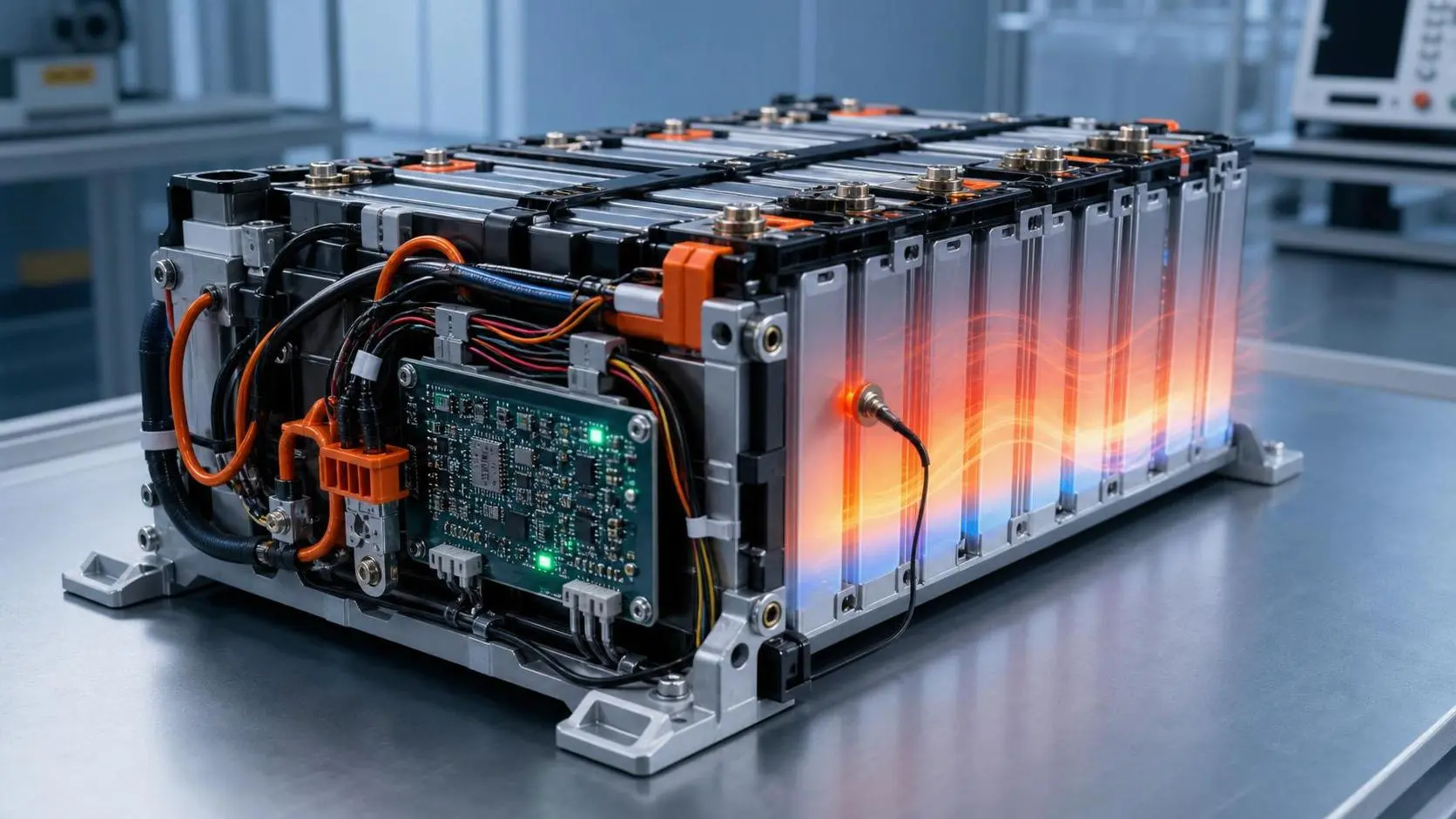
Battery Overheating Management in Light EVs: Causes, Sensors, and Control Strategies
Battery overheating management in light EVs: learn the main causes, key sensors, and proven control strategies to improve safety, reliability, and thermal compliance.
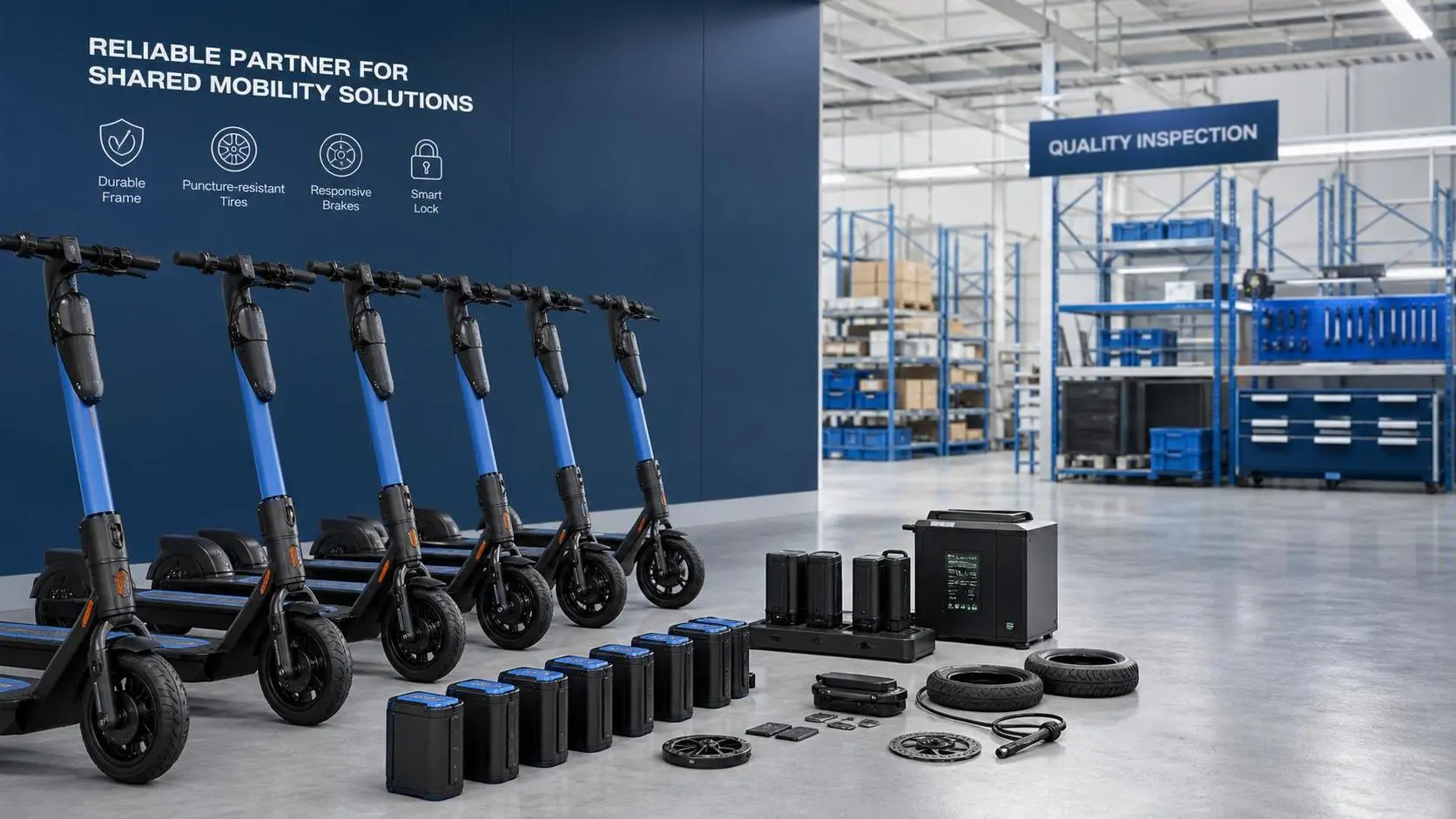
Shared Scooters Supplier Checklist: What to Compare Before Fleet Procurement
Shared scooters supplier checklist: compare total cost, durability, battery strategy, IoT, compliance, and support before fleet procurement to reduce risk and improve long-term ROI.
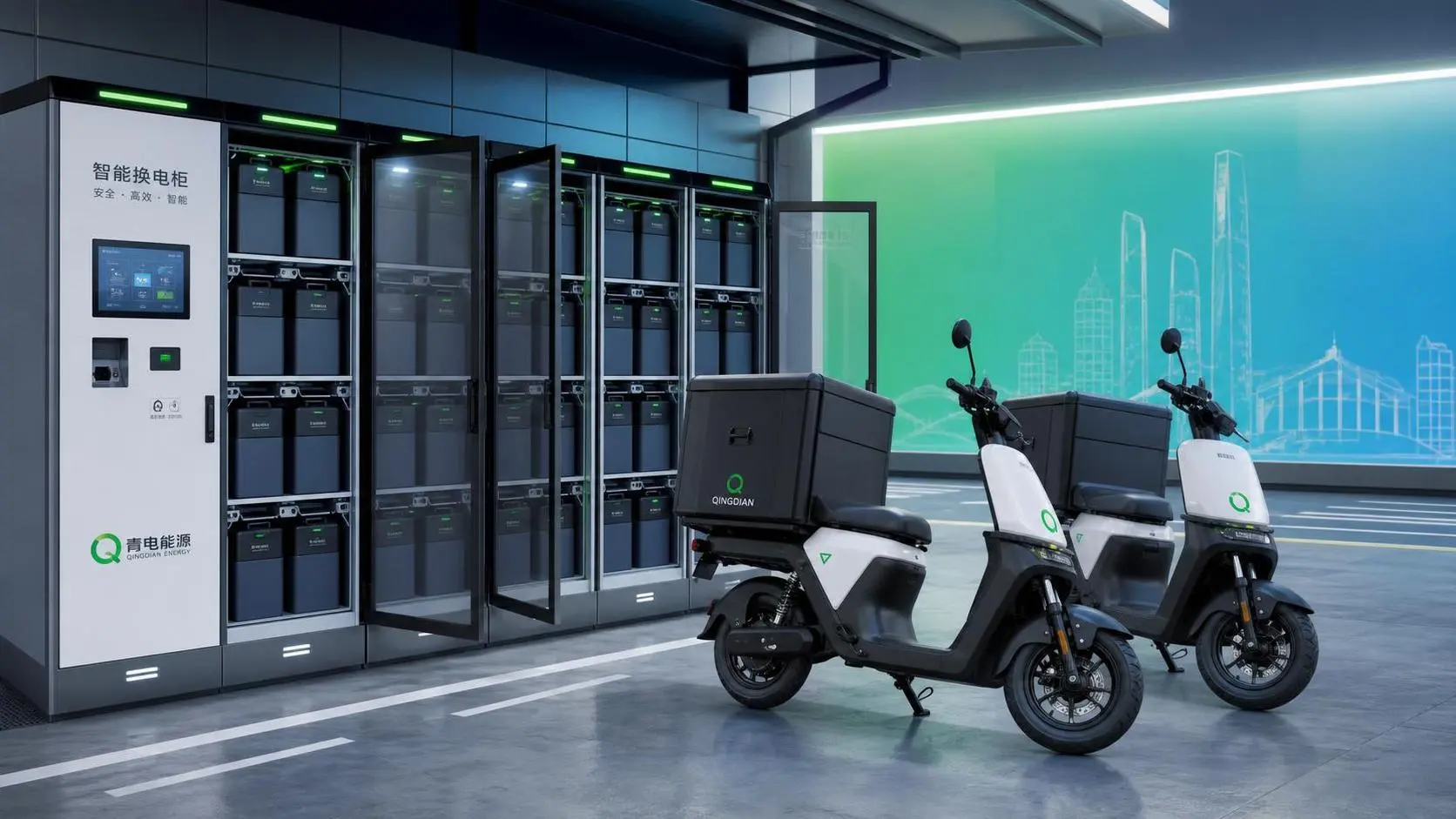
Battery-Swapping Networks for Motorcycles: Key Cost Drivers and Deployment Models
Battery-swapping networks motorcycles explained: explore key cost drivers, utilization risks, and deployment models shaping profitable electric two-wheeler infrastructure.
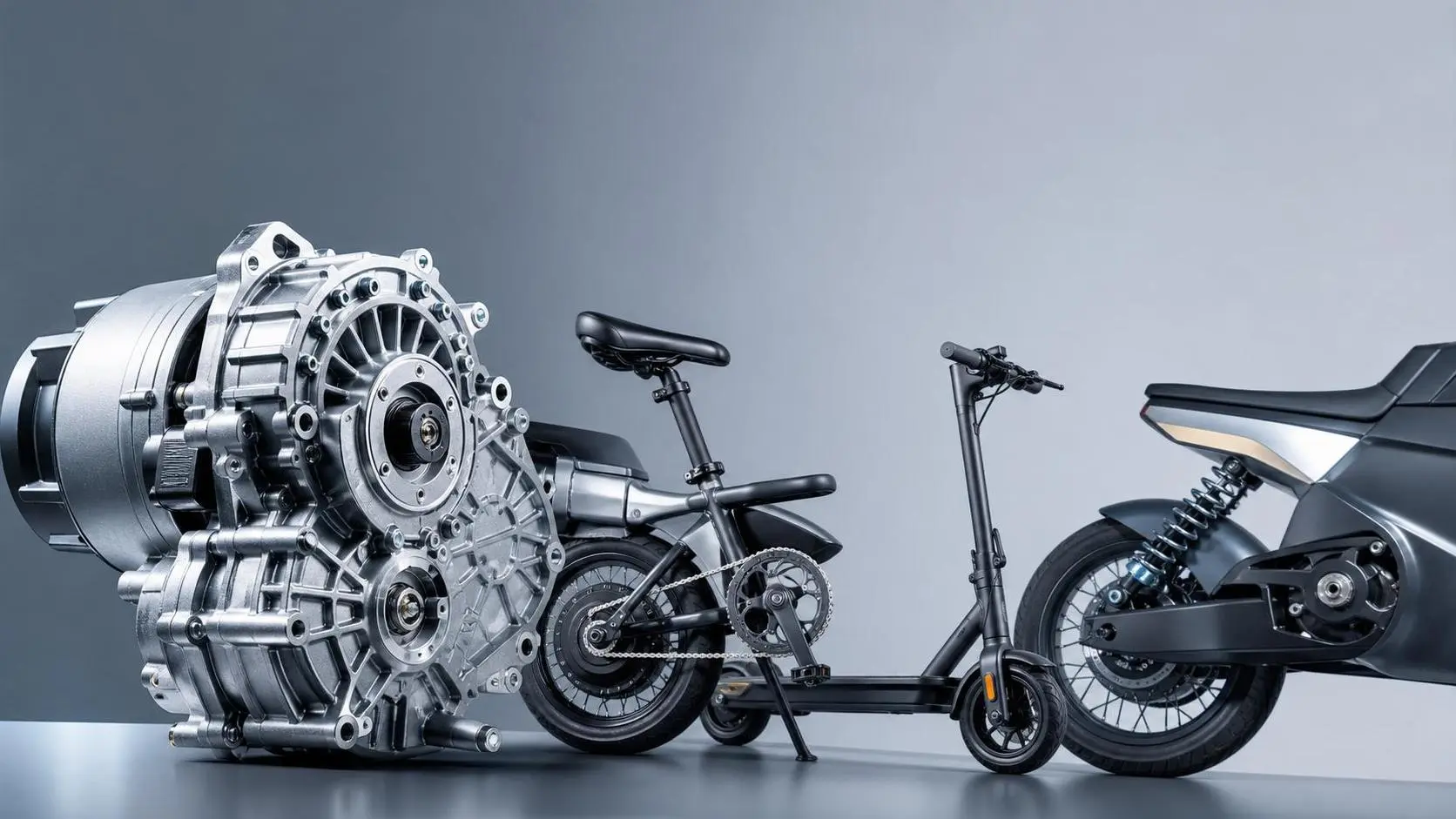
How to Choose an Electromechanical Transmission Manufacturer for E-Mobility Projects
Electromechanical transmission manufacturer selection can make or break e-mobility projects. Learn how to compare suppliers for performance, quality, compliance, and long-term value.
Electronic Derailleur Parts Guide: Compatibility, Wear Points, and Replacement Tips
Electronic derailleur parts guide covering compatibility, common wear points, and smart replacement tips. Learn how to diagnose issues faster, avoid mismatch errors, and improve shifting reliability.
How to Choose Urban Mobility Devices for Shared Use, Campus Travel, or Delivery
Urban mobility devices for shared fleets, campus travel, or delivery require the right mix of safety, uptime, battery strategy, and serviceability—discover how to choose smarter.
Micro Mobility USA Market: Key Regulations, Demand Signals, and Growth Segments
Micro mobility USA is entering a regulation-led growth phase. Explore key rules, demand signals, and top segments shaping e-bikes, scooters, and electric two-wheel opportunities.
Clean Urban Transport Options Explained: Which Modes Fit Dense City Routes?
Clean urban transport explained for dense city routes—compare e-bikes, smart e-scooters, and e-motorcycles to find the best fit for speed, comfort, range, and city compliance.
Vehicle Electrification Strategy: How to Prioritize Fleets, Charging, and ROI
Vehicle electrification strategy made practical: learn how to prioritize fleets, align charging plans, and model ROI for faster, lower-risk EV deployment.