
Related News
- 00
0000-00
Shared Scooters Supplier Checklist: What to Compare Before Fleet Procurement - 00
0000-00
How to Choose Urban Mobility Devices for Shared Use, Campus Travel, or Delivery - 00
0000-00
How a Camera Recognition System Improves Detection Accuracy in Shared Fleet Scooters - 00
0000-00
Shared Scooters China: Operating Models, Policy Risks, and Expansion Lessons - 00
0000-00
How to Choose a Shared Scooters Supplier for Fleet Scale, Parts Supply, and After-Sales
Urban Transit Fellow
Weekly Insights
Stay ahead with our curated technology reports delivered every Monday.
Shared Scooters Supplier Checklist: What to Compare Before Fleet Procurement





Shared Scooters Supplier Checklist: What to Compare Before Fleet Procurement
Choosing the right shared scooters supplier can shape uptime, safety, compliance, and long-term profitability.
A low unit price may look attractive first.
In practice, weak hardware and poor support usually cost more later.
That is why fleet procurement needs a comparison method, not a quick quote review.
A reliable shared scooters supplier should match your operating model, city requirements, and expansion plan.
This checklist highlights what to compare before signing any fleet agreement.
Start With Total Cost, Not Just Purchase Price
The first mistake in fleet procurement is comparing only vehicle price.
A better shared scooters supplier discussion starts with total cost of ownership.
This includes acquisition, shipping, spare parts, labor, battery replacement, software fees, and downtime loss.
From recent market shifts, this point matters even more.
Cities are asking for better compliance, while operators face tighter margins.
That means procurement teams should request a three-year or five-year cost model from each shared scooters supplier.
- Vehicle unit cost by order volume
- Expected service life per scooter
- Average annual maintenance cost
- Battery replacement cycle and cost
- Platform license, SIM, or connectivity fees
- Warranty coverage and exclusions
If a shared scooters supplier cannot provide clear ownership assumptions, that is an early warning sign.
Compare Hardware Durability for Real Urban Use
Shared fleets operate under harsher conditions than consumer scooters.
Frequent rides, curb impacts, vandalism, rain, dust, and rough pavement all accelerate wear.
So the right shared scooters supplier should prove durability with operating data, not sales language.
Key Components to Review
- Frame material, weld quality, and fatigue resistance
- Waterproof ratings for battery, controller, and display modules
- Brake system type and replacement interval
- Tire type, puncture rate, and road grip
- Deck strength and anti-slip performance
- Lighting visibility and enclosure quality
Ask each shared scooters supplier for failure rates by component.
Also ask how design changes were made after field feedback.
A supplier with fleet experience usually shows stronger iteration discipline.
Check Battery Strategy and Energy Operations
Battery design affects range, charging workflow, safety, and labor intensity.
This is often the biggest operational variable after hardware durability.
A strong shared scooters supplier should explain battery chemistry, BMS logic, cycle life, and swap strategy clearly.
In actual business settings, battery service models differ widely.
Some fleets use removable batteries for fast swap routes.
Others prefer fixed systems with centralized charging cycles.
Your shared scooters supplier should fit your market density, labor cost, and charging infrastructure.
Questions Worth Asking
- What is the tested range under shared fleet conditions?
- How many full cycles are guaranteed?
- What are the battery transport and storage requirements?
- How does the BMS detect heat, abuse, or tampering?
- Can batteries be swapped across vehicle batches?
More importantly, compare battery replacement lead times.
Slow battery support can quietly reduce fleet availability for months.
Evaluate IoT, Software, and Fleet Data Access
A modern shared scooters supplier is not only a vehicle manufacturer.
It is also a systems partner.
Fleet performance depends heavily on IoT reliability, geofencing precision, remote diagnostics, and data visibility.
This is where many supplier comparisons become too shallow.
A cheaper shared scooters supplier may lock you into weak software or limited APIs.
That can restrict dispatching, compliance reporting, and operational optimization later.
What to Compare in the Digital Stack
- GPS accuracy in dense urban areas
- Remote lock, immobilization, and ride status reliability
- Diagnostic alerts for battery, motor, and controller faults
- Open API access for platform integration
- Data ownership, export rights, and storage policy
- Cybersecurity standards and update mechanisms
The better signal is not feature quantity.
It is stable performance across thousands of rides and multiple cities.
Review Maintenance Model and Spare Parts Support
Even durable fleets need regular maintenance.
For that reason, shared scooters supplier evaluation should include serviceability from day one.
A scooter that is hard to repair can drain labor hours quickly.
This also means downtime becomes a procurement issue, not only an operations issue.
Ask the shared scooters supplier for a recommended spare parts list per 1,000 vehicles.
That gives a more realistic view of post-purchase support.
Verify Regulatory Readiness and Safety Compliance
Urban mobility rules are changing fast.
A capable shared scooters supplier should already understand city permit structures, speed controls, parking rules, and product certifications.
This matters because noncompliant fleets can face delays, fines, or forced redesigns.
More clearly now, procurement teams must compare regulation readiness before launch, not after deployment.
- Regional certification documents and test records
- Configurable speed limits and ride modes
- Geofencing support for no-ride or slow zones
- Audible alerts, lighting, and visibility features
- Battery transport compliance for international shipment
If your shared scooters supplier serves several regions already, ask for case examples.
Past compliance experience reduces execution risk significantly.
Assess Manufacturing Capacity and Scalability
Some suppliers look strong in pilot orders but struggle during scale-up.
That can create launch delays and inconsistent product quality.
A dependable shared scooters supplier should show stable manufacturing processes and supply chain resilience.
In procurement terms, scale readiness protects your growth plan.
Compare not only current output, but also peak surge response.
- Monthly production capacity
- Quality control checkpoints
- Critical component sourcing diversity
- Lead times during peak season
- Ability to support phased rollouts
This is especially important if your expansion depends on multiple cities opening within one procurement cycle.
Use a Practical Supplier Scorecard
To avoid subjective decisions, build a weighted scorecard.
This helps compare each shared scooters supplier on the same basis.
A simple model often works better than a complex procurement spreadsheet nobody updates.
You can adjust these weights by city strategy, risk tolerance, and capital plan.
What matters is disciplined comparison across every shared scooters supplier under review.
Final Procurement Takeaway
The best shared scooters supplier is rarely the one with the lowest quote.
It is the partner that helps your fleet stay available, compliant, and profitable over time.
Before procurement approval, compare durability, battery logic, IoT strength, service support, regulatory readiness, and manufacturing scale.
That approach reduces procurement risk and creates a more reliable path for urban mobility growth.
If needed, turn this checklist into an RFP matrix and require every shared scooters supplier to answer the same operational questions.
Related News
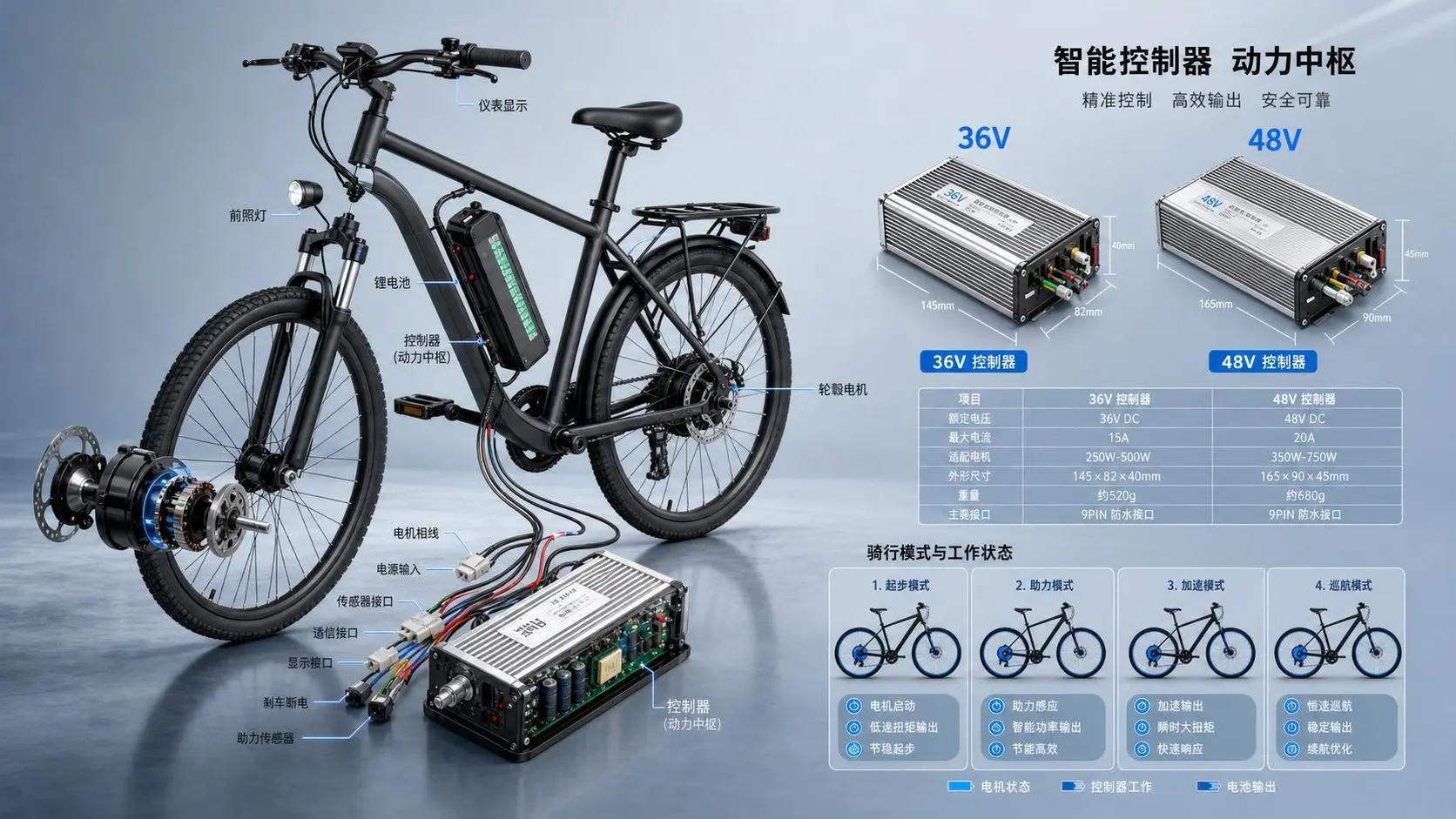
E Bike Controllers Explained: How to Match Voltage, Current, and Riding Mode
E bike controllers explained: learn how to match voltage, current, and riding mode for smoother power, safer compatibility, better efficiency, and more confident e-bike upgrades.

Battery Overheating Management in Light EVs: Causes, Sensors, and Control Strategies
Battery overheating management in light EVs: learn the main causes, key sensors, and proven control strategies to improve safety, reliability, and thermal compliance.

Battery-Swapping Networks for Motorcycles: Key Cost Drivers and Deployment Models
Battery-swapping networks motorcycles explained: explore key cost drivers, utilization risks, and deployment models shaping profitable electric two-wheeler infrastructure.

How to Choose an Electromechanical Transmission Manufacturer for E-Mobility Projects
Electromechanical transmission manufacturer selection can make or break e-mobility projects. Learn how to compare suppliers for performance, quality, compliance, and long-term value.

Electronic Derailleur Parts Guide: Compatibility, Wear Points, and Replacement Tips
Electronic derailleur parts guide covering compatibility, common wear points, and smart replacement tips. Learn how to diagnose issues faster, avoid mismatch errors, and improve shifting reliability.
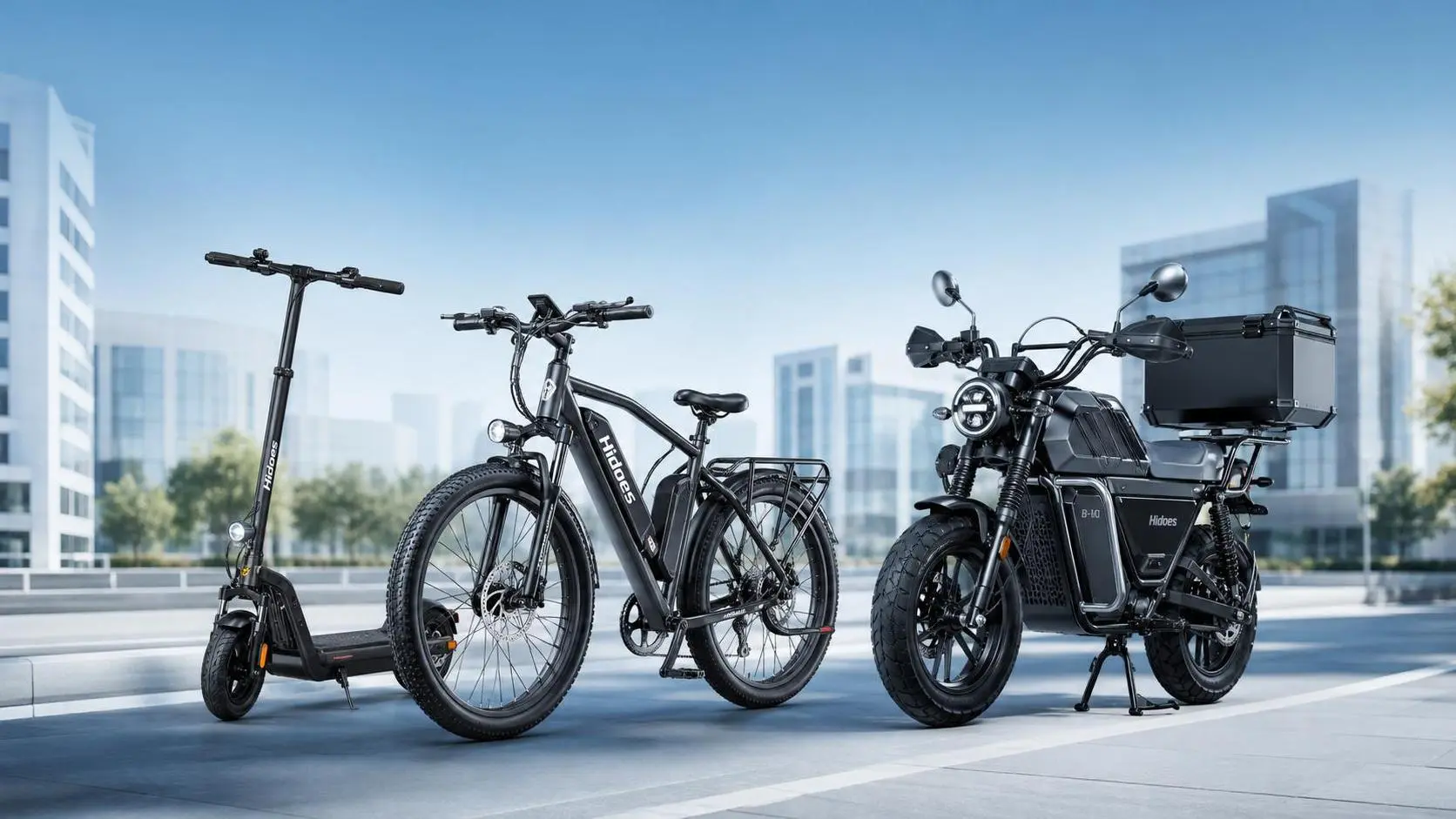
How to Choose Urban Mobility Devices for Shared Use, Campus Travel, or Delivery
Urban mobility devices for shared fleets, campus travel, or delivery require the right mix of safety, uptime, battery strategy, and serviceability—discover how to choose smarter.
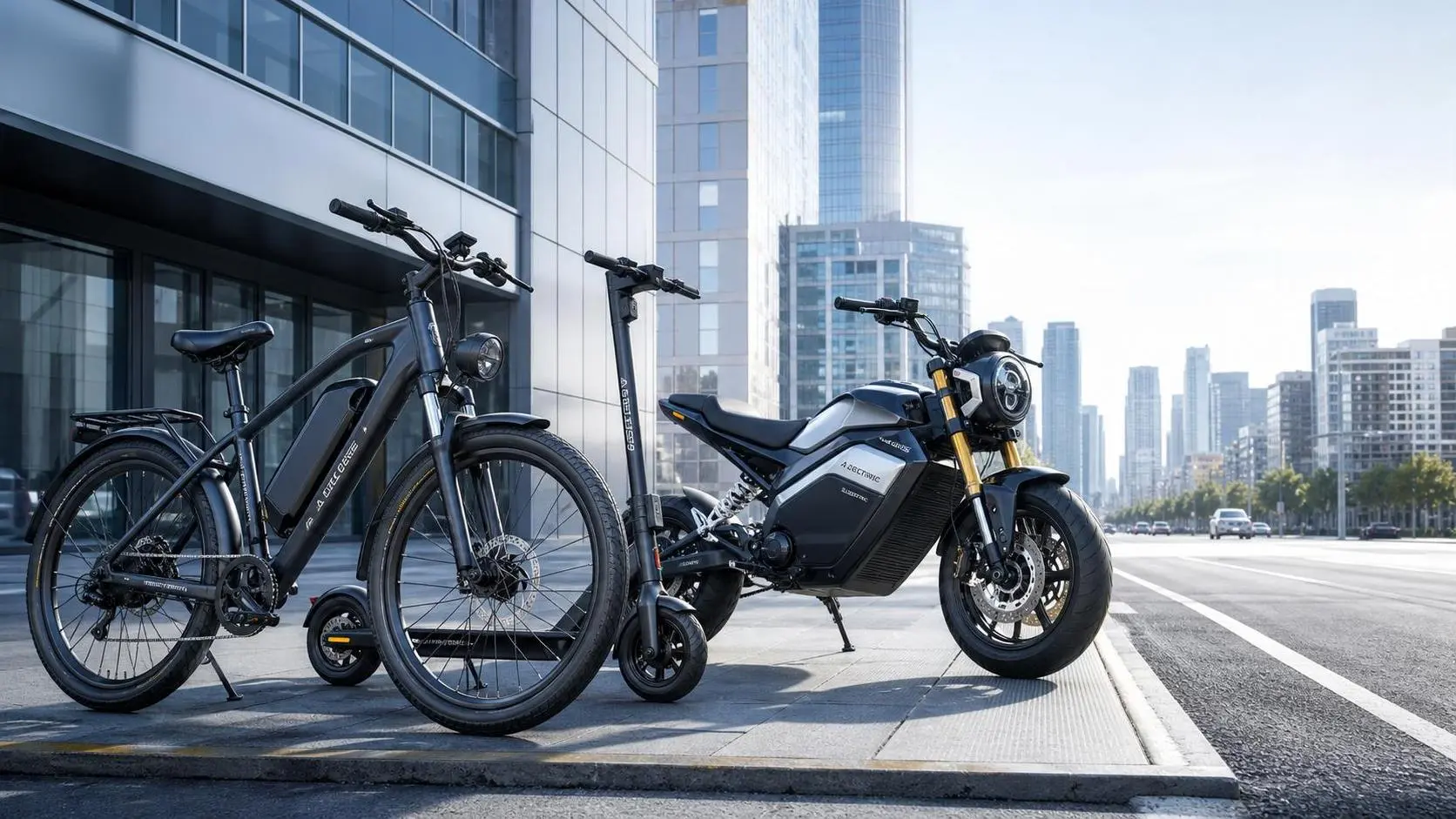
Micro Mobility USA Market: Key Regulations, Demand Signals, and Growth Segments
Micro mobility USA is entering a regulation-led growth phase. Explore key rules, demand signals, and top segments shaping e-bikes, scooters, and electric two-wheel opportunities.
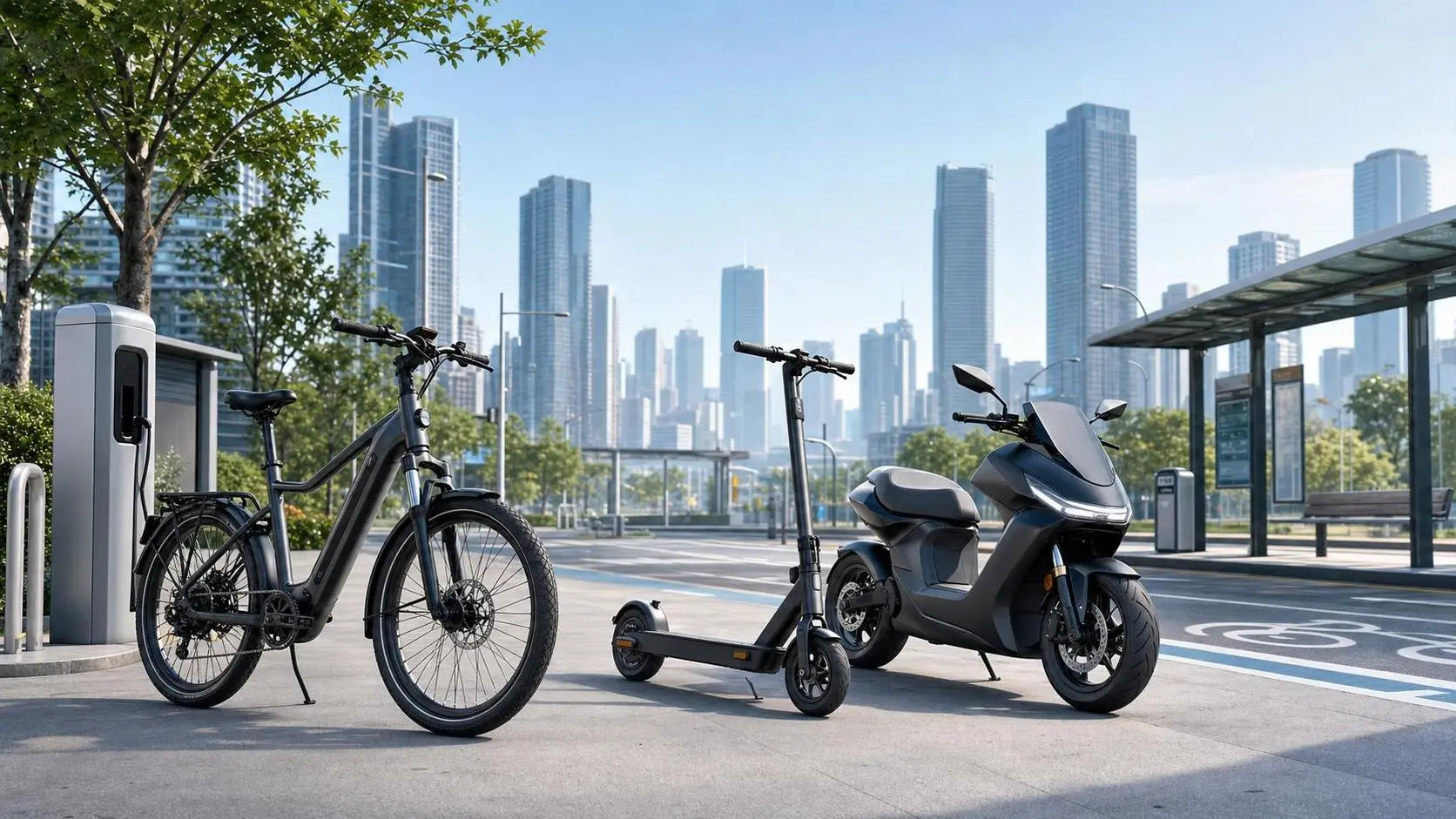
Clean Urban Transport Options Explained: Which Modes Fit Dense City Routes?
Clean urban transport explained for dense city routes—compare e-bikes, smart e-scooters, and e-motorcycles to find the best fit for speed, comfort, range, and city compliance.

Vehicle Electrification Strategy: How to Prioritize Fleets, Charging, and ROI
Vehicle electrification strategy made practical: learn how to prioritize fleets, align charging plans, and model ROI for faster, lower-risk EV deployment.