
Related News
- 00
0000-00
Battery Overheating Management in Light EVs: Causes, Sensors, and Control Strategies - 00
0000-00
Vehicle Electrification Strategy: How to Prioritize Fleets, Charging, and ROI - 00
0000-00
How to Choose a Wiper Sensor Supplier: Key Specs, Testing Standards, and OEM Risks - 00
0000-00
EMI Interference Mitigation Methods: Shielding, Grounding, and Filter Selection Explained - 00
0000-00
Wiper System Market Analysis: Demand Drivers, OEM Trends, and Aftermarket Opportunities
Ms. Elena Rodriguez
Weekly Insights
Stay ahead with our curated technology reports delivered every Monday.
Battery Overheating Management in Light EVs: Causes, Sensors, and Control Strategies





Battery Overheating Management in Light EVs: Causes, Sensors, and Control Strategies
Battery overheating management sits at the center of light EV safety.
It affects reliability, warranty cost, transport compliance, and brand risk.
In e-bikes, smart e-scooters, and compact e-motorcycles, heat builds faster than many teams expect.
That happens because packaging is tight, duty cycles vary, and riders often push systems beyond lab assumptions.
Good battery overheating management is not just a BMS feature.
It is a system discipline linking cells, wiring, firmware, enclosure design, charging logic, and field monitoring.
From a technical and standards view, the goal is simple.
Prevent abnormal temperature rise before it becomes a safety event.
Why light EV batteries overheat
Most overheating cases do not come from one cause alone.
They usually come from stacked stresses acting at the same time.
1. High current demand
Rapid acceleration, hill climbing, cargo loading, and repeated stop-start riding increase discharge current.
As current rises, internal resistance turns more energy into heat.
In compact battery packs, this heat may not leave the enclosure fast enough.
2. Charging stress
Fast charging in hot garages or after a hard ride is a common trigger.
If cells are already warm, charge acceptance drops while heat generation rises.
Poor charger matching can make battery overheating management much harder.
3. Cell imbalance and aging
Aging cells develop higher resistance and more uneven behavior.
One weak parallel group can become a local hotspot.
That hotspot may stay hidden if sensing points are poorly placed.
4. Mechanical and environmental factors
Vibration, water ingress, connector looseness, and crush damage can all raise thermal risk.
Summer storage in direct sun adds another layer of stress.
In real fleets, these field conditions often matter more than ideal lab curves.
Failure patterns that should raise concern early
Strong battery overheating management starts with pattern recognition.
The earlier the signal, the cheaper the correction.
- A pack warms faster than normal under the same ride profile.
- One area of the pack stays much hotter than the average.
- Charging stops early because thermal thresholds are reached.
- Voltage sag becomes severe during peak load.
- Connectors discolor, soften, or show contact resistance growth.
- Fleets show seasonal spikes in thermal alarms or battery complaints.
These signals rarely stay isolated for long, which is why trend tracking matters.
The role of sensors in battery overheating management
Sensors are the eyes of battery overheating management.
But accuracy alone is not enough.
Placement, redundancy, response time, and calibration matter just as much.
Temperature sensors
NTC thermistors remain common because they are compact and cost-effective.
RTDs and digital sensors appear in higher-end designs needing tighter control.
The key question is not sensor count alone.
It is whether sensors sit near the most likely heat sources.
Those sources include center cells, busbars, discharge leads, MOSFET zones, and charger interfaces.
Current sensors
Current measurement gives context to every temperature reading.
A temperature spike without current data is harder to diagnose correctly.
Shunt-based sensing is common for accuracy and cost control.
Hall-effect sensors add isolation and can help in more demanding architectures.
Voltage and derived indicators
Cell voltage spread is an early warning sign for imbalance and thermal stress.
State of charge and state of health models also support battery overheating management.
They help predict when a pack will run hotter than expected.
Control strategies that actually reduce thermal risk
A warning alone does not equal protection.
Effective battery overheating management uses layered controls.
Threshold-based protection
This is the basic line of defense.
The BMS limits charge or discharge when pack or cell temperature crosses set values.
The weakness is that static thresholds can react too late.
Derating by thermal trend
A better approach watches temperature rise rate, not just absolute value.
If heat climbs unusually fast, power can be reduced earlier.
This strategy feels more natural in use and lowers abrupt shutdown events.
Charge control logic
Charging should adapt to ambient temperature, pack temperature, and recent usage history.
After a demanding ride, a short cooling delay can reduce stress significantly.
This is especially useful in delivery fleets and shared scooter operations.
Cell balancing and fault isolation
Balancing helps reduce uneven heating among series groups.
When abnormal behavior appears, isolation logic should block unsafe charging or riding modes.
In higher-risk cases, the safest action is controlled shutdown and service lockout.
Design choices that support battery overheating management
Control software works best when hardware does not fight it.
Several design decisions strongly influence thermal performance.
- Choose cells with proven thermal behavior under realistic pulse loads.
- Reduce contact resistance at welds, terminals, and connector interfaces.
- Separate heat-generating electronics from the most sensitive cell zones.
- Use enclosure materials and venting paths that support heat release.
- Protect packs against water ingress without trapping excessive heat.
- Validate performance after vibration, drop, and environmental exposure tests.
In practice, small connector or layout changes often deliver major thermal gains.
A practical review framework for compliance and risk control
For technical review, battery overheating management should be checked as a repeatable workflow.
That makes design decisions easier to audit and defend.
- Map the worst thermal scenarios for each vehicle platform and user profile.
- Confirm sensor placement against predicted hotspots, not packaging convenience.
- Review charge and discharge limits across ambient and seasonal extremes.
- Check connector, fuse, busbar, and PCB heating under sustained load.
- Verify alarm, derating, shutdown, and recovery logic through abuse testing.
- Track field returns for recurring thermal patterns by lot, charger, and route type.
This review method turns battery overheating management into an operating system, not a checklist item.
What stronger thermal management means for light EV programs
The market is moving toward denser batteries, faster charging, and harder usage cycles.
That makes battery overheating management more strategic, not less.
The strongest programs treat thermal control as a cross-functional job from concept to aftersales.
They combine realistic testing, smart sensing, adaptive controls, and disciplined field feedback.
That approach reduces safety incidents, protects product reputation, and supports compliance with evolving standards.
More importantly, it keeps micro-mobility systems dependable in the messy conditions of real urban use.
If the next review cycle focuses on one issue first, battery overheating management is a smart place to start.
Related News
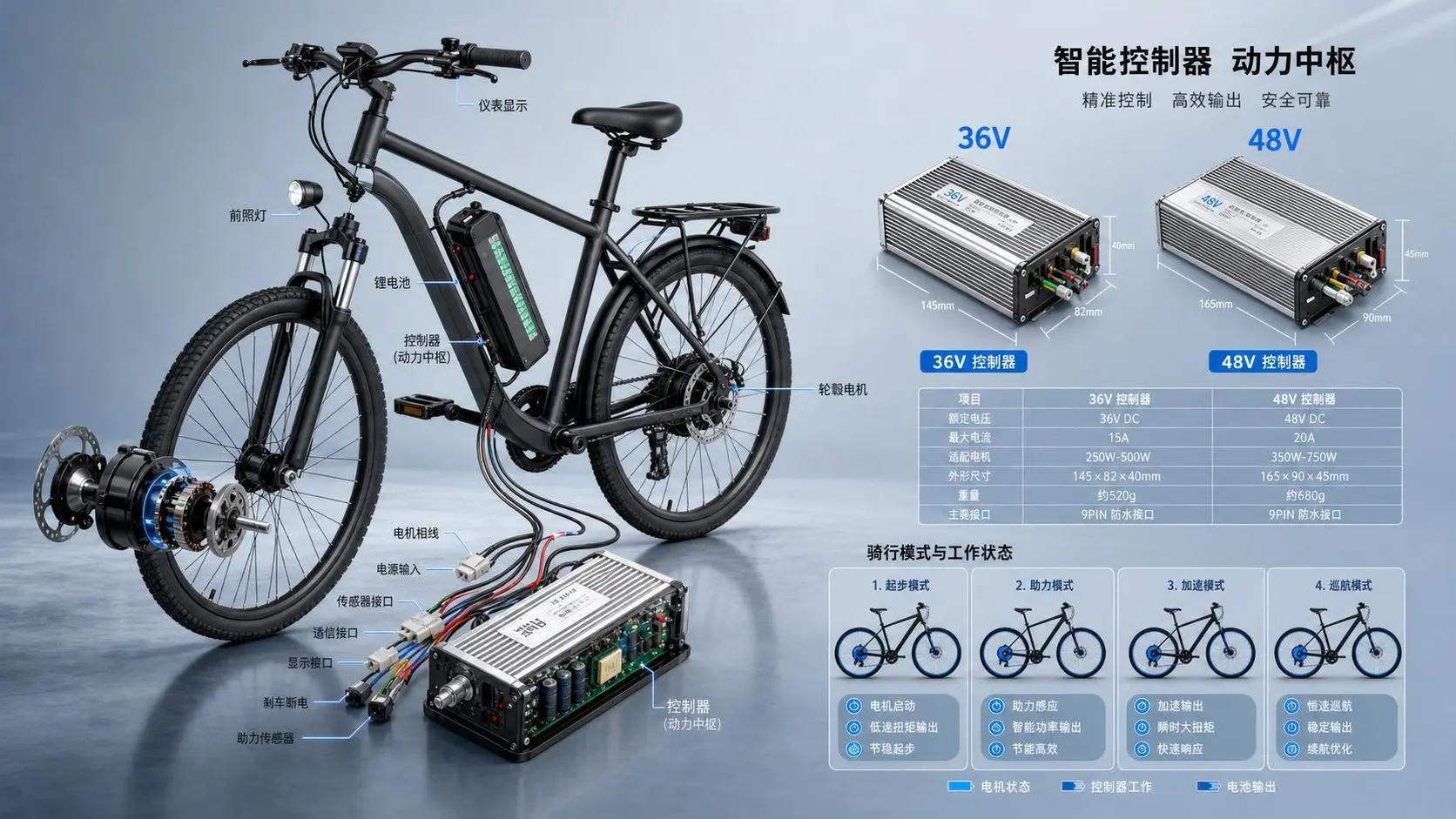
E Bike Controllers Explained: How to Match Voltage, Current, and Riding Mode
E bike controllers explained: learn how to match voltage, current, and riding mode for smoother power, safer compatibility, better efficiency, and more confident e-bike upgrades.
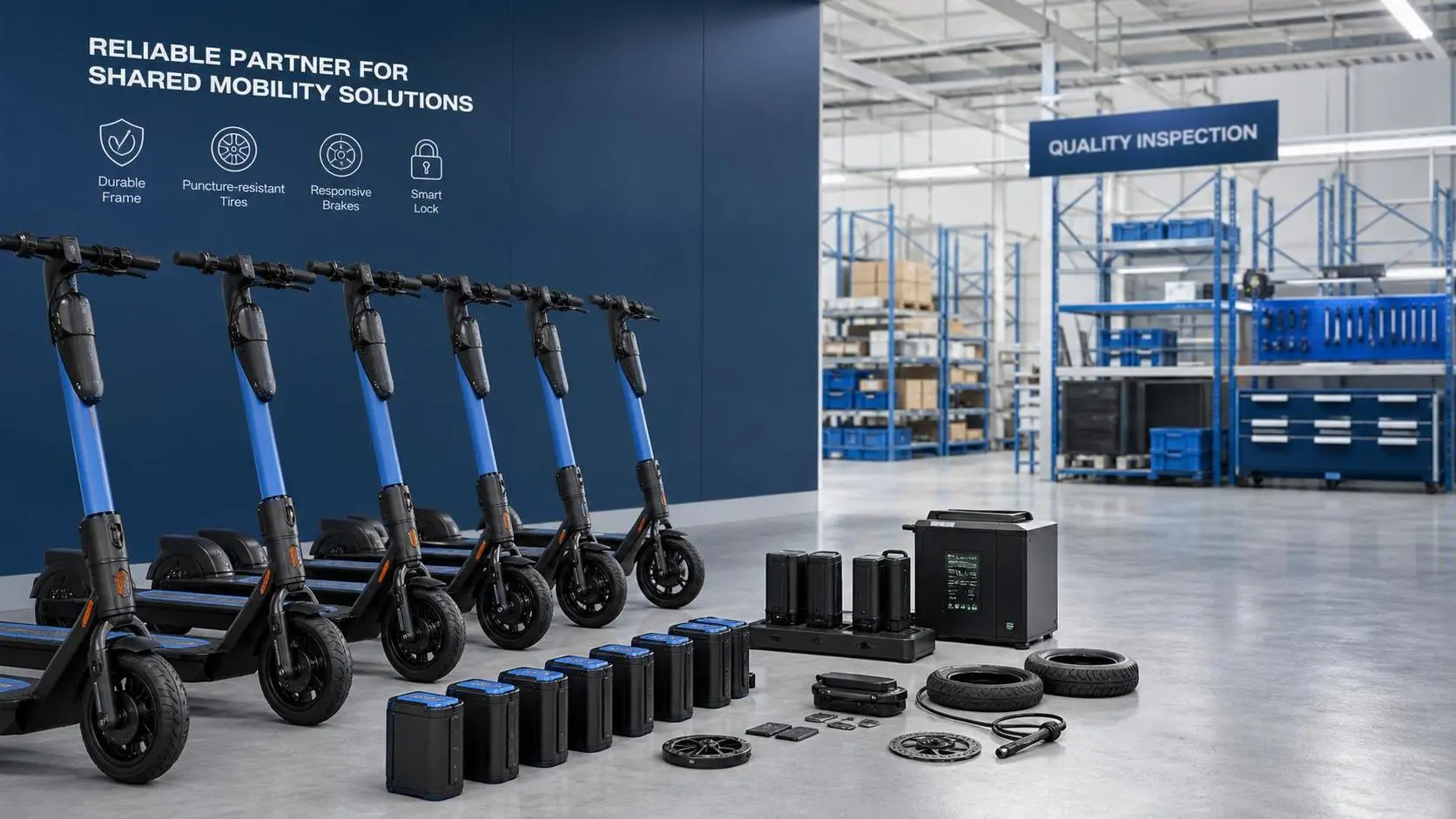
Shared Scooters Supplier Checklist: What to Compare Before Fleet Procurement
Shared scooters supplier checklist: compare total cost, durability, battery strategy, IoT, compliance, and support before fleet procurement to reduce risk and improve long-term ROI.
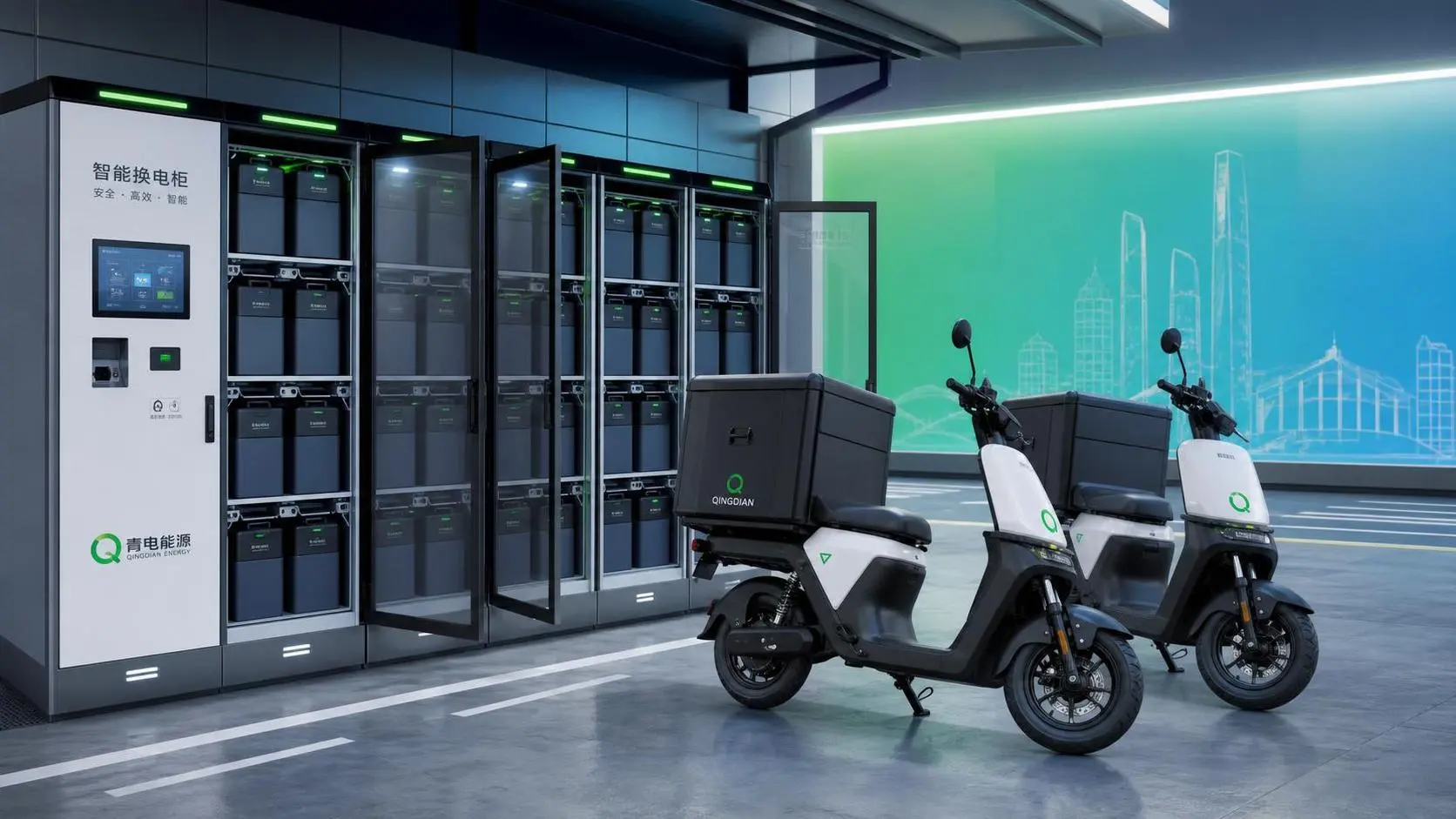
Battery-Swapping Networks for Motorcycles: Key Cost Drivers and Deployment Models
Battery-swapping networks motorcycles explained: explore key cost drivers, utilization risks, and deployment models shaping profitable electric two-wheeler infrastructure.
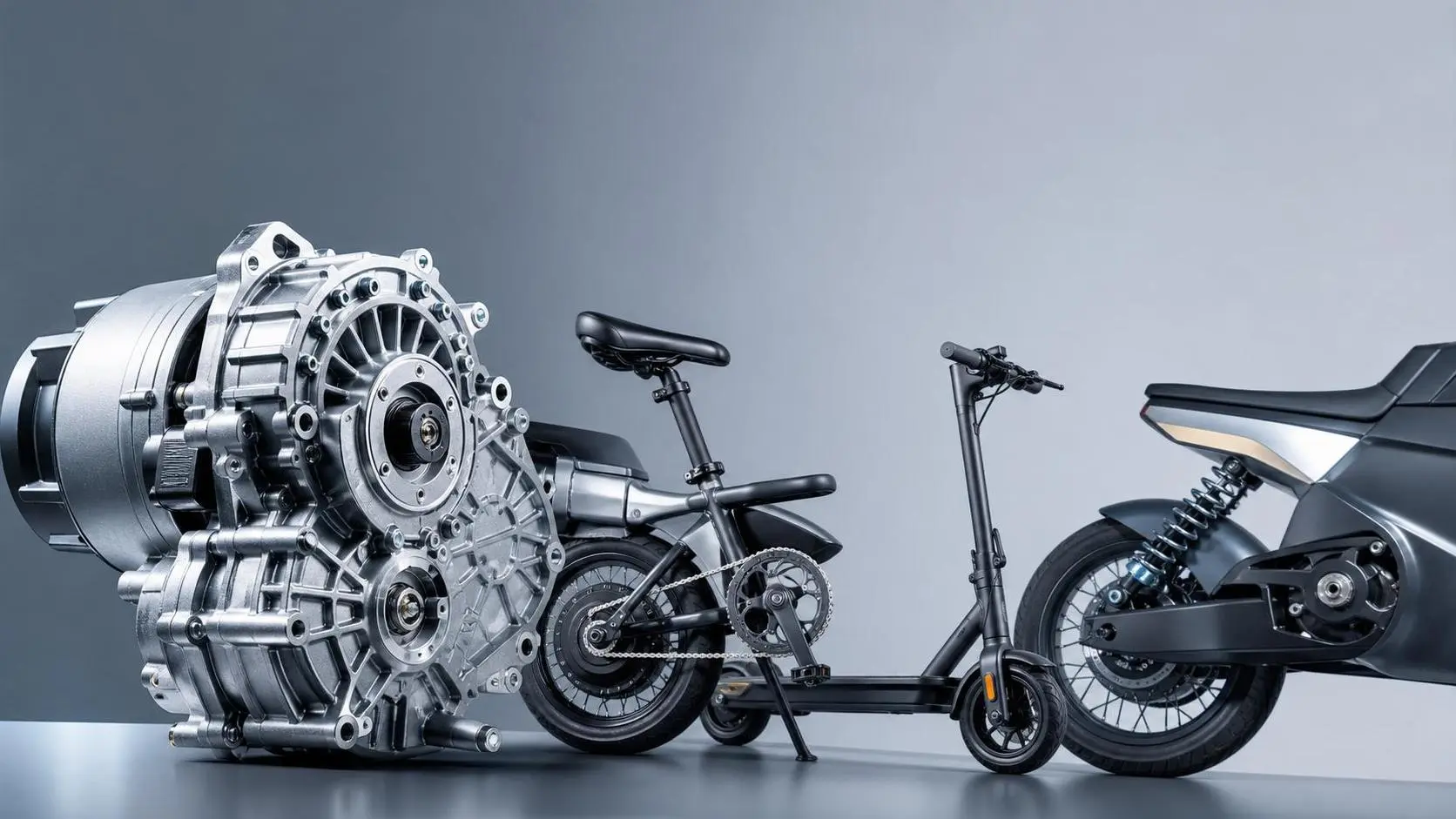
How to Choose an Electromechanical Transmission Manufacturer for E-Mobility Projects
Electromechanical transmission manufacturer selection can make or break e-mobility projects. Learn how to compare suppliers for performance, quality, compliance, and long-term value.

Electronic Derailleur Parts Guide: Compatibility, Wear Points, and Replacement Tips
Electronic derailleur parts guide covering compatibility, common wear points, and smart replacement tips. Learn how to diagnose issues faster, avoid mismatch errors, and improve shifting reliability.
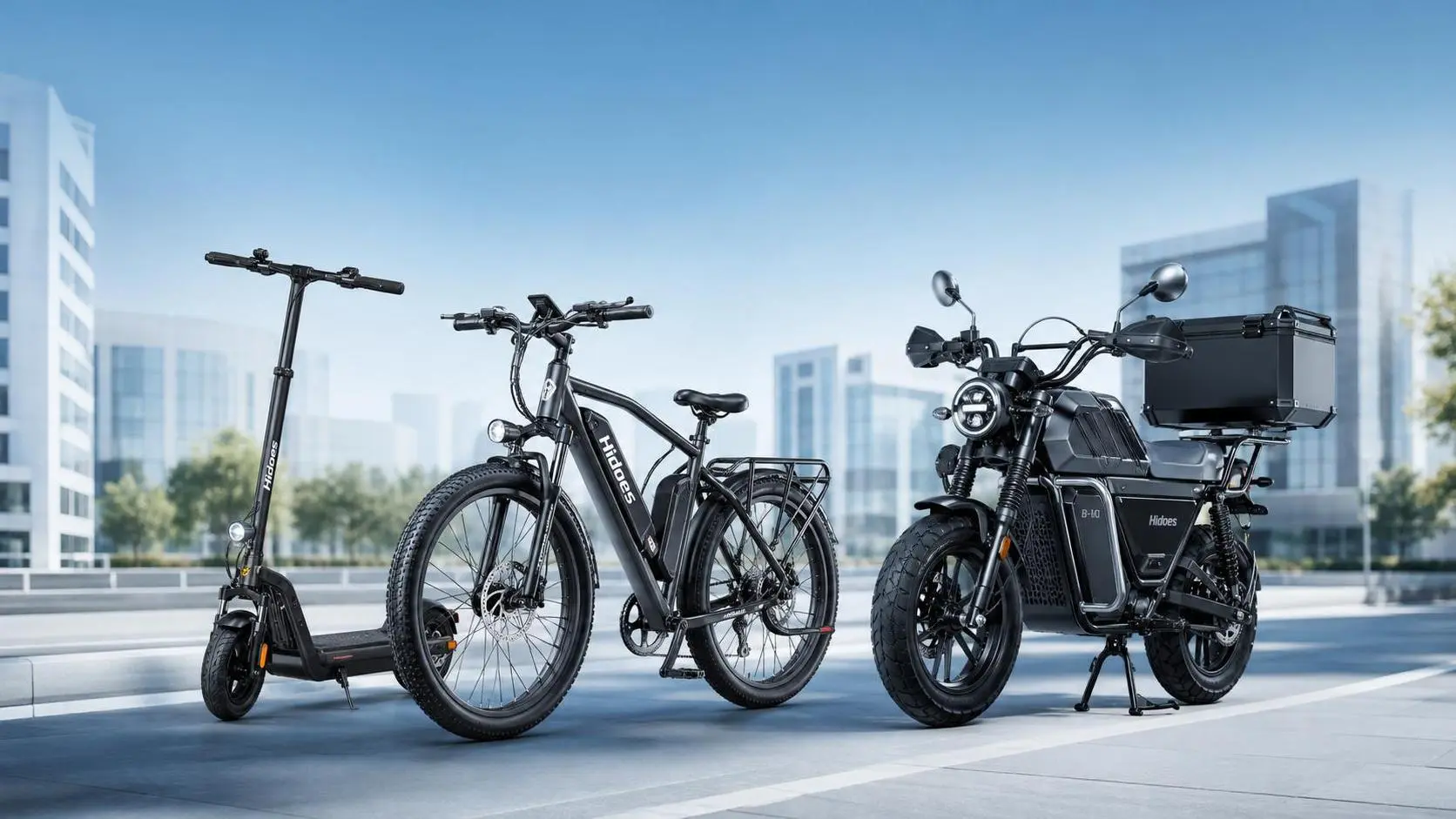
How to Choose Urban Mobility Devices for Shared Use, Campus Travel, or Delivery
Urban mobility devices for shared fleets, campus travel, or delivery require the right mix of safety, uptime, battery strategy, and serviceability—discover how to choose smarter.
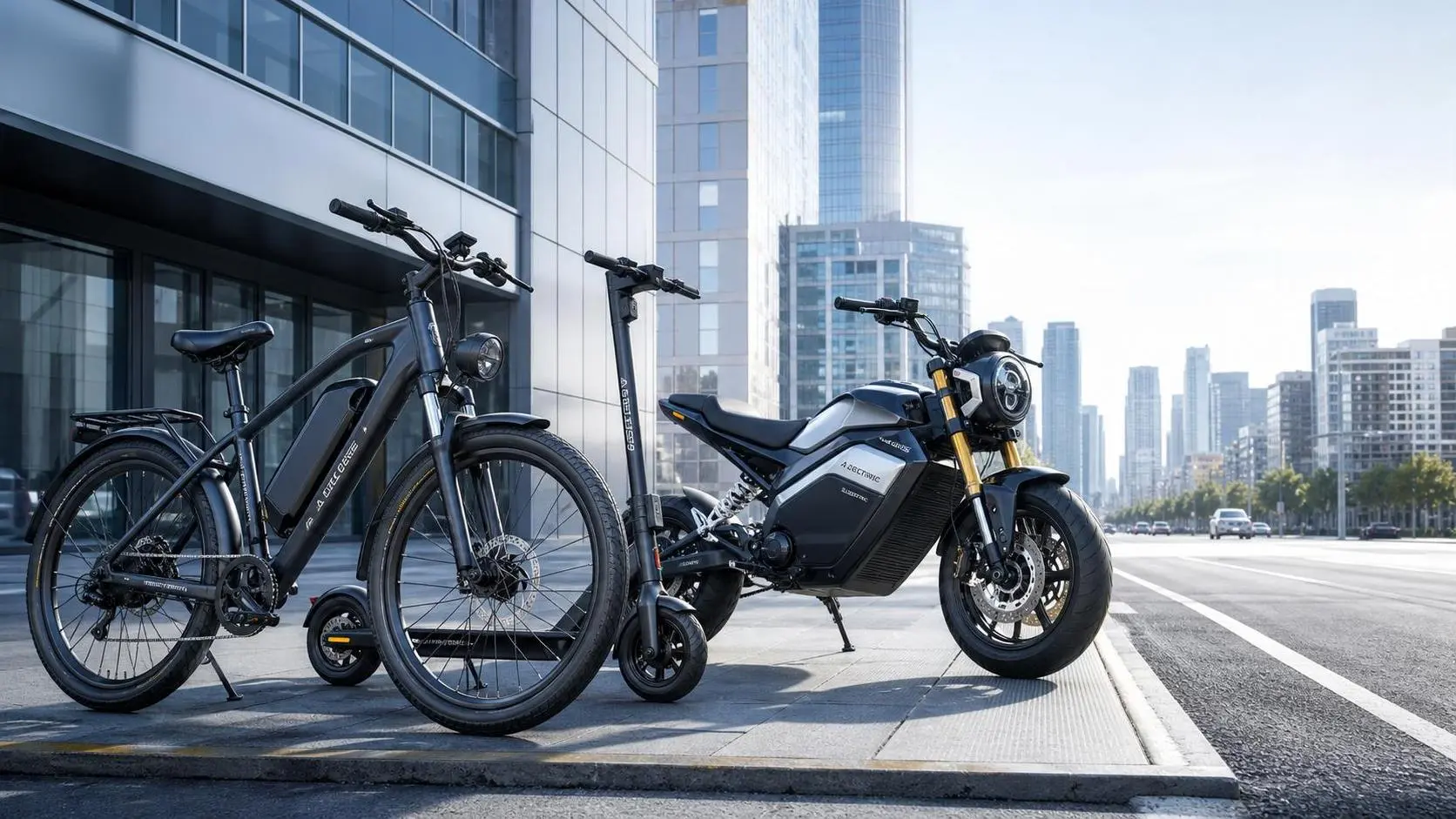
Micro Mobility USA Market: Key Regulations, Demand Signals, and Growth Segments
Micro mobility USA is entering a regulation-led growth phase. Explore key rules, demand signals, and top segments shaping e-bikes, scooters, and electric two-wheel opportunities.

Clean Urban Transport Options Explained: Which Modes Fit Dense City Routes?
Clean urban transport explained for dense city routes—compare e-bikes, smart e-scooters, and e-motorcycles to find the best fit for speed, comfort, range, and city compliance.

Vehicle Electrification Strategy: How to Prioritize Fleets, Charging, and ROI
Vehicle electrification strategy made practical: learn how to prioritize fleets, align charging plans, and model ROI for faster, lower-risk EV deployment.