
Related News
- 00
0000-00
Battery-Swapping Networks for Motorcycles: Key Cost Drivers and Deployment Models - 00
0000-00
Battery Swapping Cost Breakdown: Station CapEx, Pack Pricing, and Operating Fees - 00
0000-00
Battery Swapping vs Fast Charging: Which Lowers Fleet Downtime and Operating Costs? - 00
0000-00
Battery Technology Trends for Swappable Scooters: Energy Density, Charging Speed, and Cycle Life - 00
0000-00
How Battery-Swapping Networks Work for Urban Fleets: Cost, Uptime, and Site Planning
Electric Powertrain Analyst
Weekly Insights
Stay ahead with our curated technology reports delivered every Monday.
Battery-Swapping Networks for Motorcycles: Key Cost Drivers and Deployment Models





Battery-swapping networks motorcycles are moving from pilot concept to commercial infrastructure. In electric two-wheelers, the real question is not whether swapping is fast, but whether the network can achieve repeatable utilization, manageable battery economics, and durable partnerships across a fragmented mobility ecosystem.
That makes the topic especially relevant across urban mobility, energy services, fleet operations, and vehicle manufacturing. For platforms tracking the last-mile revolution, such as UMMS, battery swapping sits at the intersection of high-density battery management, vehicle uptime, and practical decarbonization.
Why battery swapping has become a strategic topic
Fast charging improved electric motorcycles, but it did not solve every operational constraint. In dense cities, delivery fleets, ride-hailing operators, and shared mobility providers often value uptime more than peak range.
Battery-swapping networks motorcycles address that gap by separating vehicle ownership from battery charging time. A rider exchanges a depleted pack for a charged one in minutes, which changes the economics of vehicle availability.
This matters most where daily mileage is high, parking is limited, and electricity access is uneven. It also matters where governments want cleaner urban circulation without waiting for broad car-scale charging infrastructure.
From a market perspective, swapping also supports a broader transition. It gives OEMs, battery operators, utilities, and software providers a common platform for recurring revenue, data visibility, and network effects.
What battery-swapping networks motorcycles really involve
At a basic level, a swapping network includes standardized battery packs, connected swap stations, battery management software, charging logistics, and commercial rules governing access, pricing, and responsibility.
The hardware is only one layer. The deeper value lies in battery traceability, state-of-health monitoring, thermal control, predictive maintenance, and usage balancing across the network.
In practical terms, battery-swapping networks motorcycles are infrastructure businesses, not simply retail energy points. They combine mobility demand forecasting, energy procurement, field service, and digital control systems.
That is why deployment success depends less on headline station numbers and more on whether each station fits demand density, battery circulation speed, and local operating conditions.
The main cost drivers behind deployment
The largest cost driver is usually the battery pool itself. A network must own or finance enough packs to cover active use, charging time, reserve inventory, and battery degradation over several years.
Standardization is the second major driver. If too many vehicle platforms require different pack formats, the network loses scale efficiency, operational simplicity, and purchasing power.
Station capex also varies widely. Costs depend on land access, kiosk design, power electronics, fire protection, cooling, enclosure durability, and remote diagnostics capability.
Grid access is often underestimated. Some sites need transformer upgrades, permitting delays, or demand-charge management. In high-cost urban areas, electricity structure can influence profitability as much as real estate.
Software adds another layer of cost, but it also protects margins. Billing, authentication, pack tracking, fraud prevention, warranty data, and dynamic inventory routing all depend on a strong control platform.
Utilization is the line between growth and overbuild
In many models, utilization determines whether battery-swapping networks motorcycles become attractive infrastructure or expensive underused hardware. High station density looks impressive, but empty stations destroy returns.
Utilization depends on route density, rider behavior, battery range, swap duration, and time-of-day demand peaks. Commercial fleets often create better early economics than open retail networks because demand is more predictable.
Another critical variable is swap frequency per battery. If packs circulate too slowly, capital remains idle. If they circulate too aggressively, charging stress and lifecycle loss can rise.
This is where intelligence platforms such as UMMS add value. Tracking technology shifts in thermal management, pack design, and policy support helps operators understand when utilization assumptions are realistic and when they are optimistic.
Deployment models are not all built for the same market
There is no universal model for battery-swapping networks motorcycles. The right structure depends on vehicle category, user concentration, regulatory climate, and the availability of local partners.
Closed fleet model
This model serves delivery, courier, logistics, or campus fleets. Demand is concentrated, routes are repeatable, and battery inventory can be planned with more precision.
It often delivers the fastest payback. The trade-off is limited scale unless the operator expands into other fleets or opens selected stations to external users.
OEM-led ecosystem model
Here, vehicle brands build or anchor the network around proprietary or semi-standard packs. This can protect user experience and brand control, but it risks lower interoperability.
The model works best when the OEM already has scale in high-speed e-motorcycles or strong dealer coverage. Without sufficient installed vehicles, station economics become difficult.
Independent network operator
An independent operator focuses on infrastructure and software, then partners with multiple vehicle brands. This offers greater network leverage, but requires disciplined standardization and revenue-sharing agreements.
It also requires trust in data governance, service quality, and battery liability rules. Those points often decide whether partnerships stay stable after initial launch.
Utility or public-private model
In some cities, utilities or municipal programs support deployment to reduce emissions and formalize urban mobility. This can lower infrastructure friction and improve grid integration.
The challenge is decision speed. Public-interest alignment is helpful, but commercial discipline still matters if the network is expected to scale beyond subsidy support.
Where the business case is strongest
The strongest cases usually appear in dense urban corridors with frequent stops, high daily mileage, and limited private charging access. Delivery fleets remain the most obvious entry point.
Shared e-scooter and light motorcycle services can also benefit, especially when operational teams need fast turnaround. In these settings, swapping reduces downtime and simplifies charging logistics.
For high-speed e-motorcycles, the value proposition is slightly different. Riders often expect stronger performance, longer range confidence, and premium convenience. Battery-swapping networks motorcycles can support that promise if station reliability is high.
Secondary opportunities include tourism fleets, industrial parks, ports, and university districts. These environments are attractive because usage patterns are concentrated and operational oversight is easier.
What to examine before committing capital
Before rollout, several filters help separate scalable networks from symbolic pilots.
- Check whether battery format strategy supports scale, not just a single launch partner.
- Model station economics at realistic utilization, including low-season and off-peak periods.
- Review local power tariffs, permitting pathways, and fire-safety compliance early.
- Define ownership and liability for battery health, replacement, and software failures.
- Evaluate whether data systems can support forecasting, maintenance, and revenue assurance.
It is also useful to compare swapping with fast charging on a route-by-route basis. Not every market needs a full network, and not every fleet benefits equally from pack exchange.
In other words, battery-swapping networks motorcycles should be treated as targeted infrastructure. They perform best when matched to dense demand, disciplined standardization, and clear operating accountability.
A practical next step
The next decision should start with evidence, not enthusiasm. Map daily mileage, charging constraints, battery turnover, and site access before choosing between a fleet-first, OEM-led, or independent deployment path.
Then compare how policy support, pack interoperability, and grid conditions affect long-term margins. For anyone following urban micro-mobility through UMMS, the most valuable signal is simple: the winning battery-swapping networks motorcycles are the ones designed around operational reality, not presentation scale.
- urban micro-mobility
- high-speed e-motorcycles
- last-mile revolution
- battery management
- thermal management
- battery-swapping networks
- high-density battery
- electric two-wheelers
- shared mobility
- battery swapping
- micro-mobility
- electric motorcycles
- mobility ecosystem
- battery-swapping networks motorcycles
- battery management software
Related News
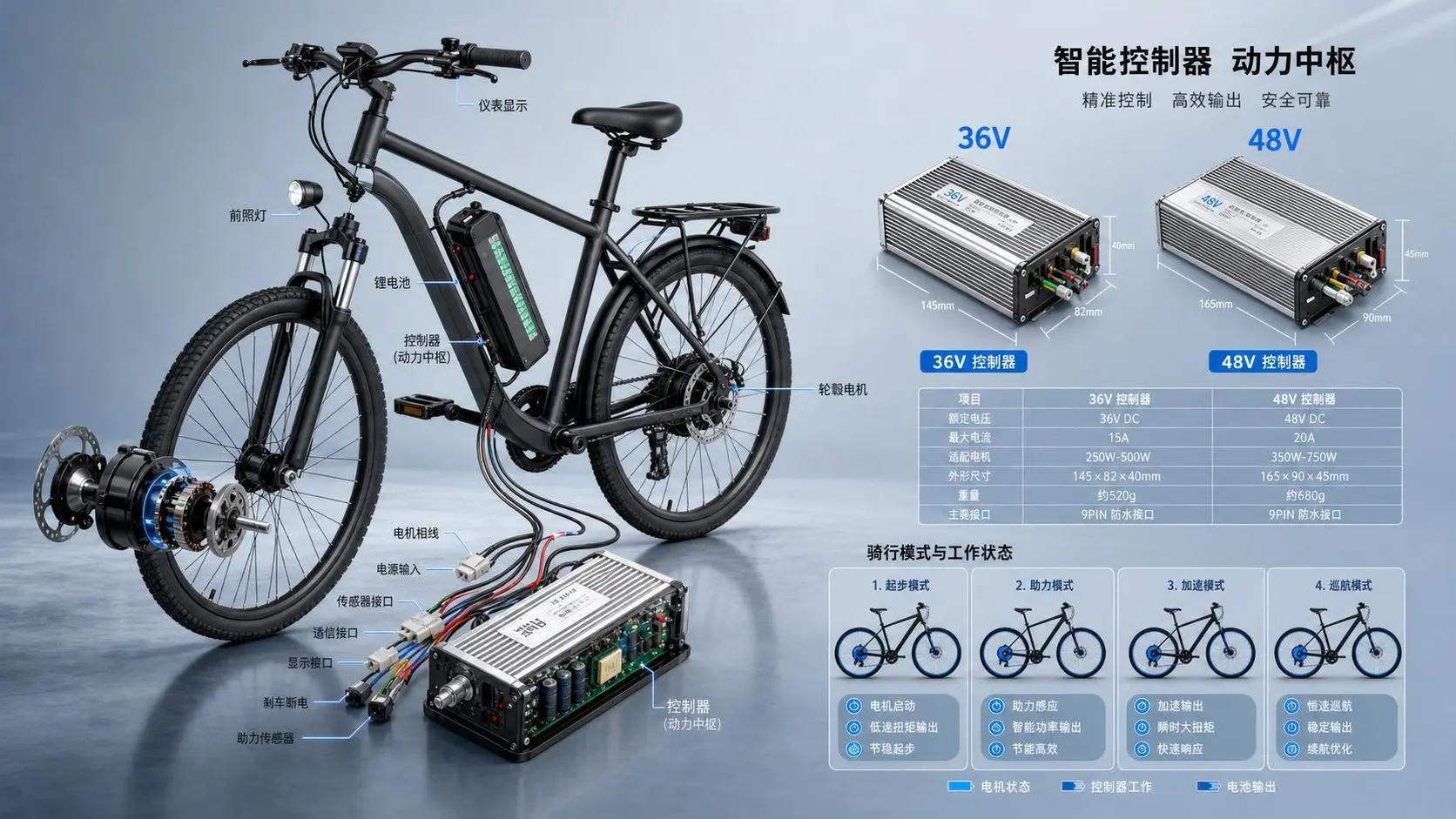
E Bike Controllers Explained: How to Match Voltage, Current, and Riding Mode
E bike controllers explained: learn how to match voltage, current, and riding mode for smoother power, safer compatibility, better efficiency, and more confident e-bike upgrades.
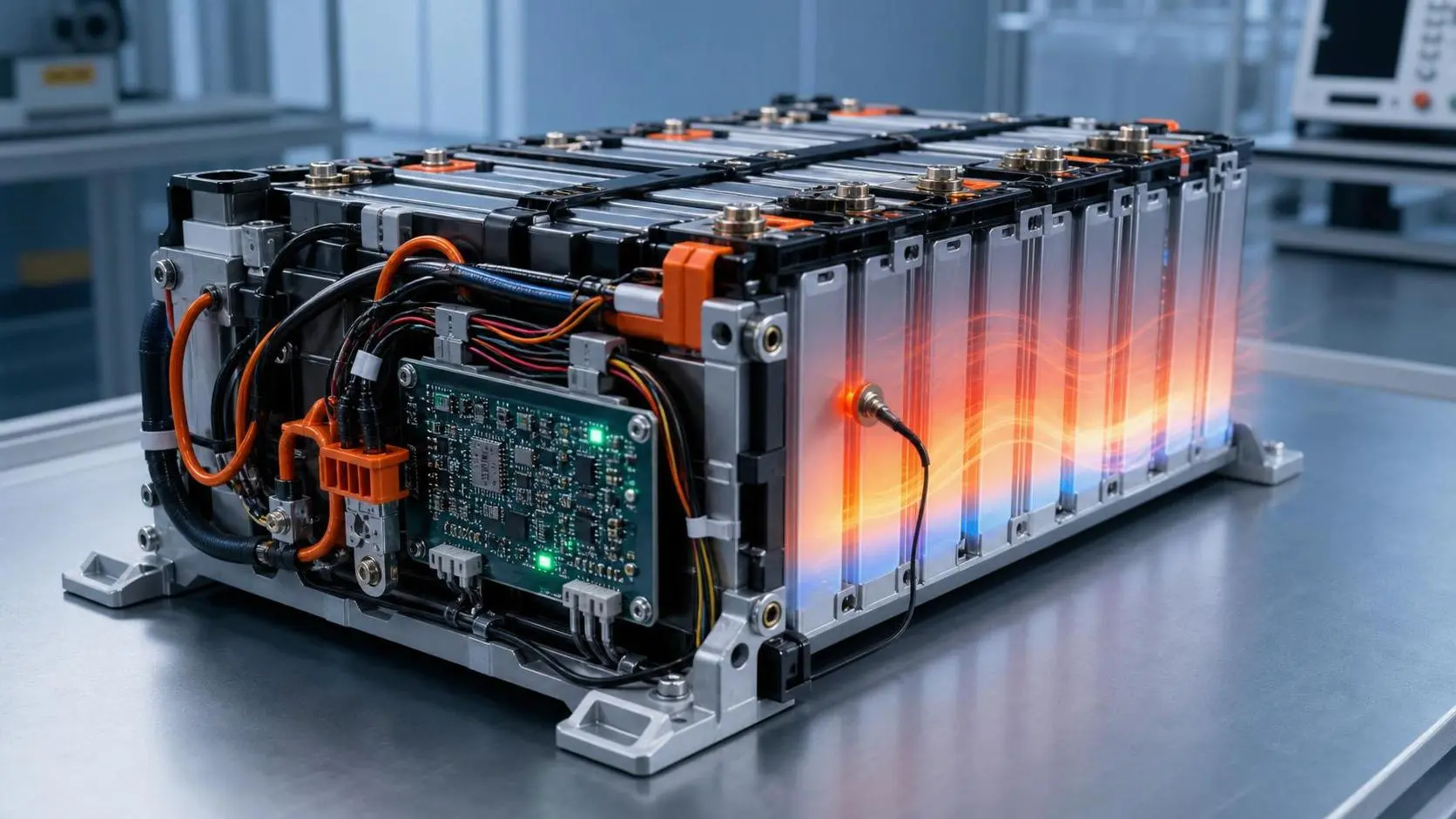
Battery Overheating Management in Light EVs: Causes, Sensors, and Control Strategies
Battery overheating management in light EVs: learn the main causes, key sensors, and proven control strategies to improve safety, reliability, and thermal compliance.
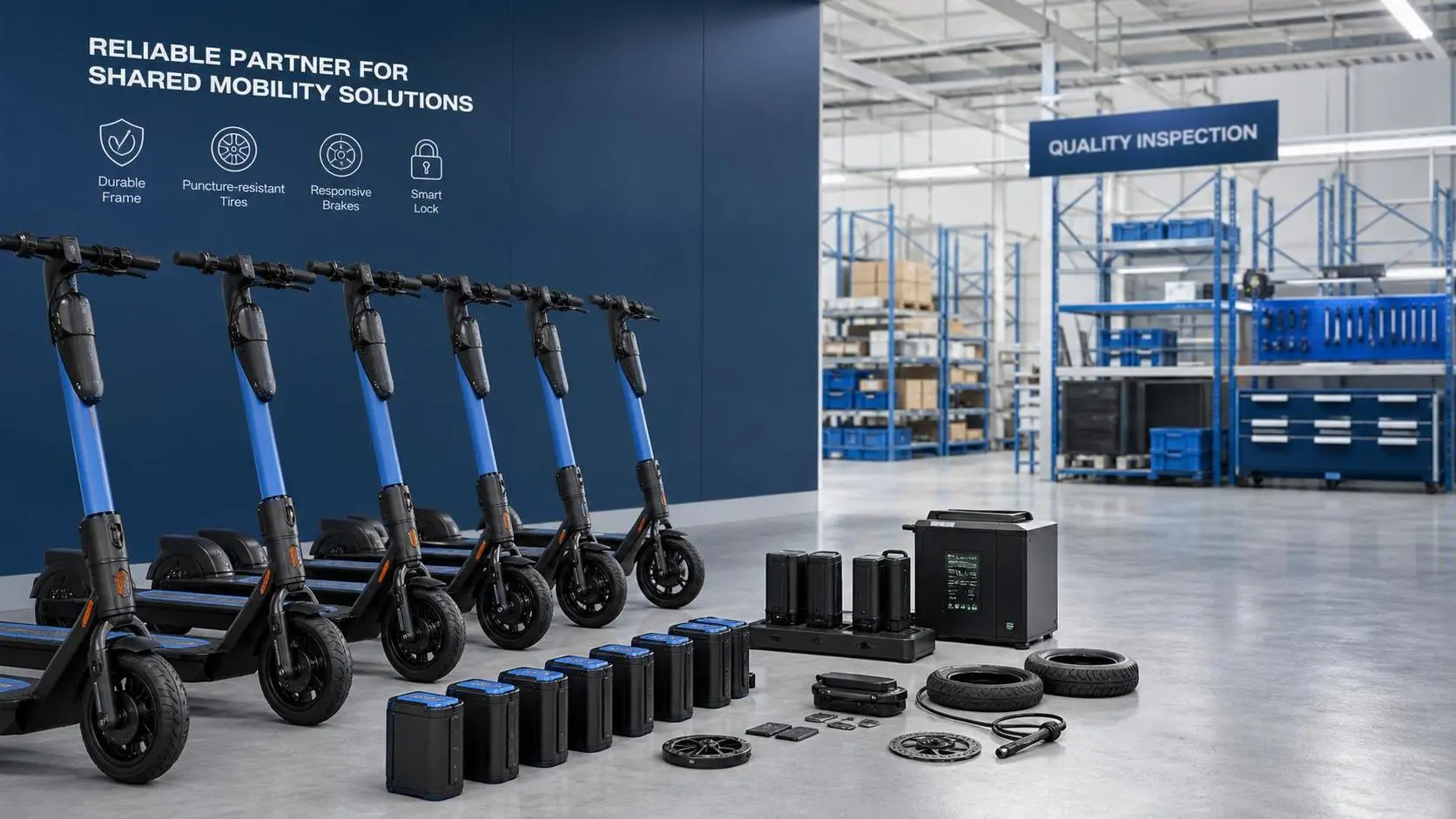
Shared Scooters Supplier Checklist: What to Compare Before Fleet Procurement
Shared scooters supplier checklist: compare total cost, durability, battery strategy, IoT, compliance, and support before fleet procurement to reduce risk and improve long-term ROI.
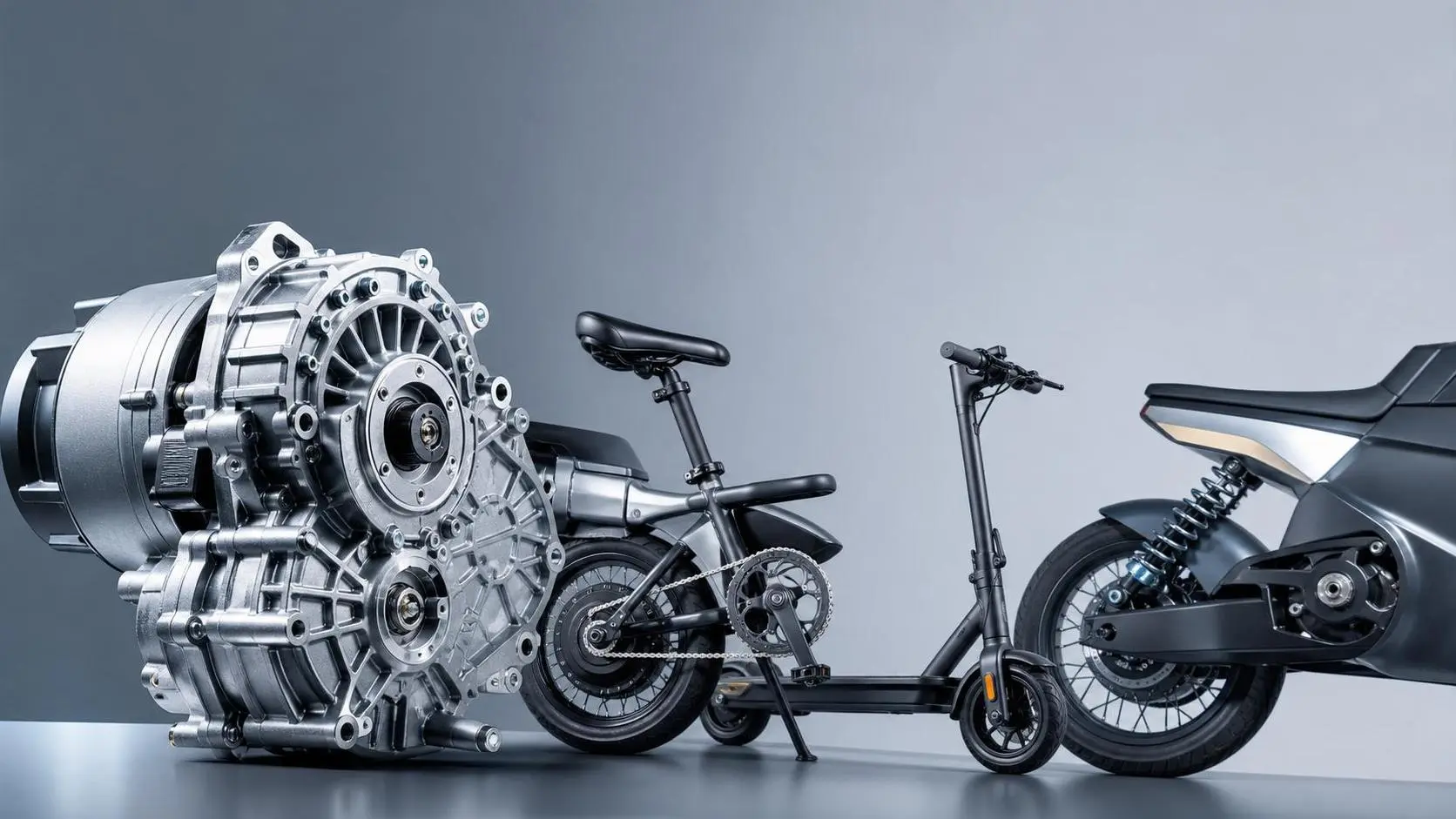
How to Choose an Electromechanical Transmission Manufacturer for E-Mobility Projects
Electromechanical transmission manufacturer selection can make or break e-mobility projects. Learn how to compare suppliers for performance, quality, compliance, and long-term value.

Electronic Derailleur Parts Guide: Compatibility, Wear Points, and Replacement Tips
Electronic derailleur parts guide covering compatibility, common wear points, and smart replacement tips. Learn how to diagnose issues faster, avoid mismatch errors, and improve shifting reliability.
How to Choose Urban Mobility Devices for Shared Use, Campus Travel, or Delivery
Urban mobility devices for shared fleets, campus travel, or delivery require the right mix of safety, uptime, battery strategy, and serviceability—discover how to choose smarter.
Micro Mobility USA Market: Key Regulations, Demand Signals, and Growth Segments
Micro mobility USA is entering a regulation-led growth phase. Explore key rules, demand signals, and top segments shaping e-bikes, scooters, and electric two-wheel opportunities.
Clean Urban Transport Options Explained: Which Modes Fit Dense City Routes?
Clean urban transport explained for dense city routes—compare e-bikes, smart e-scooters, and e-motorcycles to find the best fit for speed, comfort, range, and city compliance.
Vehicle Electrification Strategy: How to Prioritize Fleets, Charging, and ROI
Vehicle electrification strategy made practical: learn how to prioritize fleets, align charging plans, and model ROI for faster, lower-risk EV deployment.