
Related News
- 00
0000-00
Micro Mobility USA Market: Key Regulations, Demand Signals, and Growth Segments - 00
0000-00
Clean Urban Transport Options Explained: Which Modes Fit Dense City Routes? - 00
0000-00
How Micromobility Regulations Affect Fleet Permits, Speed Limits, and Parking Rules - 00
0000-00
Micro Mobility Adoption Barriers: What Stops Cities From Scaling Daily Use? - 00
0000-00
Green Mobility Demand Explained: What Is Driving Growth Across Urban Transport?
Prof. Marcus Chen
Weekly Insights
Stay ahead with our curated technology reports delivered every Monday.
Clean Urban Transport Options Explained: Which Modes Fit Dense City Routes?





Dense cities do not need one perfect vehicle. They need the right clean urban transport mix for short hops, feeder routes, weather exposure, charging limits, and local rules.
That is why clean urban transport now sits between mobility planning and technology strategy. The best option depends on route density, stop frequency, rider comfort, and operating discipline.
Across the micro-mobility landscape, e-bikes, smart e-scooters, and high-speed e-motorcycles each solve different urban gaps. Connected systems and component quality decide whether those modes stay efficient at scale.
UMMS follows this shift closely because the details matter. Battery management, drivetrain precision, scooter connectivity, and even visibility systems all shape how clean urban transport performs on dense city routes.
What does clean urban transport really mean in a dense city?
In practice, clean urban transport means more than low tailpipe emissions. It includes energy efficiency, curb space use, noise reduction, traffic flow, and safe integration with pedestrians and transit.
A dense route usually has frequent stops, mixed traffic, and short trip lengths. Under those conditions, heavy vehicles often waste energy and road space.
This is where two-wheeled electrified modes become important. They move quickly through constrained corridors and often reduce door-to-door travel time, not just line-haul time.
Still, not every low-carbon option fits every corridor. A city center with protected lanes favors light micro-mobility, while outer districts may need faster vehicles with stronger range buffers.
A useful starting question is simple: does the route demand compactness, speed, carrying ability, or all three? That answer usually narrows the clean urban transport choice quickly.
When do e-bikes, e-scooters, and e-motorcycles make the most sense?
These modes look similar from a distance, but they serve different route patterns. The more crowded the corridor, the more those distinctions matter.
E-bikes: best for balanced daily mobility
E-bikes work well when trips run about 3 to 12 kilometers and riders need comfort, flexibility, and moderate cargo support. They also perform well where cycling culture already exists.
Because pedal assist blends human input with electric power, e-bikes reduce battery strain and extend practical range. That makes them one of the most stable clean urban transport choices.
Smart e-scooters: strong for first-mile and last-mile use
Smart e-scooters fit short trips, station access, and high-turnover sharing fleets. They shine where parking space is tight and route distance is limited.
However, ride stability, pavement quality, and weather exposure matter more here. A scooter may look efficient on paper but feel unsuitable on broken streets or in heavy rain.
High-speed e-motorcycles: useful beyond the inner core
When routes stretch farther, include steeper grades, or require higher average speeds, e-motorcycles become more relevant. They bridge dense cores and peripheral districts better than lighter devices.
Their value rises when battery swapping or robust fast-charging networks exist. Without that support, utilization can drop even if the vehicle itself is capable.
The comparison below helps frame the first decision.
How should route conditions guide the clean urban transport choice?
A common mistake is choosing by vehicle category alone. The better method is to map route conditions first, then match the mode.
Start with trip length. Under about 5 kilometers, smart e-scooters and e-bikes usually dominate on convenience. Between 5 and 15 kilometers, e-bikes often become the safer long-run choice.
Then examine stop density. Frequent starts and stops favor compact, nimble vehicles, but they also increase demand on brakes, tires, controllers, and battery thermal behavior.
Road quality matters more than many early plans assume. Smooth pavement expands scooter viability, while uneven roads usually push users toward e-bikes or stronger-frame motorcycles.
Weather is another filter. Wind, heavy rain, and low visibility affect route safety and user confidence. This is why component intelligence, including sensor-supported visibility systems, deserves attention in broader clean urban transport planning.
Finally, check legal access. Some dense routes look ideal for micro-mobility but remain constrained by speed caps, parking rules, or right-of-way restrictions.
- Short, flat, high-turnover routes usually favor smart e-scooters.
- Mixed-purpose routes with comfort needs usually favor e-bikes.
- Longer or steeper corridors often justify high-speed e-motorcycles.
- Poor surface quality reduces the practical value of lighter platforms.
Is the vehicle alone enough, or do systems and components decide the outcome?
In dense cities, the system often matters as much as the vehicle. Clean urban transport succeeds when hardware, software, maintenance logic, and traffic policy work together.
This is where the UMMS perspective is useful. Micro-mobility performance is not only about the headline vehicle type, but also about powertrain efficiency, battery management, IoT visibility, and drivetrain precision.
For example, an e-bike with weak drivetrain tuning can waste energy and shorten component life. A connected scooter with poor fleet diagnostics may suffer downtime that erases its route advantage.
High-speed e-motorcycles need even tighter control of thermal management and charging rhythm. Without those foundations, dense-route reliability drops quickly.
Even adjacent technologies matter. Visibility systems, sensor logic, and durable mechanical components all support safer operation in rain, low light, and high-frequency urban use.
So the better question is not only which mode fits, but which ecosystem can keep that mode dependable over time.
What mistakes cause clean urban transport projects to underperform?
The most common mistake is assuming low emissions automatically mean high suitability. Clean urban transport only works when it matches the route, the user pattern, and the service environment.
Another frequent error is overvaluing top speed. On dense city routes, acceleration control, parking behavior, and safe interaction with other road users usually matter more.
Cost is often misread as well. A cheaper device may carry higher lifetime expense if maintenance cycles are short, batteries degrade early, or regulations limit where it can operate.
There is also a data gap problem. Route decisions based only on purchase price ignore uptime, weather sensitivity, charging bottlenecks, and utilization patterns.
A practical check table can prevent rushed choices.
So which clean urban transport mode should be evaluated first?
For most dense city routes, e-bikes are often the first mode worth evaluating. They balance energy efficiency, route flexibility, rider confidence, and infrastructure compatibility better than many alternatives.
Smart e-scooters come next when the route is very short, highly repetitive, and close to transit nodes. Their value rises when digital fleet control and orderly parking are already in place.
High-speed e-motorcycles deserve attention when cities need cleaner cross-district mobility, stronger payload support, or replacement paths for combustion two-wheelers.
The most reliable selection process is to compare route length, stop pattern, surface condition, charging logic, and compliance constraints in one framework. That is how clean urban transport becomes a measurable decision, not a trend-driven guess.
A sensible next step is to build a simple route matrix, rank the likely modes, and then review the enabling technologies behind them. Insights like those tracked by UMMS can help turn broad interest into clearer, evidence-based transport judgment.
Related News
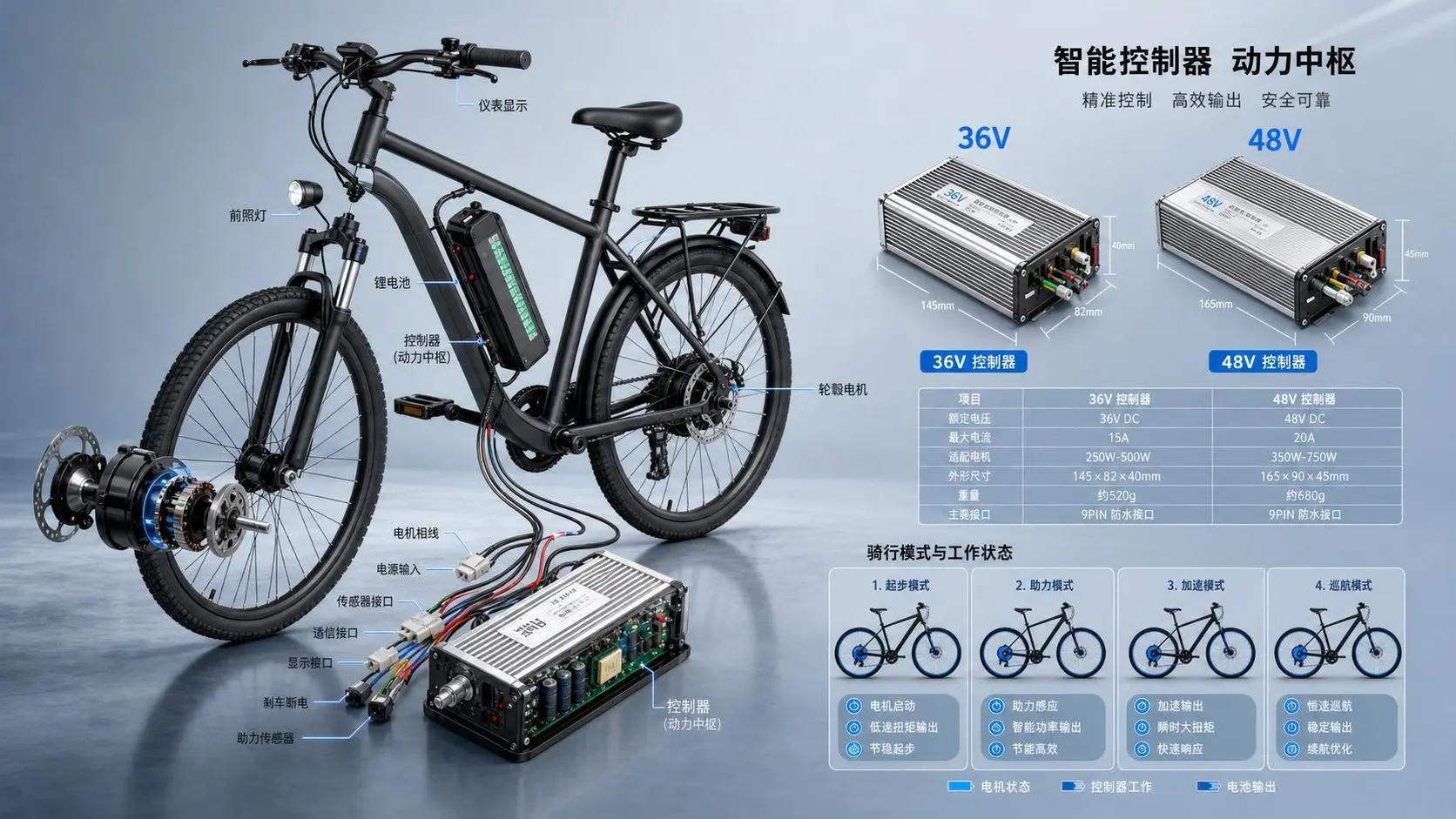
E Bike Controllers Explained: How to Match Voltage, Current, and Riding Mode
E bike controllers explained: learn how to match voltage, current, and riding mode for smoother power, safer compatibility, better efficiency, and more confident e-bike upgrades.
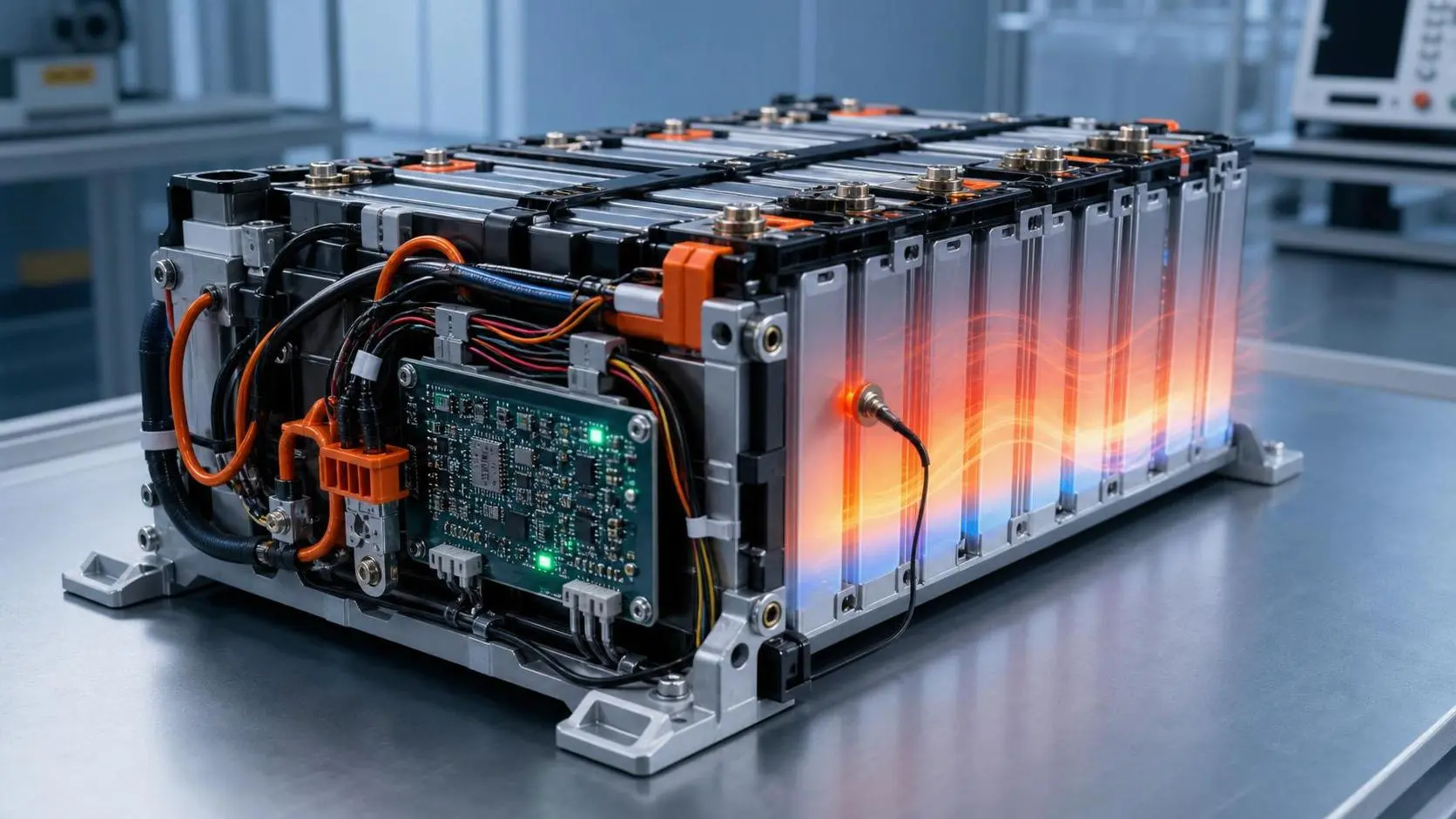
Battery Overheating Management in Light EVs: Causes, Sensors, and Control Strategies
Battery overheating management in light EVs: learn the main causes, key sensors, and proven control strategies to improve safety, reliability, and thermal compliance.
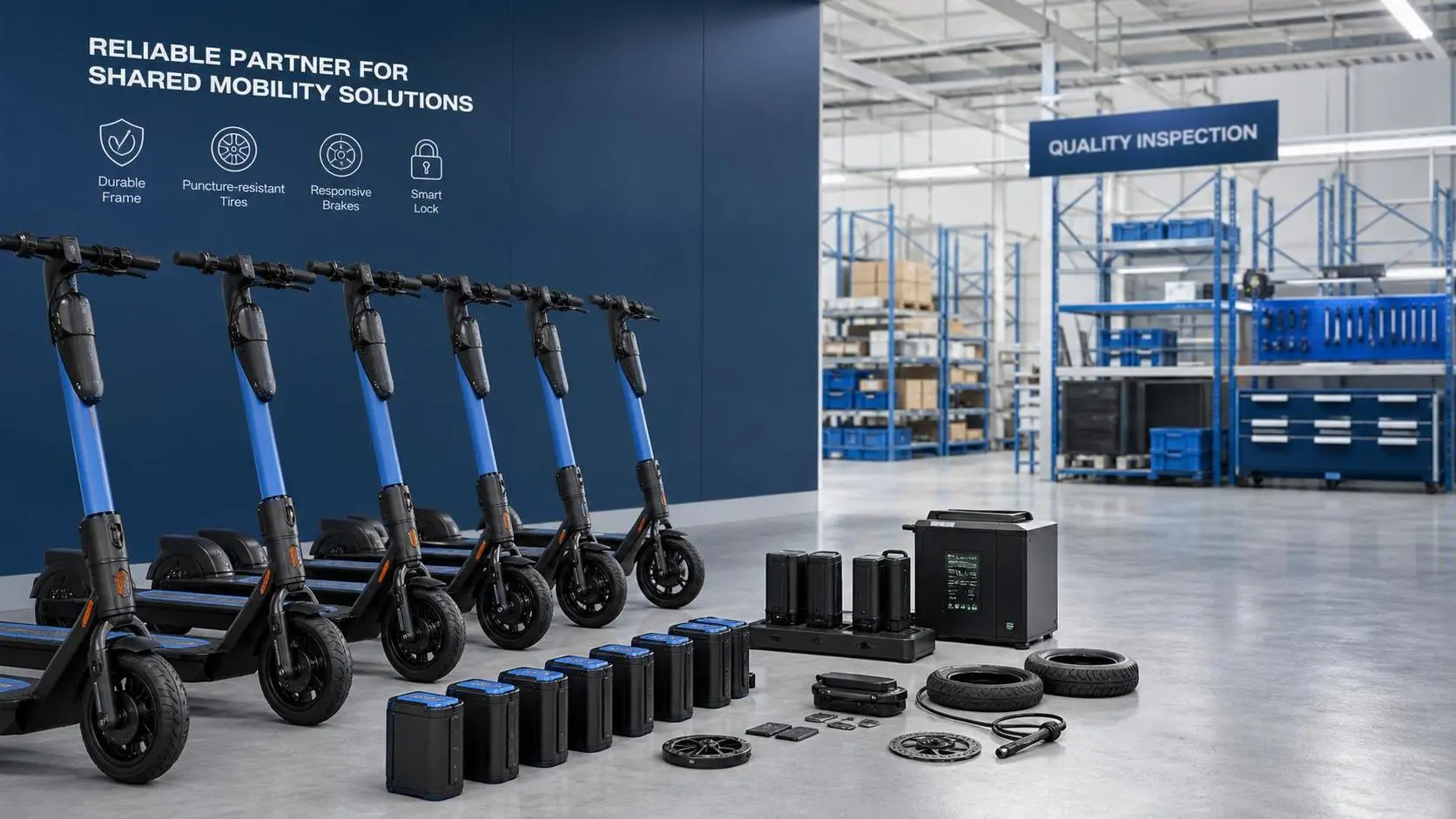
Shared Scooters Supplier Checklist: What to Compare Before Fleet Procurement
Shared scooters supplier checklist: compare total cost, durability, battery strategy, IoT, compliance, and support before fleet procurement to reduce risk and improve long-term ROI.
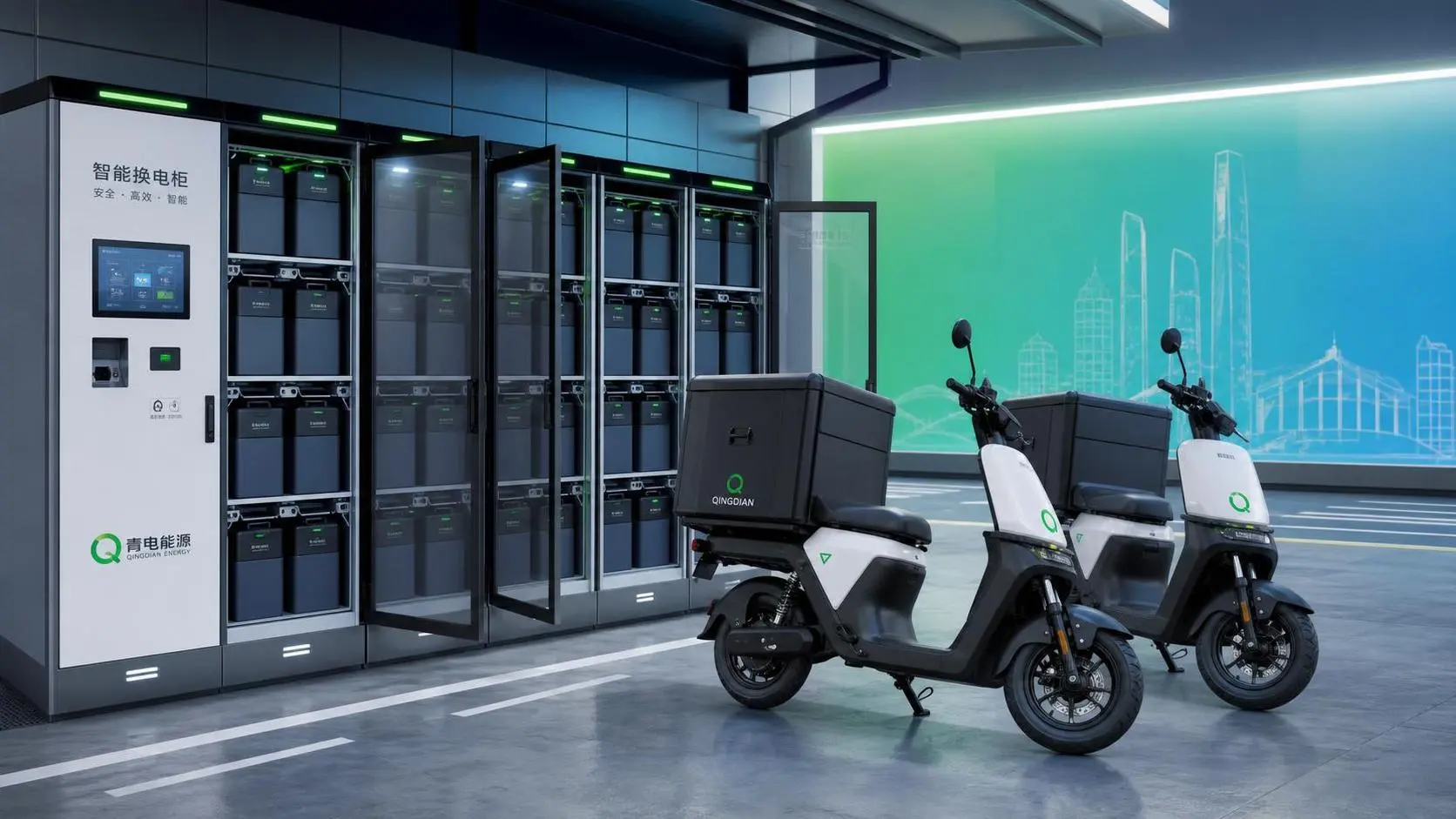
Battery-Swapping Networks for Motorcycles: Key Cost Drivers and Deployment Models
Battery-swapping networks motorcycles explained: explore key cost drivers, utilization risks, and deployment models shaping profitable electric two-wheeler infrastructure.
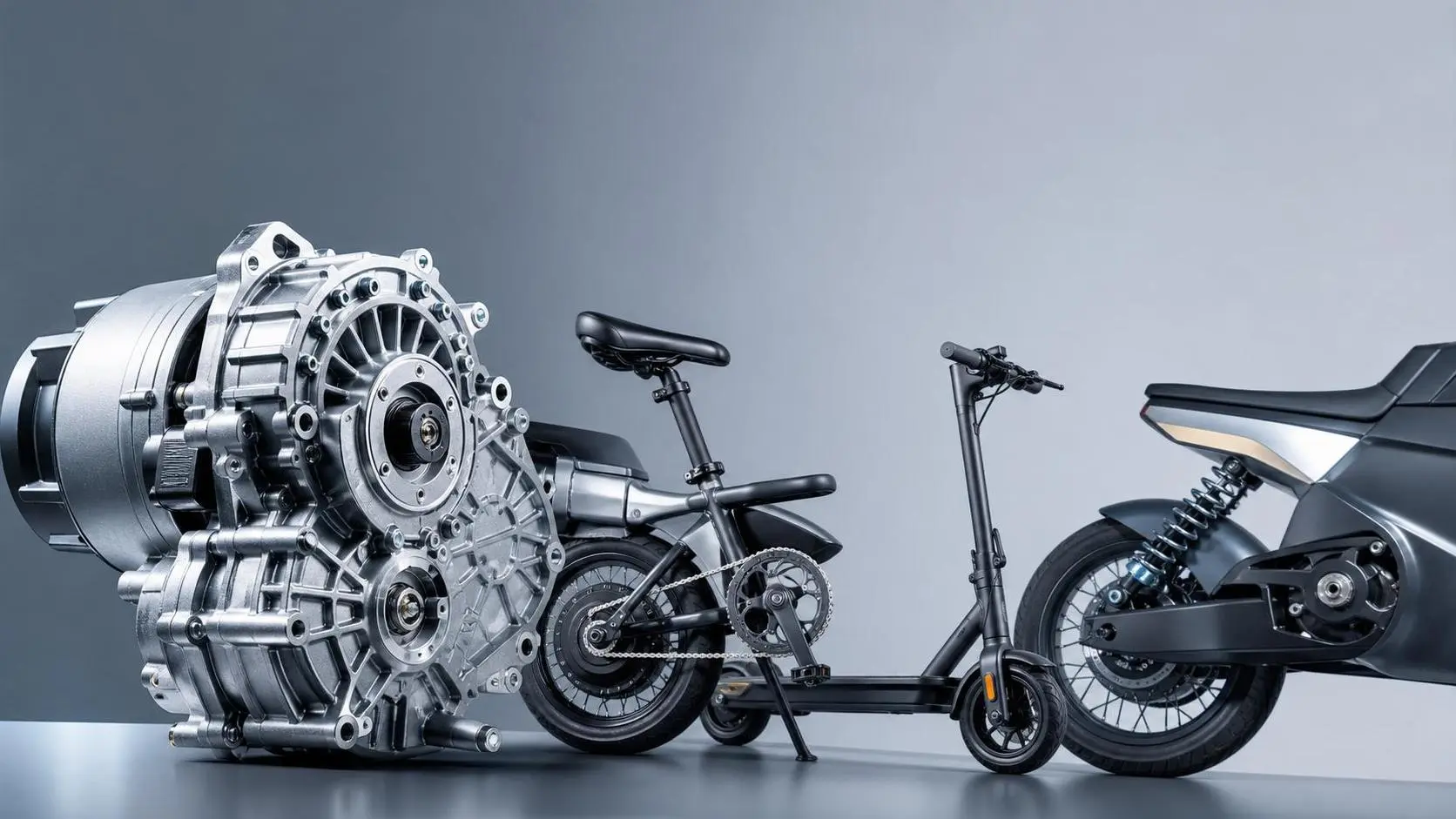
How to Choose an Electromechanical Transmission Manufacturer for E-Mobility Projects
Electromechanical transmission manufacturer selection can make or break e-mobility projects. Learn how to compare suppliers for performance, quality, compliance, and long-term value.
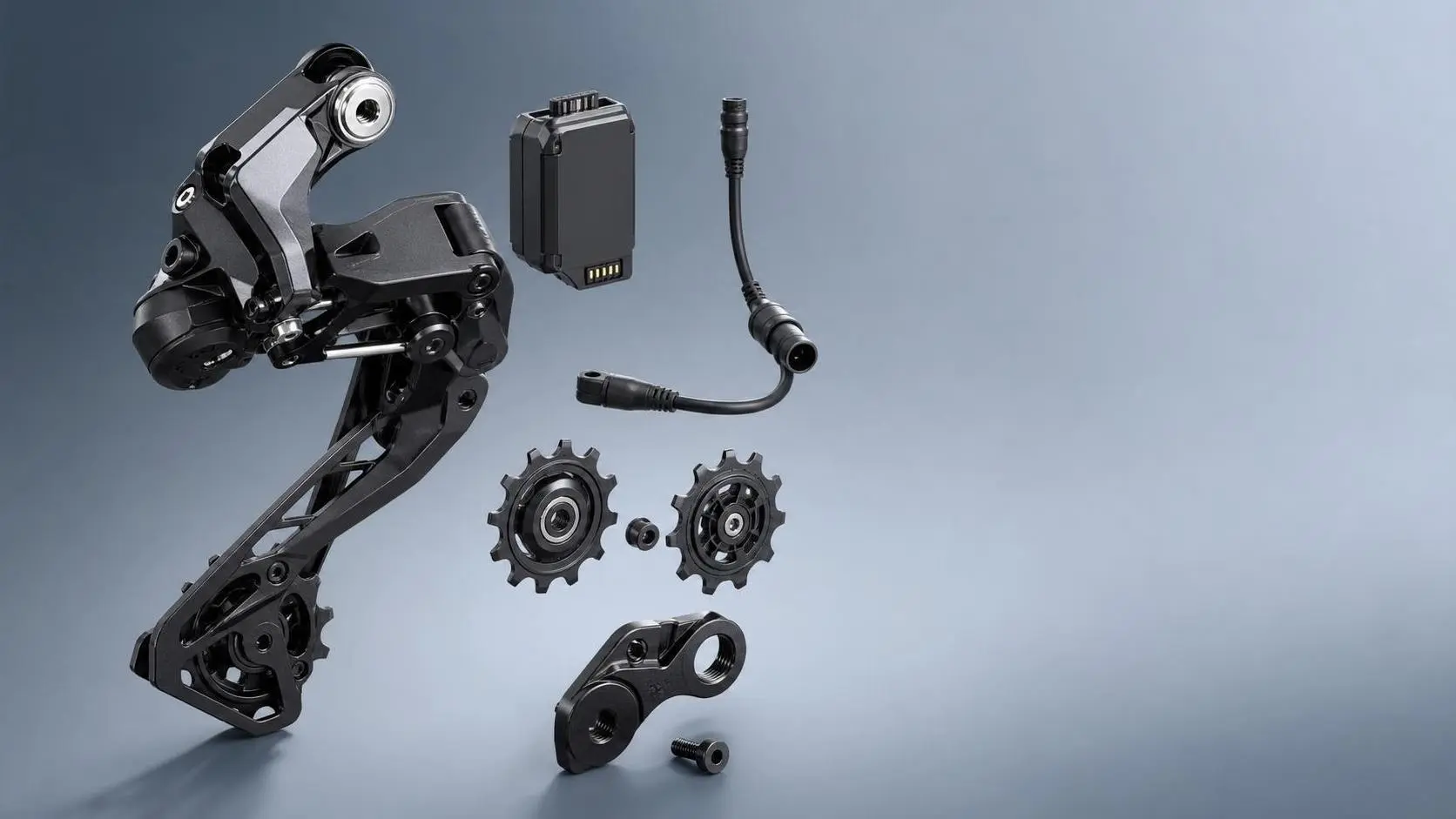
Electronic Derailleur Parts Guide: Compatibility, Wear Points, and Replacement Tips
Electronic derailleur parts guide covering compatibility, common wear points, and smart replacement tips. Learn how to diagnose issues faster, avoid mismatch errors, and improve shifting reliability.
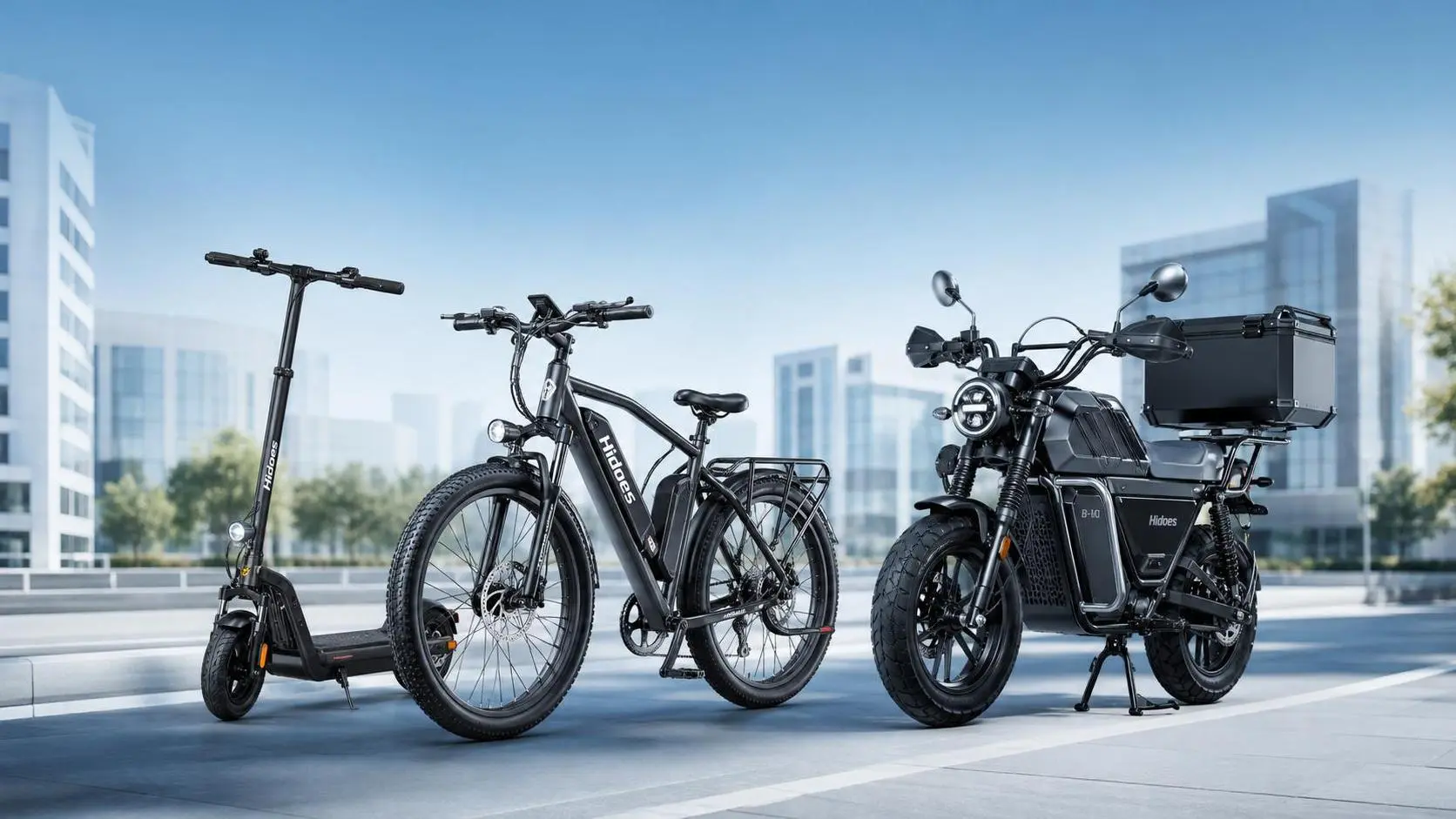
How to Choose Urban Mobility Devices for Shared Use, Campus Travel, or Delivery
Urban mobility devices for shared fleets, campus travel, or delivery require the right mix of safety, uptime, battery strategy, and serviceability—discover how to choose smarter.
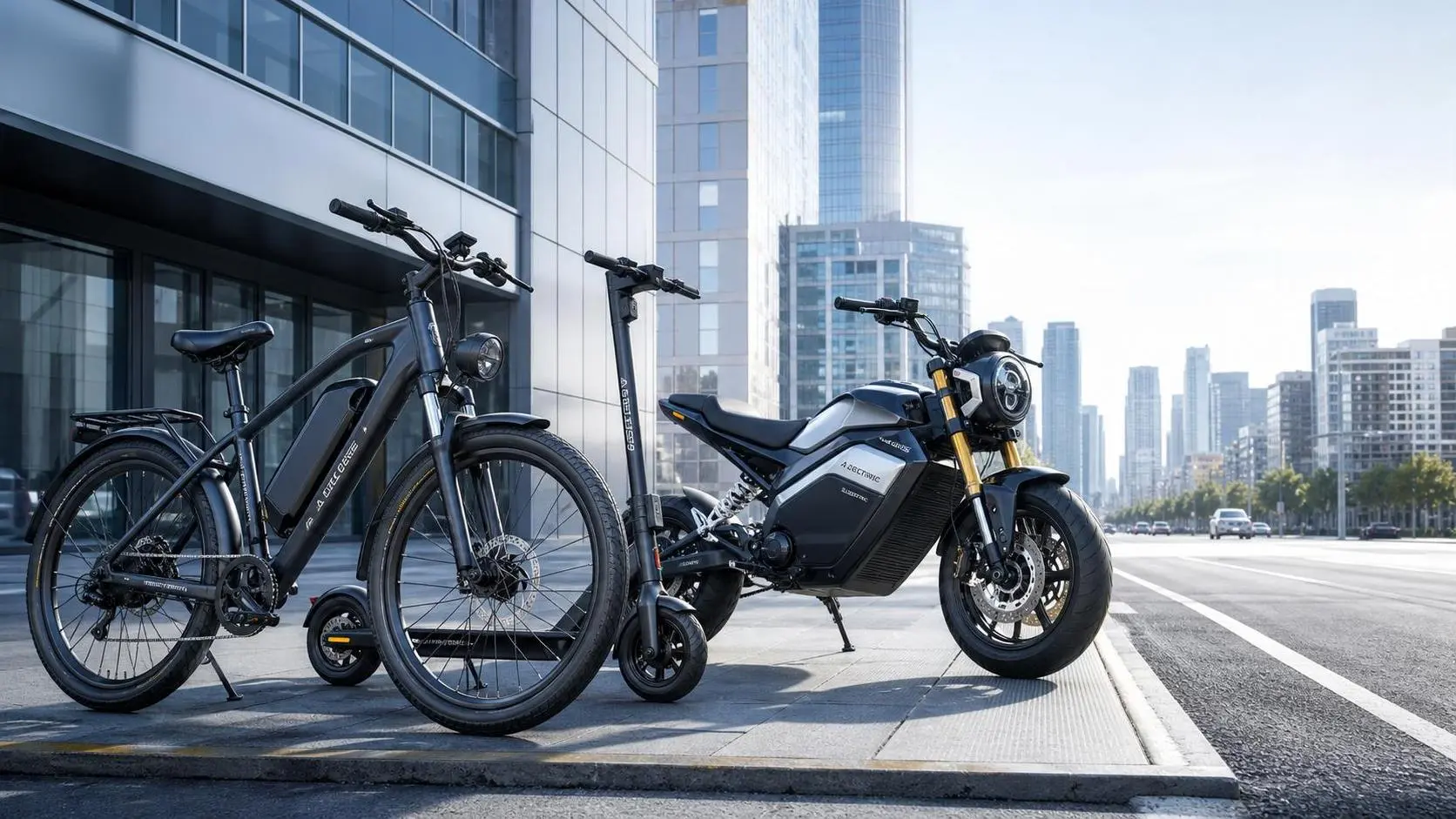
Micro Mobility USA Market: Key Regulations, Demand Signals, and Growth Segments
Micro mobility USA is entering a regulation-led growth phase. Explore key rules, demand signals, and top segments shaping e-bikes, scooters, and electric two-wheel opportunities.
Vehicle Electrification Strategy: How to Prioritize Fleets, Charging, and ROI
Vehicle electrification strategy made practical: learn how to prioritize fleets, align charging plans, and model ROI for faster, lower-risk EV deployment.