
Related News
- 00
0000-00
How to Choose an Electromechanical Transmission Manufacturer for E-Mobility Projects - 00
0000-00
Derailleur Skipping Gears: 7 Common Causes and How to Fix Each One - 00
0000-00
Bicycle Derailleur Selection: Gear Range, Cage Length, and Compatibility - 00
0000-00
What Precision Drivetrain Architects Check Before Choosing E-Bike Gear Systems - 00
0000-00
How does a bicycle derailleur affect shifting accuracy?
Precision Drivetrain Architect
Weekly Insights
Stay ahead with our curated technology reports delivered every Monday.
How to Choose an Electromechanical Transmission Manufacturer for E-Mobility Projects





How to Choose an Electromechanical Transmission Manufacturer for E-Mobility Projects
Choosing the right electromechanical transmission manufacturer can shape cost, reliability, and launch speed across an e-mobility program.
That is especially true in e-bikes, smart e-scooters, and high-speed e-motorcycles, where drivetrain efficiency affects both user experience and product reputation.
In practical sourcing work, the decision is rarely about unit price alone.
A capable electromechanical transmission manufacturer should support engineering validation, stable output, regulatory readiness, and long-term supply resilience.
This guide breaks down how to evaluate suppliers with a clear, decision-focused approach.
Why the Manufacturer Choice Matters More in E-Mobility
Micro-mobility products face a tighter balance of weight, torque, noise, heat, and battery efficiency than many traditional systems.
Because of that, an electromechanical transmission manufacturer is not just a parts vendor.
It becomes part of the product-performance chain.
A weak match can lead to energy loss, vibration, premature wear, difficult assembly, or field failures in demanding urban conditions.
A strong match usually improves ride feel, extends service life, and lowers warranty pressure.
From recent market shifts, the clearer signal is that buyers now need suppliers who can adapt to rapid design changes.
Battery layouts, controller logic, lightweight frames, and connected modules continue to evolve.
This also means the best electromechanical transmission manufacturer must be comfortable with cross-functional collaboration.
Start with Application Fit, Not Catalog Size
Many supplier lists look impressive on paper, but range alone does not guarantee fit.
First, define the operating context of the project in measurable terms.
- Target vehicle type and power class
- Torque, speed, and duty cycle requirements
- Weight, noise, and space constraints
- Environmental exposure, including water, dust, and temperature swings
- Expected service life and maintenance model
Then compare suppliers against those real conditions, not against generic product sheets.
A qualified electromechanical transmission manufacturer should explain why a design works in a specific e-mobility use case.
That includes gear design, motor pairing, sealing strategy, material choice, and efficiency trade-offs.
If the discussion stays at brochure level, that is usually a warning sign.
Evaluate Engineering Depth Early
A dependable electromechanical transmission manufacturer should show strong engineering ownership from the first technical review.
This matters because early design decisions often affect tooling, thermal performance, and assembly consistency later.
Useful evaluation questions include the following.
- Can the team support DFM and DFA feedback?
- Do they provide simulation or test data for efficiency, NVH, and durability?
- How do they control tolerance stack-up across mechanical and electrical interfaces?
- Can they co-develop custom transmission solutions when standard parts fall short?
- How quickly can they revise drawings and samples?
In fast-moving mobility programs, responsiveness often becomes a hidden cost driver.
A slower electromechanical transmission manufacturer may look cheaper at quotation stage, yet delay validation and launch.
Check Manufacturing Stability, Not Just Capacity Claims
Production capacity is important, but stable capacity is what protects delivery performance.
When assessing an electromechanical transmission manufacturer, look beyond monthly output numbers.
Focus on process control, bottleneck management, and consistency across batches.
- Critical process control for gears, shafts, housings, and motor interfaces
- Incoming material inspection and supplier qualification methods
- Traceability from raw material to finished lot
- Pilot-run performance before mass production
- Backup plans for machining, assembly, and key subcomponents
In real sourcing decisions, one of the most useful signals is defect containment discipline.
A mature electromechanical transmission manufacturer should explain how it handles deviation, root-cause analysis, and corrective action.
If quality language sounds vague, future risks usually are not.
Compliance and Certification Should Be Built In
E-mobility supply chains operate across multiple regions, each with its own regulatory expectations.
That is why compliance cannot be treated as a final checklist item.
A reliable electromechanical transmission manufacturer should already understand the standards relevant to your destination markets.
Depending on the product, that may include material compliance, safety validation, environmental directives, and test documentation.
It is also worth checking how document control is managed.
Missing declarations, outdated test records, or unclear revision history can slow customs clearance and customer approval.
In short, compliance readiness is part of supply reliability.
Review Cost Through Total Ownership
Price comparisons are necessary, but they should not drive the full decision.
The better question is which electromechanical transmission manufacturer delivers the best total cost of ownership.
That calculation should include more than purchase price.
Sometimes the higher quote comes from a more capable electromechanical transmission manufacturer with lower lifecycle risk.
That trade-off is often worth it when platform stability matters.
Assess Supply Chain Resilience and Communication
Recent disruptions have made one thing very clear.
A strong electromechanical transmission manufacturer must also be a resilient operations partner.
Ask how key materials and subcomponents are sourced.
Review dependency on single-source items, logistics routes, and regional concentration risks.
Communication quality matters just as much.
In actual business operations, delays often grow when updates are incomplete or overly optimistic.
A trustworthy electromechanical transmission manufacturer provides realistic lead times, quick escalation paths, and transparent problem reporting.
Use a Practical Supplier Scorecard
To avoid subjective decisions, convert evaluation points into a weighted scorecard.
This keeps discussions grounded when several teams are involved.
- Application fit and performance evidence
- Engineering capability and response speed
- Quality systems and traceability
- Compliance readiness
- Capacity stability and scaling ability
- Total cost of ownership
- Supply chain resilience and communication quality
When comparing candidates, the best electromechanical transmission manufacturer is usually the one with balanced strength across all categories.
A single strong point rarely offsets repeated weaknesses elsewhere.
Final Takeaway for Better Supplier Decisions
Choosing an electromechanical transmission manufacturer for e-mobility projects requires a broader lens than cost comparison.
The right decision comes from matching application needs with engineering depth, quality discipline, compliance readiness, and supply stability.
For programs in e-bikes, smart e-scooters, and high-speed e-motorcycles, that balance supports better efficiency, smoother launches, and lower long-term risk.
A simple next step is to build a shortlist, request technical evidence, run a pilot evaluation, and score each electromechanical transmission manufacturer against the same decision framework.
That process creates clearer choices and stronger supplier partnerships as e-mobility platforms continue to evolve.
Related News
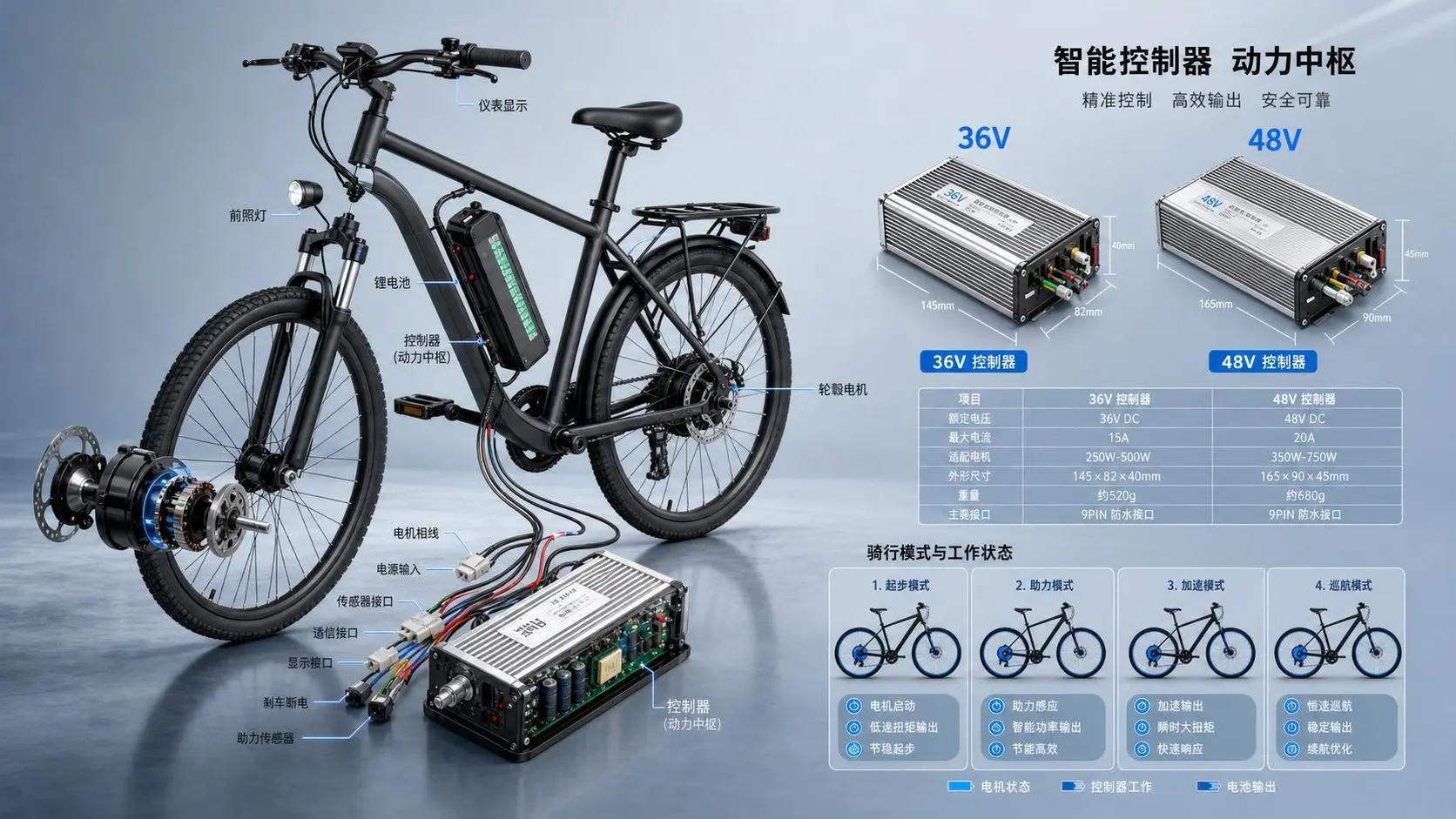
E Bike Controllers Explained: How to Match Voltage, Current, and Riding Mode
E bike controllers explained: learn how to match voltage, current, and riding mode for smoother power, safer compatibility, better efficiency, and more confident e-bike upgrades.

Battery Overheating Management in Light EVs: Causes, Sensors, and Control Strategies
Battery overheating management in light EVs: learn the main causes, key sensors, and proven control strategies to improve safety, reliability, and thermal compliance.
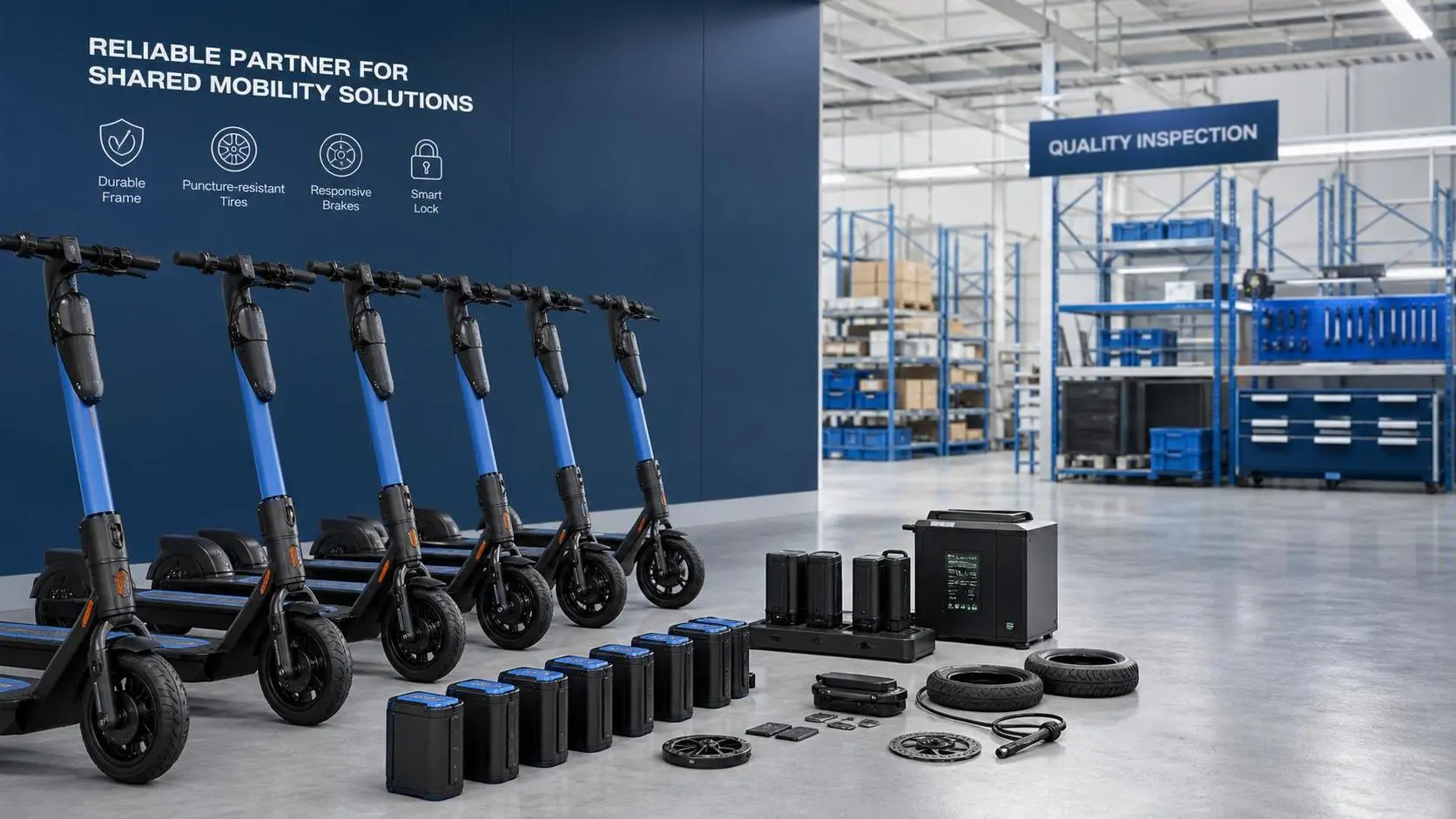
Shared Scooters Supplier Checklist: What to Compare Before Fleet Procurement
Shared scooters supplier checklist: compare total cost, durability, battery strategy, IoT, compliance, and support before fleet procurement to reduce risk and improve long-term ROI.

Battery-Swapping Networks for Motorcycles: Key Cost Drivers and Deployment Models
Battery-swapping networks motorcycles explained: explore key cost drivers, utilization risks, and deployment models shaping profitable electric two-wheeler infrastructure.
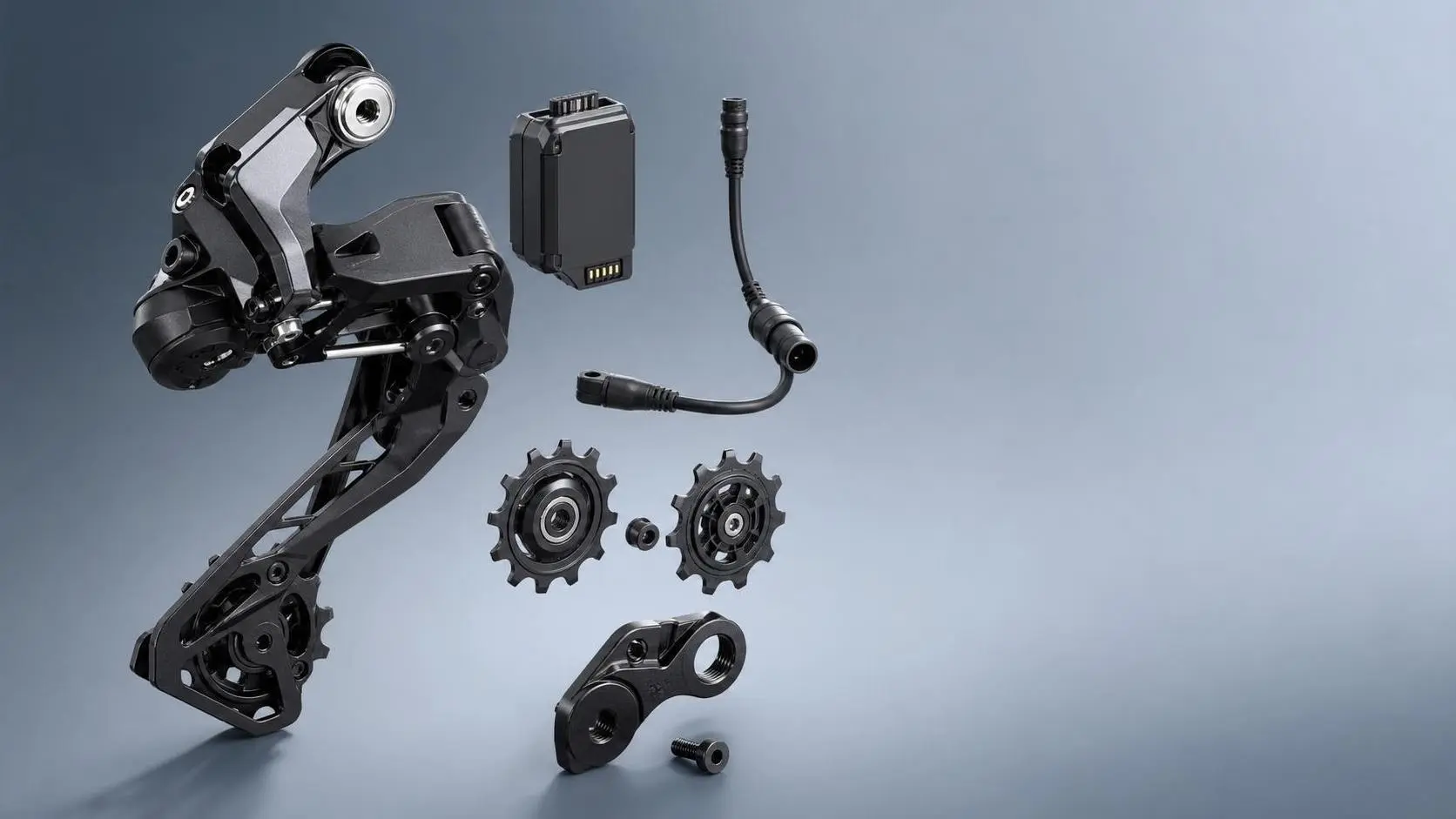
Electronic Derailleur Parts Guide: Compatibility, Wear Points, and Replacement Tips
Electronic derailleur parts guide covering compatibility, common wear points, and smart replacement tips. Learn how to diagnose issues faster, avoid mismatch errors, and improve shifting reliability.
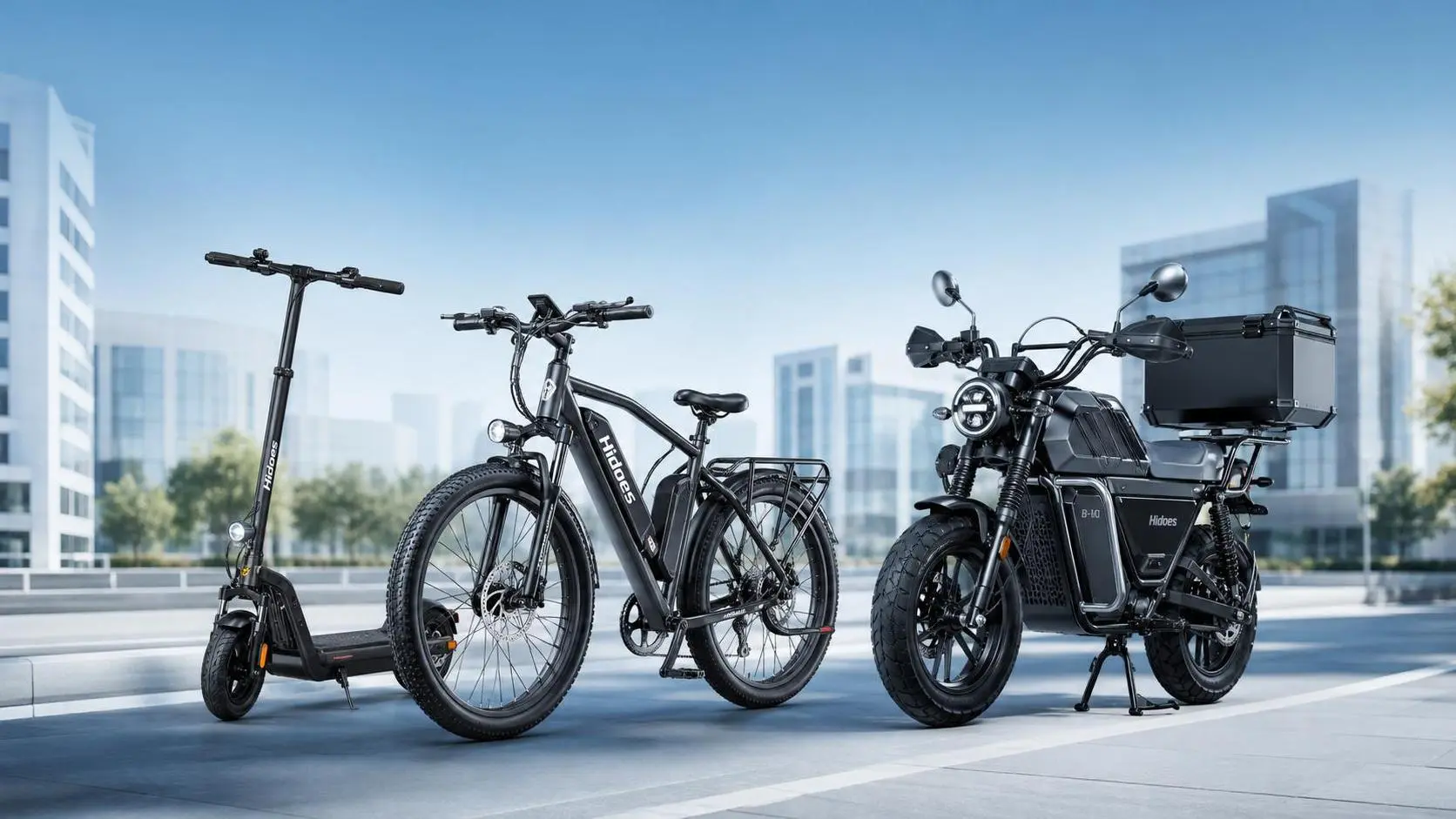
How to Choose Urban Mobility Devices for Shared Use, Campus Travel, or Delivery
Urban mobility devices for shared fleets, campus travel, or delivery require the right mix of safety, uptime, battery strategy, and serviceability—discover how to choose smarter.
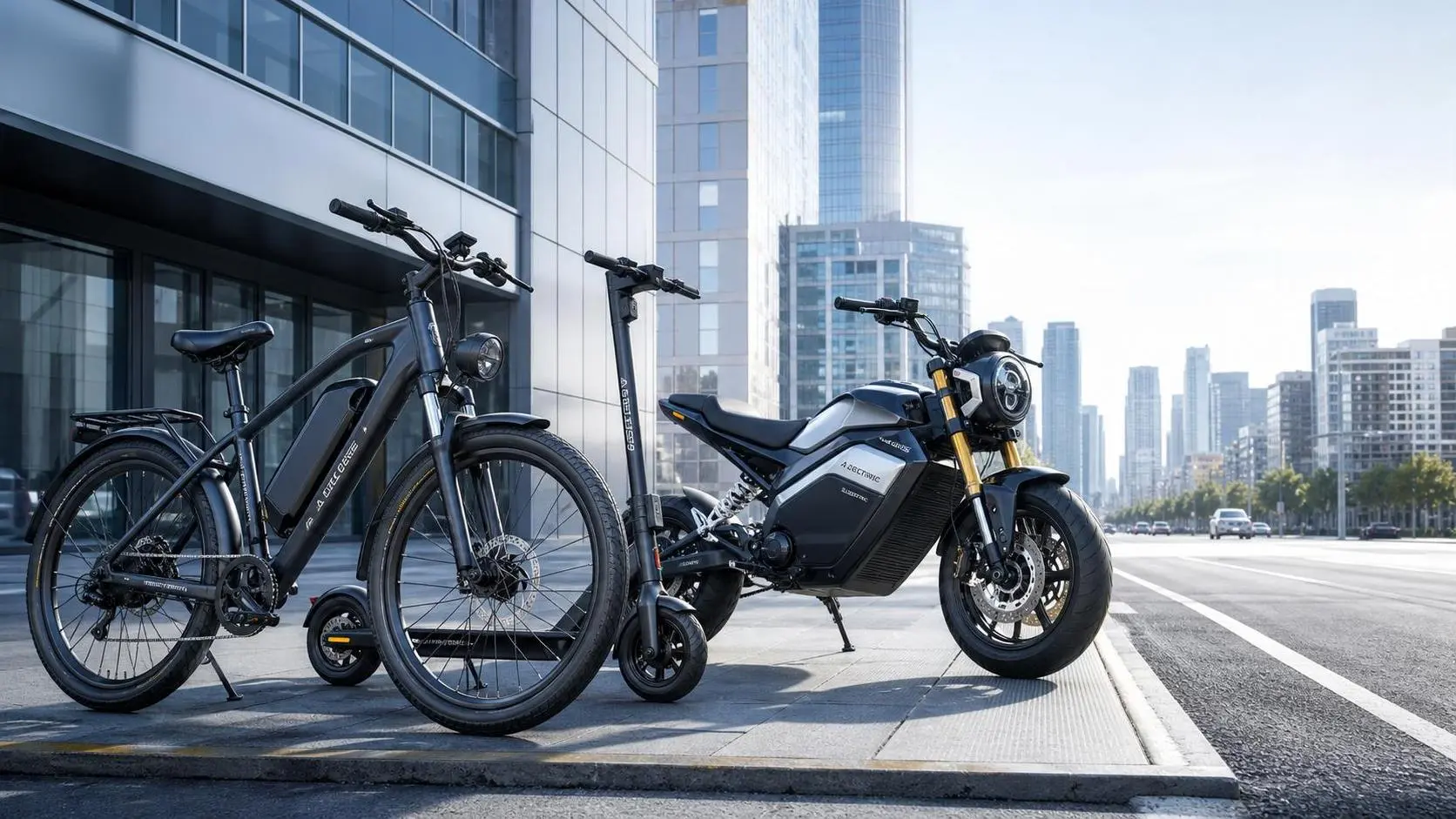
Micro Mobility USA Market: Key Regulations, Demand Signals, and Growth Segments
Micro mobility USA is entering a regulation-led growth phase. Explore key rules, demand signals, and top segments shaping e-bikes, scooters, and electric two-wheel opportunities.
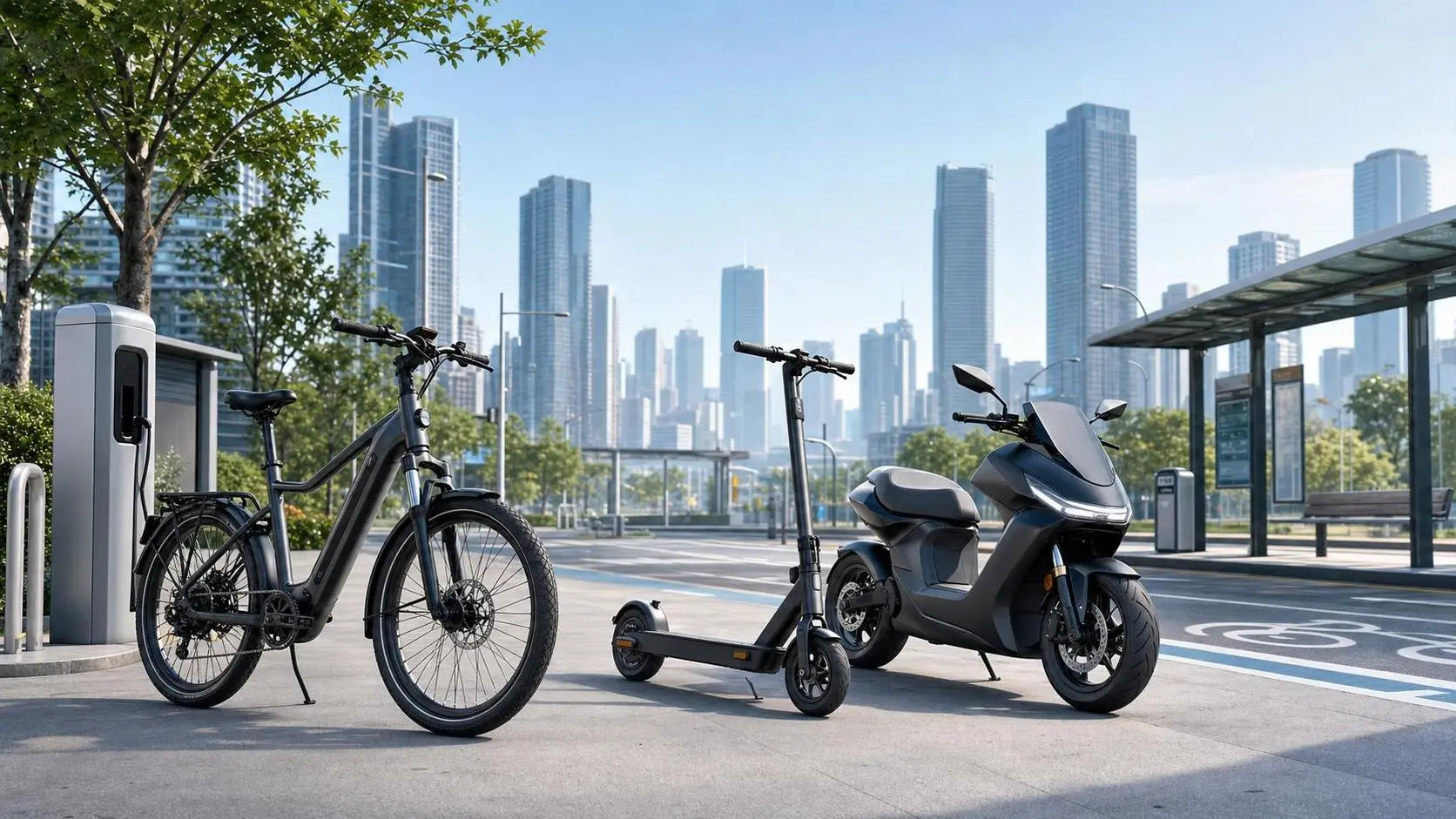
Clean Urban Transport Options Explained: Which Modes Fit Dense City Routes?
Clean urban transport explained for dense city routes—compare e-bikes, smart e-scooters, and e-motorcycles to find the best fit for speed, comfort, range, and city compliance.

Vehicle Electrification Strategy: How to Prioritize Fleets, Charging, and ROI
Vehicle electrification strategy made practical: learn how to prioritize fleets, align charging plans, and model ROI for faster, lower-risk EV deployment.