
Related News
- 00
0000-00
Electric Drivetrain Systems Factory Audit Checklist: Key Quality Points Before Sourcing - 00
0000-00
Electric Drivetrain Components Explained: Key Parts, Functions, and Failure Points - 00
0000-00
How to Evaluate a Drivetrain Architecture Provider for E-bike and Scooter Programs - 00
0000-00
Precision Drivetrain Tuning Explained: Key Adjustments for Smoother Shifting - 00
0000-00
Powertrain Heat Management Explained: Key Design Factors for EV Efficiency and Battery Life
Precision Drivetrain Architect
Weekly Insights
Stay ahead with our curated technology reports delivered every Monday.
Electric Drivetrain Systems Factory Audit Checklist: Key Quality Points Before Sourcing





Electric Drivetrain Systems Factory Audit Checklist: Key Quality Points Before Sourcing
Before placing orders, buyers need more than a polished quotation sheet.
They need a realistic view of how an electric drivetrain systems factory manages quality, process stability, and delivery risk.
That matters even more in micro-mobility, where motors, gearboxes, controllers, and assembly tolerances directly shape ride feel, safety, and warranty cost.
A capable supplier should show repeatable output, not just good samples.
This checklist focuses on the quality points that deserve attention before sourcing.
It also helps compare one electric drivetrain systems factory against another using practical audit signals.
Start With Factory Scope and Manufacturing Fit
The first question is simple: what does the factory actually make in-house?
Some suppliers present themselves as a full electric drivetrain systems factory, but outsource key steps.
That is not automatically bad.
The risk appears when outsourced parts are weakly controlled or poorly traced.
- Confirm whether motor winding, rotor balancing, gear cutting, controller programming, and final assembly are internal.
- Check production flow from incoming materials to end-of-line testing.
- Review actual monthly capacity by product family, not only total output claims.
- Verify whether pilot runs and mass production use the same process route.
In practice, manufacturing fit often matters more than factory size.
A smaller electric drivetrain systems factory with stable process control can outperform a larger site chasing many unrelated categories.
Review Core Component Quality Controls
Electric drivetrains fail in predictable places.
Most problems come from heat, tolerance drift, contamination, software mismatch, or assembly variation.
That is why a factory audit should go component by component.
Motor Section
- Ask for copper wire specifications, insulation class, and winding consistency records.
- Check magnet grade, adhesive process, and rotor balance control.
- Review no-load current, efficiency map, torque test, and temperature rise data.
- Verify bearing brand approval and grease application standards.
Gearbox and Transmission Section
- Inspect gear material certificates and heat treatment records.
- Confirm backlash, tooth profile, concentricity, and noise inspection limits.
- Check lubrication type, dosage method, and contamination prevention.
- Request gearbox life test results under rated and peak load.
Controller and Wiring Section
- Review firmware version control and parameter lock procedures.
- Check connector sealing, harness pull force, and polarity error prevention.
- Verify EMC, overcurrent, thermal protection, and water resistance validation.
A strong electric drivetrain systems factory can explain these controls quickly and with records.
Vague answers usually signal process weakness.
Check Process Discipline on the Production Floor
A clean presentation room tells very little.
The production floor shows whether the electric drivetrain systems factory can repeat quality at scale.
Look for discipline, not decoration.
- Material identification: parts should be clearly labeled by lot, status, and revision.
- Tool control: torque tools need calibration records and real-use verification.
- Work instructions: operators should follow visual standards that match the latest engineering release.
- Error proofing: poka-yoke devices should prevent connector mix-up and wrong component loading.
- Line segregation: rework units should never blend into normal output.
Pay attention to operator behavior.
If workers rely on memory for critical torque, grease, or wiring steps, consistency will eventually break.
This is especially relevant for drivetrain assemblies used in e-bikes, smart e-scooters, and high-speed e-motorcycles.
Audit Testing Capability, Not Just Test Equipment
Many suppliers own test rigs.
Fewer know how to use them well.
The gap between equipment ownership and testing capability can be costly.
An audit should cover incoming inspection, in-process checks, and end-of-line validation.
Ask to see failed samples and corrective actions.
A mature electric drivetrain systems factory treats failures as learning inputs, not hidden embarrassment.
Traceability, Documentation, and Change Control Matter More Than Buyers Expect
A factory may ship good parts today and still become a sourcing problem later.
The usual trigger is uncontrolled change.
That can involve magnets, MOSFETs, bearings, gears, firmware, or even grease suppliers.
When auditing an electric drivetrain systems factory, document control should be a major checkpoint.
- Confirm batch traceability from raw material to finished serial number.
- Review engineering change notice procedures and approval flow.
- Check whether software versions are linked to production lots.
- Verify retention period for quality records and test history.
- Ask how suspect stock is locked and released.
This point becomes critical during warranty analysis.
Without traceability, root cause work turns slow, expensive, and political.
Assess Supplier Quality Management and Response Speed
A factory audit is also a stress test of management behavior.
The question is not whether defects exist.
The question is how fast the team sees them, contains them, and prevents recurrence.
Useful signals include the following:
- Clear KPI tracking for PPM, first-pass yield, returns, and on-time delivery.
- Structured corrective action methods such as 8D, 5 Why, or fishbone analysis.
- Regular supplier audits for outsourced machining, electronics, or casting vendors.
- Dedicated quality engineers who can discuss technical issues directly.
From a procurement angle, response speed affects total cost.
A cheaper electric drivetrain systems factory can become expensive when issue closure drags for weeks.
Compare Cost Structure Without Ignoring Hidden Risk
Unit price remains important, especially in competitive mobility segments.
Still, factory audits often reveal where low pricing comes from.
Sometimes it comes from scale and process maturity.
Sometimes it comes from thin testing, weak materials, or unstable subcontracting.
During evaluation, compare these cost-related factors:
- Scrap and rework rate inside the plant.
- Warranty reserve assumptions.
- Tooling ownership and maintenance responsibility.
- Lead time stability across peak season demand.
- Spare parts support and field service capability.
This gives a better sourcing picture than price alone.
For an electric drivetrain systems factory, true cost is tied to reliability and process repeatability.
A Practical Pre-Sourcing Checklist
Before final supplier selection, use a simple decision filter.
- Does the electric drivetrain systems factory control critical processes internally?
- Can it prove performance with data, not only claims?
- Is traceability deep enough for future warranty analysis?
- Are testing methods relevant to your real riding conditions?
- Can the team manage engineering change without quality drift?
- Is cost supported by process strength rather than shortcuts?
A factory audit should end with a clear supplier risk rating.
That rating should guide quotation review, sample approval, and supply allocation.
In a fast-moving mobility market, choosing the right electric drivetrain systems factory is less about sales language and more about operational evidence.
When the audit is disciplined, sourcing decisions become faster, cleaner, and far easier to defend.
Related News
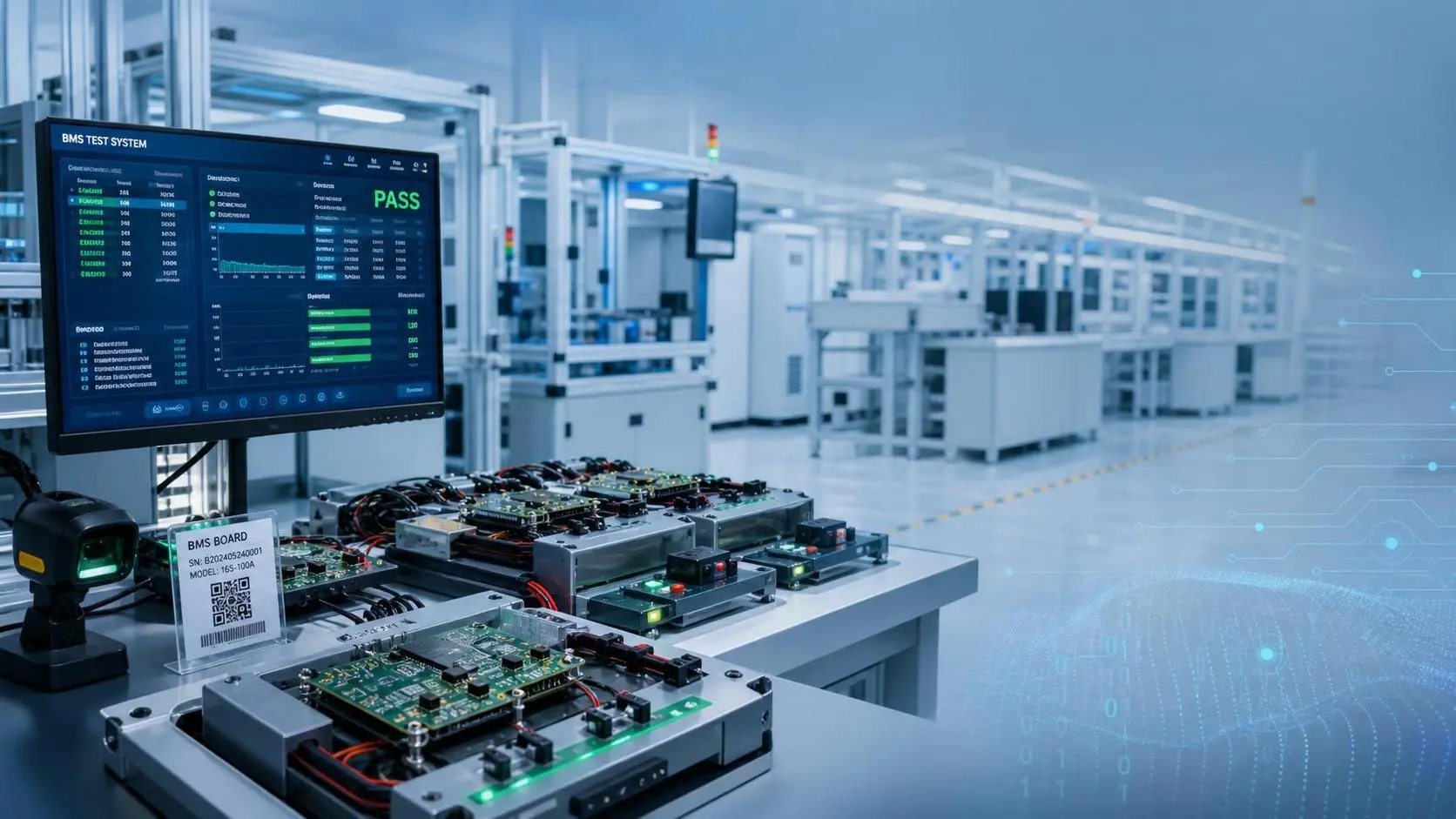
Battery Management Systems Factory Capabilities: How to Compare Testing and Traceability
Battery management systems factory comparison starts with testing depth and traceability. Learn how to evaluate BMS quality, firmware control, and risk reduction before choosing a supplier.
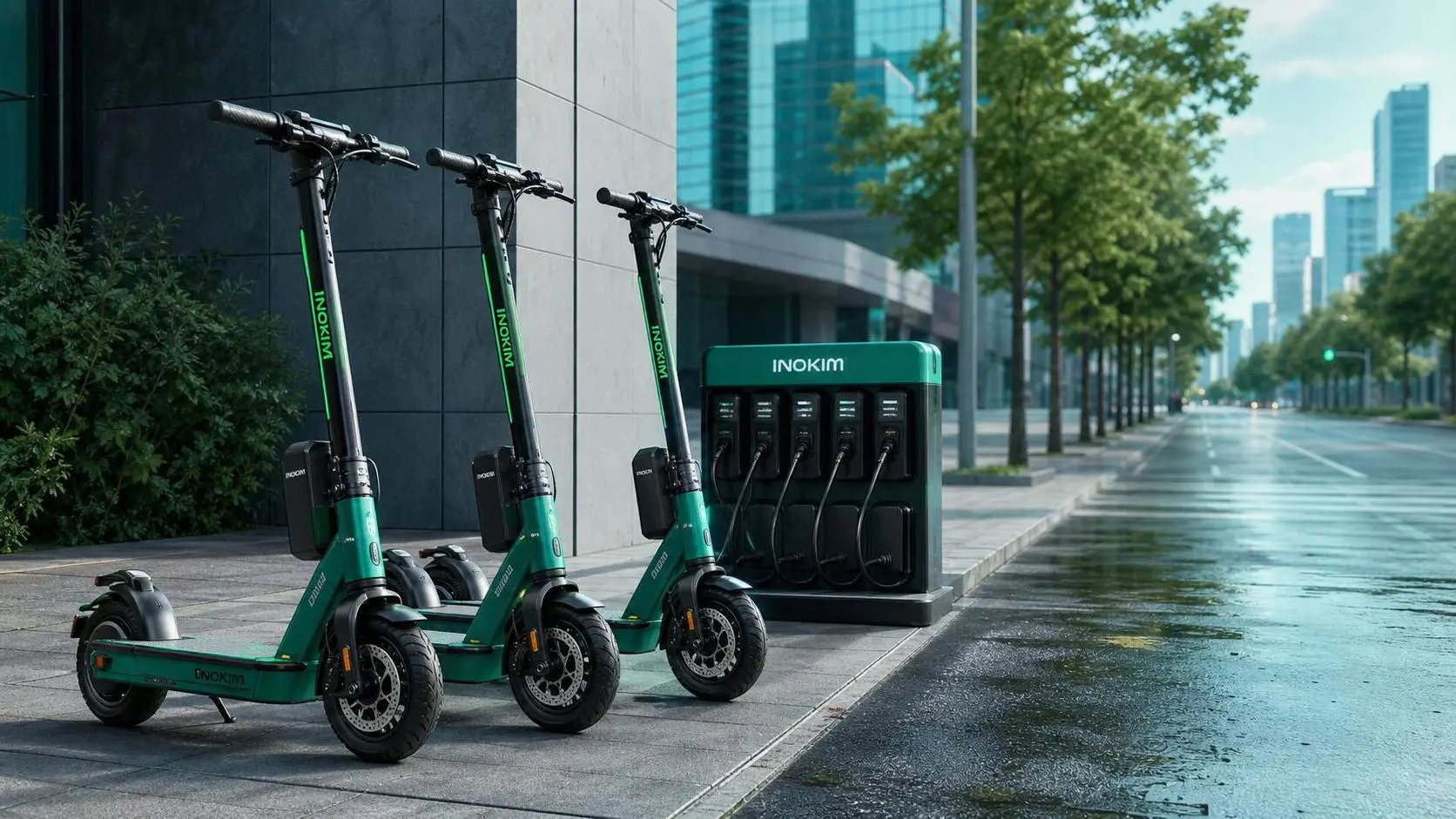
Green Transport Scooters for Urban Fleets: Which Specs Matter Most in Daily Use?
Green transport scooters for urban fleets: discover which specs truly drive uptime, safety, charging efficiency, and lower maintenance costs in daily city use.
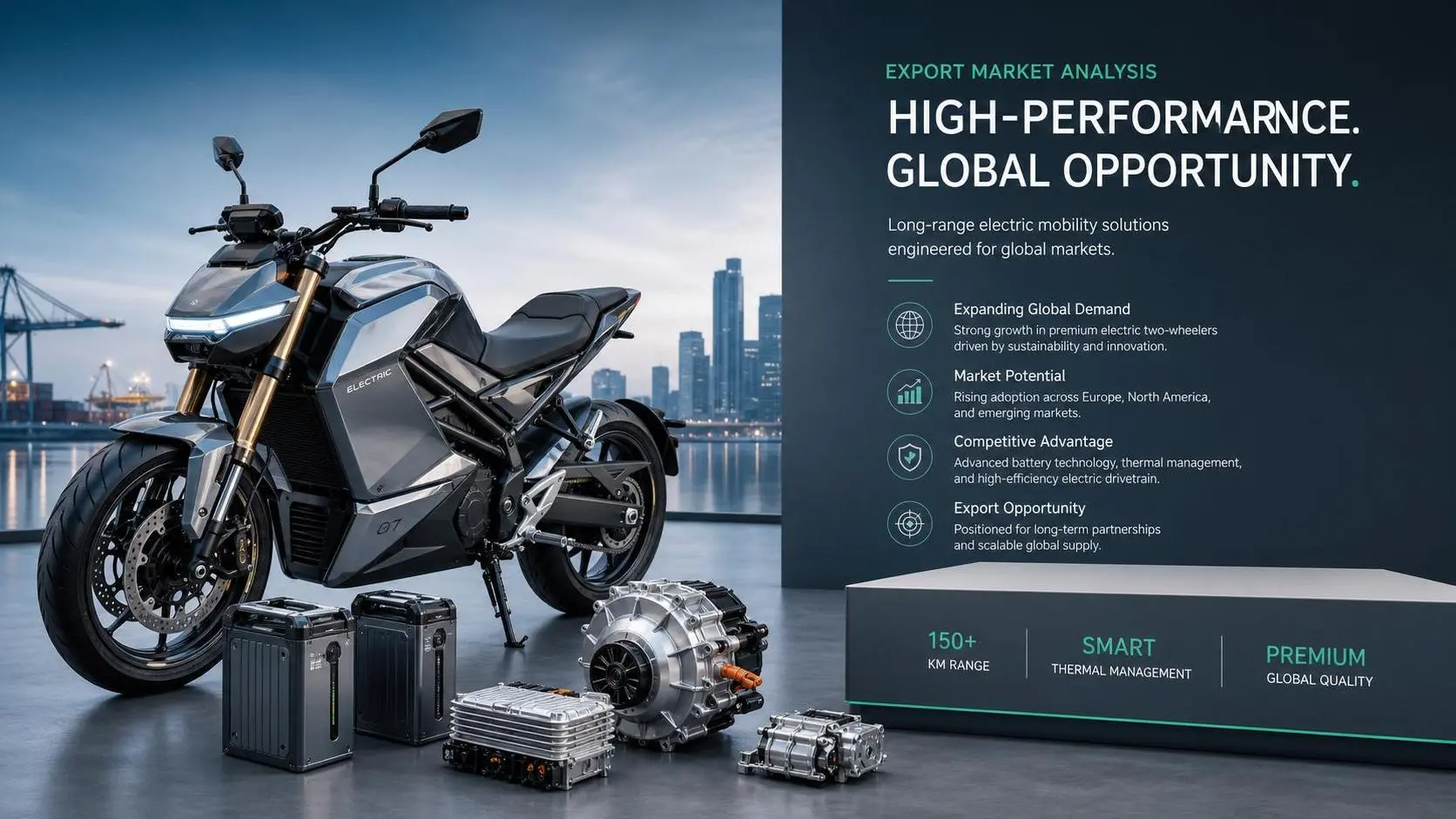
OEM Market Share in Electric Motorcycles: What It Reveals About Brand Positioning
OEM market share electric motorcycles reveals far more than sales volume—discover how share shifts expose brand positioning, technology strength, pricing logic, and scalable growth potential.

Micro-Mobility Solutions for Campuses: How to Choose the Right Fleet Model
Micro-mobility solutions for campuses: learn how to choose the right fleet model for safety, cost, charging, and rider demand to build a scalable, efficient campus transport program.
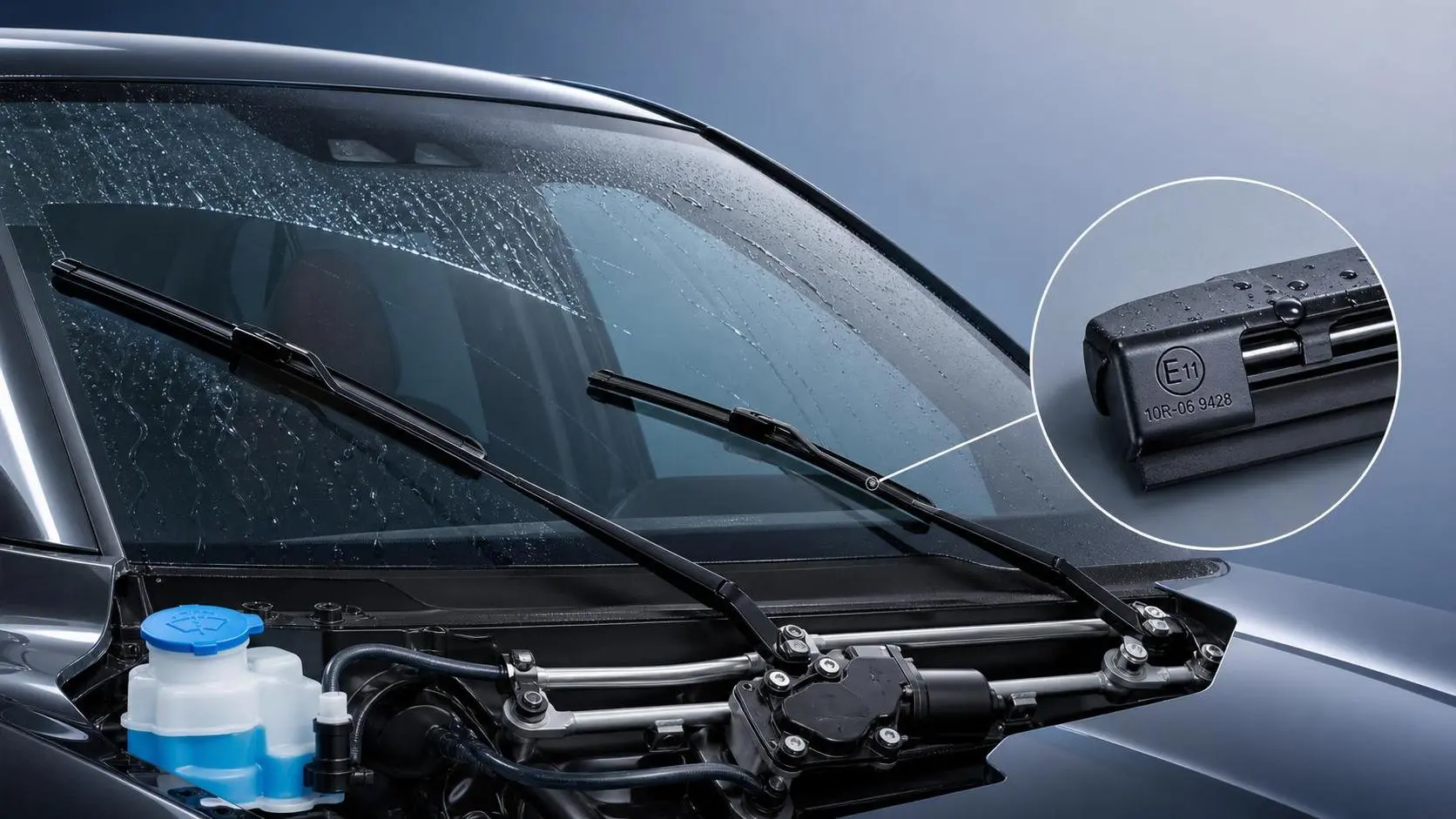
Wiper Systems ECE Compliance: Which Tests, Marks, and Documents Matter for Approval?
Wiper systems ECE approval explained: learn which tests, marks, and documents matter most to avoid delays, reduce compliance risk, and speed market access.

Wiper Streaking Problem: 7 Common Causes and How to Fix Them Step by Step
Wiper streaking problem? Discover 7 common causes and step-by-step fixes to restore clear visibility, prevent repeat failures, and diagnose blades, glass, washer fluid, and system issues fast.

What Is a Smart Transportation Platform and Which Urban Mobility Use Cases Fit Best?
Smart transportation platform strategies help cities and operators improve fleet coordination, battery planning, compliance, and urban mobility efficiency. Explore the best-fit use cases now.
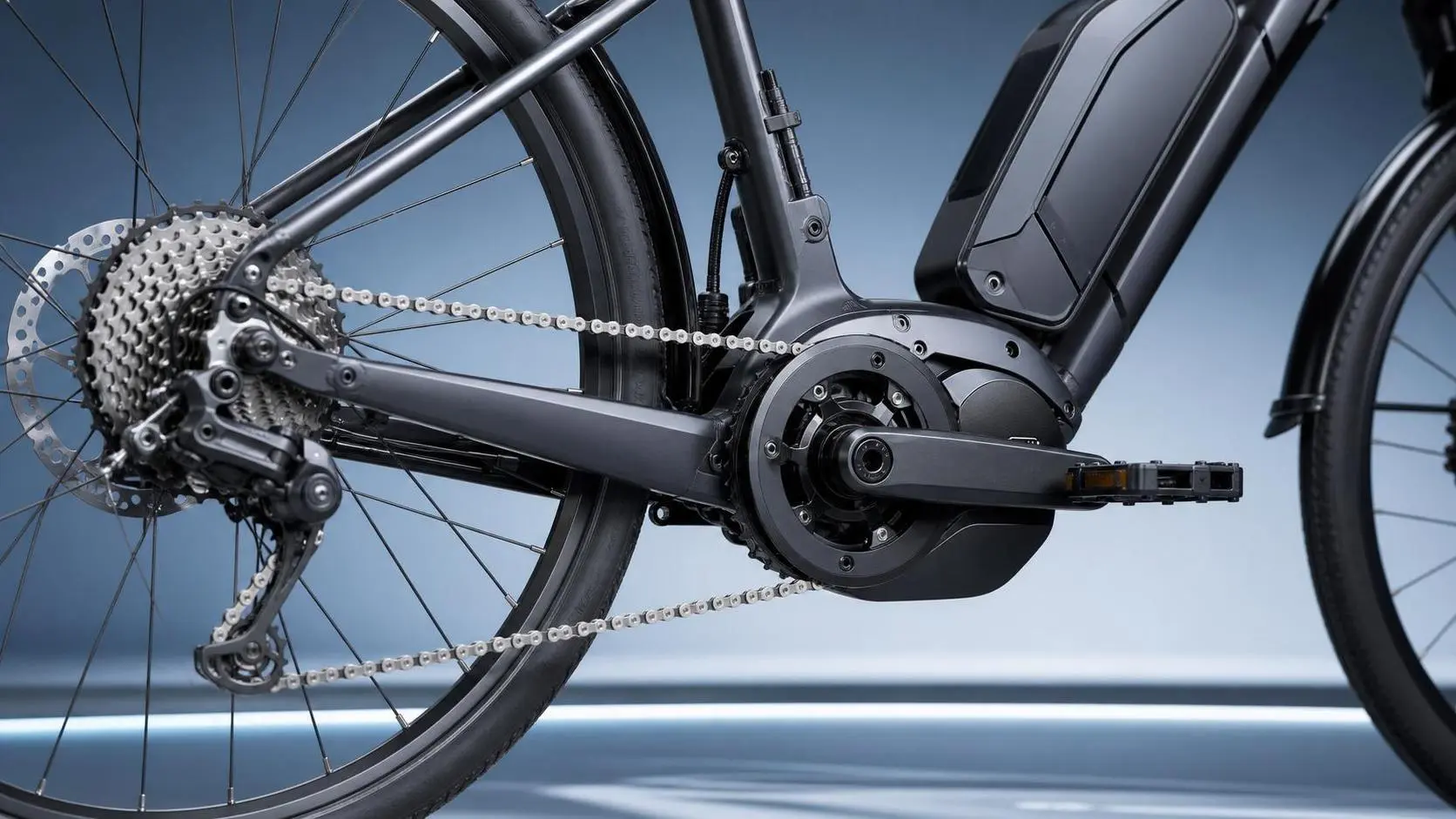
How to Evaluate an Electronic Shifting Drivetrain for E-bikes: Compatibility, Response, and Maintenance
Electronic shifting drivetrain evaluation for e-bikes: learn how to assess compatibility, shift response, and maintenance needs to choose a smoother, more reliable system.
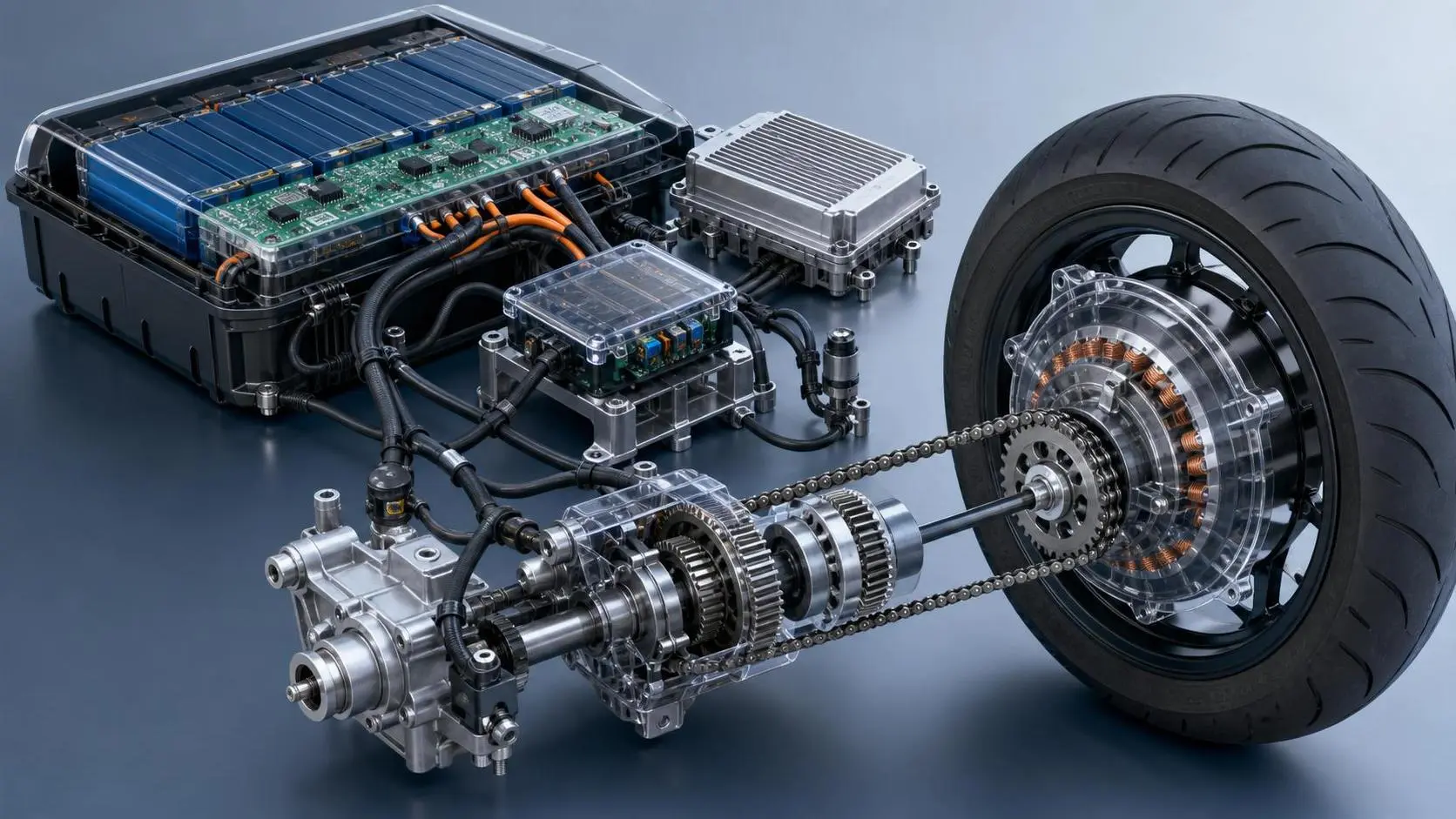
Electric Drivetrain Components Explained: Key Parts, Functions, and Failure Points
Electric drivetrain components explained: discover key parts, core functions, and common failure points to improve performance, reliability, and smarter buying decisions.