
Related News
- 00
0000-00
Green Transport Scooters for Urban Fleets: Which Specs Matter Most in Daily Use? - 00
0000-00
Micro-Mobility Solutions for Campuses: How to Choose the Right Fleet Model - 00
0000-00
Smart Battery Solutions for Shared Fleets: What Reduces Downtime and Maintenance Costs? - 00
0000-00
IoT Scooter Tracking System Explained: GPS Accuracy, Battery Use, and Data Integration - 00
0000-00
Urban Transport Scooters for Campuses: What to Consider for Safety, Charging, and Fleet Size
Urban Transit Fellow
Weekly Insights
Stay ahead with our curated technology reports delivered every Monday.
Micro-Mobility Solutions for Campuses: How to Choose the Right Fleet Model





Campus transportation is being redesigned under pressure from congestion, emissions targets, and rising expectations for accessibility. In that shift, micro-mobility solutions for campuses are no longer a side amenity. They are becoming part of mobility planning, facilities strategy, and student experience management.
The real decision is not simply whether to deploy e-bikes or scooters. It is how to choose a fleet model that fits travel patterns, terrain, safety obligations, service capacity, and long-term operating logic. A fleet that looks efficient on paper can fail quickly if charging, maintenance, and rider behavior were underestimated.
That is why the conversation around micro-mobility solutions for campuses now overlaps with broader industry intelligence. Platforms such as UMMS track how electrified two-wheelers, battery systems, connected devices, and component reliability are shaping practical deployment decisions across global mobility networks.
Why campuses are a strong fit for micro-mobility
A campus is a controlled yet demanding transport environment. Distances are often too long for walking, too short for shuttle dependence, and too fragmented for private car use to remain efficient.
Trips cluster around class changes, residence halls, transit stops, labs, parking edges, libraries, and sports venues. The result is heavy short-distance demand with recurring peaks.
This pattern is exactly where micro-mobility solutions for campuses create value. They can reduce parking pressure, shorten transfer times, and connect underserved zones without the fixed cost of expanding shuttle fleets.
They also support sustainability agendas in a measurable way. Replacing low-occupancy vehicle trips with light electric mobility can improve carbon reporting, reduce local noise, and make streets feel safer when properly managed.
Fleet model comes before vehicle choice
Many procurement discussions start with the vehicle. In practice, the better starting point is the fleet model. The operating structure determines whether the vehicles will actually perform.
On campuses, the most common models include station-based fleets, dockless fleets with geofenced controls, hybrid systems, and institution-managed pools for staff or closed user groups.
The right model depends on governance priorities. If parking discipline is critical, station-based systems often perform better. If coverage and convenience matter more, geofenced flexibility may be worth the added management burden.
E-bikes, e-scooters, and when each works best
Vehicle mix should reflect terrain, rider confidence, trip distance, and weather exposure. This is where current market intelligence becomes useful rather than theoretical.
UMMS tracks e-bikes and smart e-scooters as two core pillars of urban micro-circulation. That perspective matters because campus fleets sit between public urban systems and private operational fleets.
E-bikes
E-bikes usually suit larger campuses, hilly routes, and users carrying bags or equipment. They support longer trips and broader rider acceptance, especially where comfort and stability matter.
Their main constraints are higher unit cost, more demanding charging logistics, and larger parking footprints. They also require stronger maintenance discipline around brakes, drivetrains, and battery health.
Smart e-scooters
Smart e-scooters work well on compact campuses with smooth surfaces and high trip frequency. They are easier to deploy in dense nodes and can produce strong turnover when parking rules are clear.
The tradeoff is sensitivity to pavement quality, weather, and rider behavior. Without strong geofencing and lane design, disorder can spread quickly around entrances and pedestrian corridors.
Mixed fleet logic
For many institutions, mixed fleets are the better answer. E-bikes can serve perimeter parking and longer transfers, while scooters handle short hops between central destinations.
This approach improves mode fit, but only if routing rules, charging plans, and service workflows are designed from the beginning.
The operational layers that decide success
Micro-mobility solutions for campuses often fail for operational reasons, not technology reasons. Reliability depends on the hidden systems behind the vehicles.
Charging and battery management
Charging should be matched to daily cycle counts, turnaround windows, and staff availability. Battery swapping may suit larger fleets, while fixed charging can be simpler for controlled stations.
Battery performance also changes with temperature, peak load, and charging habits. UMMS places strong attention on battery management logic because this is where utilization and lifecycle cost are often won or lost.
Connectivity and fleet visibility
Connected fleets offer more than rider apps. IoT modules support geofencing, live vehicle status, theft alerts, demand mapping, and preventive maintenance scheduling.
That visibility is especially valuable during phased rollouts. It helps identify underused parking zones, recurring incident locations, and times when rebalancing staff are consistently late.
Maintenance structure
A campus fleet should not be selected without a service model. The important question is whether maintenance will be vendor-led, in-house, or shared.
- Vendor-led service reduces startup friction but can slow response times.
- In-house service improves control but requires tools, training, and spare parts planning.
- Shared service models work best when performance metrics are contractually defined.
Component quality also matters more than many buyers expect. Precision drivetrains, durable braking systems, and weather-resistant electronics directly affect downtime and total cost.
Safety, compliance, and the campus environment
Safety is not a separate workstream. It shapes fleet sizing, route design, speed settings, and the acceptable mix of vehicles.
Campuses have unusual conflict points: pedestrian-heavy plazas, nighttime movement, weather shifts, event surges, and mixed users with very different riding skills.
Micro-mobility solutions for campuses should therefore be reviewed against a defined operating envelope. That includes:
- Speed caps by zone
- Parking compliance rules
- Lighting and visibility standards
- Wet-weather braking performance
- Incident reporting and response workflows
This is another place where industry monitoring helps. UMMS follows technical themes such as safety-related component performance, sensor logic, and the integration of intelligent systems under real operating conditions.
How to evaluate a campus fleet model before rollout
A useful evaluation starts with movement patterns, not product catalogs. Demand mapping should separate short central trips from edge-to-core transfers and operational use cases.
The next step is to build a decision frame around five practical questions.
- What trip lengths dominate, and at what times?
- Which zones need controlled parking or access restrictions?
- Can charging and service be handled without hidden labor growth?
- Which risk factors increase exposure, such as hills, rain, or night use?
- What data must the system capture to support future expansion?
Pilot deployments are often the most efficient way to answer those questions. A limited fleet, placed across contrasting zones, can reveal adoption patterns far more clearly than assumptions made during procurement.
The strongest pilots track utilization, idle time, charging intervals, rebalancing effort, maintenance events, and compliance incidents. Those metrics expose whether the fleet model is structurally right, not merely popular at launch.
From pilot results to a scalable strategy
A scalable program usually grows in layers. It starts with a defined use case, proves operational stability, then expands to additional zones or user groups.
That phased logic is more reliable than campus-wide rollout from day one. It gives time to adjust geofencing, right-size charging assets, refine contracts, and validate maintenance response.
For institutions comparing micro-mobility solutions for campuses, the best next move is to create a short evaluation matrix. Include vehicle fit, service model, infrastructure load, safety controls, and data visibility.
From there, external market intelligence becomes more valuable. Benchmarking battery systems, connected fleet functions, component durability, and regulatory shifts can sharpen decisions before capital is committed.
Campus mobility is now part of a wider electrified transport transition. Choosing the right fleet model means treating it as an operational system, not a standalone device purchase. That is where better planning produces lasting value.
Related News

Battery Management Systems Factory Capabilities: How to Compare Testing and Traceability
Battery management systems factory comparison starts with testing depth and traceability. Learn how to evaluate BMS quality, firmware control, and risk reduction before choosing a supplier.
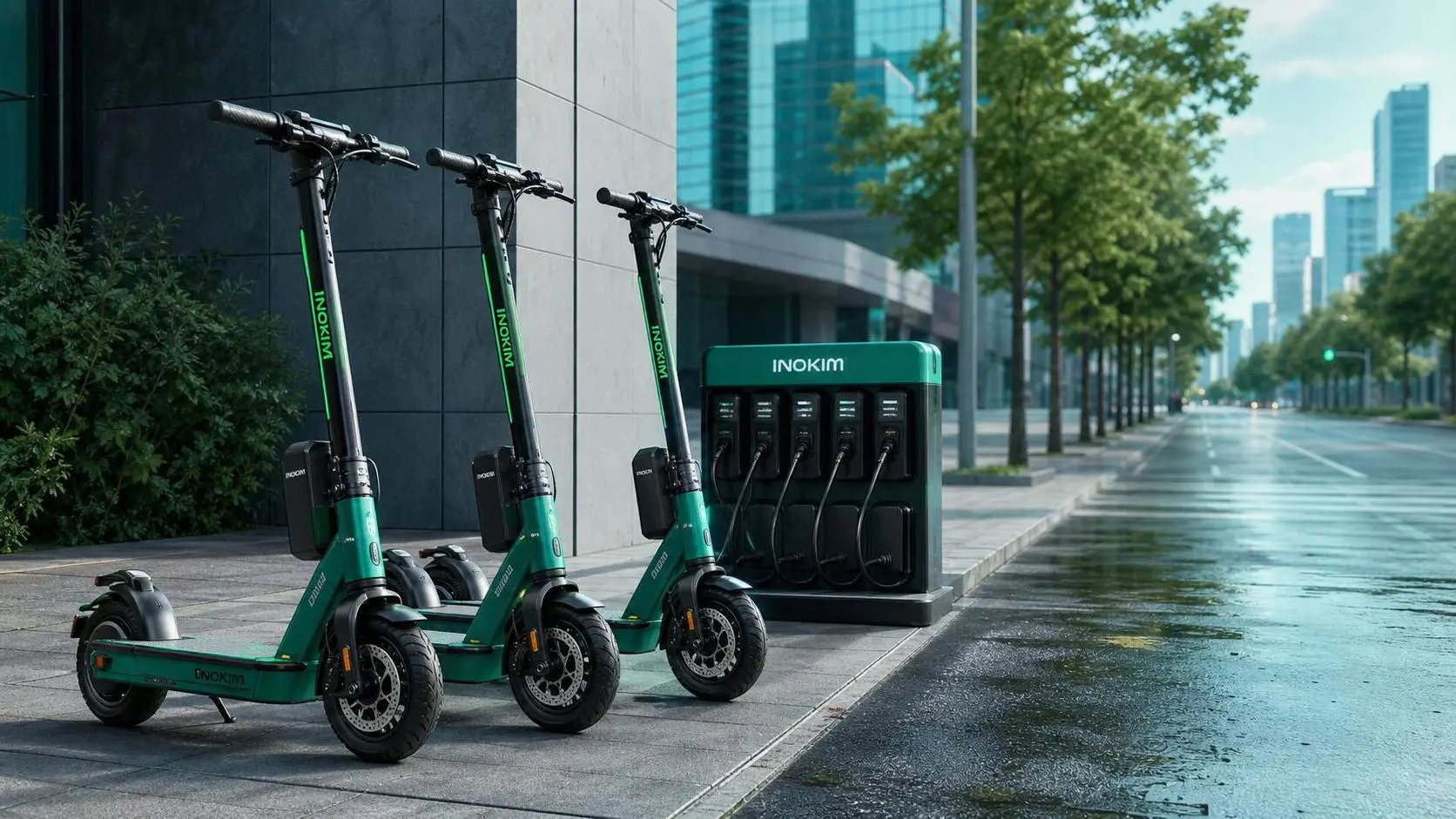
Green Transport Scooters for Urban Fleets: Which Specs Matter Most in Daily Use?
Green transport scooters for urban fleets: discover which specs truly drive uptime, safety, charging efficiency, and lower maintenance costs in daily city use.

OEM Market Share in Electric Motorcycles: What It Reveals About Brand Positioning
OEM market share electric motorcycles reveals far more than sales volume—discover how share shifts expose brand positioning, technology strength, pricing logic, and scalable growth potential.

Electric Drivetrain Systems Factory Audit Checklist: Key Quality Points Before Sourcing
Electric drivetrain systems factory audit checklist: learn the key quality, testing, traceability, and process checks buyers should verify before sourcing to reduce risk and choose reliable suppliers.

Wiper Systems ECE Compliance: Which Tests, Marks, and Documents Matter for Approval?
Wiper systems ECE approval explained: learn which tests, marks, and documents matter most to avoid delays, reduce compliance risk, and speed market access.

Wiper Streaking Problem: 7 Common Causes and How to Fix Them Step by Step
Wiper streaking problem? Discover 7 common causes and step-by-step fixes to restore clear visibility, prevent repeat failures, and diagnose blades, glass, washer fluid, and system issues fast.

What Is a Smart Transportation Platform and Which Urban Mobility Use Cases Fit Best?
Smart transportation platform strategies help cities and operators improve fleet coordination, battery planning, compliance, and urban mobility efficiency. Explore the best-fit use cases now.
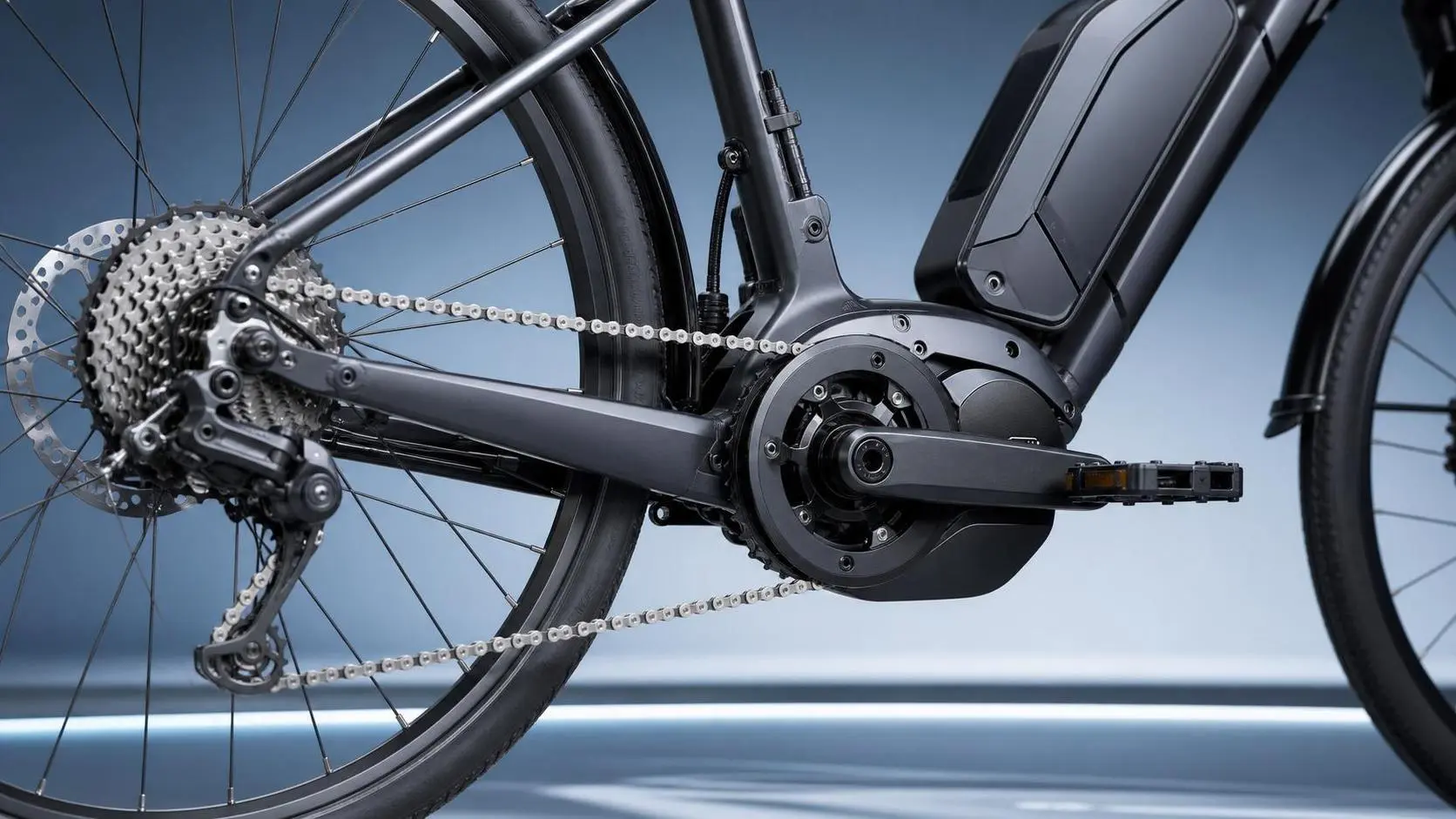
How to Evaluate an Electronic Shifting Drivetrain for E-bikes: Compatibility, Response, and Maintenance
Electronic shifting drivetrain evaluation for e-bikes: learn how to assess compatibility, shift response, and maintenance needs to choose a smoother, more reliable system.
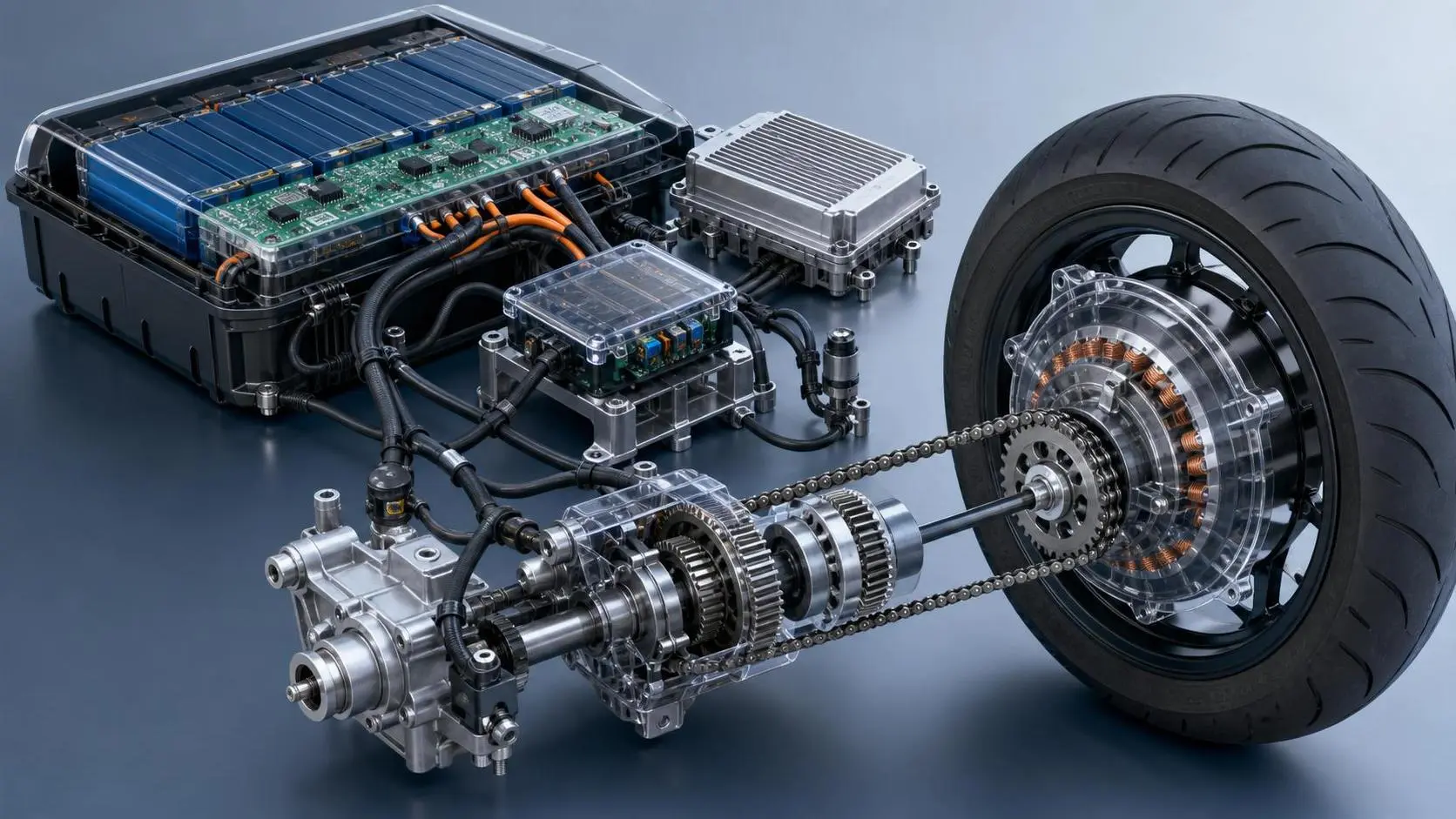
Electric Drivetrain Components Explained: Key Parts, Functions, and Failure Points
Electric drivetrain components explained: discover key parts, core functions, and common failure points to improve performance, reliability, and smarter buying decisions.