
Related News
- 00
0000-00
OEM Market Share in Electric Motorcycles: What It Reveals About Brand Positioning - 00
0000-00
What Is a Smart Transportation Platform and Which Urban Mobility Use Cases Fit Best? - 00
0000-00
How to Plan Micro-Mobility Charging Stations: Site Selection, Power Needs, and ROI - 00
0000-00
Electric Two Wheeler Battery Components Explained: Cells, BMS, Thermal Parts, and Connectors - 00
0000-00
Carbon Neutrality Standards for E-bike Manufacturing: Key Metrics and Certification Steps
Ms. Elena Rodriguez
Weekly Insights
Stay ahead with our curated technology reports delivered every Monday.
OEM Market Share in Electric Motorcycles: What It Reveals About Brand Positioning





OEM market share electric motorcycles is not just a scoreboard. It is a compact signal of how a brand is positioned on technology depth, price discipline, route-to-market strength, and long-range strategic intent.
That matters because the electric motorcycle race is no longer defined by novelty alone. It now reflects urban congestion, carbon policy, battery economics, and the wider restructuring of two-wheeler mobility.
Seen through the lens of UMMS, this topic sits inside a larger micro-mobility system. E-bikes, smart e-scooters, high-speed e-motorcycles, and precision components increasingly share supply chains, data logic, and regulatory pressure.
For that reason, changes in OEM market share electric motorcycles often reveal more than current demand. They show which brands are translating engineering capability into scalable commercial credibility.
What market share really measures
In simple terms, market share tracks how much of total category sales or registrations a manufacturer controls. In electric motorcycles, that figure becomes meaningful only when paired with context.
A brand can gain share through low pricing, channel expansion, fleet deals, battery-swapping partnerships, or superior product reliability. Each path points to a different form of brand positioning.
This is why OEM market share electric motorcycles should never be read as a standalone success metric. Share without margin, service capability, or battery strategy may describe volume, not strength.
The reverse is also true. A smaller player may hold limited share today yet occupy a highly valuable position in premium performance, software integration, or urban fleet readiness.
Why the category is under sharper scrutiny
High-speed e-motorcycles now sit at the intersection of transport policy and consumer transition. They compete not only with internal combustion motorcycles, but also with public transit gaps and rising urban delivery demand.
More attention is coming from battery cost curves, charging access, and city-level emissions goals. Incentives, registration rules, and road-use permissions can quickly change the competitive field.
UMMS tracks this shift as part of the broader electrification of two-wheelers. The same intelligence logic used for e-bikes and smart scooters increasingly applies to electric motorcycles: energy efficiency, control systems, and scalable service networks.
As a result, OEM market share electric motorcycles is watched more closely by investors, channel partners, and supply-chain planners. It has become an early signal for which business models are proving repeatable.
What brand positioning becomes visible through share shifts
Technology confidence
If market share rises alongside strong range consistency and thermal management performance, the brand is likely winning on powertrain trust. Buyers tend to reward products that reduce uncertainty in daily use.
In this category, battery management logic matters as much as peak torque. Poor charging behavior or weak durability can damage positioning faster than limited acceleration figures.
Price architecture
Some brands expand share by compressing price bands and opening access to first-time adopters. Others protect premium perception with higher specification, stronger warranties, and cleaner software integration.
Neither model is automatically better. The real question is whether OEM market share electric motorcycles is being gained with a coherent pricing ladder or through unsustainable discount pressure.
Distribution logic
Share gains often reflect channel design. Brands with balanced dealer support, direct digital conversion, spare parts availability, and regional service response usually build stronger staying power.
In dense cities, charging partnerships and swap-network access can function like distribution assets. They reduce friction and make the product easier to adopt at scale.
Reading share by business scenario
Market share should be interpreted differently across use cases. A commuter brand, a fleet-focused platform, and a performance-led manufacturer may all show growth for very different reasons.
This is where broader UMMS intelligence becomes useful. Share performance in electric motorcycles often links back to policy timing, component maturity, and adjacent micro-mobility trends rather than product appeal alone.
Signals behind strong or weak positioning
A rising share line can look impressive, but the underlying quality of that growth matters more. Several signals help separate durable positioning from temporary momentum.
- Stable share across multiple regions usually indicates stronger operational depth.
- Growth supported by battery ecosystem partnerships often points to better adoption economics.
- Improving share with limited warranty claims suggests technical execution is matching scale.
- Sharp volume jumps tied only to subsidies can signal exposure to policy reversal.
- Heavy dependence on one flagship model may weaken long-term resilience.
OEM market share electric motorcycles becomes most informative when compared with these operating signals. Without them, a headline number can hide fragility.
How to use this metric in evaluation work
A practical review should treat market share as an entry point, not a verdict. The aim is to understand what commercial and technical logic is producing that share.
Start with the share source
Break the number into retail sales, registrations, fleet deliveries, and exports. These channels carry different risks and different implications for brand positioning.
Check if product architecture matches the brand story
If a brand claims premium status, the hardware and software stack should support it. Range consistency, charging logic, safety systems, and component quality need to align.
Map the ecosystem around the vehicle
Electric motorcycles are not sold as isolated machines anymore. Service response, energy access, connectivity, and parts availability are now part of brand position.
Watch adjacent category influence
Battery suppliers, control electronics, and lightweight component advances often move across e-bikes, scooters, and motorcycles. UMMS coverage is valuable because these boundaries are increasingly porous.
Where the next round of differentiation may come from
Future OEM market share electric motorcycles will likely be shaped by a narrower set of capabilities. Raw electrification is becoming standard; execution quality is becoming decisive.
Battery-swapping interoperability, thermal efficiency, software diagnostics, and low-friction homologation will matter more. So will the ability to support urban fleets without undermining consumer brand value.
There is also a component story behind the brand story. Precision drivetrain thinking, lightweight materials, sensor integration, and durable control systems influence how credible a manufacturer appears over time.
That broader system view is one reason the category cannot be analyzed in isolation. The competitive logic of electric motorcycles now overlaps with the wider architecture of smart urban mobility.
A grounded next step
The most useful approach is to read OEM market share electric motorcycles alongside product evidence, policy exposure, and service infrastructure. That creates a fuller picture of brand positioning than volume alone can offer.
A focused review can begin with three comparisons: where share is growing, what capability is enabling it, and whether that advantage is repeatable across markets.
From there, it becomes easier to judge which brands are simply participating in electrification and which are shaping the next operating model for two-wheeler mobility.
For ongoing tracking, combine market-share movement with regulatory changes, battery ecosystem developments, and adjacent micro-mobility signals. That is where early insight usually turns into better decisions.
Related News

Battery Management Systems Factory Capabilities: How to Compare Testing and Traceability
Battery management systems factory comparison starts with testing depth and traceability. Learn how to evaluate BMS quality, firmware control, and risk reduction before choosing a supplier.
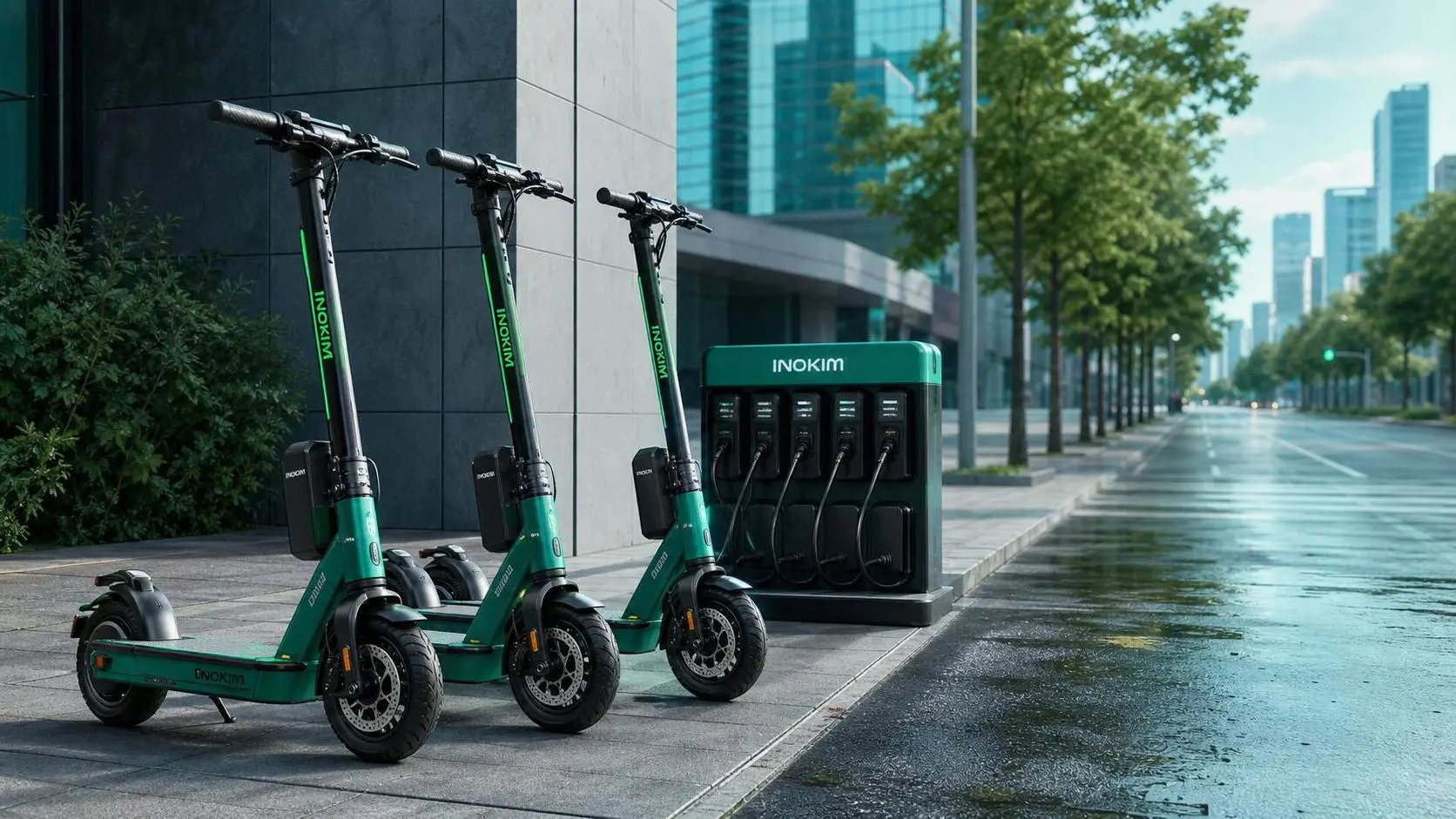
Green Transport Scooters for Urban Fleets: Which Specs Matter Most in Daily Use?
Green transport scooters for urban fleets: discover which specs truly drive uptime, safety, charging efficiency, and lower maintenance costs in daily city use.

Electric Drivetrain Systems Factory Audit Checklist: Key Quality Points Before Sourcing
Electric drivetrain systems factory audit checklist: learn the key quality, testing, traceability, and process checks buyers should verify before sourcing to reduce risk and choose reliable suppliers.

Micro-Mobility Solutions for Campuses: How to Choose the Right Fleet Model
Micro-mobility solutions for campuses: learn how to choose the right fleet model for safety, cost, charging, and rider demand to build a scalable, efficient campus transport program.
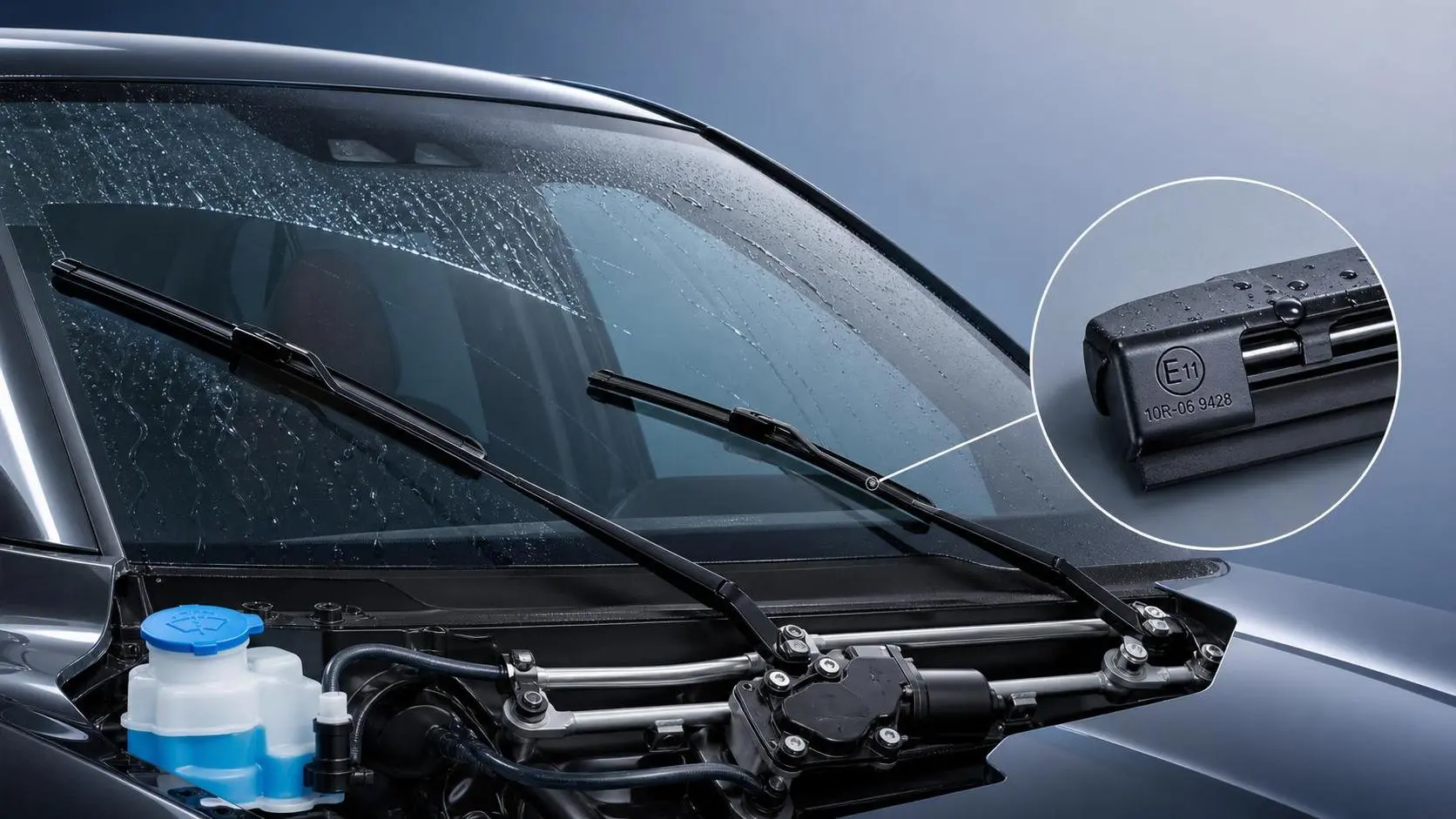
Wiper Systems ECE Compliance: Which Tests, Marks, and Documents Matter for Approval?
Wiper systems ECE approval explained: learn which tests, marks, and documents matter most to avoid delays, reduce compliance risk, and speed market access.

Wiper Streaking Problem: 7 Common Causes and How to Fix Them Step by Step
Wiper streaking problem? Discover 7 common causes and step-by-step fixes to restore clear visibility, prevent repeat failures, and diagnose blades, glass, washer fluid, and system issues fast.
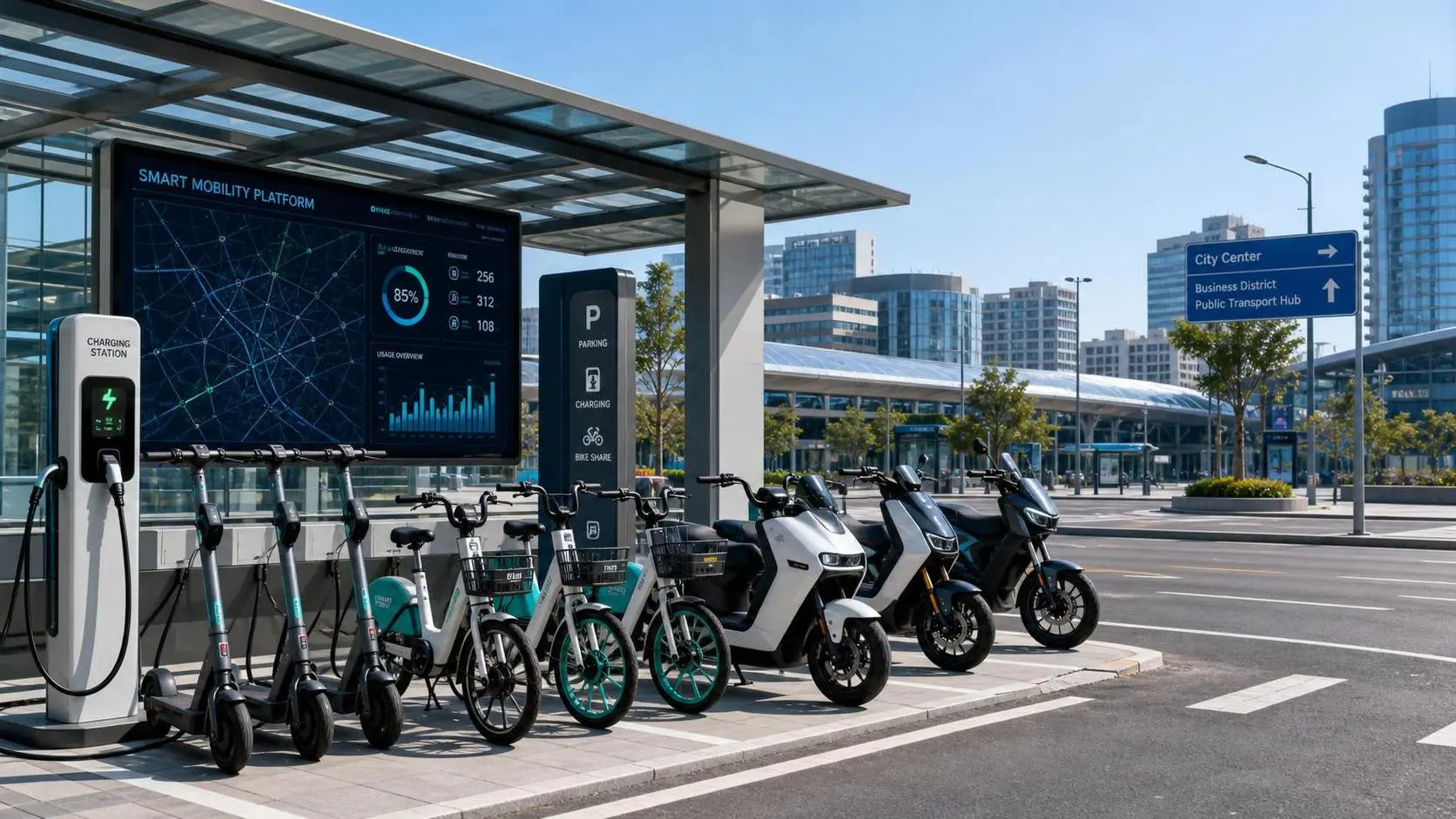
What Is a Smart Transportation Platform and Which Urban Mobility Use Cases Fit Best?
Smart transportation platform strategies help cities and operators improve fleet coordination, battery planning, compliance, and urban mobility efficiency. Explore the best-fit use cases now.
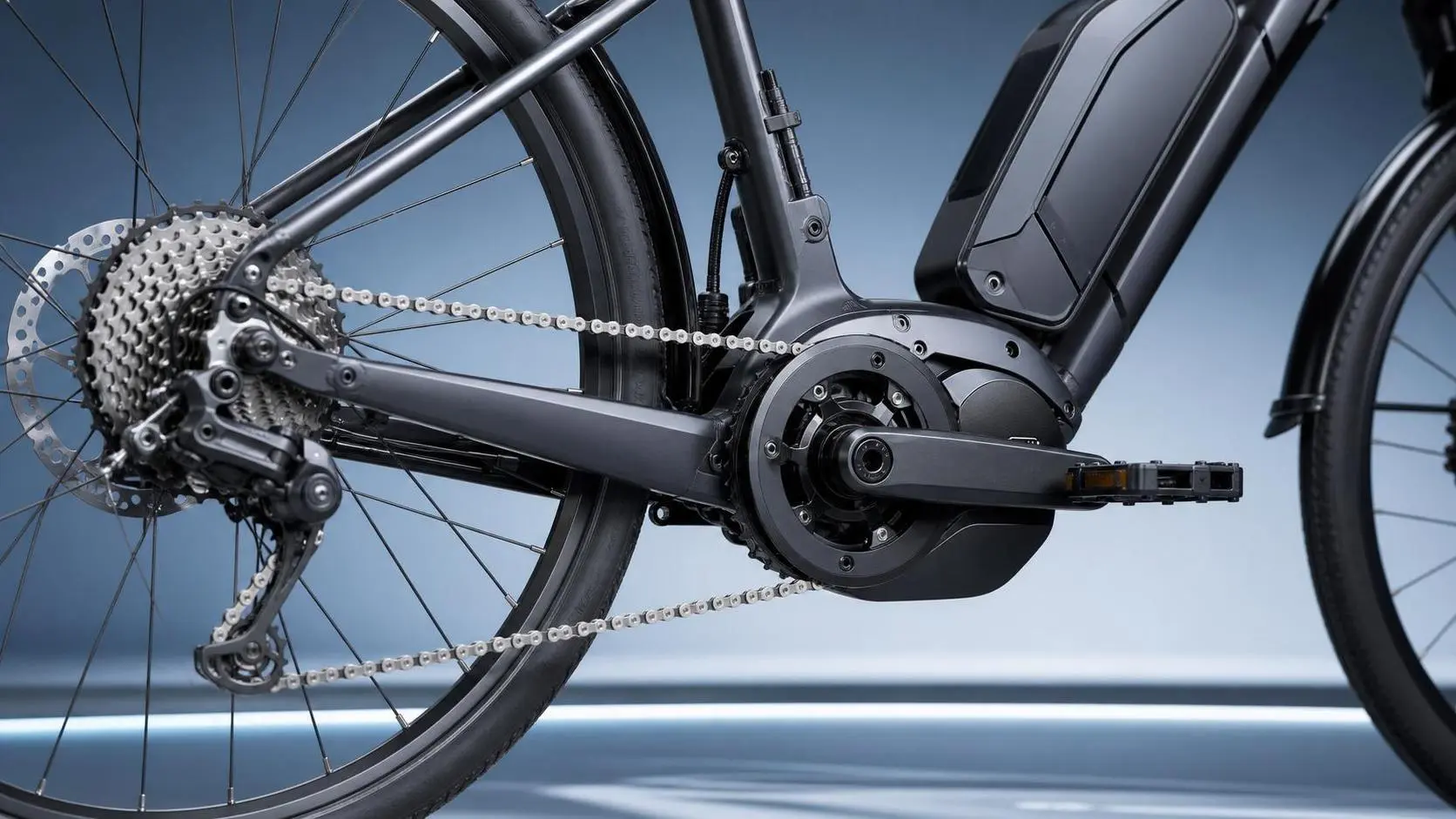
How to Evaluate an Electronic Shifting Drivetrain for E-bikes: Compatibility, Response, and Maintenance
Electronic shifting drivetrain evaluation for e-bikes: learn how to assess compatibility, shift response, and maintenance needs to choose a smoother, more reliable system.
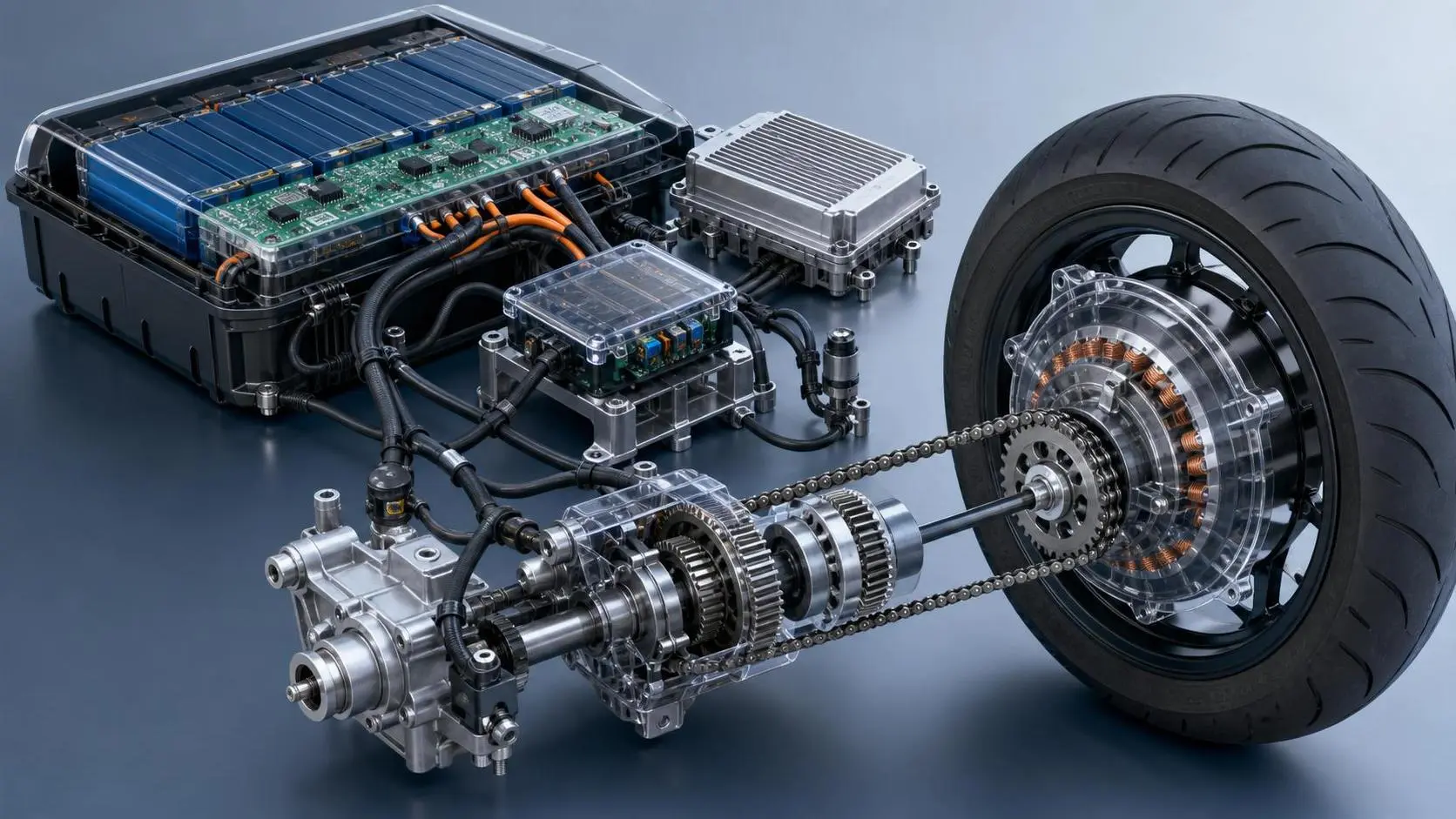
Electric Drivetrain Components Explained: Key Parts, Functions, and Failure Points
Electric drivetrain components explained: discover key parts, core functions, and common failure points to improve performance, reliability, and smarter buying decisions.