
Related News
- 00
0000-00
Green Transport Scooters for Urban Fleets: Which Specs Matter Most in Daily Use? - 00
0000-00
Micro-Mobility Solutions for Campuses: How to Choose the Right Fleet Model - 00
0000-00
Smart Battery Solutions for Shared Fleets: What Reduces Downtime and Maintenance Costs? - 00
0000-00
IoT Scooter Tracking System Explained: GPS Accuracy, Battery Use, and Data Integration - 00
0000-00
Urban Transport Scooters for Campuses: What to Consider for Safety, Charging, and Fleet Size
Urban Transit Fellow
Weekly Insights
Stay ahead with our curated technology reports delivered every Monday.
Green Transport Scooters for Urban Fleets: Which Specs Matter Most in Daily Use?





Green Transport Scooters for Urban Fleets: Which Specs Matter Most in Daily Use?
For fleet operators and daily riders, choosing green transport scooters is not just about range or price.
What really matters is daily reliability, safe braking, stable charging, and the ability to stay on the road longer.
In dense cities, every missed ride, slow charge, or weak component quickly turns into higher operating costs.
That is why spec sheets need to be read through a usage lens, not a marketing lens.
The best green transport scooters balance efficiency, durability, serviceability, and rider confidence under repeated urban use.
This guide breaks down the specifications that most directly affect uptime, maintenance pressure, and real-world ride quality.
Why Daily Use Changes the Buying Decision
Urban fleet work is repetitive, uneven, and demanding.
Scooters face curb drops, stop-and-go traffic, weather swings, poor pavement, frequent charging, and different riding styles.
A scooter that looks strong on paper can still underperform in a shared or managed fleet.
More clearly now, the strongest signal in the market is total uptime, not headline speed.
For green transport scooters, the right specification set reduces downtime and helps preserve user trust.
That also means fewer emergency swaps, fewer battery complaints, and cleaner maintenance planning.
Battery Specs That Matter Beyond Advertised Range
Battery performance is still the first place most buyers look.
But with green transport scooters, range alone tells only part of the story.
Look at cycle life first
A battery used every day lives or dies by cycle count.
A pack rated for more cycles may cost more upfront, yet it often lowers replacement cost over time.
In actual operations, this is often more important than a slightly longer single-charge range.
Check battery management quality
The BMS should manage temperature, overcharge risk, cell balance, and abnormal voltage behavior.
Without a solid BMS, even capable green transport scooters can lose consistency after repeated charging.
Charge time must fit the operating window
Fast charging sounds attractive, but it only works when thermal control and battery chemistry support it.
A shorter charge window improves asset turnover, especially during peak commuting hours.
Still, aggressive charging without proper safeguards can shorten battery life.
Useful battery questions
- How many full cycles remain above 80% capacity?
- Does the BMS provide remote diagnostics?
- How stable is charging in hot or cold conditions?
- Is the battery removable for easier service rotation?
Motor Output Should Match Terrain and Load
Motor power is often oversimplified.
For green transport scooters, the useful question is not just peak wattage.
It is whether the motor delivers smooth torque under everyday urban loads.
Steep ramps, heavier riders, cargo bags, and repeated starts all raise the demand.
A motor that feels lively when empty can struggle under real fleet conditions.
What to prioritize
- Consistent torque delivery from low speed
- Controlled heat buildup during repeated acceleration
- Reliable hill-climbing performance
- Efficiency under partial battery charge
This matters because rider confidence depends on predictable response, not sudden bursts followed by weak recovery.
Braking and Tire Specs Directly Affect Safety
In daily service, braking quality is a front-line operating issue.
Green transport scooters move through crowded streets, bike lanes, wet crossings, and unpredictable pedestrian zones.
That makes braking response more valuable than top speed claims.
Brake system priorities
Dual braking systems are generally a better fit for heavy daily use.
Disc brakes with regenerative support can improve control while supporting energy recovery.
Just as important, lever feel should stay consistent after repeated braking events.
Tires deserve more attention
Tire width, compound, puncture resistance, and wet grip all shape daily safety.
Solid tires reduce flats, but they can increase vibration and reduce comfort on rough roads.
Pneumatic tires often ride better, yet service teams need a practical puncture plan.
For green transport scooters, tire choice should reflect pavement quality, speed profile, and maintenance capacity.
Frame Strength, Water Resistance, and Ride Stability
Urban fleets punish chassis components more than many buyers expect.
Frames need to stay rigid under repeated folding, curb impacts, and rider weight variation.
Weak joints quickly become noise, instability, and safety concerns.
Structural details to check
- Reinforced stem and deck connection
- Stable handlebar locking mechanism
- Adequate deck space for balanced standing posture
- Suspension quality for rough city surfaces
Water resistance also matters more than many spec tables suggest.
A useful IP rating helps protect electronics, connectors, and battery housing during rain and washdown exposure.
In practical fleet use, weather resilience often separates dependable green transport scooters from high-maintenance ones.
Connected Controls Improve Fleet Uptime
Hardware alone is no longer enough.
Today, green transport scooters perform better when paired with strong fleet software and IoT visibility.
Remote monitoring helps identify battery anomalies, controller faults, location issues, and usage spikes before they become bigger problems.
Connected features worth paying for
- Real-time location and ride status
- Battery health reporting
- Remote lock and immobilization
- Fault code visibility for service teams
- Usage analytics by zone and time
These tools support smarter rotation, faster repairs, and better asset planning across busy city networks.
How to Compare Green Transport Scooters in a Practical Way
When several models look similar, a simple decision table helps.
This approach keeps the comparison grounded in operations instead of sales language.
Common Buying Mistakes to Avoid
Several mistakes show up again and again when evaluating green transport scooters.
- Overweighting maximum range while ignoring battery cycle life.
- Choosing peak motor numbers without checking thermal behavior.
- Underestimating brake consistency in wet urban traffic.
- Ignoring service access for tires, controllers, and battery packs.
- Skipping connectivity, then losing visibility across the fleet.
Each of these errors increases cost later, even if the purchase price looks attractive today.
In real procurement decisions, lifecycle thinking usually produces the better result.
Final Decision: Build Around Uptime, Safety, and Serviceability
The best green transport scooters are rarely the ones with the loudest headline claims.
They are the models that stay stable, charge efficiently, brake predictably, and remain easier to manage at scale.
From a daily-use perspective, battery cycle life, BMS quality, torque delivery, braking confidence, tire fit, and digital control matter most.
That is where operating resilience is built.
When evaluating green transport scooters, use field conditions as the benchmark.
Ask how the scooter performs after repeated charging, rough pavement, wet weather, and constant stop-and-go traffic.
That process leads to a stronger fleet decision and a more reliable urban mobility operation.
Related News

Battery Management Systems Factory Capabilities: How to Compare Testing and Traceability
Battery management systems factory comparison starts with testing depth and traceability. Learn how to evaluate BMS quality, firmware control, and risk reduction before choosing a supplier.
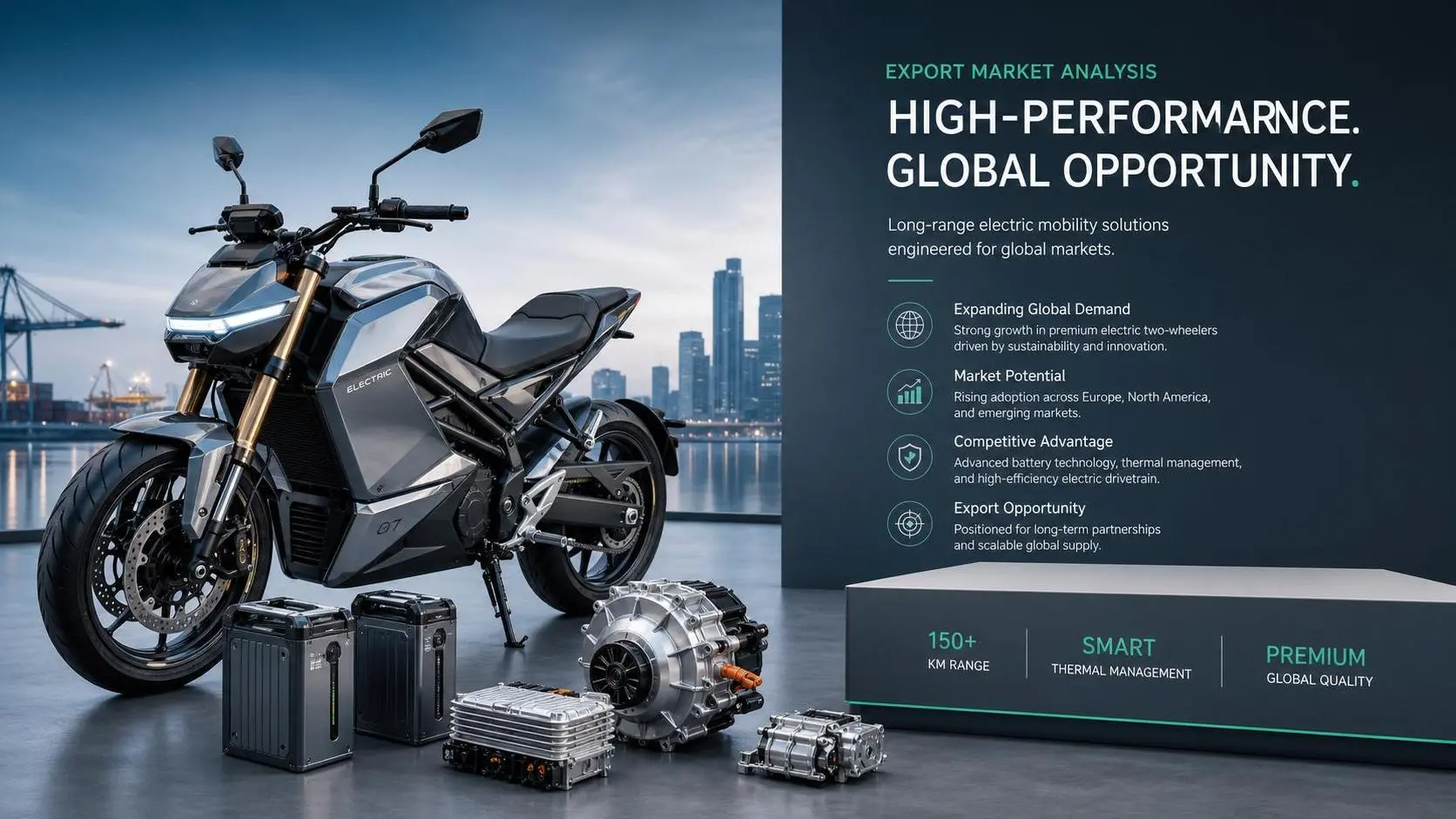
OEM Market Share in Electric Motorcycles: What It Reveals About Brand Positioning
OEM market share electric motorcycles reveals far more than sales volume—discover how share shifts expose brand positioning, technology strength, pricing logic, and scalable growth potential.

Electric Drivetrain Systems Factory Audit Checklist: Key Quality Points Before Sourcing
Electric drivetrain systems factory audit checklist: learn the key quality, testing, traceability, and process checks buyers should verify before sourcing to reduce risk and choose reliable suppliers.

Micro-Mobility Solutions for Campuses: How to Choose the Right Fleet Model
Micro-mobility solutions for campuses: learn how to choose the right fleet model for safety, cost, charging, and rider demand to build a scalable, efficient campus transport program.
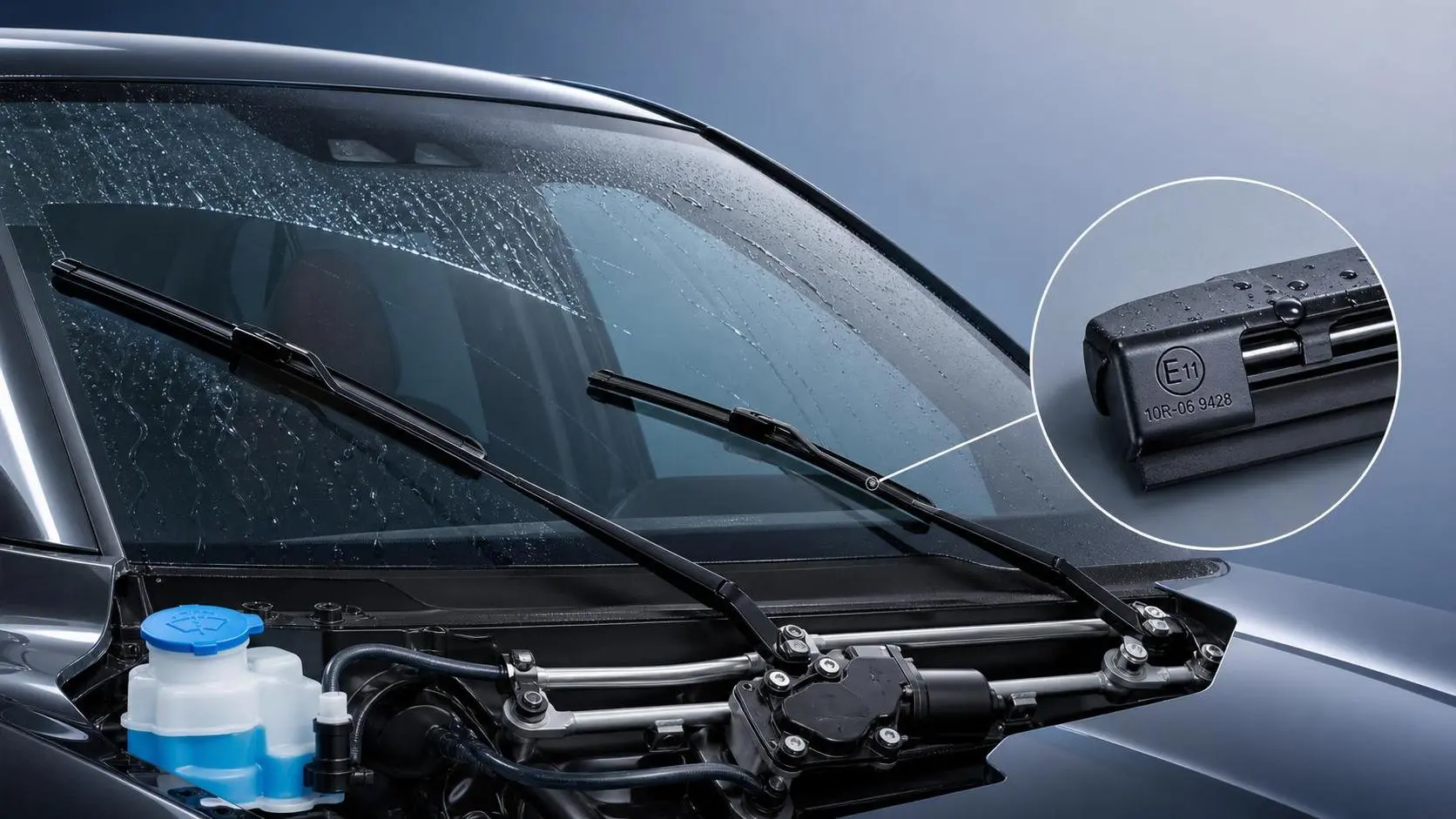
Wiper Systems ECE Compliance: Which Tests, Marks, and Documents Matter for Approval?
Wiper systems ECE approval explained: learn which tests, marks, and documents matter most to avoid delays, reduce compliance risk, and speed market access.

Wiper Streaking Problem: 7 Common Causes and How to Fix Them Step by Step
Wiper streaking problem? Discover 7 common causes and step-by-step fixes to restore clear visibility, prevent repeat failures, and diagnose blades, glass, washer fluid, and system issues fast.

What Is a Smart Transportation Platform and Which Urban Mobility Use Cases Fit Best?
Smart transportation platform strategies help cities and operators improve fleet coordination, battery planning, compliance, and urban mobility efficiency. Explore the best-fit use cases now.
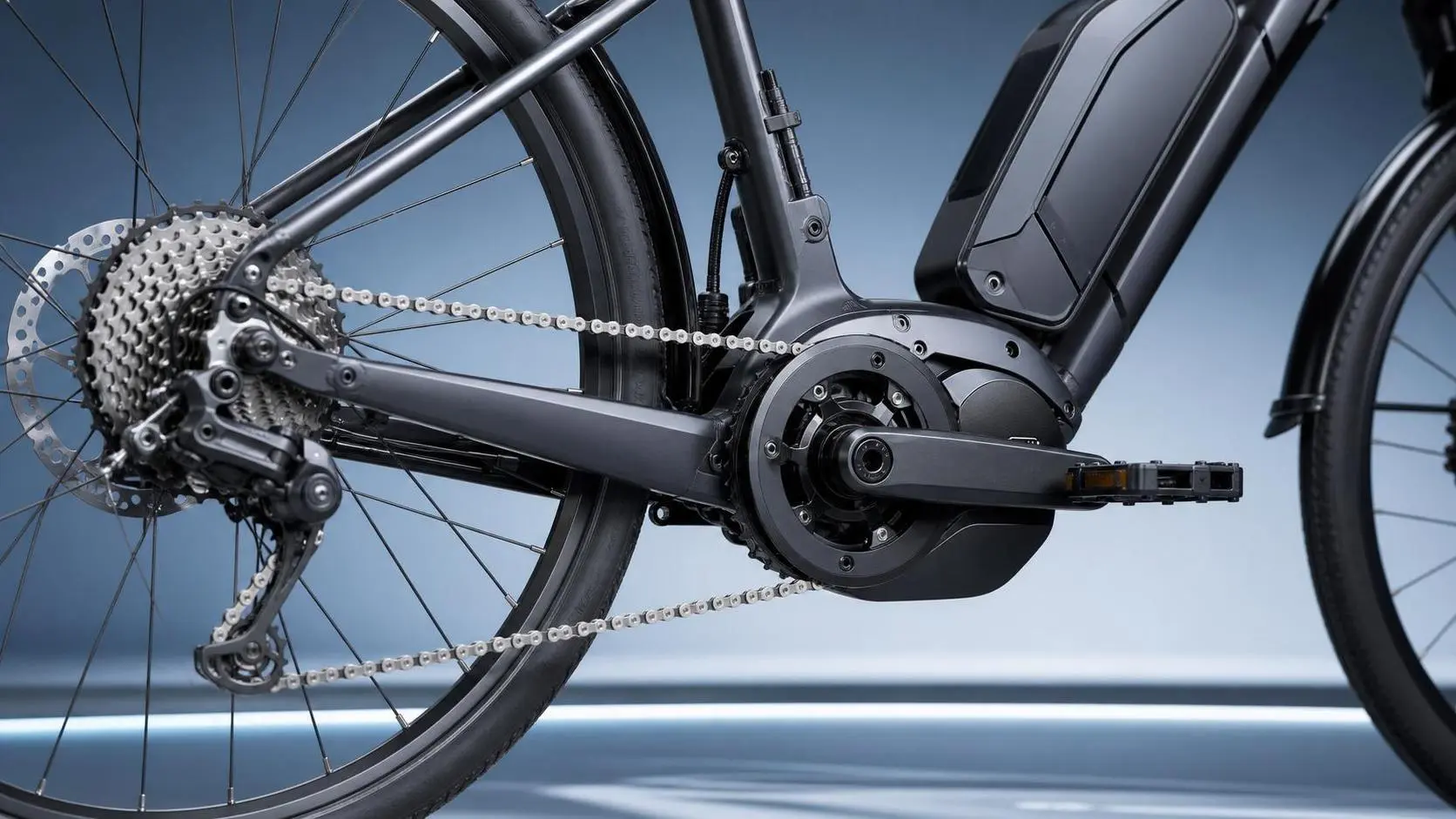
How to Evaluate an Electronic Shifting Drivetrain for E-bikes: Compatibility, Response, and Maintenance
Electronic shifting drivetrain evaluation for e-bikes: learn how to assess compatibility, shift response, and maintenance needs to choose a smoother, more reliable system.
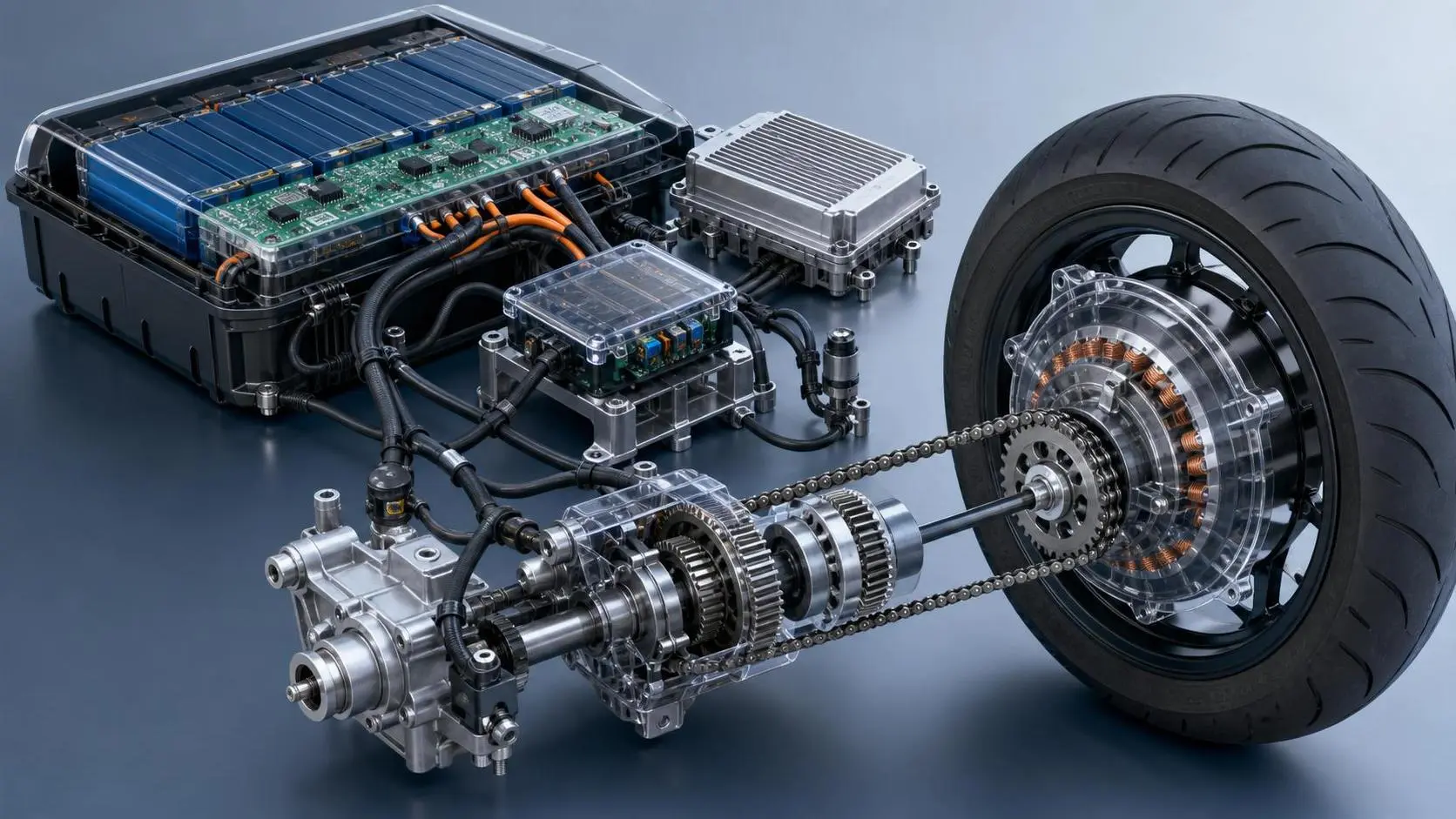
Electric Drivetrain Components Explained: Key Parts, Functions, and Failure Points
Electric drivetrain components explained: discover key parts, core functions, and common failure points to improve performance, reliability, and smarter buying decisions.