
Related News
- 00
0000-00
Electric Drivetrain Components Explained: Key Parts, Functions, and Failure Points - 00
0000-00
How to Evaluate a Drivetrain Architecture Provider for E-bike and Scooter Programs - 00
0000-00
Precision Drivetrain Tuning Explained: Key Adjustments for Smoother Shifting - 00
0000-00
Powertrain Heat Management Explained: Key Design Factors for EV Efficiency and Battery Life - 00
0000-00
Electric Drivetrain Technology Explained: Motors, Controllers, and Efficiency
Precision Drivetrain Architect
Weekly Insights
Stay ahead with our curated technology reports delivered every Monday.
Electric Drivetrain Components Explained: Key Parts, Functions, and Failure Points





Understanding electric drivetrain components starts with a simple idea: battery power alone does not create useful motion. In e-bikes, smart e-scooters, and high-speed e-motorcycles, performance depends on how electrical energy is converted, controlled, transmitted, and protected across a tightly linked system.
That is why electric drivetrain components matter far beyond product brochures. They shape acceleration, climbing ability, efficiency, heat behavior, maintenance cycles, and total operating risk. In micro-mobility, where space is limited and duty cycles vary widely, small component choices can produce large differences in real-world reliability.
Across the sectors tracked by UMMS, electric drivetrain components have become a practical lens for reading the market. They connect motor architecture, battery logic, control software, transmission precision, and serviceability with broader questions around urban electrification, fleet uptime, and low-carbon transport economics.
What sits inside an electric drivetrain
When people refer to electric drivetrain components, they usually mean the parts that turn stored energy into controlled wheel torque. The exact layout changes by vehicle type, but the functional chain is consistent.
At the front end is the battery pack, supported by a battery management system. The pack stores energy, while the BMS monitors voltage, current, temperature, and cell balance.
Next comes the controller or inverter. This is the decision point of the drivetrain. It interprets throttle input, pedal assist signals, braking commands, and protection logic, then meters power to the motor.
The motor converts electrical input into rotational force. Depending on the platform, this may be a hub motor, a mid-drive unit, or a more performance-oriented motor paired with reduction gearing.
Then come the mechanical transmission elements. These include gears, chains, belts, sprockets, freewheels, clutches, and derailleur-related parts where applicable. They determine how efficiently torque reaches the wheel.
Sensors and wiring complete the picture. Torque sensors, cadence sensors, speed sensors, hall sensors, connectors, and harnesses are less visible, but they are essential electric drivetrain components in daily operation.
Why the topic matters now
Micro-mobility is no longer defined only by range claims or top speed. Buyers, operators, and technical researchers increasingly look at durability under frequent starts, stop-and-go traffic, wet weather, steep gradients, and battery aging.
That shift puts electric drivetrain components under closer scrutiny. A system may look competitive on paper, yet fail to deliver because controller tuning is poor, thermal paths are weak, or the transmission wears faster than expected.
From an industry intelligence perspective, this is where the subject becomes strategic. UMMS follows the way drivetrain design now intersects with subsidy rules, urban usage patterns, fleet service models, and the wider push toward decarbonized transport.
The same trend is visible in adjacent categories. Precision derailleur components, wireless shifting, and brushless motor systems all reflect the same market demand: more controlled power delivery, tighter integration, and fewer unplanned failures.
Core parts and the job each one performs
Battery pack and BMS
The battery is not only an energy tank. It defines voltage level, discharge capability, thermal behavior, charging limits, and system safety margins. The BMS keeps that pack inside acceptable operating boundaries.
In practical terms, weak cell matching or conservative BMS logic can reduce usable power long before nominal capacity is exhausted. That is especially relevant in heavy e-motorcycles and shared scooters with aggressive duty cycles.
Controller and power electronics
The controller manages current flow, response timing, regenerative braking behavior, startup smoothness, and protection thresholds. It is one of the most influential electric drivetrain components for ride quality.
A strong motor with poor control mapping often feels abrupt, noisy, or inefficient. A balanced controller can make a modest hardware package perform better across urban conditions.
Motor unit
Hub motors simplify packaging and reduce moving parts, which suits commuter scooters and many e-bikes. Mid-drive motors improve weight distribution and work better with multi-speed drivetrains.
High-speed e-motorcycles often need stronger thermal design, higher continuous output, and more advanced control logic. In every case, motor efficiency is linked to load profile, cooling, and transmission strategy.
Transmission hardware
Mechanical parts are easy to underestimate in an electrified platform. Yet chains, belts, reduction gears, cassettes, and derailleur components still decide how much of the motor’s output reaches the road.
This is where efficiency losses, noise, misalignment, contamination, and wear accumulate. In many urban vehicles, transmission health directly affects battery range and rider confidence.
Sensors, connectors, and harnesses
These parts rarely lead marketing headlines, but they often trigger field problems. Signal instability, connector corrosion, or damaged wiring can imitate major drivetrain failure and complicate diagnostics.
Where failures usually begin
Most electric drivetrain components do not fail in isolation. Trouble usually starts at the interfaces between heat, vibration, moisture, software limits, and mechanical load.
Thermal management deserves special attention. A drivetrain may survive short peak loads, but repeated high-current operation in warm urban environments exposes design weaknesses quickly.
Water ingress is another recurring issue. Electric drivetrain components in scooters and commuter e-bikes often face curb splash, pressure washing, and outdoor parking. Sealing quality is rarely a minor detail.
How component priorities change by vehicle type
The same drivetrain logic applies across platforms, but the decision criteria differ.
- E-bikes often emphasize balanced motor assist, efficient gear interaction, low weight, and smooth pedal feel.
- Smart e-scooters usually prioritize compact packaging, weather resistance, simplified maintenance, and stable controller behavior in stop-start traffic.
- High-speed e-motorcycles focus more on continuous power, thermal resilience, battery discharge performance, and robust reduction systems.
This is one reason generic specifications can mislead. Two products may share similar motor wattage, while their electric drivetrain components deliver very different durability, efficiency, and servicing outcomes.
What to examine in practical evaluation
A useful review of electric drivetrain components goes beyond peak numbers. The more reliable approach is to inspect system fit, stress handling, and operating consistency.
- Check continuous, not only peak, motor and controller ratings.
- Look for thermal pathways, cooling strategy, and derating behavior.
- Review battery chemistry, pack layout, and BMS protection logic.
- Inspect chainline, belt tension, gear mesh quality, and lubrication access.
- Confirm connector sealing, harness routing, and sensor redundancy where relevant.
- Compare spare part availability and fault diagnosis support.
For broader market research, it also helps to track regulatory context. Subsidy structures, right-of-way rules, and battery transport requirements can change the value of certain drivetrain architectures.
That is where UMMS adds context beyond component descriptions. Technical choices make more sense when viewed alongside fleet economics, policy direction, and the evolution of connected urban mobility systems.
A better way to read the market
Electric drivetrain components are not just parts on a schematic. They are the operating core of modern two-wheeler electrification, and they reveal how seriously a platform treats efficiency, safety, and lifecycle control.
The most useful next step is to build a comparison framework around actual use conditions. Match component design to vehicle class, duty cycle, climate exposure, service expectations, and regulatory environment.
From there, the topic becomes much clearer. Instead of asking which drivetrain sounds strongest, ask which electric drivetrain components remain stable, serviceable, and efficient under the conditions that matter most.
- e-bikes
- smart e-scooters
- high-speed e-motorcycles
- two-wheeler electrification
- battery management
- shared scooters
- thermal management
- electric drivetrain
- micro-mobility
- urban mobility systems
- drivetrain design
- brushless motor systems
- electric drivetrain components
- wireless shifting
- battery management system
Related News
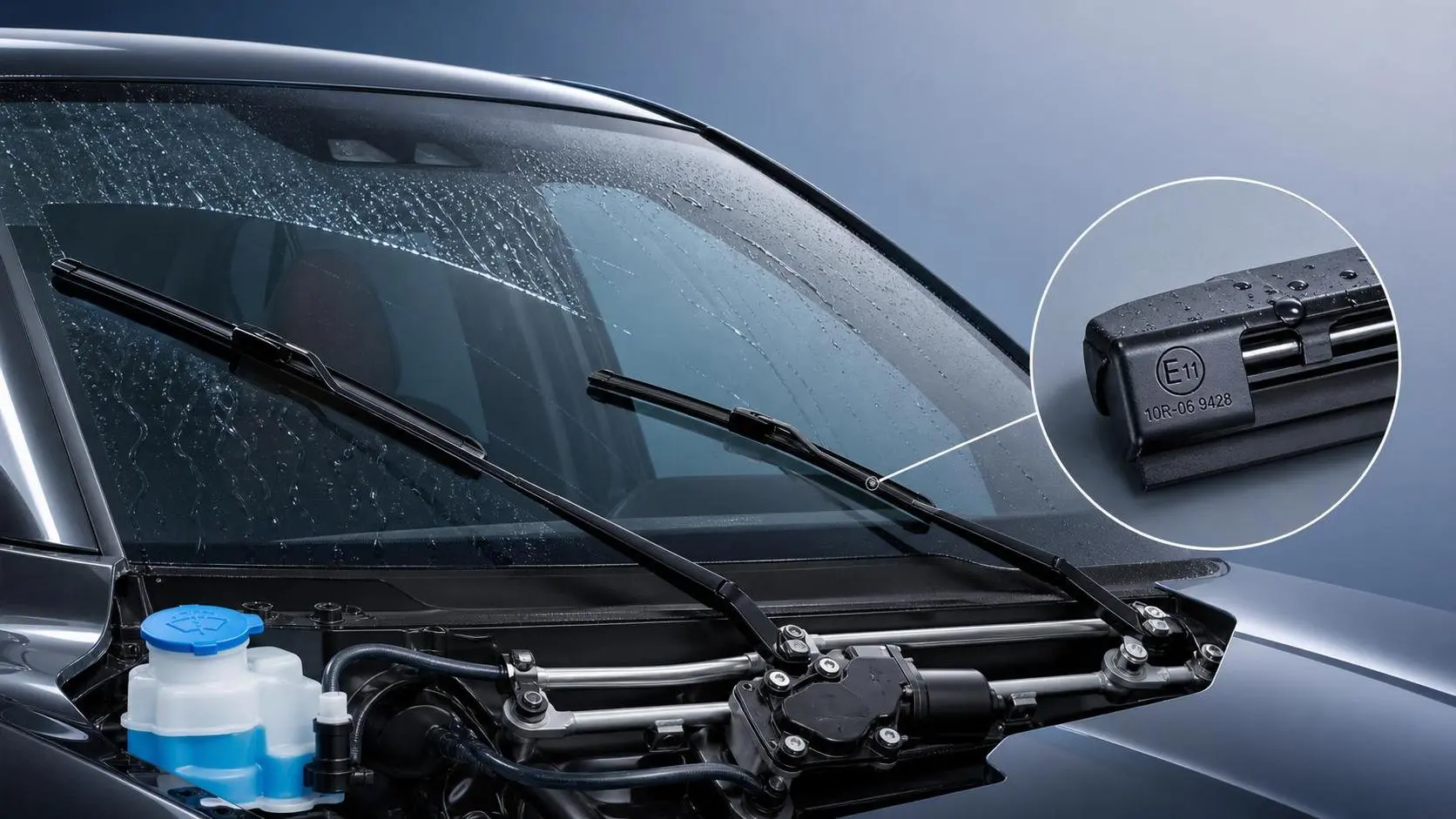
Wiper Systems ECE Compliance: Which Tests, Marks, and Documents Matter for Approval?
Wiper systems ECE approval explained: learn which tests, marks, and documents matter most to avoid delays, reduce compliance risk, and speed market access.
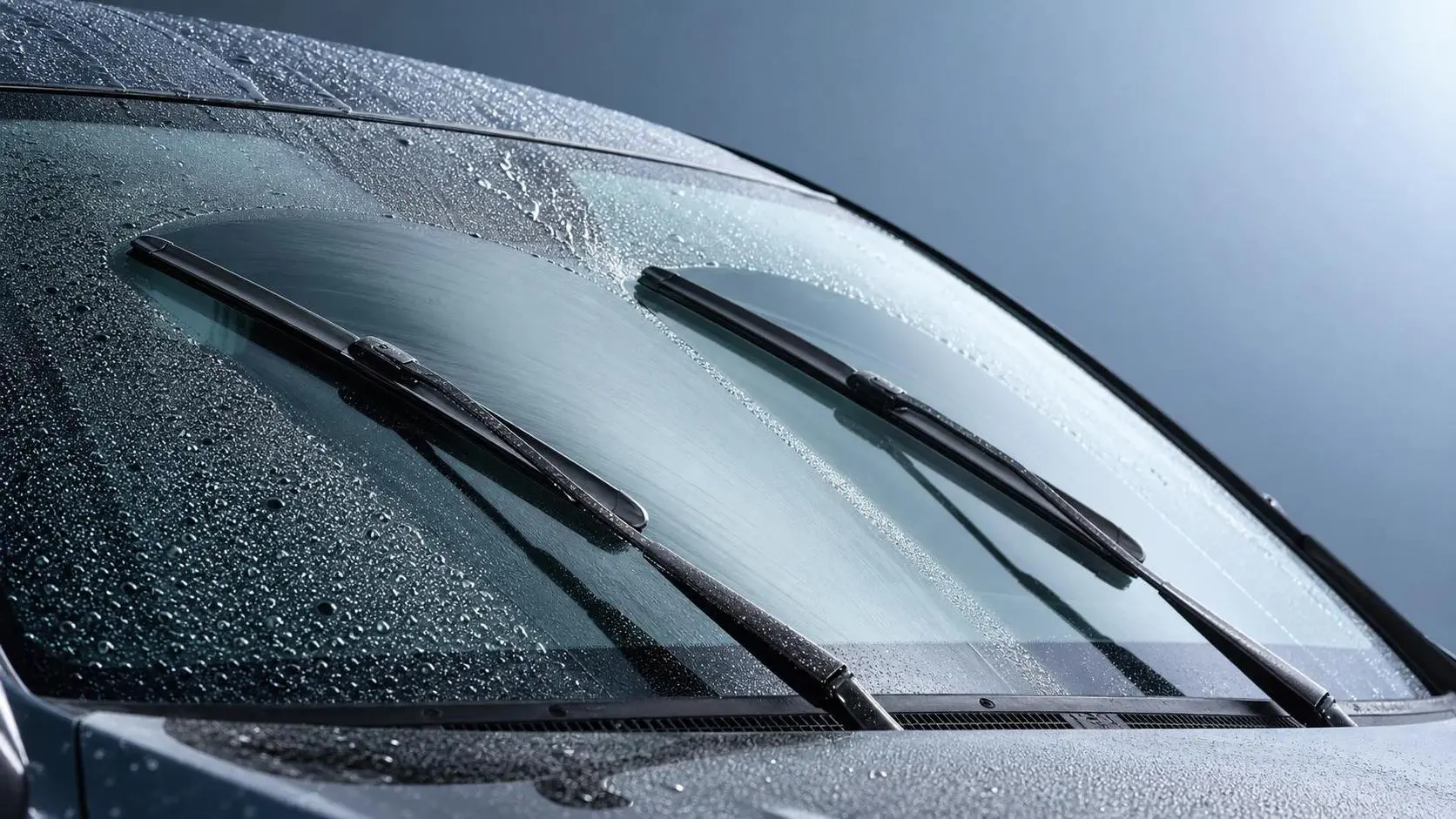
Wiper Streaking Problem: 7 Common Causes and How to Fix Them Step by Step
Wiper streaking problem? Discover 7 common causes and step-by-step fixes to restore clear visibility, prevent repeat failures, and diagnose blades, glass, washer fluid, and system issues fast.
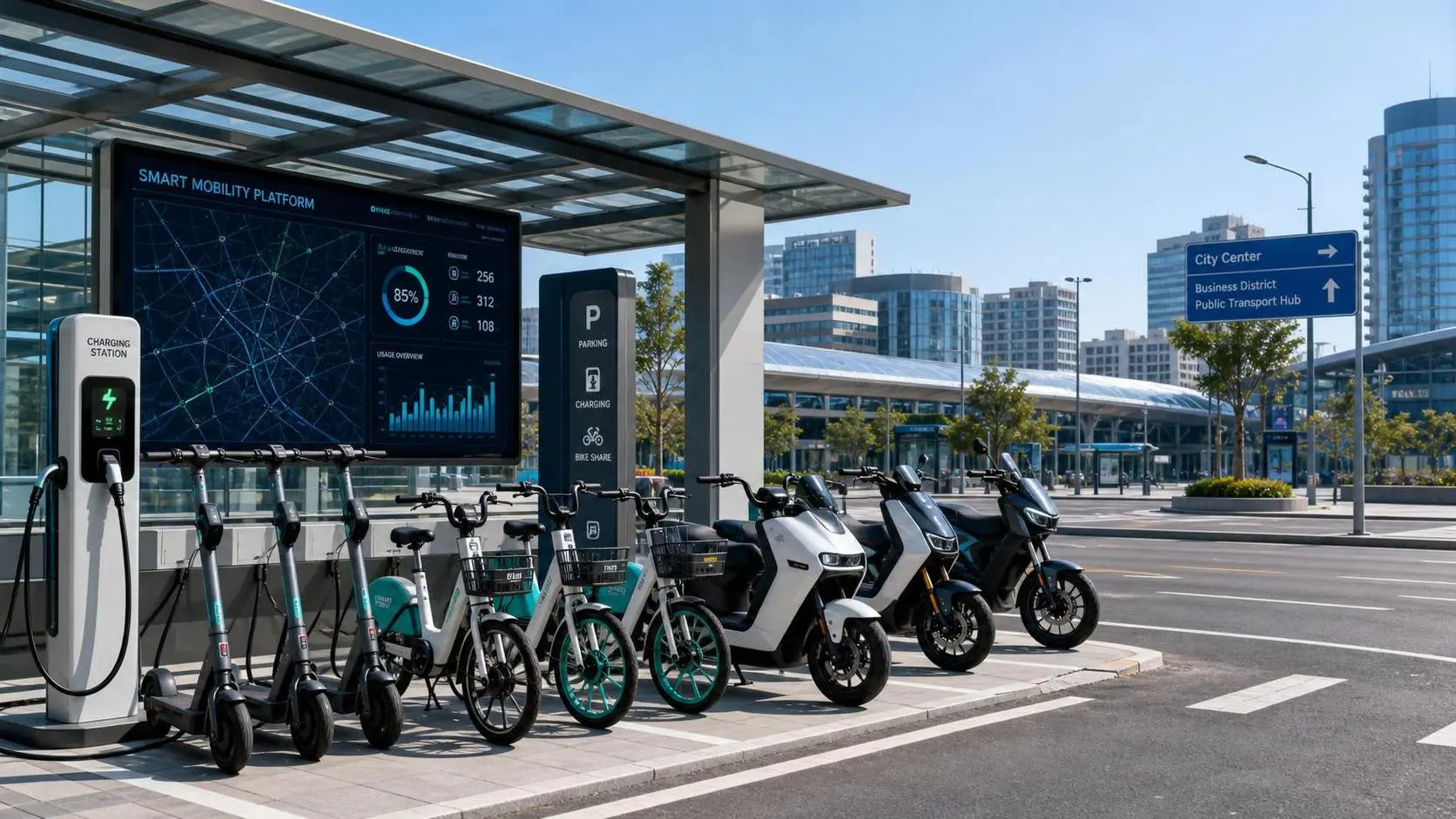
What Is a Smart Transportation Platform and Which Urban Mobility Use Cases Fit Best?
Smart transportation platform strategies help cities and operators improve fleet coordination, battery planning, compliance, and urban mobility efficiency. Explore the best-fit use cases now.
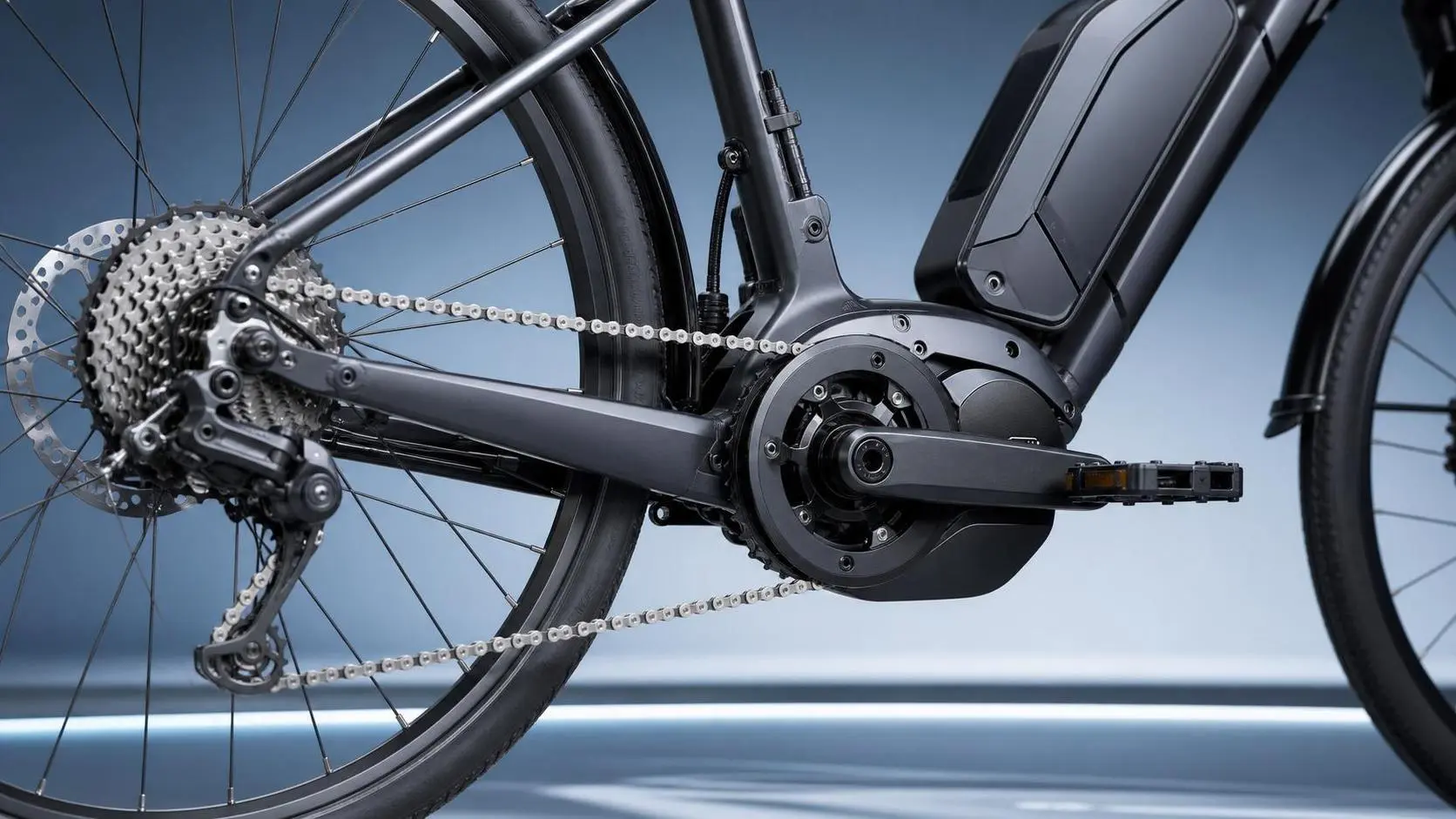
How to Evaluate an Electronic Shifting Drivetrain for E-bikes: Compatibility, Response, and Maintenance
Electronic shifting drivetrain evaluation for e-bikes: learn how to assess compatibility, shift response, and maintenance needs to choose a smoother, more reliable system.
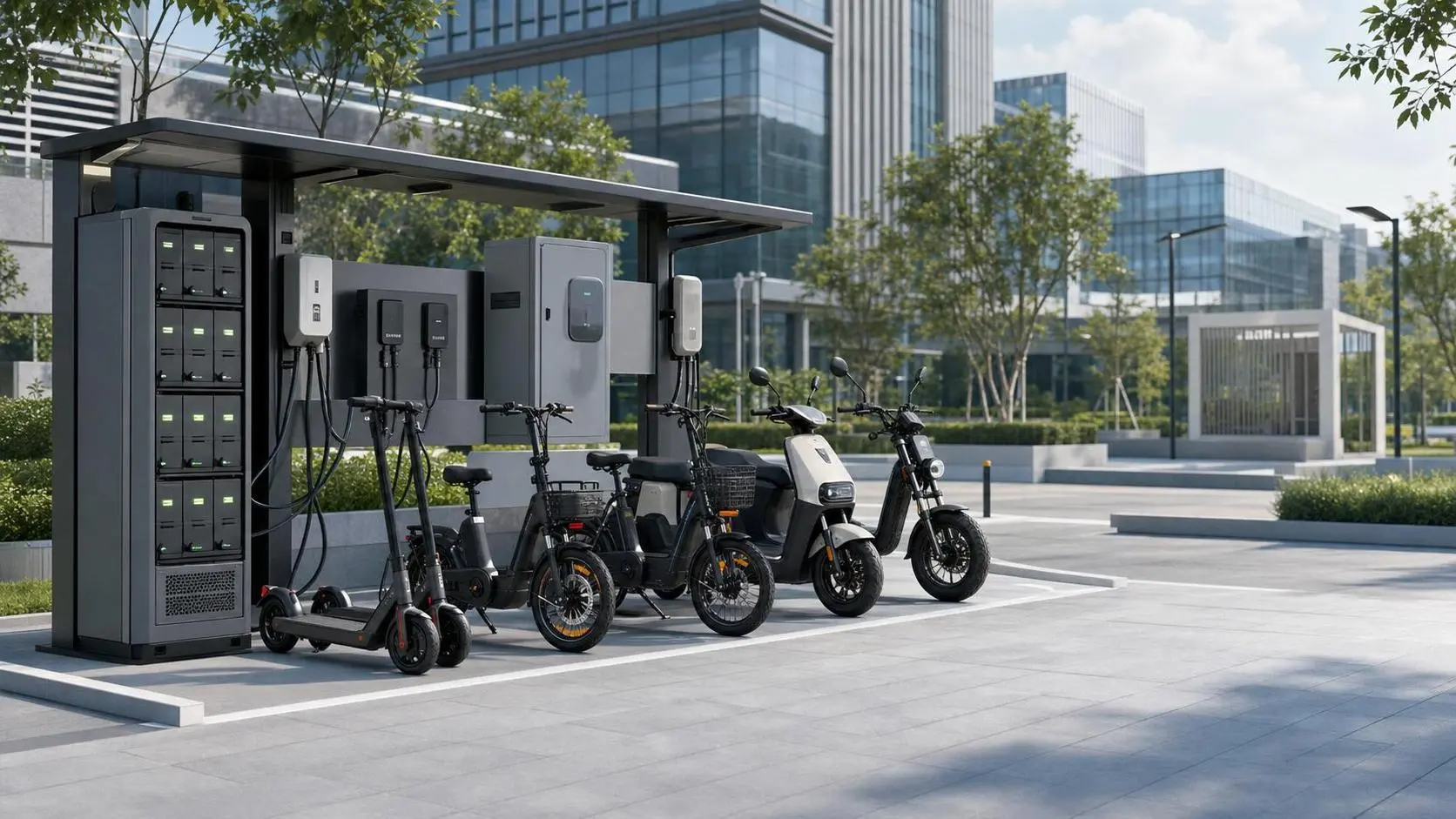
How to Plan Micro-Mobility Charging Stations: Site Selection, Power Needs, and ROI
Micro-mobility charging stations: learn how to choose the right site, size power capacity, improve uptime, and build a stronger ROI model for scalable fleet operations.
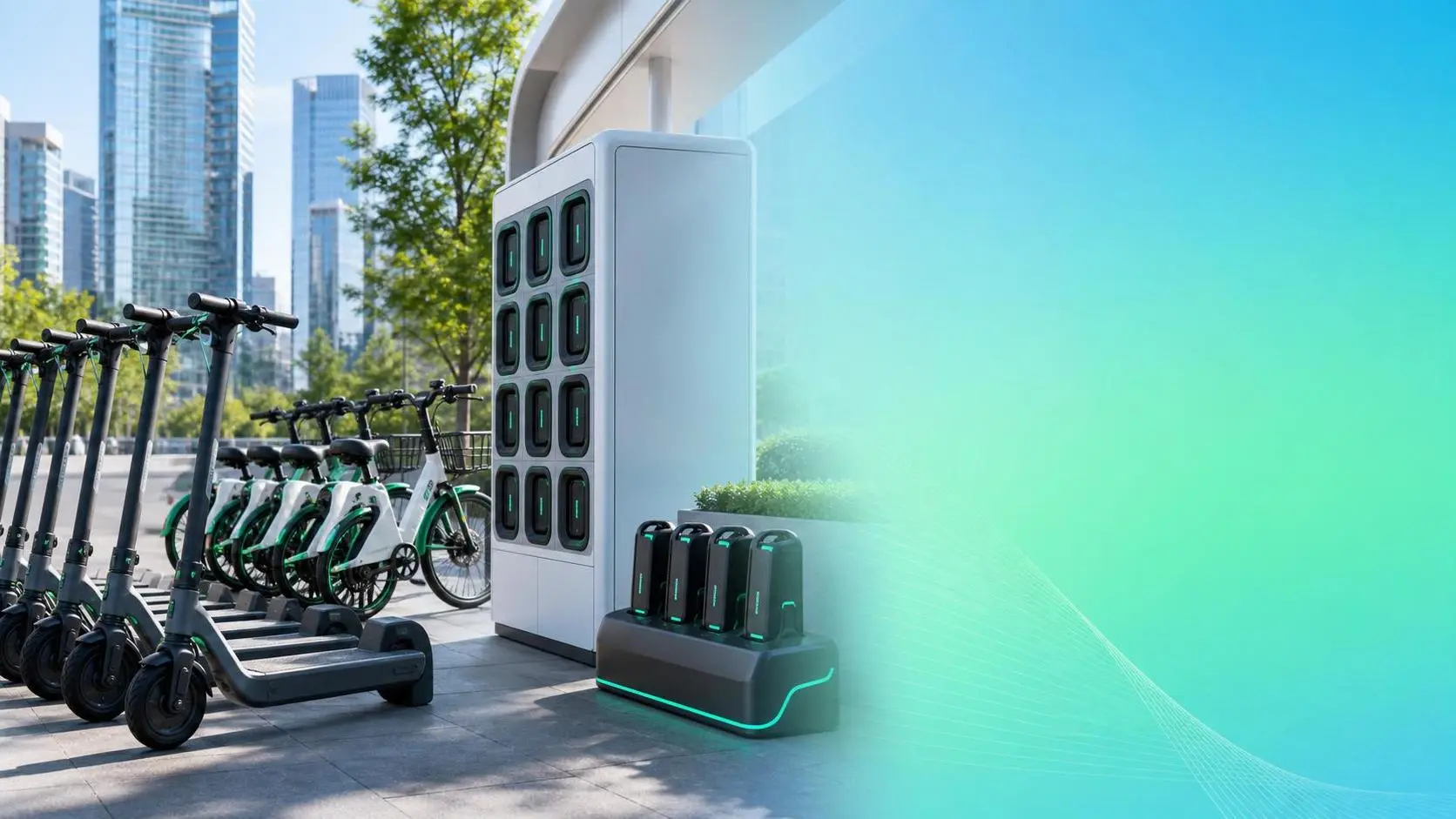
Smart Battery Solutions for Shared Fleets: What Reduces Downtime and Maintenance Costs?
Smart battery solutions help shared fleets cut downtime and maintenance costs with real-time diagnostics, smarter charging, battery swapping, and lifecycle insights.
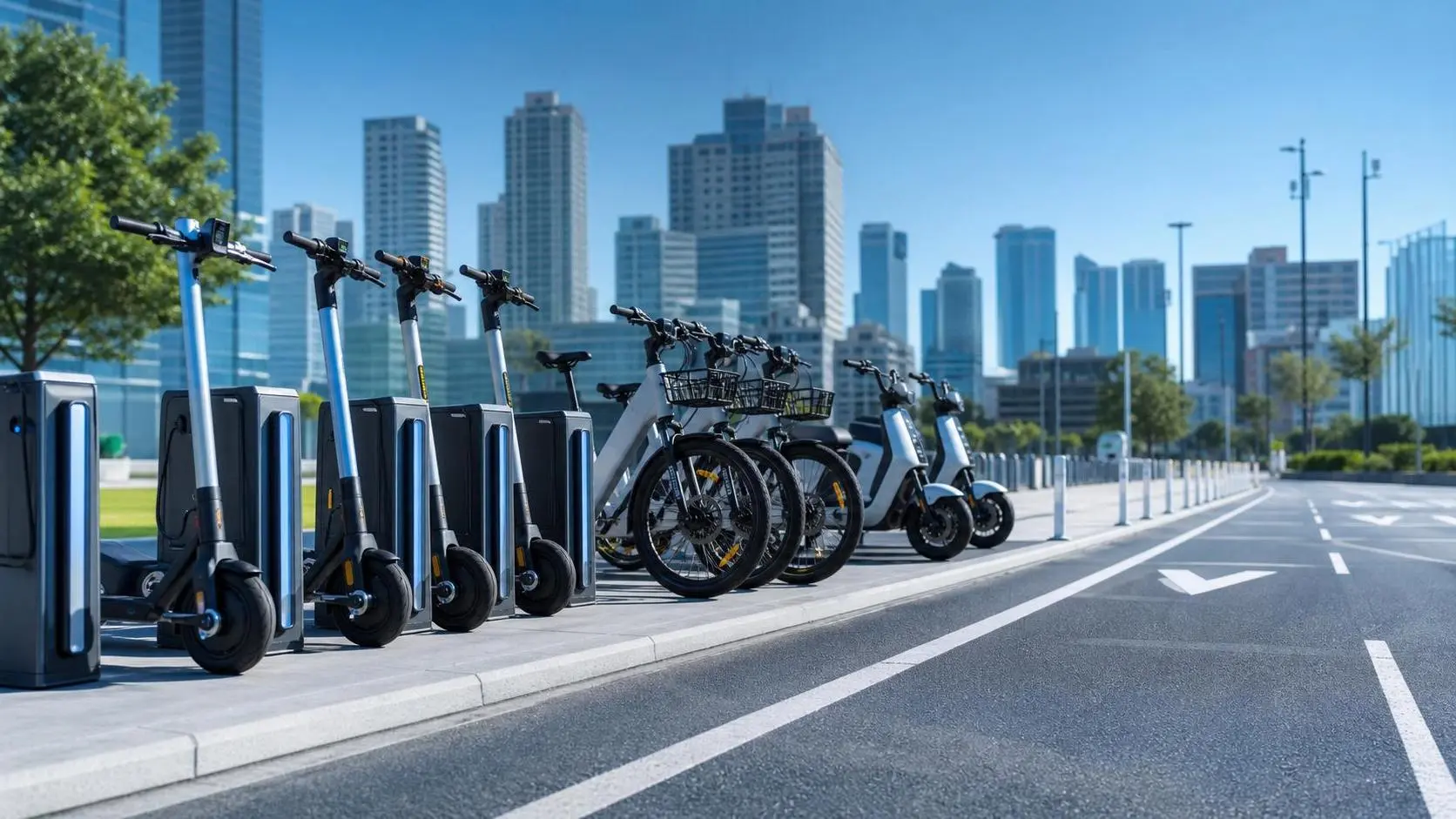
Urban Micro-Mobility in North America: Policy, Charging Access, and Fleet Growth Drivers
Urban micro-mobility North America is evolving fast. Explore how policy, charging access, and fleet economics are shaping scalable growth opportunities across cities.
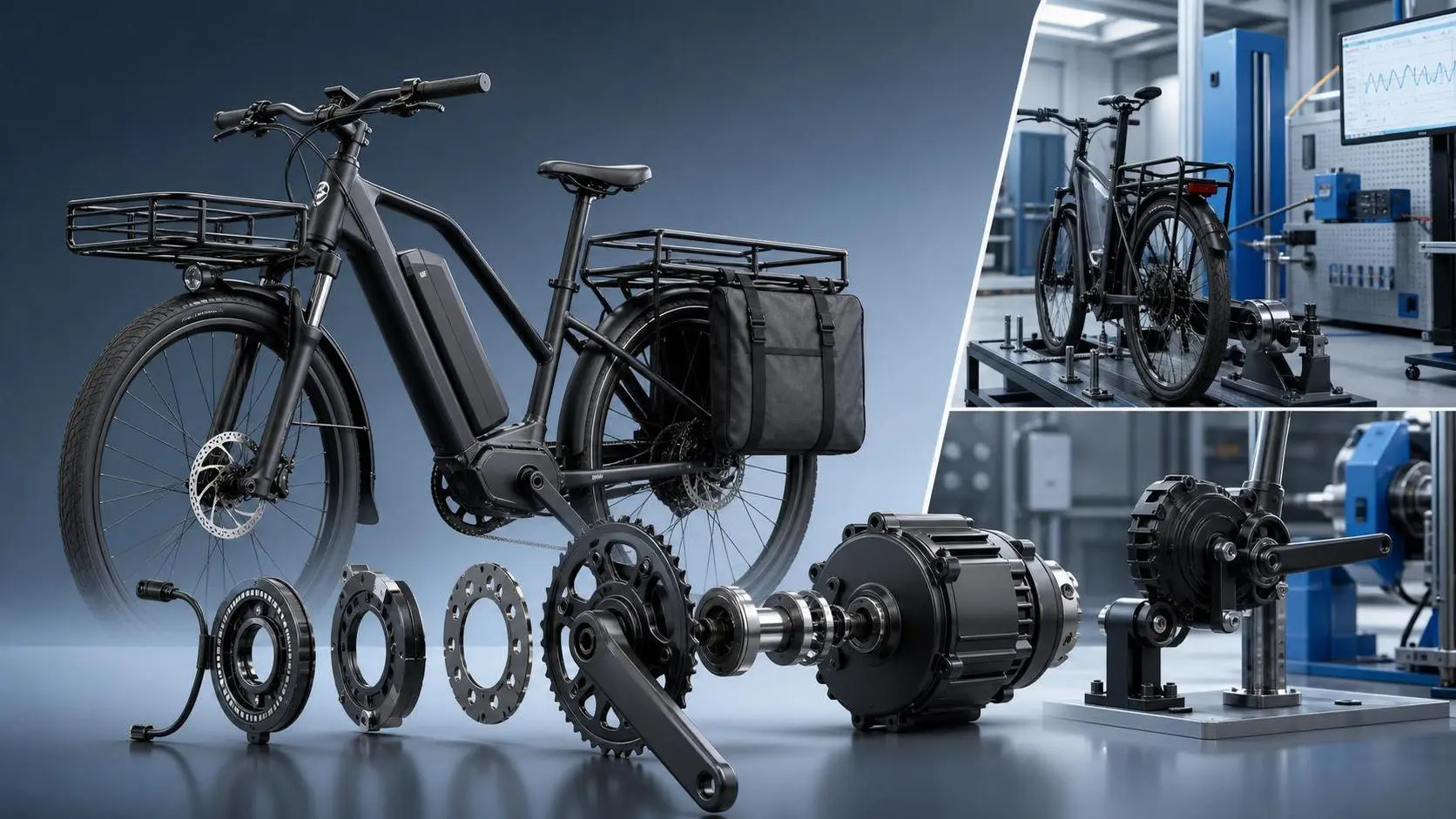
E-Bike Component Selection: How to Evaluate a Torque Sensor for Commuting and Cargo Use
E-bike component selection torque sensor guide for commuting and cargo use. Learn how to compare response, low-cadence control, durability, and integration for smoother, safer rides.
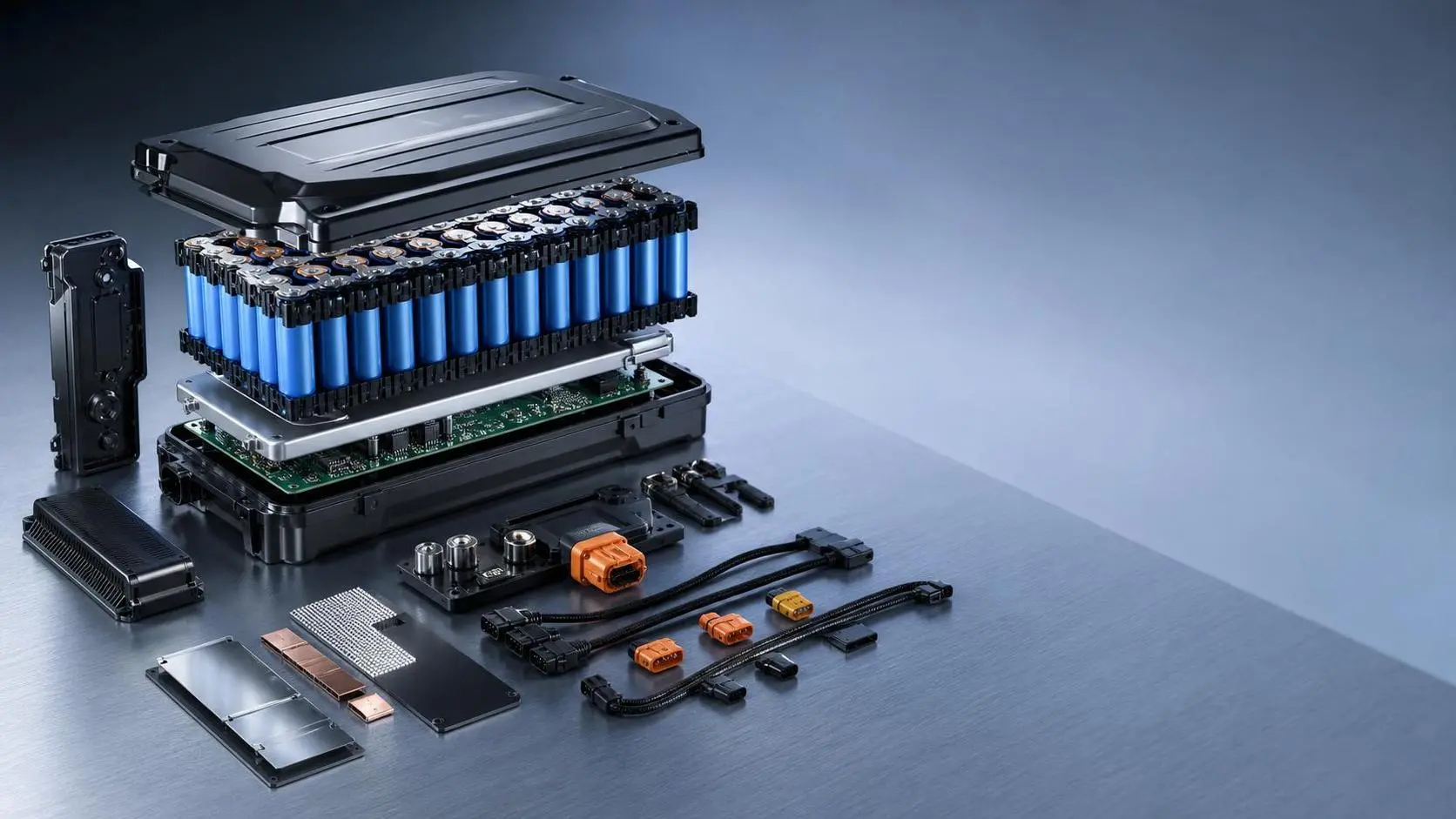
Electric Two Wheeler Battery Components Explained: Cells, BMS, Thermal Parts, and Connectors
Electric two wheeler battery components explained clearly—learn how cells, BMS, thermal parts, and connectors shape safety, range, reliability, and smarter sourcing decisions.