
Related News
- 00
0000-00
How to Evaluate a Drivetrain Architecture Provider for E-bike and Scooter Programs - 00
0000-00
Precision Drivetrain Tuning Explained: Key Adjustments for Smoother Shifting - 00
0000-00
Powertrain Heat Management Explained: Key Design Factors for EV Efficiency and Battery Life - 00
0000-00
Electric Drivetrain Technology Explained: Motors, Controllers, and Efficiency - 00
0000-00
Derailleur Hanger Bent? How to Diagnose Shifting Problems and Decide on Repair or Replacement
Precision Drivetrain Architect
Weekly Insights
Stay ahead with our curated technology reports delivered every Monday.
How to Evaluate a Drivetrain Architecture Provider for E-bike and Scooter Programs





Selecting a drivetrain architecture provider for an e-bike or scooter program is rarely a simple component decision. It shapes efficiency, ride feel, thermal stability, service life, software behavior, and the program’s ability to scale across markets. In micro-mobility, where regulations, rider expectations, and cost pressure move quickly, the better comparison starts with architecture logic rather than headline power figures.
That is why the topic matters across the broader mobility industry. A strong drivetrain architecture provider does more than supply motors, gears, or controllers. It helps align transmission efficiency, battery use, control strategy, durability targets, and compliance needs into one workable system.
What a drivetrain architecture provider actually covers
In practical terms, drivetrain architecture refers to how torque is generated, transferred, controlled, and protected. It includes motor topology, reduction stages, gear interfaces, controller logic, thermal paths, sensor integration, and mechanical packaging.
For e-bikes, this may involve hub-drive or mid-drive layouts, pedal-assist calibration, chainline effects, and interaction with derailleur systems. For scooters, it often centers on compact packaging, sealed operation, regenerative behavior, and NVH control.
A capable drivetrain architecture provider should therefore be evaluated as a system partner. The question is not only whether its parts work. The real question is whether the architecture works under real load, real climates, real duty cycles, and real service conditions.
Why the evaluation bar is rising
The global micro-mobility market has become more technically demanding. Urban fleets need uptime and remote diagnostics. Consumer e-bikes need natural assistance and lower maintenance. High-speed two-wheelers need tighter thermal and safety margins.
At the same time, policy pressure is reshaping product requirements. Subsidy frameworks, right-of-way rules, battery transport limits, and local homologation standards now affect architecture decisions much earlier in development.
This is where sector intelligence matters. Platforms such as UMMS track how electromechanical transmission efficiency, battery management logic, and evolving urban mobility regulation connect in practice. That broader view is useful when comparing providers whose technical claims look similar on paper.
Start with system fit, not isolated specifications
Many evaluations fail because the shortlist begins with torque, wattage, or unit cost alone. Those numbers matter, but they do not reveal whether the drivetrain architecture provider matches the intended vehicle behavior.
A commuter e-bike, a cargo e-bike, a shared scooter, and a premium urban scooter have different architecture priorities. One may value smooth pedal blending. Another may need impact resistance, simplified service, and theft-tolerant firmware.
Before comparing suppliers, define the operating envelope clearly:
- Peak and sustained torque demand
- Target speed bands and hill-climb duty
- Gross vehicle weight and rider load variance
- Ambient temperature range and water exposure
- Expected service intervals and field repair model
- Regional compliance and connectivity requirements
Once those conditions are explicit, the strengths and weaknesses of each drivetrain architecture provider become easier to see.
Key technical dimensions to compare
Power transmission efficiency
Look beyond nominal efficiency claims. Ask where the efficiency map peaks, how broad it remains across normal riding conditions, and how much loss appears after thermal soak or contamination exposure.
In e-bikes, poor efficiency can reduce range and create an artificial riding feel. In scooters, it often appears as heat buildup, battery drain, and weaker repeat acceleration.
Thermal design and protection logic
A drivetrain architecture provider should explain how heat leaves the motor, controller, and gear case. Good thermal design is not only about maximum temperature. It is about predictable derating and recovery behavior.
Ask for test data from long climbs, stop-start city cycles, and high payload conditions. Intermittent power can look strong in lab snapshots while failing during sustained urban use.
Controls, sensors, and ride calibration
The control layer often determines user perception more than motor hardware. Torque sensing, cadence interpretation, throttle mapping, traction logic, and regenerative tuning all influence whether the vehicle feels refined or unstable.
A credible drivetrain architecture provider should show how calibration can be adapted by vehicle class, geography, and rider profile without breaking safety margins.
Mechanical robustness
Check bearing strategy, sealing design, gear wear behavior, shaft alignment tolerance, and housing stiffness. Shared scooters and cargo e-bikes typically expose drivetrain weaknesses faster than light consumer applications.
This is also where integration with bicycle derailleur components or other transmission interfaces becomes important. Poor alignment between electric assist and mechanical drivetrain loads can shorten component life quickly.
Questions that reveal real supplier capability
A polished presentation can hide shallow engineering depth. Better evaluation comes from targeted questions about design choices, validation methods, and failure response.
The most useful responses usually include constraints and lessons learned. That level of detail is often a better indicator than perfect brochure language.
Program risk sits beyond the hardware
An experienced drivetrain architecture provider should also be measured on execution risk. Even a strong design can become a weak program if documentation, change control, spare parts planning, or regional certification support is immature.
This matters especially in international rollouts. E-bike exports, connected scooters, and urban fleet deployments often require different firmware variants, battery interfaces, and after-sales workflows. Architecture flexibility can save significant redesign time later.
Review these non-hardware factors carefully:
- Change notification discipline for firmware and mechanical revisions
- Diagnostic tools available to field teams
- Compatibility with battery, BMS, and vehicle control units
- Documentation depth for integration and service manuals
- Regulatory support across target regions
- Capacity planning for scale-up and seasonal demand shifts
How evaluation changes by vehicle category
The same drivetrain architecture provider may perform very differently across vehicle classes. Evaluation criteria should reflect that reality.
Urban commuter e-bikes
Natural assist response, low maintenance, quiet operation, and range efficiency usually dominate. Integration with shifting systems and rider cadence behavior deserves close attention.
Cargo and utility e-bikes
Continuous load handling becomes more important than peak output. Thermal margins, reinforced transmission paths, and restart torque under payload are critical review points.
Shared or rental scooters
Field abuse, water ingress, remote diagnostics, and service turnaround matter more than polished showroom feel. Simplicity and fault isolation can outweigh minor efficiency gains.
Premium personal scooters
Ride smoothness, acceleration consistency, software tuning, and compact packaging matter more. Here, a drivetrain architecture provider should demonstrate refined calibration, not just ruggedness.
A practical way to make the final comparison
A useful approach is to score providers on weighted criteria tied to the target program. Keep the model simple enough to defend in review meetings.
Common weighting categories include system efficiency, thermal robustness, control maturity, validation quality, manufacturing readiness, and lifecycle support. Add market-specific compliance if the launch spans multiple regions.
Then validate the top candidates with a short field trial. Bench performance is necessary, but city gradients, stop frequency, rider behavior, and service handling often expose the decisive difference.
For teams following micro-mobility market signals, combining supplier data with independent sector intelligence is a stronger path. UMMS-style analysis is valuable here because drivetrain choices do not sit apart from battery logic, connectivity trends, or urban policy shifts.
Where to focus next
The best drivetrain architecture provider is usually the one whose system logic matches the vehicle mission, not the one with the most aggressive headline specification. That distinction becomes clearer when technical, operational, and regional factors are reviewed together.
A sensible next step is to turn program assumptions into an evaluation matrix, request evidence behind each performance claim, and compare providers against the same duty cycles. That process creates a cleaner decision and reduces redesign risk later.
Related News
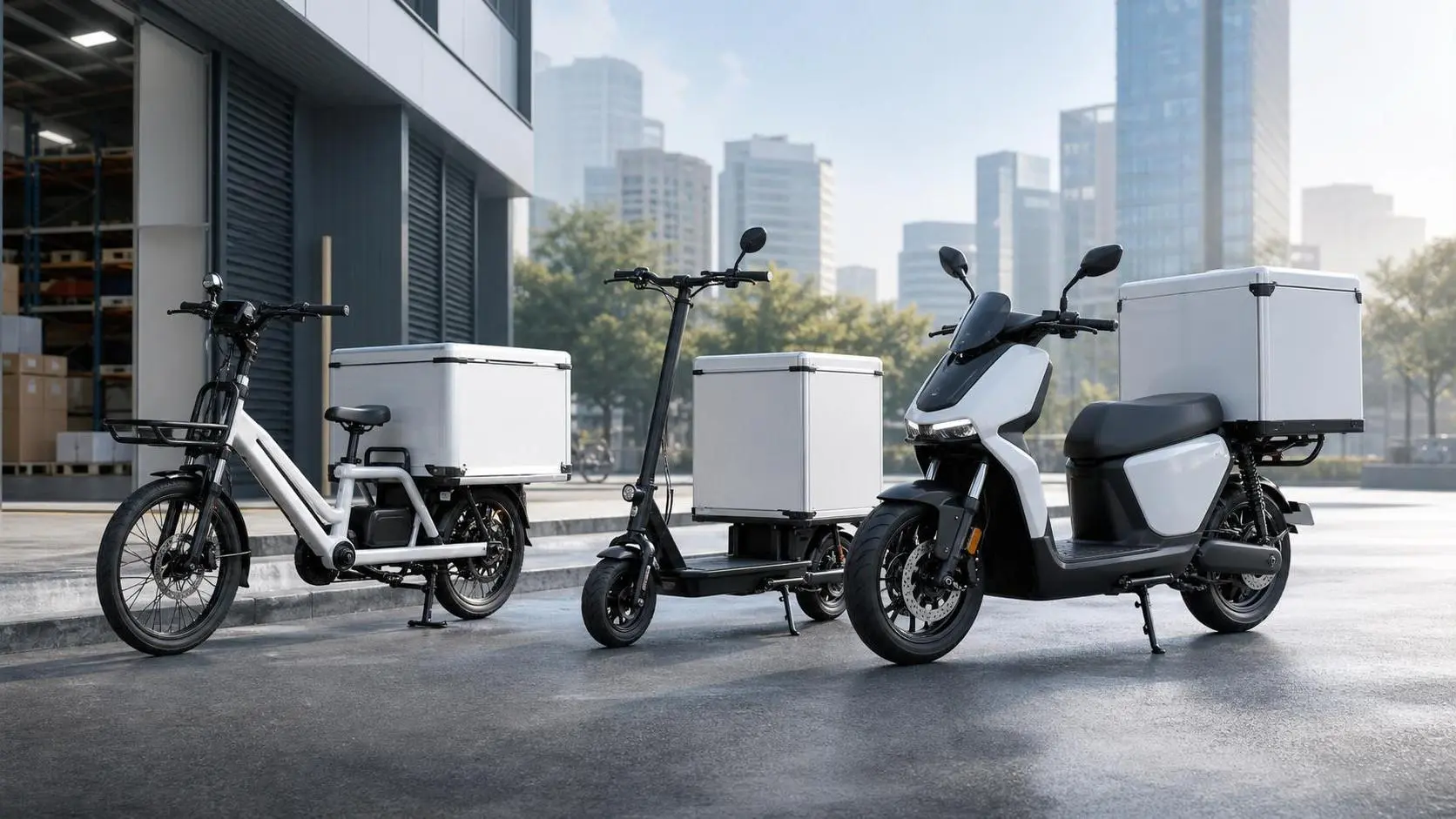
Electric Mobility for Logistics: How to Choose the Right Vehicle for Last-mile Delivery
Electric mobility for logistics starts with choosing the right last-mile vehicle. Compare e-bikes, e-scooters, and e-motorcycles by route, payload, weather, and cost.
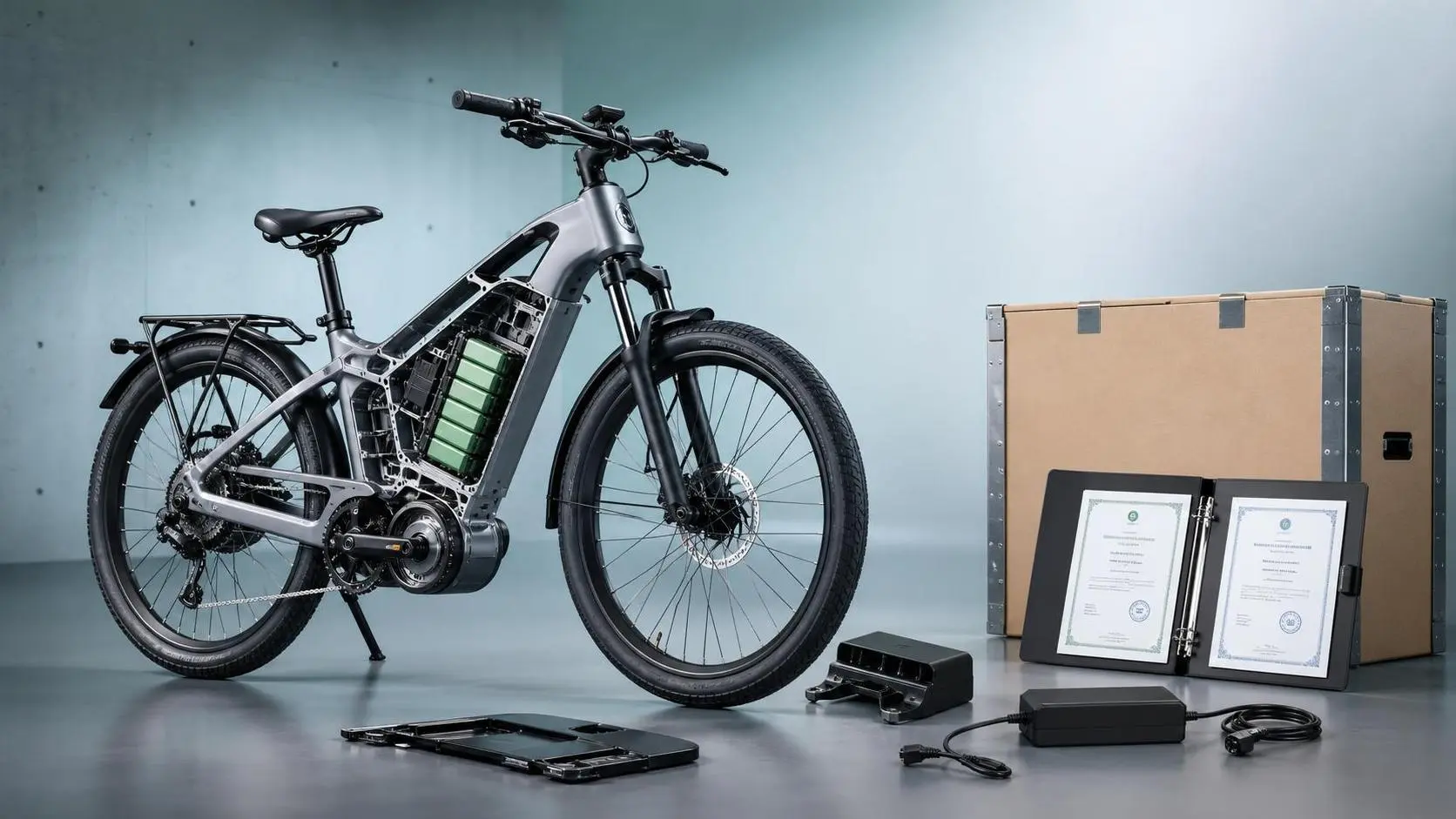
What Drives Low Carbon E-bike Price: Materials, Battery Specs, and Compliance Costs
Low carbon e-bike price explained: compare frame materials, battery specs, and compliance costs to avoid hidden risks, source smarter, and choose models with better long-term value.
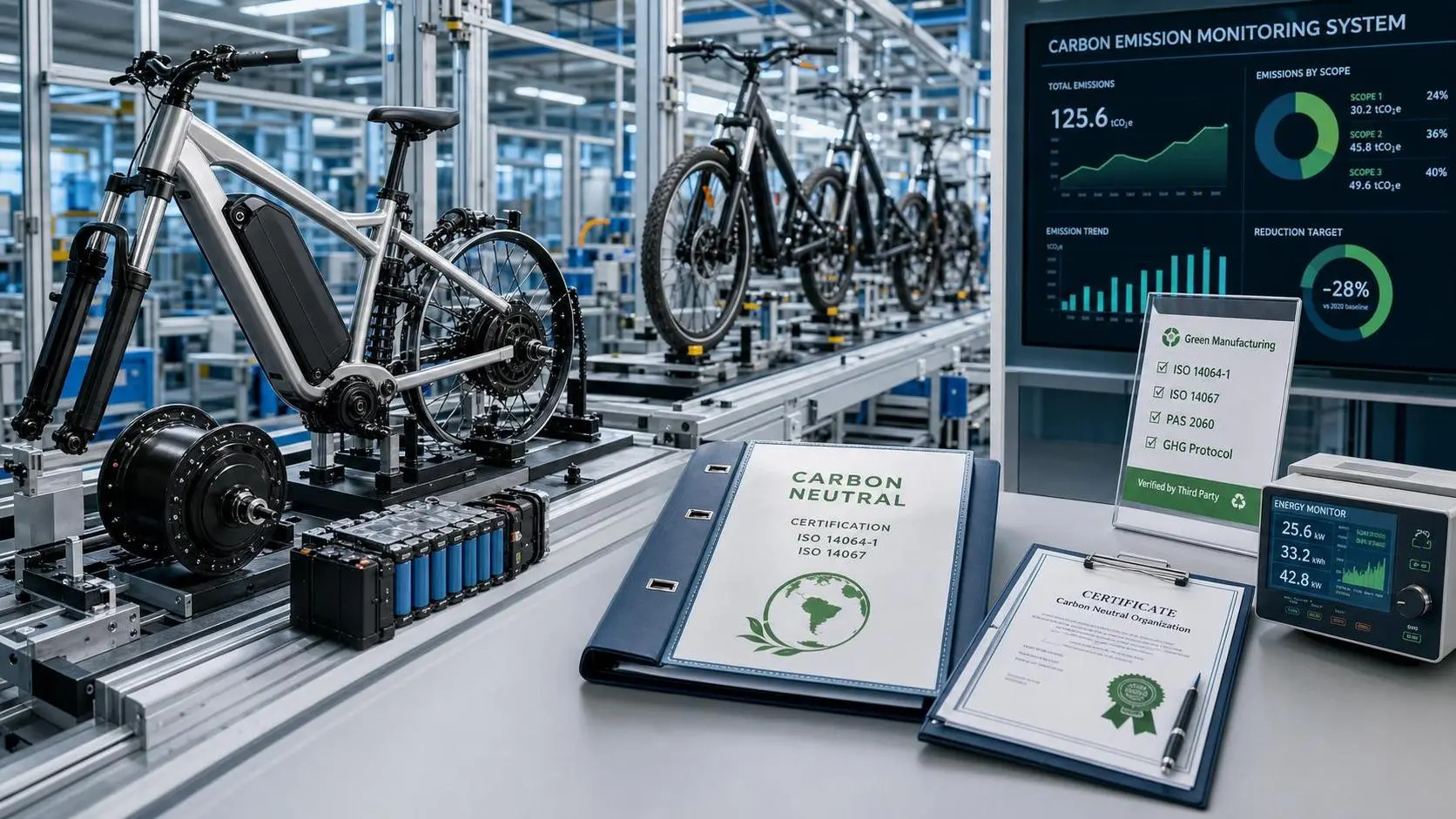
Carbon Neutrality Standards for E-bike Manufacturing: Key Metrics and Certification Steps
Carbon neutrality standards for e-bike manufacturing: learn the key metrics, supplier data, Scope 1–3 controls, and certification steps needed to cut emissions and prove credible low-carbon performance.
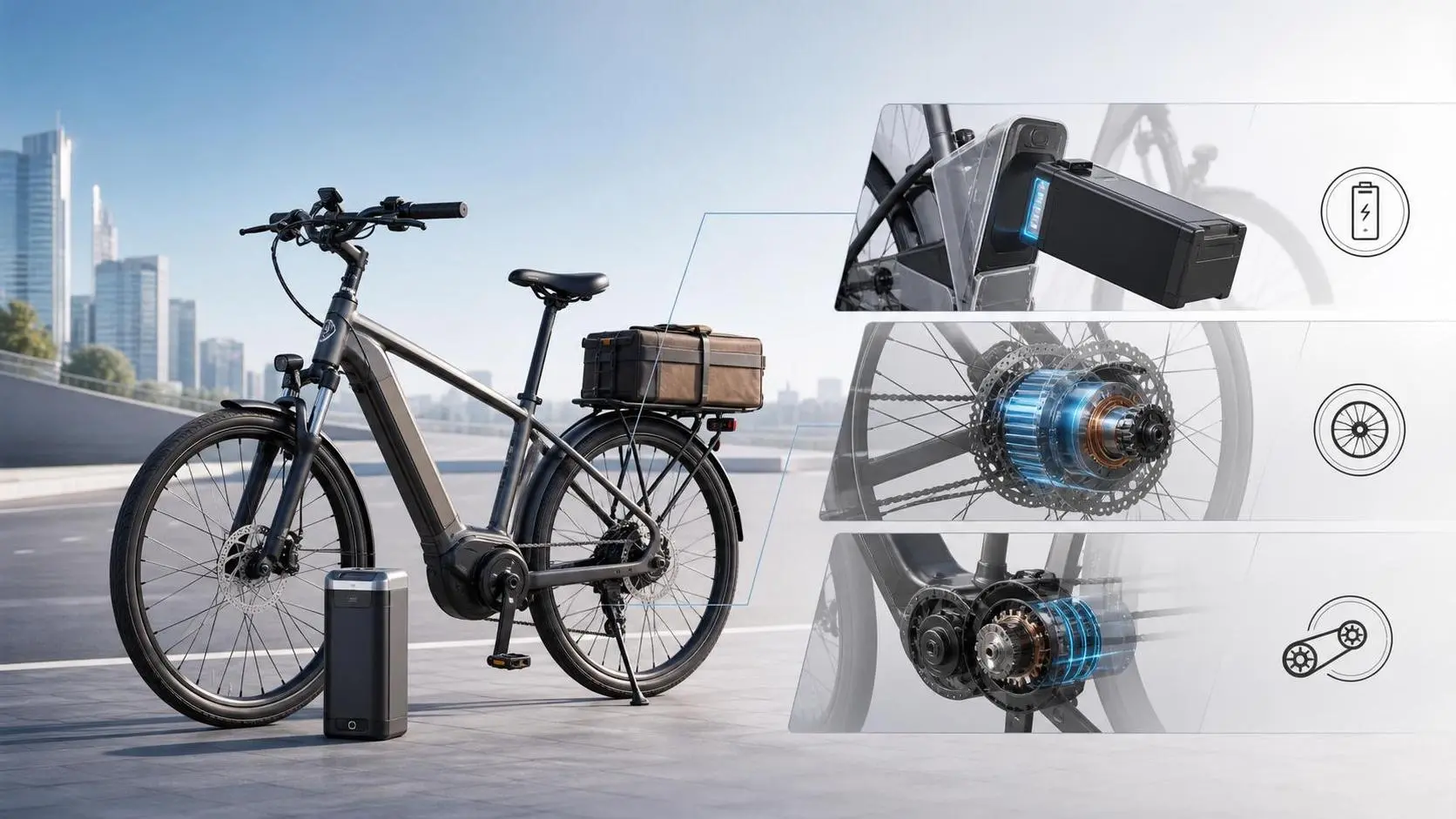
Utility Maximization in E-bikes: Which Motor, Battery, and Range Trade-offs Matter Most?
Utility maximization in ebikes explained: compare motor, battery, and real-world range trade-offs to find the smartest setup for commuting, hills, cargo, and daily value.
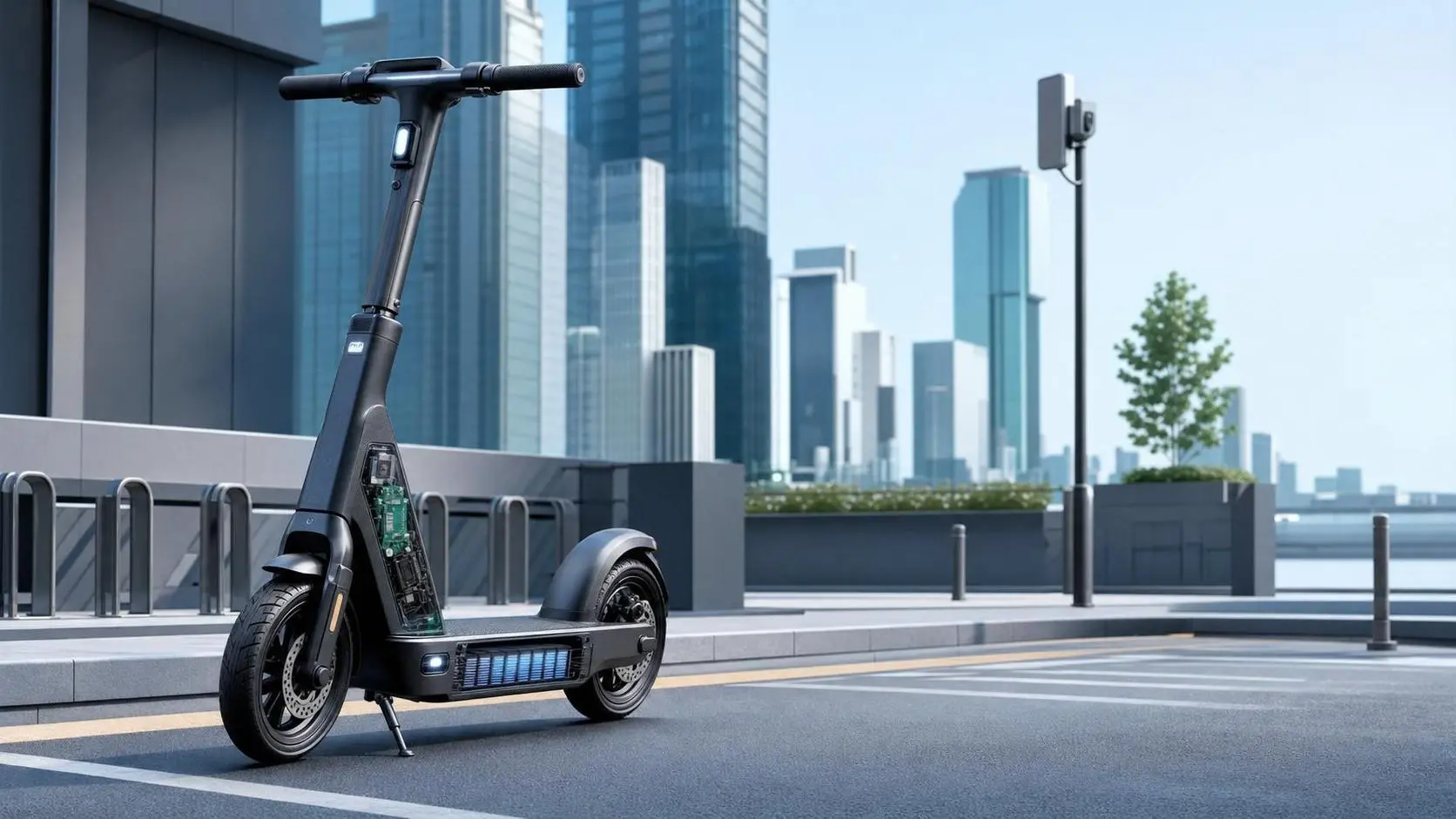
IoT Scooter Tracking System Explained: GPS Accuracy, Battery Use, and Data Integration
IoT scooter tracking system guide covering GPS accuracy, battery efficiency, connectivity, and data integration—learn what drives reliable micro-mobility performance.
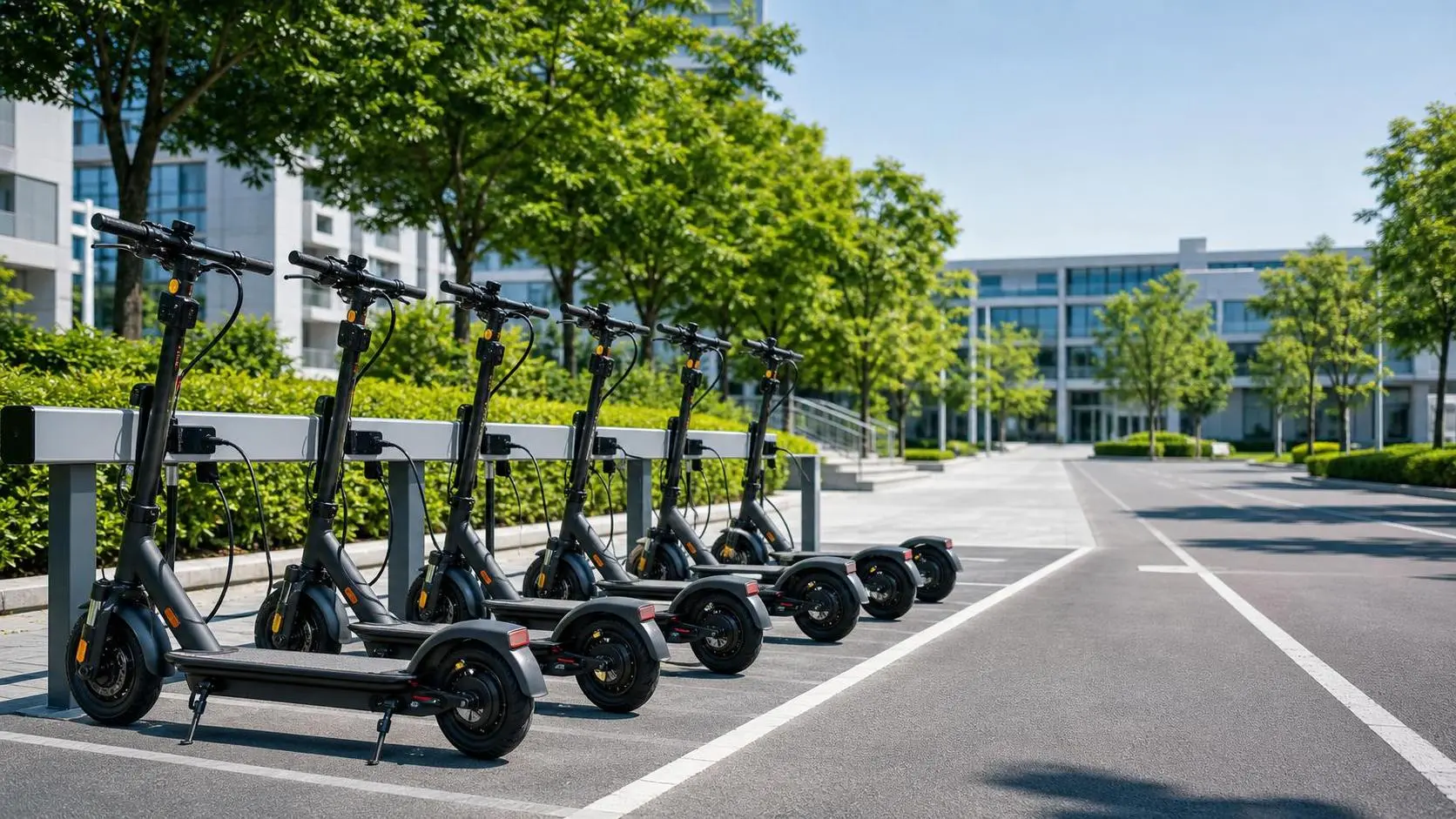
Urban Transport Scooters for Campuses: What to Consider for Safety, Charging, and Fleet Size
Urban transport scooters for campuses require more than the right vehicle. Learn how to improve safety, plan charging, and size fleets for reliable, scalable campus mobility.
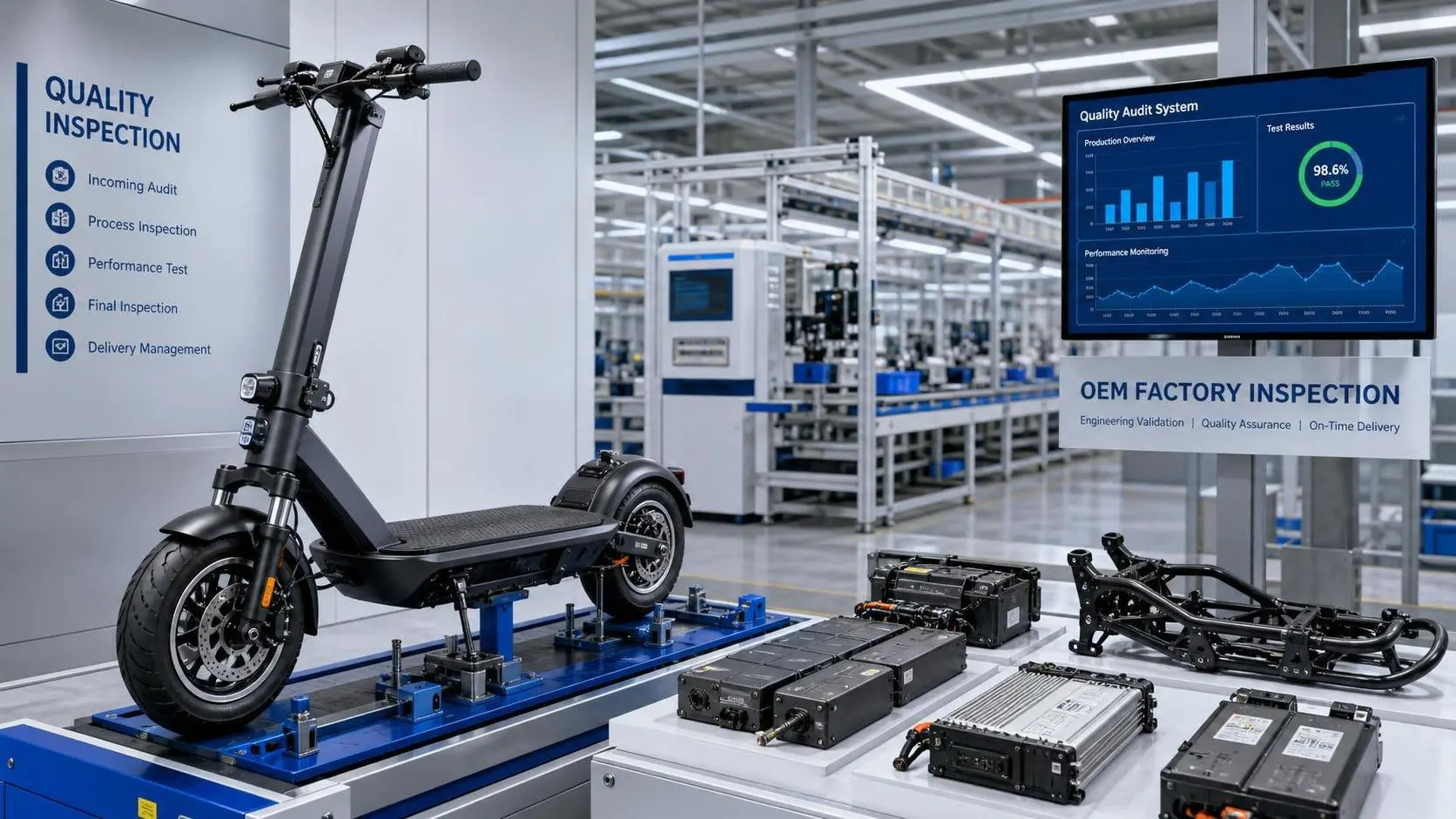
How to Evaluate an E Scooter Sourcing Factory for OEM Quality and Lead Time
e scooter sourcing factory evaluation guide for OEM buyers: learn how to verify quality systems, engineering strength, compliance, and lead time reliability before placing volume orders.
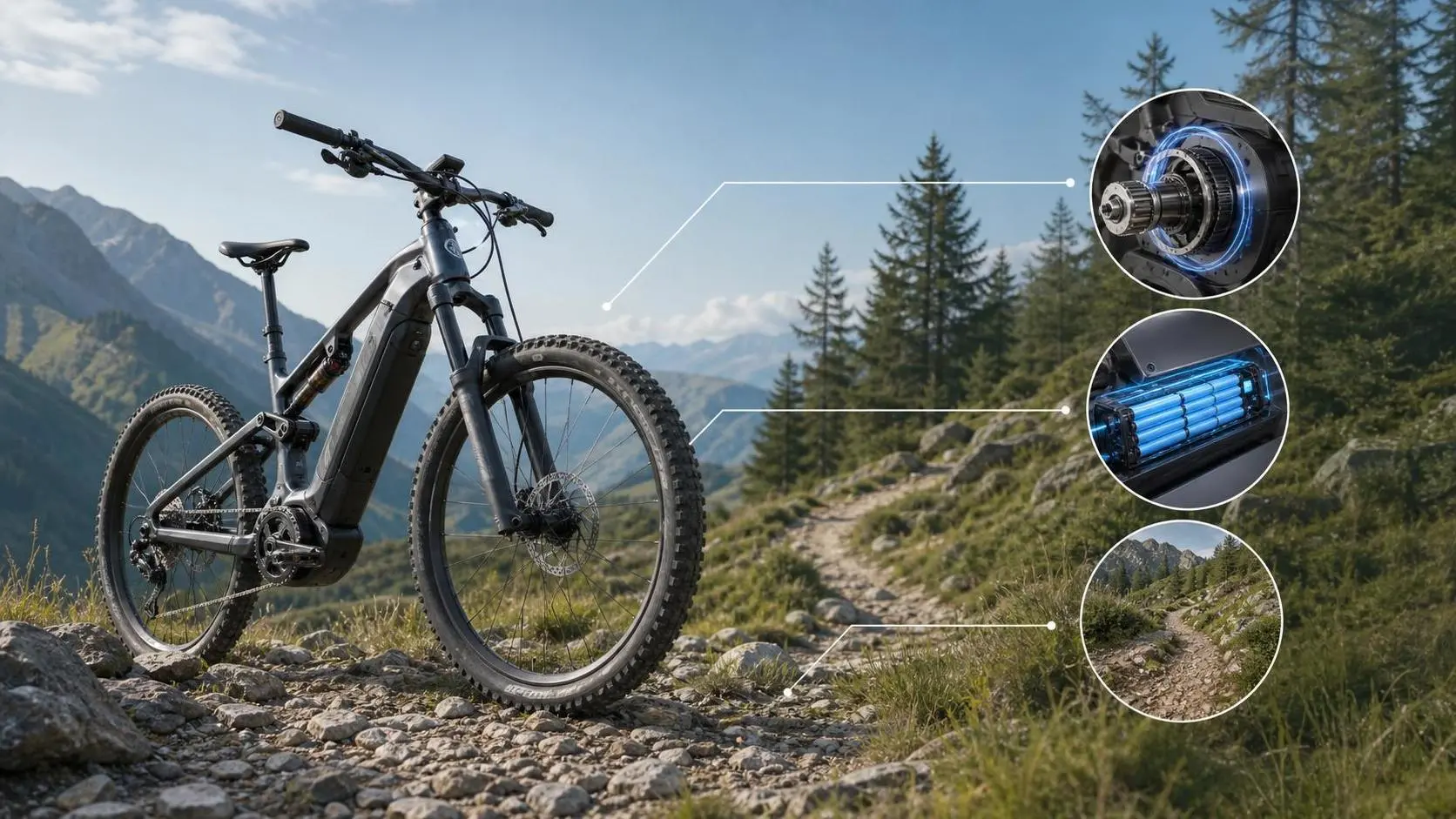
Electric Mountain Bike Buying Guide: Motor Torque, Battery Range, and Trail Fit
Electric mountain bike buying guide covering motor torque, battery range, and trail fit. Compare key specs, avoid costly mistakes, and choose the right e-MTB for your riding style.

Urban Transport Planning Basics: How Cities Match Mobility Options to Trip Demand
Urban transport planning explained: learn how cities match buses, rail, e-bikes, and scooters to real trip demand, cut congestion, and improve last-mile mobility.