
Related News
- 00
0000-00
Wiper Streaking Problem: 7 Common Causes and How to Fix Them Step by Step - 00
0000-00
How to Choose OEM Windshield Wipers for Private Label Auto Parts Programs - 00
0000-00
Flat Wiper Blades Europe: What to Check Before Choosing OEM or Aftermarket Options - 00
0000-00
Replacement Wiper System Components Explained: Parts, Fitment, and When to Replace - 00
0000-00
Flat Wiper Blades Wholesale Buying Guide: MOQ, Rubber Quality, Fitment, and Supplier Checks
Visibility Safety Expert
Weekly Insights
Stay ahead with our curated technology reports delivered every Monday.
Wiper Streaking Problem: 7 Common Causes and How to Fix Them Step by Step





Why a Wiper Streaking Problem Needs Fast, Context-Based Diagnosis
A wiper streaking problem is rarely just a cosmetic issue.
On urban service vehicles, shared mobility fleets, and commuter machines, poor wipe quality quickly turns into a visibility and safety risk.
It also creates a familiar after-sales pattern.
The blade gets replaced, the streaks return, and the real fault remains untouched.
That is why the practical question is not only how to remove streaks.
The better question is what operating condition produced the wiper streaking problem in the first place.
Within the wider micro-mobility ecosystem observed by UMMS, visibility systems are part of a broader reliability chain.
A flat blade, arm spring, washer fluid, sensor logic, and windshield condition all affect field performance.
In actual maintenance work, the same streak pattern can come from very different causes.
Rainy commuter use, dusty delivery routes, and long idle storage each push the system in different ways.
Actual Use Conditions Change How the Wiper Streaking Problem Appears
A private car used twice a day often shows a different failure pattern from a fleet unit cleaning glass dozens of times daily.
High-frequency urban duty usually accelerates rubber wear and contaminant buildup.
Coastal environments add salt film.
Construction corridors add fine grit.
Cold storage or seasonal parking often hardens blade edges before mileage becomes high.
More advanced wiper systems also introduce another layer.
On smart platforms, poor wipe results may reflect not only hardware wear, but also sensor timing, motor speed stability, or washer activation logic.
The common mistake is treating every wiper streaking problem as a blade-only problem.
That shortcut saves minutes at inspection, but often loses days in repeat complaints.
Seven Common Causes Behind a Wiper Streaking Problem
1. Worn or hardened blade rubber
This is still the most common cause.
The wipe edge loses flexibility, skips micro-contours on the glass, and leaves narrow wet lines.
Step by step, inspect the edge for cracks, flat spots, or torn corners.
Clean it first, then replace the blade if the edge no longer feels even and elastic.
2. Dirt, oil, wax, or road film on the windshield
A new blade can still produce a wiper streaking problem when the glass surface is contaminated.
This often happens after tunnel dust, traffic exhaust, polishing residue, or low-grade washer additives.
Use a dedicated glass cleaner, then test with clean water.
If beading remains uneven, remove bonded film before fitting another blade.
3. Incorrect arm pressure or weak spring tension
In high-cycle service, arm tension gradually drops.
The blade touches the glass, but not with enough consistency to sweep cleanly.
Check whether streaking worsens at higher speed or near the edge of the wipe path.
Measure spring force where possible, and replace or adjust the arm if pressure is below specification.
4. Blade misalignment or poor installation angle
A blade installed with twist or offset can drag instead of flip cleanly.
That produces smearing, chatter, and a repeating wiper streaking problem after recent service.
Confirm connector fit, arm alignment, and blade orientation.
On beam blades, even a small seating error can affect contact across the full span.
5. Damaged windshield surface
Tiny chips, scratches, and pitted glass are often overlooked.
Yet they interrupt the blade edge every time it passes.
If the streak always appears in the same narrow location, inspect the glass under angled light.
Polishing may help minor marks, but severe damage usually requires glass repair or replacement.
6. Poor washer fluid quality or blocked washer nozzles
A dry sweep can create a wiper streaking problem even when hardware is healthy.
This shows up when nozzles spray unevenly or the fluid leaves residue after evaporation.
Check spray coverage first.
Flush the lines, clear nozzle blockage, and switch to a fluid matched to climate and contamination level.
7. Motor speed instability or sensor timing faults
This matters more on electronically managed systems.
Intermittent speed variation changes the pressure and flip behavior of the blade.
Rain-sensing logic can also trigger too late, leaving semi-dry passes.
Review motor current, linkage drag, and sensor calibration before blaming the blade alone.
Different Operating Scenarios Need Different Fix Priorities
The fix sequence should match the way the equipment is used.
That is where many maintenance routines become too generic.
- For daily commuter vehicles, start with blade condition, glass cleanliness, and washer pattern.
- For shared or delivery fleets, include arm tension and contamination source tracking early.
- For vehicles stored outdoors, inspect rubber aging before counting service hours.
- For smart wiper systems, compare wipe quality with sensor response and motor stability logs.
In practical terms, the same wiper streaking problem can justify different maintenance actions.
A blade swap may be enough in one case.
In another, the durable fix comes from cleaning protocols, arm replacement, or recalibration.
Where Misdiagnosis Usually Happens
The most frequent mistake is checking only one visible part.
A blade with dirt on it may be a symptom, not the root cause.
Another common error is ignoring environmental carryover.
Salt, silicone wash products, traffic film, and fine brake dust can recreate a wiper streaking problem within days.
There is also a cost trap.
Low-cost blades or fluid can reduce immediate spend, yet increase repeat labor, downtime, and customer dissatisfaction.
On modern mobility platforms, one more blind spot appears.
Technicians may separate mechanical and electronic checks, even when the failure sits between them.
UMMS has tracked similar cross-domain issues in other mobility subsystems.
The lesson is consistent: field reliability improves when component behavior is read as part of a system.
A Practical Step-by-Step Routine for More Reliable Results
When a wiper streaking problem returns repeatedly, a short structured routine works better than part swapping.
- Record the exact streak pattern and whether it changes with speed, rain level, or washer use.
- Clean the windshield and blade thoroughly before any replacement decision.
- Inspect blade rubber for wear, edge damage, and set deformation.
- Check arm pressure, alignment, and connector seating.
- Test washer spray coverage and fluid residue behavior.
- Inspect glass for pitting, chips, and localized scratches.
- On smart systems, verify motor consistency and sensor timing.
This sequence helps separate simple consumable wear from recurring system-level faults.
It also builds a more consistent service record for future comparison.
What to Confirm Before the Next Maintenance Cycle
A durable fix for any wiper streaking problem starts with context.
Confirm where the vehicle runs, how often the wipers operate, what residue reaches the glass, and whether controls are purely mechanical or electronically managed.
Then set a maintenance standard around those conditions.
That may include blade inspection intervals, approved washer fluid, glass cleaning methods, and a checklist for arm force and sensor performance.
When the next complaint appears, compare the symptom against the actual operating scenario first.
That approach reduces guesswork, improves repair accuracy, and keeps visibility systems aligned with the broader reliability demands of modern urban mobility.
Related News
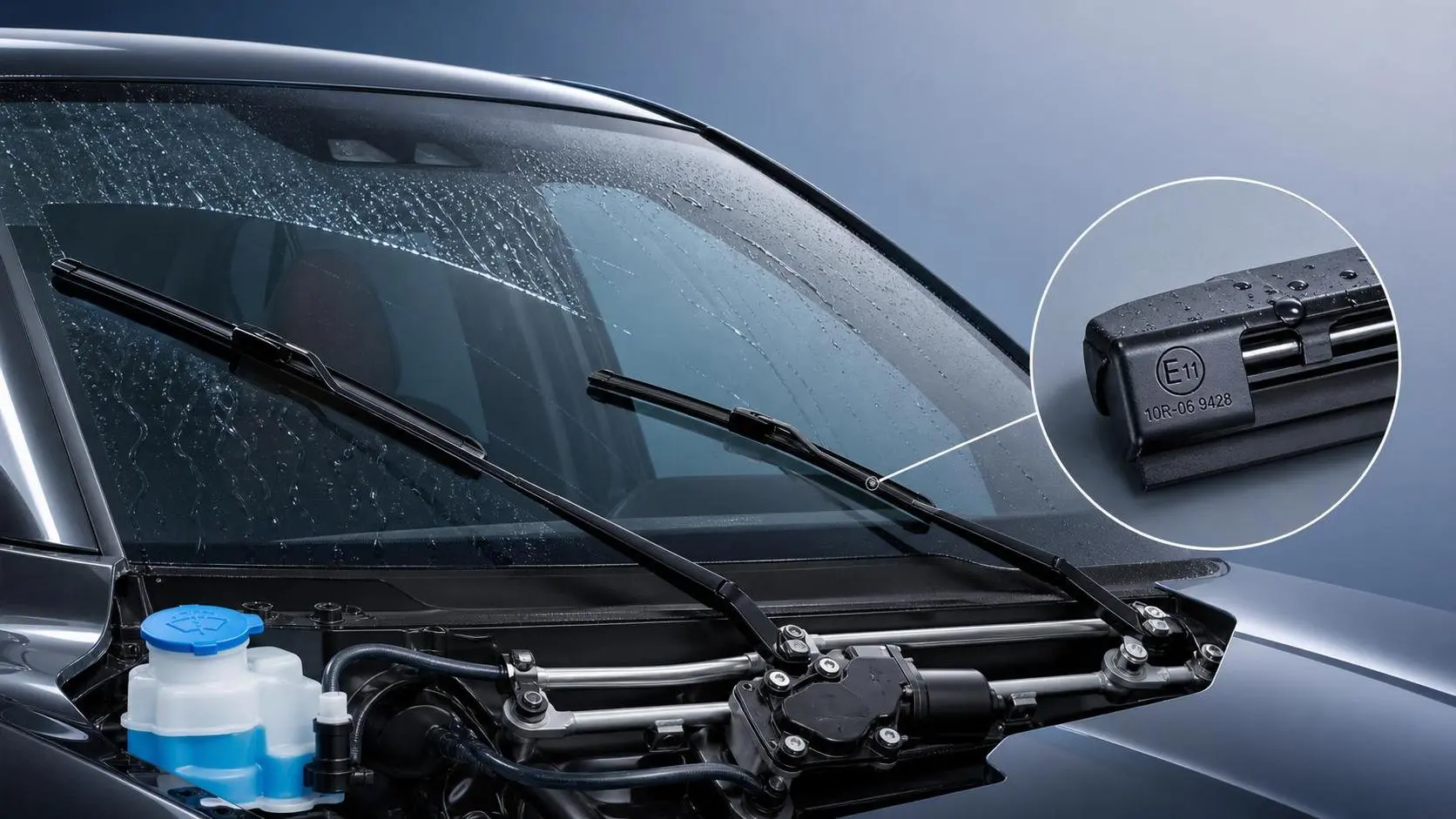
Wiper Systems ECE Compliance: Which Tests, Marks, and Documents Matter for Approval?
Wiper systems ECE approval explained: learn which tests, marks, and documents matter most to avoid delays, reduce compliance risk, and speed market access.
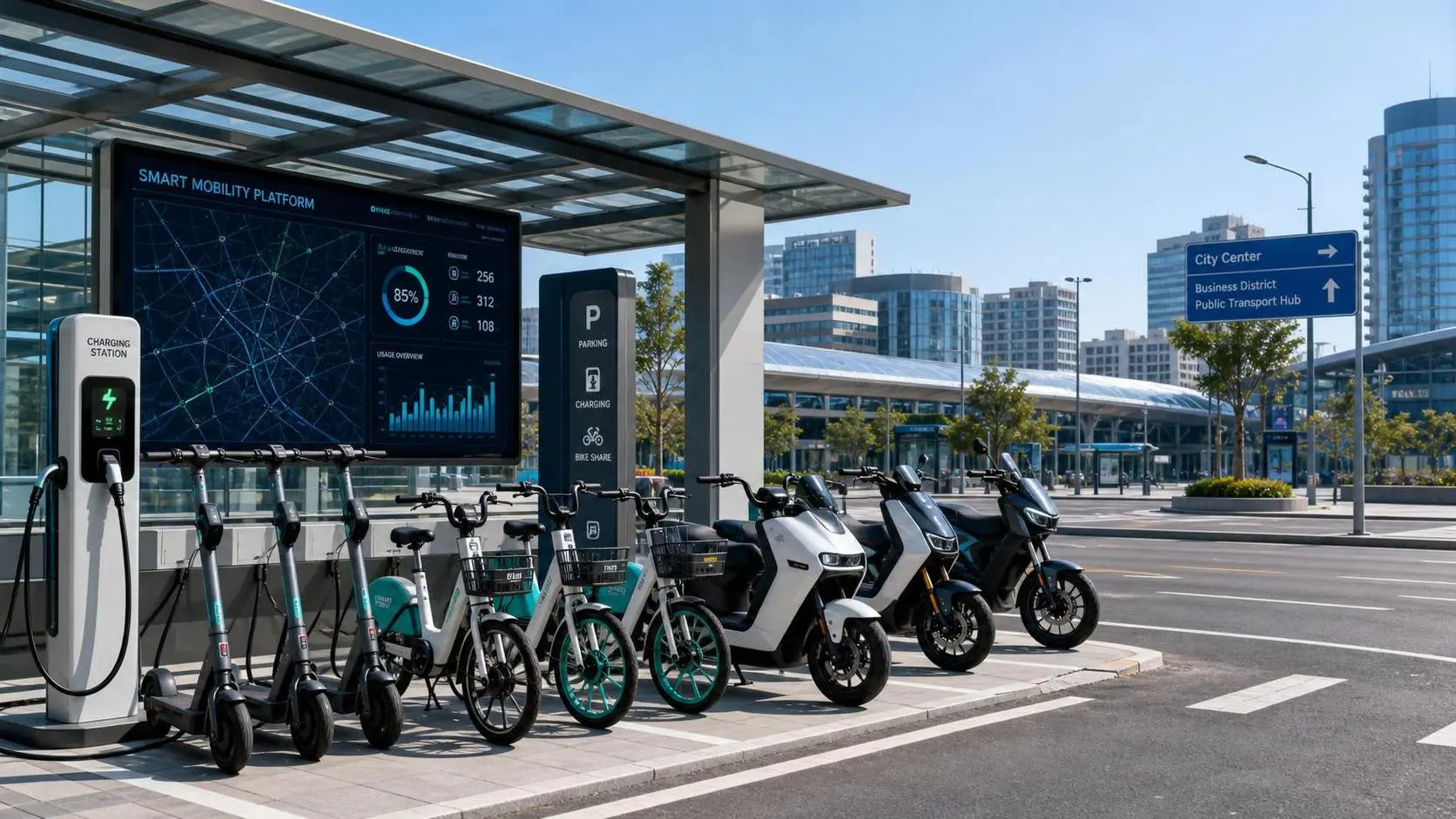
What Is a Smart Transportation Platform and Which Urban Mobility Use Cases Fit Best?
Smart transportation platform strategies help cities and operators improve fleet coordination, battery planning, compliance, and urban mobility efficiency. Explore the best-fit use cases now.
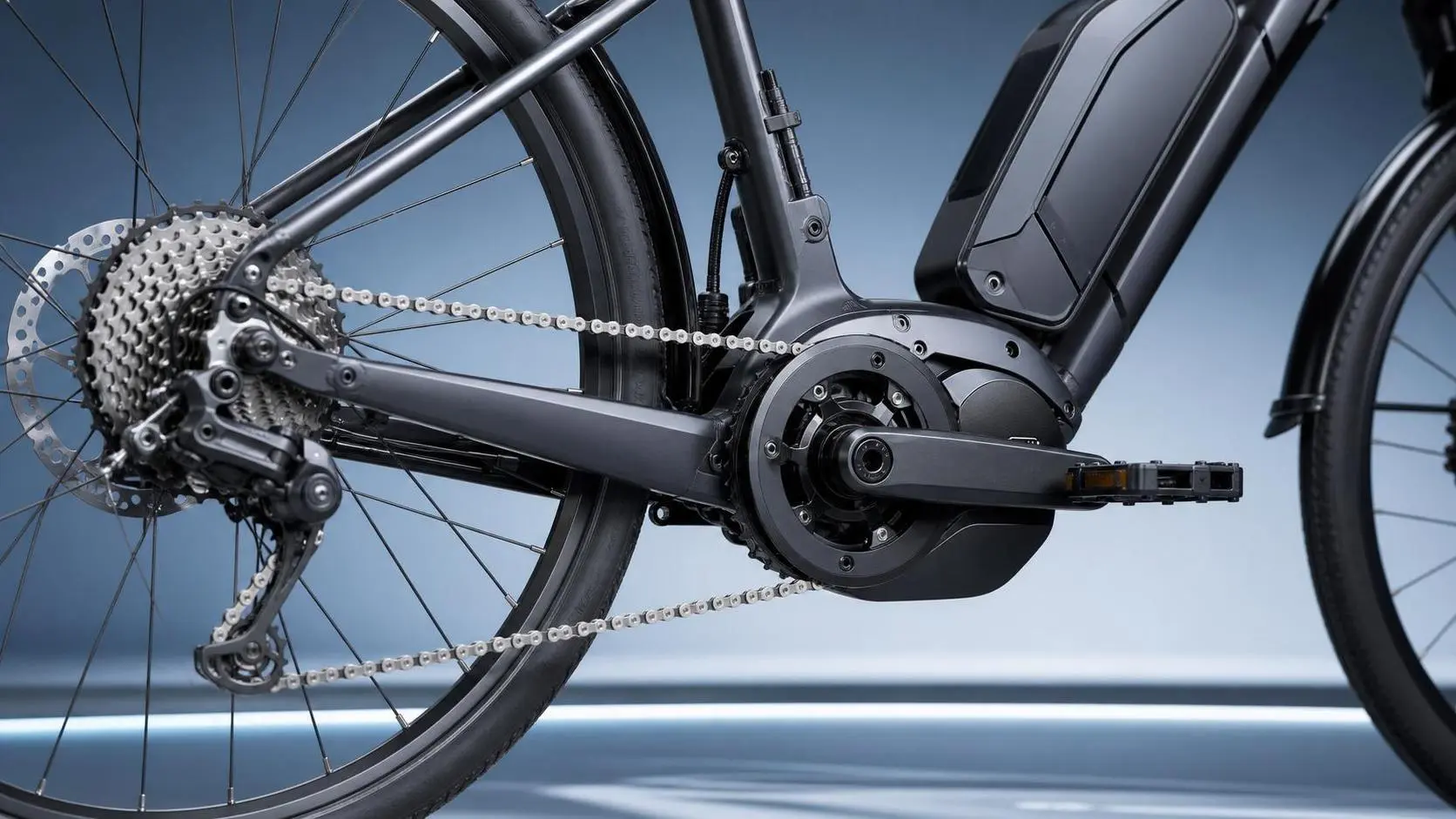
How to Evaluate an Electronic Shifting Drivetrain for E-bikes: Compatibility, Response, and Maintenance
Electronic shifting drivetrain evaluation for e-bikes: learn how to assess compatibility, shift response, and maintenance needs to choose a smoother, more reliable system.
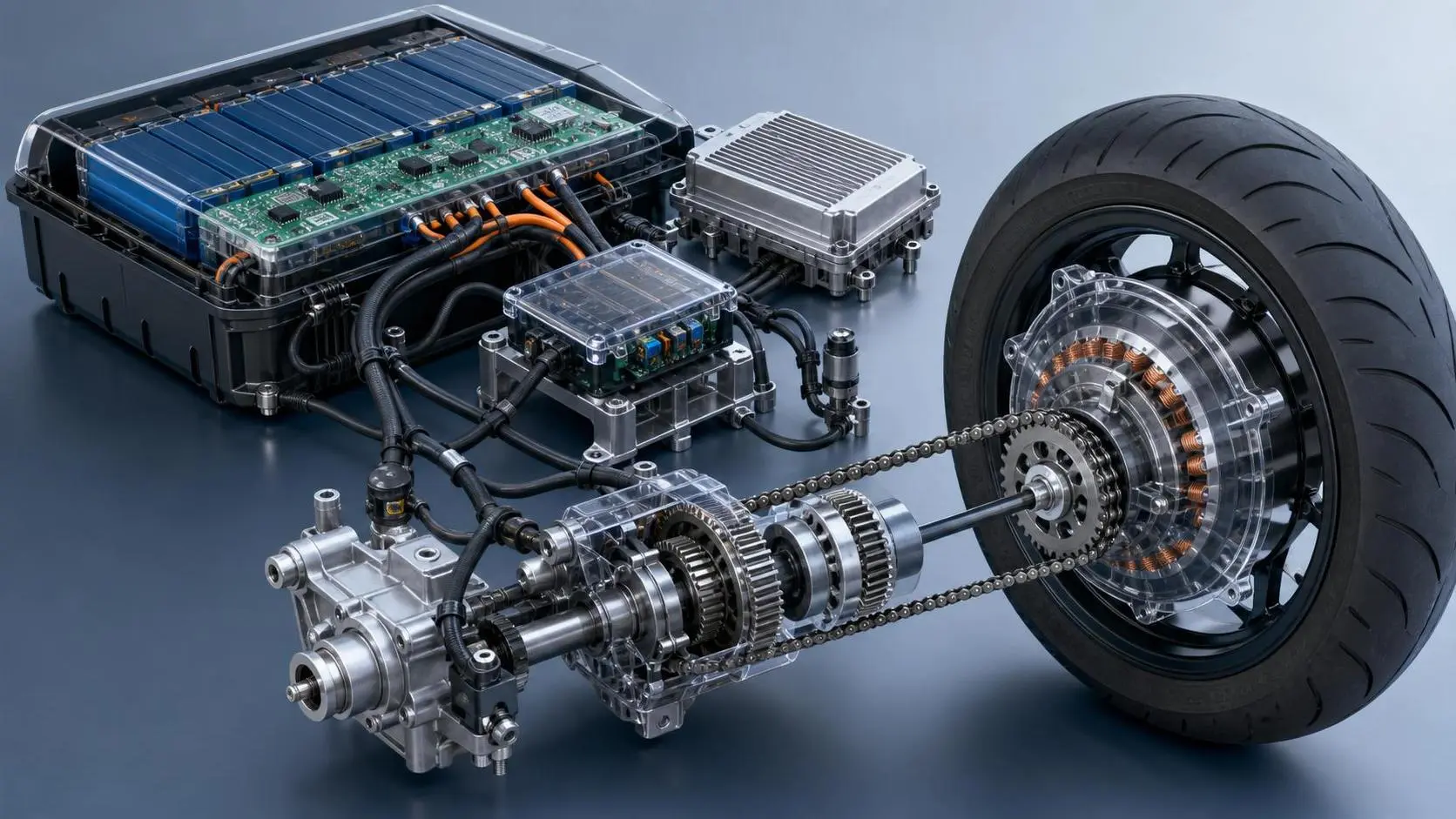
Electric Drivetrain Components Explained: Key Parts, Functions, and Failure Points
Electric drivetrain components explained: discover key parts, core functions, and common failure points to improve performance, reliability, and smarter buying decisions.
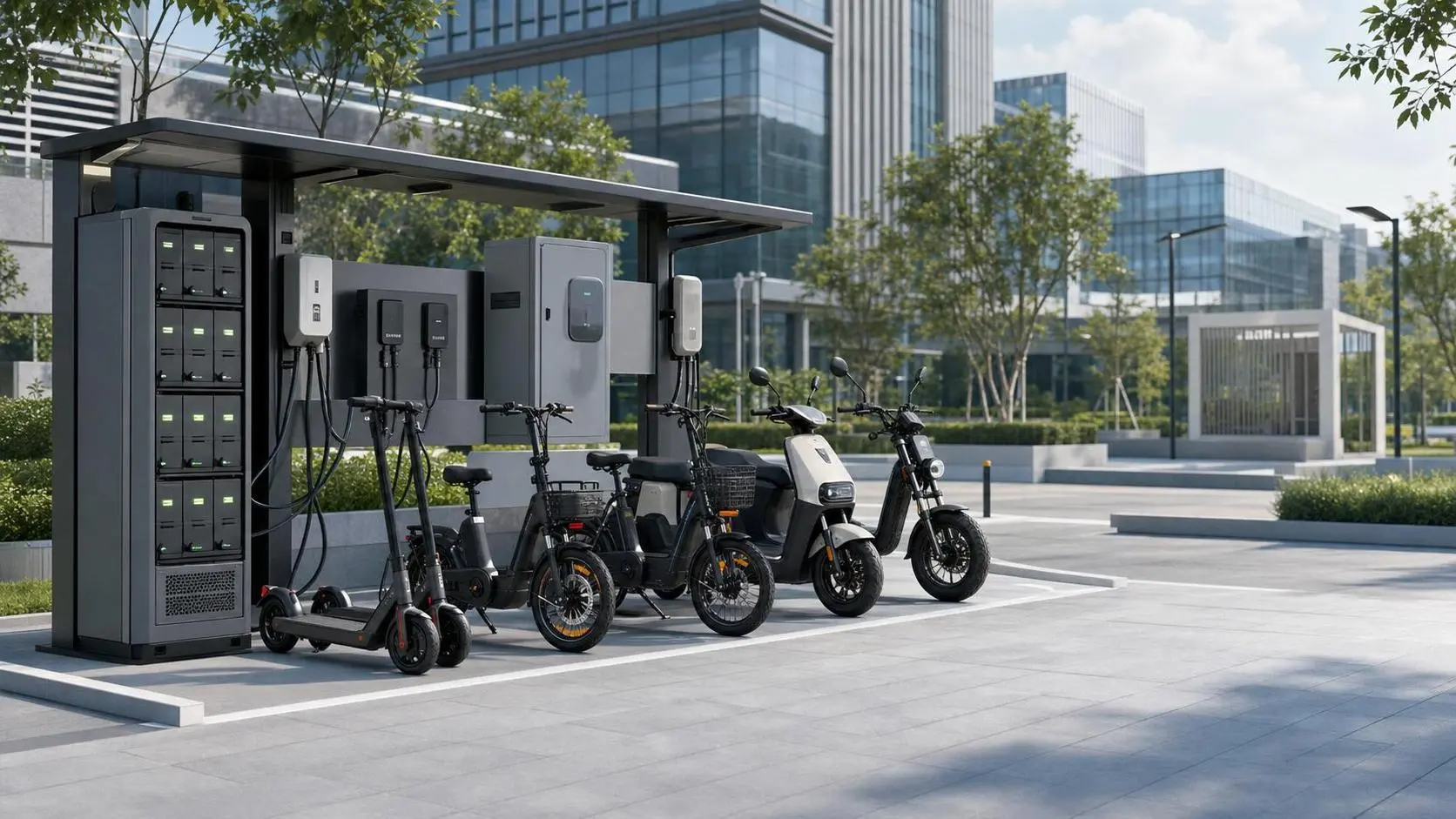
How to Plan Micro-Mobility Charging Stations: Site Selection, Power Needs, and ROI
Micro-mobility charging stations: learn how to choose the right site, size power capacity, improve uptime, and build a stronger ROI model for scalable fleet operations.
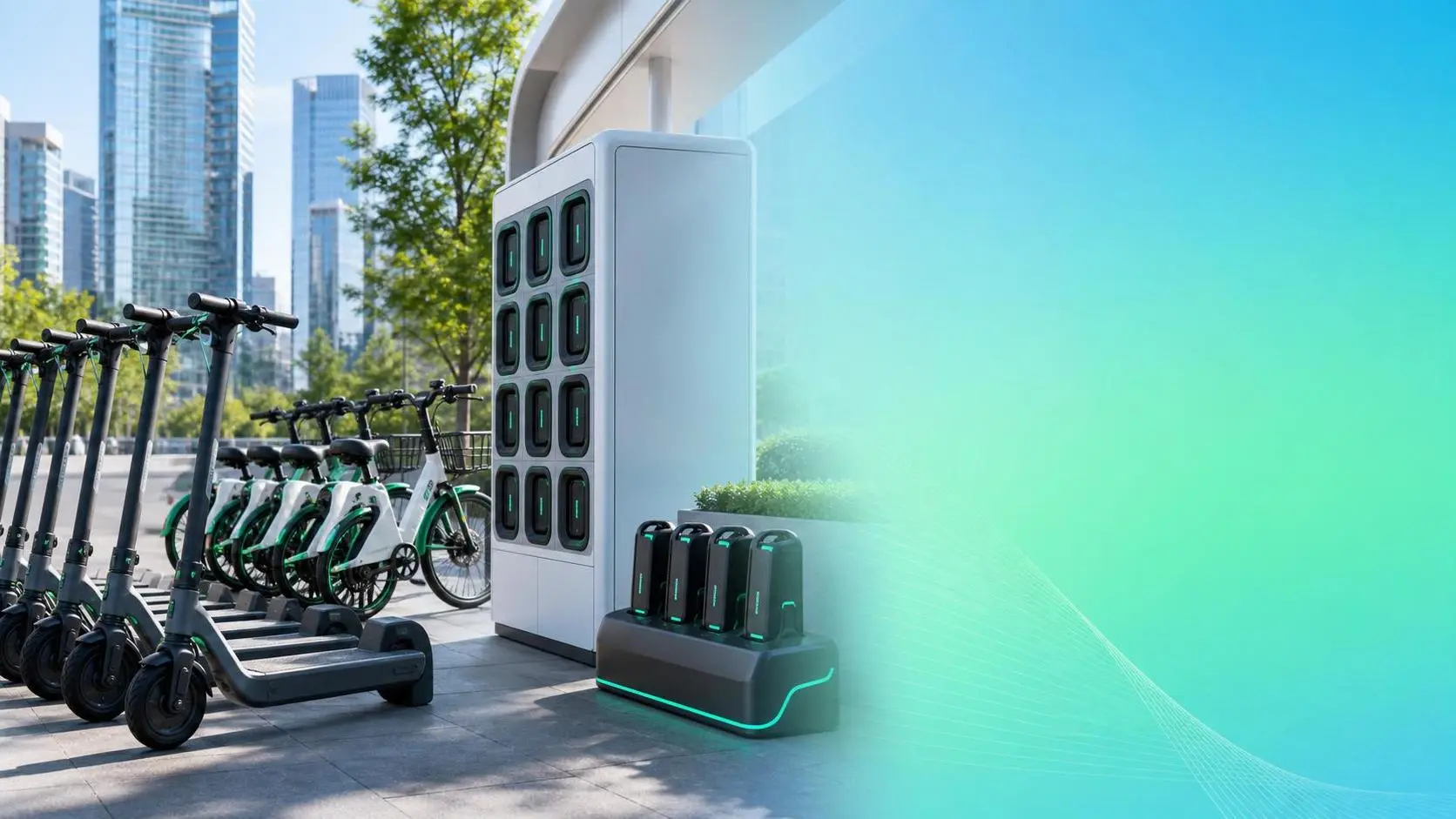
Smart Battery Solutions for Shared Fleets: What Reduces Downtime and Maintenance Costs?
Smart battery solutions help shared fleets cut downtime and maintenance costs with real-time diagnostics, smarter charging, battery swapping, and lifecycle insights.
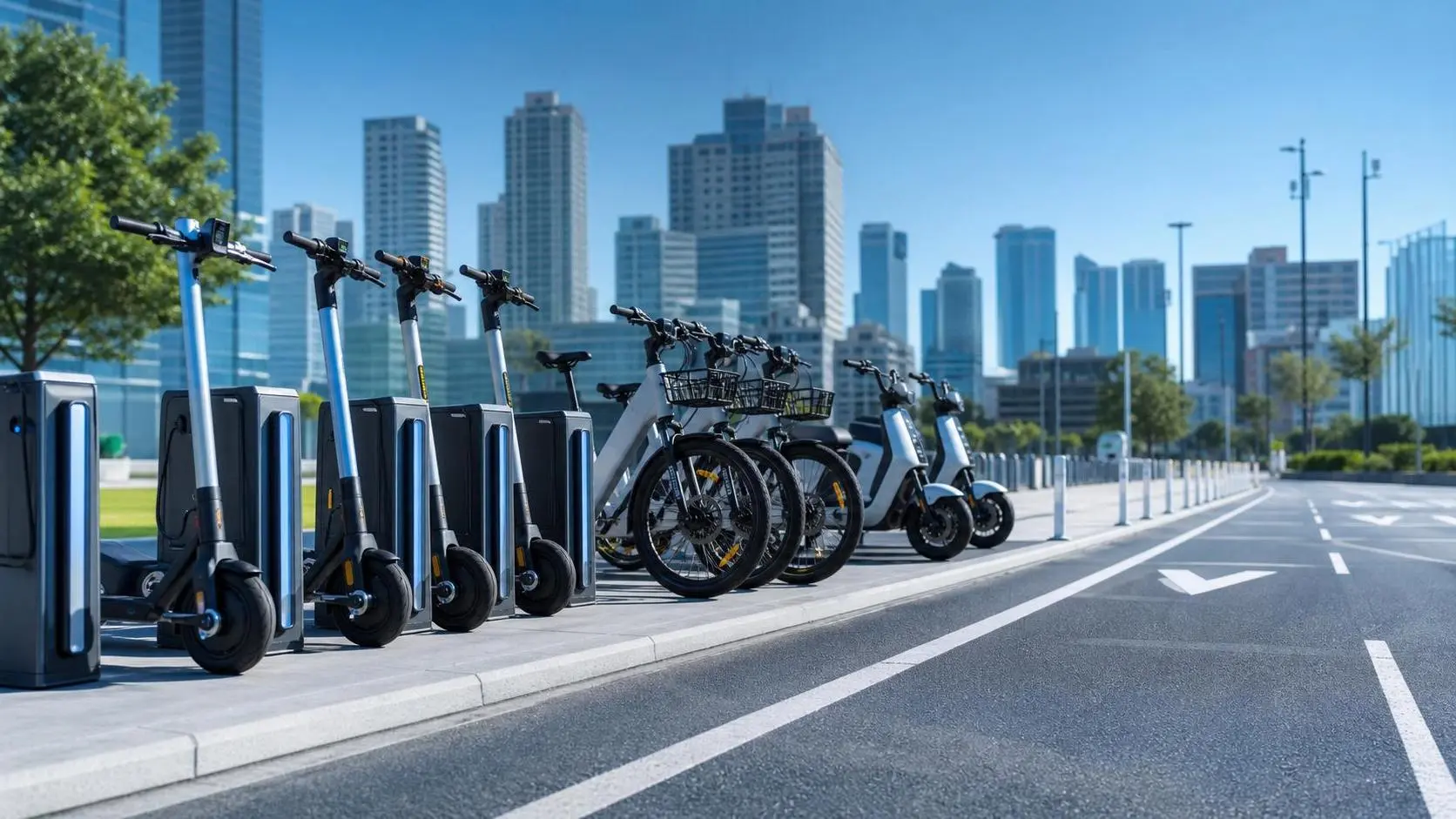
Urban Micro-Mobility in North America: Policy, Charging Access, and Fleet Growth Drivers
Urban micro-mobility North America is evolving fast. Explore how policy, charging access, and fleet economics are shaping scalable growth opportunities across cities.
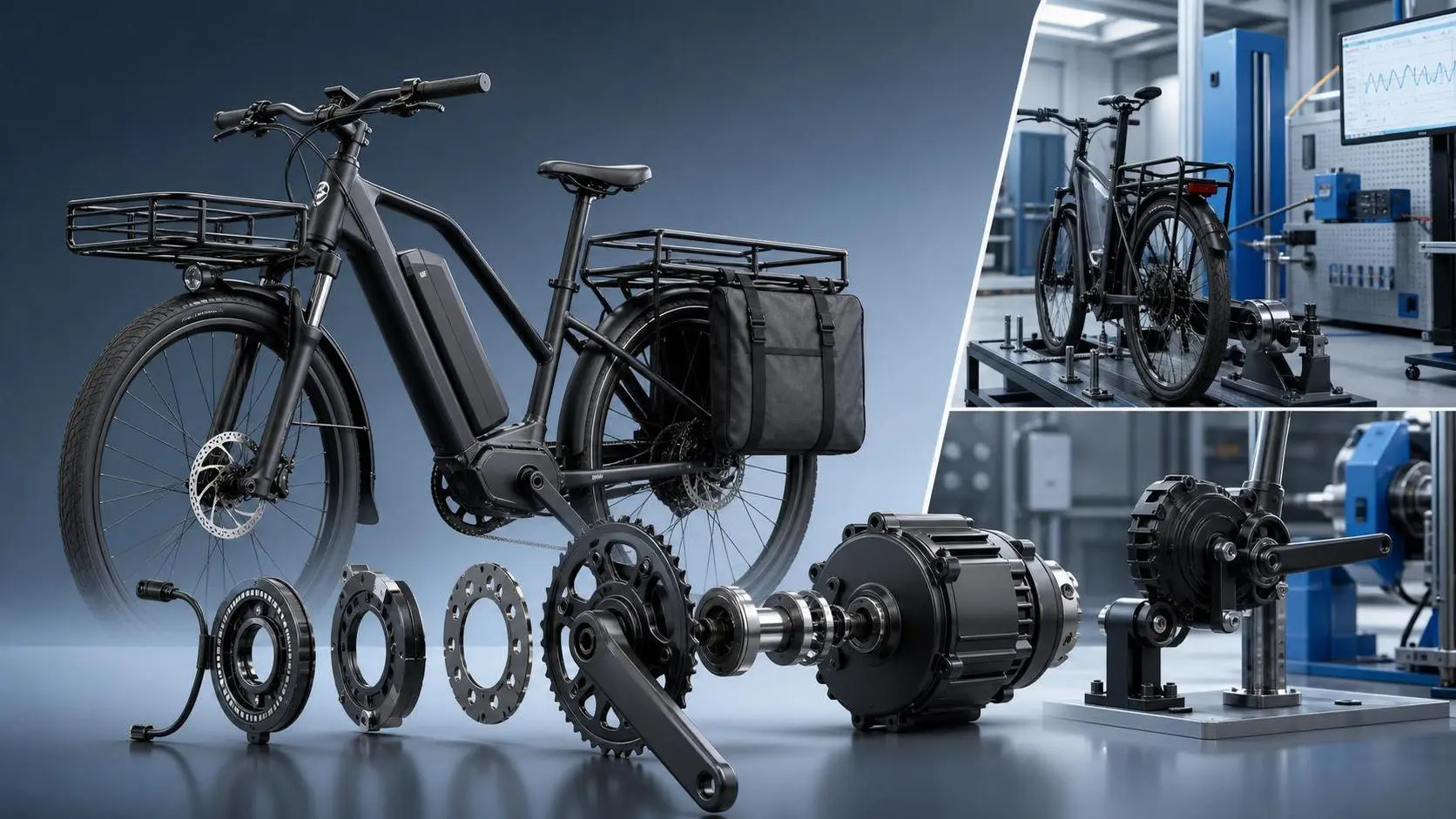
E-Bike Component Selection: How to Evaluate a Torque Sensor for Commuting and Cargo Use
E-bike component selection torque sensor guide for commuting and cargo use. Learn how to compare response, low-cadence control, durability, and integration for smoother, safer rides.
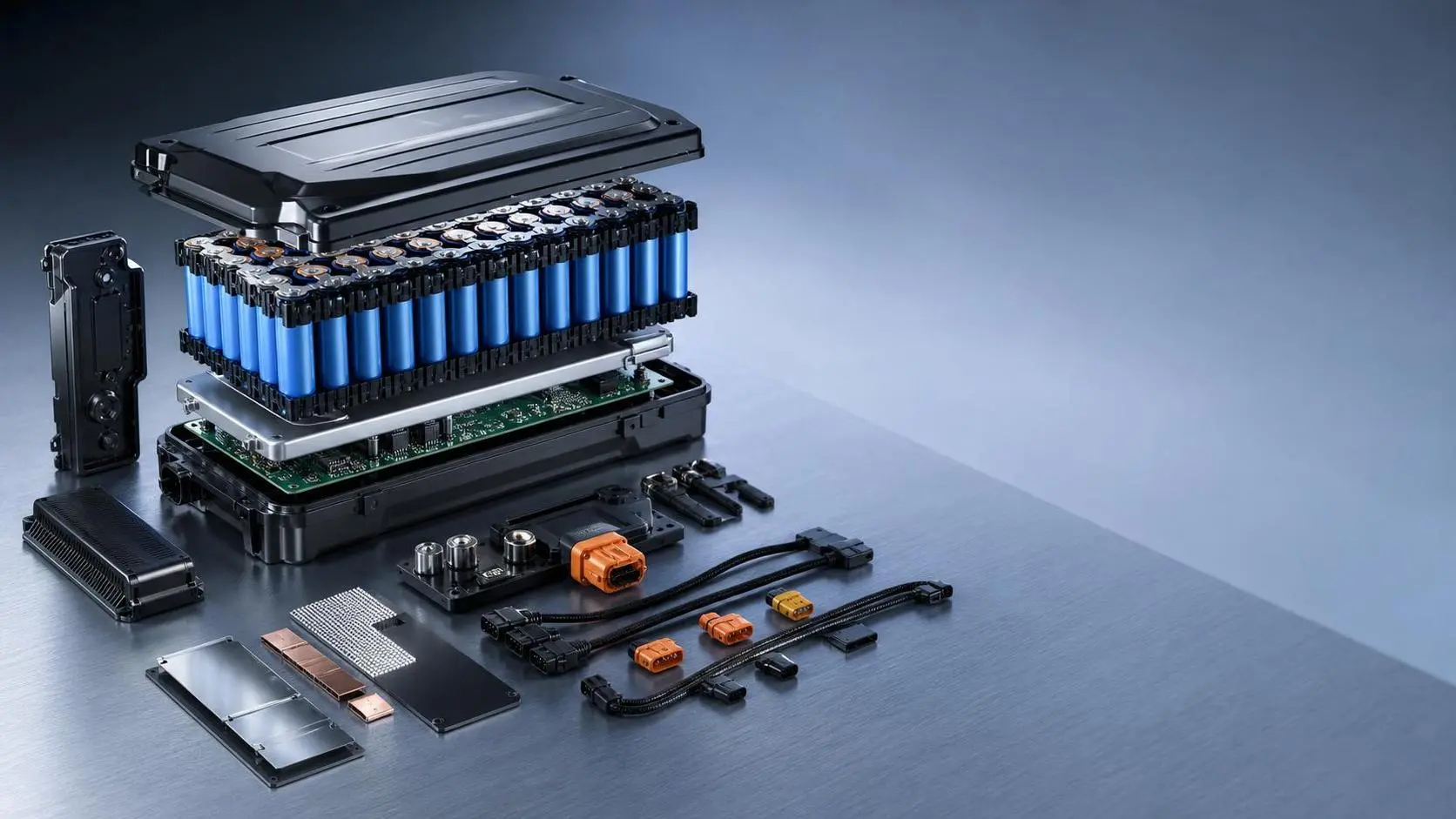
Electric Two Wheeler Battery Components Explained: Cells, BMS, Thermal Parts, and Connectors
Electric two wheeler battery components explained clearly—learn how cells, BMS, thermal parts, and connectors shape safety, range, reliability, and smarter sourcing decisions.