
Related News
- 00
0000-00
How to Evaluate an Electronic Shifting Drivetrain for E-bikes: Compatibility, Response, and Maintenance - 00
0000-00
Wireless Electronic Shifting in North America: Compatibility, Standards, and Upgrade Limits - 00
0000-00
Electronic Derailleur Parts Guide: Compatibility, Wear Points, and Replacement Tips - 00
0000-00
Wireless Derailleur Shifting vs Mechanical: What Changes in Setup, Battery, and Shifting Feel? - 00
0000-00
Wireless Shifting vs Mechanical Drivetrains: Which Setup Fits Your Riding Needs?
Precision Drivetrain Architect
Weekly Insights
Stay ahead with our curated technology reports delivered every Monday.
How to Evaluate an Electronic Shifting Drivetrain for E-bikes: Compatibility, Response, and Maintenance





Evaluating an electronic shifting drivetrain for an e-bike starts well before a road test. A clean specification sheet may look convincing, yet platform approval depends on deeper checks.
The real question is whether the system works reliably with the motor, battery, frame layout, and service plan. In today’s micro-mobility market, that decision carries wider operational value.
For a sector tracked closely by UMMS, electronic shifting sits at the intersection of precision bicycle components, electrified transport, and intelligent system integration. That is why compatibility, response, and maintenance matter more than headline features.
Why electronic shifting is under closer scrutiny
An e-bike drivetrain no longer operates as an isolated mechanical assembly. It now shares responsibility with the motor controller, battery logic, sensors, and rider interface.
That shift changes evaluation criteria. A strong electronic shifting drivetrain must deliver fast gear changes, but it must also protect the chain, cassette, and motor system from avoidable stress.
This is especially relevant in urban commuting, cargo transport, and mixed-terrain use. In those settings, poor shift timing can reduce efficiency, increase wear, and create rider dissatisfaction quickly.
Across the wider low-carbon mobility landscape, electronic transmission quality has become part of brand credibility. For export-oriented e-bike programs, drivetrain behavior often influences warranty costs and service reputation.
What an electronic shifting drivetrain includes on an e-bike
In practical terms, the electronic shifting drivetrain includes the derailleur actuation system, shifter interface, control wiring or wireless link, power source, firmware logic, and relevant mounting standards.
On an e-bike, it also interacts with torque delivery. That means evaluation should include how the drivetrain behaves while pedal assist is active, not only during unloaded bench operation.
Some systems rely on dedicated batteries. Others draw power from the main vehicle architecture. Both approaches can work, but each creates different integration and maintenance implications.
Core areas to map early
- Derailleur type, cassette range, and chain specification
- Motor brand, torque profile, and shift interruption capability
- Battery voltage environment and power routing method
- Frame dropout design, hanger standard, and cable path
- Software update process and diagnostic access
Compatibility is the first pass or fail filter
Compatibility should be evaluated as a system question, not a component checklist. A derailleur may fit the cassette, yet still perform poorly because the motor control strategy is mismatched.
The most important check is shift coordination under assist. Some motors can briefly reduce torque during a shift event. If that handshake is absent, gear changes under load become harsher.
Frame integration matters too. Tight chainstay packaging, battery placement, and rear triangle geometry can affect derailleur clearance, cable routing, or wireless signal stability.
Standards alignment is another common issue. Hanger interfaces, cassette bodies, chainline targets, and brake rotor spacing should all be confirmed before judging shifting quality.
Compatibility checkpoints that deserve evidence
Response quality matters more than raw shift speed
A fast shift is useful only if it remains accurate under realistic pedal force. For e-bikes, the test condition should include sustained assist and repeated transitions across several sprockets.
Good response combines timing, accuracy, and control. The derailleur should move decisively, settle without hunting, and complete shifts without chain hesitation or noisy correction.
Latency is only one part of the picture. More revealing indicators include missed shifts, double shifts, delayed recovery after impact, and behavior on steep gradients.
Signal integrity also deserves attention. Wireless systems can perform very well, but they should be tested around urban interference sources, dense battery enclosures, and wet commuting conditions.
Useful test situations
- Acceleration from low speed with high assist engaged
- Mid-climb downshifts under rider fatigue and cargo load
- Frequent stop-start riding in urban traffic
- Cold weather starts after overnight storage
- Rain exposure followed by immediate repeated shifting
Maintenance determines long-term viability
An electronic shifting drivetrain may look premium at launch, yet create avoidable service burden later. Maintenance review should cover hardware durability, software support, and parts replacement logic.
Battery management is a recurring concern. Independent derailleur batteries need charging discipline and fleet visibility. Shared power systems reduce one task, but increase integration dependence.
Diagnostic transparency often separates a practical system from a troublesome one. If faults cannot be traced quickly, workshops spend more time isolating issues than correcting them.
Spare part availability also matters. A drivetrain with excellent ride feel can still be a weak platform choice if replacement derailleurs, batteries, or firmware tools are difficult to source.
Service questions worth asking
- How often does indexing drift after normal use?
- Can field technicians update firmware without special infrastructure?
- Are crash recovery and derailleur reset procedures simple?
- What is the expected battery replacement interval?
- Is the sealing level proven for commuter exposure?
Different e-bike categories stress the drivetrain differently
The right electronic shifting drivetrain for a lightweight urban model may not suit a cargo platform. Evaluation should reflect duty cycle, rider behavior, and maintenance environment.
Commuter bikes value predictable low-maintenance operation. Cargo e-bikes place greater emphasis on load tolerance and shift reliability during repeated starts. Performance models prioritize response precision at higher cadence changes.
That category view aligns with the broader UMMS perspective. Micro-mobility systems are becoming more connected, and transmission quality increasingly affects efficiency, uptime, and user confidence across product classes.
A practical evaluation workflow
A reliable decision process usually starts with architecture review, then moves into fit validation, dynamic testing, and service simulation. Skipping any one stage creates blind spots.
Bench checks should confirm standards, power routing, and firmware status. Controlled rides should then measure shift behavior under assist transitions, temperature changes, and repeated load cycles.
After that, maintenance scenarios should be staged deliberately. Battery depletion, reconnection, derailleur knock events, and software update procedures often reveal hidden operational costs.
The final judgment should balance ride quality with serviceability. An electronic shifting drivetrain is truly competitive when it performs cleanly, integrates neatly, and remains manageable through its support life.
Where to focus next
For any upcoming platform review, it helps to convert this topic into a scoring sheet. Weight compatibility with motor systems, response under torque, signal stability, and maintenance effort separately.
That approach makes comparisons more defensible, especially when several suppliers appear similar on paper. It also fits the wider UMMS view that modern micro-mobility decisions should connect component detail with system-level outcomes.
The next step is not to chase the most advanced label. It is to define the duty cycle, map the integration risks, and test the electronic shifting drivetrain where real operating pressure actually appears.
Related News
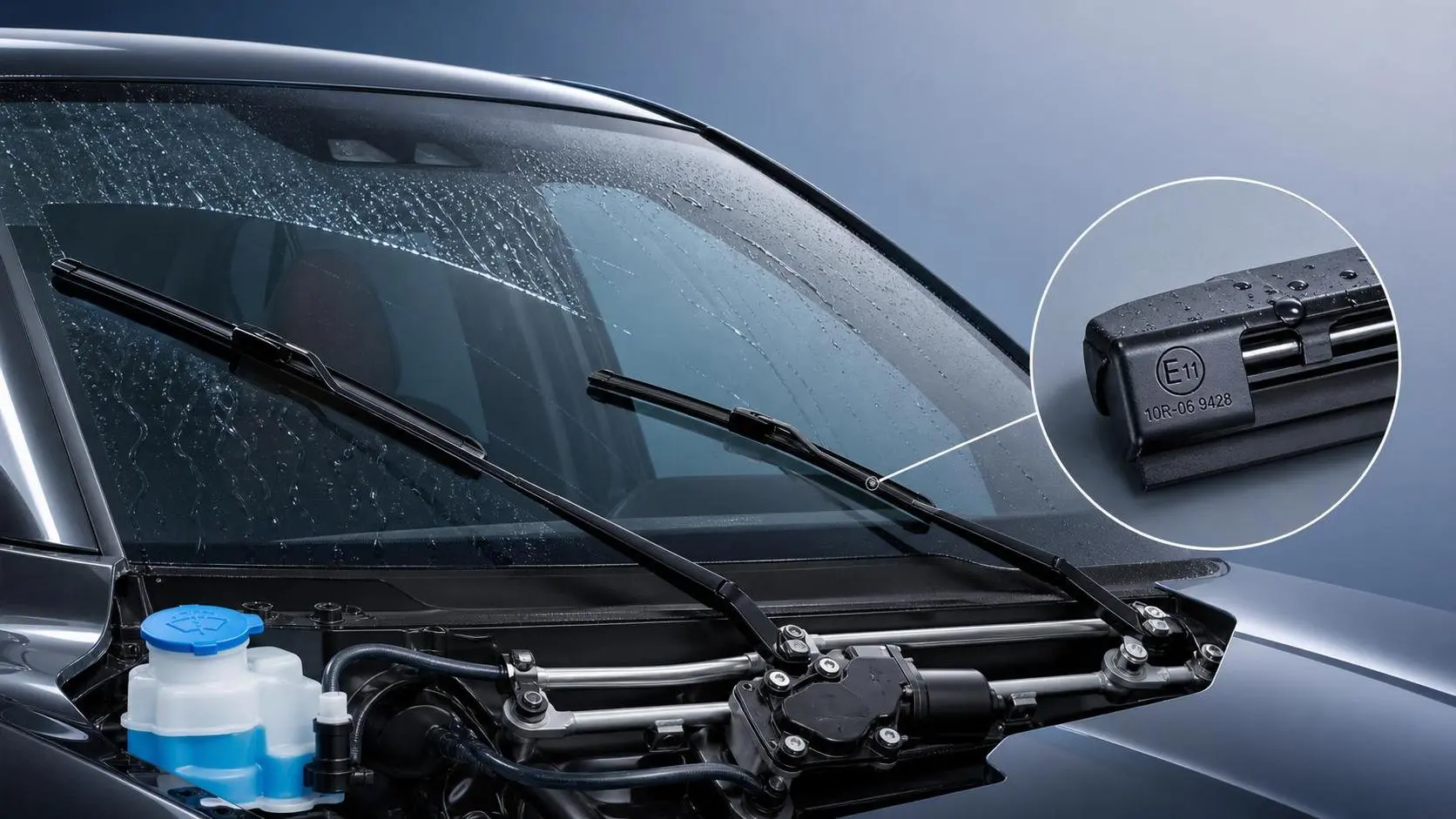
Wiper Systems ECE Compliance: Which Tests, Marks, and Documents Matter for Approval?
Wiper systems ECE approval explained: learn which tests, marks, and documents matter most to avoid delays, reduce compliance risk, and speed market access.
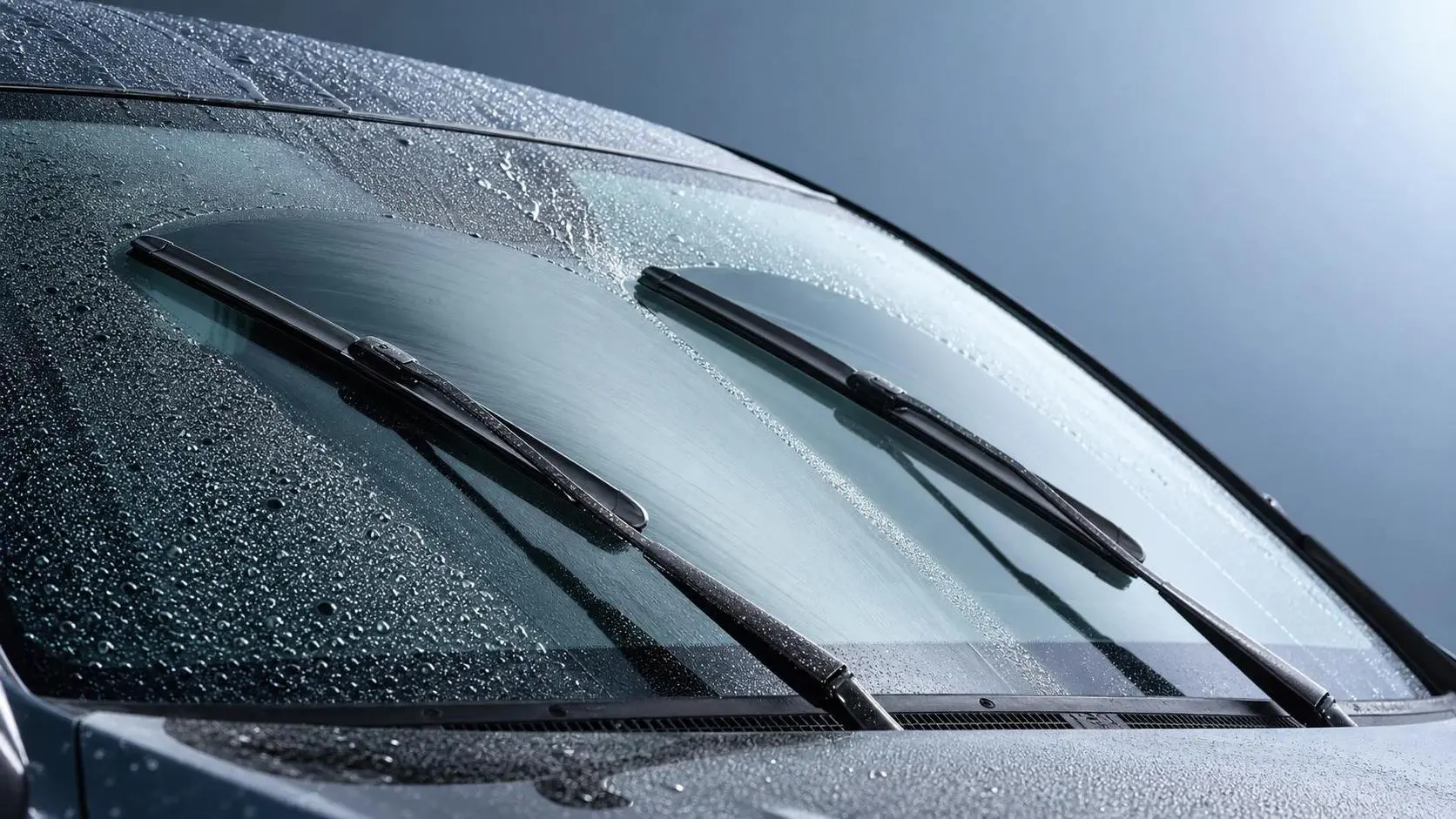
Wiper Streaking Problem: 7 Common Causes and How to Fix Them Step by Step
Wiper streaking problem? Discover 7 common causes and step-by-step fixes to restore clear visibility, prevent repeat failures, and diagnose blades, glass, washer fluid, and system issues fast.
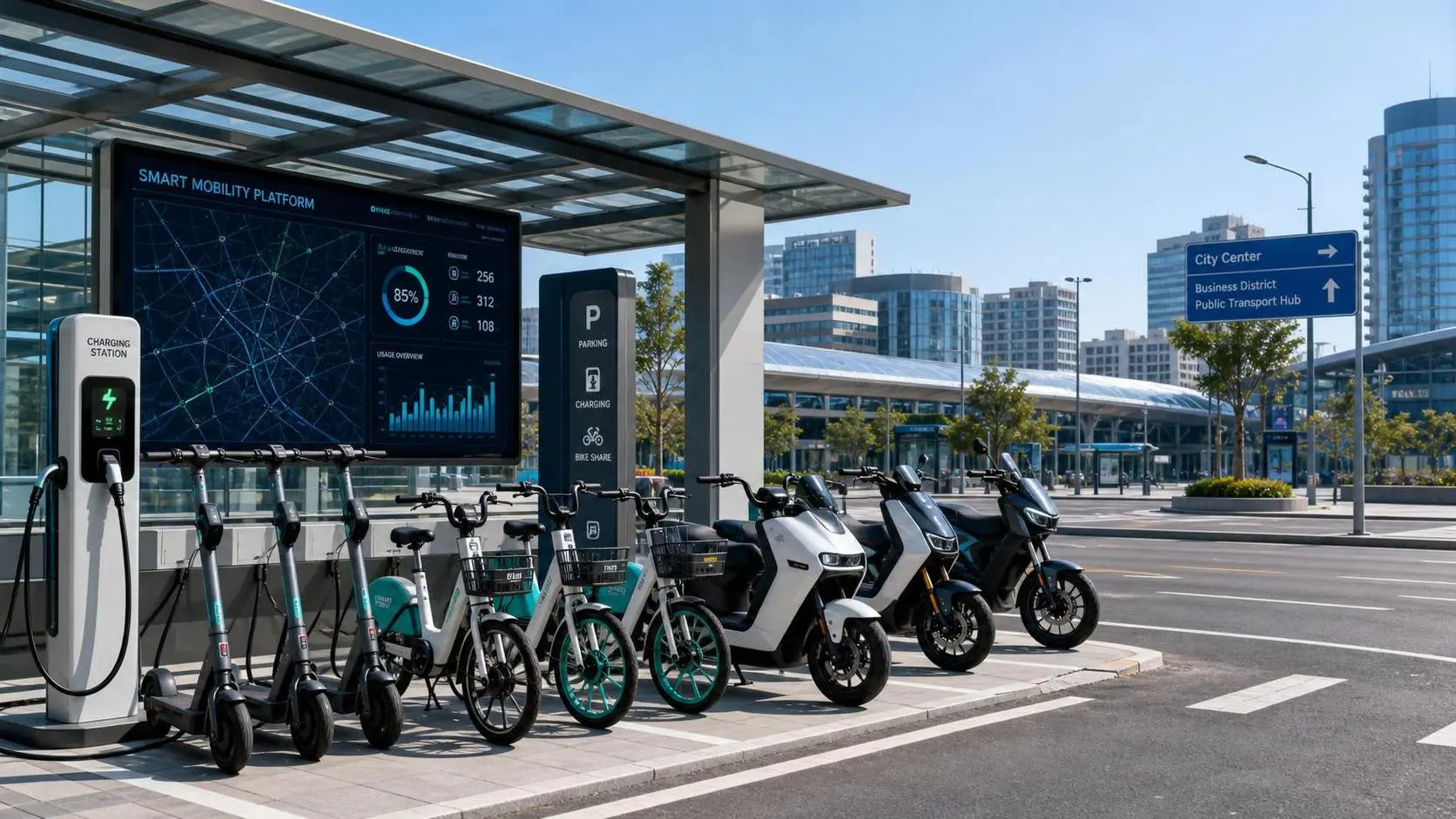
What Is a Smart Transportation Platform and Which Urban Mobility Use Cases Fit Best?
Smart transportation platform strategies help cities and operators improve fleet coordination, battery planning, compliance, and urban mobility efficiency. Explore the best-fit use cases now.
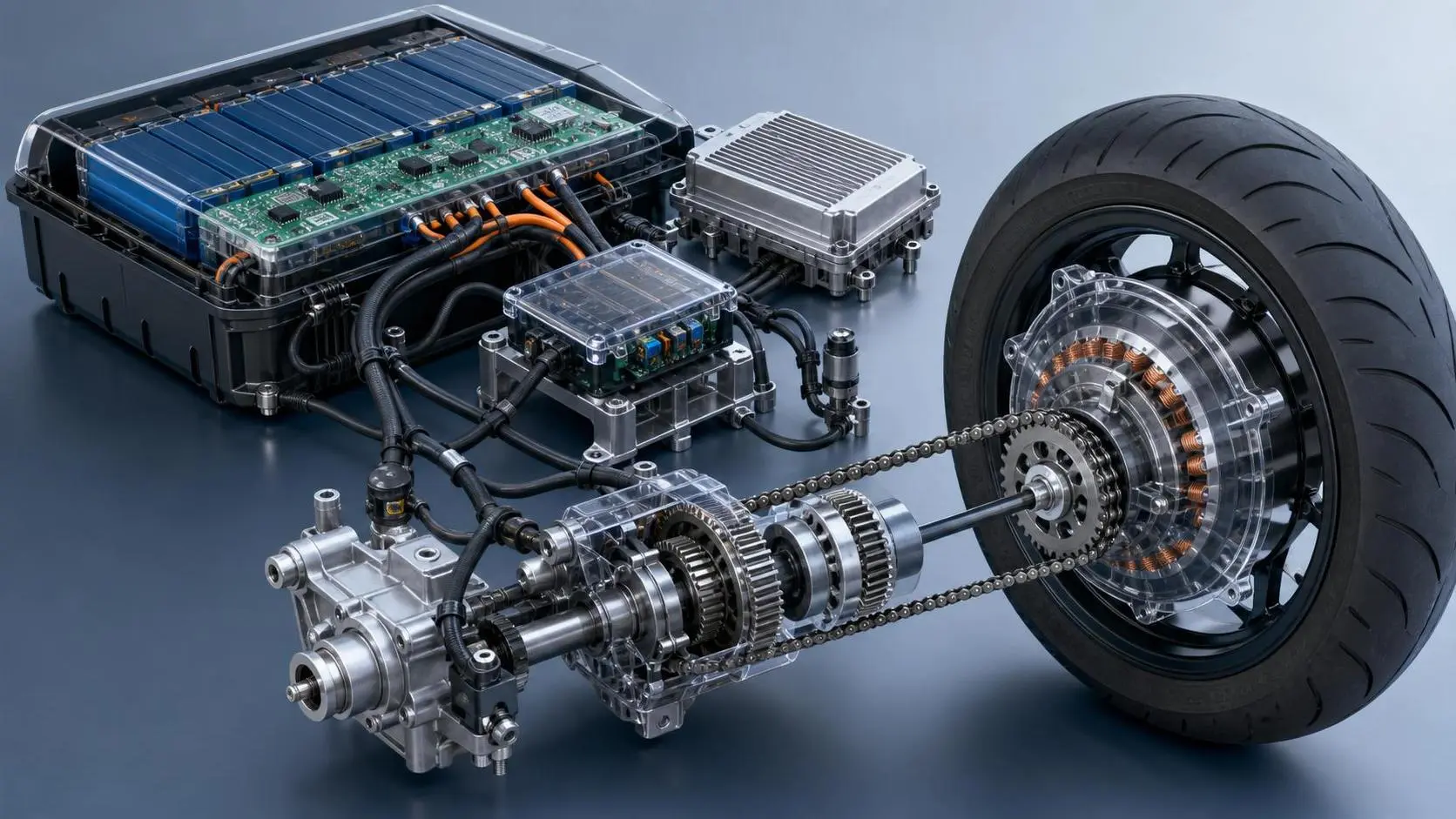
Electric Drivetrain Components Explained: Key Parts, Functions, and Failure Points
Electric drivetrain components explained: discover key parts, core functions, and common failure points to improve performance, reliability, and smarter buying decisions.
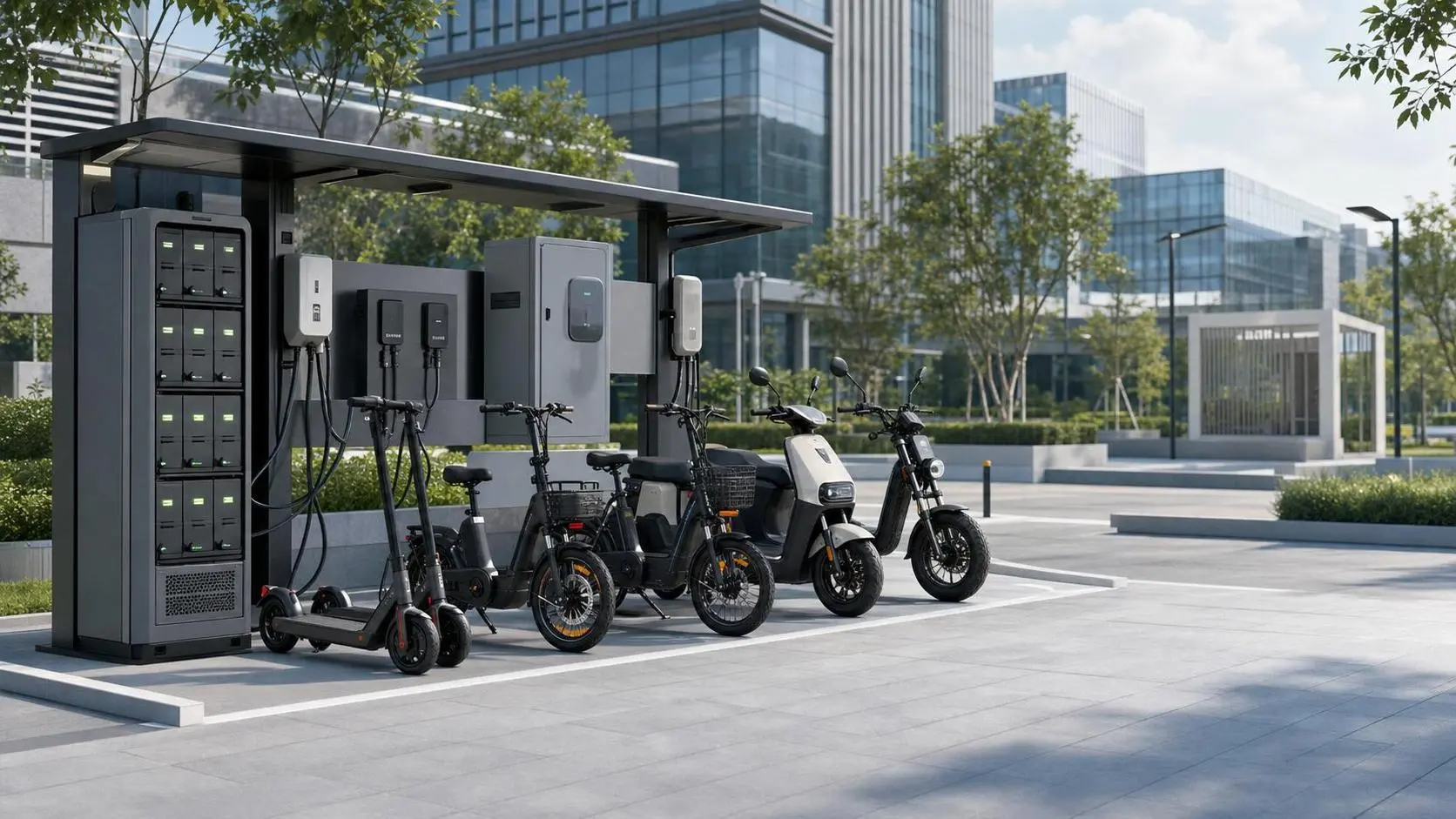
How to Plan Micro-Mobility Charging Stations: Site Selection, Power Needs, and ROI
Micro-mobility charging stations: learn how to choose the right site, size power capacity, improve uptime, and build a stronger ROI model for scalable fleet operations.
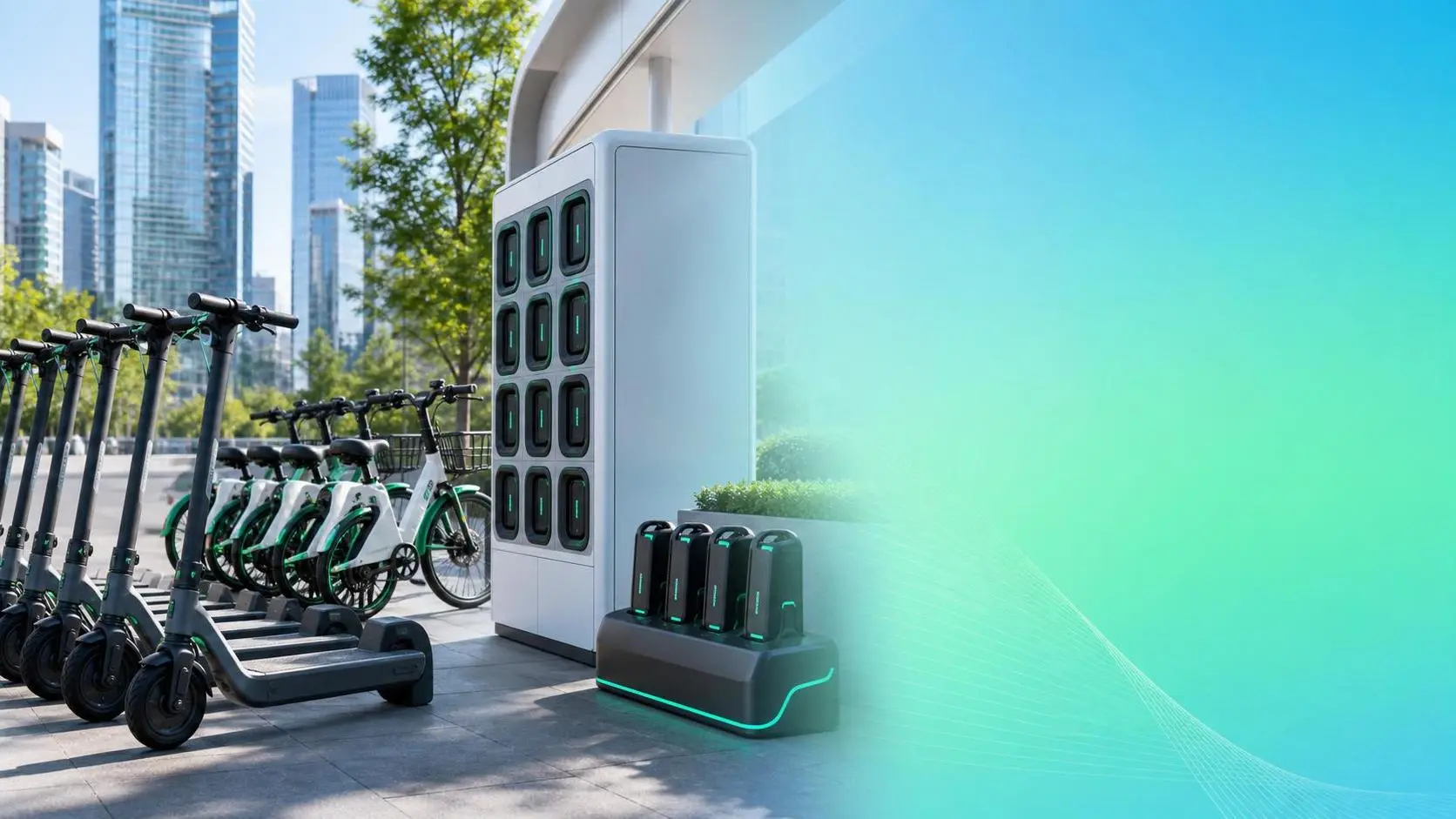
Smart Battery Solutions for Shared Fleets: What Reduces Downtime and Maintenance Costs?
Smart battery solutions help shared fleets cut downtime and maintenance costs with real-time diagnostics, smarter charging, battery swapping, and lifecycle insights.
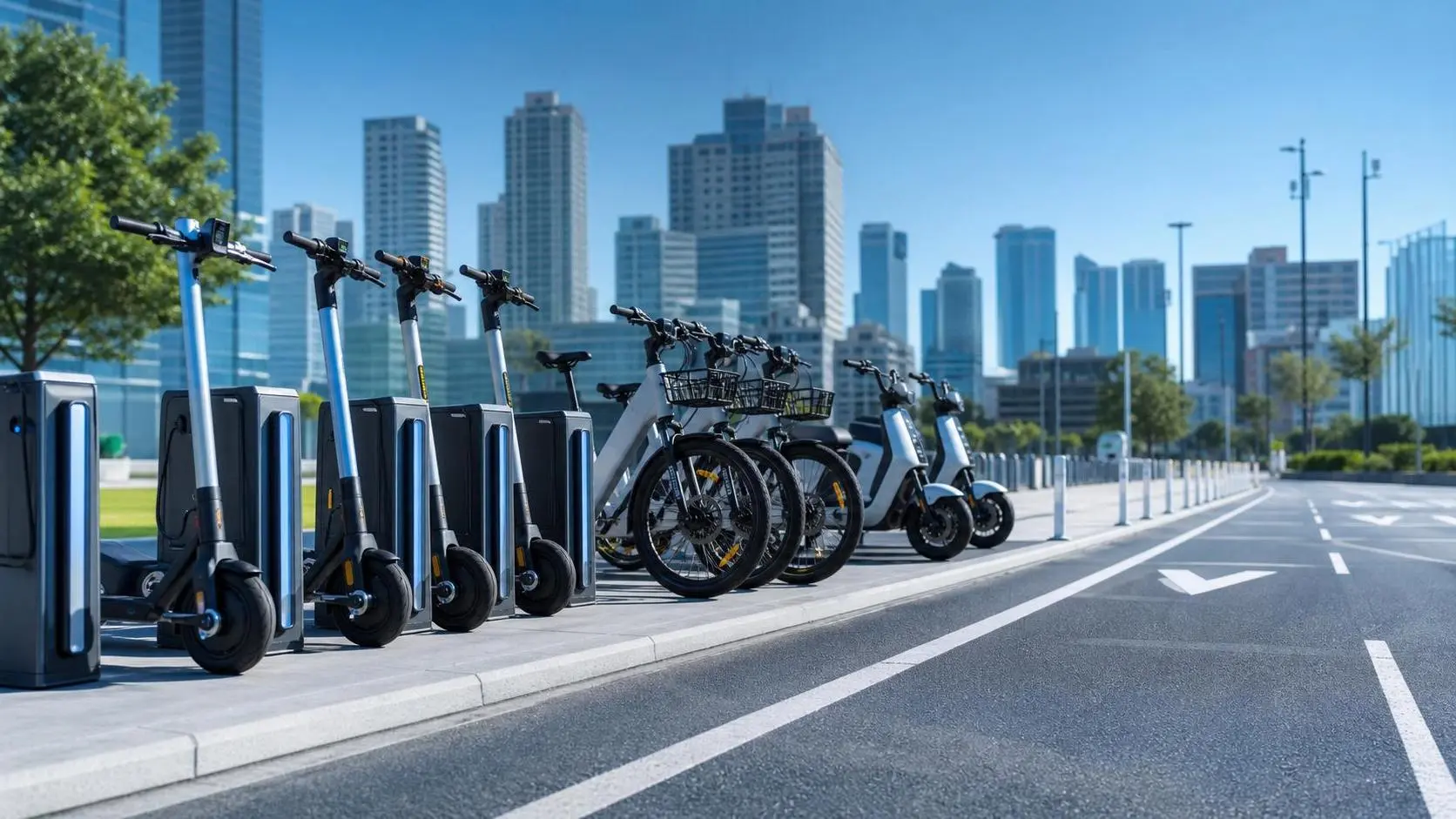
Urban Micro-Mobility in North America: Policy, Charging Access, and Fleet Growth Drivers
Urban micro-mobility North America is evolving fast. Explore how policy, charging access, and fleet economics are shaping scalable growth opportunities across cities.
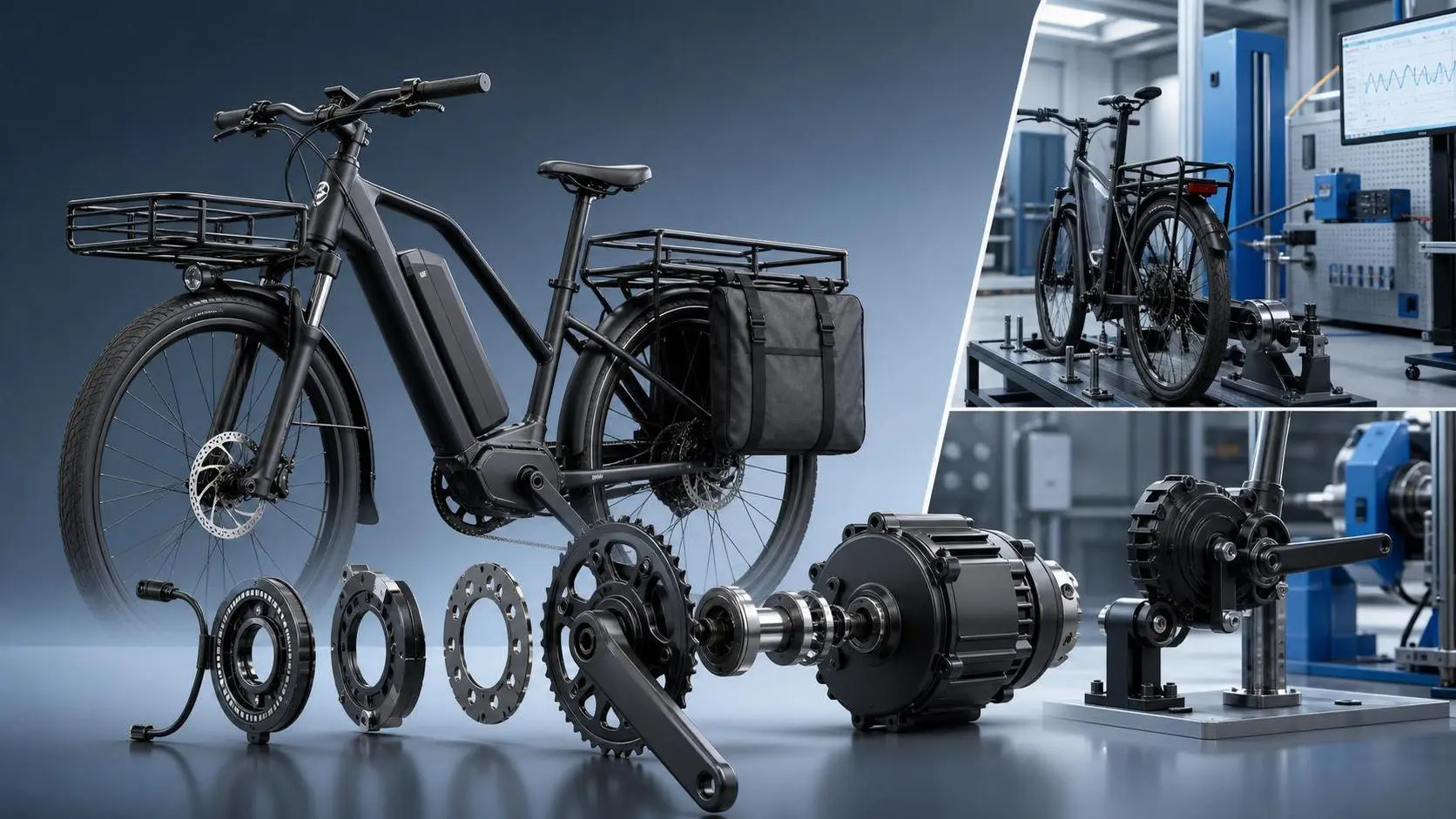
E-Bike Component Selection: How to Evaluate a Torque Sensor for Commuting and Cargo Use
E-bike component selection torque sensor guide for commuting and cargo use. Learn how to compare response, low-cadence control, durability, and integration for smoother, safer rides.
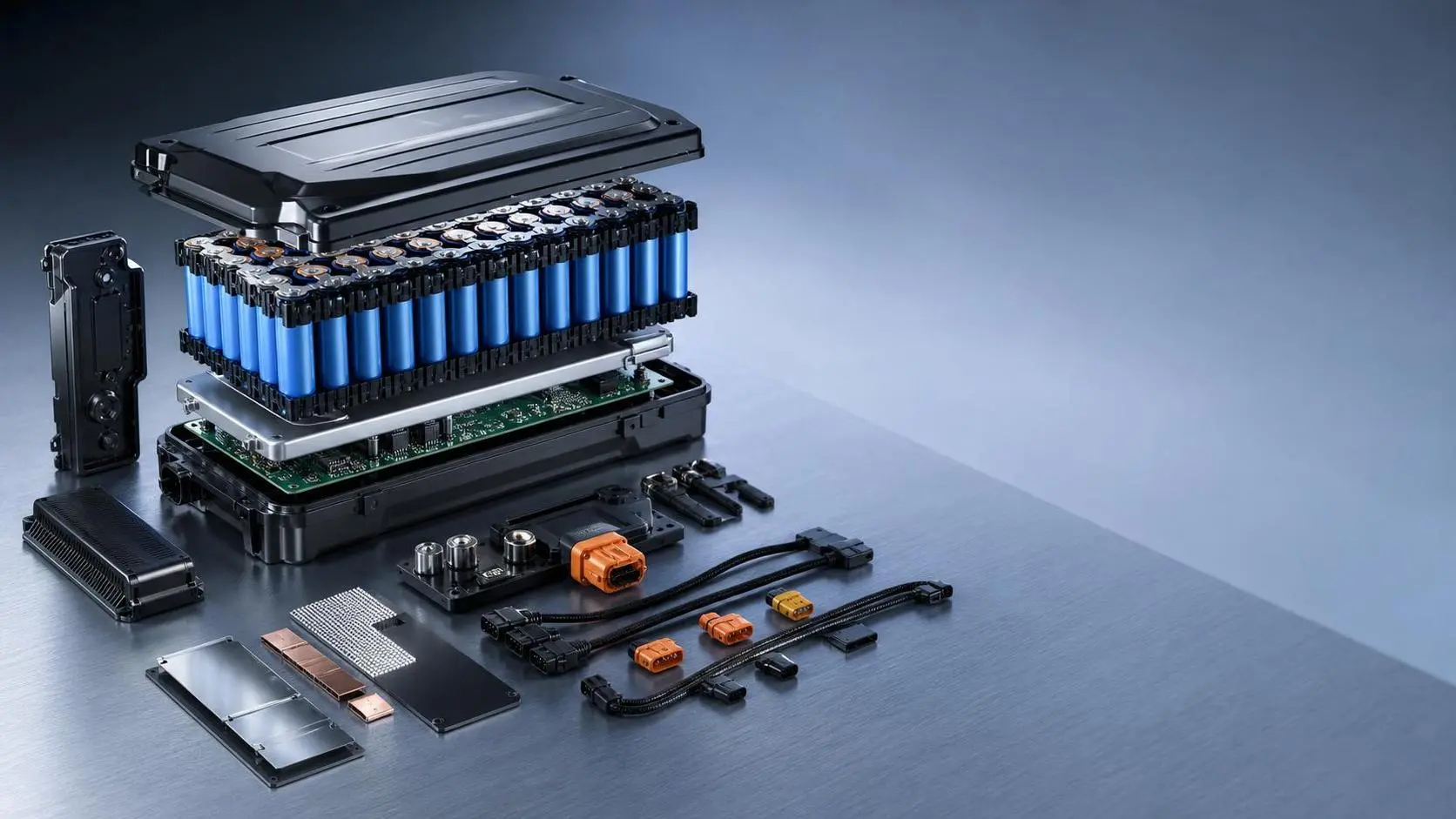
Electric Two Wheeler Battery Components Explained: Cells, BMS, Thermal Parts, and Connectors
Electric two wheeler battery components explained clearly—learn how cells, BMS, thermal parts, and connectors shape safety, range, reliability, and smarter sourcing decisions.