
Related News
- 00
0000-00
Powertrain Heat Management Explained: Key Design Factors for EV Efficiency and Battery Life - 00
0000-00
Electric Drivetrain Technology Explained: Motors, Controllers, and Efficiency - 00
0000-00
Derailleur Hanger Bent? How to Diagnose Shifting Problems and Decide on Repair or Replacement - 00
0000-00
Bike Derailleur Parts Explained: Names, Functions, and What Wears Out First - 00
0000-00
How to Choose an Electromechanical Transmission Manufacturer for E-Mobility Projects
Precision Drivetrain Architect
Weekly Insights
Stay ahead with our curated technology reports delivered every Monday.
Powertrain Heat Management Explained: Key Design Factors for EV Efficiency and Battery Life





Powertrain heat management sits at the center of EV efficiency, battery durability, and operating safety. In micro-mobility, where packaging is tight and cost pressure is constant, thermal design often separates a product that performs well in lab conditions from one that survives daily urban duty.
That matters across e-bikes, smart e-scooters, and high-speed e-motorcycles. For platforms tracked by UMMS, thermal behavior is not a narrow engineering topic. It influences range claims, charging speed, torque consistency, warranty exposure, and the credibility of a brand entering competitive global markets.
Why thermal control has become a strategic design issue
Electrified two-wheelers are expected to deliver more power from smaller systems. Motors are more compact, batteries are denser, and controllers are asked to respond faster under variable rider loads.
At the same time, urban duty cycles are harsh. Stop-and-go traffic, hill starts, curbside parking under sun exposure, regenerative events, and fast charging all create repeated thermal stress.
Powertrain heat management therefore affects more than component temperature. It shapes how efficiently electrical energy becomes propulsion, how often protection logic intervenes, and how quickly materials age.
This is one reason UMMS increasingly treats vehicle thermal management models as part of strategic intelligence. In real market evaluation, thermal architecture reveals product maturity faster than headline performance figures alone.
What powertrain heat management really covers
The term includes how heat is generated, transferred, monitored, and limited across the battery pack, inverter, motor, charger interface, and surrounding enclosure.
In practice, heat comes from several sources. Resistive losses in cells and busbars raise battery temperature. Switching losses heat power electronics. Copper and iron losses warm the motor during acceleration and climbing.
Good powertrain heat management does not simply remove heat after it appears. It also reduces hotspots, balances temperature distribution, and prevents one component from forcing another into derating.
That distinction is important. A vehicle may show acceptable average temperatures while still suffering from local hot zones that damage insulation, age cells unevenly, or distort sensor readings.
The battery pack remains the most sensitive thermal asset
Battery life is strongly linked to temperature range and temperature uniformity. Cells exposed to repeated high heat lose capacity faster, while cold cells deliver less power and accept charge more slowly.
For micro-mobility products, the challenge is intensified by compact battery housings and limited airflow. Removable packs also add sealing, connector, and structural constraints that affect heat escape paths.
A sound evaluation should look beyond nominal cell chemistry. It should examine pack spacing, thermal interface materials, sensor placement, venting strategy, and the logic used by the battery management system.
When powertrain heat management is weak at pack level, the result is rarely dramatic at first. More often, it appears as gradual range loss, inconsistent charging behavior, or premature imbalance between cell groups.
Battery-related questions worth asking
- How evenly does temperature spread across the pack during sustained discharge?
- What thresholds trigger charge reduction or power limiting?
- How is thermal behavior affected by removable versus fixed battery architecture?
- Does enclosure sealing for water resistance trap heat under summer operating conditions?
Motor and inverter temperatures define usable performance
Battery headlines often dominate discussion, yet motor and inverter temperatures determine whether advertised power can be sustained. Peak output for a few seconds is easy. Stable output over a demanding route is harder.
Hub motors, mid-drives, and high-speed traction motors each present different thermal profiles. Hub motors may struggle with enclosed heat buildup. Mid-drives face chain load variation and tighter mechanical integration.
The inverter adds another constraint. Faster switching can improve control quality, but it also raises thermal load if semiconductor selection, heatsinking, and layout are not optimized.
This is where powertrain heat management directly affects ride feel. Once temperatures climb, torque smoothing, acceleration response, and hill-climb confidence may all change before a rider notices a warning.
Key design factors behind effective thermal performance
Several design choices determine whether powertrain heat management works in the field or only on paper.
System layout and packaging
Component placement affects airflow, conductive paths, and heat interaction. A tightly stacked battery and controller can create thermal coupling that magnifies summer stress.
Material selection
Thermal interface materials, housing alloys, potting compounds, and insulating barriers all change heat flow. The right choice depends on conductivity, weight, serviceability, and environmental protection.
Sensing and control logic
Sensor count alone means little. Placement matters more. Thermal control should reflect hotspot behavior, not just average enclosure temperature.
Software calibration is equally important. Conservative limits protect hardware, but poor tuning can suppress usable performance long before real risk appears.
Duty cycle realism
Products designed around flat-road test assumptions often fail under cargo loads, steep grades, repeated starts, or high ambient conditions. Thermal models must reflect actual route behavior.
Different vehicle classes need different thermal priorities
Not every platform needs the same solution. UMMS follows several micro-mobility categories, and each one places pressure on powertrain heat management in a different way.
E-bikes often prioritize low mass, removable batteries, and quiet integration. Their thermal risk appears during climbing, cargo use, and hot-weather charging in compact housings.
Smart e-scooters face repeated stop-start operation, shared fleet abuse, and limited internal volume. Thermal drift can quickly undermine uptime and maintenance economics.
High-speed e-motorcycles deal with stronger acceleration, higher continuous current, and faster charging demands. Here, thermal design becomes central to both performance credibility and safety margins.
How to judge powertrain heat management in real evaluations
The most useful reviews combine data, operating context, and design transparency. Nameplate ratings are only a starting point.
- Compare peak power with sustained power under controlled ambient conditions.
- Check whether thermal derating occurs gradually or abruptly.
- Look for temperature spread, not only maximum temperature.
- Review charging behavior after hard riding, when pack heat is already elevated.
- Assess enclosure sealing against heat rejection tradeoffs.
- Test repeated urban cycles rather than single acceleration events.
More worth attention is consistency across seasons. A vehicle that behaves well at moderate temperatures may lose efficiency, charging speed, or available torque at environmental extremes.
Business value goes beyond engineering neatness
Strong powertrain heat management reduces warranty claims, protects battery residual value, and supports more credible performance communication. That has direct importance in export markets where compliance, reputation, and lifecycle cost are closely examined.
It also supports broader low-carbon mobility goals. Better thermal efficiency means less wasted energy, fewer premature battery replacements, and more stable real-world operation in dense urban transport networks.
For intelligence platforms like UMMS, thermal design is therefore a commercial signal as much as a technical one. It indicates whether a supplier understands long-duration use, not just catalog specifications.
A practical next step for comparison and selection
A useful next move is to build a thermal evaluation checklist around route profile, ambient range, enclosure design, sensor strategy, derating logic, and service expectations. That framework makes product comparisons far more reliable.
When reviewing new e-bike, e-scooter, or e-motorcycle platforms, treat powertrain heat management as a system question rather than a battery-only issue. The most competitive designs are usually the ones that keep performance, efficiency, and battery life aligned under real operating stress.
Related News
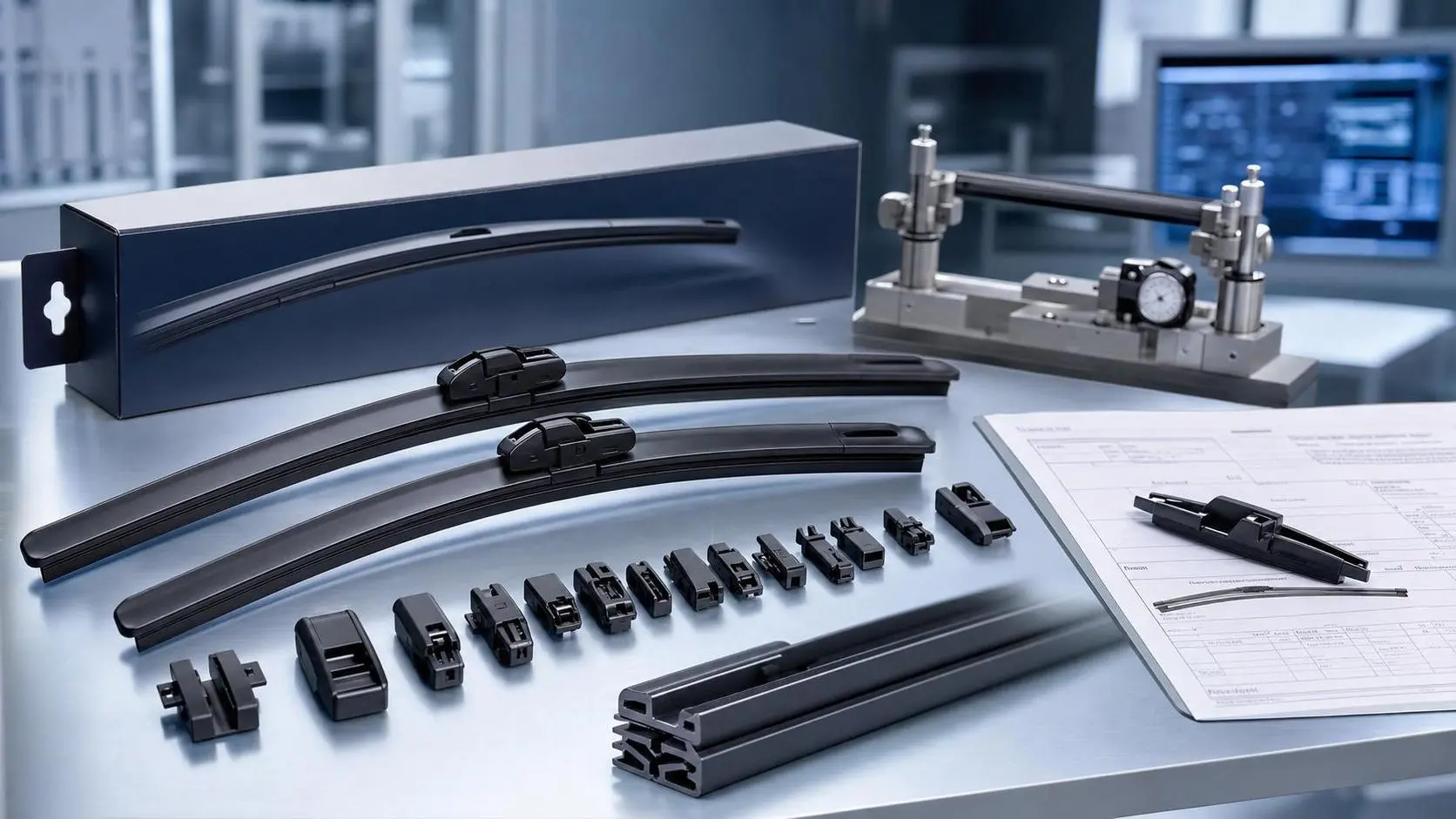
Flat Wiper Blades Wholesale Buying Guide: MOQ, Rubber Quality, Fitment, and Supplier Checks
Flat wiper blades wholesale buying guide covering MOQ, rubber quality, fitment accuracy, and supplier checks to reduce risk, improve margins, and choose reliable bulk partners.
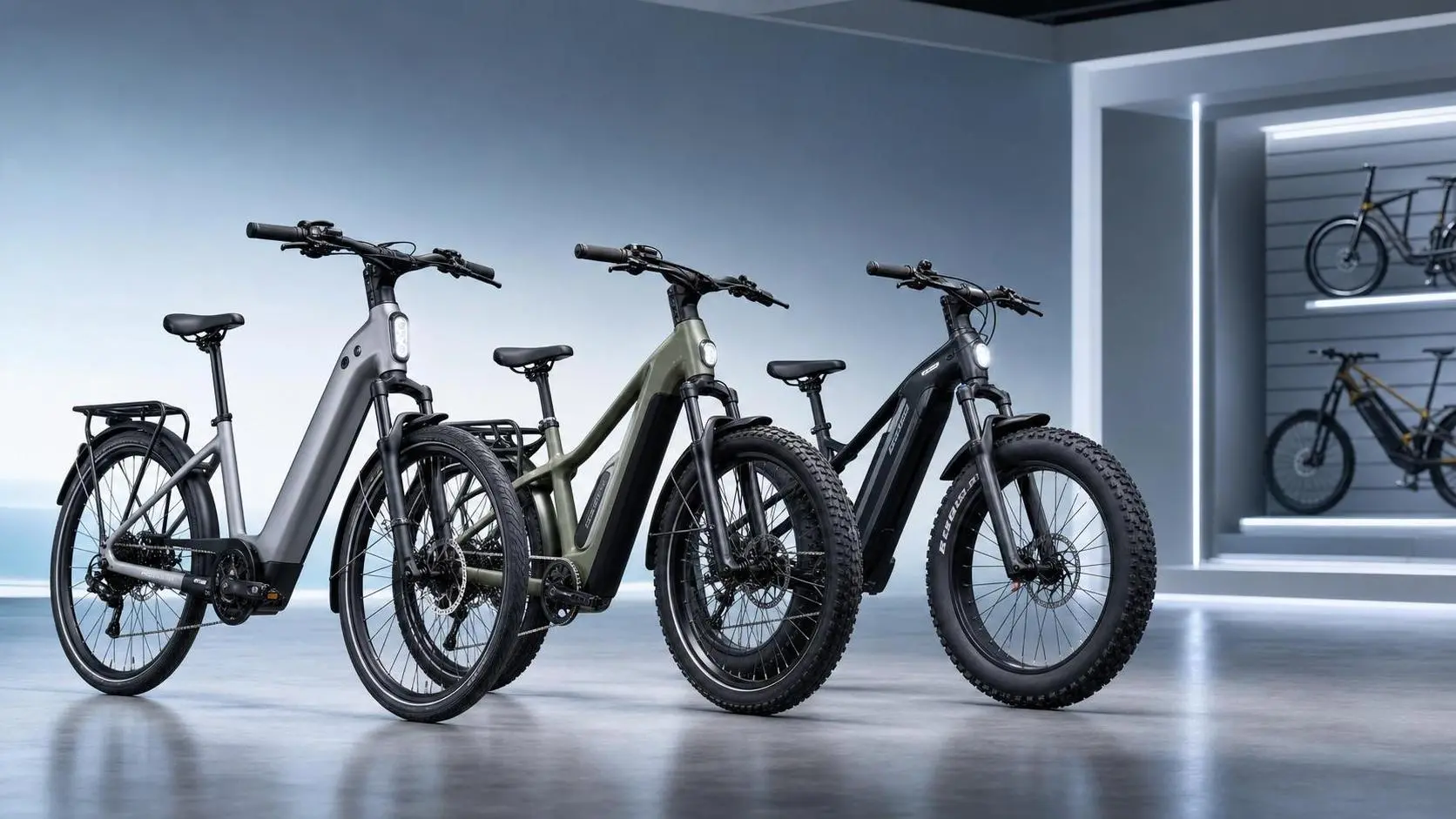
Ebike Market USA: What Dealers Should Know About Demand Shifts, Pricing, and Product Mix
ebike market USA is shifting fast. Discover how demand segmentation, pricing pressure, and smarter product mix decisions can help dealers protect margins and grow.
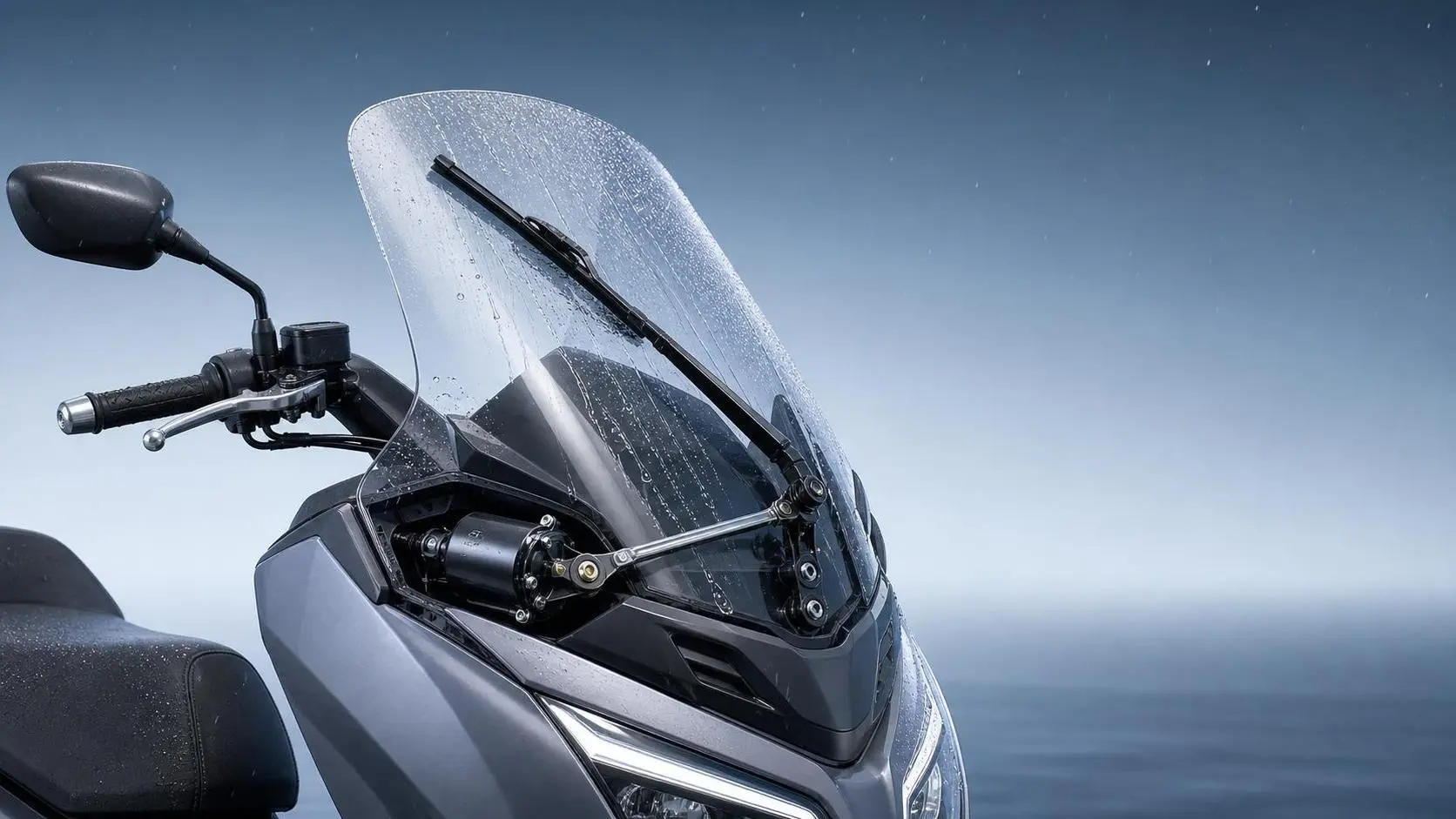
Wiper Systems for Scooters: Common Failure Points, Maintenance Tips, and Replacement Signs
Wiper systems for scooters: learn the most common failure points, smart maintenance tips, and clear replacement signs to improve visibility, reduce repeat repairs, and keep riders safer.
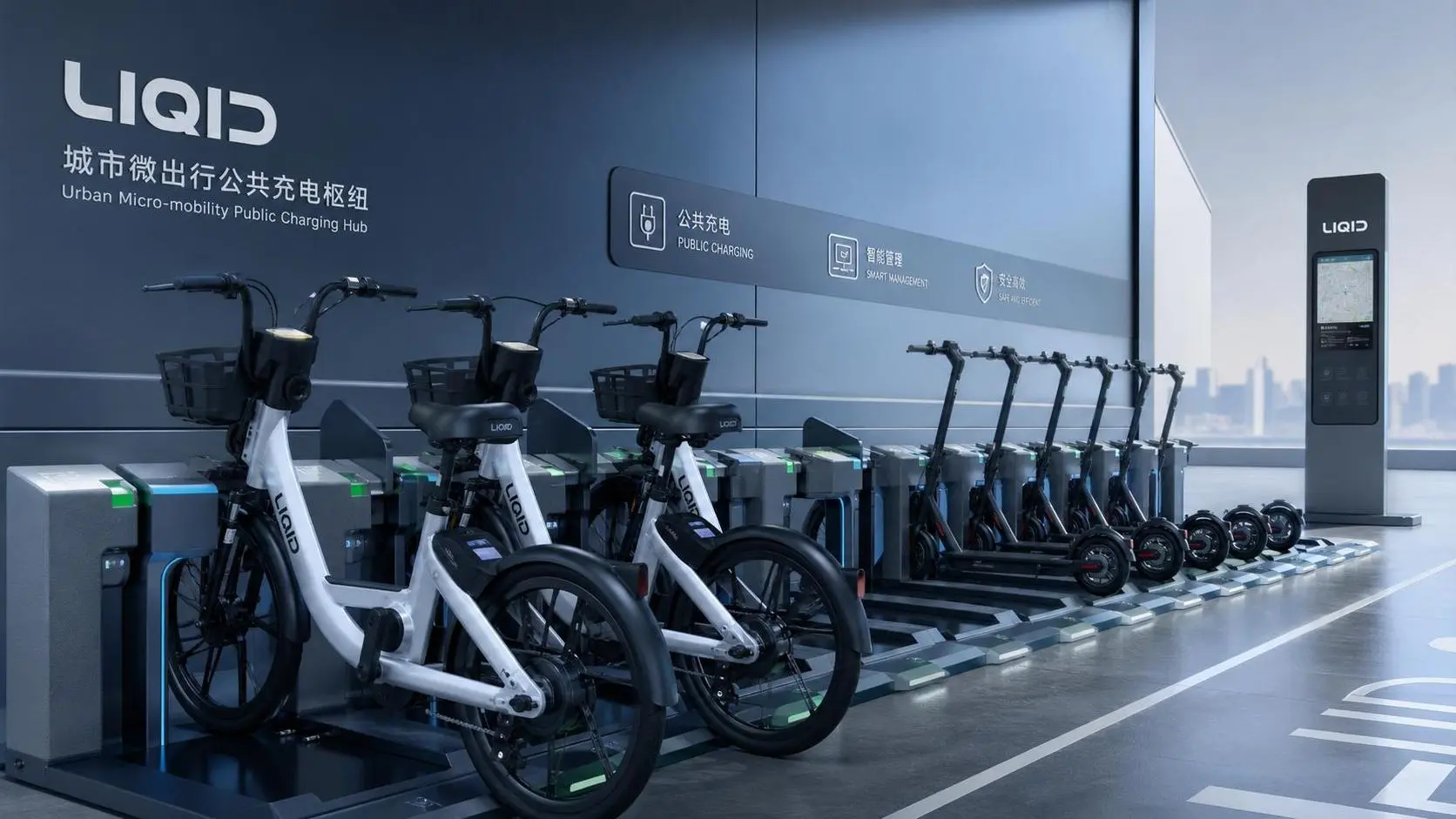
How to Choose Micro-Mobility Docking Stations for Shared Fleets and Public Charging Hubs
Micro-mobility docking stations: learn how to compare charging, locking, software, and site-fit factors to choose safer, smarter hubs for shared fleets and public use.
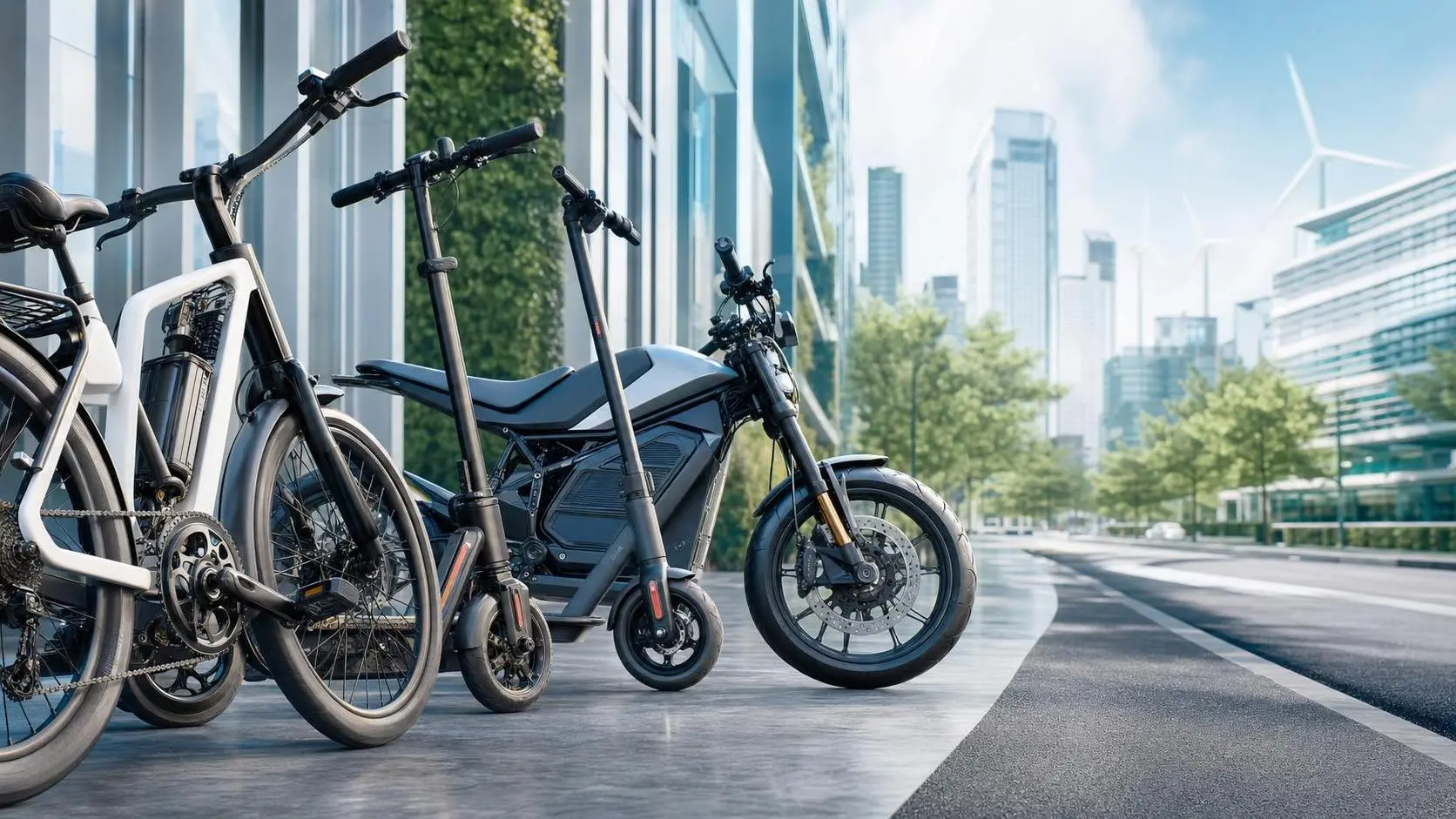
Urban Mobility Market Analysis: Demand Drivers, Policy Risks, and Revenue Models Compared
Urban mobility market analysis compares demand drivers, policy risks, and revenue models across e-bikes, scooters, and e-motorcycles to reveal where growth is durable.

Shared Mobility Compliance Checklist: Permits, Safety Rules, and Fleet Data Requirements
Shared mobility compliance made simple: explore a practical checklist for permits, safety rules, and fleet data requirements to launch faster, reduce risk, and stay audit-ready.
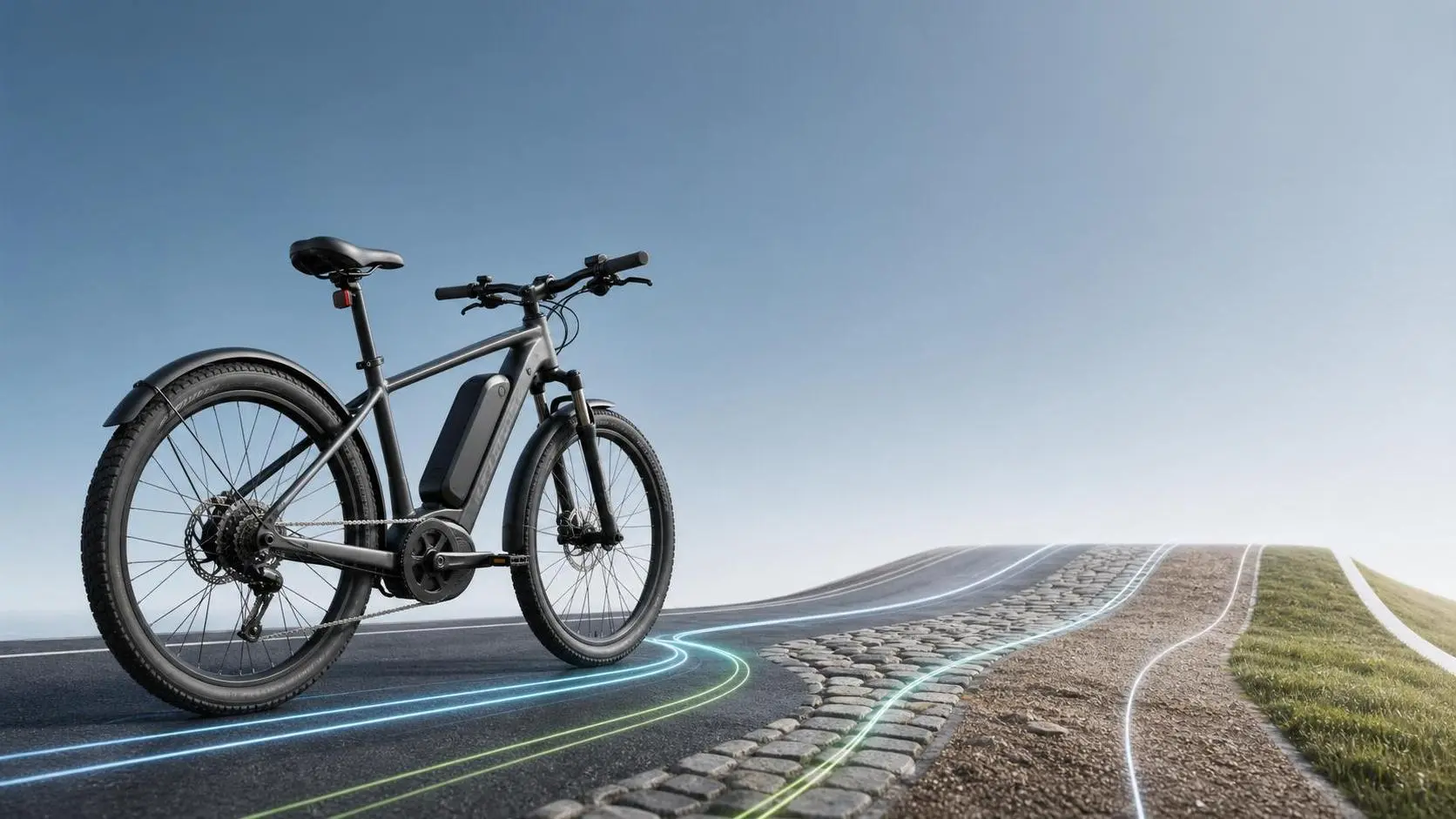
What Affects Ebike Energy Efficiency? Battery Size, Rider Weight, Terrain, and Speed
Ebike energy efficiency explained: learn how battery size, rider weight, terrain, and speed shape real-world range, lower Wh/km, and smarter buying or commuting decisions.
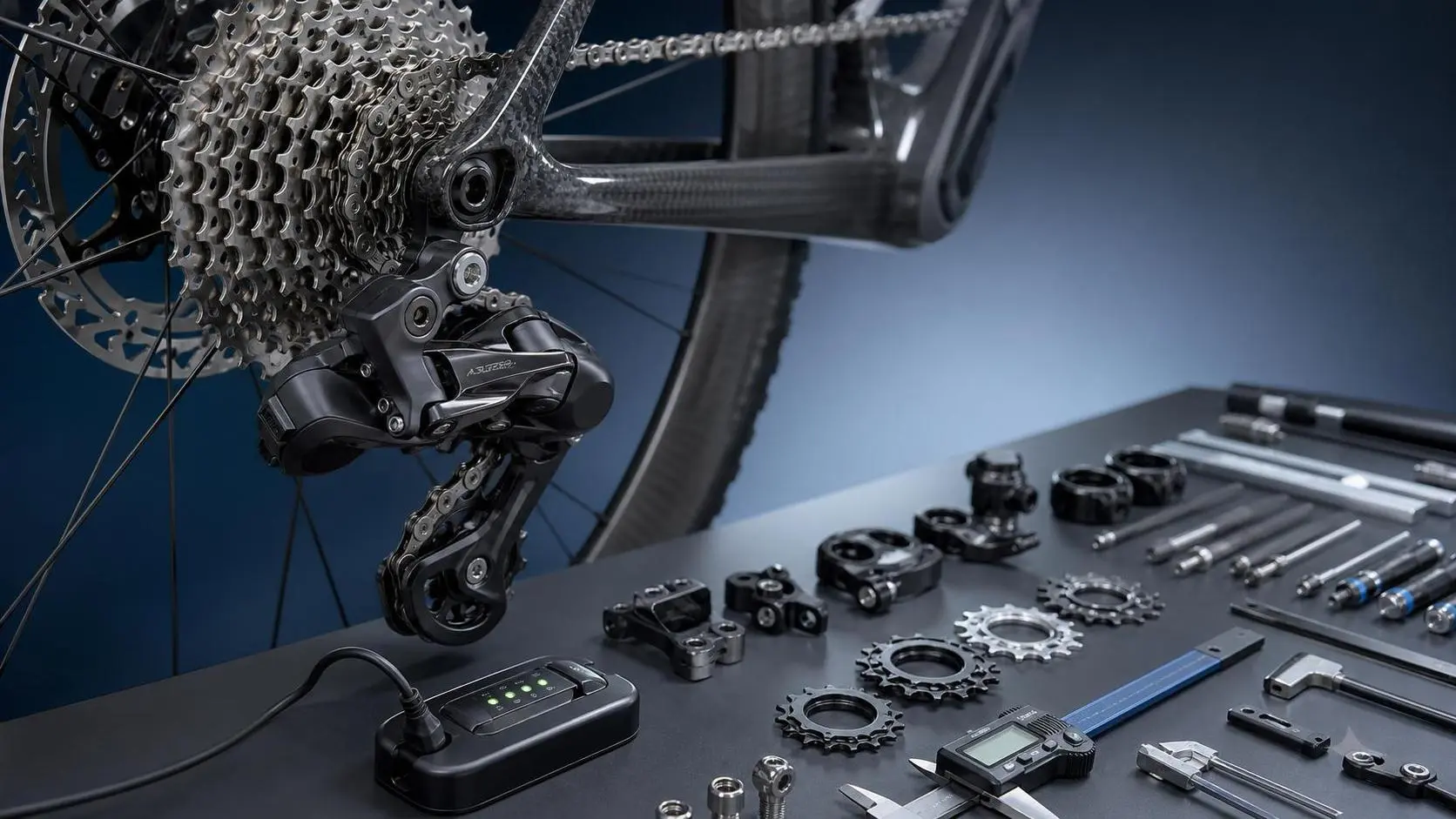
Wireless Electronic Shifting in North America: Compatibility, Standards, and Upgrade Limits
Wireless electronic shifting North America explained: compare compatibility, FCC/ISED standards, retrofit limits, and upgrade risks before choosing the right platform.
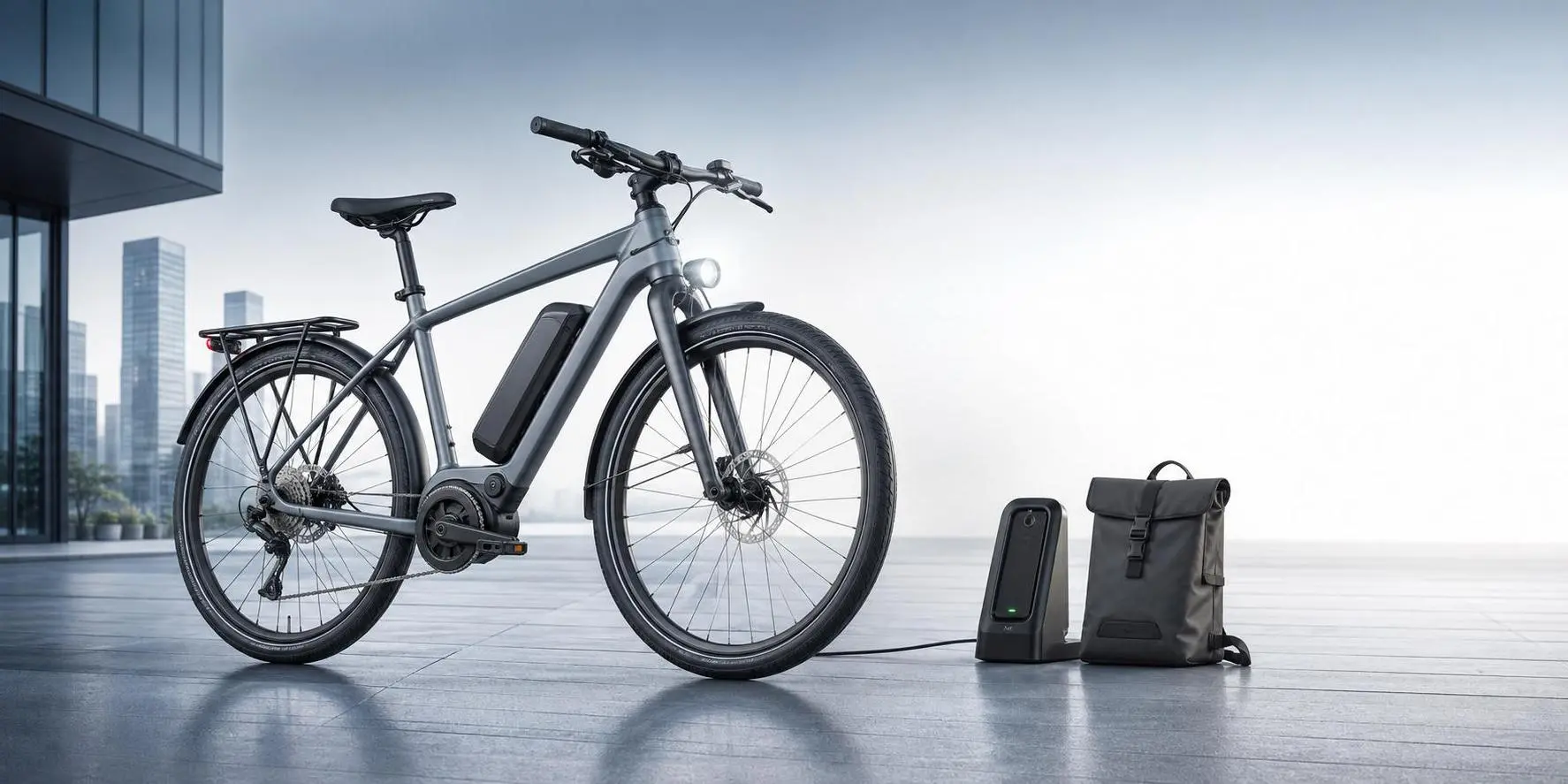
How to Choose an Electric Bicycle for City Commuting: Range, Motor, and Weight Explained
Electric bicycle buying guide for city commuting: learn how range, motor type, torque, and weight affect comfort, storage, and daily efficiency before you choose.