
Related News
- 00
0000-00
What Is a Smart Transportation Platform and Which Urban Mobility Use Cases Fit Best? - 00
0000-00
How to Plan Micro-Mobility Charging Stations: Site Selection, Power Needs, and ROI - 00
0000-00
Electric Two Wheeler Battery Components Explained: Cells, BMS, Thermal Parts, and Connectors - 00
0000-00
Carbon Neutrality Standards for E-bike Manufacturing: Key Metrics and Certification Steps - 00
0000-00
Urban Transport Planning Basics: How Cities Match Mobility Options to Trip Demand
Ms. Elena Rodriguez
Weekly Insights
Stay ahead with our curated technology reports delivered every Monday.
What Is a Smart Transportation Platform and Which Urban Mobility Use Cases Fit Best?





What Is a Smart Transportation Platform and Which Urban Mobility Use Cases Fit Best?
A smart transportation platform is no longer a future concept. It is quickly becoming the operating layer behind modern urban mobility.
Cities want cleaner traffic. Operators want better asset use. Manufacturers want stronger data visibility across fleets, charging, maintenance, and rider behavior.
That is why the discussion has shifted.
The real issue is not whether a smart transportation platform matters. The real issue is which use cases create measurable value first.
For urban mobility businesses, that answer depends on fleet type, local regulation, last-mile demand, battery strategy, and infrastructure maturity.
In micro-mobility, this matters even more.
E-bikes, smart e-scooters, high-speed e-motorcycles, and connected bicycle components all generate operational data. Without a unified platform, that data stays fragmented.
A smart transportation platform turns that fragmented data into action. It supports routing, fleet balancing, battery planning, safety response, and policy coordination.
What a Smart Transportation Platform Actually Includes
At its core, a smart transportation platform connects vehicles, users, infrastructure, and operators through one digital environment.
It usually combines IoT connectivity, telematics, analytics, mapping, dispatch logic, compliance tools, and dashboard reporting.
In practical terms, the platform should answer five daily questions:
- Where are the vehicles right now?
- Which assets are available, underused, or at risk?
- How healthy are the batteries, components, and connections?
- Which trips create congestion, revenue, or service gaps?
- What actions should operations teams take next?
This is where platform value becomes concrete.
For example, a smart transportation platform can detect a cluster of low-charge e-scooters near a railway station, trigger rebalancing, and redirect charging teams.
It can also identify unsafe riding patterns, repeated brake issues, or poor utilization of premium e-bike fleets in specific districts.
Why Urban Mobility Needs It Now
Recent market changes make timing important.
Cities are tightening safety rules for shared scooters. Battery incidents are under closer review. Public space management is becoming data-driven.
At the same time, low-carbon mobility is moving from pilot programs to operational targets.
That creates pressure on operators and suppliers to prove efficiency, compliance, and network reliability.
A smart transportation platform helps make that proof visible.
For intelligence-focused businesses such as UMMS, this platform logic also supports deeper market interpretation.
Signals from electric drivetrains, battery management, connected sensors, and precision bicycle components become more useful when they are tied to actual mobility outcomes.
Best-Fit Use Cases for a Smart Transportation Platform
1. Shared E-Scooter Fleet Coordination
This is one of the clearest use cases.
A smart transportation platform can track fleet density, parking compliance, charging status, and trip demand by hour and zone.
That reduces idle time and improves vehicle availability where demand is real, not assumed.
It also supports city-facing reporting, which is often necessary for permit renewal and curbspace negotiations.
2. E-Bike Commuter Network Optimization
E-bikes operate differently from scooters. Commute patterns are longer, user expectations are higher, and battery range affects service design more directly.
A smart transportation platform helps map origin-destination flows, peak corridor demand, and battery replacement timing.
This is especially useful in European commuter markets, where e-bike usage is tied to daily routine and reliability matters more than novelty.
3. Battery Swapping for High-Speed E-Motorcycles
For high-speed e-motorcycles, charging downtime is often the operational bottleneck.
A smart transportation platform can coordinate swap station demand, battery circulation, thermal performance, and route-level energy consumption.
This use case fits dense delivery networks, fleet leasing models, and premium urban performance segments.
It becomes even stronger when battery health data feeds procurement and residual value decisions.
4. Predictive Maintenance Across Micro-Mobility Assets
Maintenance is where margins often disappear.
A smart transportation platform can combine motor performance, brake wear, vibration patterns, connectivity failures, and usage intensity.
That allows operators to service components before failure disrupts users or creates safety exposure.
For businesses watching drivetrain precision and electromechanical efficiency, this is a high-value application.
5. Traffic and Curbside Intelligence
The best platforms do more than manage vehicles. They help cities understand how two-wheeler traffic interacts with roads, stations, weather, and pedestrian flows.
A smart transportation platform can show where curbside conflict happens, where parking zones fail, and where micro-mobility relieves short car trips.
This use case fits public-private partnerships and long-term network planning.
How to Judge Which Use Cases Fit Best
Not every city or operator needs the same platform design.
The strongest approach is to rank use cases against business friction, data readiness, and policy urgency.
A simple decision screen usually works well:
In most cases, the best first move is narrow.
Start with one high-friction workflow, prove measurable gains, then extend the smart transportation platform into adjacent use cases.
Common Risks to Address Early
Platform projects fail for predictable reasons.
- Too many features before one real workflow is stable
- Weak telematics quality from low-cost hardware
- Poor battery data consistency across suppliers
- No clear owner for compliance reporting
- Dashboards that look good but do not support action
In actual operations, data quality usually matters more than visual polish.
That is especially true in connected micro-mobility, where battery logic, controller signals, and safety events shape both service quality and brand trust.
What a Strong Rollout Looks Like
A practical rollout usually follows four steps.
- Define one target outcome, such as better fleet availability or fewer battery failures.
- Connect the minimum data sources needed for that outcome.
- Run a limited pilot in a specific district, corridor, or fleet category.
- Expand only after the smart transportation platform shows operational gains.
This approach keeps spending aligned with evidence.
It also helps internal teams agree on what success actually means.
Final Take
A smart transportation platform works best when it solves real urban mobility friction, not when it tries to digitize everything at once.
For most organizations, the strongest fit is in shared e-scooter coordination, e-bike network planning, battery operations, predictive maintenance, and curbside intelligence.
Those are the use cases where cleaner transport goals meet operational reality.
As urban traffic becomes more electric, connected, and policy-driven, the smart transportation platform will increasingly define who can scale efficiently and who cannot.
The next step is straightforward: identify the mobility workflow creating the most friction today, and build the platform around that problem first.
Related News
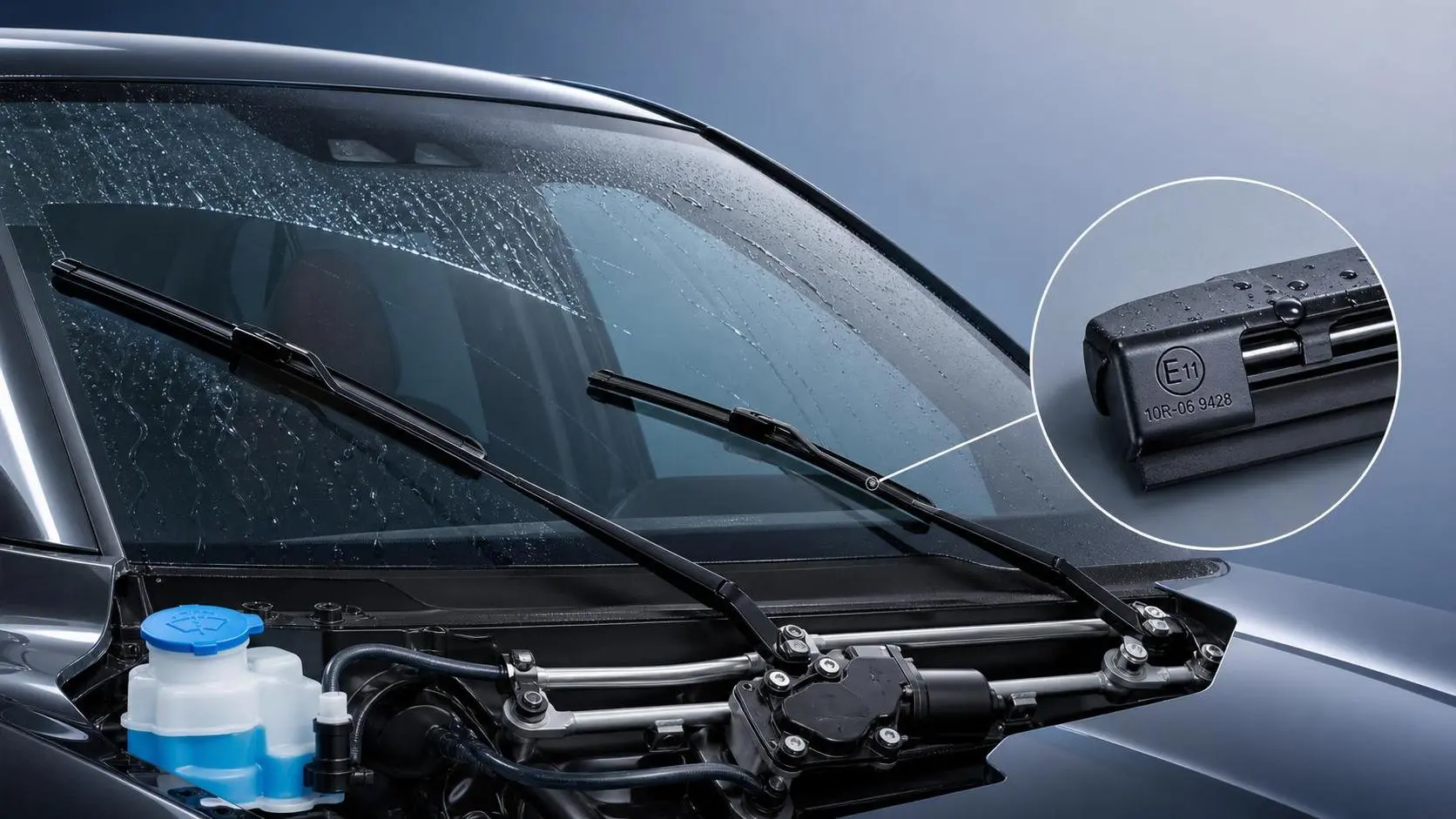
Wiper Systems ECE Compliance: Which Tests, Marks, and Documents Matter for Approval?
Wiper systems ECE approval explained: learn which tests, marks, and documents matter most to avoid delays, reduce compliance risk, and speed market access.

Wiper Streaking Problem: 7 Common Causes and How to Fix Them Step by Step
Wiper streaking problem? Discover 7 common causes and step-by-step fixes to restore clear visibility, prevent repeat failures, and diagnose blades, glass, washer fluid, and system issues fast.
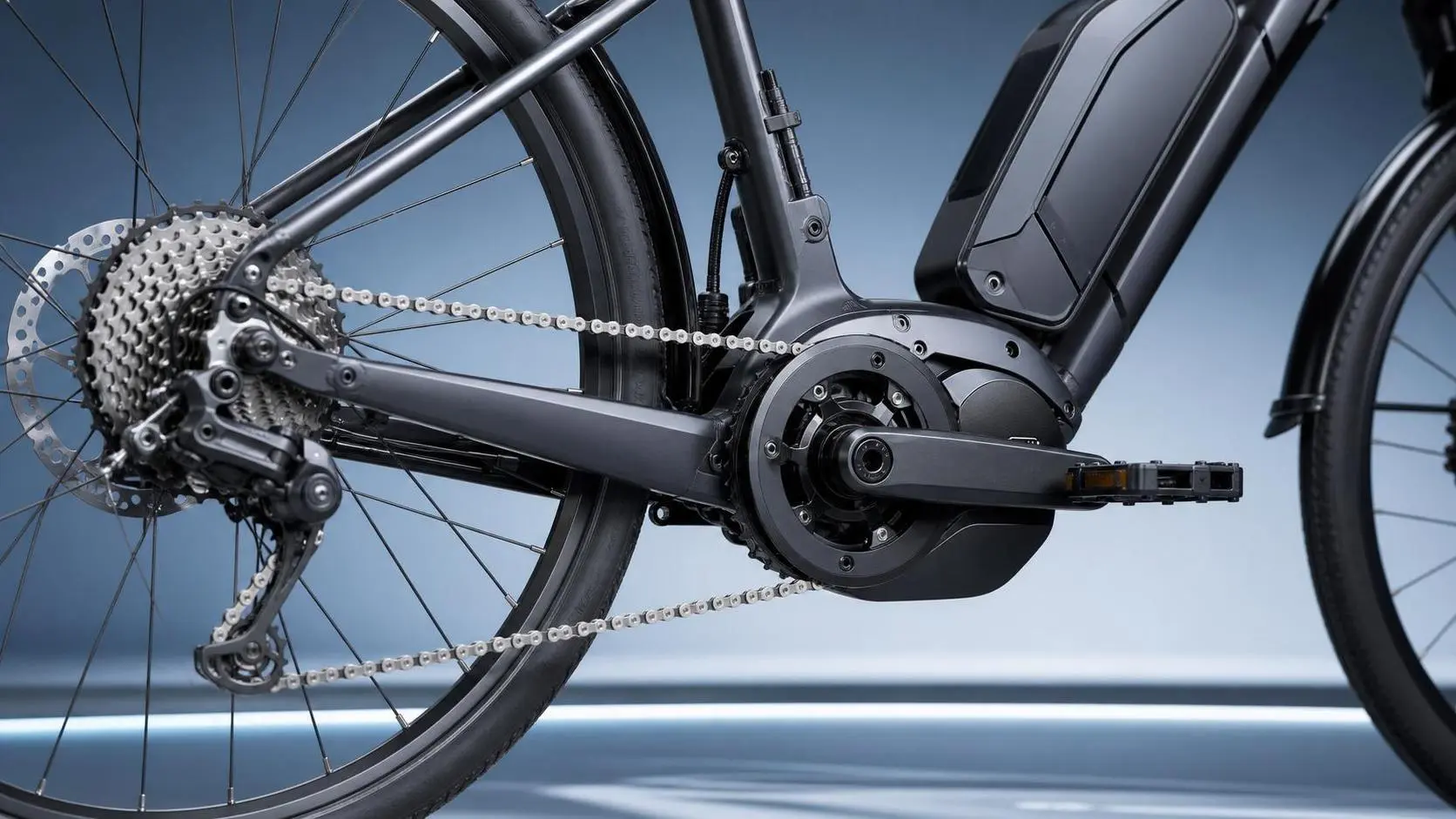
How to Evaluate an Electronic Shifting Drivetrain for E-bikes: Compatibility, Response, and Maintenance
Electronic shifting drivetrain evaluation for e-bikes: learn how to assess compatibility, shift response, and maintenance needs to choose a smoother, more reliable system.
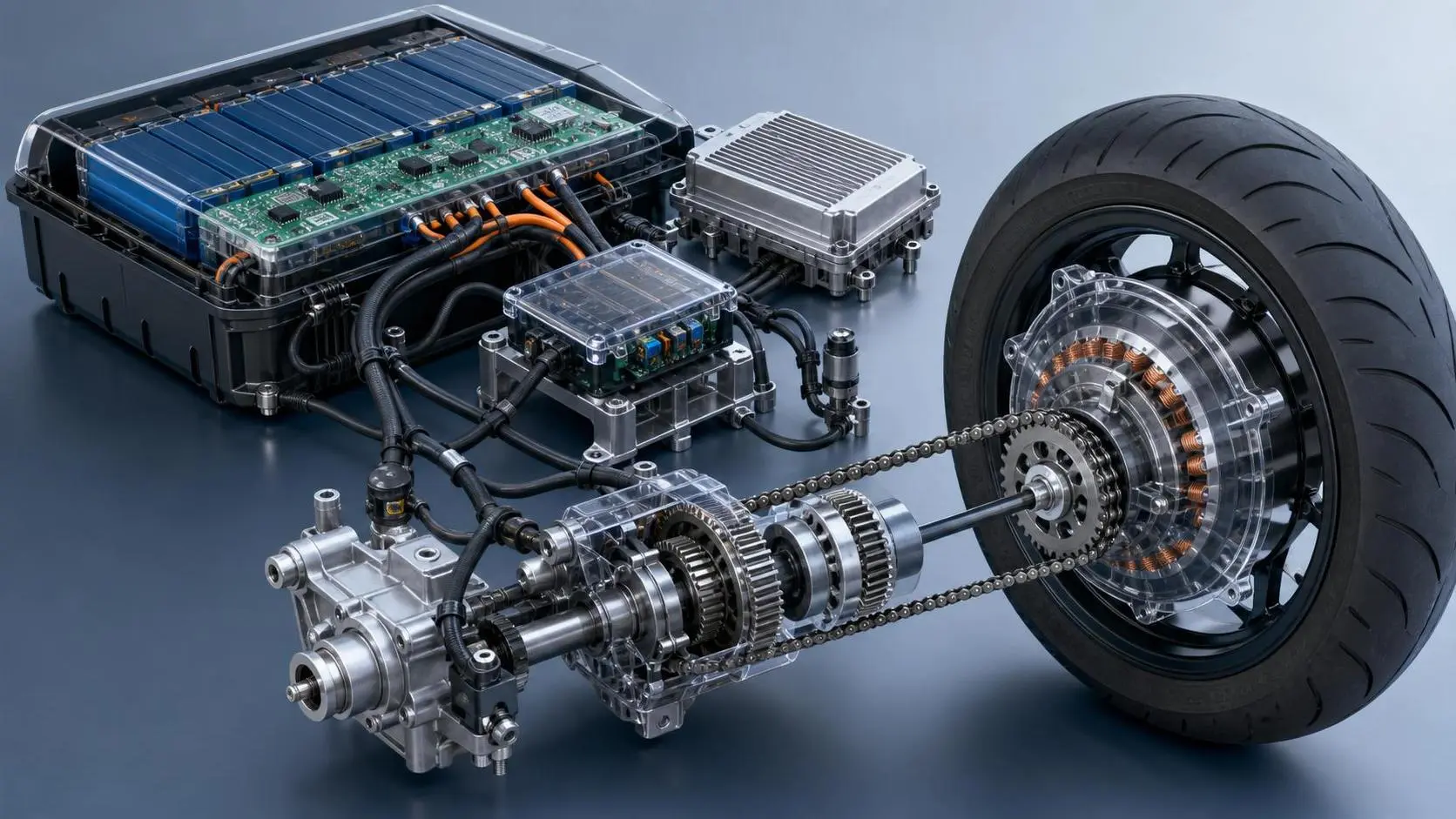
Electric Drivetrain Components Explained: Key Parts, Functions, and Failure Points
Electric drivetrain components explained: discover key parts, core functions, and common failure points to improve performance, reliability, and smarter buying decisions.
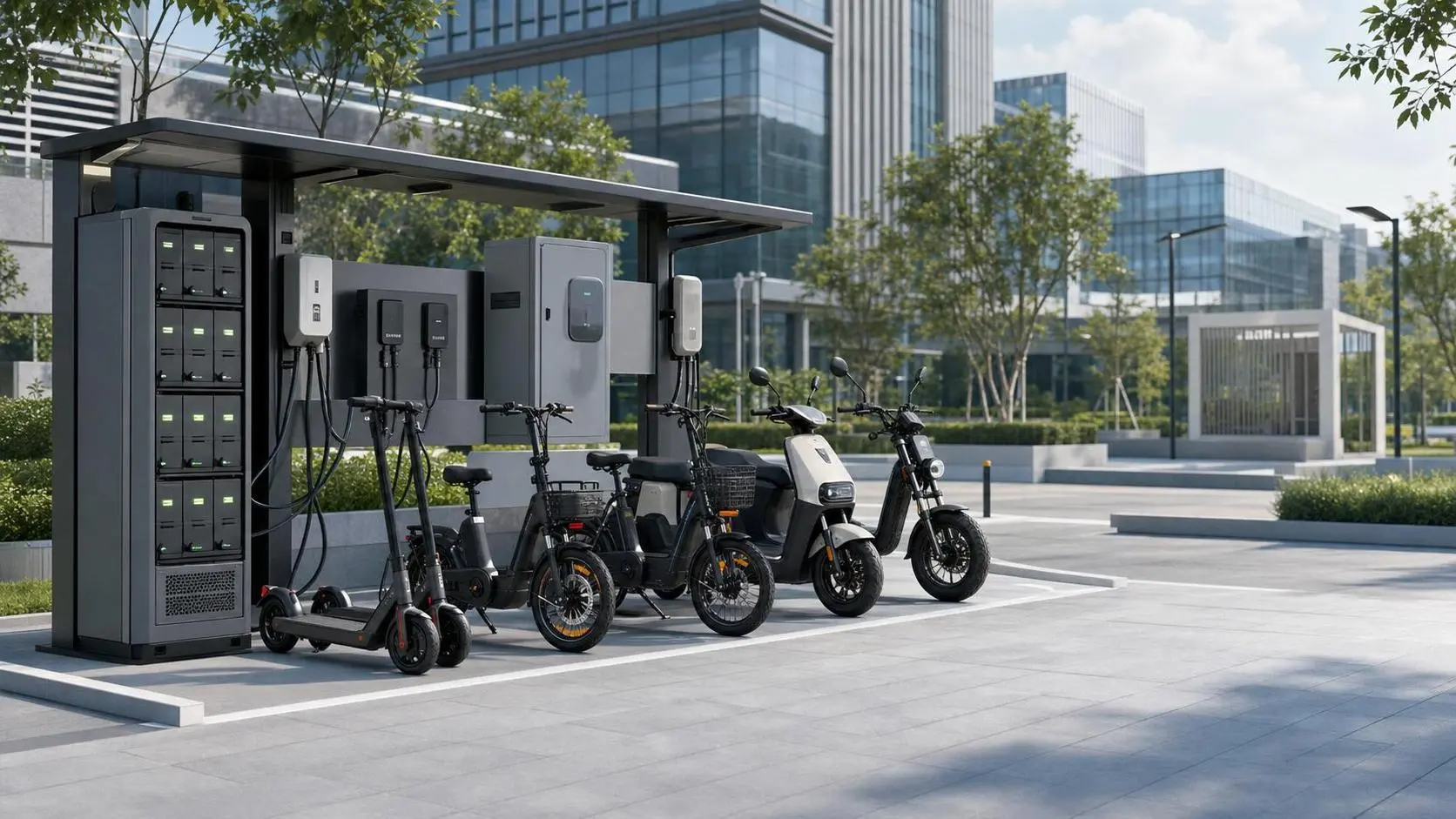
How to Plan Micro-Mobility Charging Stations: Site Selection, Power Needs, and ROI
Micro-mobility charging stations: learn how to choose the right site, size power capacity, improve uptime, and build a stronger ROI model for scalable fleet operations.

Smart Battery Solutions for Shared Fleets: What Reduces Downtime and Maintenance Costs?
Smart battery solutions help shared fleets cut downtime and maintenance costs with real-time diagnostics, smarter charging, battery swapping, and lifecycle insights.
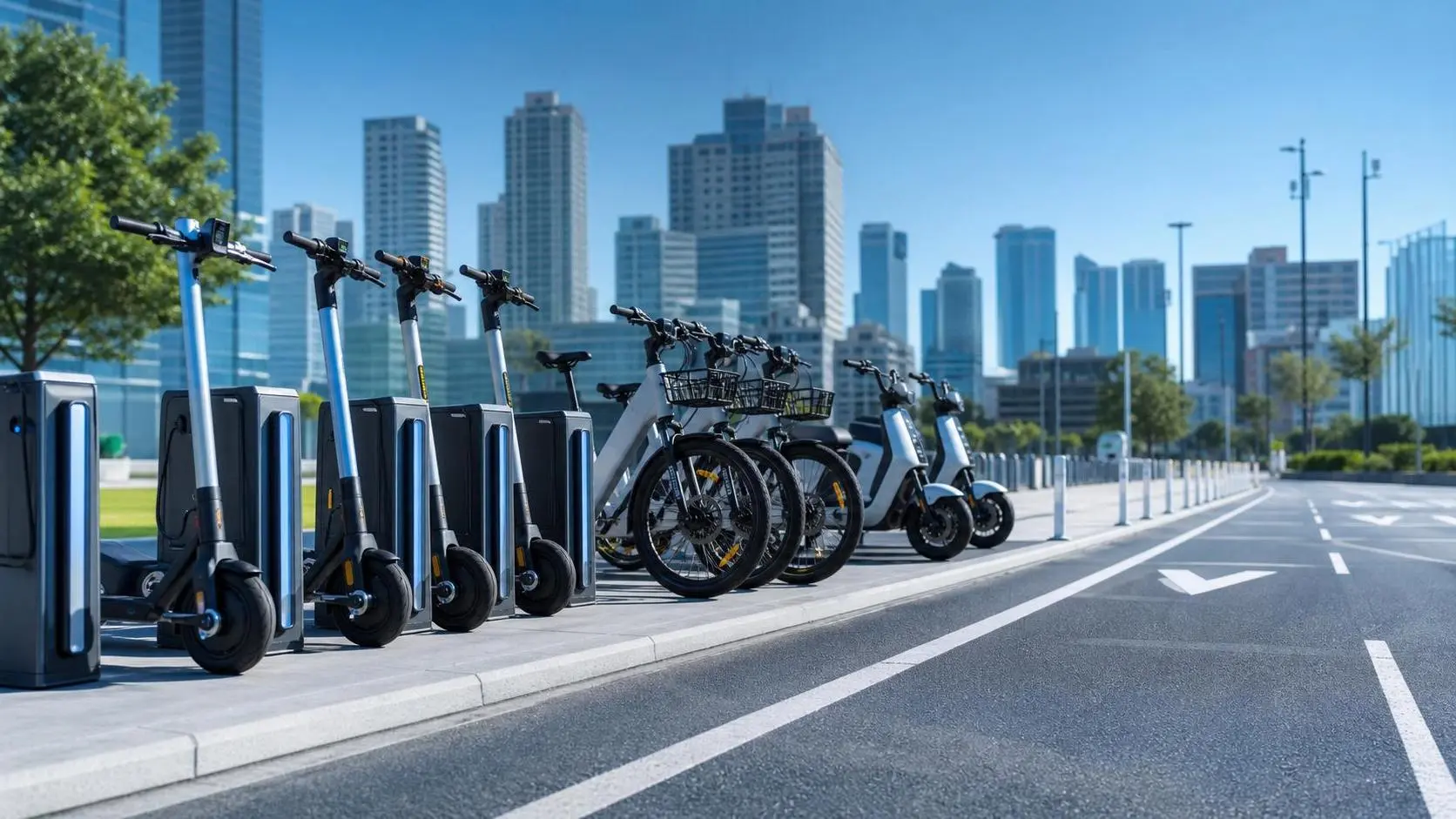
Urban Micro-Mobility in North America: Policy, Charging Access, and Fleet Growth Drivers
Urban micro-mobility North America is evolving fast. Explore how policy, charging access, and fleet economics are shaping scalable growth opportunities across cities.
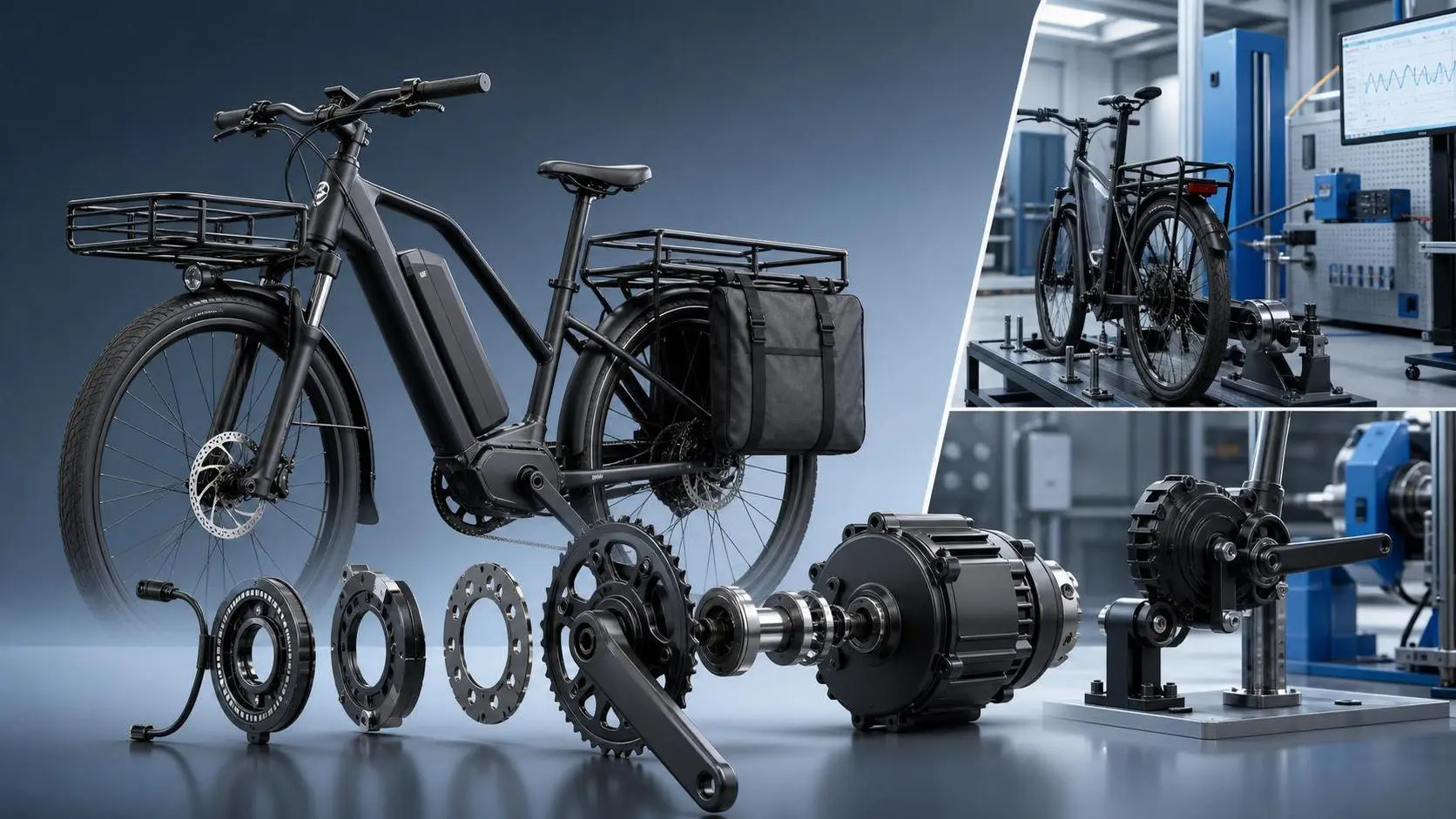
E-Bike Component Selection: How to Evaluate a Torque Sensor for Commuting and Cargo Use
E-bike component selection torque sensor guide for commuting and cargo use. Learn how to compare response, low-cadence control, durability, and integration for smoother, safer rides.
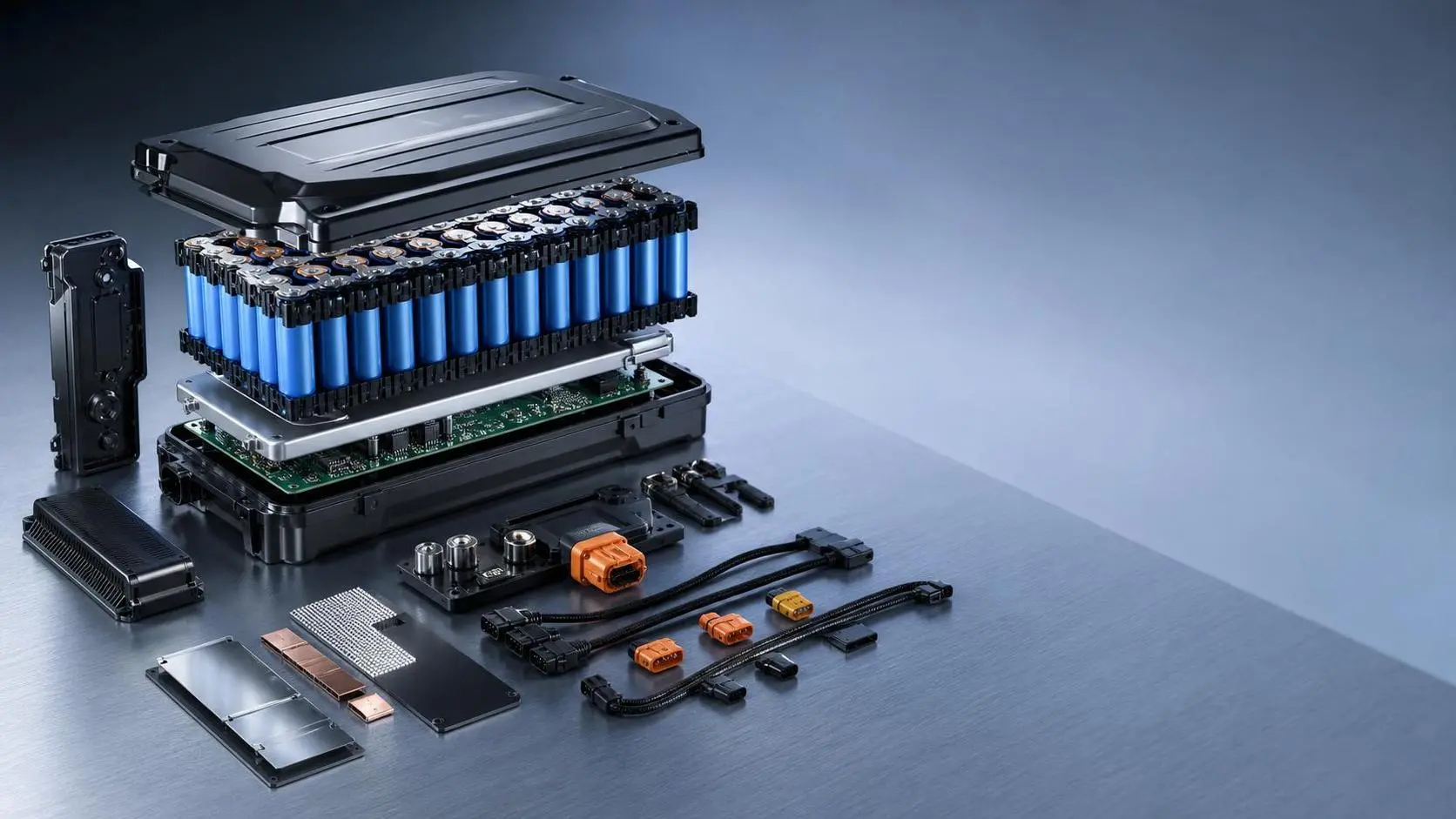
Electric Two Wheeler Battery Components Explained: Cells, BMS, Thermal Parts, and Connectors
Electric two wheeler battery components explained clearly—learn how cells, BMS, thermal parts, and connectors shape safety, range, reliability, and smarter sourcing decisions.