
Related News
- 00
0000-00
What Drives Low Carbon E-bike Price: Materials, Battery Specs, and Compliance Costs - 00
0000-00
Utility Maximization in E-bikes: Which Motor, Battery, and Range Trade-offs Matter Most? - 00
0000-00
Brushless Motor for Scooters: How to Compare Power, Torque, and Efficiency - 00
0000-00
E-Bike Application Guide: Which Frame, Motor, and Battery Setup Fits Your Use Case? - 00
0000-00
What Affects Ebike Energy Efficiency? Battery Size, Rider Weight, Terrain, and Speed
Micro-Mobility Strategist
Weekly Insights
Stay ahead with our curated technology reports delivered every Monday.
What Drives Low Carbon E-bike Price: Materials, Battery Specs, and Compliance Costs





Why does the low carbon e-bike price vary so much?
The short answer is that a low carbon e-bike is not priced by one part alone.
Its final cost comes from materials, battery design, motor configuration, certification, testing, and shipping exposure.
For sourcing decisions, the low carbon e-bike price should be read as a system cost, not a catalog figure.
That matters even more in urban micro-mobility, where product claims must survive real use, regulation, and service demands.
UMMS follows this market from a systems perspective.
That means looking beyond unit quotes and focusing on transmission efficiency, battery logic, compliance risk, and long-term operating value.
In practice, two models can look similar online yet land at very different total costs once battery approvals and frame durability are verified.
Is frame material really a major cost driver, or just a marketing line?
It is a real cost driver, but not for the reason many assume.
Material choice affects weight, tooling complexity, scrap rate, welding speed, durability, and freight economics.
Steel frames usually reduce upfront material cost.
They can also simplify repairs in some markets.
However, higher weight may raise shipping cost and reduce range efficiency.
Aluminum remains common because it balances weight, corrosion resistance, and scalable manufacturing.
But the alloy grade, tube forming, and weld finishing still move the low carbon e-bike price significantly.
Magnesium and carbon fiber can cut weight further.
They also raise tooling, defect-control, and quality assurance requirements.
More common sourcing mistakes happen at the specification layer.
A quote may mention “aluminum frame” without clarifying hydroforming, wall thickness, fatigue testing, or paint durability.
That makes comparisons unreliable.
A lower purchase price may hide weaker fatigue life or inconsistent weld quality.
For low-carbon positioning, lighter materials are not automatically better.
The better question is whether the frame reduces lifecycle emissions without creating repair or failure issues later.
How much do battery specs change the low carbon e-bike price?
Usually more than any other single component.
Battery cost is shaped by cell chemistry, energy density, pack architecture, BMS quality, enclosure design, and transport compliance.
A bigger watt-hour number does not tell the full story.
Two 720Wh packs can carry very different costs if one uses premium cells, stronger thermal protection, and validated cycle-life data.
This is where many low carbon e-bike price comparisons go wrong.
Some quotes focus on nominal capacity but ignore pack consistency, balancing logic, and cold-weather performance.
In real deployments, those details affect warranty rates and user satisfaction more than headline capacity.
Battery sourcing also intersects with carbon claims.
If suppliers provide cell traceability, pack test records, and responsible sourcing data, the cost may be higher.
Yet that added cost can support market entry, ESG reporting, and lower recall risk.
In the broader UMMS view, battery management logic is central to two-wheeler electrification.
That is why smart evaluation should include more than range per charge.
A quick comparison table helps separate cheap from merely incomplete
When comparing suppliers, this kind of table is more useful than a simple battery capacity column.
Where do compliance and certification costs quietly add up?
They add up almost everywhere, especially for export programs.
The low carbon e-bike price often rises after technical files, battery transport paperwork, regional standards testing, and labeling obligations are included.
For Europe, EN 15194 is a familiar reference point.
For batteries, transport and safety documents must also be ready and consistent.
For North America, UL-related expectations may influence design and vendor selection.
These costs do not always appear in first-round quotations.
Sometimes the supplier assumes the buyer will handle testing.
Sometimes the quoted configuration is not the tested configuration.
That difference matters.
A sample bike may pass, while the production version changes motor firmware, charger source, or pack connector.
Then approval work must be repeated.
The strategic lesson is simple.
Treat compliance as a design input from the beginning, not as a final paperwork step.
That approach matches how UMMS tracks mobility systems across policy, engineering, and commercial risk.
Can a lower quoted price still become the more expensive option?
Yes, and this happens often.
The low carbon e-bike price on paper may exclude packaging upgrades, spare battery handling, charger certification, or after-sales parts commitments.
There are also softer cost leaks.
Longer lead times can force buffer inventory.
Inconsistent motors or controllers can increase returns.
Weak documentation can slow customs clearance.
A practical evaluation should include these checkpoints:
- Does the quote specify tested battery and charger combinations?
- Are spare parts priced and available for at least one product cycle?
- Is the frame warranty tied to real fatigue data?
- Are carton dimensions and hazardous shipment assumptions confirmed?
- Can the supplier document recycled content or carbon accounting methods?
More mature programs usually pay for fewer surprises, not just lower invoice values.
That is especially true in a category shaped by urban congestion, carbon targets, and rapidly changing regulations.
What is the best way to compare suppliers without oversimplifying the low carbon e-bike price?
Use a layered comparison, not a single ranking column.
Start with the base vehicle cost.
Then separate battery cost, compliance cost, logistics cost, and expected service cost.
This makes hidden gaps easier to spot.
It also prevents premium battery systems from looking overpriced when they actually reduce failure risk.
A useful comparison format is shown below.
In actual sourcing rounds, this method produces better results than chasing the lowest ex-works number.
What should be clarified before moving to a final decision?
Clarify the intended operating scenario first.
A city commuter bike, delivery-focused model, and premium lifestyle product should not share the same cost logic.
Then confirm which low-carbon claims are expected.
Some programs need recycled material data.
Others focus on energy efficiency, battery longevity, or transport emissions reduction.
This is where the low carbon e-bike price becomes easier to judge.
Once the usage profile, compliance route, and documentation level are defined, many pricing gaps become logical rather than confusing.
The most reliable next step is to build a short supplier checklist.
Include frame specifications, battery traceability, tested configuration records, certification scope, and spare-parts policy.
That keeps the conversation grounded in comparable facts.
In a market where two-wheeler electrification is moving quickly, disciplined comparison matters more than broad claims.
The low carbon e-bike price only becomes meaningful when matched with materials reality, battery integrity, and compliance readiness.
A good final review should compare total delivered cost, expected field risk, and documentation quality side by side.
Related News
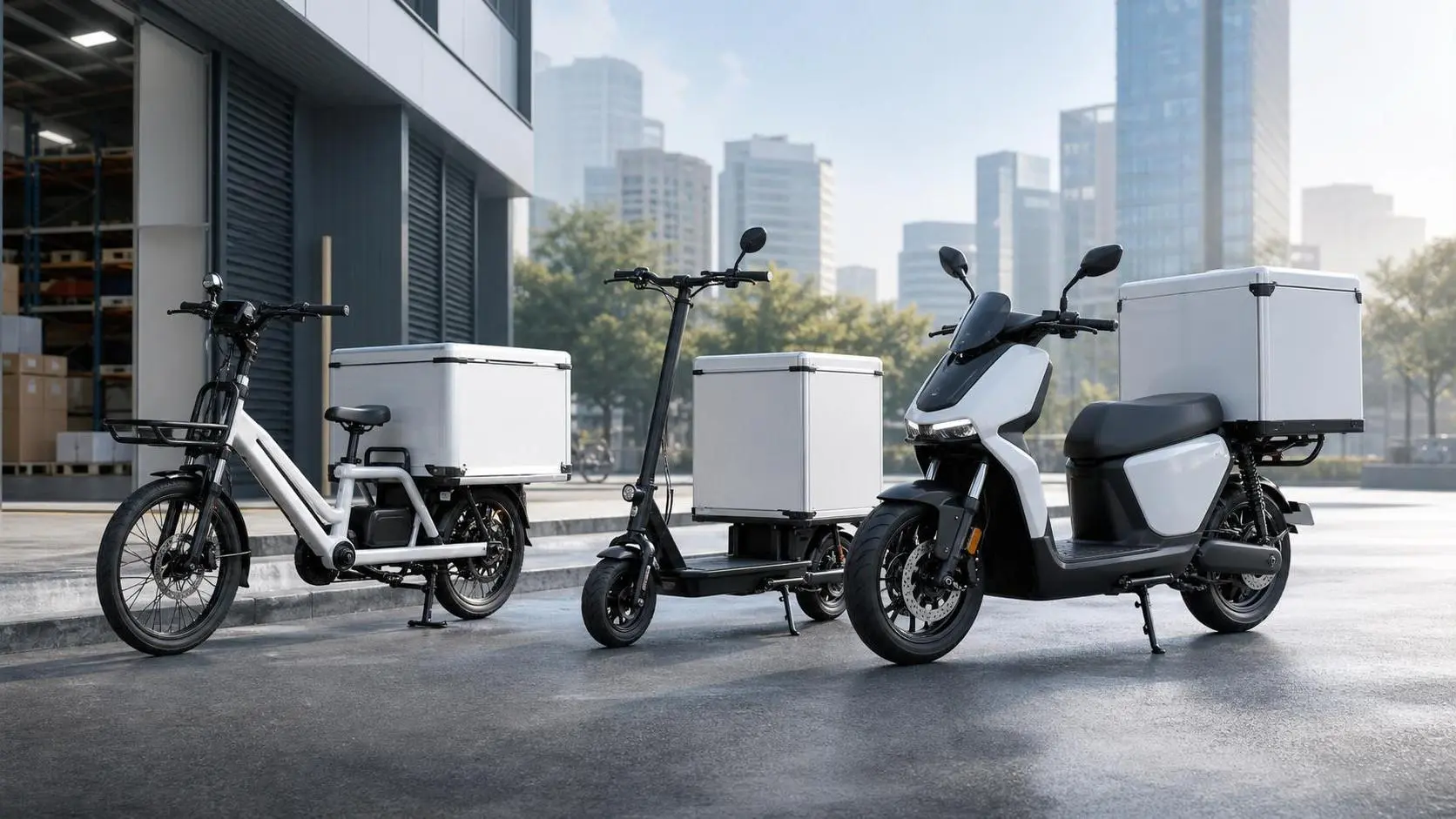
Electric Mobility for Logistics: How to Choose the Right Vehicle for Last-mile Delivery
Electric mobility for logistics starts with choosing the right last-mile vehicle. Compare e-bikes, e-scooters, and e-motorcycles by route, payload, weather, and cost.
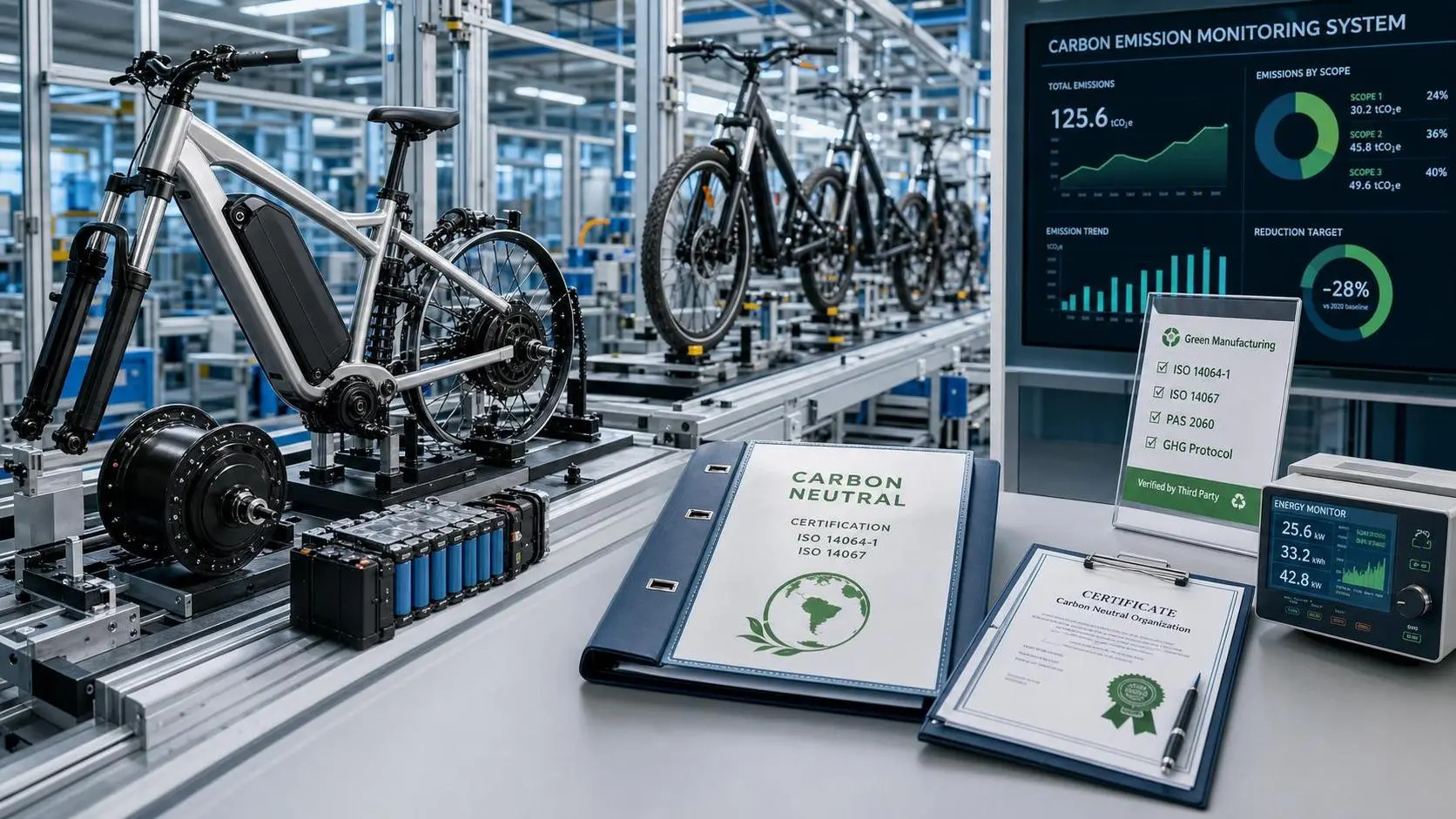
Carbon Neutrality Standards for E-bike Manufacturing: Key Metrics and Certification Steps
Carbon neutrality standards for e-bike manufacturing: learn the key metrics, supplier data, Scope 1–3 controls, and certification steps needed to cut emissions and prove credible low-carbon performance.
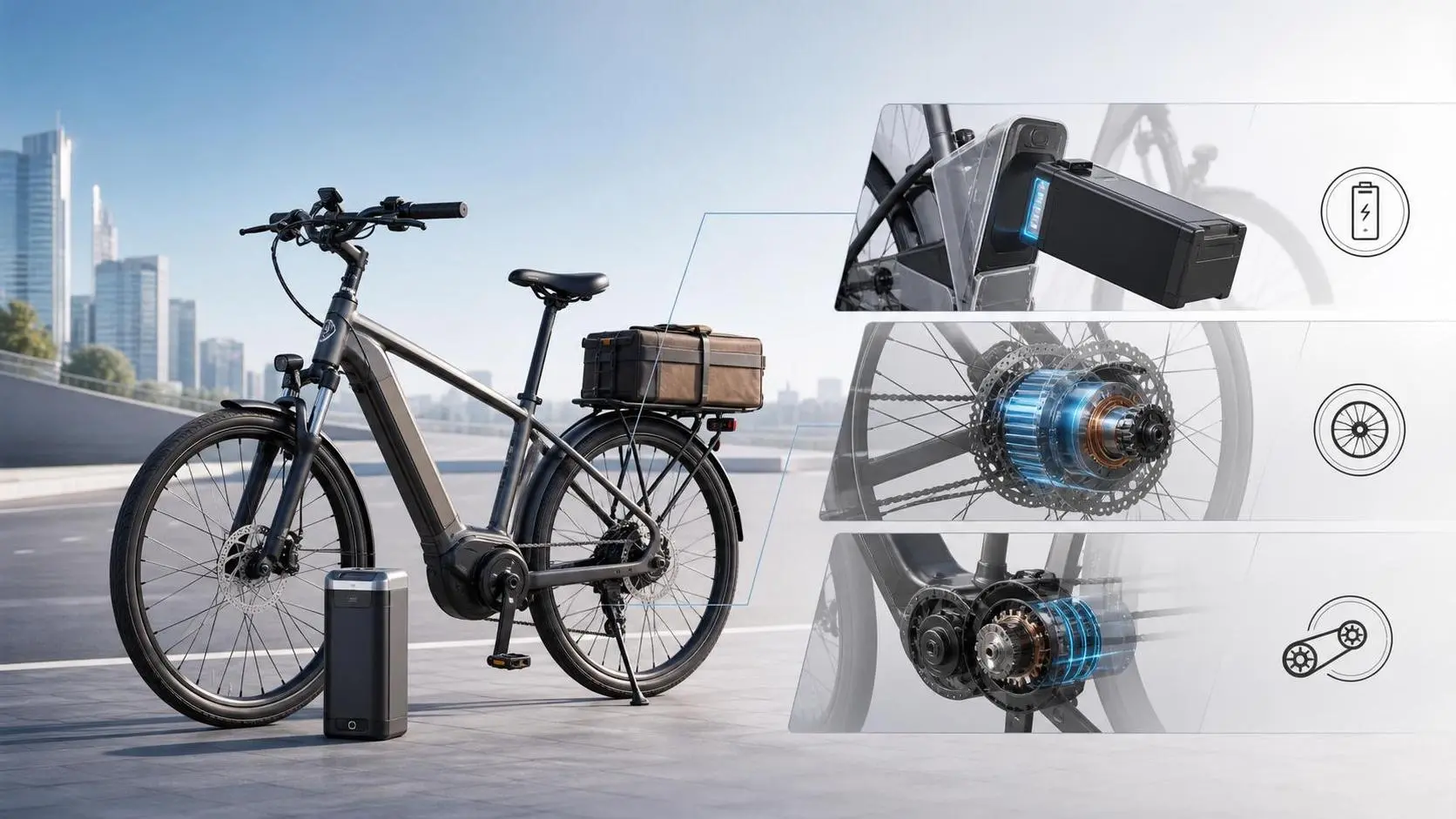
Utility Maximization in E-bikes: Which Motor, Battery, and Range Trade-offs Matter Most?
Utility maximization in ebikes explained: compare motor, battery, and real-world range trade-offs to find the smartest setup for commuting, hills, cargo, and daily value.
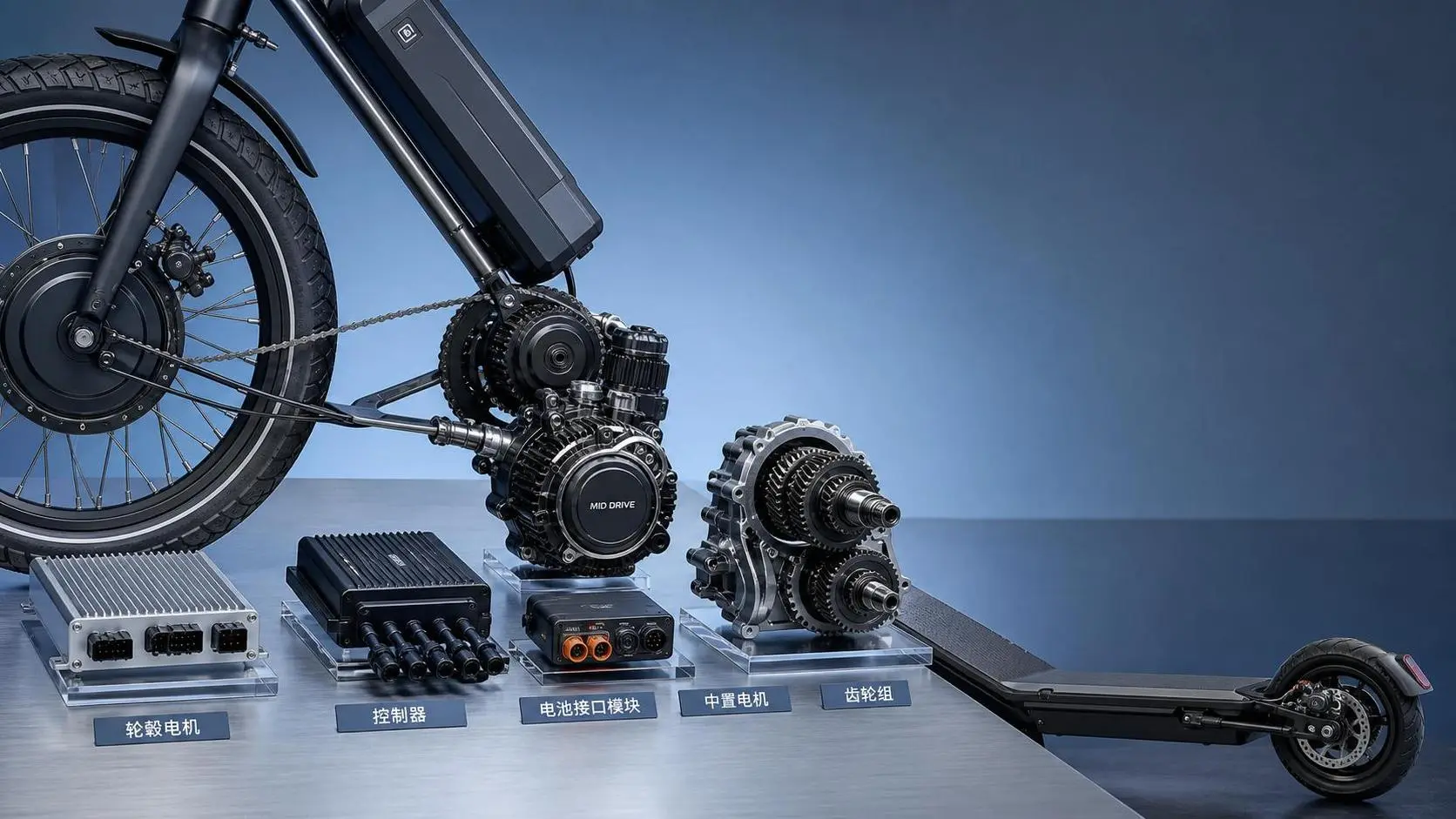
How to Evaluate a Drivetrain Architecture Provider for E-bike and Scooter Programs
Drivetrain architecture provider selection for e-bike and scooter programs: compare efficiency, thermal control, software, durability, and scale-up fit to choose the right system partner.
IoT Scooter Tracking System Explained: GPS Accuracy, Battery Use, and Data Integration
IoT scooter tracking system guide covering GPS accuracy, battery efficiency, connectivity, and data integration—learn what drives reliable micro-mobility performance.
Urban Transport Scooters for Campuses: What to Consider for Safety, Charging, and Fleet Size
Urban transport scooters for campuses require more than the right vehicle. Learn how to improve safety, plan charging, and size fleets for reliable, scalable campus mobility.
How to Evaluate an E Scooter Sourcing Factory for OEM Quality and Lead Time
e scooter sourcing factory evaluation guide for OEM buyers: learn how to verify quality systems, engineering strength, compliance, and lead time reliability before placing volume orders.
Electric Mountain Bike Buying Guide: Motor Torque, Battery Range, and Trail Fit
Electric mountain bike buying guide covering motor torque, battery range, and trail fit. Compare key specs, avoid costly mistakes, and choose the right e-MTB for your riding style.

Urban Transport Planning Basics: How Cities Match Mobility Options to Trip Demand
Urban transport planning explained: learn how cities match buses, rail, e-bikes, and scooters to real trip demand, cut congestion, and improve last-mile mobility.