
Related News
- 00
0000-00
Electric Mobility for Logistics: How to Choose the Right Vehicle for Last-mile Delivery - 00
0000-00
Electric Torque for Ebikes Explained: What Power Delivery Means for Climbing and Cargo - 00
0000-00
Electric Powertrain vs Hub Motor: Which Setup Fits Cargo E-bikes Better? - 00
0000-00
What last mile logistics needs from electric fleets - 00
0000-00
High-Density Battery Trade-Offs for Cargo E-Bikes
Micro-Mobility Strategist
Weekly Insights
Stay ahead with our curated technology reports delivered every Monday.
Electric Mobility for Logistics: How to Choose the Right Vehicle for Last-mile Delivery





Electric mobility for logistics starts with route reality
Electric mobility for logistics has moved from pilot programs to daily operational planning.
In last-mile delivery, the vehicle is no longer just a transport tool.
It shapes service speed, parking flexibility, energy cost, maintenance rhythm, and compliance exposure.
That is why the right choice depends less on brochure performance and more on route behavior.
A dense downtown parcel loop needs something very different from a suburban food delivery fleet.
UMMS tracks this shift closely across e-bikes, smart e-scooters, and high-speed e-motorcycles.
Its broader micro-mobility view is useful because last-mile operations rarely depend on one parameter alone.
Payload, stop frequency, battery behavior, road access, and weather resilience often interact in messy ways.
The practical question is simple: which vehicle fits the route, not which vehicle looks strongest on paper.
Why similar delivery jobs create different vehicle needs
Electric mobility for logistics becomes harder to evaluate when all urban delivery work gets treated as one category.
In practice, route density changes vehicle value more than average trip distance.
Frequent stops reward low step-through access, stable loading, and easy restart torque.
Longer corridors reward battery endurance, thermal stability, and faster recharge or swap cycles.
Surface quality matters too.
Cobblestones, curb cuts, ramps, and wet tram tracks can turn a theoretically suitable vehicle into a costly compromise.
This is where electric mobility for logistics overlaps with the wider UMMS intelligence lens.
Battery management logic, drivetrain efficiency, visibility systems, and component durability all affect usable performance.
A vehicle with strong nominal range may still lose productivity if charging windows clash with dispatch cycles.
A compact platform may look ideal for city access, yet fail once loads shift beyond balanced design limits.
Where compact e-bikes usually make the most sense
For short-radius parcel work in congested cores, cargo e-bikes often deliver the best fit.
They move through narrow streets, bicycle lanes, and restricted zones with less delay.
That advantage grows when parking turnover is high and every stop lasts under three minutes.
In this setting, electric mobility for logistics is less about top speed and more about restart efficiency.
Low-speed balance, rider posture, box access, and drivetrain response matter every hour of the shift.
A mid-drive setup may also perform better on repeated slopes than a cheaper hub motor arrangement.
That said, e-bikes are not automatically the answer for all urban routes.
Once parcel dimensions become irregular, or route legs spread farther apart, delivery time can drift upward.
Frame rigidity, braking under load, and component wear should be checked carefully.
UMMS often highlights drivetrain precision for good reason.
On stop-heavy routes, poor shifting quality or weak chainline design quickly turns into downtime.
Smart e-scooters fit light, fast, highly repetitive loops
Smart e-scooters work best when loads stay light and route repetition is high.
They are useful for documents, small retail items, medical samples, and tightly timed neighborhood dispatches.
Their strength is maneuverability, not carrying depth.
This makes electric mobility for logistics attractive where service promise depends on shaving minutes from every handoff.
However, the suitability of e-scooters changes sharply in mixed-weather operations.
Small wheels react more harshly to broken pavement, pooled water, and uneven curb transitions.
IoT features can support fleet visibility, geofencing, and preventive maintenance, but hardware quality remains the foundation.
If the deck, stem, or battery housing cannot tolerate daily abuse, software insight will not rescue uptime.
A more realistic judgment is to use smart e-scooters where route simplicity offsets their physical limits.
When high-speed e-motorcycles become the better operational tool
Some delivery networks stretch beyond micro-radius assumptions.
Peripheral districts, cross-town pharmacy runs, and time-critical meal distribution often need more speed reserve.
Here, high-speed e-motorcycles can outperform lighter options.
The core benefit is not simply faster travel.
It is the ability to maintain stable timing across longer distances, elevation changes, and heavier payload cycles.
Electric mobility for logistics in this segment depends heavily on battery thermal management.
Repeated acceleration, hot climates, and rapid charging can push pack stress beyond what nominal specs suggest.
Battery swapping may solve part of that constraint, especially where route continuity matters more than depot return timing.
Still, the tradeoff is clear.
Licensing, insurance, and safety equipment requirements usually become more demanding than for e-bikes or scooters.
A simple way to compare route conditions before choosing
Before selecting a platform, it helps to compare the route by operational behavior rather than by city name.
This comparison also shows why electric mobility for logistics should be reviewed seasonally, not once at procurement.
The hidden differences that change total cost
Purchase price still gets too much attention.
Real operating cost usually comes from battery replacement timing, brake wear, tire fatigue, charger utilization, and lost service hours.
Electric mobility for logistics can look cheap initially, then become expensive through poor fleet matching.
A common mistake is sizing range for the longest day of the year, then carrying excess battery weight every day.
Another is choosing the lightest platform without modeling consumable replacement under full payload use.
UMMS coverage of component quality matters here.
Drivetrain precision, waterproof connectors, and sensor reliability have direct cost impact in urban fleets.
- Check daily energy use against real stop frequency, not lab range.
- Model maintenance by route severity and payload distribution.
- Include downtime risk from charging bottlenecks and spare shortages.
- Review local right-of-way rules before standardizing one vehicle type.
Mistakes often come from treating access, weather, and load as secondary
Several errors repeat across last-mile projects.
The first is assuming every urban route can be solved by the smallest vehicle.
That works until package dimensions, rider fatigue, or slope intensity break the model.
The second is ignoring weather resilience.
Wiper systems, lighting visibility, sealed electronics, and braking behavior matter more in real fleets than in demos.
The third is treating similar neighborhoods as identical operating conditions.
A tourist center, a business district, and a residential grid may sit close together yet demand different delivery timing logic.
Electric mobility for logistics works best when those differences are mapped early, then tested on route.
A practical next step for choosing the right last-mile vehicle
A useful decision process starts with route clustering.
Group operations by stop density, payload pattern, weather exposure, elevation, and charging access.
Then compare each cluster against vehicle limits, service rules, and maintenance capacity.
Electric mobility for logistics becomes easier to scale when selection standards are written around route families.
That usually leads to a mixed fleet, not a single universal platform.
In practical terms, the next move is to validate three things on real routes.
- Whether payload and volume stay stable across peak weeks.
- Whether charging or battery swapping matches dispatch rhythm.
- Whether compliance, safety, and maintenance support the vehicle over time.
That approach turns electric mobility for logistics from a trend decision into a durable operating model.
Related News
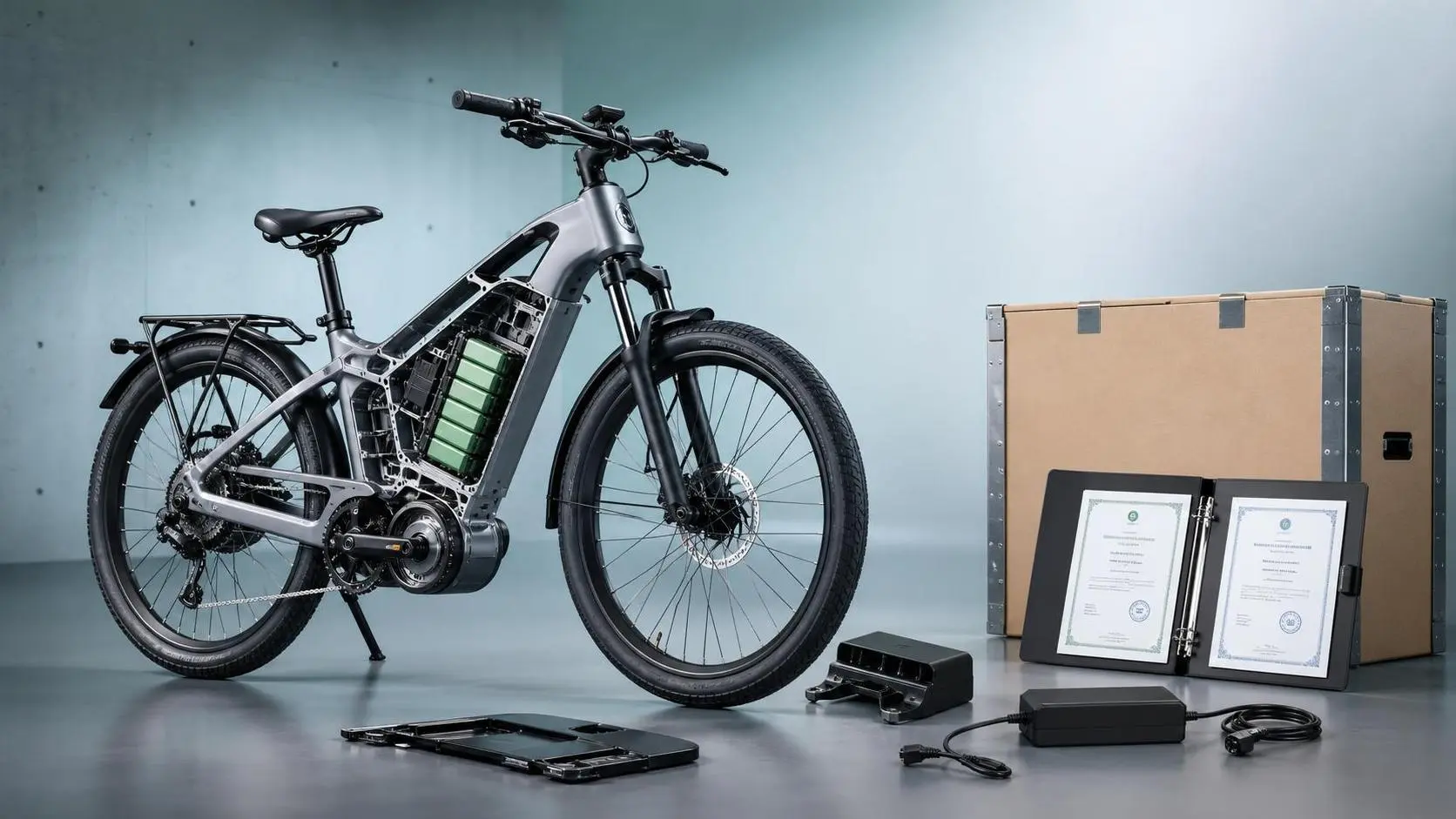
What Drives Low Carbon E-bike Price: Materials, Battery Specs, and Compliance Costs
Low carbon e-bike price explained: compare frame materials, battery specs, and compliance costs to avoid hidden risks, source smarter, and choose models with better long-term value.
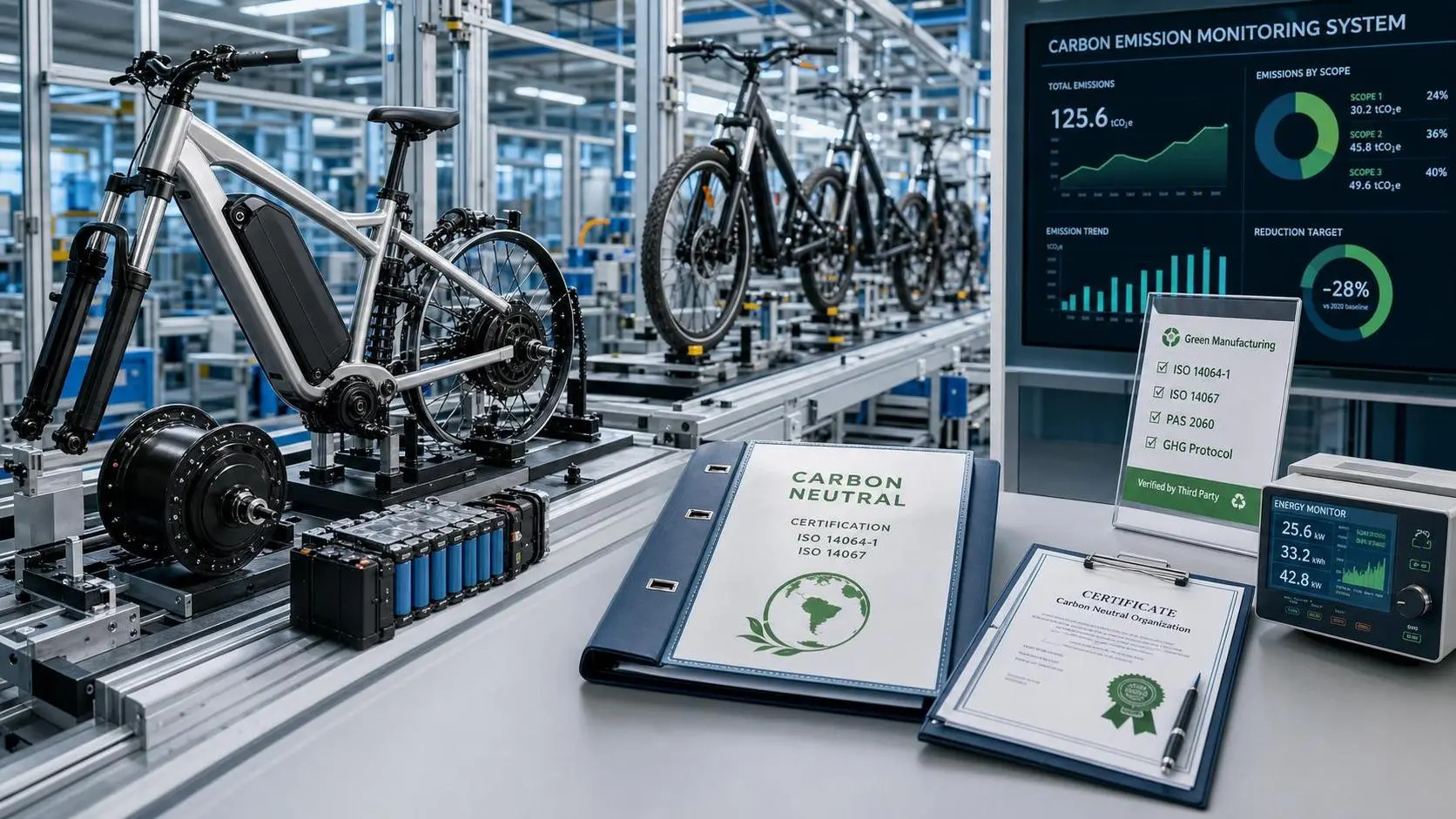
Carbon Neutrality Standards for E-bike Manufacturing: Key Metrics and Certification Steps
Carbon neutrality standards for e-bike manufacturing: learn the key metrics, supplier data, Scope 1–3 controls, and certification steps needed to cut emissions and prove credible low-carbon performance.
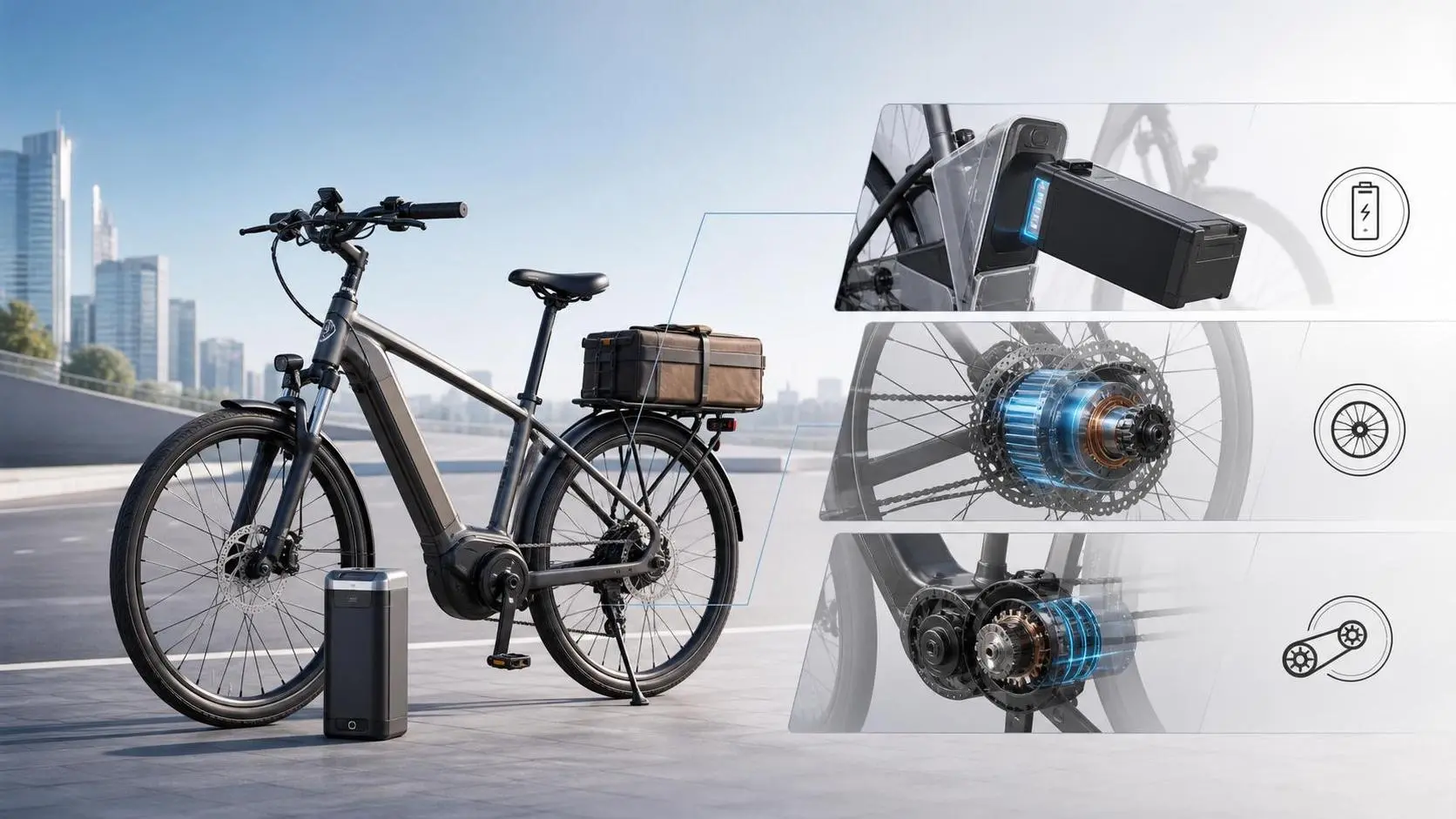
Utility Maximization in E-bikes: Which Motor, Battery, and Range Trade-offs Matter Most?
Utility maximization in ebikes explained: compare motor, battery, and real-world range trade-offs to find the smartest setup for commuting, hills, cargo, and daily value.
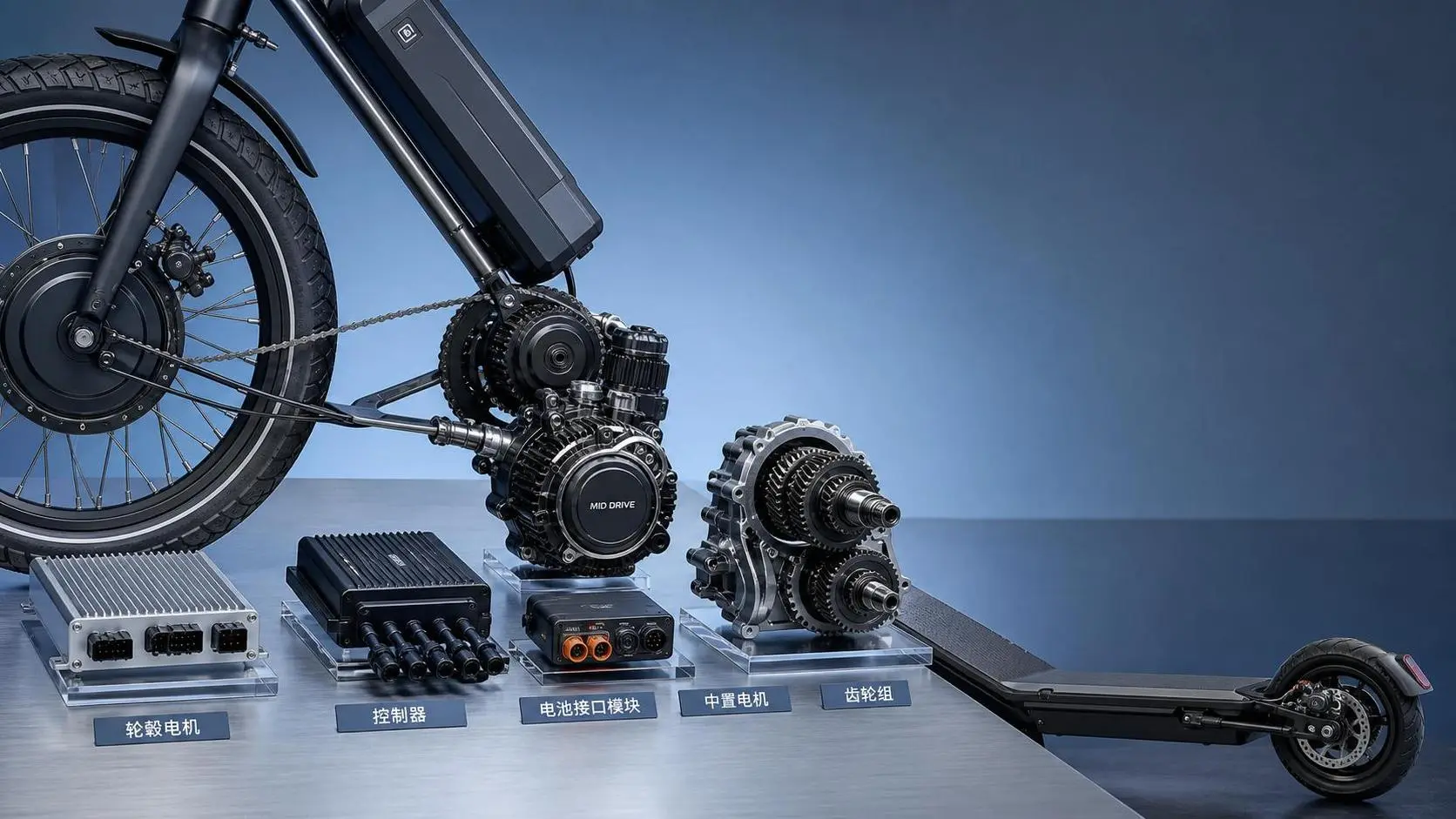
How to Evaluate a Drivetrain Architecture Provider for E-bike and Scooter Programs
Drivetrain architecture provider selection for e-bike and scooter programs: compare efficiency, thermal control, software, durability, and scale-up fit to choose the right system partner.
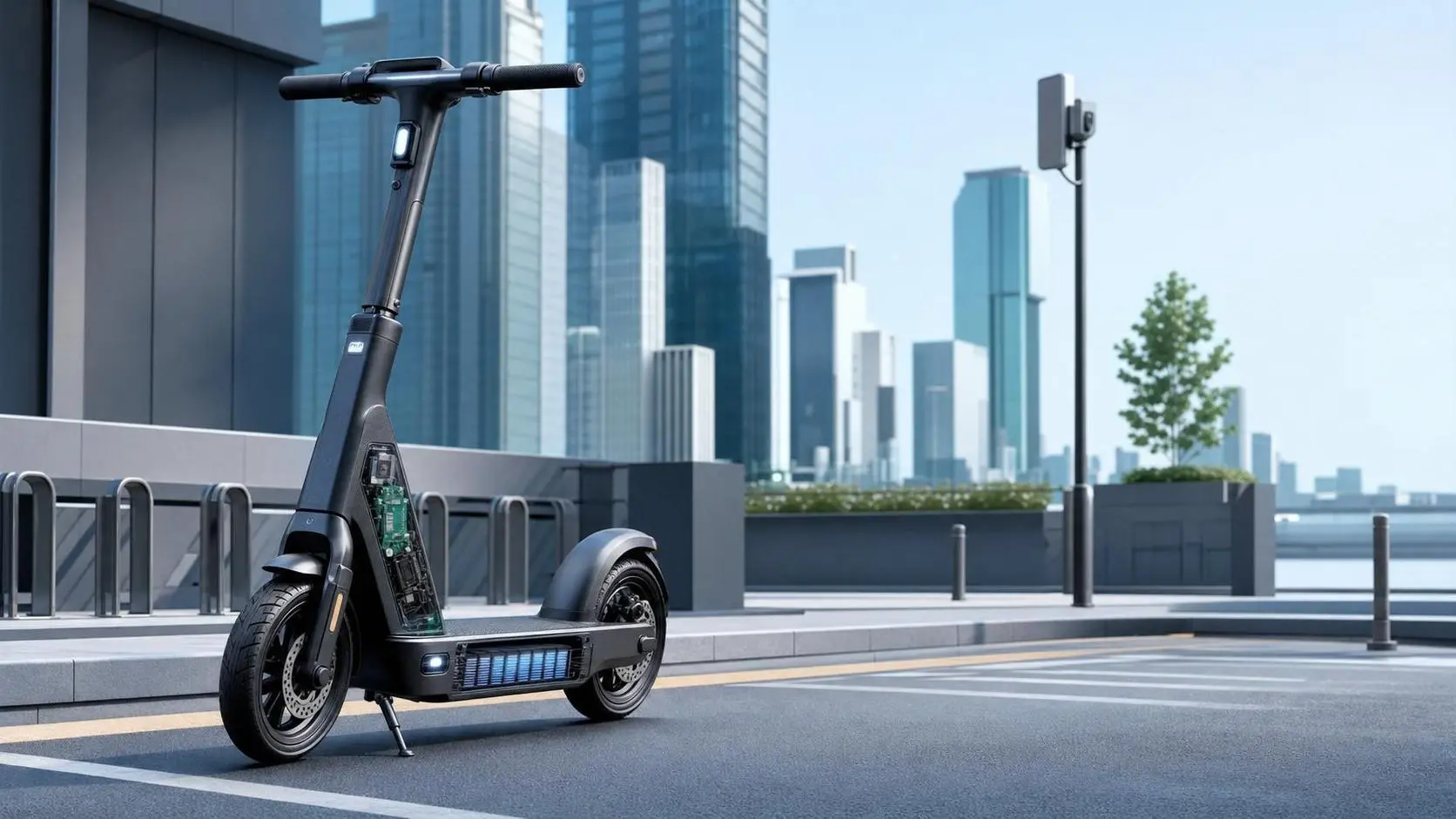
IoT Scooter Tracking System Explained: GPS Accuracy, Battery Use, and Data Integration
IoT scooter tracking system guide covering GPS accuracy, battery efficiency, connectivity, and data integration—learn what drives reliable micro-mobility performance.
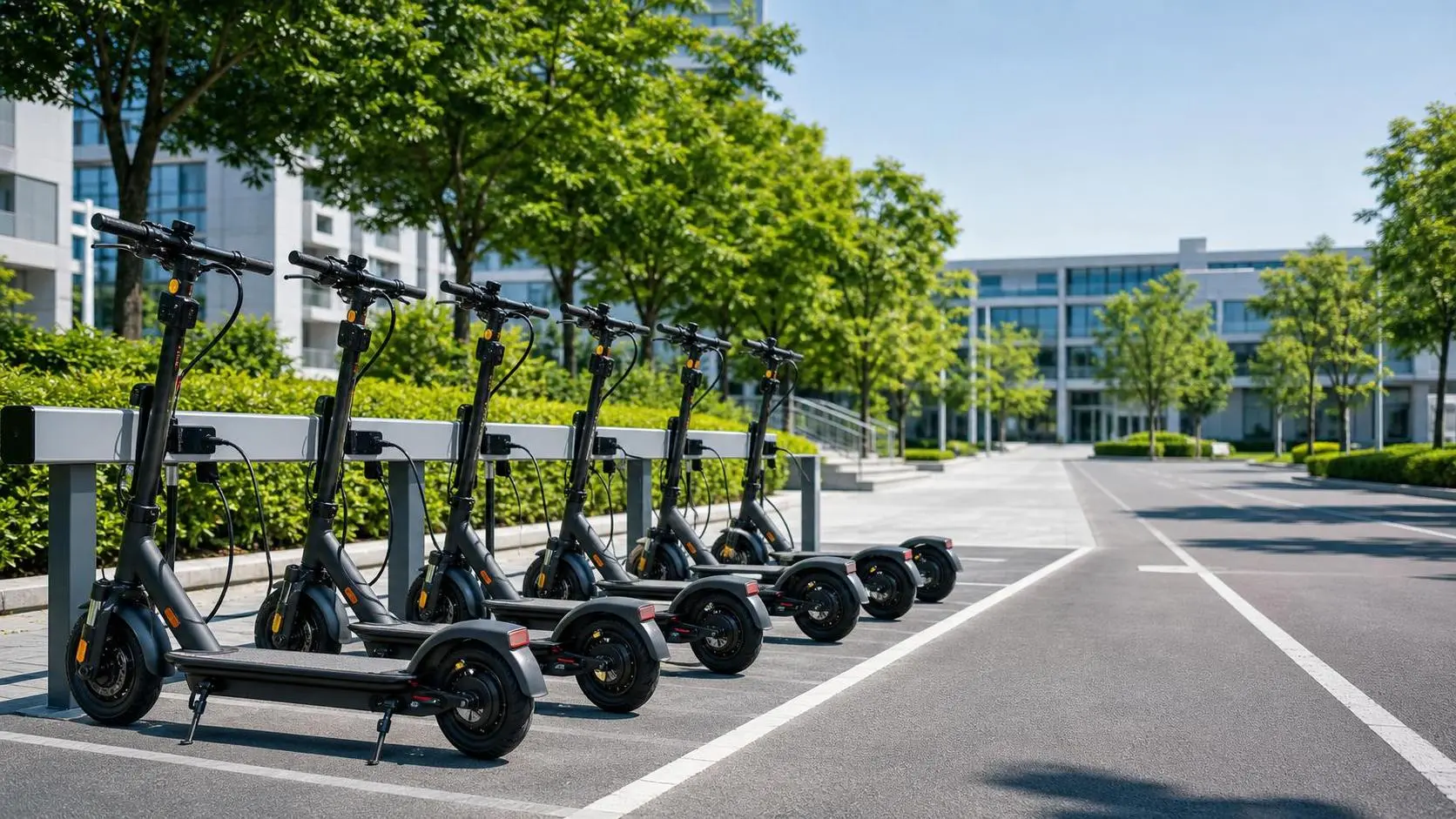
Urban Transport Scooters for Campuses: What to Consider for Safety, Charging, and Fleet Size
Urban transport scooters for campuses require more than the right vehicle. Learn how to improve safety, plan charging, and size fleets for reliable, scalable campus mobility.
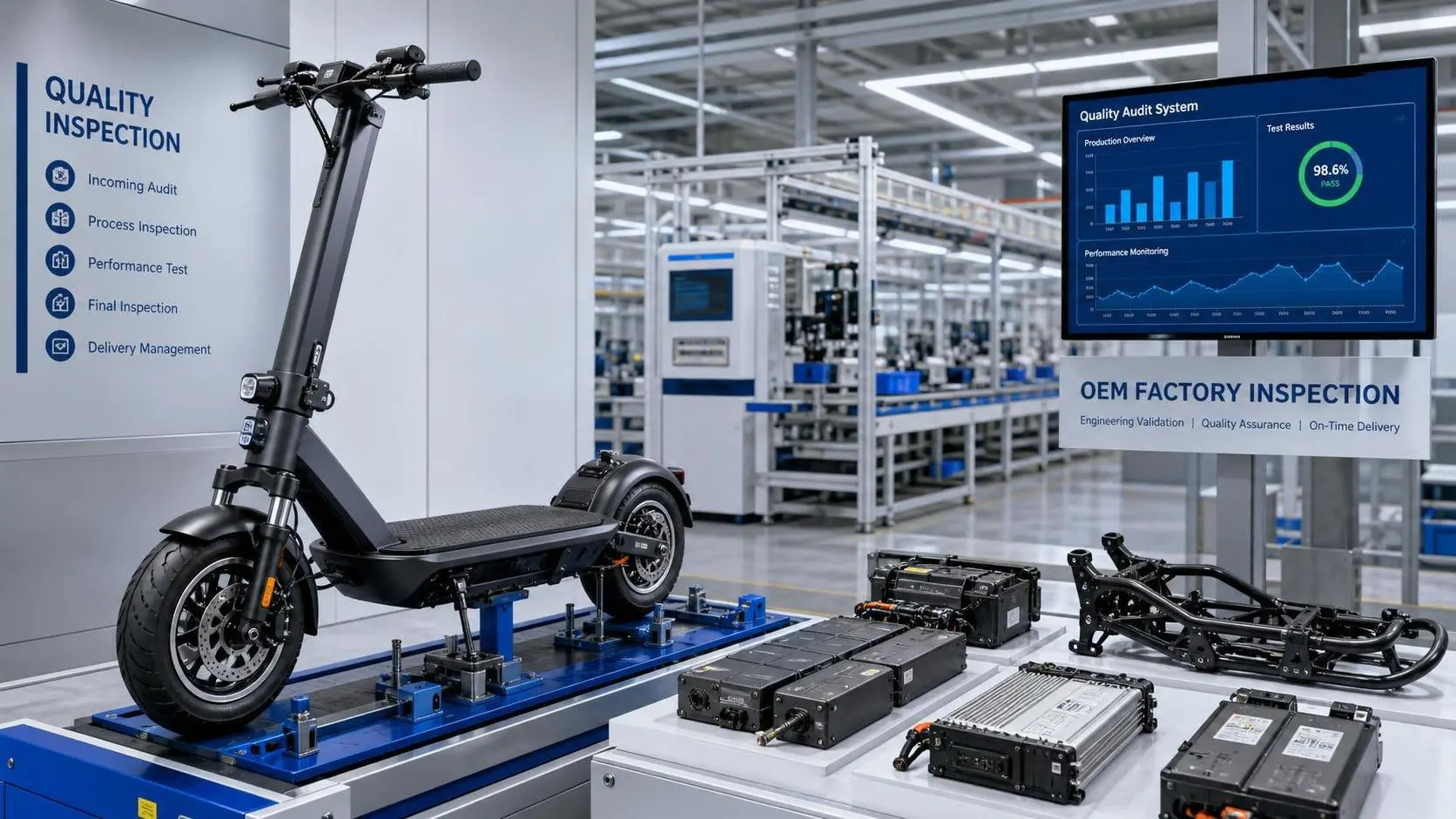
How to Evaluate an E Scooter Sourcing Factory for OEM Quality and Lead Time
e scooter sourcing factory evaluation guide for OEM buyers: learn how to verify quality systems, engineering strength, compliance, and lead time reliability before placing volume orders.
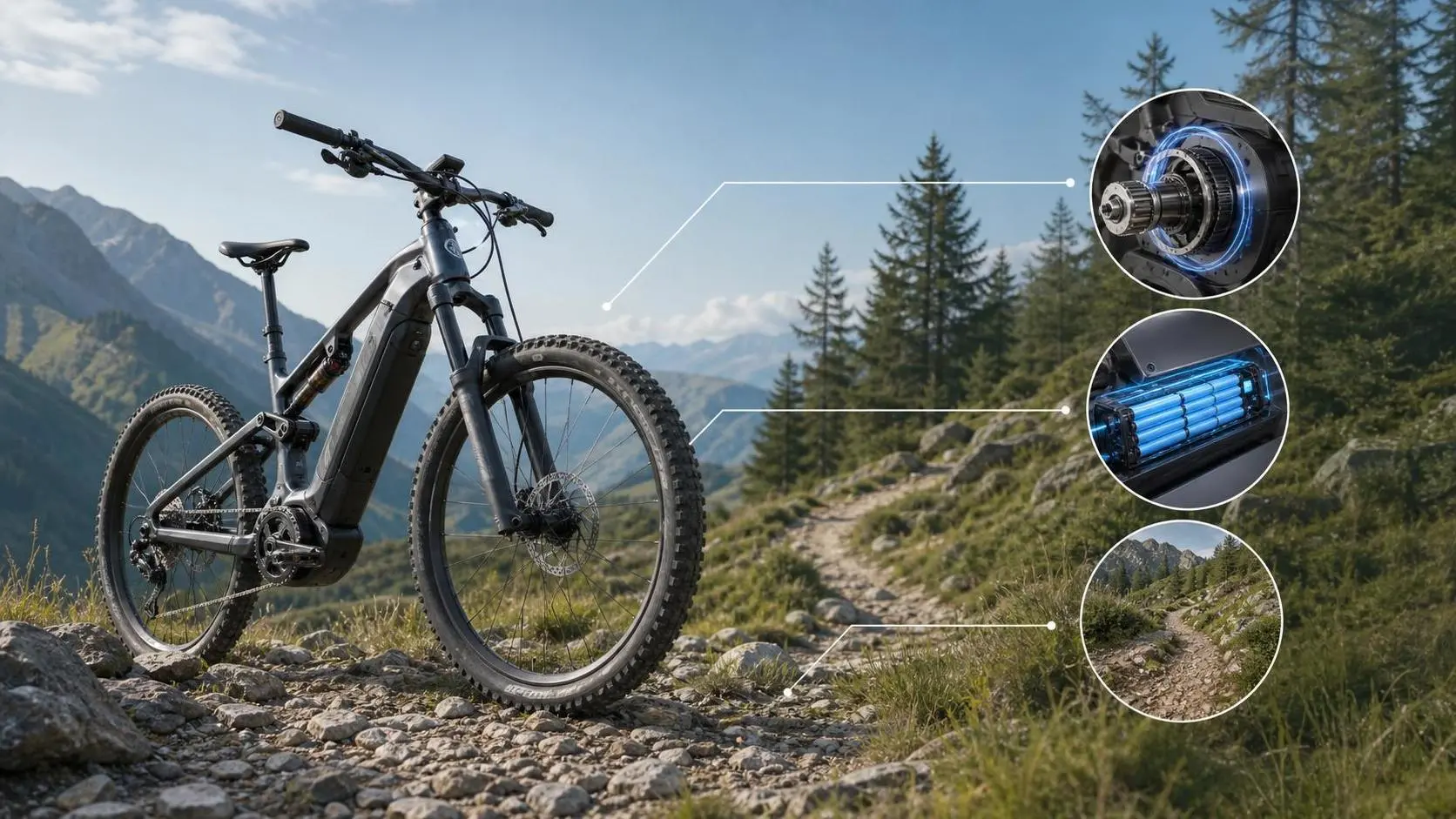
Electric Mountain Bike Buying Guide: Motor Torque, Battery Range, and Trail Fit
Electric mountain bike buying guide covering motor torque, battery range, and trail fit. Compare key specs, avoid costly mistakes, and choose the right e-MTB for your riding style.

Urban Transport Planning Basics: How Cities Match Mobility Options to Trip Demand
Urban transport planning explained: learn how cities match buses, rail, e-bikes, and scooters to real trip demand, cut congestion, and improve last-mile mobility.