
Related News
- 00
0000-00
What Drives Low Carbon E-bike Price: Materials, Battery Specs, and Compliance Costs - 00
0000-00
Utility Maximization in E-bikes: Which Motor, Battery, and Range Trade-offs Matter Most? - 00
0000-00
Brushless Motor for Scooters: How to Compare Power, Torque, and Efficiency - 00
0000-00
E-Bike Application Guide: Which Frame, Motor, and Battery Setup Fits Your Use Case? - 00
0000-00
What Affects Ebike Energy Efficiency? Battery Size, Rider Weight, Terrain, and Speed
Micro-Mobility Strategist
Weekly Insights
Stay ahead with our curated technology reports delivered every Monday.
Utility Maximization in E-bikes: Which Motor, Battery, and Range Trade-offs Matter Most?





Utility Maximization in E-bikes: Which Motor, Battery, and Range Trade-offs Matter Most?
When people compare e-bikes, they often start with motor watts or battery size.
That is understandable, but it misses the real question.
Utility maximization in ebikes is about getting the most daily value from the whole system.
That means balancing power, weight, charging habits, comfort, and real riding conditions.
A stronger motor or bigger battery can help, but only when it matches how the bike is actually used.
For most buyers, the smartest setup is the one that reduces friction in everyday travel.
Why Utility Maximization in Ebikes Starts With Use Case
Before comparing specs, define the job your e-bike needs to do.
A flat urban commute creates very different needs than hilly suburbs or mixed weekend riding.
This is where utility maximization in ebikes becomes practical, not theoretical.
You are not buying isolated parts.
You are buying a mobility tool with trade-offs built into every choice.
Start with four questions:
- How far is the typical one-way trip?
- How often do you face steep climbs or heavy cargo?
- Can you charge at both home and destination?
- Do you need portability for stairs, trains, or storage?
These answers usually matter more than the highest number on a spec sheet.
Motor Choice: More Power Is Not Always More Useful
Motor selection shapes acceleration, climbing ability, ride feel, and energy consumption.
For utility maximization in ebikes, motor type matters as much as motor rating.
Hub Motors
Hub motors are common on entry and mid-range models.
They are simple, quiet, and often less expensive to maintain.
For flat commuting, they can deliver excellent value.
Their downside appears on steep hills, under cargo load, or in stop-and-go riding.
Mid-Drive Motors
Mid-drive systems use the bike’s gears more effectively.
That usually improves climbing, control, and battery efficiency on varied terrain.
They often cost more, but they can raise real-world utility.
This is especially true for daily hills, child seats, or heavier riders.
How Much Power Is Enough?
For many city riders, moderate motor output is enough.
A larger motor can feel exciting, but it also raises weight and energy draw.
That can reduce range and increase replacement costs over time.
So in utility maximization in ebikes, the best motor is the smallest one that reliably handles your hardest routine ride.
Battery Capacity: Useful Energy Beats Big Numbers
Battery marketing usually focuses on size, but usable range depends on more than capacity.
Rider weight, wind, tire pressure, terrain, assist level, and temperature all matter.
That is why utility maximization in ebikes requires a realistic view of battery performance.
A bigger battery does three things well:
- It reduces range anxiety.
- It gives more flexibility for detours or stronger assist.
- It can lower charging frequency.
But bigger batteries also add cost and mass.
That extra mass affects handling, portability, and even efficiency in some cases.
If your daily ride is short and charging is easy, oversizing the battery may deliver little extra utility.
In other words, capacity only creates value when it solves a real usage problem.
A Practical Battery Rule
Aim for enough real-world range to cover your normal round trip with a healthy reserve.
That reserve protects you from cold weather, aging cells, headwinds, and route changes.
That approach supports utility maximization in ebikes far better than chasing the largest pack available.
Real-World Range: The Number That Actually Changes Satisfaction
Range matters because it affects trust.
If riders constantly watch the battery meter, the e-bike becomes mentally expensive to use.
This is one reason utility maximization in ebikes is closely tied to range confidence.
Published range claims often reflect light riders, mild weather, and low assist settings.
That does not match many daily commutes.
A more useful buying method is to ask these questions:
- What range do riders report in terrain similar to mine?
- How much does range drop in winter or under load?
- How accurate is the bike’s battery and range display?
- Can I ride comfortably if I use lower assist sometimes?
A bike with honest range and predictable behavior often feels more useful than one with better headline specs.
The Three Trade-offs That Matter Most
Across most buying decisions, three trade-offs decide utility maximization in ebikes.
1. Power Versus Efficiency
More power improves acceleration and hill support.
It can also drain energy faster and tempt riders into always using high assist.
For many commuters, moderate output gives the better long-term balance.
2. Battery Size Versus Weight
More battery usually means more freedom between charges.
It also means more weight when lifting, turning, or carrying the bike upstairs.
That trade-off is easy to ignore until ownership begins.
3. Range Margin Versus Purchase Cost
A generous range buffer reduces stress and improves flexibility.
Still, buying too much range raises the upfront price without proportionate daily benefit.
This is where utility maximization in ebikes becomes a budgeting exercise, not just a technical one.
Simple Buying Scenarios That Clarify the Best Setup
Different riding patterns call for different motor, battery, and range priorities.
Short Urban Commute
A lighter bike with moderate assist often works best.
Easy handling, simple charging, and lower cost usually beat maximum power.
Hilly Daily Route
A mid-drive system may deliver better utility than a larger battery alone.
Efficient climbing can preserve range while improving comfort.
Cargo, Child Seat, or Heavy Load
Here, torque and stability deserve priority.
A stronger drive unit and solid battery reserve usually create better daily usefulness.
Mixed Weekday and Weekend Riding
This profile often benefits from balanced specifications.
Utility maximization in ebikes usually means choosing versatility over extremes.
What to Check Before Buying
- Test ride with the assist levels you would actually use.
- Check total bike weight, not just battery capacity.
- Ask about battery replacement cost and expected lifespan.
- Look for realistic range feedback from owners in similar conditions.
- Confirm charging convenience, especially if the battery is not removable.
- Review local rules on assist speed and motor classification.
These checks make utility maximization in ebikes much easier to achieve.
They also help avoid a common mistake.
Many buyers pay for impressive specifications that rarely improve the real ride.
Final Take: Choose the System, Not the Spec
The best e-bike is rarely the one with the biggest motor or battery.
It is the one that removes effort, fits your route, and stays affordable over time.
That is the core of utility maximization in ebikes.
Match motor output to terrain, battery size to charging reality, and range expectations to daily needs.
When those three elements work together, the e-bike becomes more than a product.
It becomes a dependable transport tool that delivers consistent value every time you ride.
Related News
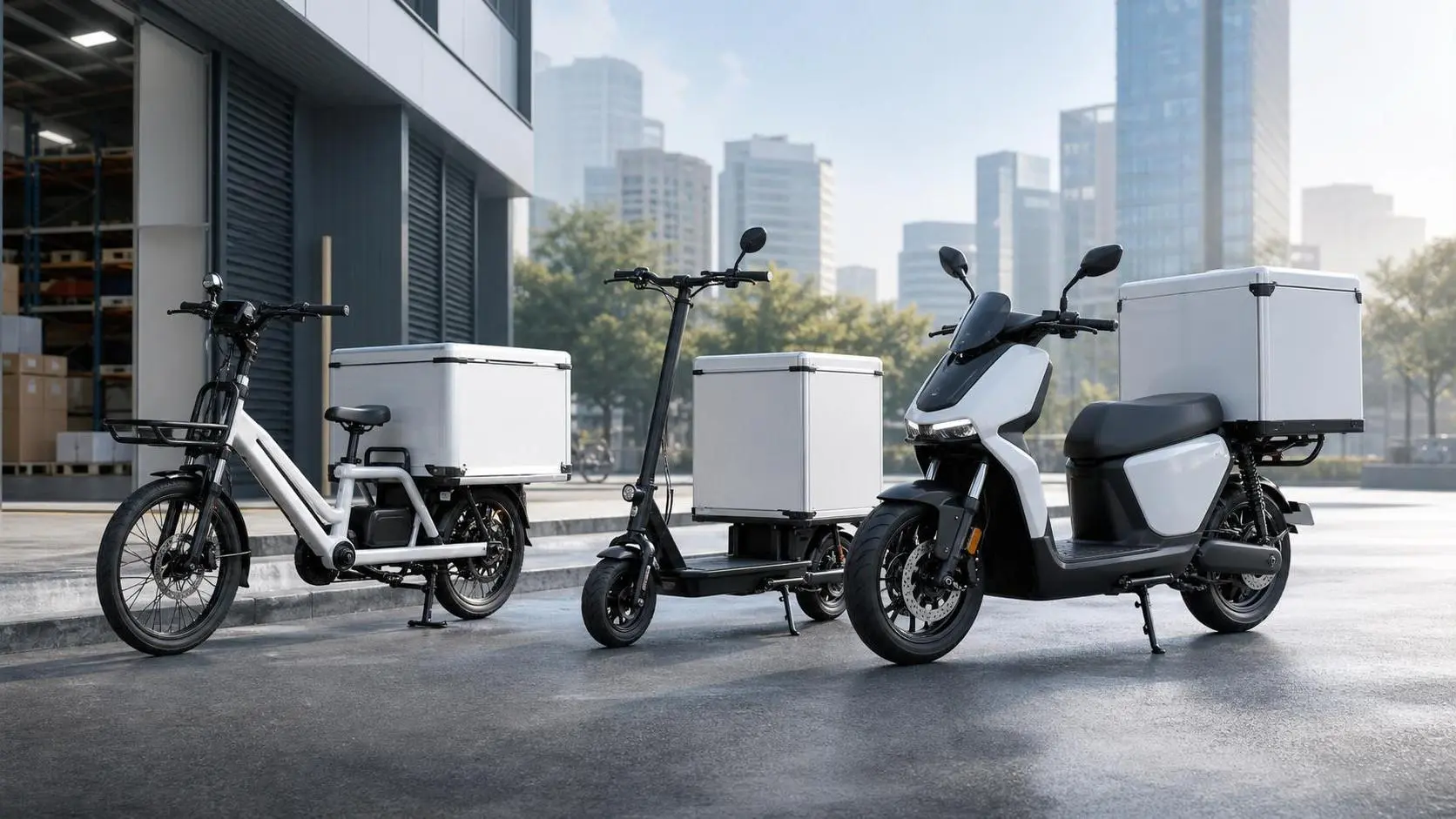
Electric Mobility for Logistics: How to Choose the Right Vehicle for Last-mile Delivery
Electric mobility for logistics starts with choosing the right last-mile vehicle. Compare e-bikes, e-scooters, and e-motorcycles by route, payload, weather, and cost.
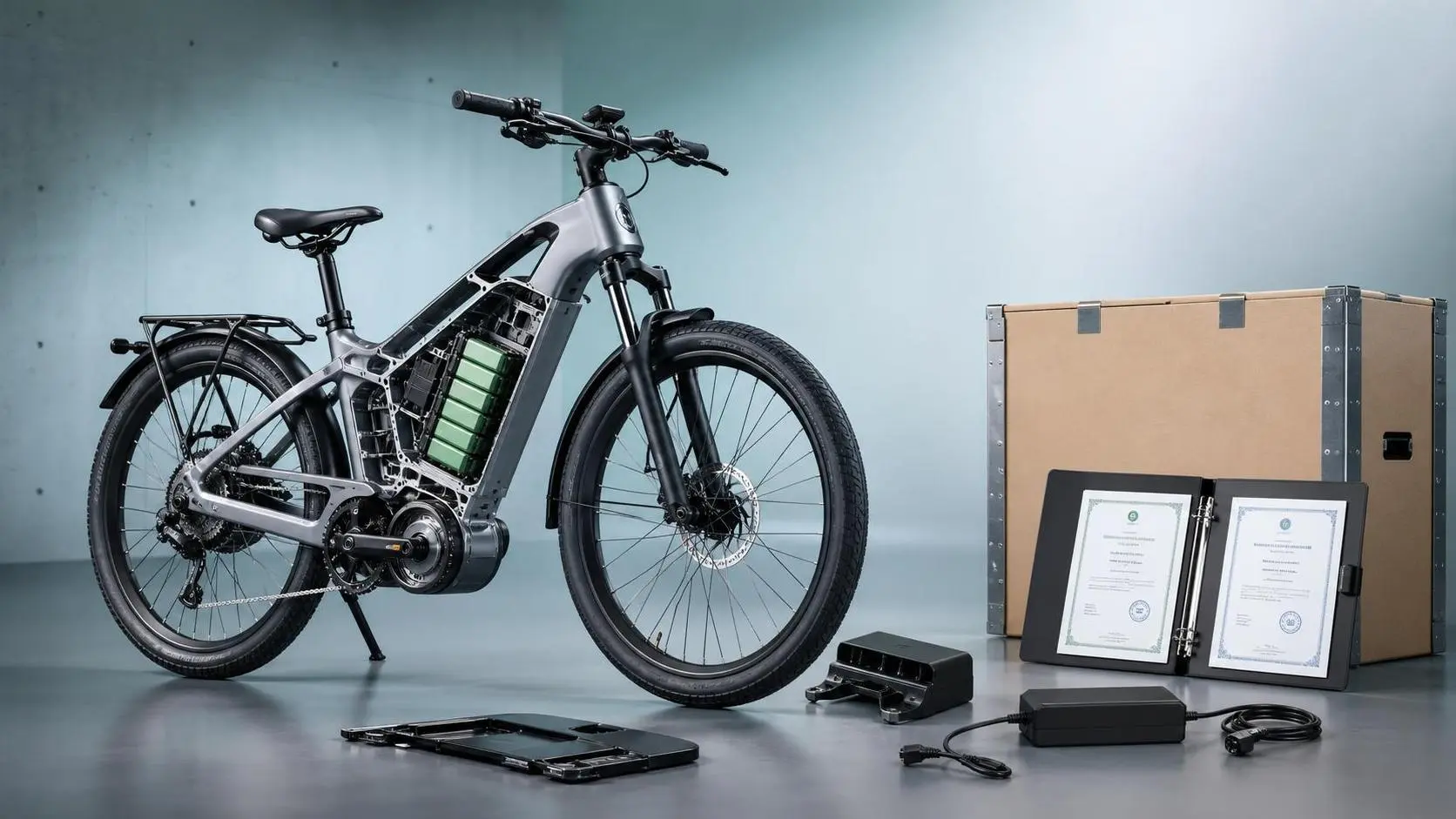
What Drives Low Carbon E-bike Price: Materials, Battery Specs, and Compliance Costs
Low carbon e-bike price explained: compare frame materials, battery specs, and compliance costs to avoid hidden risks, source smarter, and choose models with better long-term value.
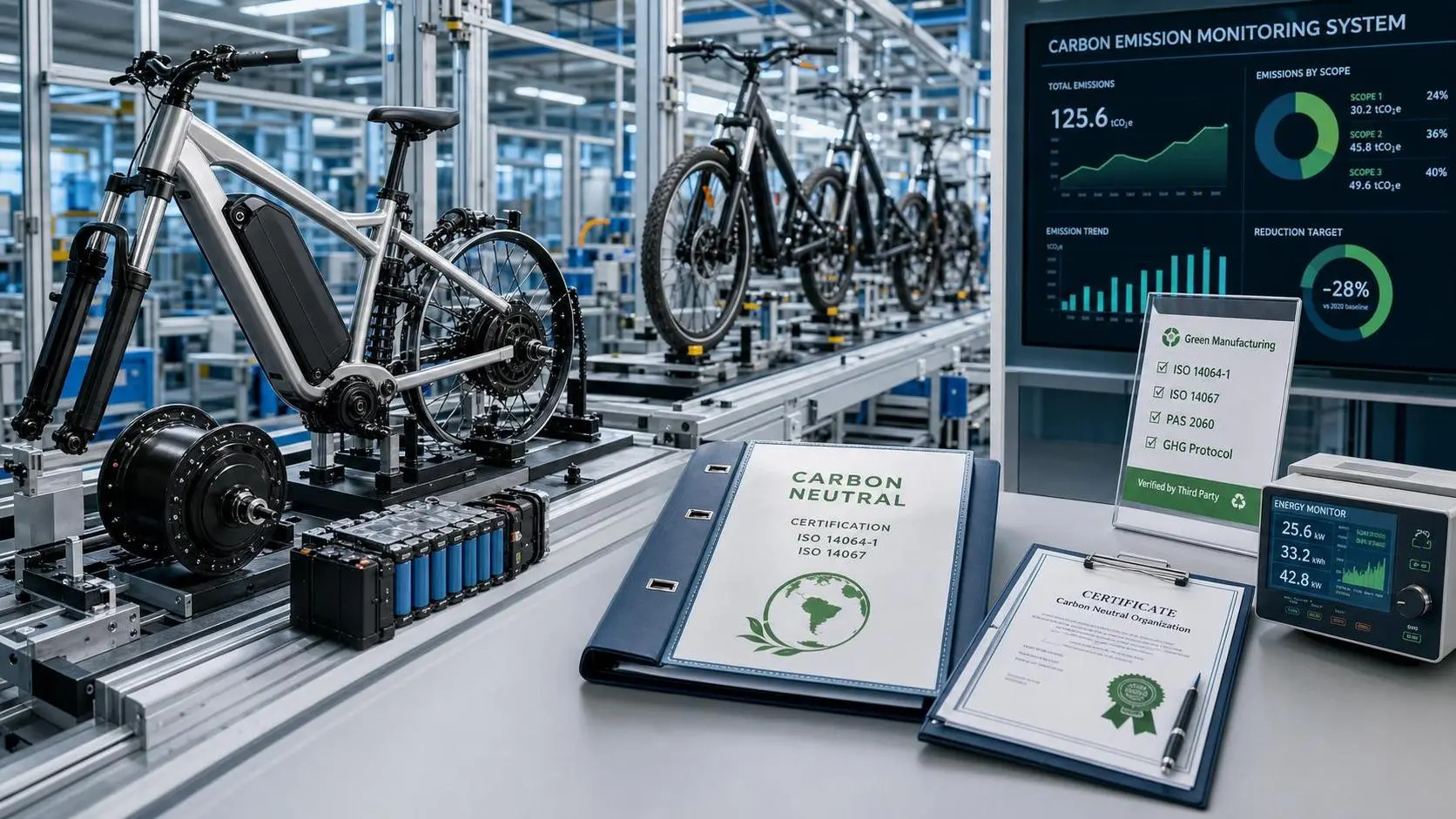
Carbon Neutrality Standards for E-bike Manufacturing: Key Metrics and Certification Steps
Carbon neutrality standards for e-bike manufacturing: learn the key metrics, supplier data, Scope 1–3 controls, and certification steps needed to cut emissions and prove credible low-carbon performance.
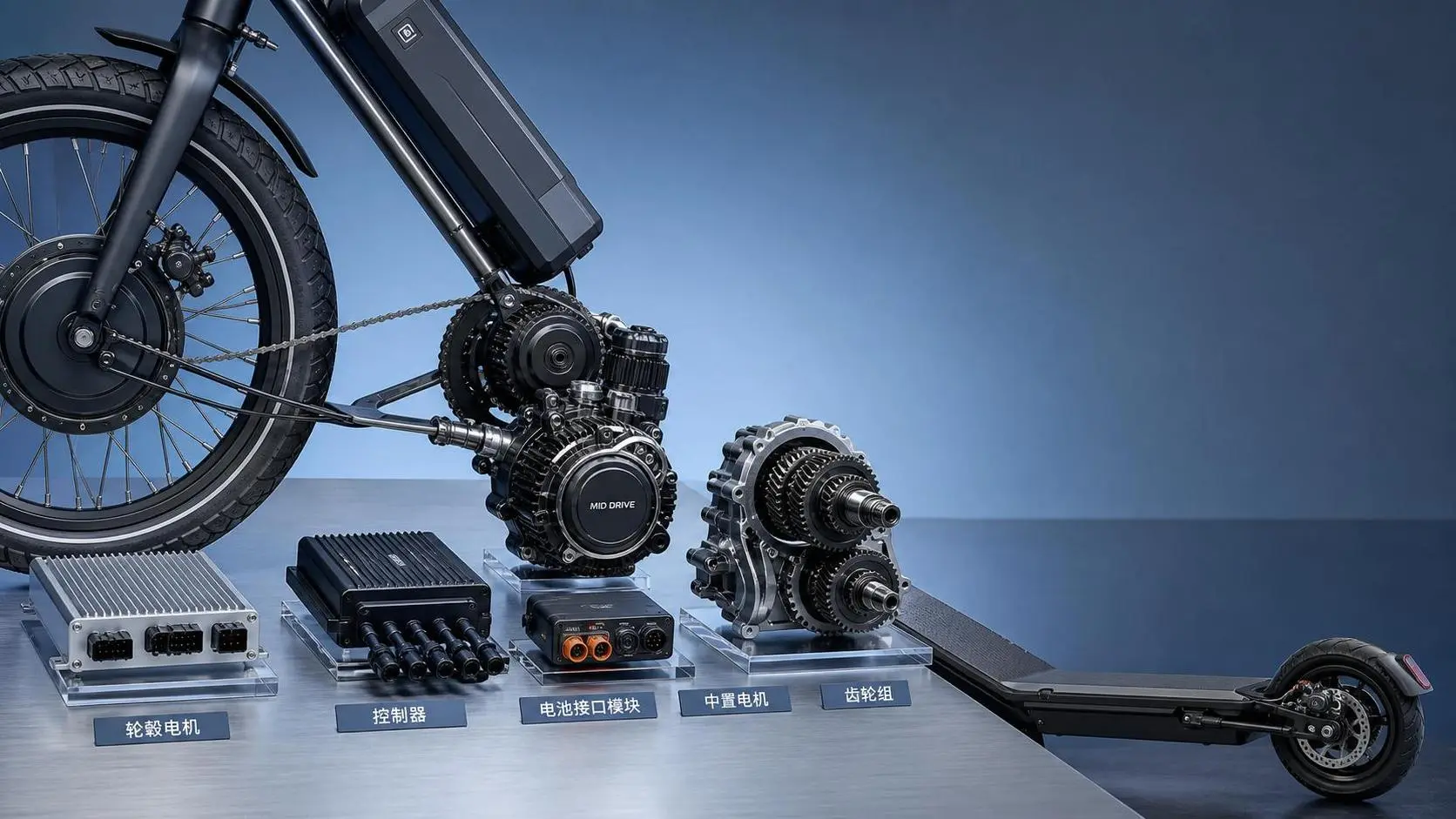
How to Evaluate a Drivetrain Architecture Provider for E-bike and Scooter Programs
Drivetrain architecture provider selection for e-bike and scooter programs: compare efficiency, thermal control, software, durability, and scale-up fit to choose the right system partner.
IoT Scooter Tracking System Explained: GPS Accuracy, Battery Use, and Data Integration
IoT scooter tracking system guide covering GPS accuracy, battery efficiency, connectivity, and data integration—learn what drives reliable micro-mobility performance.
Urban Transport Scooters for Campuses: What to Consider for Safety, Charging, and Fleet Size
Urban transport scooters for campuses require more than the right vehicle. Learn how to improve safety, plan charging, and size fleets for reliable, scalable campus mobility.
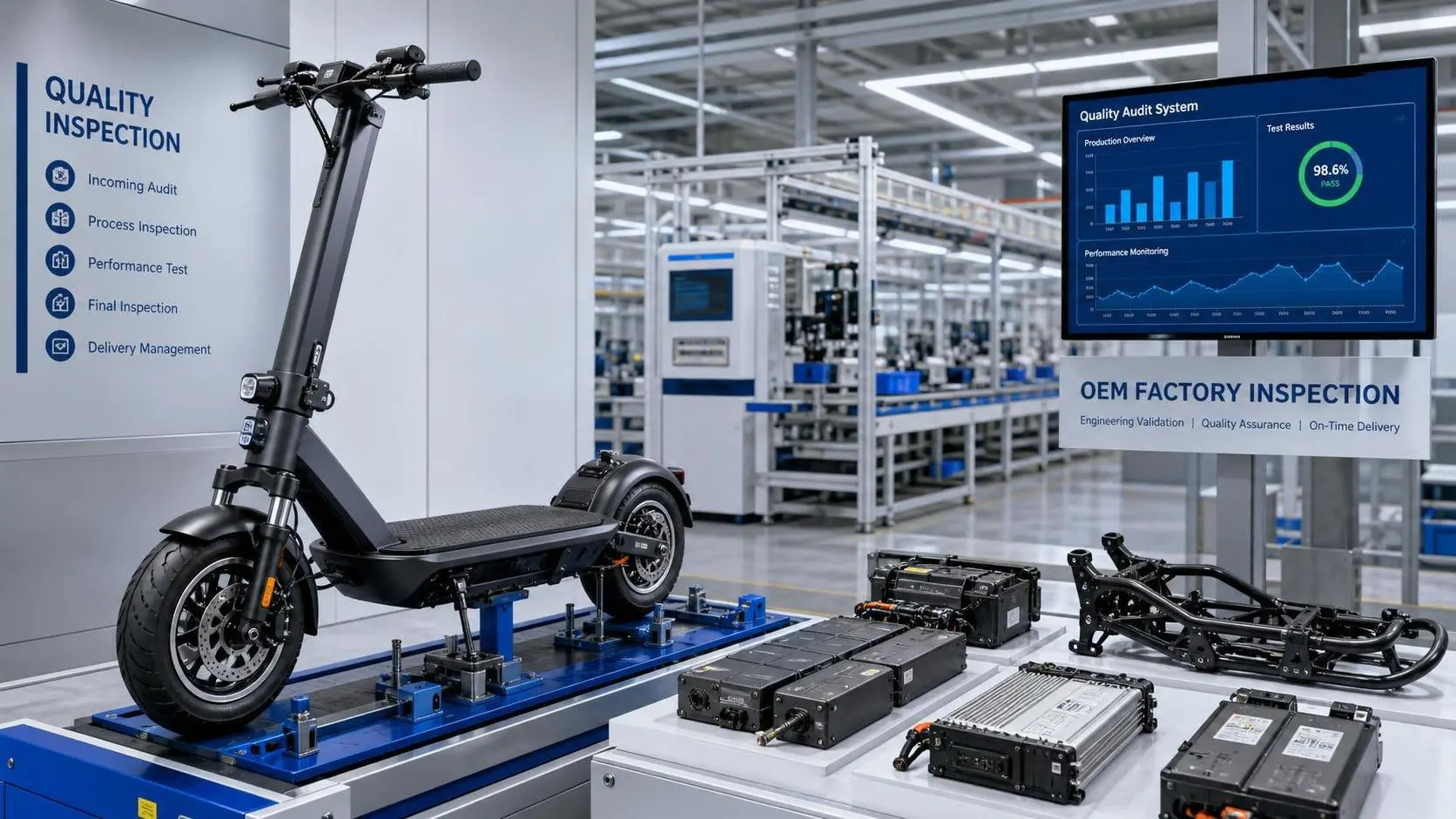
How to Evaluate an E Scooter Sourcing Factory for OEM Quality and Lead Time
e scooter sourcing factory evaluation guide for OEM buyers: learn how to verify quality systems, engineering strength, compliance, and lead time reliability before placing volume orders.
Electric Mountain Bike Buying Guide: Motor Torque, Battery Range, and Trail Fit
Electric mountain bike buying guide covering motor torque, battery range, and trail fit. Compare key specs, avoid costly mistakes, and choose the right e-MTB for your riding style.

Urban Transport Planning Basics: How Cities Match Mobility Options to Trip Demand
Urban transport planning explained: learn how cities match buses, rail, e-bikes, and scooters to real trip demand, cut congestion, and improve last-mile mobility.