
Related News
- 00
0000-00
Carbon Neutrality Standards for E-bike Manufacturing: Key Metrics and Certification Steps - 00
0000-00
Urban Transport Planning Basics: How Cities Match Mobility Options to Trip Demand - 00
0000-00
How to Evaluate Decarbonization Technology Suppliers for Industrial Projects - 00
0000-00
Vehicle Visibility Safety for Motorcycles: Common Blind-Spot Risks and Fixes - 00
0000-00
How to Use a Smart Mobility Supplier Directory to Compare OEM Partners
Ms. Elena Rodriguez
Weekly Insights
Stay ahead with our curated technology reports delivered every Monday.
Carbon Neutrality Standards for E-bike Manufacturing: Key Metrics and Certification Steps





E-bike production now sits under two pressures at once: faster market growth and tighter climate scrutiny. In that setting, carbon neutrality standards are no longer a branding extra. They shape factory controls, supplier choices, energy planning, and audit readiness across the micro-mobility chain.
For operations connected to motors, battery packs, frames, electronics, and final assembly, the practical question is clear. Which metrics actually matter, and how can a plant move from broad carbon goals to a certifiable management system without creating blind spots in quality or safety?
Why carbon performance matters in e-bike manufacturing
E-bikes are widely seen as a low-carbon transport option, but that claim depends on how they are made. A product with efficient road use can still carry a heavy manufacturing footprint.
This is especially relevant in urban micro-mobility, where buyers, regulators, and distributors increasingly compare upstream emissions. They want evidence, not slogans, around materials, power use, logistics, and end-of-life planning.
Within the UMMS industry lens, the issue extends beyond one vehicle category. Battery logic, drivetrain efficiency, lightweight structures, and supplier transparency affect e-bikes, smart e-scooters, and high-speed electric two-wheelers alike.
That shared pressure is why carbon neutrality standards have become a management topic. They help translate climate expectations into measurable controls that can be checked, improved, and defended during audits.
What carbon neutrality standards really cover
In practice, carbon neutrality standards are not limited to buying offsets. A credible framework starts with quantifying emissions, reducing what can be reduced, then neutralizing verified residual emissions.
The standards most often referenced in manufacturing include ISO 14064 for greenhouse gas accounting, ISO 14067 for product carbon footprint work, PAS 2060 for carbon neutrality claims, and the GHG Protocol.
Some programs also intersect with ISO 14001 environmental management systems and ISO 50001 energy management. That matters because energy use, process control, and documented improvement are closely linked.
For e-bike plants, the standard should answer five basic points:
- What emissions sources are included.
- How data is gathered and verified.
- Which reduction actions count as material.
- How claims are documented externally.
- How ongoing performance is reviewed.
The metrics that deserve close control
Not every number has equal decision value. Strong carbon neutrality standards in e-bike manufacturing usually depend on a compact set of metrics that can be tracked consistently.
Facility and process emissions
Scope 1 and Scope 2 emissions are the starting point. These include direct fuel combustion, onsite heating, backup generation, and purchased electricity for welding, machining, coating, battery testing, and assembly lines.
A useful factory metric is kilograms of CO2e per completed e-bike, tracked by model family. This prevents a growing output volume from hiding poor energy intensity.
Material footprint
Frames, aluminum parts, steel fasteners, lithium-ion cells, control units, tires, and packaging often dominate the embedded footprint. Supplier-specific data is better than industry-average data whenever it is available.
For many facilities, purchased goods create the largest Scope 3 burden. This is where carbon neutrality standards become tightly connected to procurement discipline and traceability systems.
Yield, scrap, and rework
Carbon performance is not separate from quality performance. Battery rejects, paint defects, frame rework, and motor test failures all increase hidden emissions through wasted material and repeated energy use.
This is one reason carbon neutrality standards matter to control functions. Poor yield can undermine climate claims even when the plant buys renewable electricity.
Logistics and packaging
Air freight exceptions, battery transport rules, warehouse transfers, and oversized cartons can add avoidable emissions. Measuring CO2e per shipped unit helps expose inefficient routing and packaging design choices.
Where certification efforts usually succeed or fail
The hardest part is rarely the final audit. Problems usually appear earlier, when emissions boundaries are vague or data ownership is fragmented across procurement, production, utilities, logistics, and compliance teams.
Battery packs are a common weak point. Cell origin, chemistry variation, energy-intensive testing, and transport constraints make them one of the most difficult assemblies to quantify cleanly.
Surface treatment is another risk area. Powder coating, anodizing, cleaning, ventilation, and curing processes can create a sizable footprint if metering is too broad or process allocation is inconsistent.
Claims language also matters. Stating that a factory, a product line, and a shipment are all carbon neutral without separate calculation logic can create exposure during customer review or third-party verification.
A practical path to certification readiness
The most reliable approach is staged rather than dramatic. Carbon neutrality standards become manageable when each step produces usable records and a clear decision trail.
1. Define the certification boundary
Decide whether the claim applies to a site, a product family, or a corporate entity. Include relevant operations, warehouses, outsourced processes, and inbound logistics where required by the selected standard.
2. Build the emissions inventory
Map electricity, gas, fuels, refrigerants, purchased materials, freight, packaging, and waste. Use activity data that can be reconciled to invoices, ERP records, meter readings, and production counts.
3. Improve data quality before claiming performance
Replace estimates with direct measurement where the footprint is material. Sub-metering for coating lines, battery aging rooms, and compressed air systems often improves both accuracy and reduction planning.
4. Prioritize real reductions
Typical actions include renewable electricity sourcing, motor efficiency testing optimization, scrap reduction, lower-carbon aluminum sourcing, improved carton design, and fewer emergency air shipments.
5. Use offsets carefully
Residual emissions may still remain. Offsets should be additional, verified, traceable, and aligned with the chosen program. They should close a gap, not replace operational improvement.
6. Prepare for independent review
Keep calculation files, assumptions, supplier declarations, utility records, and internal approval logs in one controlled structure. A clean evidence trail shortens verification cycles and reduces disputes.
How this fits broader micro-mobility strategy
In a market tracked closely by UMMS, low-carbon credibility increasingly supports market access, distributor confidence, and technical positioning. This is especially true where public procurement, retailer screening, or subsidy-linked rules are evolving.
Carbon neutrality standards also create useful cross-functional discipline. They connect energy efficiency, battery management, drivetrain design, supplier governance, and after-sales durability into one measurable operating picture.
That broader view matters because a durable e-bike with stable components and lower failure rates usually carries a better lifetime carbon profile than a cheaper unit with high replacement frequency.
What to review next
Before selecting a certification route, review three things in parallel: the intended claim boundary, the maturity of plant-level data, and the carbon visibility of major suppliers. Those points usually determine both cost and audit difficulty.
It is also worth comparing product-level and facility-level carbon neutrality standards instead of treating them as interchangeable. They answer different customer questions and require different evidence structures.
For e-bike manufacturing, the strongest next move is usually a baseline assessment tied to actual production records. Once that baseline is stable, reduction priorities, certification timing, and external claims become much easier to judge with confidence.
Related News
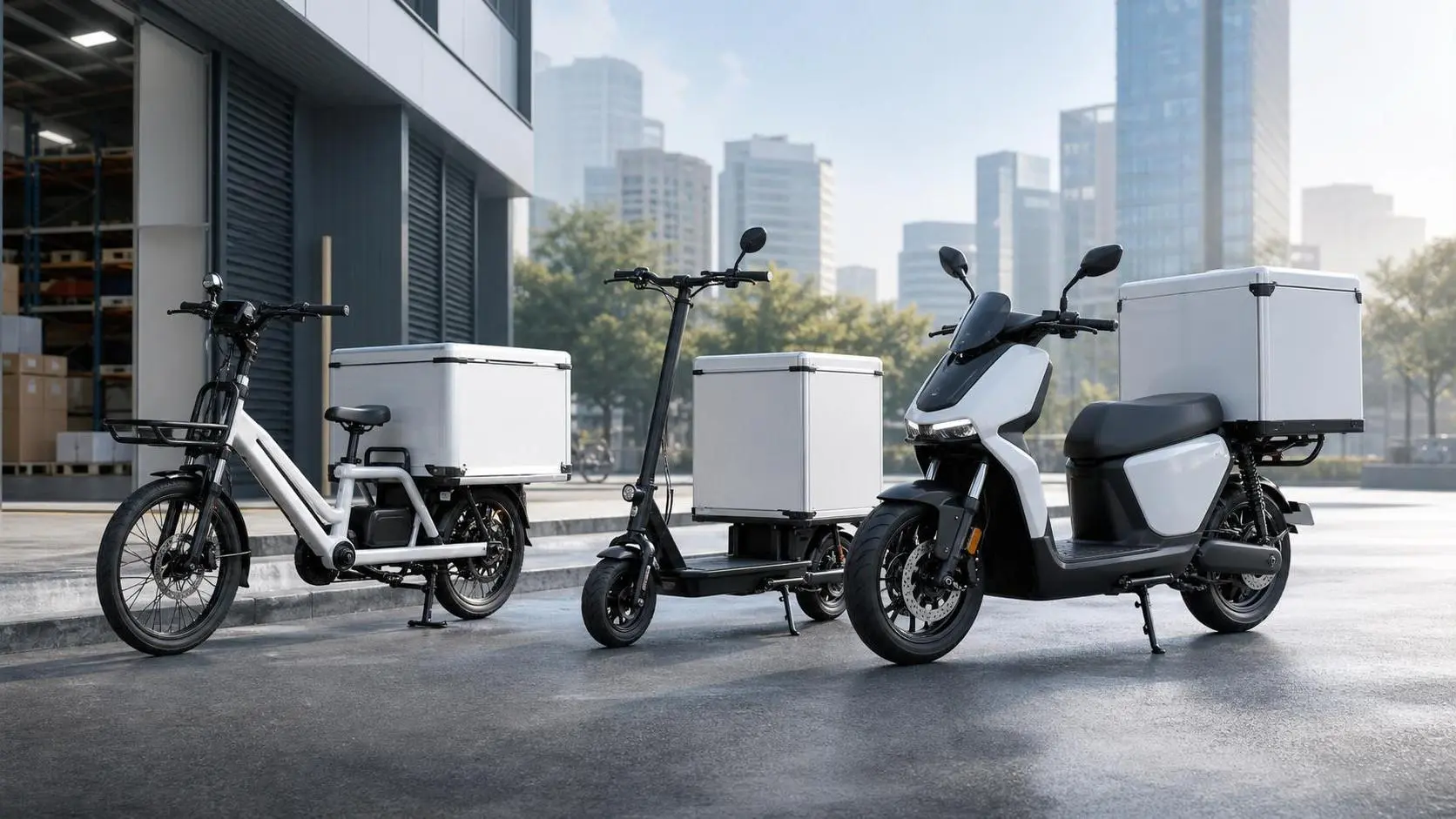
Electric Mobility for Logistics: How to Choose the Right Vehicle for Last-mile Delivery
Electric mobility for logistics starts with choosing the right last-mile vehicle. Compare e-bikes, e-scooters, and e-motorcycles by route, payload, weather, and cost.
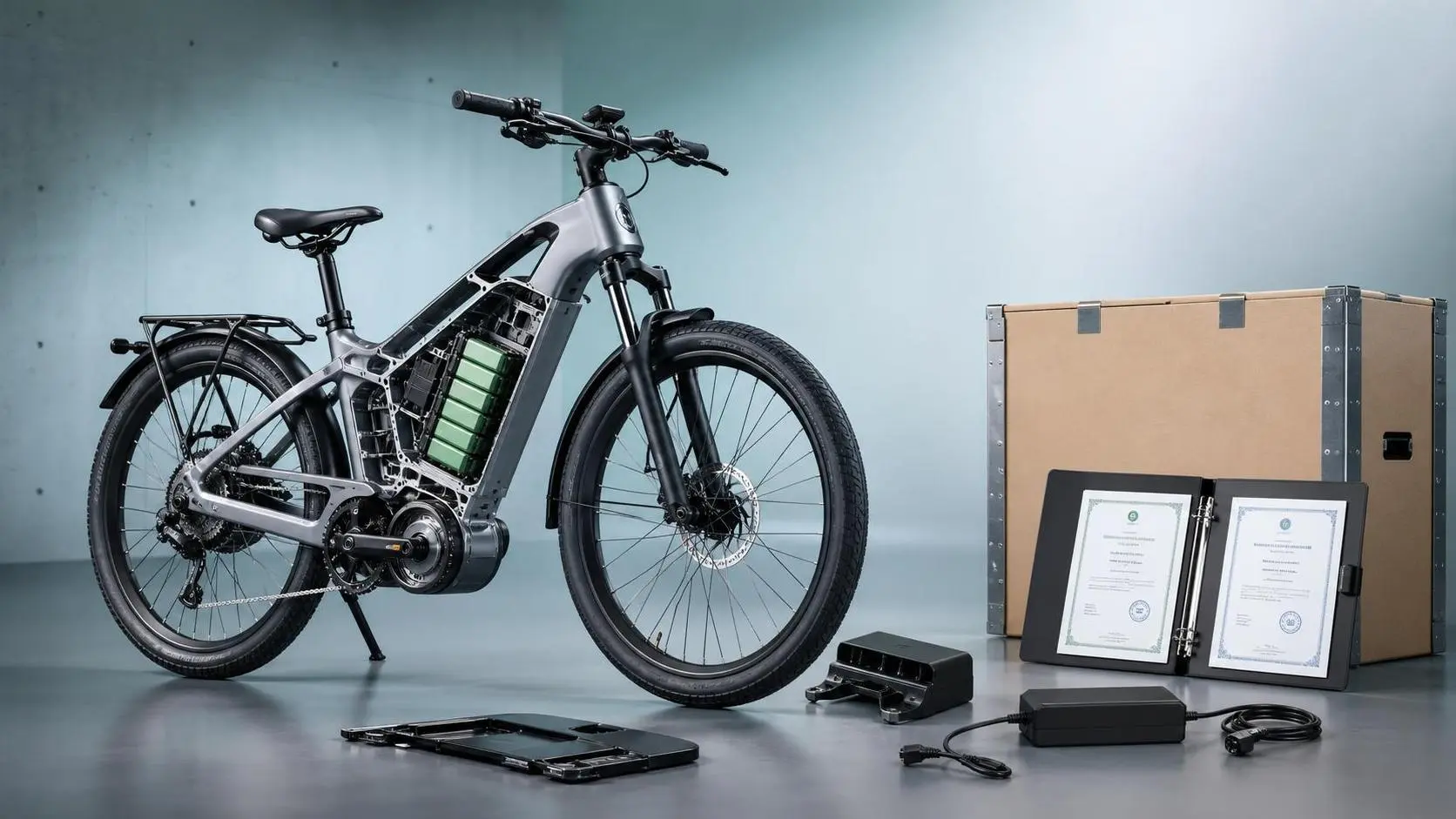
What Drives Low Carbon E-bike Price: Materials, Battery Specs, and Compliance Costs
Low carbon e-bike price explained: compare frame materials, battery specs, and compliance costs to avoid hidden risks, source smarter, and choose models with better long-term value.
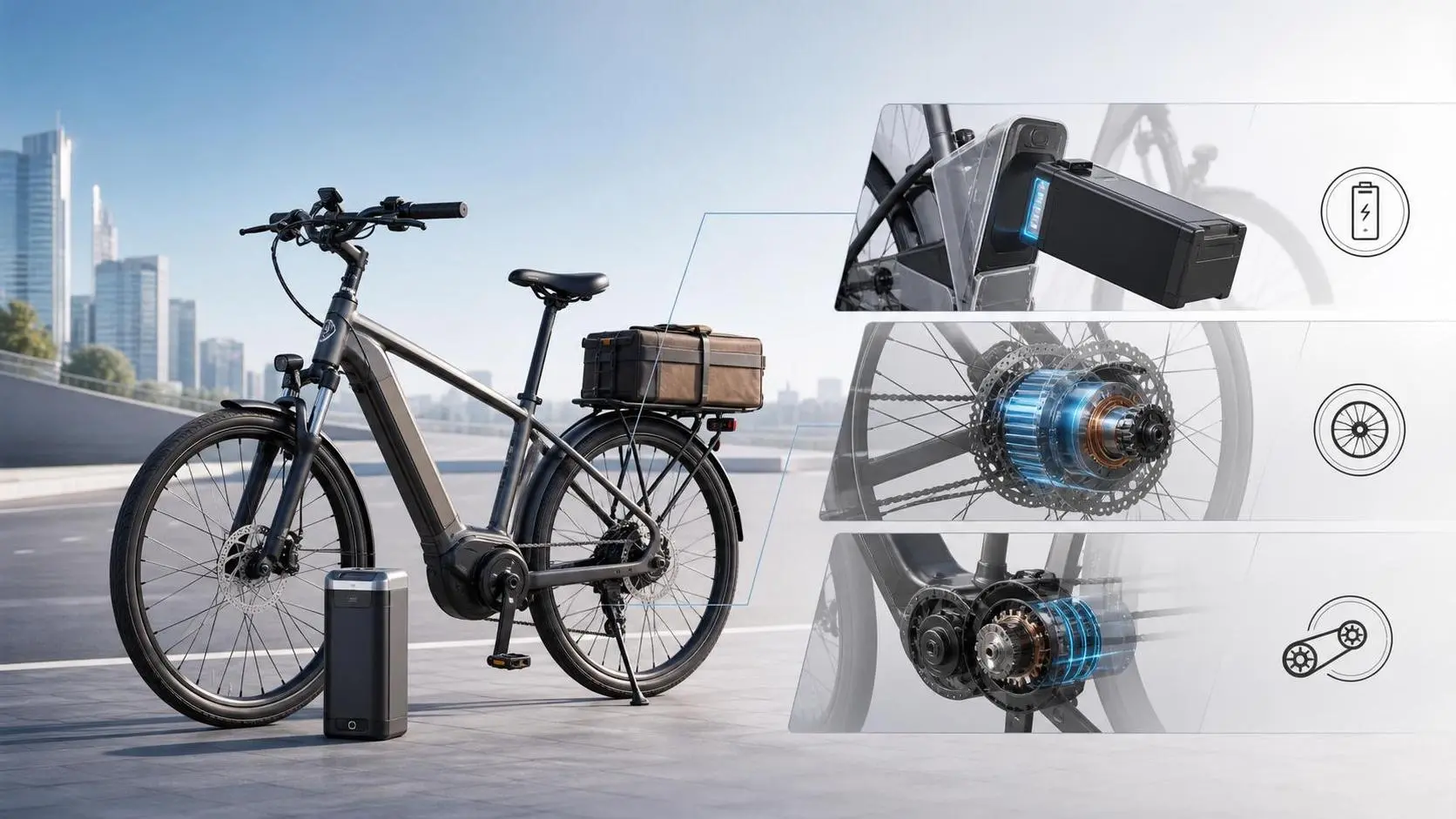
Utility Maximization in E-bikes: Which Motor, Battery, and Range Trade-offs Matter Most?
Utility maximization in ebikes explained: compare motor, battery, and real-world range trade-offs to find the smartest setup for commuting, hills, cargo, and daily value.
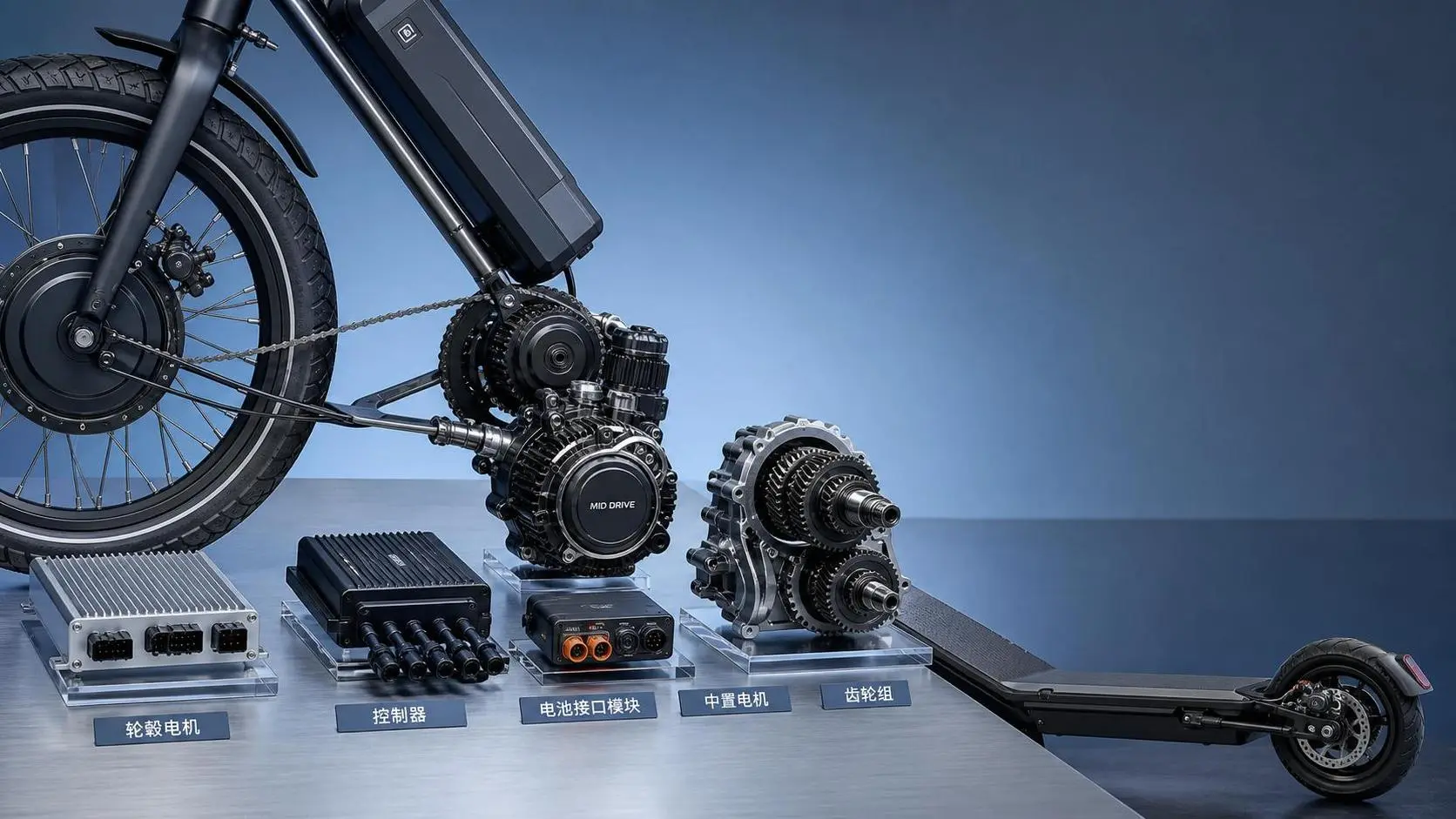
How to Evaluate a Drivetrain Architecture Provider for E-bike and Scooter Programs
Drivetrain architecture provider selection for e-bike and scooter programs: compare efficiency, thermal control, software, durability, and scale-up fit to choose the right system partner.

IoT Scooter Tracking System Explained: GPS Accuracy, Battery Use, and Data Integration
IoT scooter tracking system guide covering GPS accuracy, battery efficiency, connectivity, and data integration—learn what drives reliable micro-mobility performance.
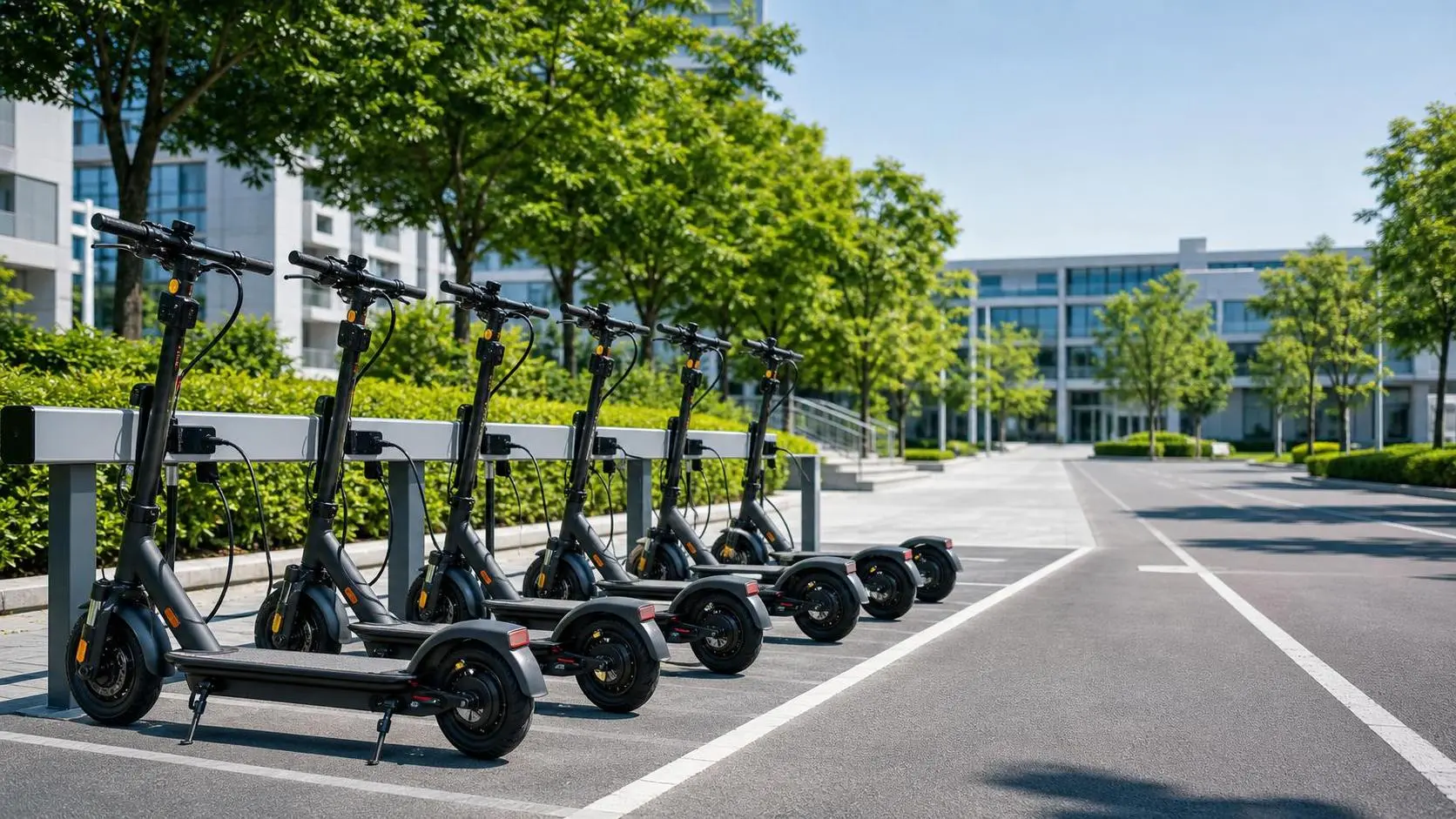
Urban Transport Scooters for Campuses: What to Consider for Safety, Charging, and Fleet Size
Urban transport scooters for campuses require more than the right vehicle. Learn how to improve safety, plan charging, and size fleets for reliable, scalable campus mobility.
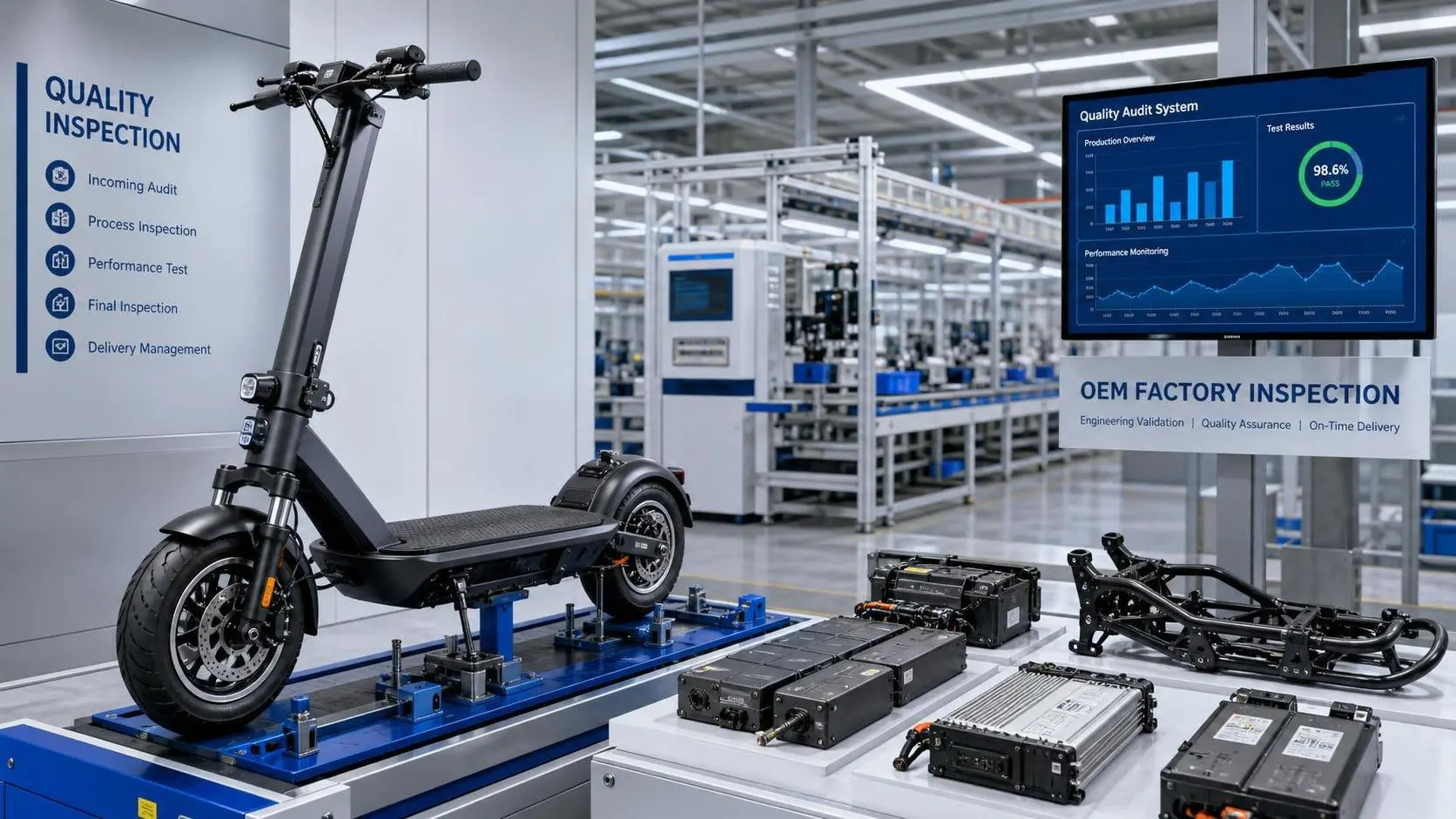
How to Evaluate an E Scooter Sourcing Factory for OEM Quality and Lead Time
e scooter sourcing factory evaluation guide for OEM buyers: learn how to verify quality systems, engineering strength, compliance, and lead time reliability before placing volume orders.
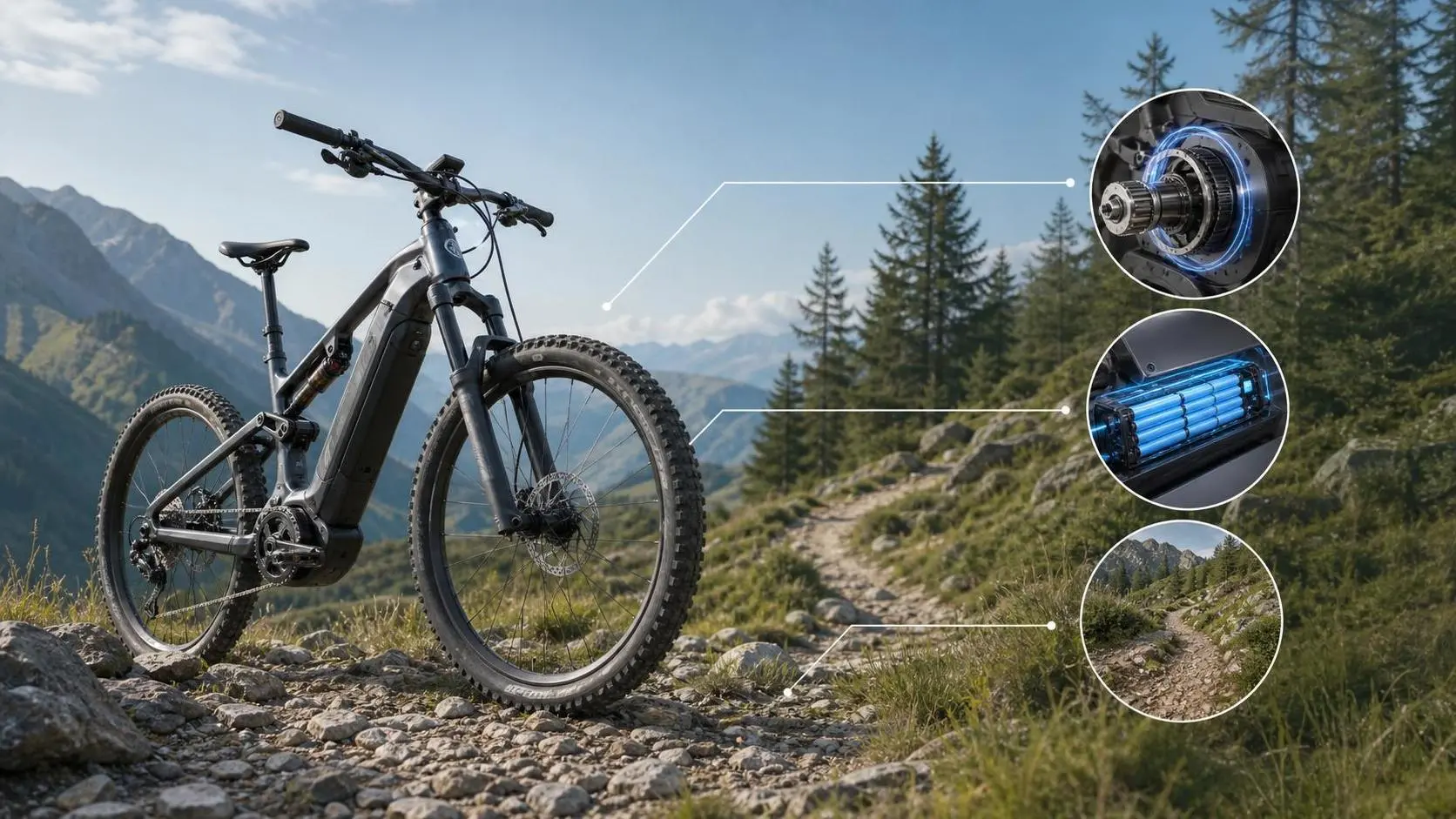
Electric Mountain Bike Buying Guide: Motor Torque, Battery Range, and Trail Fit
Electric mountain bike buying guide covering motor torque, battery range, and trail fit. Compare key specs, avoid costly mistakes, and choose the right e-MTB for your riding style.

Urban Transport Planning Basics: How Cities Match Mobility Options to Trip Demand
Urban transport planning explained: learn how cities match buses, rail, e-bikes, and scooters to real trip demand, cut congestion, and improve last-mile mobility.