
Related News
- 00
0000-00
What Affects Ebike Energy Efficiency? Battery Size, Rider Weight, Terrain, and Speed - 00
0000-00
How to Choose an Electric Bicycle for City Commuting: Range, Motor, and Weight Explained - 00
0000-00
E-Bike Technology Explained: Motor Types, Battery Range, and Control Systems - 00
0000-00
Electric Bike Technology Solutions for Urban Fleets: Connectivity, BMS, and Service Data - 00
0000-00
Electric Bicycles ODM: How to Evaluate Design, MOQ, and Customization Capabilities
Micro-Mobility Strategist
Weekly Insights
Stay ahead with our curated technology reports delivered every Monday.
What Affects Ebike Energy Efficiency? Battery Size, Rider Weight, Terrain, and Speed





What Affects Ebike Energy Efficiency? Battery Size, Rider Weight, Terrain, and Speed
Ebike energy efficiency depends on more than battery capacity alone.
Motor output, rider load, road gradient, tire pressure, and cruising speed all shape real-world power use.
That is why two e-bikes with similar specs can deliver very different range on the same day.
For daily commuting, delivery work, fleet planning, or product comparison, understanding ebike energy efficiency helps turn marketing claims into practical decisions.
A larger battery may extend distance, but it does not automatically improve efficiency.
In simple terms, efficiency is about how effectively stored energy becomes useful movement.
The core question is not only how far an e-bike can go.
It is how much battery it consumes for each kilometer under actual riding conditions.
How Ebike Energy Efficiency Is Usually Measured
The most useful metric is watt-hours per kilometer, often written as Wh/km.
A lower Wh/km number means better ebike energy efficiency.
For example, using 10 Wh/km is more efficient than using 16 Wh/km.
Range is then estimated by dividing battery capacity by energy use.
A 500 Wh battery at 10 Wh/km may reach about 50 kilometers.
The same battery at 16 Wh/km may only cover around 31 kilometers.
This is why ebike energy efficiency matters more than battery size in isolation.
Battery Size: More Range, Not Always Better Efficiency
Battery size is measured in watt-hours, not simply volts or amp-hours.
A bigger battery stores more energy, so it usually increases available range.
However, extra battery mass can slightly raise total bike weight.
That added weight may reduce ebike energy efficiency during starts, climbs, and stop-and-go use.
Battery condition matters too.
An aging pack with high internal resistance wastes more energy as heat.
Cold weather can also reduce usable capacity and lower short-term performance.
So when evaluating battery impact, focus on usable energy, pack health, and total system weight.
In practice, the best battery is not always the largest one.
Battery Comparison at a Glance
Rider Weight and Total Load Change Power Demand
Weight is one of the clearest variables in ebike energy efficiency.
A heavier rider, cargo bag, child seat, or delivery box increases the energy needed for acceleration and climbing.
On flat roads at steady speed, the effect is smaller than many expect.
But in hilly cities or frequent-stop routes, added load becomes more expensive.
This also explains why urban couriers often report lower range than leisure riders.
The bike is carrying more mass and restarting more often.
What Load Does in Real Use
- It raises motor demand during takeoff.
- It reduces climbing efficiency on steep grades.
- It can increase tire deformation and rolling resistance.
- It may push riders to use higher assist modes more often.
For consistent planning, total system load should include rider, cargo, accessories, and the bike itself.
Terrain Often Has the Biggest Real-World Impact
Terrain can change ebike energy efficiency more dramatically than many specification sheets suggest.
Flat urban roads let the motor operate under relatively stable demand.
Hills force the system to convert much more electrical energy into climbing work.
Loose gravel, rough pavement, and broken surfaces add rolling resistance.
Headwinds can act like invisible hills, especially at higher speed.
This is where real route mapping becomes useful.
A short but steep commute may drain more battery than a longer flat route.
Terrain Factors to Watch
- Elevation gain across the route.
- Road surface quality and tire contact losses.
- Wind exposure on open streets or bridges.
- Stop density at lights, intersections, and delivery points.
When terrain is demanding, a mid-drive system often manages efficiency better than a basic hub motor setup.
Speed Is the Fastest Way to Lose Efficiency
Speed has a non-linear effect on ebike energy efficiency.
As speed rises, aerodynamic drag rises sharply.
That means moving from 20 km/h to 28 km/h can cost more energy than expected.
Many riders assume faster trips always save overall energy.
In reality, higher assist and faster cruising usually reduce range.
A moderate pace often delivers the best balance between time and battery use.
Why Speed Matters So Much
- Air resistance grows quickly with speed.
- Motor current increases during rapid acceleration.
- Higher speed encourages stronger assist settings.
- Braking after fast bursts wastes the extra energy used.
For many commuting patterns, riding slightly slower can noticeably improve ebike energy efficiency without changing hardware.
Other Variables That Quietly Influence Efficiency
The four headline factors explain most range differences, but smaller details still matter.
Low tire pressure increases rolling resistance and wastes energy.
Poor chain lubrication creates extra drivetrain loss.
Misaligned brakes may drag slightly without being obvious.
Assist mode selection changes consumption immediately.
Riding posture also matters, because a more upright position catches more air.
Taken together, these details can meaningfully shift ebike energy efficiency over a full week of riding.
Practical Ways to Improve Ebike Energy Efficiency
The best gains often come from riding habits and maintenance, not expensive upgrades.
- Use lower assist on flat roads and reserve high assist for climbs.
- Keep tires inflated within the recommended range.
- Avoid sharp acceleration from every stop.
- Remove unnecessary cargo and accessories.
- Maintain chain, cassette, brakes, and wheel alignment.
- Choose routes with less climbing when time difference is small.
- Store and charge the battery within moderate temperature conditions.
For operators managing multiple bikes, route-specific data is especially useful.
Tracking Wh/km by rider, route, and season reveals where efficiency losses actually happen.
What This Means for Buying and Daily Use
If the goal is better ebike energy efficiency, avoid comparing bikes by battery size alone.
Look at motor type, bike weight, expected cargo, route profile, and normal cruising speed.
A lighter e-bike with a smaller battery may outperform a larger setup on flatter city trips.
On the other hand, steep terrain and heavy loads justify more battery capacity.
The key is matching the system to actual duty conditions.
That approach supports longer service life, more predictable charging, and fewer range surprises.
In the end, ebike energy efficiency is a system outcome.
Battery size, rider weight, terrain, and speed all matter, but their value only becomes clear in combination. Measure real usage, adjust habits, and choose equipment around real routes.
Related News
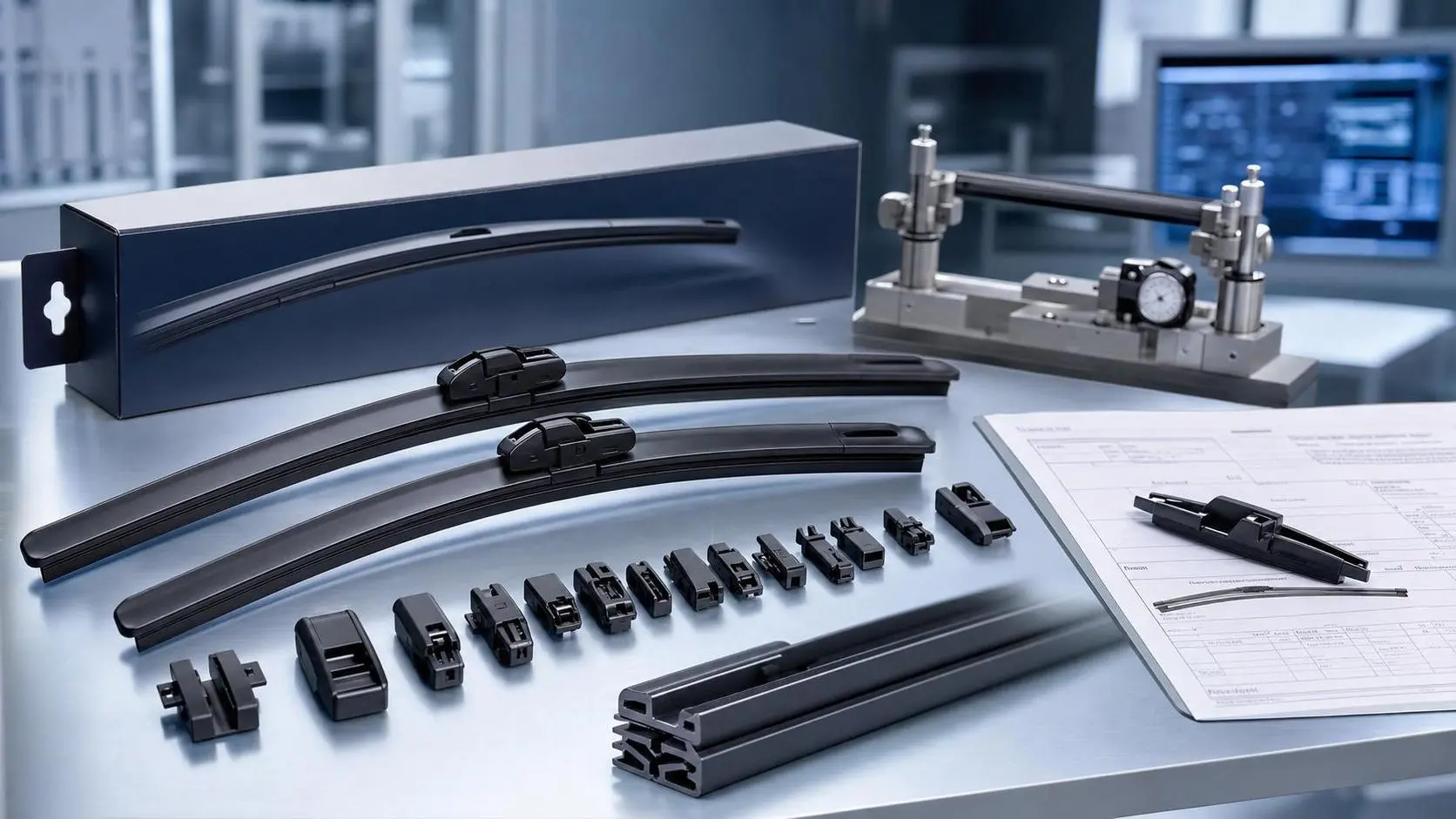
Flat Wiper Blades Wholesale Buying Guide: MOQ, Rubber Quality, Fitment, and Supplier Checks
Flat wiper blades wholesale buying guide covering MOQ, rubber quality, fitment accuracy, and supplier checks to reduce risk, improve margins, and choose reliable bulk partners.
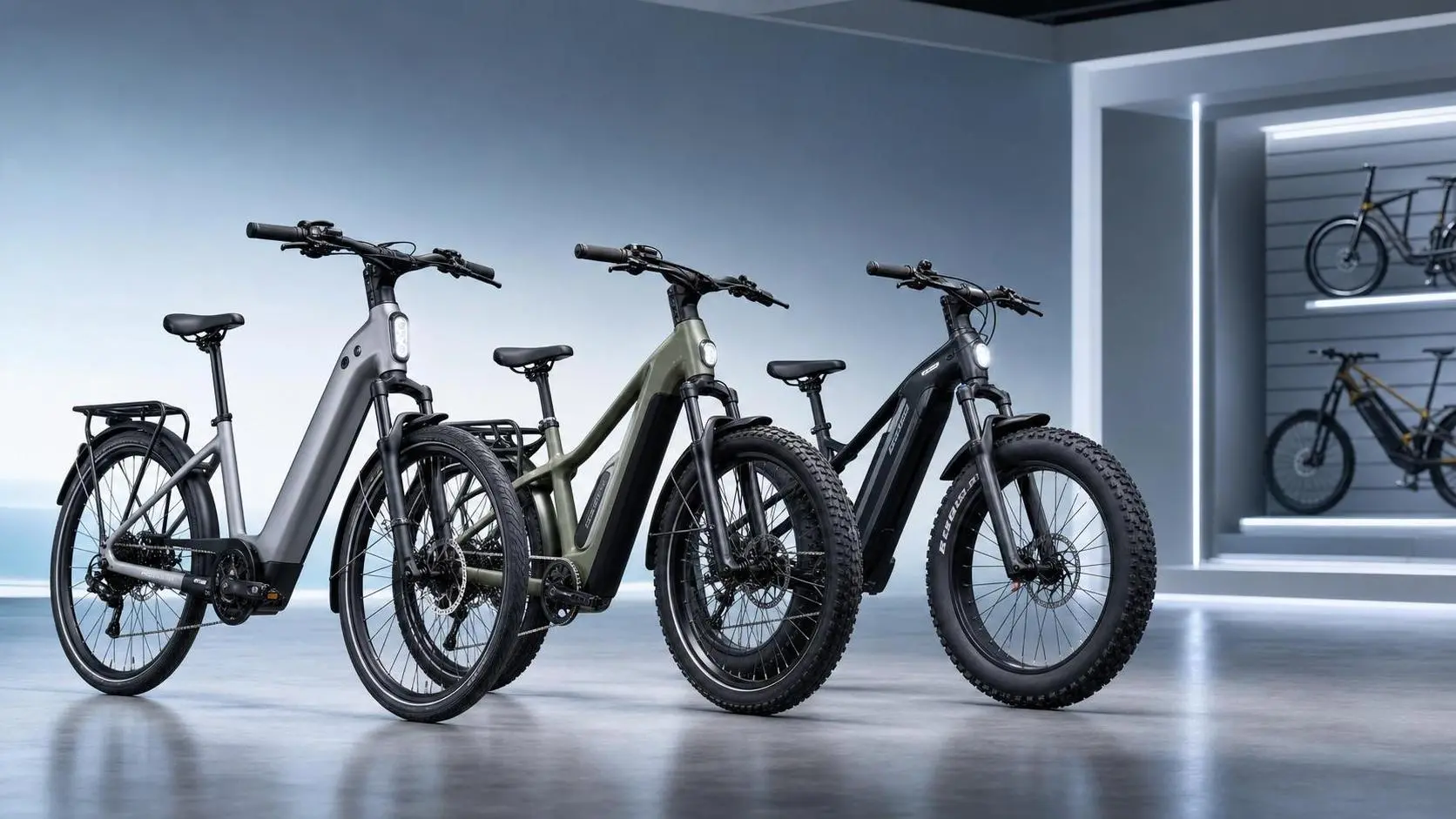
Ebike Market USA: What Dealers Should Know About Demand Shifts, Pricing, and Product Mix
ebike market USA is shifting fast. Discover how demand segmentation, pricing pressure, and smarter product mix decisions can help dealers protect margins and grow.
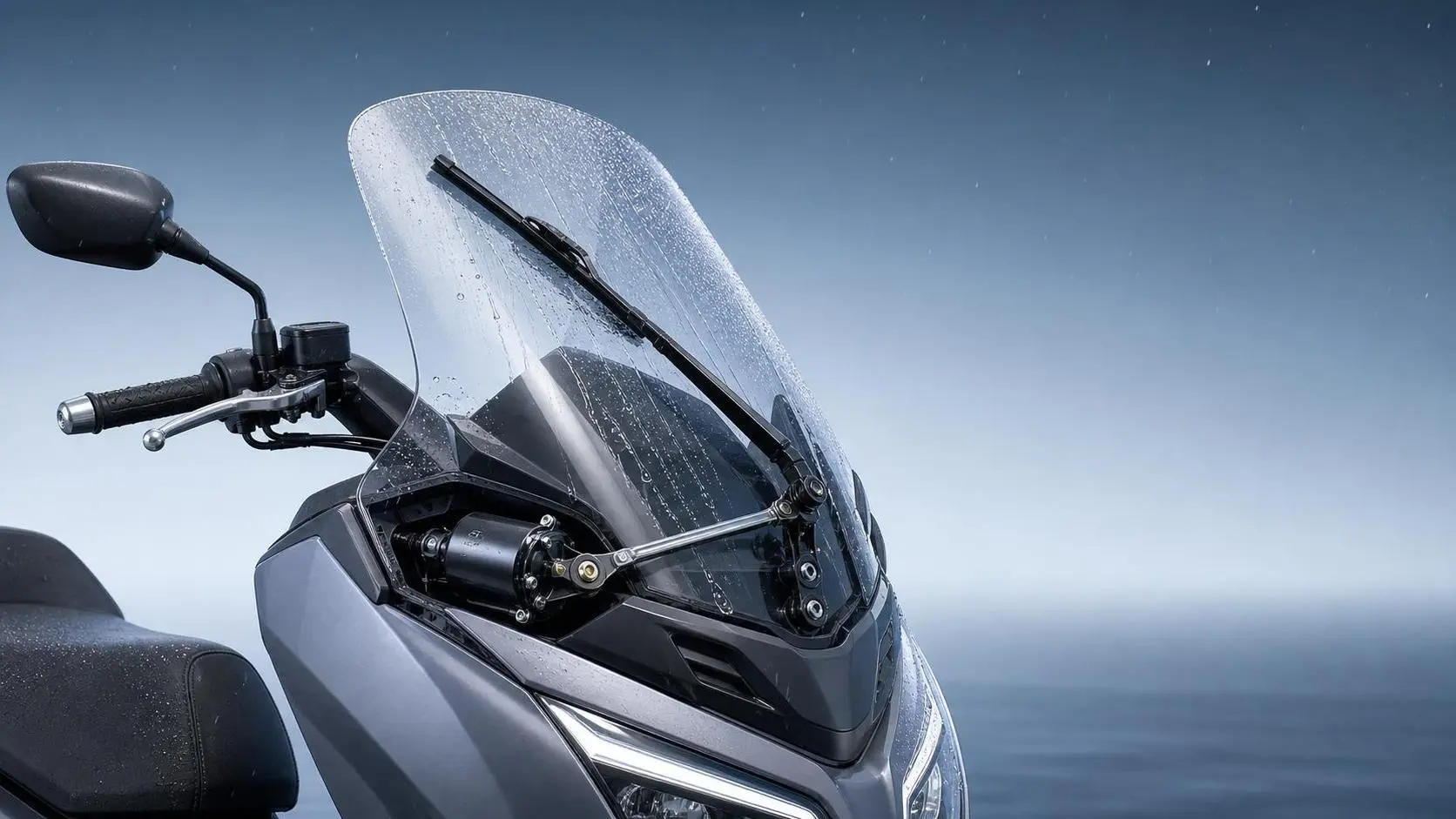
Wiper Systems for Scooters: Common Failure Points, Maintenance Tips, and Replacement Signs
Wiper systems for scooters: learn the most common failure points, smart maintenance tips, and clear replacement signs to improve visibility, reduce repeat repairs, and keep riders safer.
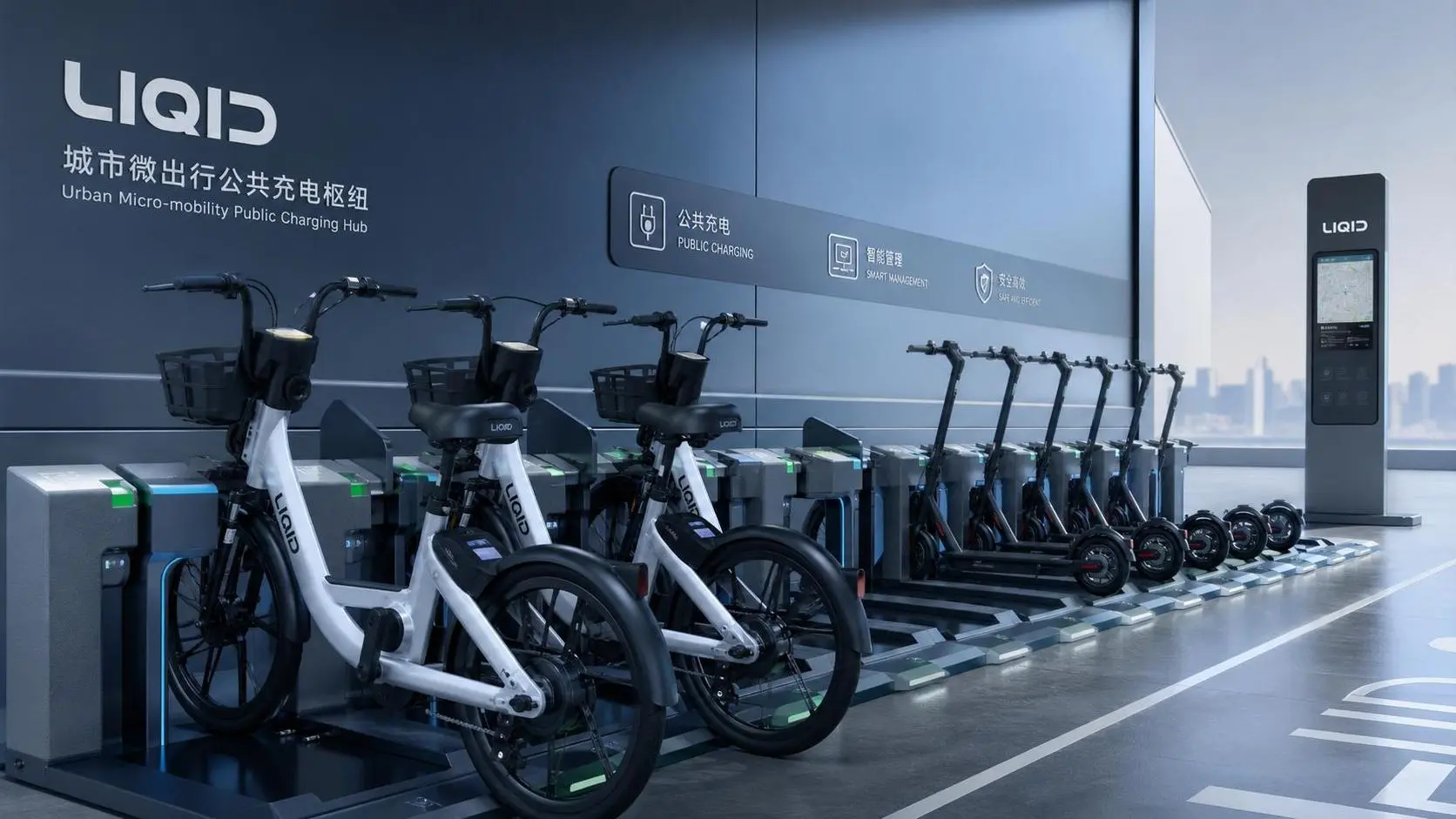
How to Choose Micro-Mobility Docking Stations for Shared Fleets and Public Charging Hubs
Micro-mobility docking stations: learn how to compare charging, locking, software, and site-fit factors to choose safer, smarter hubs for shared fleets and public use.
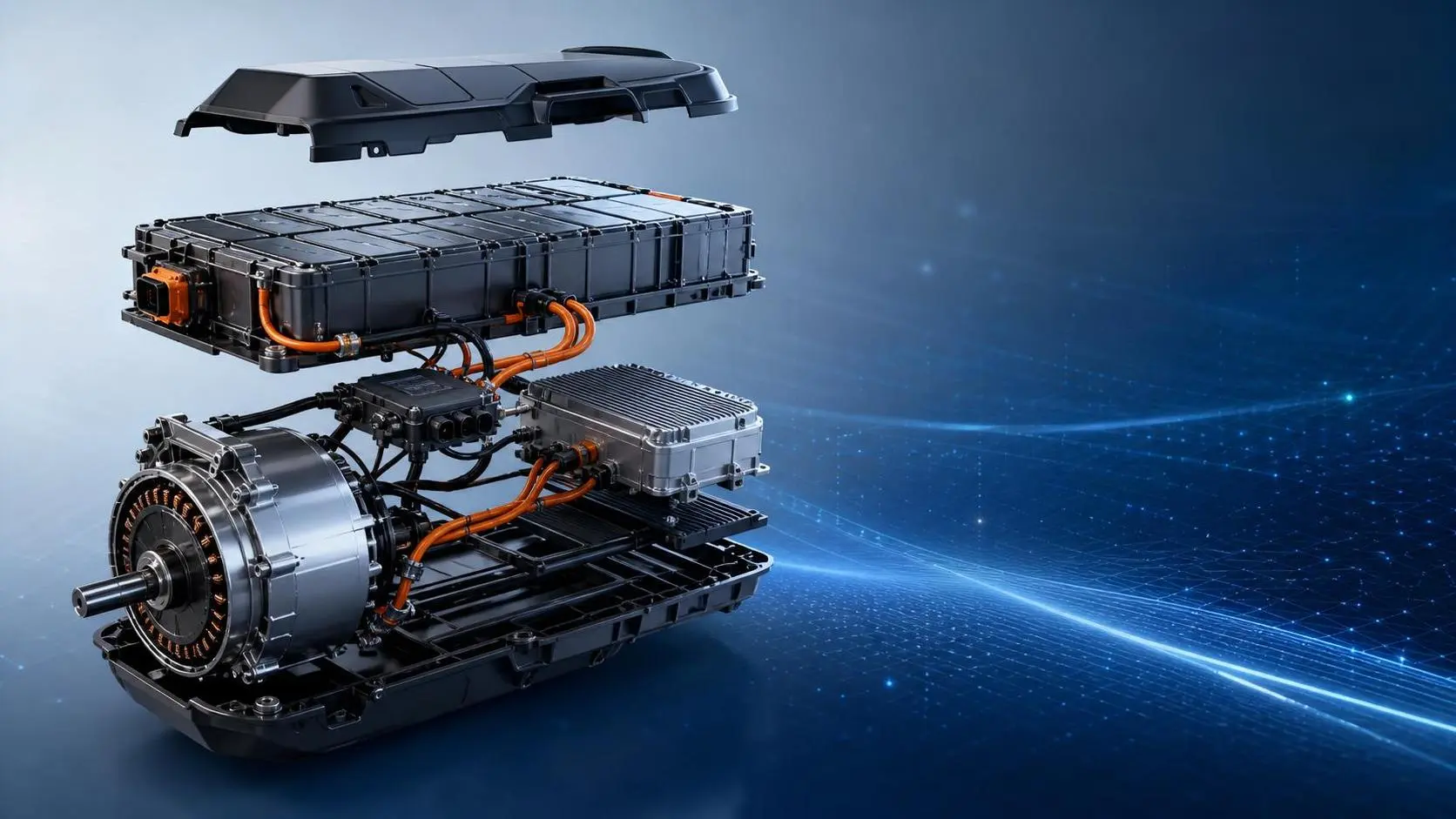
Powertrain Heat Management Explained: Key Design Factors for EV Efficiency and Battery Life
Powertrain heat management explained for EVs: discover how thermal design boosts efficiency, protects battery life, improves safety, and sustains real-world performance.
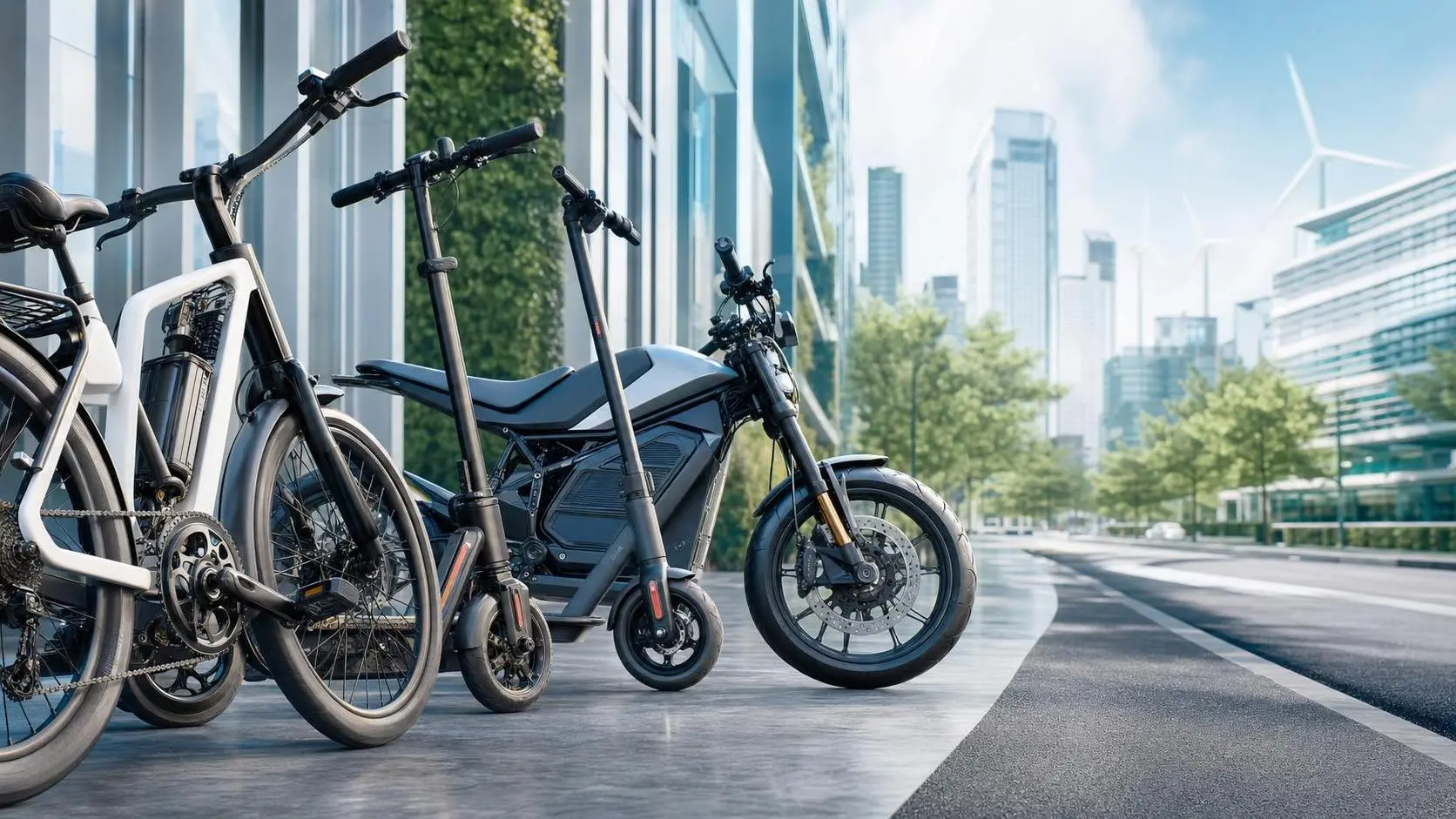
Urban Mobility Market Analysis: Demand Drivers, Policy Risks, and Revenue Models Compared
Urban mobility market analysis compares demand drivers, policy risks, and revenue models across e-bikes, scooters, and e-motorcycles to reveal where growth is durable.
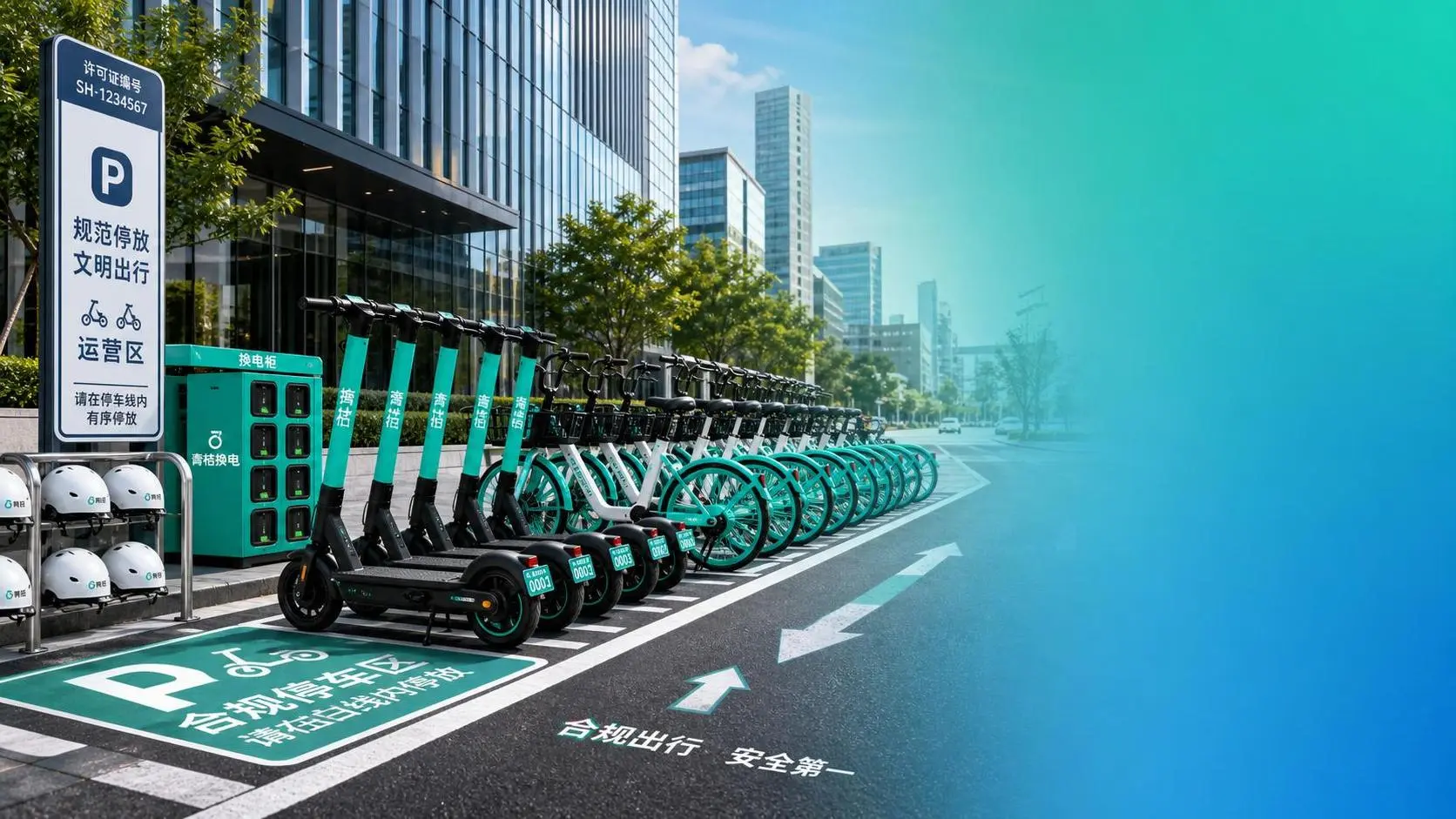
Shared Mobility Compliance Checklist: Permits, Safety Rules, and Fleet Data Requirements
Shared mobility compliance made simple: explore a practical checklist for permits, safety rules, and fleet data requirements to launch faster, reduce risk, and stay audit-ready.
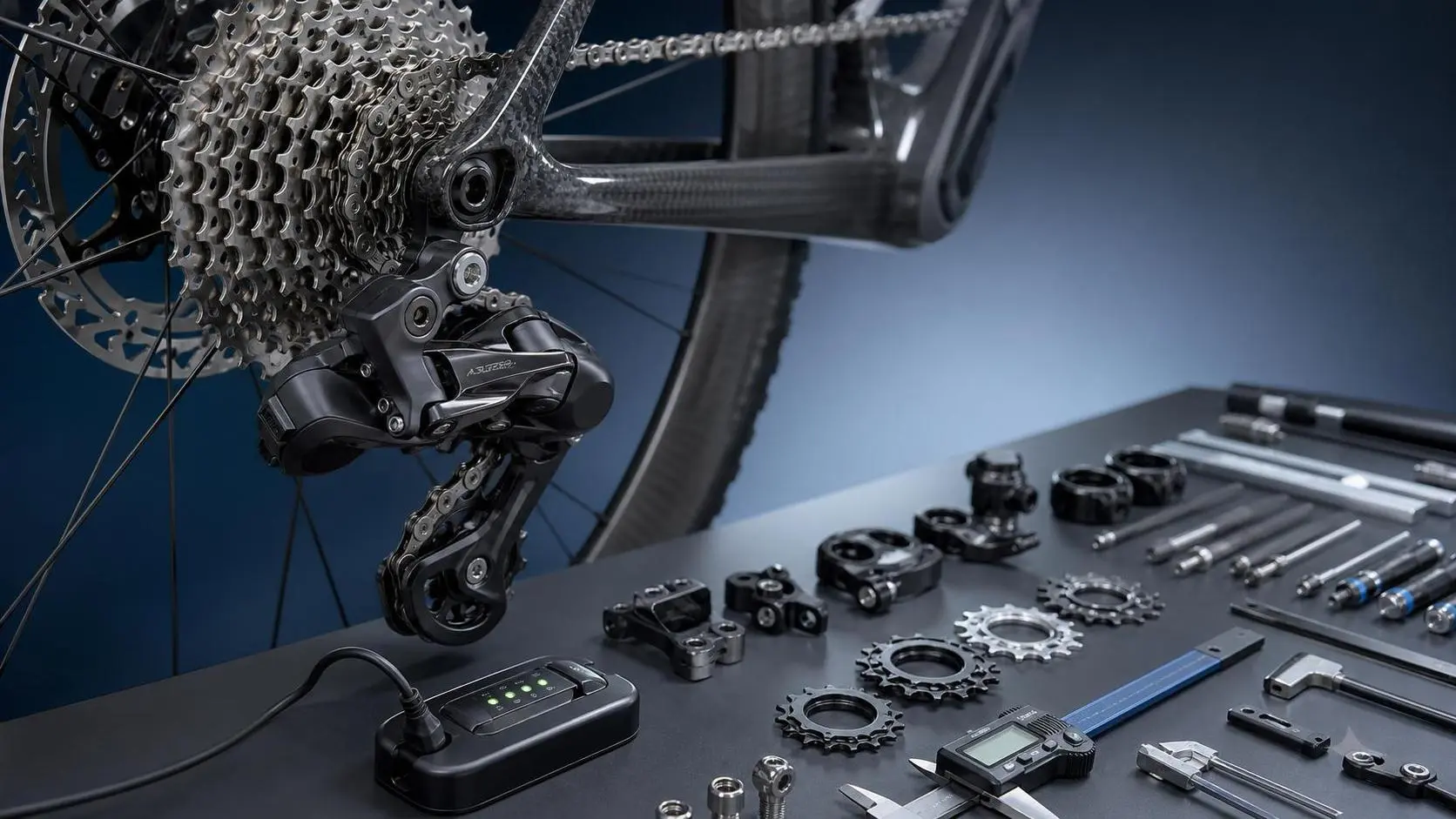
Wireless Electronic Shifting in North America: Compatibility, Standards, and Upgrade Limits
Wireless electronic shifting North America explained: compare compatibility, FCC/ISED standards, retrofit limits, and upgrade risks before choosing the right platform.
How to Choose an Electric Bicycle for City Commuting: Range, Motor, and Weight Explained
Electric bicycle buying guide for city commuting: learn how range, motor type, torque, and weight affect comfort, storage, and daily efficiency before you choose.