
Related News
- 00
0000-00
What Affects Ebike Energy Efficiency? Battery Size, Rider Weight, Terrain, and Speed - 00
0000-00
How to Choose an Electric Bicycle for City Commuting: Range, Motor, and Weight Explained - 00
0000-00
E-Bike Technology Explained: Motor Types, Battery Range, and Control Systems - 00
0000-00
Electric Bike Technology Solutions for Urban Fleets: Connectivity, BMS, and Service Data - 00
0000-00
Electric Bicycles ODM: How to Evaluate Design, MOQ, and Customization Capabilities
Micro-Mobility Strategist
Weekly Insights
Stay ahead with our curated technology reports delivered every Monday.
How to Choose an Electric Bicycle for City Commuting: Range, Motor, and Weight Explained





Choosing an electric bicycle for city commuting looks simple until the real trade-offs appear. A longer range often adds battery mass, a stronger motor can raise cost, and a lighter frame may limit comfort or carrying capacity.
That balance matters more now because urban mobility is changing fast. Across Europe, Asia, and North America, the electric bicycle has moved from a niche product to a practical tool for daily transport, shaped by congestion, fuel prices, emissions targets, and changing commuter habits.
From the broader UMMS view of micro-mobility, e-bikes sit at the center of the last-mile shift. They combine battery logic, motor efficiency, drivetrain quality, and rider comfort in a way that directly affects everyday travel.
Why city commuting demands a different kind of e-bike
A commuter electric bicycle is not judged the same way as a weekend trail model. Urban riding brings stop-and-go traffic, short accelerations, curbs, bike storage issues, mixed weather, and frequent starts from traffic lights.
In that setting, the best choice is rarely the most powerful model on paper. It is the one that feels efficient, predictable, and manageable across a normal week.
That means three specifications deserve close attention: range, motor behavior, and weight. They influence almost every daily experience, from charging frequency to stair carrying to how natural the bike feels in crowded streets.
Range is about real conditions, not brochure numbers
Range is usually the first headline metric, but it is also the easiest one to misunderstand. Manufacturers often publish best-case estimates based on light assist, flat roads, moderate temperatures, and lighter riders.
In city commuting, actual range depends on more than battery size. Wind, hills, tire pressure, cargo weight, traffic interruptions, and how often full assist is used all affect the result.
How to read battery capacity
The most useful battery figure is watt-hours, usually written as Wh. It gives a better picture than voltage alone because it reflects the total stored energy available to power the electric bicycle.
For many urban riders, 400Wh to 600Wh is a sensible middle ground. It usually covers a practical commute without making the bike unnecessarily heavy.
Smaller batteries can work well for short, flat routes with office charging. Larger batteries help when the route is longer, hillier, or includes errands after work.
A simple range reality check
A useful rule is to choose range with buffer, not with optimism. If the weekly pattern suggests 35 km per charge, buying for 35 km is too tight.
Motor power matters, but motor character matters more
Many buyers focus on watt ratings alone. In practice, the feel of the motor is just as important as the number printed on the label.
For city use, smooth engagement, predictable support, and efficient torque delivery often matter more than maximum output. A motor that surges too hard can feel awkward in traffic or at low speed.
Hub motor or mid-drive
Hub motors are common on affordable commuter models. They are often quieter, simpler, and easier to maintain for general urban use.
Mid-drive systems place the motor near the crank and usually deliver a more balanced ride. They tend to climb better and work more naturally with the drivetrain, especially on variable terrain.
UMMS often frames this as a systems question rather than a parts question. Motor location, battery management, drivetrain efficiency, and frame design work together, and commuters feel the result immediately.
Torque for daily starts and hills
Torque, measured in Nm, tells more about low-speed assistance than wattage alone. In urban riding, it affects how easily the electric bicycle pulls away from lights or handles short climbs.
For flatter cities, moderate torque can be enough. For steeper routes, bridges, or heavier loads, a stronger torque figure is often worth prioritizing.
- 40 to 50 Nm often suits lighter, flatter commutes.
- 50 to 70 Nm fits many mixed urban conditions.
- 70 Nm and above helps with hills, cargo, or stronger acceleration needs.
Weight changes the ride more than many buyers expect
Weight affects more than carrying the bike upstairs. It shapes handling, braking feel, parking convenience, and what happens when the battery runs low.
A heavy electric bicycle can still ride well, but it becomes harder to lift onto racks, move through apartments, or maneuver in tight storage areas. That becomes a daily issue, not an occasional one.
Lighter models usually feel more agile in crowded streets. The trade-off is that they may offer smaller batteries, less comfort equipment, or a higher price because lightweight design costs more.
Where extra kilos come from
Weight usually increases because of bigger batteries, stronger frames, suspension parts, racks, fenders, wider tires, and more powerful motors. None of those features are bad on their own.
The question is whether the added function matches the commute. For a short apartment-to-office trip, lower weight may improve life more than a larger battery.
The best commuter choice is a three-way balance
Range, motor, and weight should be judged together. A long-range electric bicycle with high torque sounds appealing, but it may become inconvenient if it is too heavy for everyday storage.
Likewise, an ultralight e-bike may look elegant but feel underpowered on hills or require constant charging. City commuting works best when the specifications support the route, not the marketing headline.
A practical decision framework
- Map the true round-trip distance, not the ideal one.
- Add hills, wind exposure, cargo, and seasonal weather to the estimate.
- Check whether the bike must be carried, lifted, or stored indoors.
- Decide whether comfort or portability matters more on most days.
- Treat motor smoothness and torque as ride-quality factors, not just power figures.
Other details that deserve attention
Once the three core variables are clear, several secondary details can change ownership satisfaction in a big way.
Drivetrain, brakes, and tires
An electric bicycle places added demand on the drivetrain. Better shifting quality, durable chains, and strong brake performance matter in repeated urban use.
This is where the wider UMMS perspective on precision bicycle components becomes relevant. Motor assistance is only one part of an efficient commuting machine; transmission accuracy and dependable braking complete the package.
Battery removal and charging habits
A removable battery can be more useful than a slightly larger one. It simplifies apartment charging, office charging, and winter storage.
Charge time also matters. For many commuters, a battery that recharges conveniently during work hours creates more value than chasing the highest possible nominal range.
Weather and urban safety
Fenders, integrated lights, reflective elements, and stable tires are not small extras. They make the electric bicycle more usable through rain, dusk, and changing street conditions.
Micro-mobility adoption depends on confidence as much as performance. A commuter bike that feels ready in ordinary bad weather usually gets used more often.
What current market signals suggest
Recent market movement shows that buyers increasingly want efficient, everyday-ready models rather than extreme specifications. That aligns with broader low-carbon transport goals and tighter urban space constraints.
It also explains why the electric bicycle remains a strong category in global micro-mobility. The product fits policy trends, infrastructure investment, and personal cost awareness at the same time.
Seen through the UMMS intelligence lens, the most competitive commuter designs are becoming more integrated. Better battery management, lighter materials, cleaner cable routing, and smarter component matching are raising practical value, not just technical appeal.
A sensible next step before comparing models
Before narrowing the shortlist, write down the weekly commute in plain numbers: distance, elevation, storage limits, charging access, and how often extra cargo is carried. That turns an emotional purchase into a useful comparison.
Then compare each electric bicycle against those conditions, not against generic claims. The right city model is rarely the one with the biggest motor or longest advertised range. It is the one that fits real movement, real streets, and real routine.
With that framework, choosing an electric bicycle becomes much clearer. Range should cover the route with reserve, motor support should feel controlled, and weight should match the way the bike is actually handled every day.
Related News
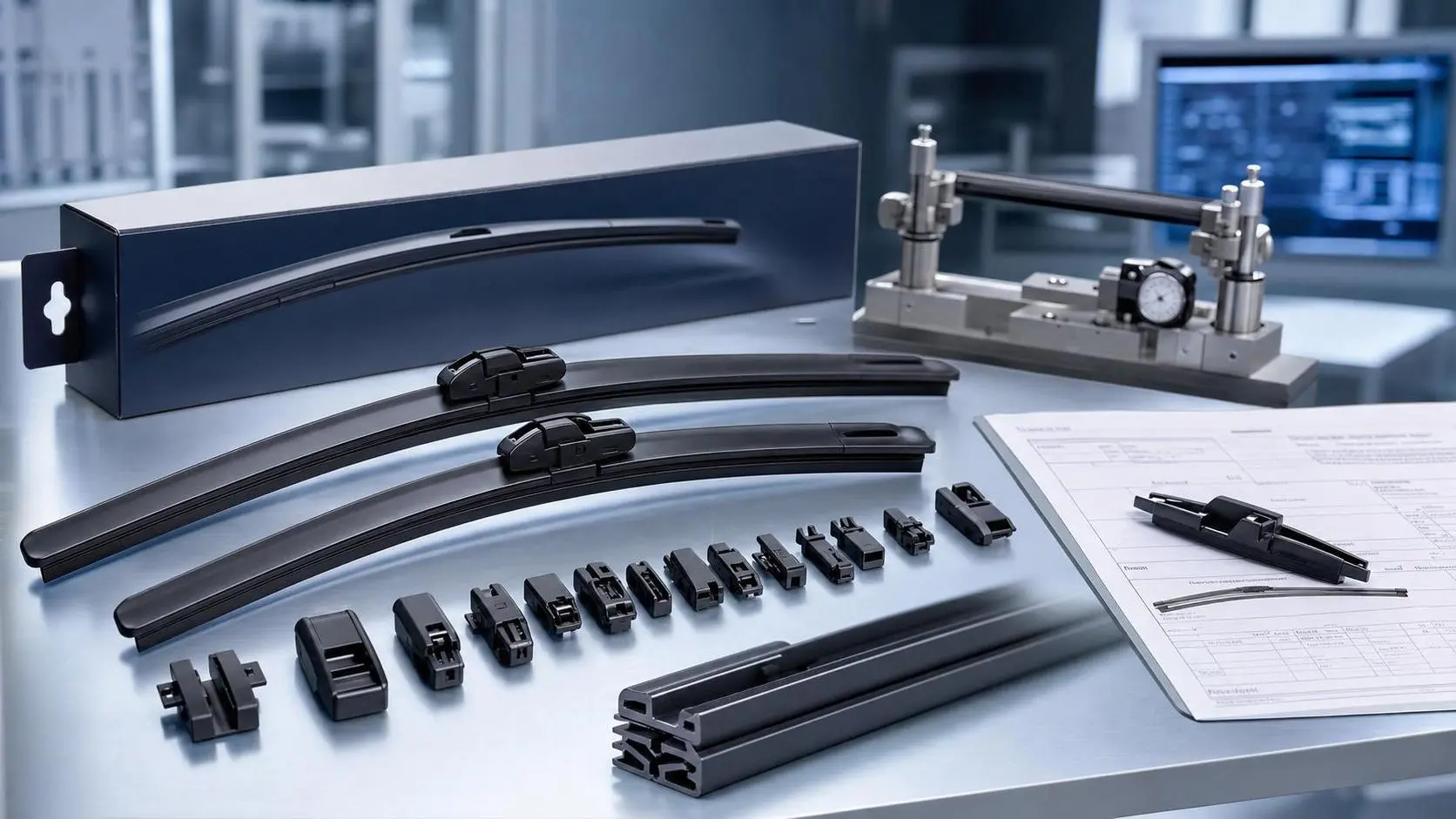
Flat Wiper Blades Wholesale Buying Guide: MOQ, Rubber Quality, Fitment, and Supplier Checks
Flat wiper blades wholesale buying guide covering MOQ, rubber quality, fitment accuracy, and supplier checks to reduce risk, improve margins, and choose reliable bulk partners.
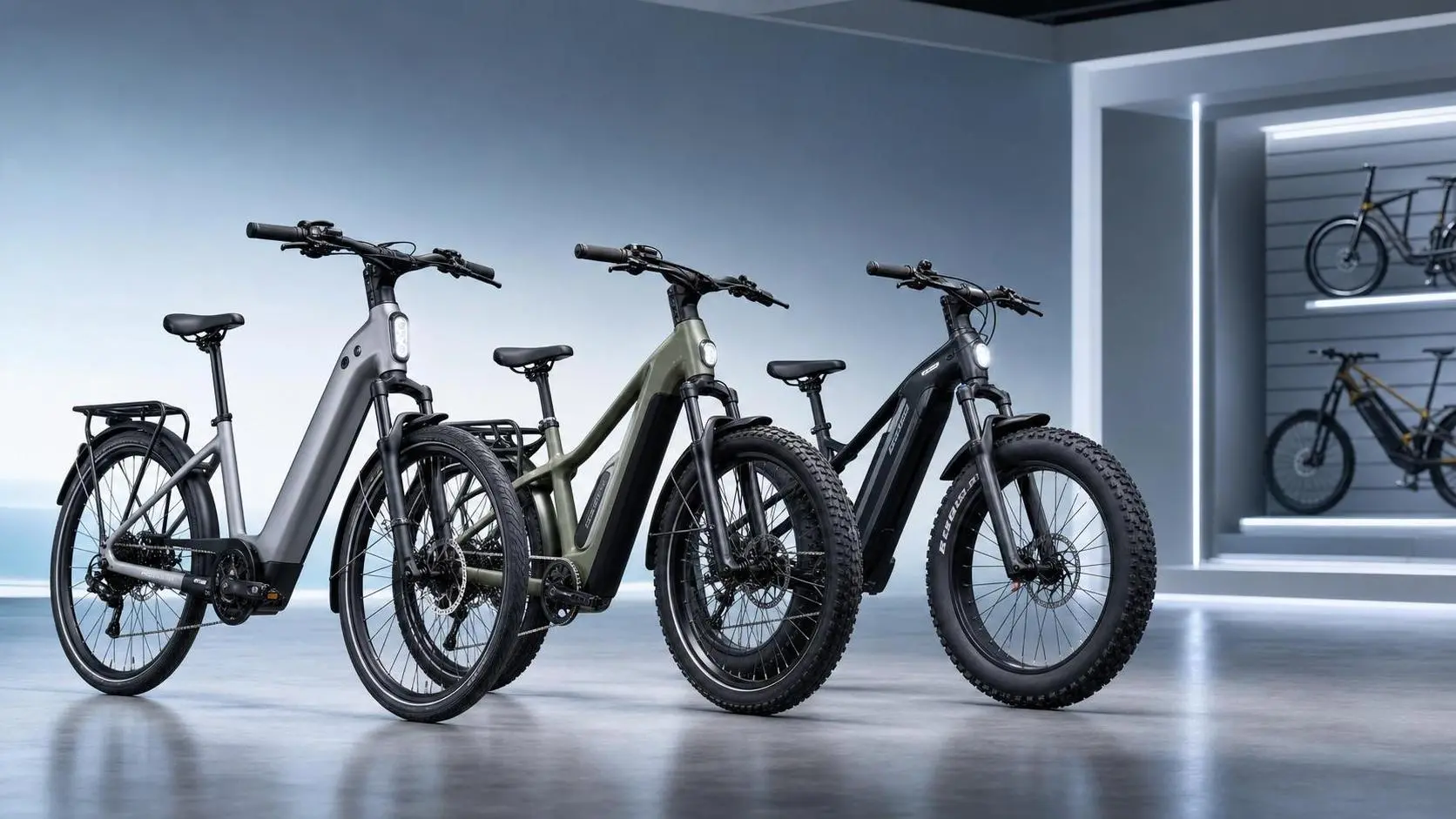
Ebike Market USA: What Dealers Should Know About Demand Shifts, Pricing, and Product Mix
ebike market USA is shifting fast. Discover how demand segmentation, pricing pressure, and smarter product mix decisions can help dealers protect margins and grow.
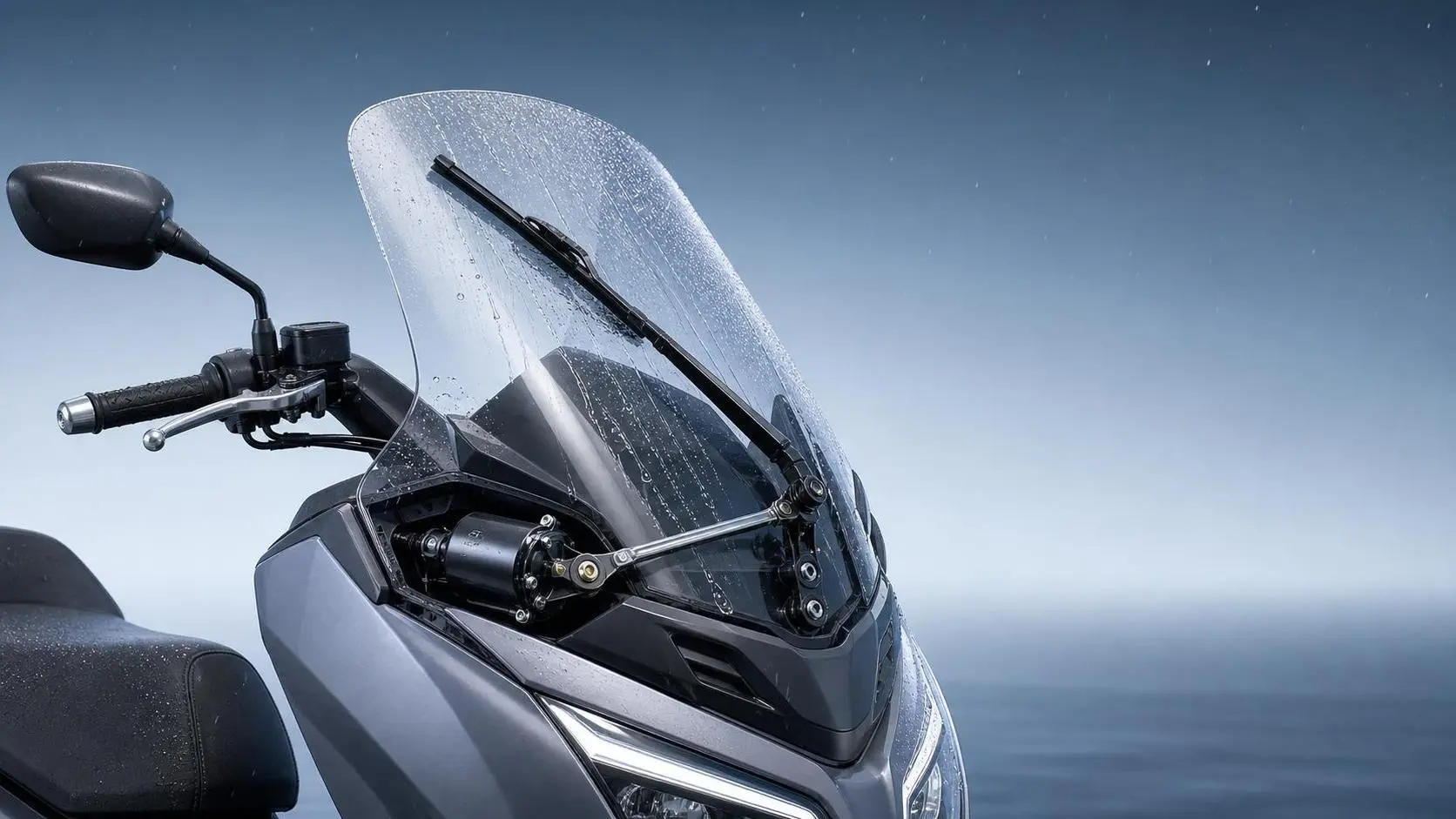
Wiper Systems for Scooters: Common Failure Points, Maintenance Tips, and Replacement Signs
Wiper systems for scooters: learn the most common failure points, smart maintenance tips, and clear replacement signs to improve visibility, reduce repeat repairs, and keep riders safer.
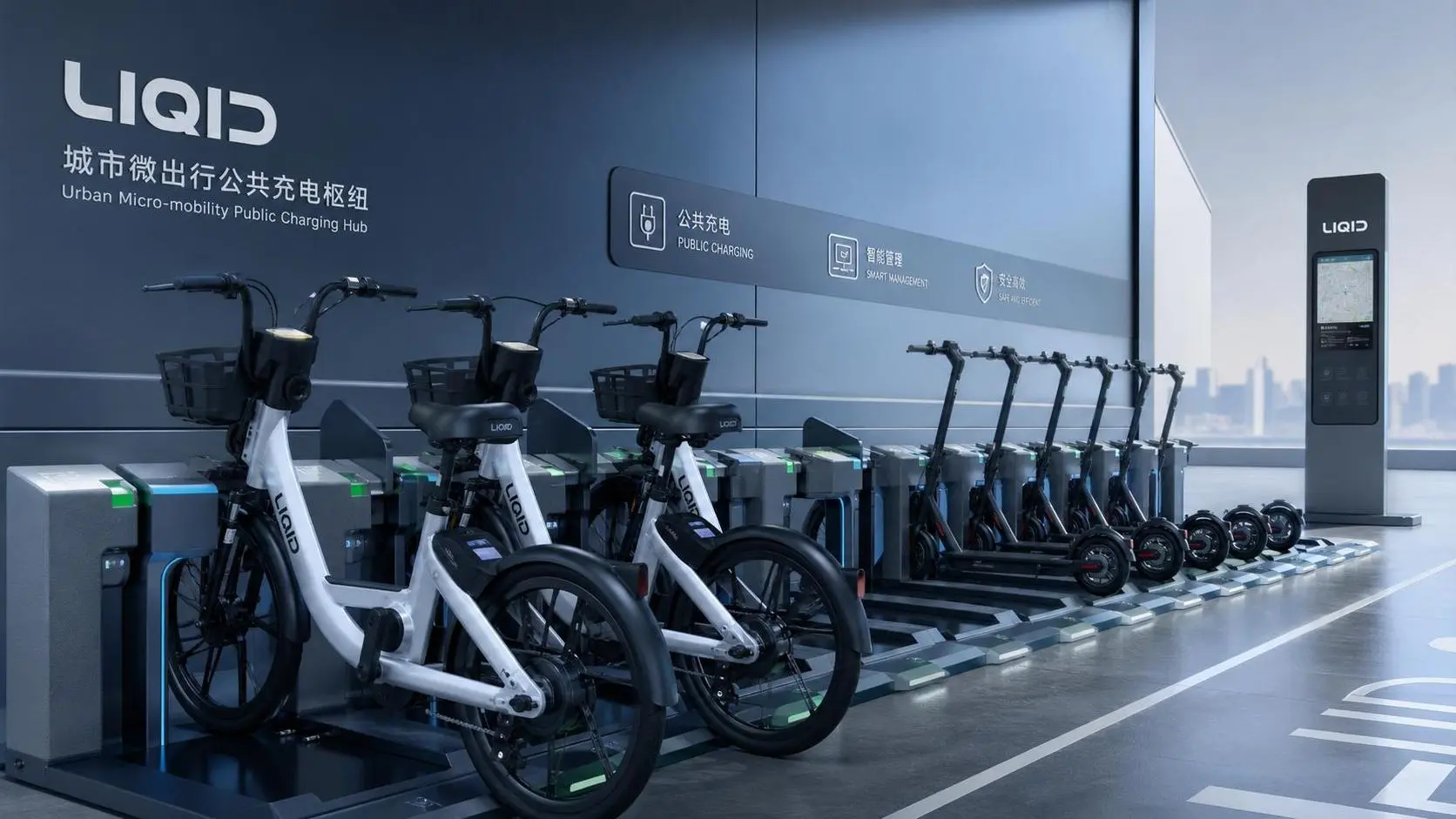
How to Choose Micro-Mobility Docking Stations for Shared Fleets and Public Charging Hubs
Micro-mobility docking stations: learn how to compare charging, locking, software, and site-fit factors to choose safer, smarter hubs for shared fleets and public use.
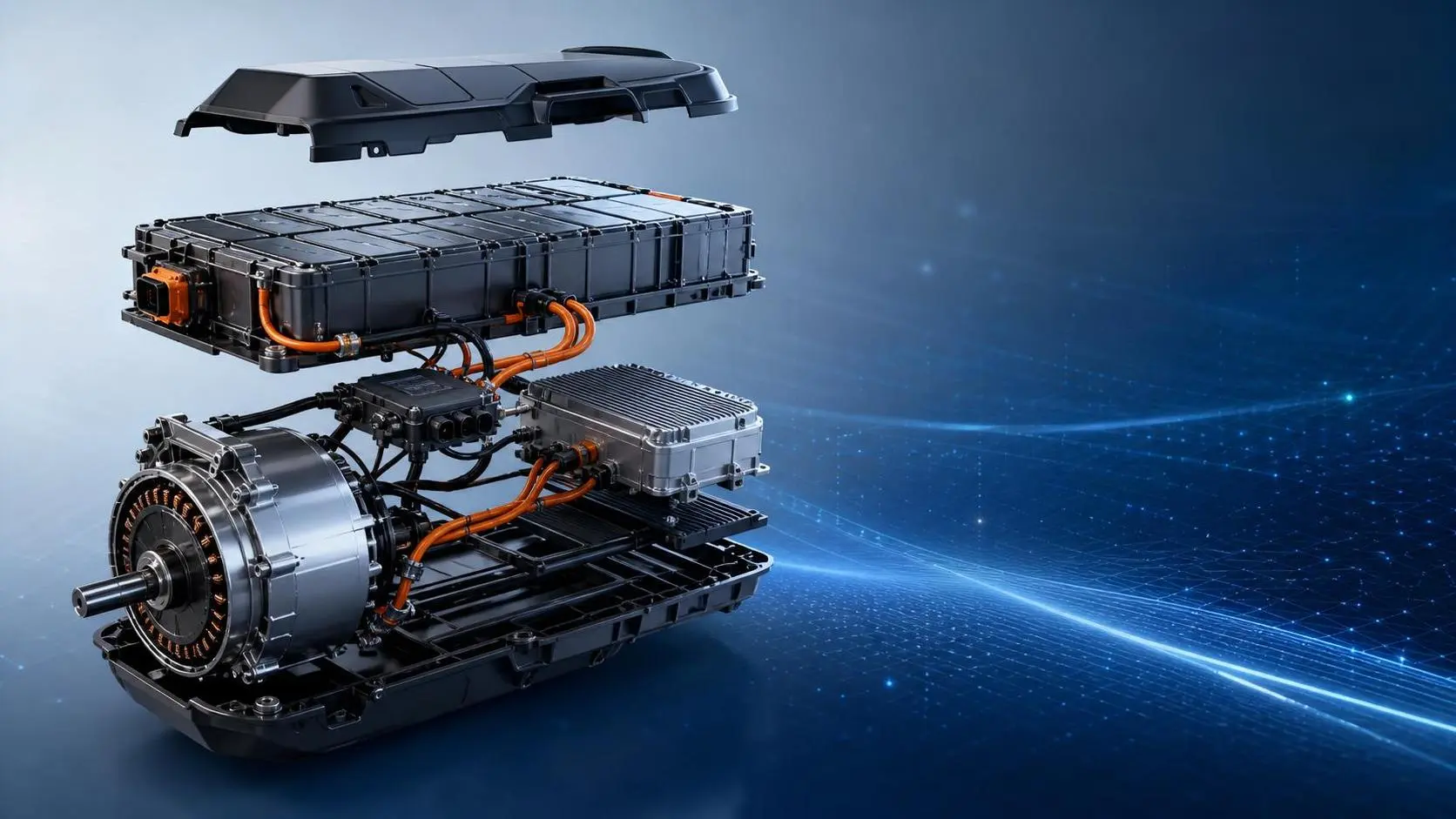
Powertrain Heat Management Explained: Key Design Factors for EV Efficiency and Battery Life
Powertrain heat management explained for EVs: discover how thermal design boosts efficiency, protects battery life, improves safety, and sustains real-world performance.
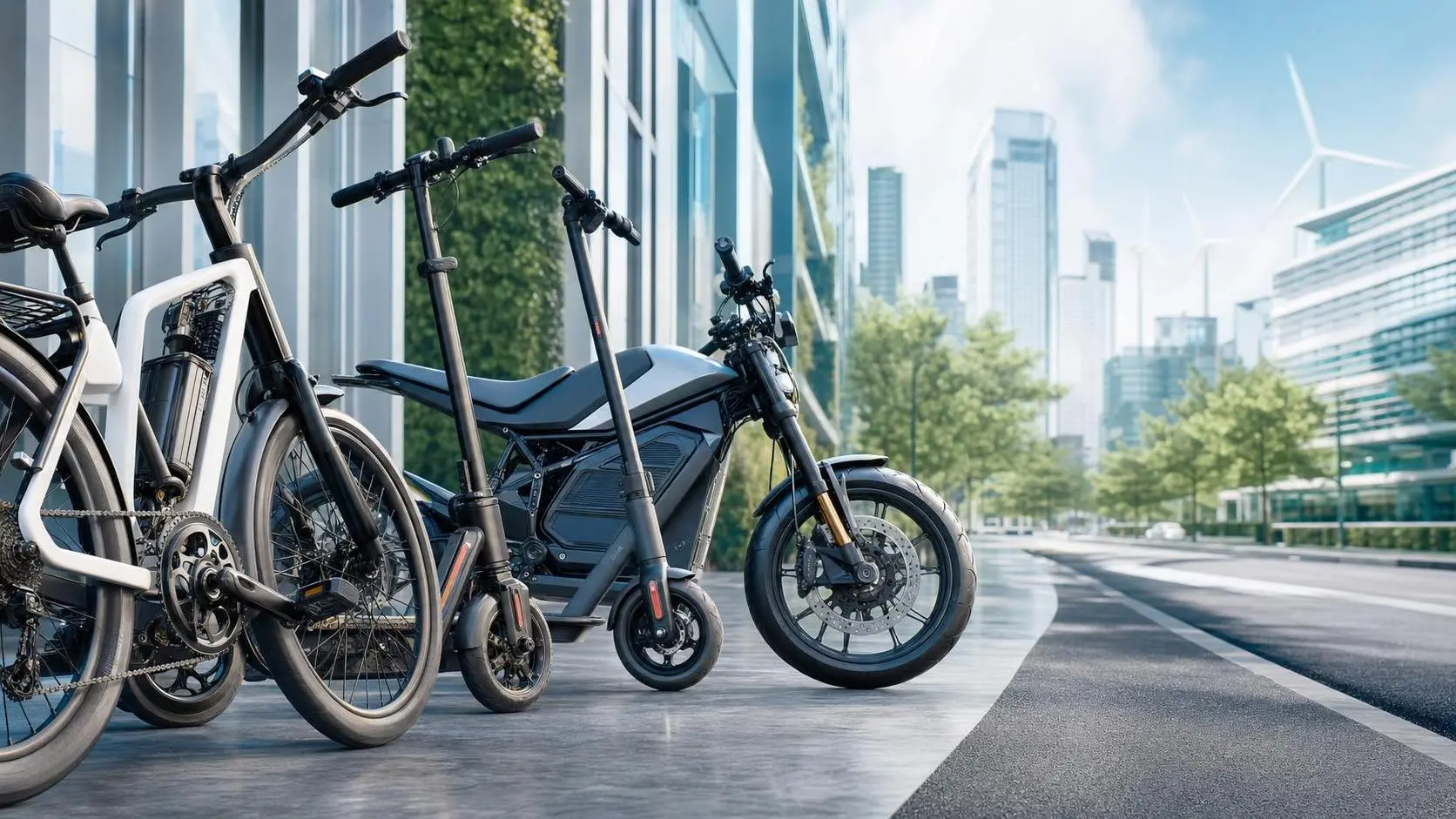
Urban Mobility Market Analysis: Demand Drivers, Policy Risks, and Revenue Models Compared
Urban mobility market analysis compares demand drivers, policy risks, and revenue models across e-bikes, scooters, and e-motorcycles to reveal where growth is durable.

Shared Mobility Compliance Checklist: Permits, Safety Rules, and Fleet Data Requirements
Shared mobility compliance made simple: explore a practical checklist for permits, safety rules, and fleet data requirements to launch faster, reduce risk, and stay audit-ready.
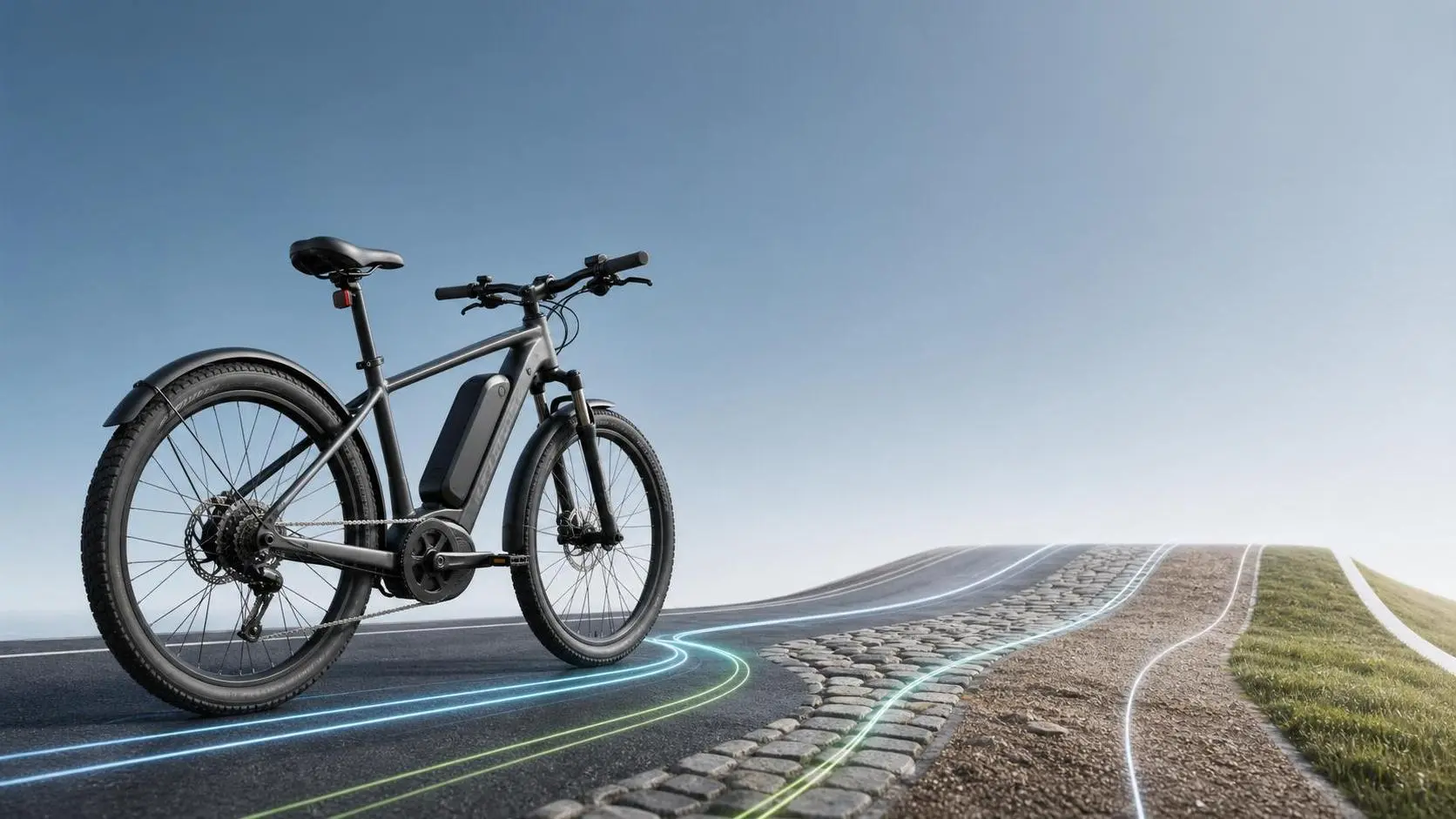
What Affects Ebike Energy Efficiency? Battery Size, Rider Weight, Terrain, and Speed
Ebike energy efficiency explained: learn how battery size, rider weight, terrain, and speed shape real-world range, lower Wh/km, and smarter buying or commuting decisions.
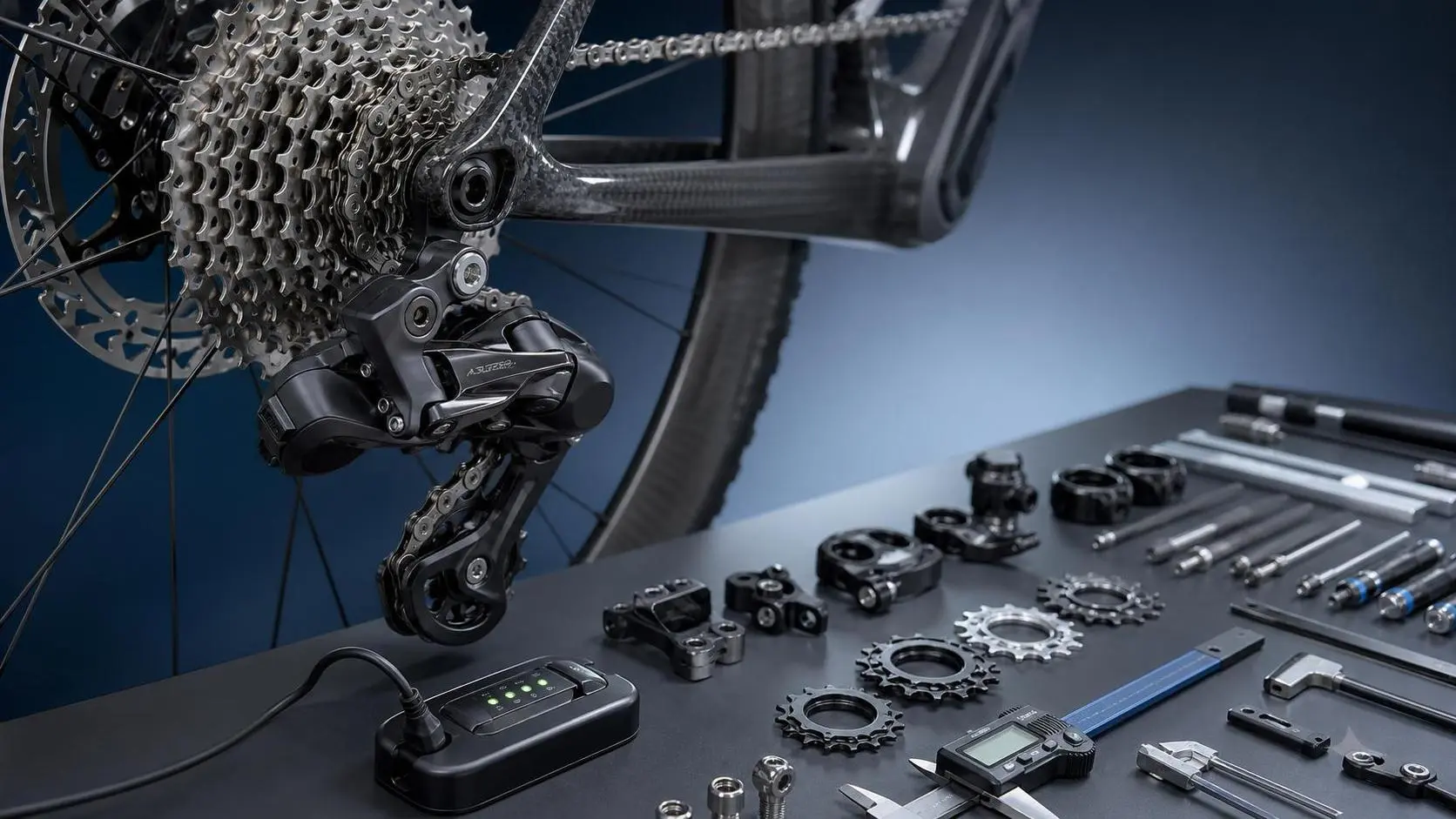
Wireless Electronic Shifting in North America: Compatibility, Standards, and Upgrade Limits
Wireless electronic shifting North America explained: compare compatibility, FCC/ISED standards, retrofit limits, and upgrade risks before choosing the right platform.