
Related News
- 00
0000-00
Wireless Electronic Shifting in North America: Compatibility, Standards, and Upgrade Limits - 00
0000-00
Electronic Derailleur Parts Guide: Compatibility, Wear Points, and Replacement Tips - 00
0000-00
Wireless Derailleur Shifting vs Mechanical: What Changes in Setup, Battery, and Shifting Feel? - 00
0000-00
Wireless Shifting vs Mechanical Drivetrains: Which Setup Fits Your Riding Needs? - 00
0000-00
When electromechanical transmission beats manual shifting
Precision Drivetrain Architect
Weekly Insights
Stay ahead with our curated technology reports delivered every Monday.
Wireless Electronic Shifting in North America: Compatibility, Standards, and Upgrade Limits





Wireless electronic shifting North America: why compatibility matters more than hype
Wireless electronic shifting North America has moved beyond premium branding. It now sits at the intersection of drivetrain architecture, radio compliance, service logistics, and retrofit feasibility.
That shift matters across the wider micro-mobility landscape. E-bikes, urban performance bikes, and precision bicycle components increasingly share the same demand for reliable, low-maintenance control systems.
Within that context, UMMS tracks drivetrain intelligence the same way it studies battery systems, smart scooter electronics, and connected vehicle control logic: by separating headline innovation from deployable reality.
The practical question is not whether wireless shifting looks advanced. The real question is whether a specific system can integrate cleanly with existing frames, cassettes, controls, chargers, and support channels in North America.
What exactly counts as compatible in real-world wireless shifting?
Compatibility is often misunderstood. Many assemblies can be mounted together, yet still fail at the protocol, firmware, gear-range, or service level.
In wireless electronic shifting North America, compatibility usually has five layers.
- Mechanical fit: hanger type, frame clearance, cassette size, chain line, and dropout geometry.
- Electrical logic: battery format, charging interface, wake behavior, and power management.
- Communication protocol: encrypted pairing, channel stability, latency, and interference tolerance.
- Software layer: firmware versions, app support, update path, and diagnostic access.
- Service continuity: spare parts, crash replacement, warranty handling, and local technician familiarity.
A system may pass the first layer and still fail the fourth. That is where many upgrade plans become expensive.
More importantly, brand ecosystems remain tighter than many buyers expect. Native levers, derailleurs, batteries, and firmware families are still designed to stay inside the same product environment.
A quick compatibility screen before deeper evaluation
Are there North American standards that directly govern wireless electronic shifting?
There is no single master standard for every aspect of wireless electronic shifting North America. Evaluation usually combines radio, electrical, bicycle safety, and market access requirements.
The first layer is radio compliance. Wireless shift controls and derailleurs using short-range communication generally need FCC treatment in the United States and ISED consideration in Canada.
The second layer is battery and charger safety. Even small removable batteries can trigger transport, labeling, and storage obligations, especially when products move through cross-border distribution.
Then comes bicycle system safety. A wireless derailleur may be compliant as a radio device, yet still create commercial risk if the wider bike build lacks stable shifting under load, adequate retention, or clear service instructions.
In actual deployment, documentation quality matters almost as much as hardware. Test reports, firmware traceability, and approved component matrices often decide whether a launch stays orderly.
That is why UMMS places drivetrain electronics beside other micro-mobility control systems. Smart components are judged not only by performance, but by certifiable behavior and service predictability.
Can road, gravel, MTB, and e-bike platforms be mixed freely?
Usually, no. The marketing language around modularity often sounds broader than the engineering reality.
Road and gravel groups may share some logic, but derailleur cage length, cassette spread, clutch behavior, and chain dimensions can break the expected performance window.
MTB platforms present another issue. Their wireless systems are often optimized for impact resistance, wider gear range, and different shift timing assumptions.
E-bike integration adds one more layer. Even when the derailleur itself is wireless, the bicycle may still depend on wired display units, motor cut-off logic, or centralized diagnostics.
A frequent mistake is treating the derailleur as an isolated upgrade. On an e-bike, the control environment is larger. Battery access, controller packaging, and electromagnetic noise can all influence reliability.
A more reliable approach is to ask three narrow questions:
- Does the target bike support the physical mounting and gear range?
- Does the wireless platform officially support that shifter-derailleur pairing?
- Will future firmware updates preserve the same behavior?
If one answer is unclear, the system is not truly validated yet.
Where do most upgrade limits appear during retrofit projects?
Retrofit projects fail less often because of shifting speed, and more often because of hidden interface conflicts.
The first limit is frame architecture. Older frames may lack the hanger alignment, clearance, or dropout precision needed for a modern wireless derailleur to hold indexing under load.
The second limit is drivetrain wear condition. Reusing a marginal cassette or chain with a new wireless group can create mis-shifts that look like software issues.
The third limit is service tooling. Some systems need proprietary apps, pairing sequences, and firmware authorization. Without them, troubleshooting becomes guesswork.
Then there is battery logistics. Replacement cells, charger access, and shipping restrictions are not dramatic topics, but they strongly affect lifecycle cost.
In wireless electronic shifting North America, upgrade limits also reflect market habits. Riders expect quick replacement parts and straightforward support. Imported niche systems may struggle there, even if lab performance is strong.
Retrofit warning signs worth flagging early
- No published compatibility chart for the exact cassette and chain combination.
- No local confirmation of FCC or Canadian market documentation.
- Battery format unique to one short-lived product generation.
- Firmware update path depends on a discontinued app.
- Frame tolerances already known to be sensitive with mechanical systems.
How should wireless electronic shifting North America be compared against wired systems?
The comparison should stay practical. Wireless systems reduce cable routing complexity and often simplify cockpit design, especially on performance frames and compact urban builds.
They also offer cleaner assembly and easier component replacement in certain cases. That is attractive in premium bicycles and advanced e-bike platforms with crowded internal routing.
Wired systems, however, still hold advantages. They can offer centralized power architecture, proven diagnostic familiarity, and fewer concerns around removable battery management.
The better question is not which technology is universally superior. It is which one creates fewer unknowns in the intended service environment.
What is the safest evaluation path before committing to a platform?
Start with the full system map, not the derailleur alone. That means frame standard, cassette family, chain spec, battery handling, firmware ownership, and post-sale service support.
Next, define the intended use case clearly. Urban commuter e-bikes, lightweight gravel builds, and high-load utility platforms do not stress the same parts of the system.
Then review documentation quality. In wireless electronic shifting North America, the maturity of manuals, compatibility lists, and compliance records is often a better predictor than marketing claims.
Pilot testing should include interference checks, cold-weather battery behavior, firmware update recovery, and shift accuracy after repeated impact or vibration exposure.
It also helps to separate acceptable limitations from unacceptable ones. For example, scheduled battery charging may be manageable. Unverified cross-platform pairing usually is not.
The clearest takeaway is simple. Wireless electronic shifting North America rewards disciplined validation. It does not reward assumptions about universal interoperability.
A useful next step is to build a short approval checklist covering protocol support, regional compliance, frame fit, service tooling, and spare-part continuity. That keeps upgrade decisions grounded in operational reality, not showroom appeal.
Related News
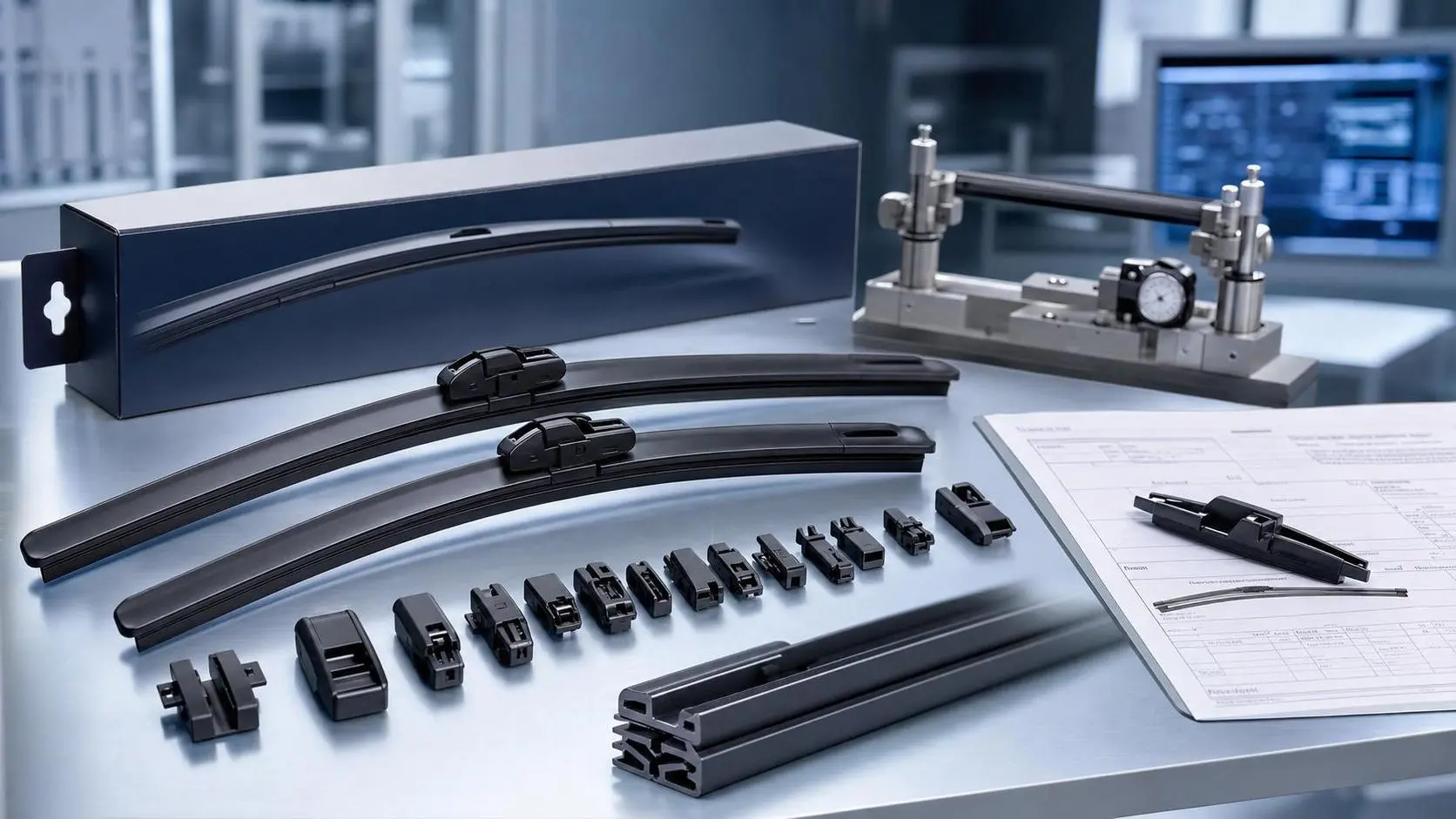
Flat Wiper Blades Wholesale Buying Guide: MOQ, Rubber Quality, Fitment, and Supplier Checks
Flat wiper blades wholesale buying guide covering MOQ, rubber quality, fitment accuracy, and supplier checks to reduce risk, improve margins, and choose reliable bulk partners.
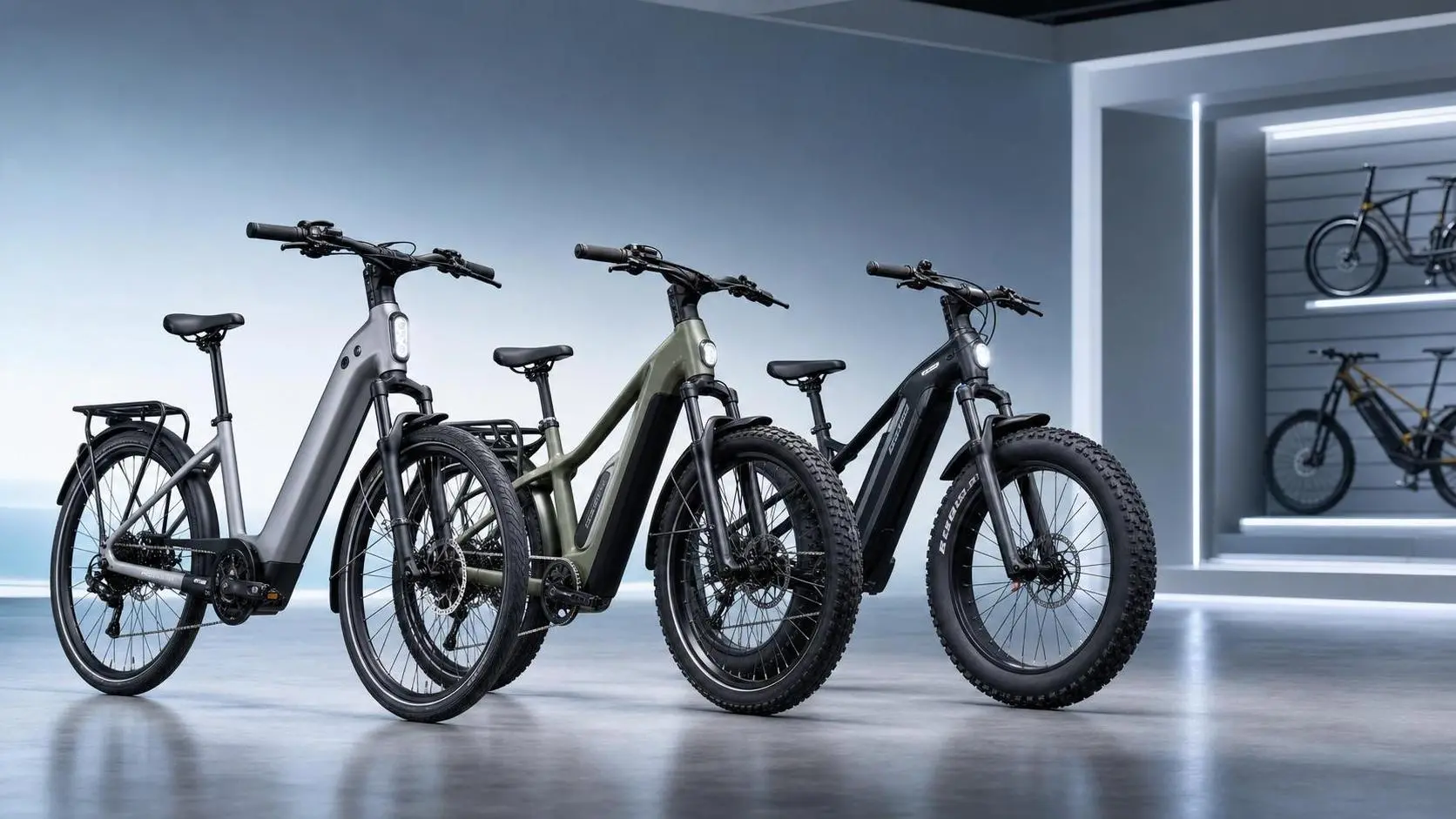
Ebike Market USA: What Dealers Should Know About Demand Shifts, Pricing, and Product Mix
ebike market USA is shifting fast. Discover how demand segmentation, pricing pressure, and smarter product mix decisions can help dealers protect margins and grow.
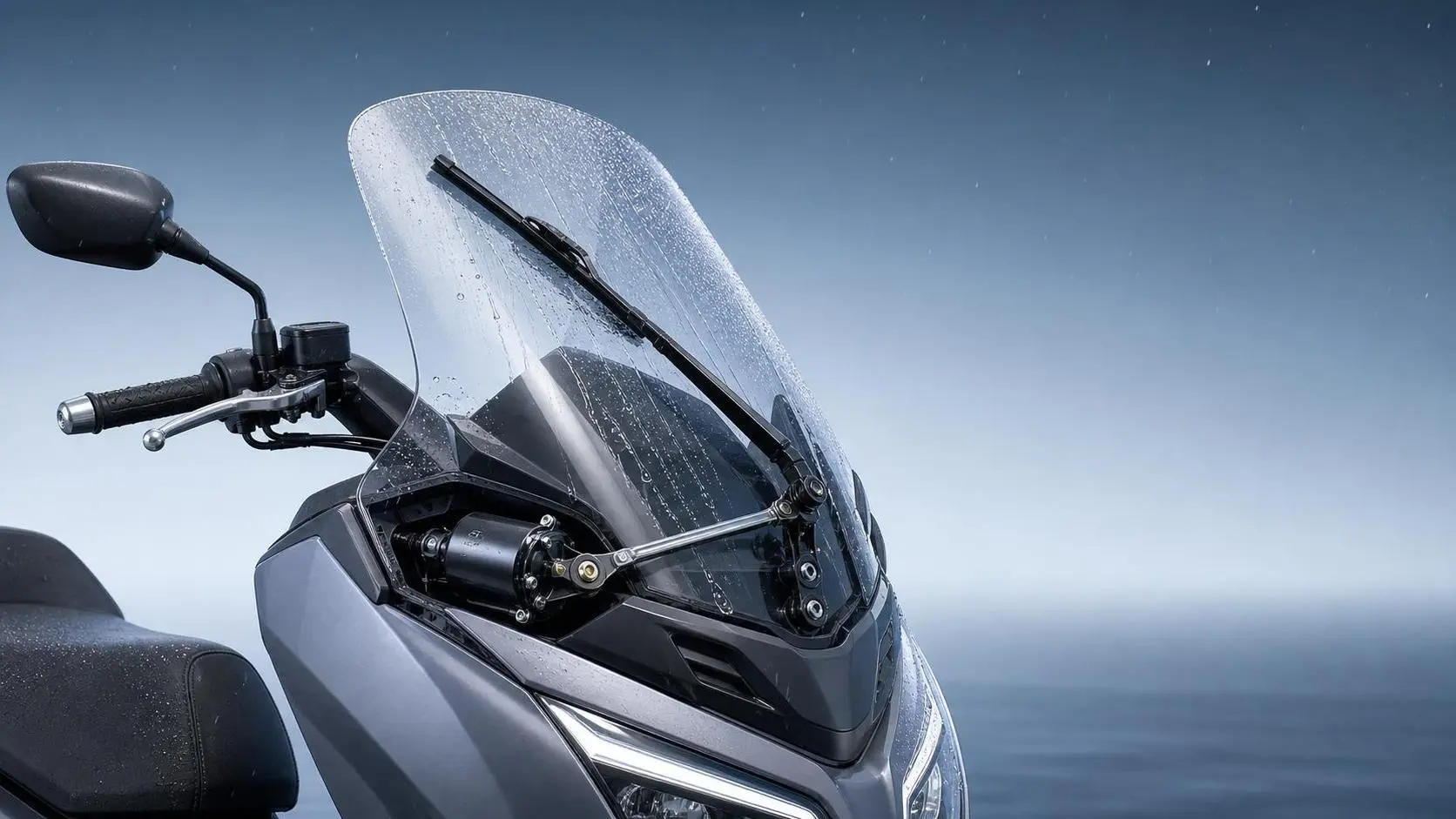
Wiper Systems for Scooters: Common Failure Points, Maintenance Tips, and Replacement Signs
Wiper systems for scooters: learn the most common failure points, smart maintenance tips, and clear replacement signs to improve visibility, reduce repeat repairs, and keep riders safer.
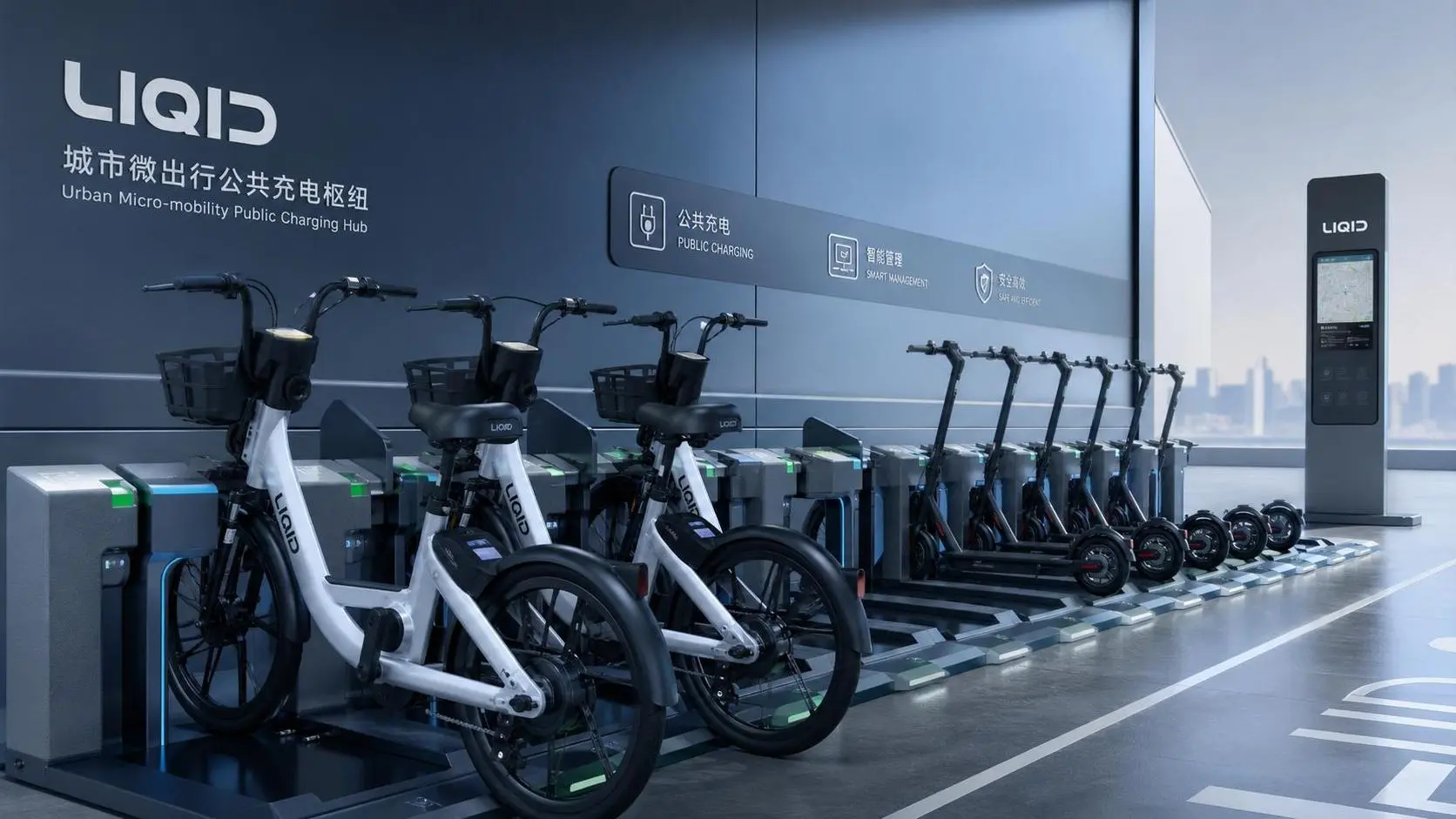
How to Choose Micro-Mobility Docking Stations for Shared Fleets and Public Charging Hubs
Micro-mobility docking stations: learn how to compare charging, locking, software, and site-fit factors to choose safer, smarter hubs for shared fleets and public use.
Powertrain Heat Management Explained: Key Design Factors for EV Efficiency and Battery Life
Powertrain heat management explained for EVs: discover how thermal design boosts efficiency, protects battery life, improves safety, and sustains real-world performance.
Urban Mobility Market Analysis: Demand Drivers, Policy Risks, and Revenue Models Compared
Urban mobility market analysis compares demand drivers, policy risks, and revenue models across e-bikes, scooters, and e-motorcycles to reveal where growth is durable.

Shared Mobility Compliance Checklist: Permits, Safety Rules, and Fleet Data Requirements
Shared mobility compliance made simple: explore a practical checklist for permits, safety rules, and fleet data requirements to launch faster, reduce risk, and stay audit-ready.
What Affects Ebike Energy Efficiency? Battery Size, Rider Weight, Terrain, and Speed
Ebike energy efficiency explained: learn how battery size, rider weight, terrain, and speed shape real-world range, lower Wh/km, and smarter buying or commuting decisions.
How to Choose an Electric Bicycle for City Commuting: Range, Motor, and Weight Explained
Electric bicycle buying guide for city commuting: learn how range, motor type, torque, and weight affect comfort, storage, and daily efficiency before you choose.