
Related News
- 00
0000-00
Wiper Systems for Scooters: Common Failure Points, Maintenance Tips, and Replacement Signs - 00
0000-00
How to Choose a Brushless Wiper Motor: Voltage, Torque, IP Rating, and Duty Cycle - 00
0000-00
Wiper Sensor Technology: How Rain Detection Works and What Affects Response Accuracy - 00
0000-00
Are smart wiper sensors worth the maintenance cost? - 00
0000-00
Do brushless motors really need less maintenance?
Visibility Safety Expert
Weekly Insights
Stay ahead with our curated technology reports delivered every Monday.
Wiper Systems for Scooters: Common Failure Points, Maintenance Tips, and Replacement Signs





Wiper Systems for Scooters: Common Failure Points, Maintenance Tips, and Replacement Signs
For aftermarket work, wiper systems for scooters deserve closer attention than they usually get.
A weak motor, worn blade, or loose linkage can quickly reduce visibility and raise rider risk.
In daily service, these faults often appear small at first.
But once rain, dust, or cold weather enters the picture, performance drops fast.
That is why understanding wiper systems for scooters matters for diagnosis, maintenance planning, and repeat-repair prevention.
This guide focuses on failure points, service routines, and the replacement signs that should not be ignored.
How Wiper Systems for Scooters Usually Work
Most wiper systems for scooters use a compact DC motor, a transmission or linkage set, an arm, and a blade.
Some designs also include a control relay, wiring harness, fuse, switch, and rain or light sensor.
On enclosed scooters and weather-protected urban vehicles, the system is often tightly packaged.
That compact layout improves space efficiency, but it also makes heat, vibration, and water intrusion more damaging.
From a service perspective, the key is to treat wiper systems for scooters as a moving electromechanical assembly.
Electrical faults and mechanical wear usually develop together, not separately.
Most Common Failure Points
1. Wiper motor fatigue
Motor fatigue is one of the most common issues in wiper systems for scooters.
It often starts with slower sweep speed, irregular movement, or overheating after short operating cycles.
Brush wear, internal corrosion, weak commutation, and moisture damage are typical root causes.
When the blade load increases, a tired motor usually shows the problem first.
2. Linkage and pivot wear
Linkage wear creates play, noise, and inconsistent wipe angles.
In many wiper systems for scooters, small joints work under constant vibration and limited lubrication.
That means looseness can build faster than expected, especially on vehicles used on rough city surfaces.
3. Blade rubber deterioration
Blade deterioration is easy to overlook because the system may still move normally.
However, cracked rubber, hardened edges, and uneven pressure quickly reduce clearing performance.
This is especially relevant for wiper systems for scooters exposed to UV, dust, and long outdoor parking cycles.
4. Arm misalignment and spring loss
A bent arm or weak spring changes contact pressure across the windshield surface.
The visible result is streaking, chattering, and missed edge zones during operation.
In practice, arm issues can mimic blade wear, so inspection should cover both parts together.
5. Wiring, connector, and switch faults
Electrical interruptions remain a frequent service problem in wiper systems for scooters.
Loose terminals, oxidized connectors, damaged insulation, and weak handlebar switches can cause intermittent wiping.
These faults become more obvious in wet climates or after repeated high-pressure cleaning.
6. Sensor and control module issues
On smarter models, sensor faults can trigger delayed wiping, false activation, or no response at all.
As wiper systems for scooters become more integrated, software logic and sensor calibration matter more during troubleshooting.
Practical Maintenance Tips That Reduce Repeat Repairs
The best maintenance routine is simple, consistent, and tied to actual operating conditions.
For wiper systems for scooters, preventive checks usually save more time than fault-based repairs.
- Clean the windshield and blade edge before testing system performance.
- Check arm torque and mounting security at every scheduled visibility inspection.
- Inspect wiring routes for chafing near steering movement points and body edges.
- Look for water entry marks around motor housing, connector seals, and switch areas.
- Measure current draw if sweep speed drops under normal load.
- Lubricate pivots only where the manufacturer allows it.
- Verify parked blade position after every repair involving linkage or motor removal.
One useful habit is to test dry movement only briefly.
Extended dry operation increases blade wear and can hide real contact issues.
A wet functional test gives a more realistic picture of how wiper systems for scooters behave in service.
Diagnostic Clues That Point to the Real Fault
Good diagnosis depends on matching the symptom with the likely failure path.
In real workshop conditions, symptoms often overlap.
That is why wiper systems for scooters should be checked as complete systems, not as isolated parts.
Clear Replacement Signs You Should Not Ignore
Some parts can be serviced.
Others should be replaced once performance or reliability crosses a clear threshold.
- Replace the blade when rubber cracks, splits, hardens, or leaves repeated streaks after cleaning.
- Replace the arm when spring force is weak or the frame is visibly bent.
- Replace the motor when current draw stays abnormal and output torque remains low.
- Replace linkages when joint play affects wipe accuracy or causes repeated noise.
- Replace connectors or switches when corrosion or heat damage has already started.
- Replace sensor units when false triggering continues after cleaning and recalibration.
A more serious sign is recurring customer feedback after recent service.
If wiper systems for scooters come back with the same visibility complaint, the original repair scope was probably too narrow.
Service Priorities in High-Use Urban Conditions
Urban micro-mobility vehicles face a harsh operating mix.
Frequent stops, outdoor storage, pollution, and tight usage schedules accelerate wear in wiper systems for scooters.
This is even more relevant for shared fleets and high-frequency commuter units.
In these cases, inspection intervals should be based on exposure and duty cycle, not only time.
From a broader industry view, visibility systems now carry more value because riders expect all-weather usability from compact electric platforms.
That also means aftermarket quality standards for wiper systems for scooters are rising.
Final Takeaway
Reliable wiper systems for scooters depend on more than a fresh blade.
Motor condition, linkage precision, arm pressure, sealing quality, and control integrity all matter.
When weak points are checked early, service accuracy improves and repeat visits decline.
The practical approach is straightforward: inspect the full system, confirm the root cause, and replace parts at the point where reliability starts to slip.
That approach keeps wiper systems for scooters performing consistently when visibility matters most.
Related News
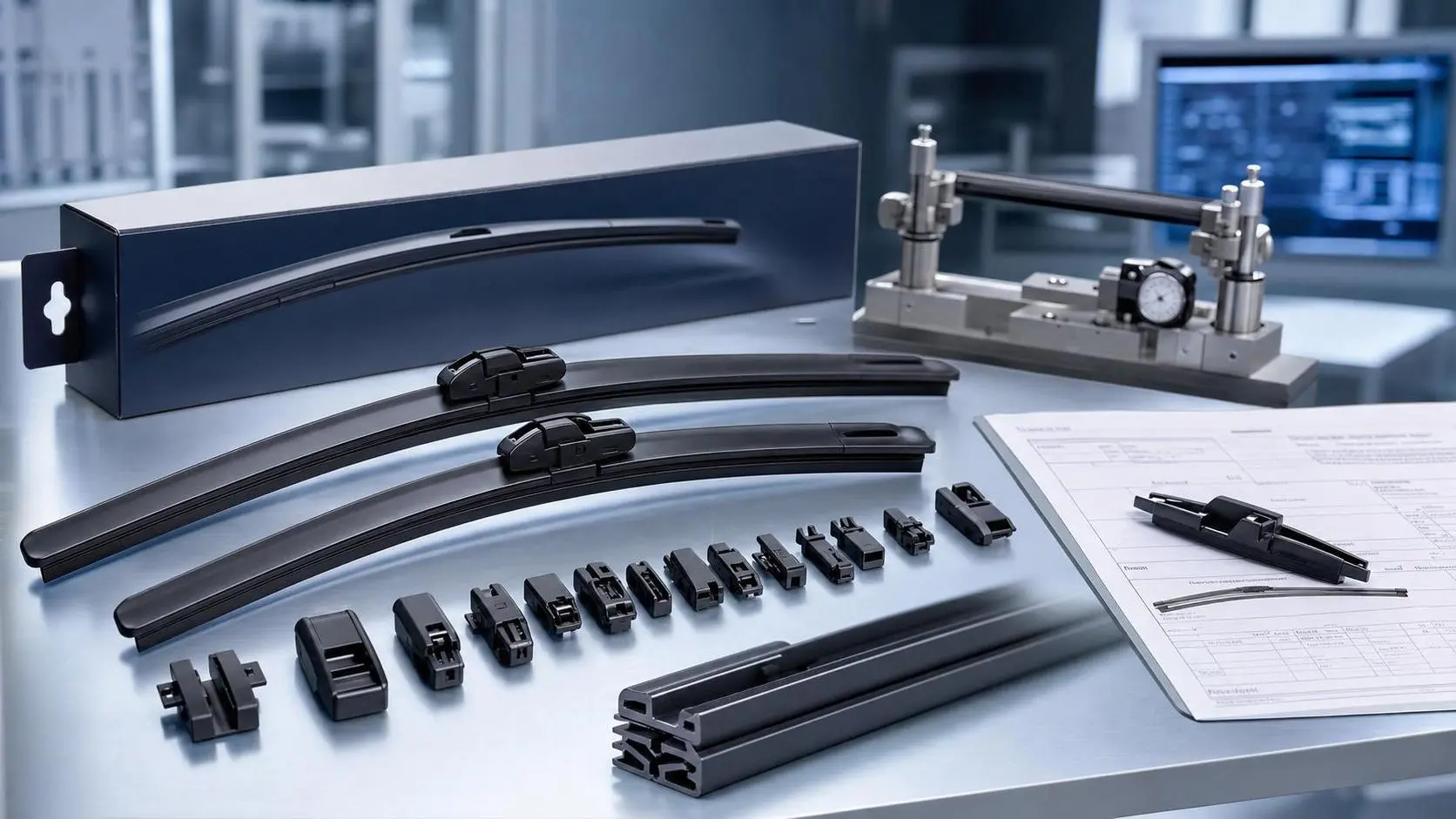
Flat Wiper Blades Wholesale Buying Guide: MOQ, Rubber Quality, Fitment, and Supplier Checks
Flat wiper blades wholesale buying guide covering MOQ, rubber quality, fitment accuracy, and supplier checks to reduce risk, improve margins, and choose reliable bulk partners.
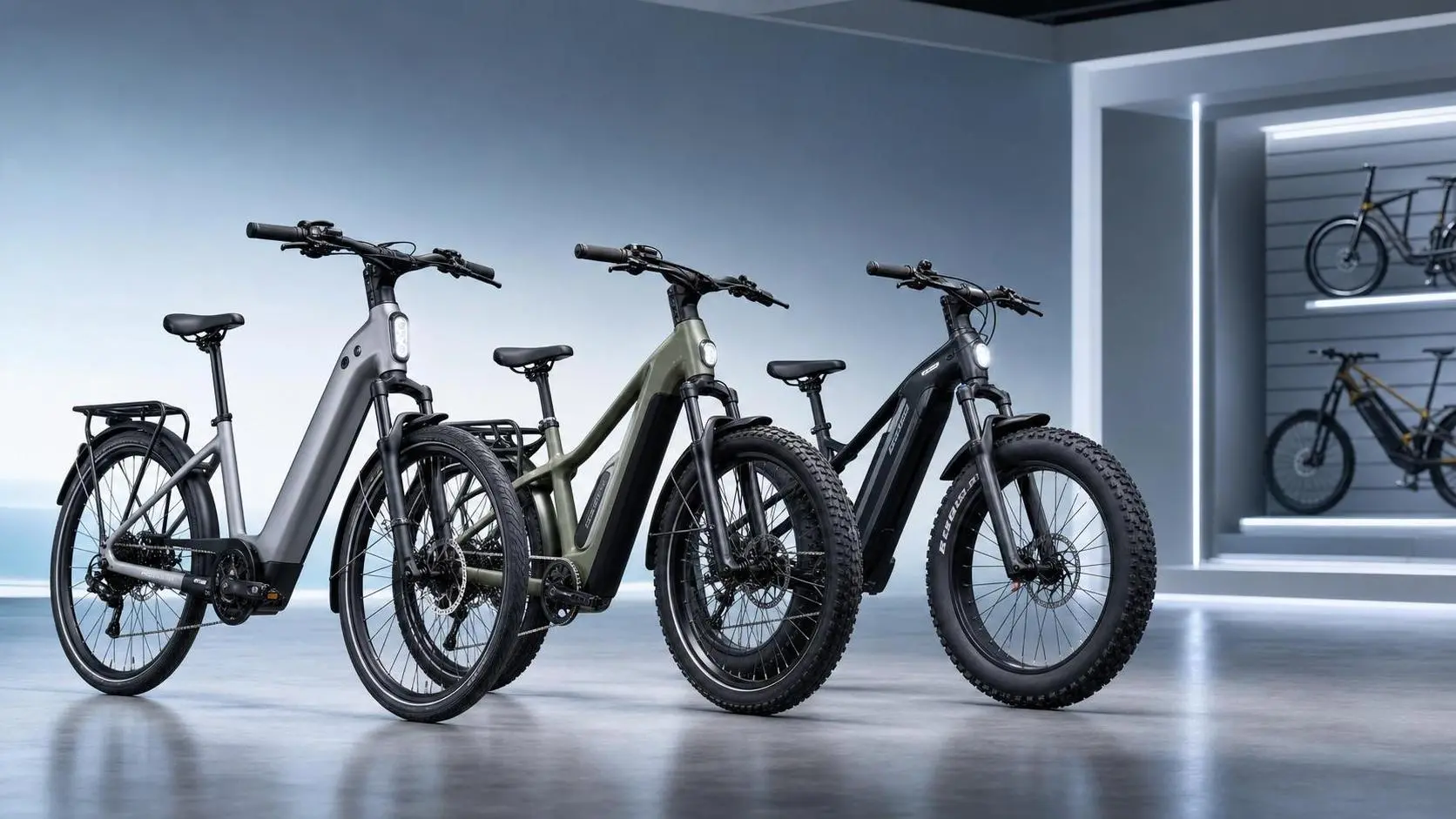
Ebike Market USA: What Dealers Should Know About Demand Shifts, Pricing, and Product Mix
ebike market USA is shifting fast. Discover how demand segmentation, pricing pressure, and smarter product mix decisions can help dealers protect margins and grow.

How to Choose Micro-Mobility Docking Stations for Shared Fleets and Public Charging Hubs
Micro-mobility docking stations: learn how to compare charging, locking, software, and site-fit factors to choose safer, smarter hubs for shared fleets and public use.
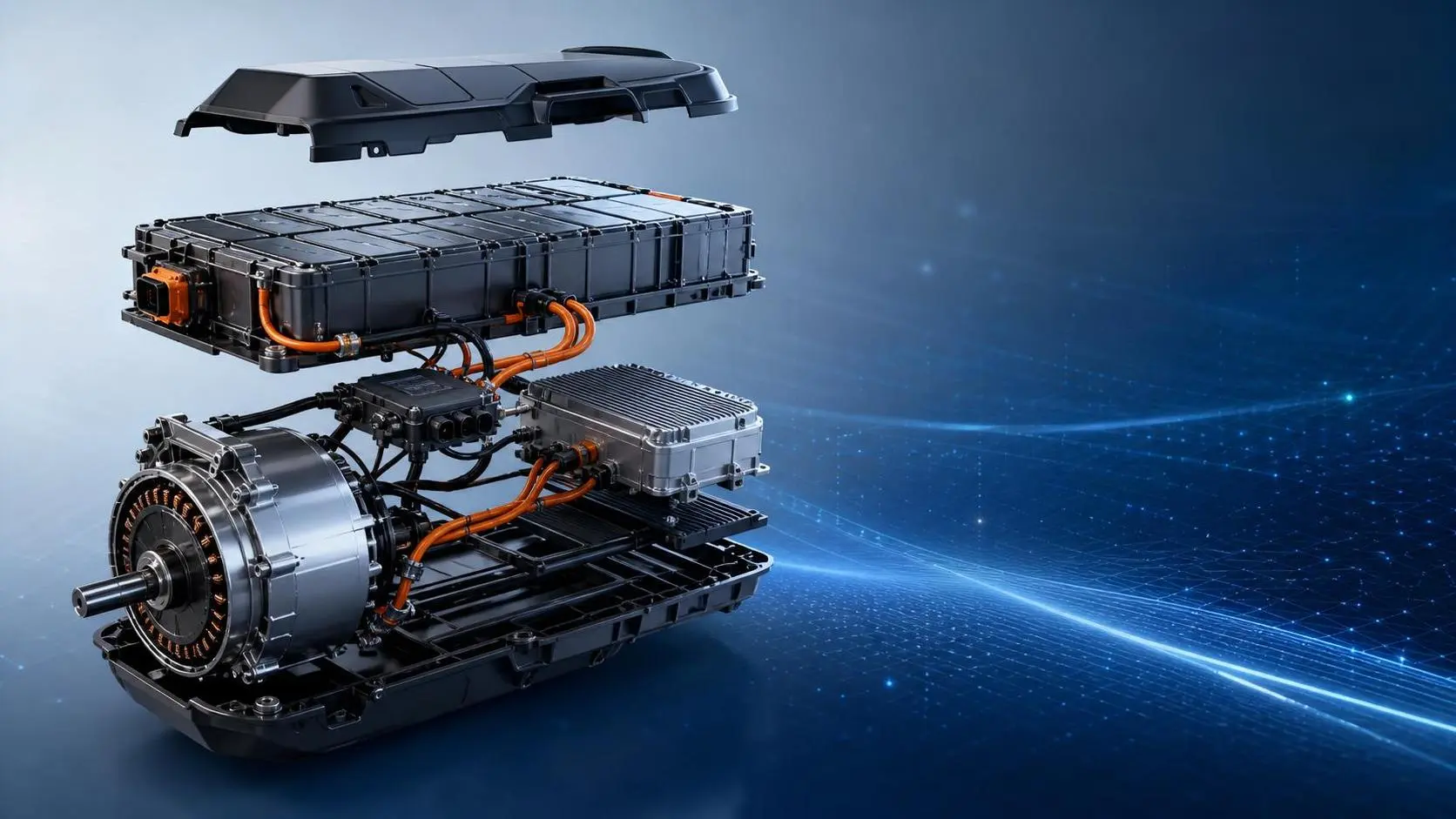
Powertrain Heat Management Explained: Key Design Factors for EV Efficiency and Battery Life
Powertrain heat management explained for EVs: discover how thermal design boosts efficiency, protects battery life, improves safety, and sustains real-world performance.
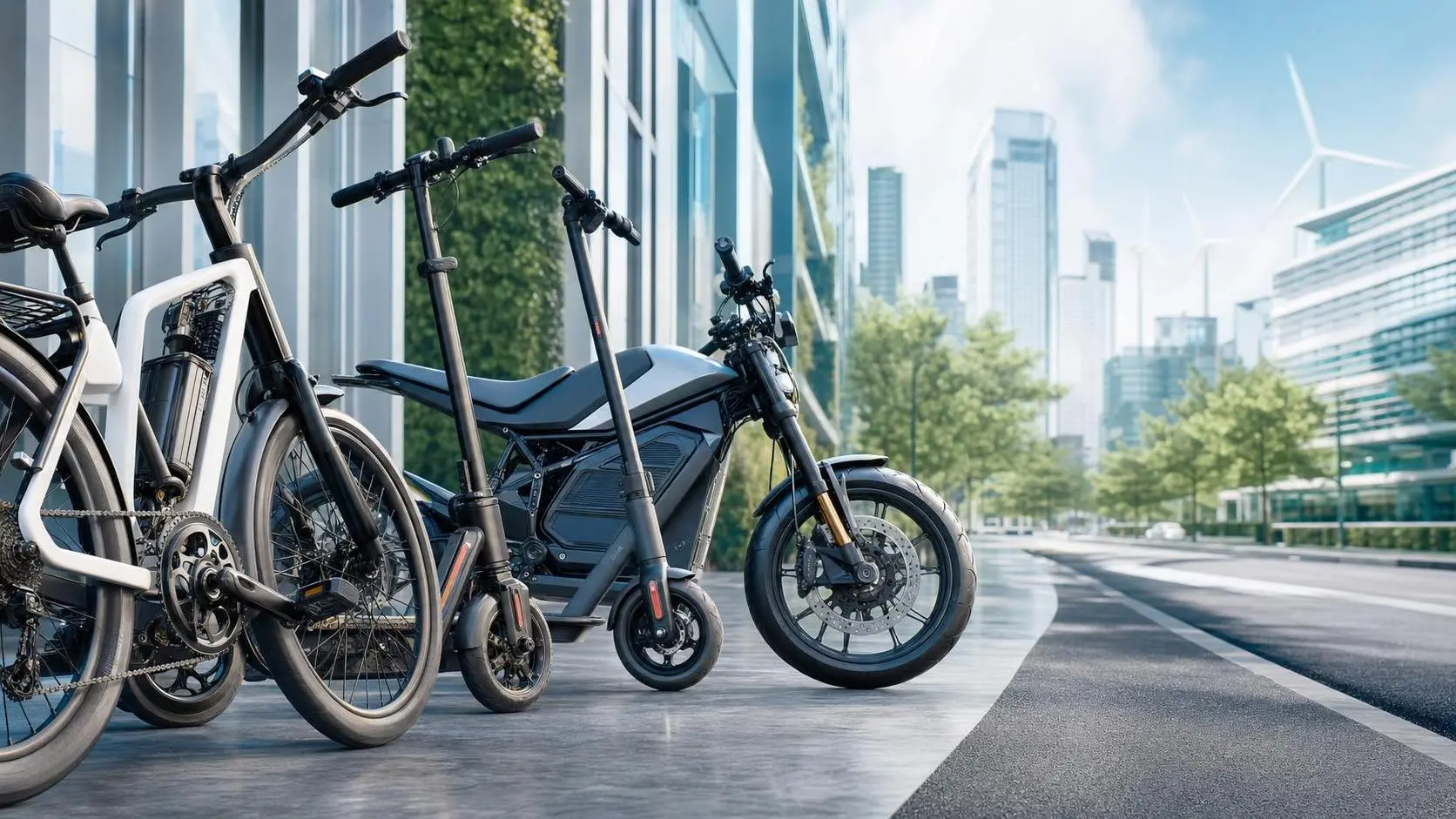
Urban Mobility Market Analysis: Demand Drivers, Policy Risks, and Revenue Models Compared
Urban mobility market analysis compares demand drivers, policy risks, and revenue models across e-bikes, scooters, and e-motorcycles to reveal where growth is durable.

Shared Mobility Compliance Checklist: Permits, Safety Rules, and Fleet Data Requirements
Shared mobility compliance made simple: explore a practical checklist for permits, safety rules, and fleet data requirements to launch faster, reduce risk, and stay audit-ready.
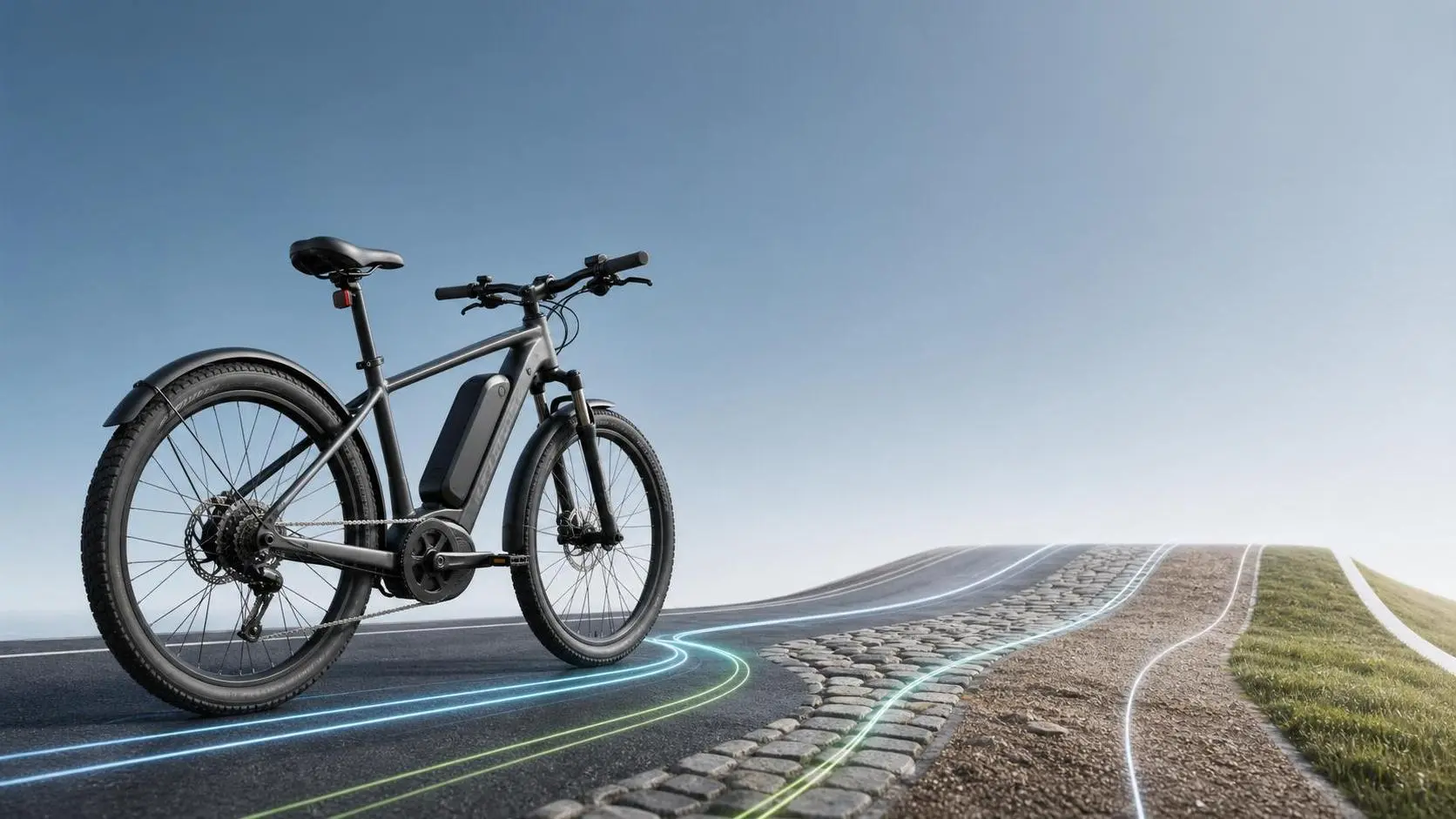
What Affects Ebike Energy Efficiency? Battery Size, Rider Weight, Terrain, and Speed
Ebike energy efficiency explained: learn how battery size, rider weight, terrain, and speed shape real-world range, lower Wh/km, and smarter buying or commuting decisions.
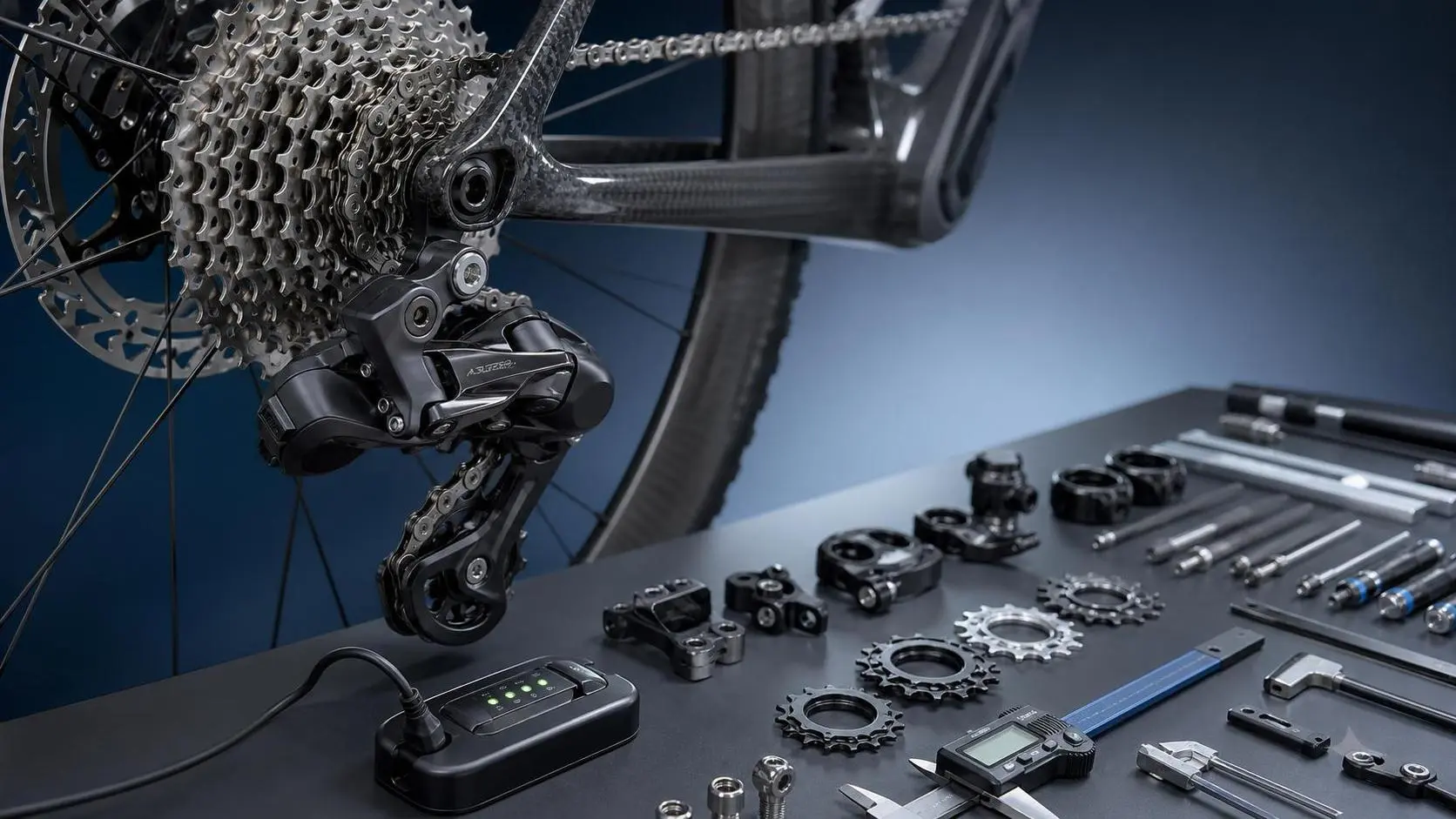
Wireless Electronic Shifting in North America: Compatibility, Standards, and Upgrade Limits
Wireless electronic shifting North America explained: compare compatibility, FCC/ISED standards, retrofit limits, and upgrade risks before choosing the right platform.
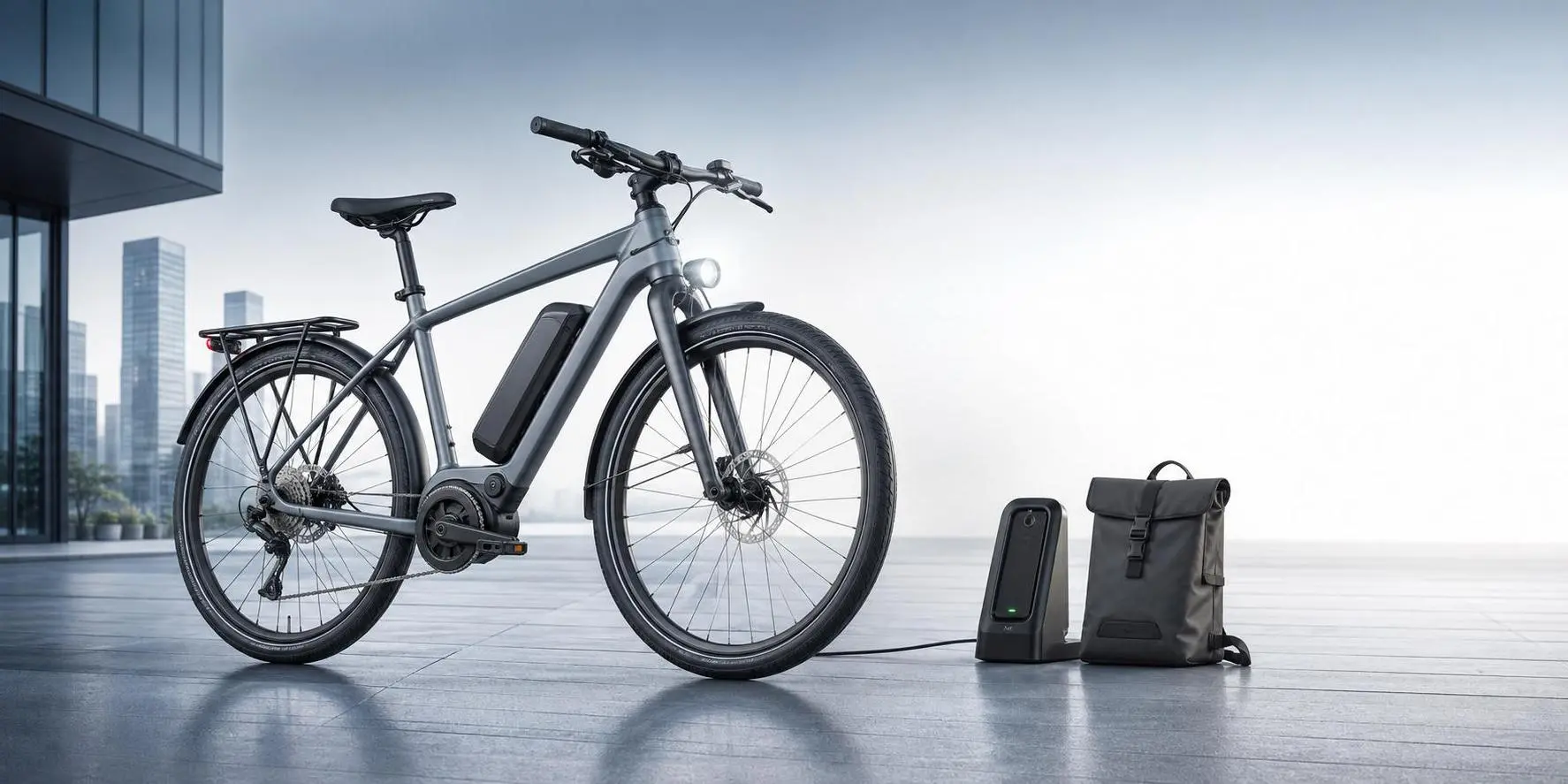
How to Choose an Electric Bicycle for City Commuting: Range, Motor, and Weight Explained
Electric bicycle buying guide for city commuting: learn how range, motor type, torque, and weight affect comfort, storage, and daily efficiency before you choose.