
Related News
- 00
0000-00
Mobility Efficiency Analysis: How to Measure Vehicle Use, Energy Cost, and Route Productivity - 00
0000-00
How to Evaluate a Brushless Wiper Motor Supplier for OEM Quality and Lead Time - 00
0000-00
How Do Photoelectric Wiper Sensors Work and Where Are They Most Effective? - 00
0000-00
How to Evaluate Core Component Suppliers for Electric Motorcycles Before Sourcing? - 00
0000-00
Electric Motorcycle Systems Price Breakdown: What Affects Cost From Battery to Controller?
Ms. Elena Rodriguez
Weekly Insights
Stay ahead with our curated technology reports delivered every Monday.
Aerodynamics Analysis for EV Design: Which Drag Parameters Matter Most?





Aerodynamics Analysis for EV Design: Which Drag Parameters Matter Most?
In EV design, aerodynamics analysis has moved far beyond quoting a single Cd value.
That headline number still matters, but it rarely tells the full engineering story.
For e-bikes, smart e-scooters, high-speed e-motorcycles, and compact urban EV platforms, drag behavior is more contextual.
The real question is simpler and harder at the same time.
Which drag parameters most directly affect range, thermal behavior, stability, noise, and control confidence?
That is where practical aerodynamics analysis becomes a decision tool rather than a marketing claim.
In real projects, especially in micro-mobility, small geometry changes can create surprisingly large system effects.
A battery cover edge, fork width, rider posture, windshield angle, or cargo box shape can shift the performance balance.
So the best aerodynamics analysis is not the broadest one.
It is the one that links drag metrics to actual product targets and operating conditions.
Why Cd Alone Is Not Enough
The drag coefficient, or Cd, is often the first output discussed in aerodynamics analysis.
It is useful, but it is not self-sufficient.
Cd describes shape efficiency relative to airflow, yet it ignores frontal size unless paired with area.
That is why two vehicles with similar Cd values can show different energy use on the road.
For compact electric mobility products, frontal area can vary significantly with rider position and accessory configuration.
A high handlebar, open basket, mirror placement, or upright seating posture can offset a good Cd result.
This also means aerodynamics analysis must reflect the use case, not just the bare vehicle body.
If the intended market uses windshields, cargo racks, or delivery boxes, test them early, not later.
The First Priority: CdA and Real Drag Force
If one parameter deserves top priority, it is CdA.
CdA combines drag coefficient with frontal area, making it far more useful than Cd alone.
In practical aerodynamics analysis, CdA gives a closer view of how much air resistance the vehicle must overcome.
This matters because aerodynamic drag rises sharply with speed.
At city speeds, rolling resistance can still dominate.
At medium and high speeds, drag force becomes the larger penalty.
That transition is especially important for high-speed e-motorcycles and fast commuter platforms.
A lower CdA directly supports longer range, lower battery discharge demand, and more stable thermal loads.
For evaluation work, compare CdA across rider positions, crosswind conditions, and load variants.
That approach produces a much more realistic design judgment than comparing a single nominal Cd point.
Pressure Drag Often Dominates Small EV Forms
In many electric mobility applications, pressure drag matters more than skin friction drag.
That is because bluff shapes, exposed components, and rider interference trigger airflow separation.
Once the boundary layer separates too early, the wake grows, and drag increases quickly.
This is a common issue with front baskets, battery housings, mirrors, fork crowns, and underbody discontinuities.
Good aerodynamics analysis should therefore track separation zones and wake structure, not only final force numbers.
Pressure coefficient distribution is especially useful here.
It shows where local pressure recovery fails and where geometry refinement may produce the best return.
In recent development work, smoother transitions usually outperform isolated streamlining details.
A cleaner flow path often saves more energy than adding multiple decorative aerodynamic elements.
Lift, Side Force, and Yaw Sensitivity Matter Too
A narrow focus on drag can hide serious control problems.
That is why aerodynamics analysis should also include lift coefficient, side force, and yaw moment behavior.
For two-wheelers and lightweight urban EVs, crosswind sensitivity can affect rider confidence more than small range gains.
A design that looks efficient in straight airflow may behave poorly at yaw angles.
This becomes more visible with tall screens, boxy cargo modules, and large side panels.
The key is not eliminating all side force.
The key is making those forces predictable, gradual, and easy to correct.
In technical reviews, ask how the design responds at several yaw angles, not just zero degrees.
That single question often separates polished engineering from surface-level optimization.
Cooling Drag and Thermal Trade-Offs
Another parameter that deserves more attention is cooling drag.
Battery packs, controllers, motors, and braking systems all need thermal management, especially under repeated load.
Openings that improve cooling can also raise drag if airflow is poorly guided.
That is why aerodynamics analysis must connect external flow with internal ventilation paths.
This matters even more for enclosed battery compartments and densely packaged high-speed platforms.
Poor vent placement can create both thermal hotspots and unnecessary aerodynamic losses.
A better approach is to evaluate mass flow rate, pressure drop, and exit flow quality together.
From a system view, the best design is not always the lowest drag body.
It is the design that balances range efficiency with safe thermal performance across real duty cycles.
Surface Details, Wheels, and Underbody Flow
Not every drag loss comes from the obvious outer silhouette.
Rotating wheels, suspension gaps, exposed cables, and rough underbody regions can all disturb airflow.
For micro-mobility products, those details are often proportionally large relative to total vehicle size.
That makes them highly relevant in aerodynamics analysis.
Wheel drag can be surprisingly important because of rotation, turbulence generation, and interaction with forks or fenders.
Underbody flow also deserves closer attention than it usually gets.
Battery trays, controller covers, and structural cross-members can create local recirculation zones.
When these zones interact with rear wake flow, overall drag may increase beyond expectations.
In practice, smoother routing and cleaner packaging often deliver better results than adding extra fairings later.
Which Metrics Should Be Reviewed First?
A useful aerodynamics analysis review should focus on a short list of metrics before expanding into deeper detail.
- CdA across baseline and loaded configurations.
- Drag force at target cruising speeds.
- Lift, side force, and yaw moment at realistic crosswind angles.
- Pressure distribution and visible separation regions.
- Cooling airflow effectiveness versus drag penalty.
- Sensitivity to rider posture, accessories, and cargo additions.
This sequence keeps the work practical.
It also aligns better with product decisions in fast-moving EV programs.
A Simple Decision Table for Technical Review
How to Use Aerodynamics Analysis More Effectively
The most effective aerodynamics analysis starts with the right questions.
What speed band matters most?
What rider posture is typical?
Which accessories are mandatory in the sales mix?
How much thermal margin is needed in summer traffic or sustained hill climbing?
These questions prevent over-optimization around a narrow lab condition.
They also help teams compare design changes on business value, not just simulation aesthetics.
For platforms covered by UMMS, this is increasingly important.
Urban mobility products now face tighter efficiency expectations, more diverse duty cycles, and stronger user sensitivity to comfort.
That means aerodynamics analysis should be integrated early with battery, drivetrain, and structural packaging decisions.
When handled this way, it stops being a late validation task.
It becomes a strategic filter for product quality, efficiency, and market readiness.
Final Takeaway
The most important outcome of aerodynamics analysis is not a pretty chart.
It is a better engineering decision.
In most EV programs, CdA deserves first attention.
After that, pressure drag, yaw sensitivity, lift behavior, and cooling drag usually determine whether the design works in reality.
That is especially true in micro-mobility, where exposed geometry and real-world variability magnify every airflow compromise.
A disciplined aerodynamics analysis helps teams judge trade-offs earlier, reduce redesign risk, and build stronger EV products.
If the goal is smarter mobility with better efficiency, this is one of the clearest places to start.
Related News
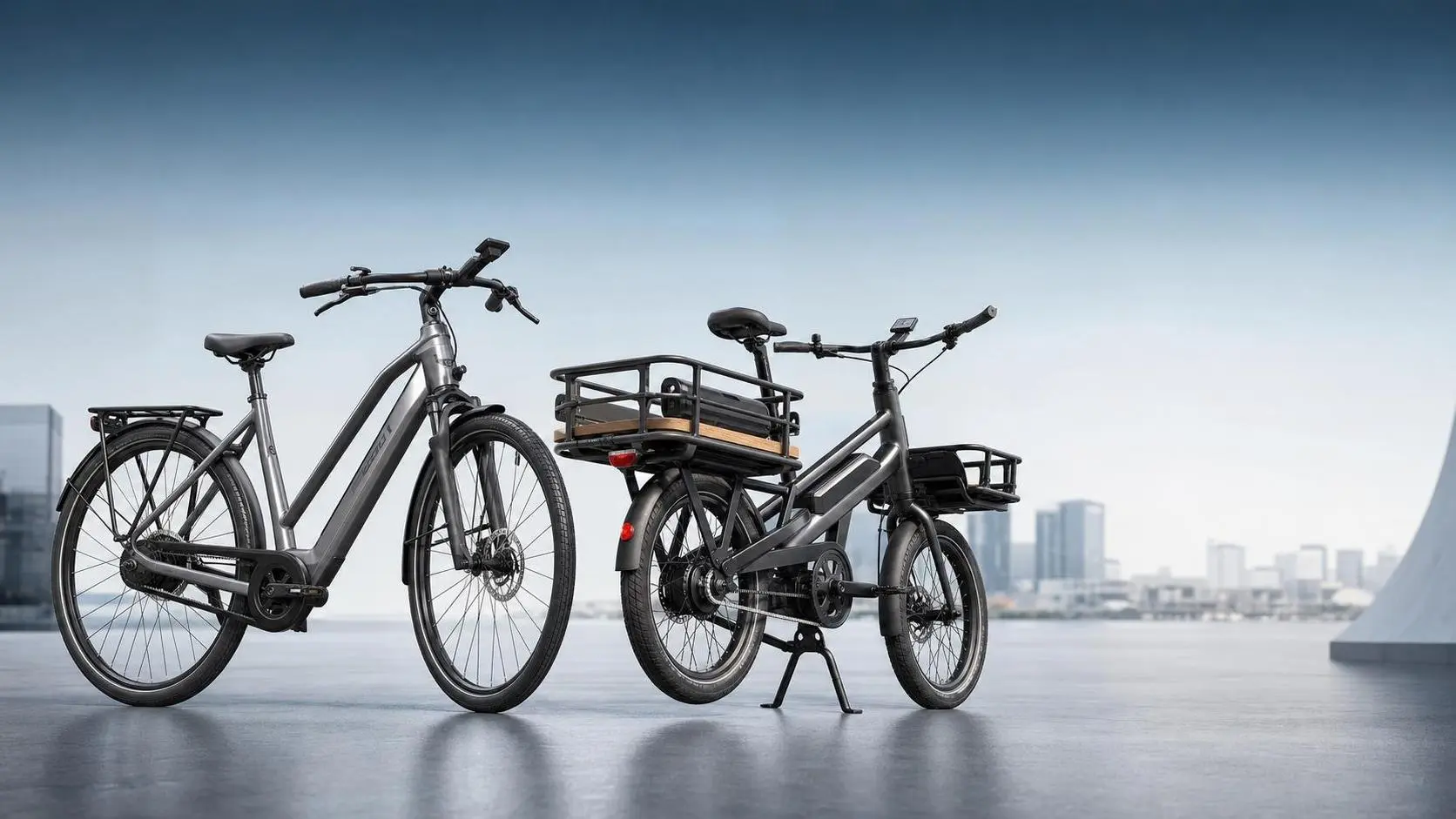
How to Evaluate Low-Maintenance Gearing Options for Europe’s Urban and Utility E-Bikes
low-maintenance gearing Europe explained: compare hub, belt, chain, and protected systems for urban and utility e-bikes to cut service needs, improve uptime, and choose the right setup.

Micro-Mobility Trends Forecast: What Fleet Operators Should Watch Through 2030
Micro-mobility trends forecast for fleet operators through 2030: discover key shifts in batteries, regulation, durability, connectivity, and demand to reduce risk and scale smarter.

Mobility Efficiency Analysis: How to Measure Vehicle Use, Energy Cost, and Route Productivity
Mobility efficiency analysis reveals how to measure vehicle use, energy cost, and route productivity to cut waste, improve fleet performance, and make smarter urban mobility decisions.
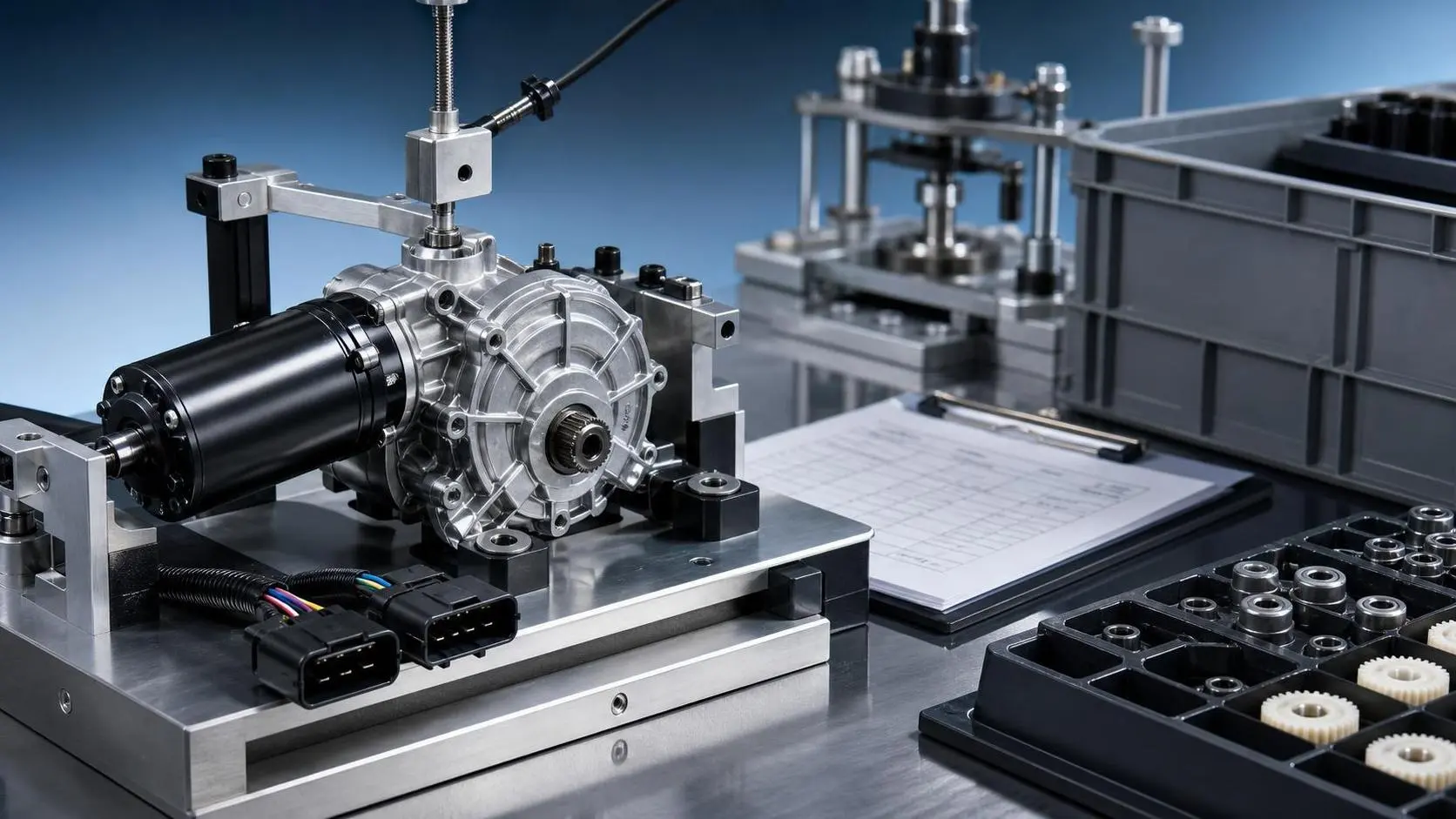
How to Evaluate a Brushless Wiper Motor Supplier for OEM Quality and Lead Time
Brushless wiper motor supplier selection made easier: learn how to assess OEM quality, engineering support, compliance, and lead time to reduce sourcing risk.
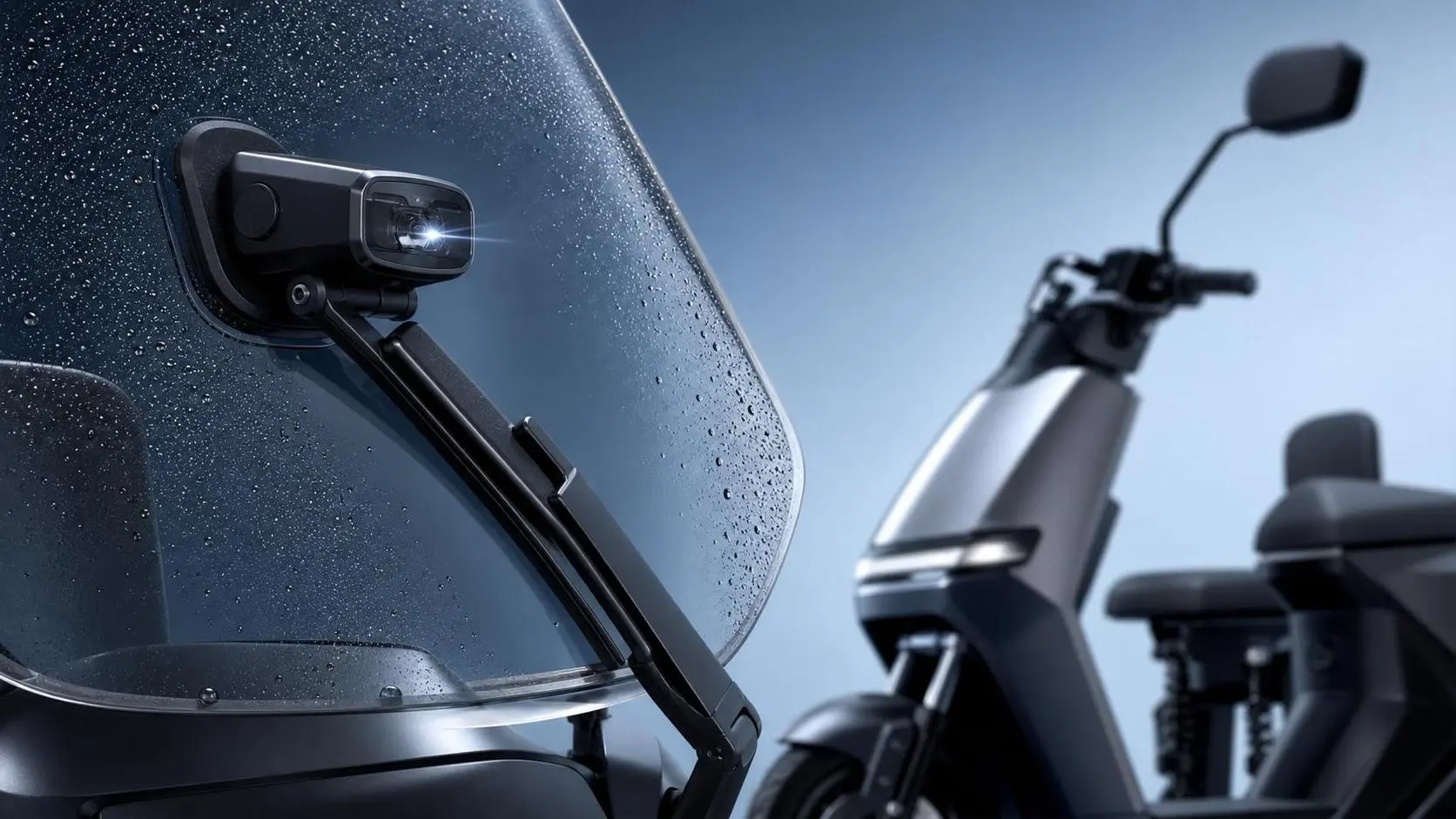
How Do Photoelectric Wiper Sensors Work and Where Are They Most Effective?
Photoelectric wiper sensors explained: learn how they detect rain, reduce false triggers, and deliver the best visibility gains in urban EVs, e-bikes, fleets, and smart mobility.

How Battery-Swapping Networks Reduce Downtime in Shared Fleet Scooter Operations
Battery-swapping networks cut scooter fleet downtime by speeding field turnaround, improving uptime in peak zones, and helping operators optimize labor, battery rotation, and service efficiency.
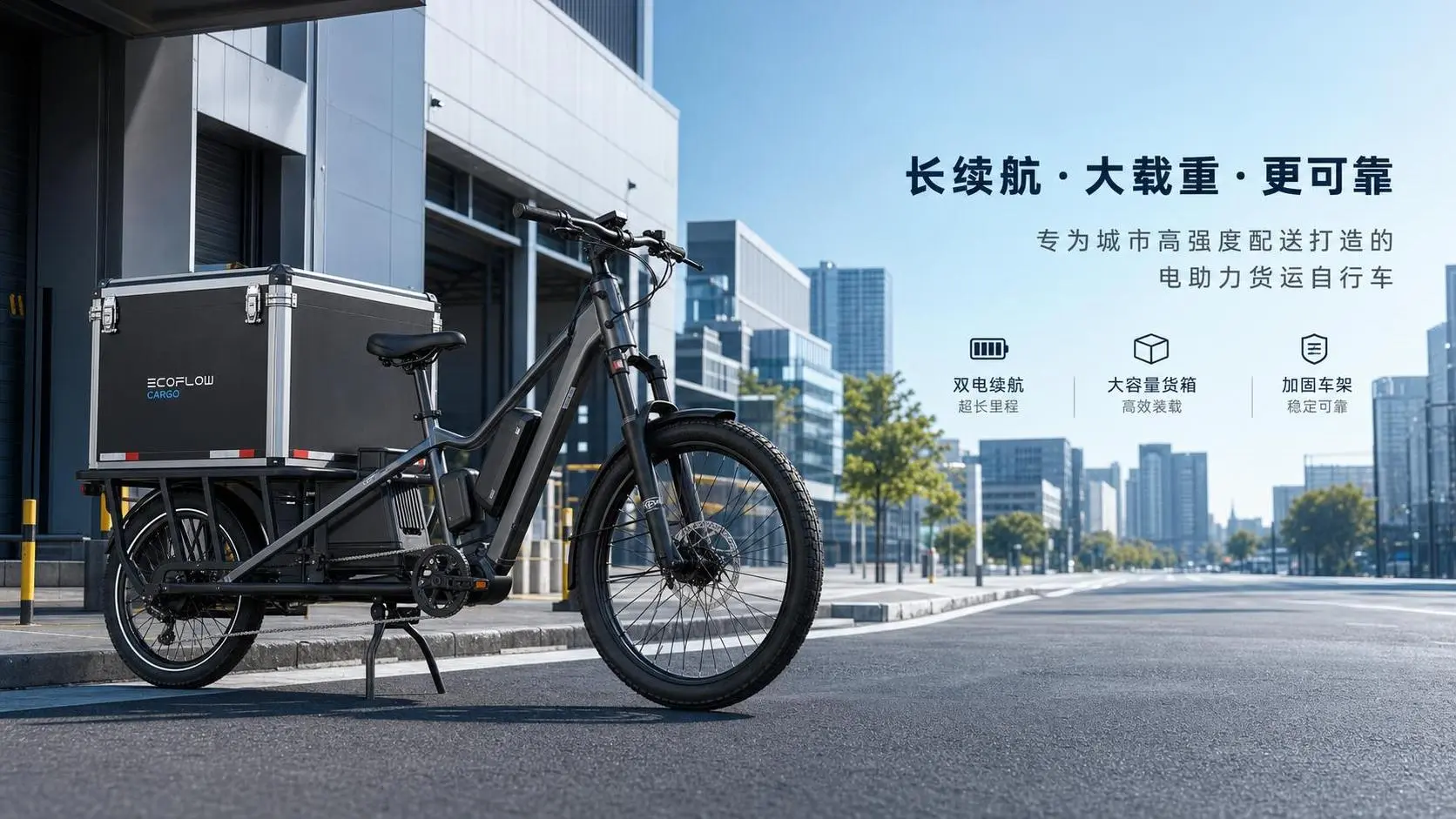
How to Choose a Long-Range Commercial Cargo E-Bike for Delivery Operations
Commercial cargo e-bike long range buying guide: learn how to assess battery, payload, route fit, and uptime support to choose a reliable delivery model with lower operating costs.
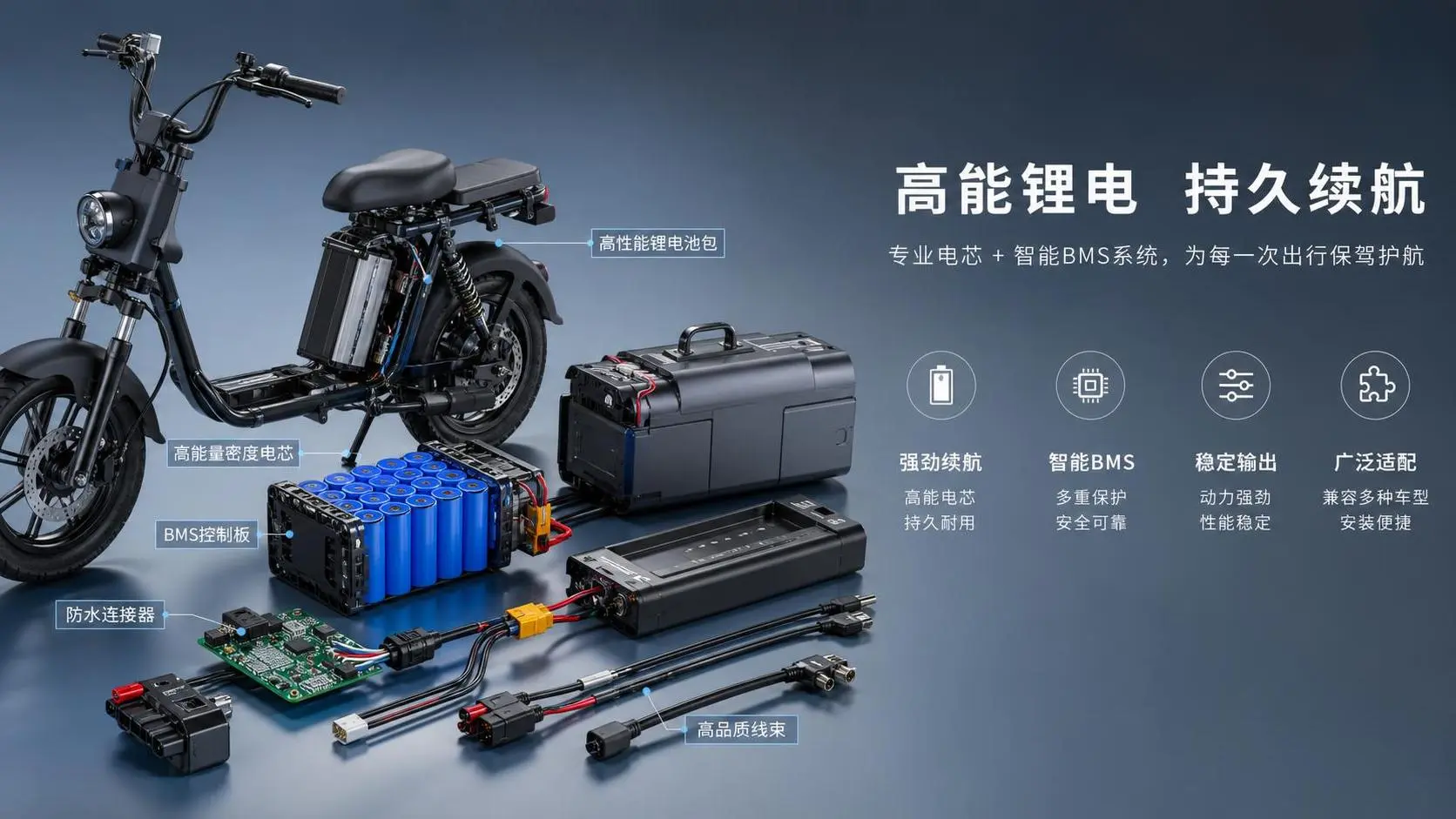
How to Select the Right E-Bike Battery Components for Range, Safety, and Fit?
E-bike component selection battery guide: learn how to choose the right battery components for better range, stronger safety, and perfect fit across modern e-bike platforms.
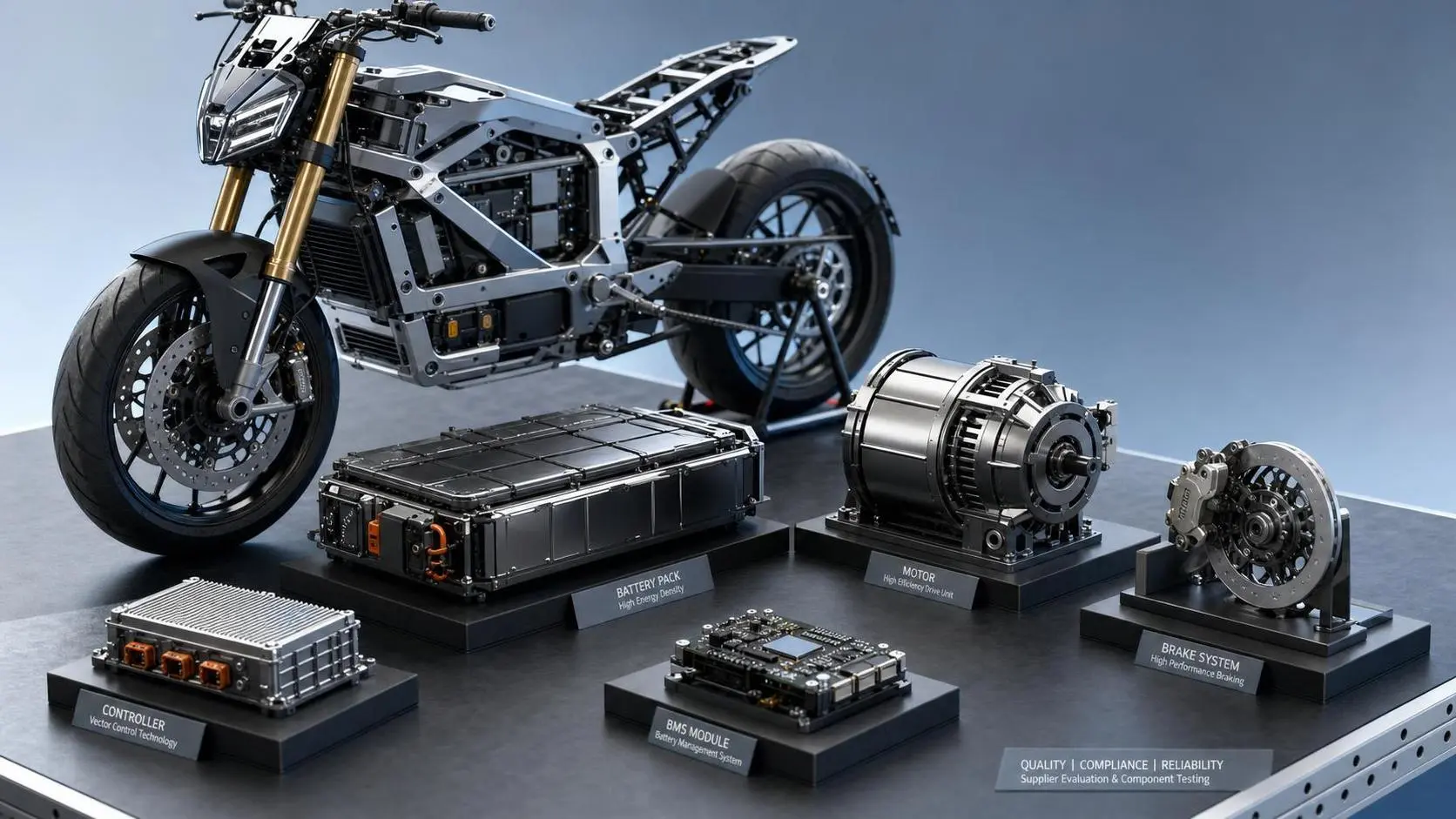
How to Evaluate Core Component Suppliers for Electric Motorcycles Before Sourcing?
Core component suppliers for electric motorcycles can make or break safety, compliance, and delivery. Learn how to assess technical strength, certifications, quality control, and hidden sourcing risks before you buy.