
Related News
- 00
0000-00
Battery Swapping vs Fast Charging: Which Lowers Fleet Downtime and Operating Costs? - 00
0000-00
Battery Technology Trends for Swappable Scooters: Energy Density, Charging Speed, and Cycle Life - 00
0000-00
How Battery-Swapping Networks Work for Urban Fleets: Cost, Uptime, and Site Planning - 00
0000-00
Can battery-swapping networks reduce fleet downtime? - 00
0000-00
What makes a high-density battery safer in daily use?
Electric Powertrain Analyst
Weekly Insights
Stay ahead with our curated technology reports delivered every Monday.
Battery Swapping vs Fast Charging: Which Lowers Fleet Downtime and Operating Costs?





Battery Swapping vs Fast Charging: Which Lowers Fleet Downtime and Operating Costs?
For fleet operators under pressure to cut idle time, the choice is now strategic, not merely technical.
Battery swapping and fast charging both support electric fleets, yet they shape uptime, labor, and cost in very different ways.
The better option depends on route density, asset utilization, grid conditions, and how quickly a network must scale.
In urban micro-mobility, this matters even more.
E-bikes, smart e-scooters, and high-speed e-motorcycles earn value only when they stay moving.
Every extra minute off-road affects service levels, vehicle productivity, and operating margin.
From a procurement and cost perspective, the main question is simple.
Which model lowers fleet downtime and total operating costs over time, not just on paper?
Why Downtime Is the Real Cost Driver
Many buying decisions still focus too heavily on charger speed or battery price.
That misses the bigger picture.
Downtime includes waiting for energy, moving vehicles, scheduling labor, and recovering underused assets.
In high-frequency fleets, lost availability can cost more than electricity or battery depreciation.
This is especially true for delivery fleets, shared scooters, and premium commuter services.
- Less downtime means more trips per vehicle per day.
- More trips improve revenue per battery and per chassis.
- Higher utilization spreads fixed infrastructure costs more efficiently.
- Better vehicle availability reduces the need for excess backup units.
That is why battery swapping often enters the conversation once fleets move beyond pilot scale.
How Fast Charging Performs in Real Fleet Operations
Fast charging looks attractive because the concept is familiar and the ecosystem is broader.
It avoids battery inventory complexity and can fit existing depot routines.
For lower-use fleets, this simplicity is a real advantage.
However, in actual operations, fast charging has limits.
Vehicles still remain stationary during charging windows.
Even short sessions can create queuing at depots or curbside hubs.
When utilization rises, those queues turn into operational friction.
The impact grows when fleets run through lunch peaks, commuter surges, or evening delivery waves.
Where Fast Charging Works Best
- Depot-based fleets with predictable overnight charging windows.
- Operations with moderate daily mileage and low peak turnover.
- Markets where standardized battery swapping infrastructure is not yet available.
- Procurement teams prioritizing lower upfront system complexity.
Where Fast Charging Can Increase Costs
- High-demand fleets needing near-continuous vehicle use.
- Sites with weak grid capacity or expensive power upgrades.
- Multi-shift operations that cannot afford charging dwell time.
- Battery systems exposed to frequent high-rate charging stress.
In short, fast charging can be cost-effective, but only when operational tempo allows vehicles to wait.
How Battery Swapping Changes the Downtime Equation
Battery swapping is built around one core promise.
Keep the vehicle in service while energy replenishment happens elsewhere.
That difference is powerful.
Instead of waiting for a charge, riders or staff replace a depleted pack with a ready one.
The process can take minutes, sometimes less.
That improves fleet availability, route continuity, and shift planning.
For dense urban networks, battery swapping often aligns better with real operating rhythms.
It is especially relevant for shared smart e-scooters, subscription e-bikes, and high-speed e-motorcycles.
Operational Benefits of Battery Swapping
- Cuts idle time dramatically during active service hours.
- Supports multi-shift operations without long charging breaks.
- Moves charging activity to controlled back-end environments.
- Helps balance battery health through managed charging cycles.
- Reduces pressure on high-power charging points at each parking location.
There is a trade-off, of course.
Battery swapping requires standardized packs, swap stations, spare battery inventory, and software coordination.
Still, when utilization is high, these added layers can pay back faster than expected.
Comparing Operating Costs Beyond the Charger Price
Upfront equipment pricing rarely tells the full story.
A practical comparison must include energy delivery, labor, asset utilization, maintenance, and battery lifecycle effects.
Battery swapping usually wins on uptime.
Fast charging often wins on system simplicity.
The cost leader depends on how expensive idle vehicles are within the business model.
That is the key procurement lens.
Battery Swapping and Fast Charging by Fleet Type
Not every fleet should make the same choice.
The right model depends on duty cycle, station density, rider behavior, and local infrastructure economics.
Shared E-Scooter Fleets
Battery swapping is often stronger here.
It avoids collecting vehicles just to recharge them.
That lowers logistics costs and keeps more assets deployed.
Commercial E-Bike Delivery Fleets
Battery swapping supports continuous use across lunch and evening peaks.
Fast charging fits better when routes are fixed and breaks are built into schedules.
High-Speed E-Motorcycle Fleets
Battery swapping becomes more compelling as energy demand rises.
Large batteries take longer to charge, making downtime more costly.
Campus or Closed-Loop Fleets
Fast charging may be enough.
When daily mileage is low and vehicles return to base predictably, complexity should stay minimal.
Key Procurement Questions Before Choosing Battery Swapping
A smart decision starts with operational data, not technology hype.
Before selecting battery swapping or fast charging, test these questions internally.
- How many revenue hours are lost per vehicle during charging dwell time?
- What is the true cost of adding spare vehicles to cover downtime?
- Can the local grid support rapid charging without expensive upgrades?
- Is battery standardization possible across current and future vehicle platforms?
- How much labor is spent moving, plugging, collecting, and rebalancing vehicles?
- Will the network expand into dense urban zones where uptime matters more?
If downtime is already creating hidden costs, battery swapping deserves serious attention.
If operations remain slow, predictable, and depot-centric, fast charging may still be the better buy.
The Practical Decision for Lower Cost and Higher Availability
There is no universal winner.
But there is a consistent pattern.
Fast charging works best where fleet utilization is moderate and charging windows are predictable.
Battery swapping works best where vehicle availability is mission-critical and every idle minute carries economic weight.
For many urban fleets, especially in micro-mobility, that signal is becoming clearer.
Battery swapping can reduce downtime more effectively and protect operating margins as networks grow.
The stronger the utilization pressure, the stronger the case becomes.
The most practical next step is to model both options using real route, labor, and grid data.
That side-by-side view usually reveals where battery swapping creates measurable value.
In procurement, the lowest-cost energy system is not always the one with the cheapest charger. It is the one that keeps the fleet earning.
Related News
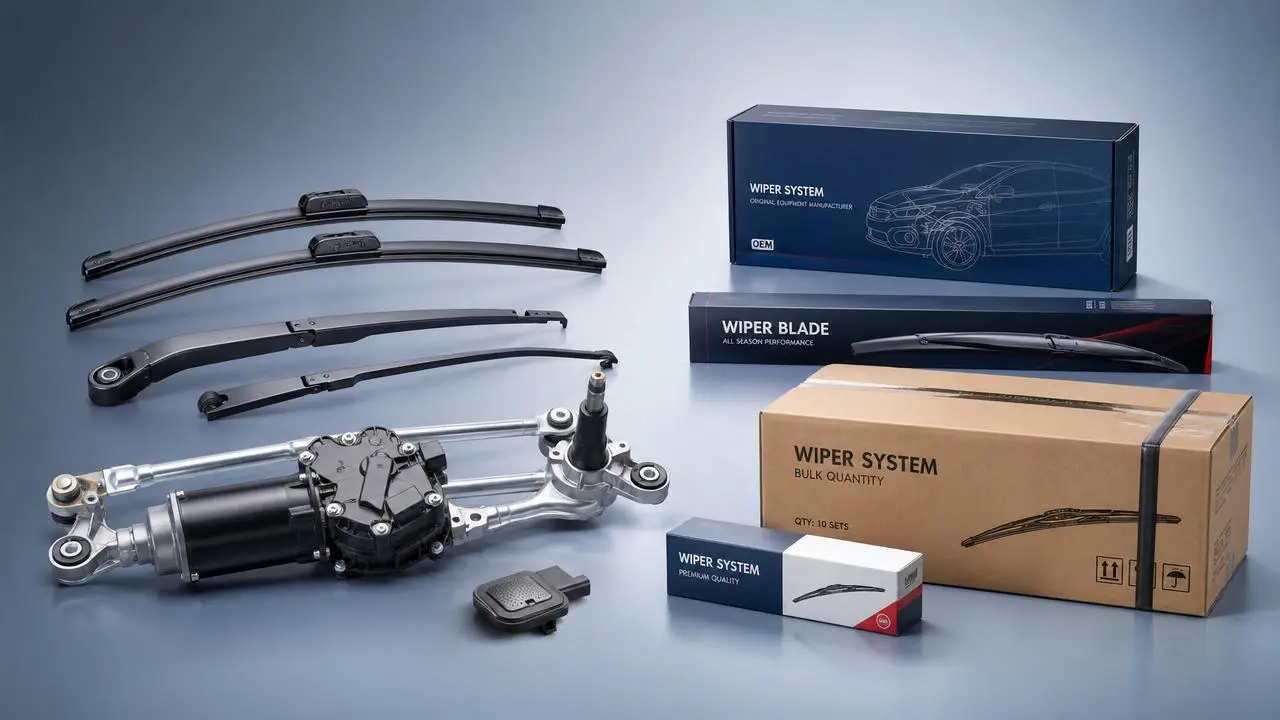
Wiper System Price Breakdown: What Changes Cost Across OEM, Aftermarket, and Fleet Orders
Wiper system price explained: compare OEM, aftermarket, and fleet costs, uncover hidden charges, and learn how to choose suppliers for better value, lower risk, and smarter sourcing.
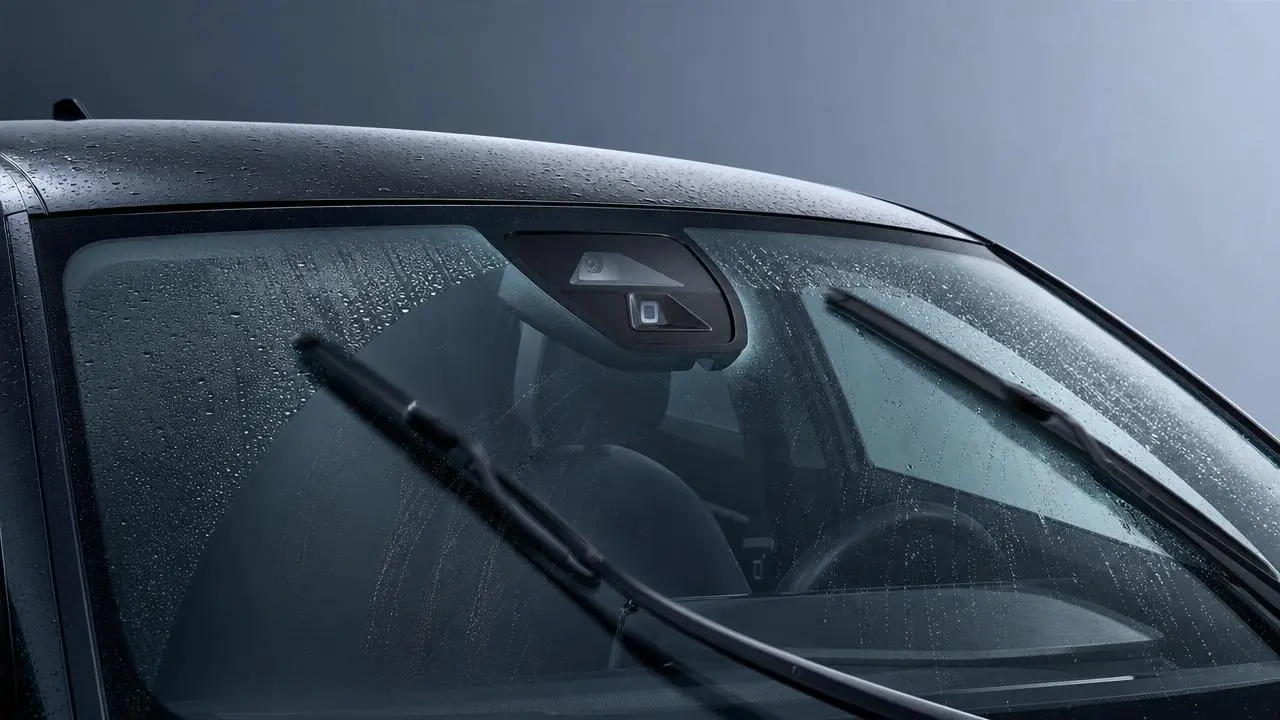
Wiper Sensor Technology: How Rain Detection Works and What Affects Response Accuracy
Wiper sensor technology explained: learn how rain detection works, what affects response accuracy, and how to evaluate reliable, safety-focused performance across modern mobility platforms.
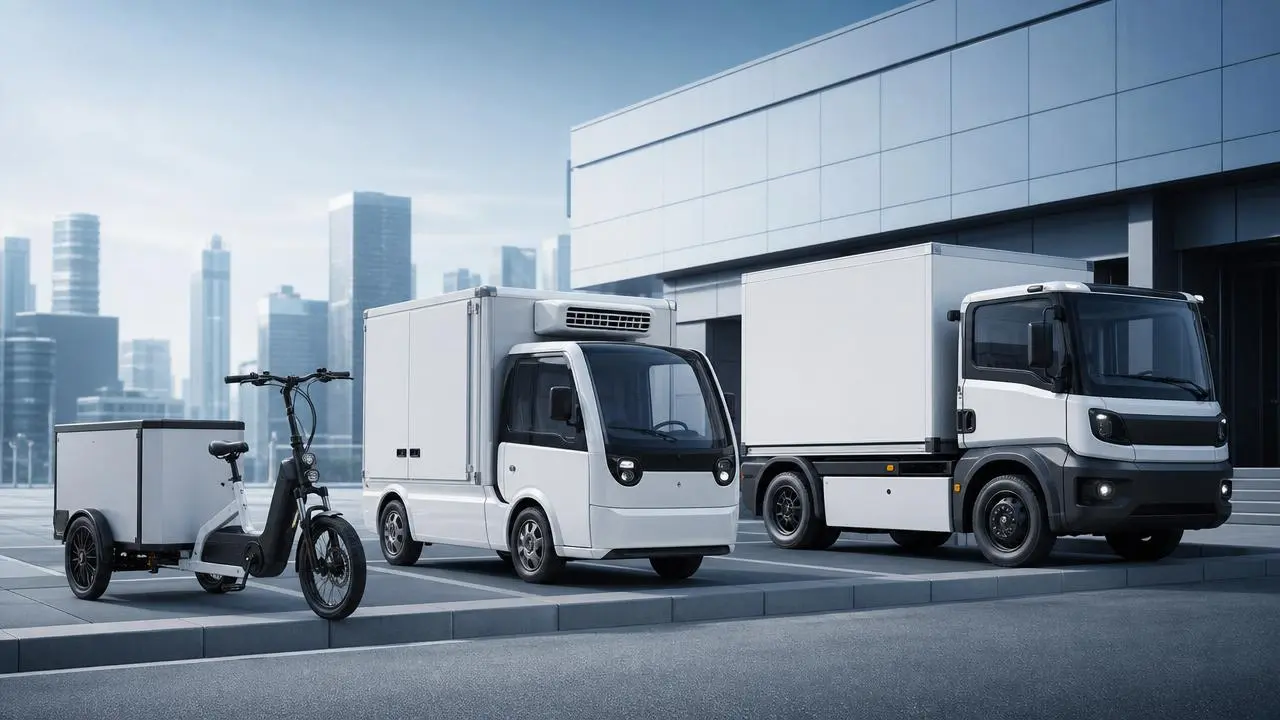
How to Choose Last Mile Delivery Solutions for Urban Routes, Cold Chain, and Heavy Loads
Last mile delivery solutions for urban routes, cold chain, and heavy loads: learn how to compare fleet fit, control risk, and improve delivery performance with a smarter decision framework.

Shared Electric Bike Market Explained: Growth Drivers, City Models, and Revenue Risks
Shared electric bike market trends are reshaping urban mobility. Explore growth drivers, city models, revenue risks, and what defines profitable, regulation-ready fleets.
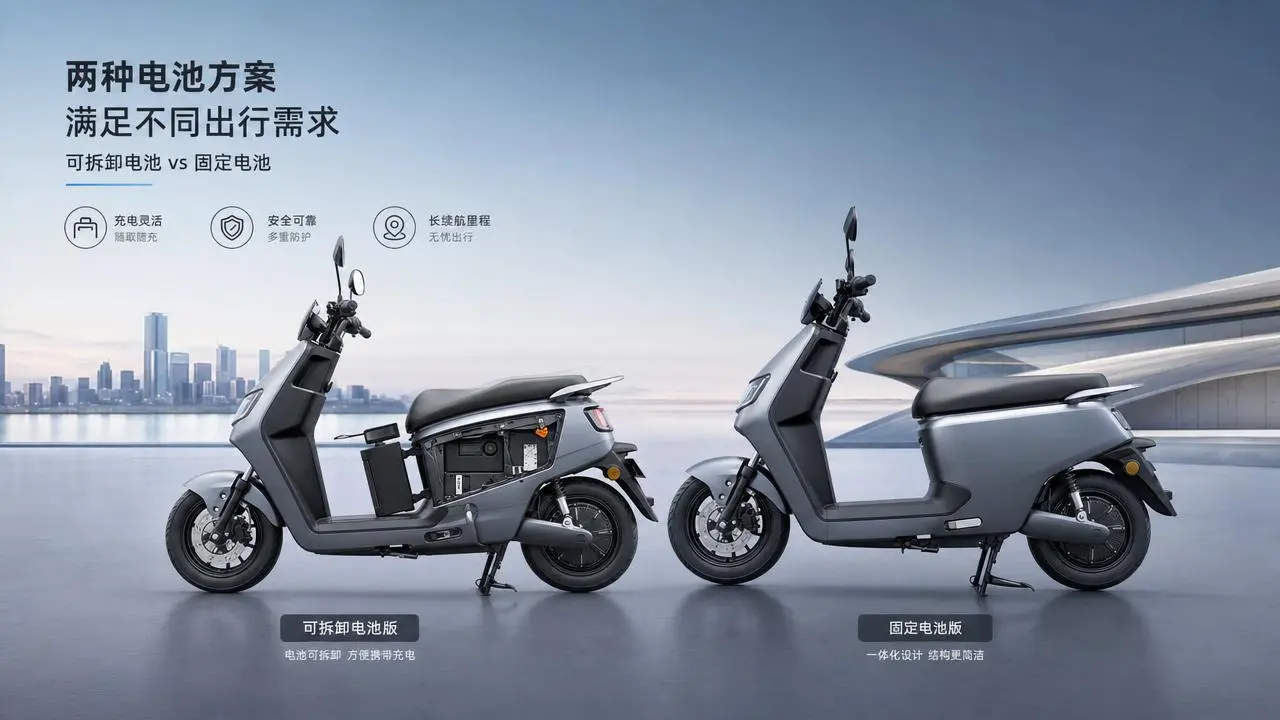
Swappable Battery Motorcycle vs Fixed Battery Models: Which Setup Fits Daily Use?
Swappable battery motorcycle or fixed-battery bike? Compare charging ease, range, cost, and daily convenience to find the best fit for your commute and lifestyle.

Derailleur Skipping Gears: 7 Common Causes and How to Fix Each One
Derailleur skipping gears? Discover 7 common causes, practical fixes, and smart maintenance tips to restore smooth shifting, reduce wear, and keep your bike or e-bike performing better.
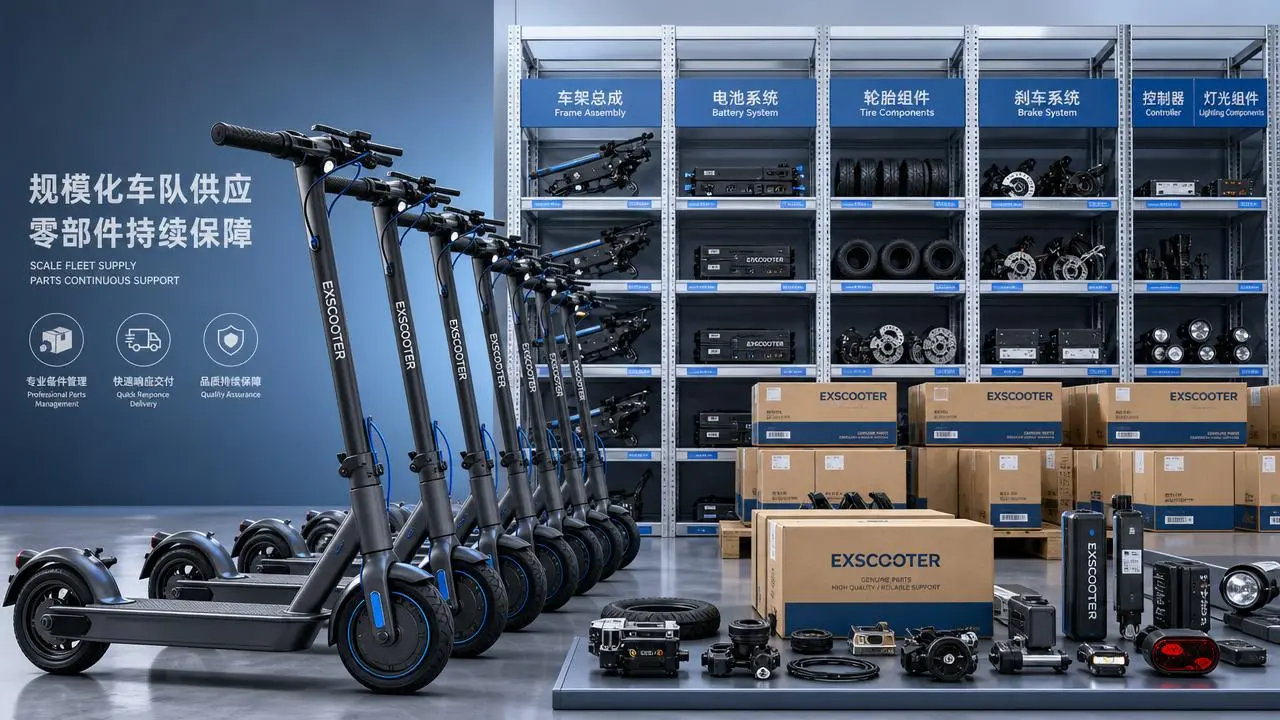
How to Choose a Shared Scooters Supplier for Fleet Scale, Parts Supply, and After-Sales
Shared scooters supplier selection affects fleet uptime, parts availability, and service costs. Learn how to compare scale, spare parts, warranty, and after-sales support before you buy.
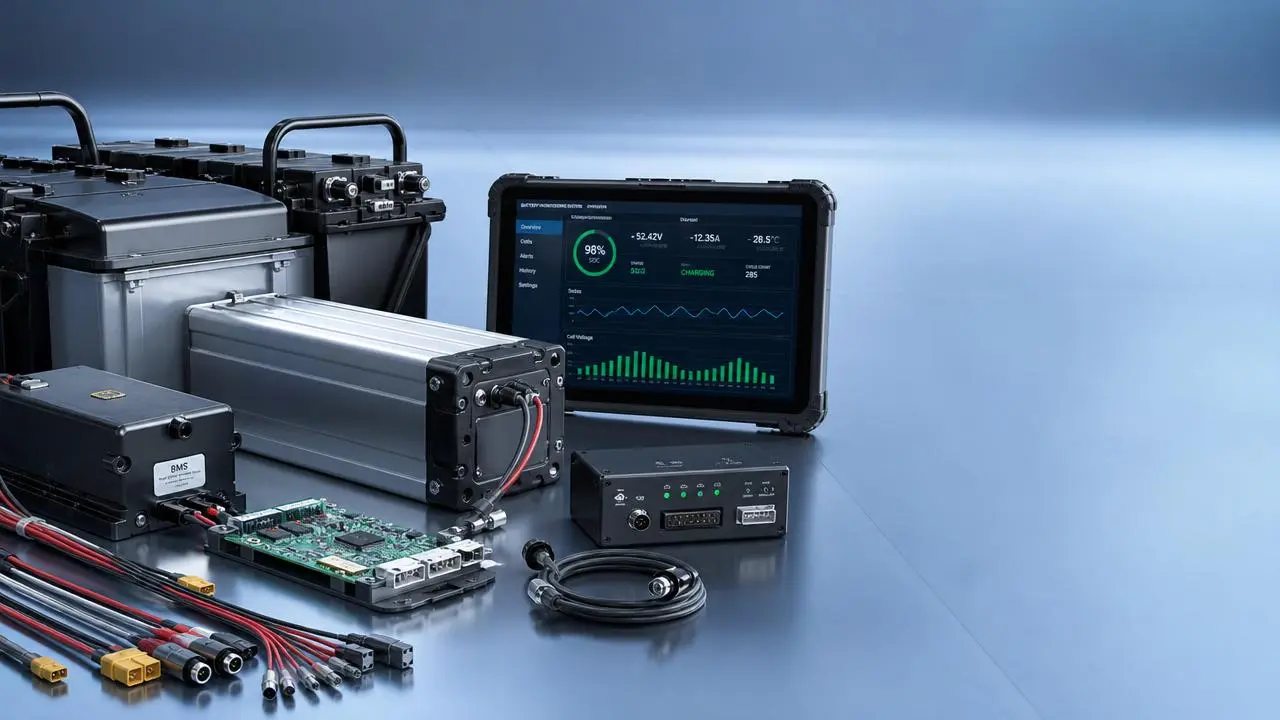
Battery Management USA: How to Evaluate Compliance, Data Visibility, and Service Support
Battery management USA evaluation starts with compliance, data visibility, and service support. Learn how to reduce sourcing risk, improve uptime, and choose a stronger battery partner.
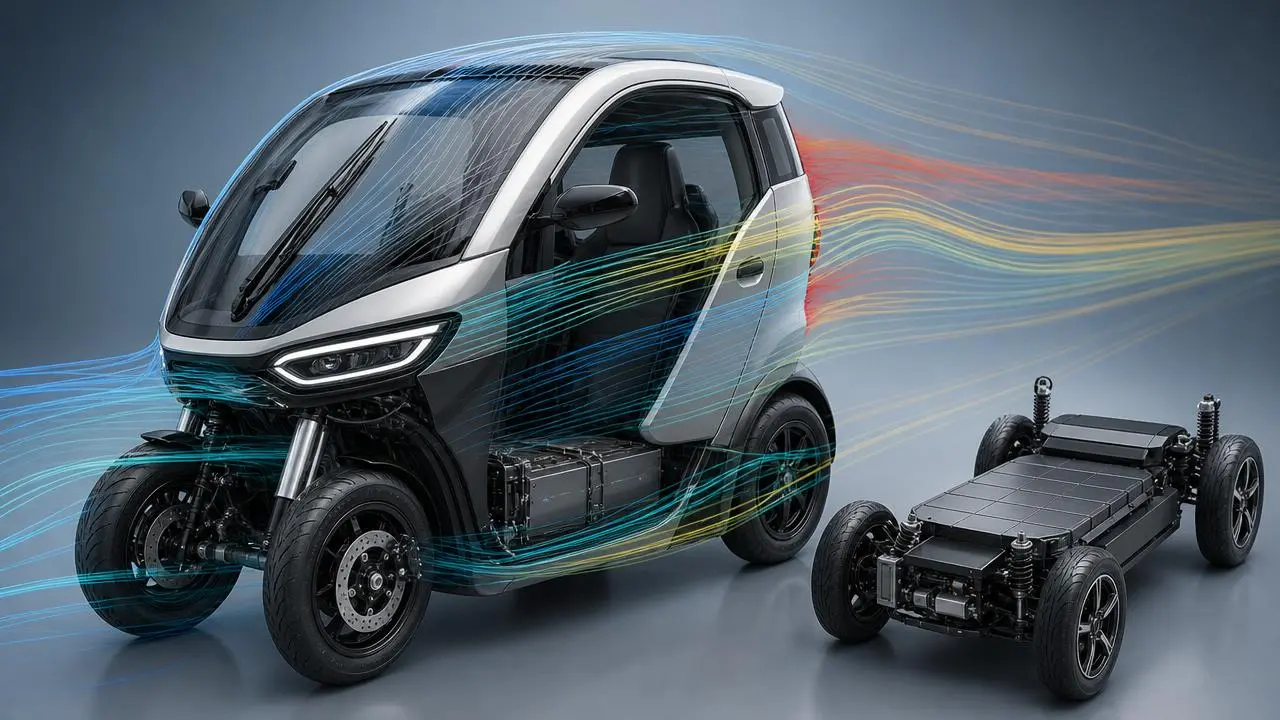
Aerodynamics Analysis for EV Design: Which Drag Parameters Matter Most?
Aerodynamics analysis for EV design goes beyond Cd. Discover which drag parameters most affect range, stability, cooling, and control to build smarter, more efficient electric vehicles.