
Related News
- 00
0000-00
Mobility Efficiency Analysis: How to Measure Vehicle Use, Energy Cost, and Route Productivity - 00
0000-00
How to Evaluate a Brushless Wiper Motor Supplier for OEM Quality and Lead Time - 00
0000-00
How Do Photoelectric Wiper Sensors Work and Where Are They Most Effective? - 00
0000-00
How to Evaluate Core Component Suppliers for Electric Motorcycles Before Sourcing? - 00
0000-00
Electric Motorcycle Systems Price Breakdown: What Affects Cost From Battery to Controller?
Ms. Elena Rodriguez
Weekly Insights
Stay ahead with our curated technology reports delivered every Monday.
Battery Management USA: How to Evaluate Compliance, Data Visibility, and Service Support





Battery Management USA: How to Evaluate Compliance, Data Visibility, and Service Support
For procurement teams navigating battery management USA decisions, evaluating compliance, data visibility, and service support is no longer optional.
It directly affects supplier risk, product uptime, and long-term cost control.
In micro-mobility, a battery management system does much more than balance cells.
It shapes safety performance, field diagnostics, warranty exposure, and compliance readiness.
That matters across e-bikes, smart e-scooters, and high-speed e-motorcycles.
The challenge is simple to describe but harder to solve.
Many vendors look similar on paper, yet differ sharply in execution.
A smarter battery management USA review focuses on three decision filters: compliance, data visibility, and service support.
Why battery management USA decisions carry more sourcing risk
From recent market shifts, the signal is clear.
Battery systems now sit at the center of product safety reviews and customer trust.
In the USA, buyers face tighter expectations around transportation, certification, traceability, and post-sale accountability.
This also means battery management USA sourcing can no longer be reduced to unit price.
A lower upfront quote may hide expensive failures later.
Those failures often appear as delayed approvals, poor fault detection, or slow service response.
For urban mobility brands, each issue can interrupt launches, raise recall risk, and weaken distributor confidence.
Start with compliance, not marketing claims
The first step in any battery management USA evaluation is documentation discipline.
Ask vendors to show exactly which standards they support and where the evidence sits.
Do not accept broad statements like “compliant by design” without test records.
What to verify during a compliance review
- Battery pack certifications relevant to the target vehicle and market.
- UN38.3 transport readiness for lithium battery shipment.
- UL-related pathways, especially where product category exposure is high.
- Functional safety logic for overcharge, overcurrent, short circuit, and thermal runaway response.
- Firmware revision control and change notification procedures.
- Traceability from cells to BMS boards, serial numbers, and production lots.
In practice, strong battery management USA suppliers make compliance easy to audit.
Weak suppliers create friction, delay files, or answer with partial evidence.
That difference becomes visible early, often before technical testing even begins.
Data visibility separates reactive suppliers from strategic partners
The second filter is data visibility.
This is where many battery management USA projects either gain control or lose it.
If the BMS cannot produce useful operating data, field problems stay vague for too long.
For micro-mobility fleets and branded consumer products, that creates avoidable cost.
Core questions on battery data visibility
- Can the system report state of charge, state of health, and cell imbalance clearly?
- Are temperature trends captured at a useful level, not just basic alarms?
- Can fault logs be exported quickly for remote diagnosis?
- Does the vendor support CAN, UART, Bluetooth, or cloud gateway integration?
- Can firmware updates be managed securely and traceably?
- Will your team retain access to raw or structured data after deployment?
These points matter because better visibility shortens troubleshooting cycles.
It also improves warranty analysis and supports more accurate replacement planning.
A capable battery management USA partner should show sample dashboards, logs, and real fault histories.
Service support is where sourcing promises meet reality
The third decision factor is service support.
This is often underestimated during vendor selection.
Yet in battery management USA programs, service quality often decides total ownership cost.
A technically strong supplier can still become a weak commercial choice if support is slow.
What strong service support looks like
- Named engineering contacts for launch and post-launch issues.
- Defined response times for critical faults and safety cases.
- Clear RMA procedures and failure analysis reports.
- Spare parts and replacement board availability in practical lead times.
- Support for firmware tuning when vehicles move into new duty cycles.
- US-market communication coverage across time zones and business hours.
In real operations, service gaps show up quickly.
A fleet issue can expand within days if logs are unreadable and support queues are slow.
That is why battery management USA sourcing should include support metrics in the supplier scorecard.
A practical scorecard for battery management USA evaluation
A simple evaluation table helps compare vendors fairly.
It also reduces decisions based on presentation quality alone.
This kind of battery management USA scorecard gives sourcing discussions a more objective base.
Red flags that deserve closer attention
Some warning signs tend to repeat across weak suppliers.
- Certification answers stay vague or change between meetings.
- Diagnostic data is only visible through the supplier’s internal tools.
- Firmware ownership and update permissions are unclear.
- Failure analysis reports are unavailable or too generic.
- Support teams respond commercially but not technically.
- Pilot samples perform well, but production controls remain undocumented.
None of these points should be ignored during battery management USA selection.
Each one suggests future friction in ramp-up, field service, or compliance management.
How this applies to micro-mobility programs
For UMMS-focused sectors, the stakes are even higher.
E-bikes need dependable battery management USA pathways for export consistency and retailer confidence.
Smart e-scooters need better data visibility because fleet uptime depends on fast diagnosis.
High-speed e-motorcycles need stronger thermal logic and support because duty cycles are harsher.
Across all three, service support becomes a competitive issue, not just a technical one.
That is why battery management USA decisions should connect engineering evidence with commercial resilience.
Final takeaway for better sourcing decisions
The best battery management USA partner is rarely the one with the loudest sales pitch.
It is the one that proves compliance cleanly, shares usable data, and supports problems without delay.
That combination lowers uncertainty before launch and reduces cost after deployment.
When reviewing battery management USA options, use a structured checklist and ask for evidence early.
Compare not only hardware features, but also diagnostics access, certification discipline, and support capacity.
That approach creates better alignment between sourcing, engineering, and long-term market reliability.
In a market moving this fast, better questions lead to better battery management USA decisions.
Related News

How to Evaluate Low-Maintenance Gearing Options for Europe’s Urban and Utility E-Bikes
low-maintenance gearing Europe explained: compare hub, belt, chain, and protected systems for urban and utility e-bikes to cut service needs, improve uptime, and choose the right setup.

Micro-Mobility Trends Forecast: What Fleet Operators Should Watch Through 2030
Micro-mobility trends forecast for fleet operators through 2030: discover key shifts in batteries, regulation, durability, connectivity, and demand to reduce risk and scale smarter.

Mobility Efficiency Analysis: How to Measure Vehicle Use, Energy Cost, and Route Productivity
Mobility efficiency analysis reveals how to measure vehicle use, energy cost, and route productivity to cut waste, improve fleet performance, and make smarter urban mobility decisions.

How to Evaluate a Brushless Wiper Motor Supplier for OEM Quality and Lead Time
Brushless wiper motor supplier selection made easier: learn how to assess OEM quality, engineering support, compliance, and lead time to reduce sourcing risk.

How Do Photoelectric Wiper Sensors Work and Where Are They Most Effective?
Photoelectric wiper sensors explained: learn how they detect rain, reduce false triggers, and deliver the best visibility gains in urban EVs, e-bikes, fleets, and smart mobility.

How Battery-Swapping Networks Reduce Downtime in Shared Fleet Scooter Operations
Battery-swapping networks cut scooter fleet downtime by speeding field turnaround, improving uptime in peak zones, and helping operators optimize labor, battery rotation, and service efficiency.
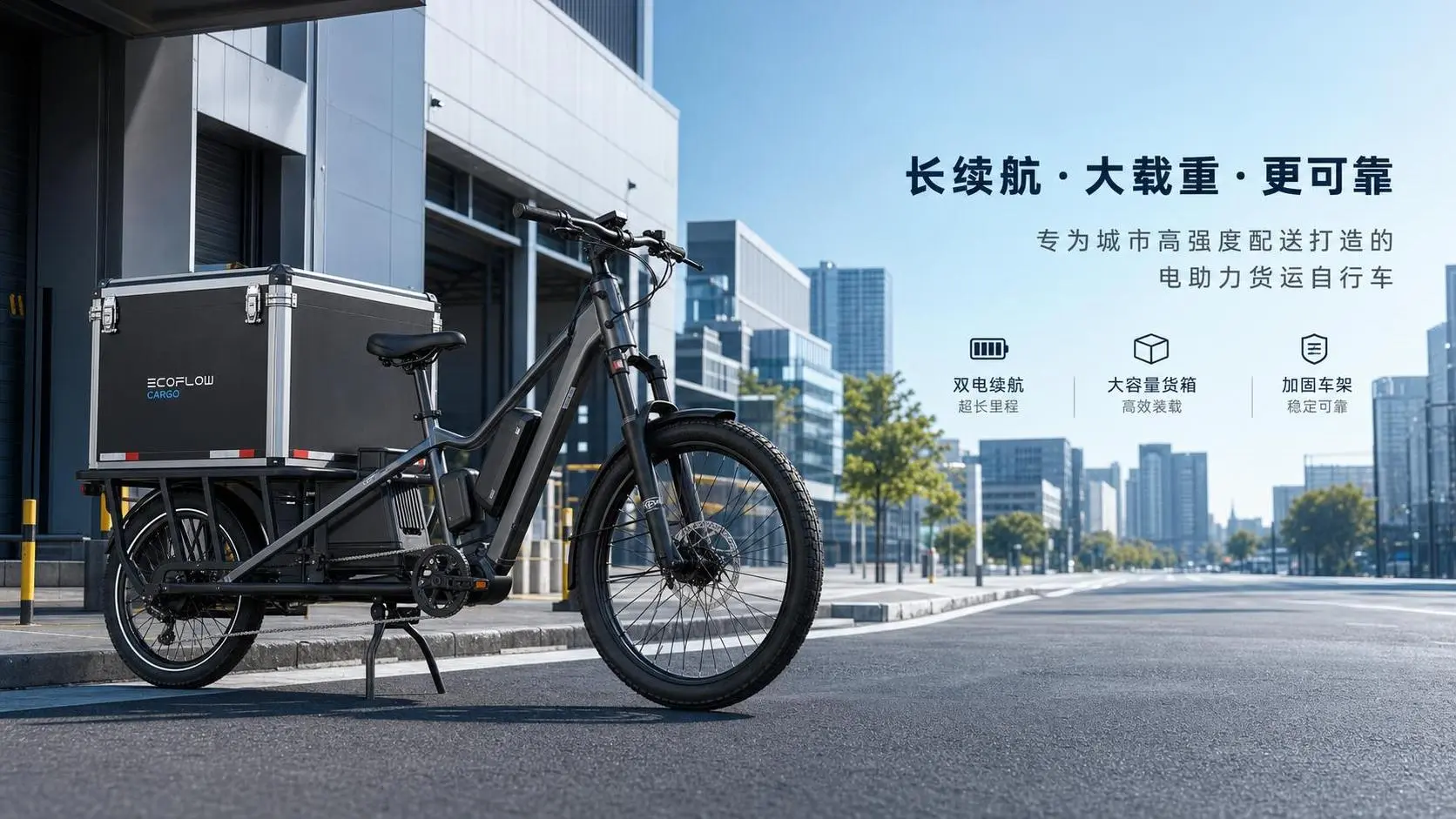
How to Choose a Long-Range Commercial Cargo E-Bike for Delivery Operations
Commercial cargo e-bike long range buying guide: learn how to assess battery, payload, route fit, and uptime support to choose a reliable delivery model with lower operating costs.
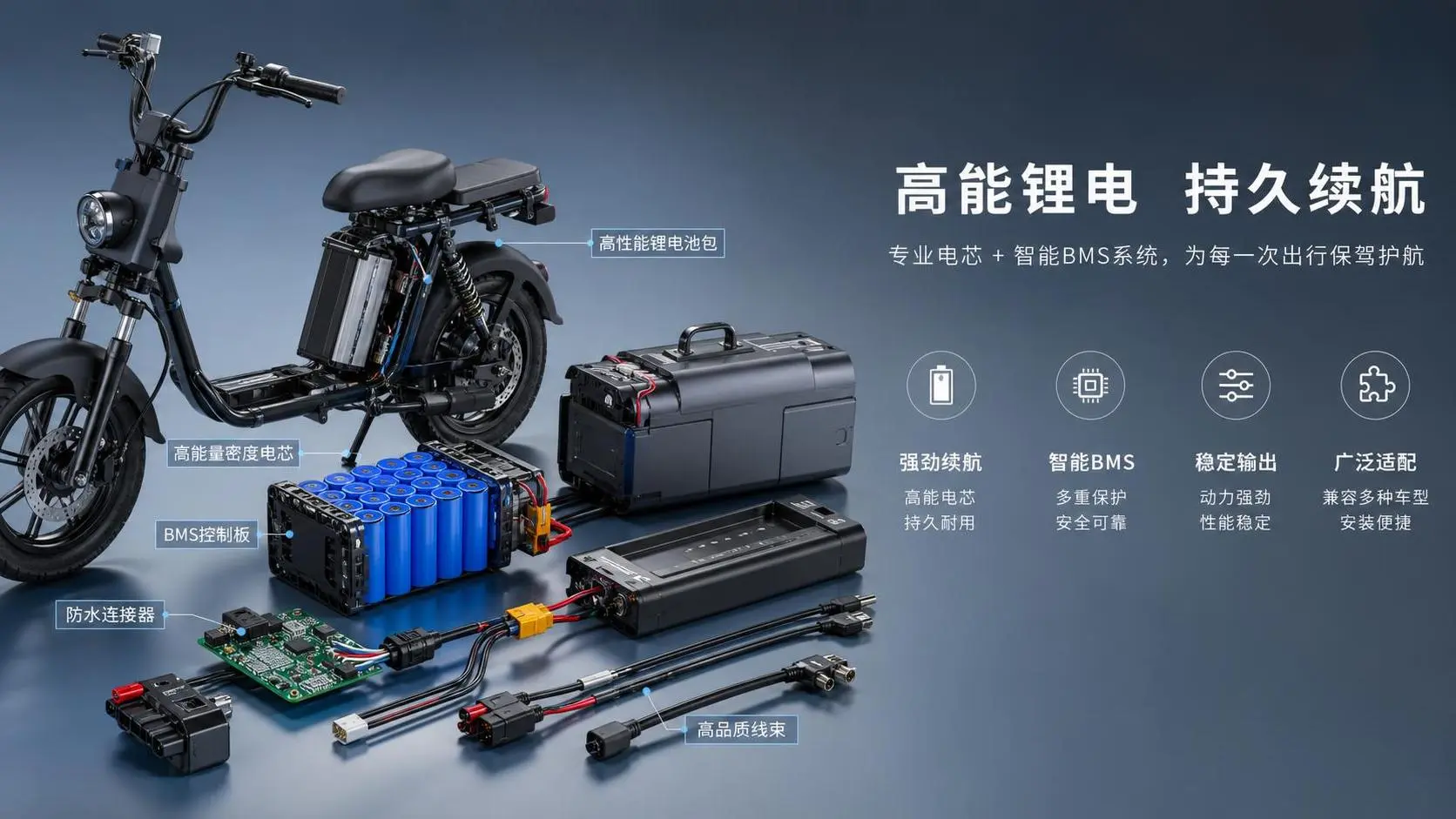
How to Select the Right E-Bike Battery Components for Range, Safety, and Fit?
E-bike component selection battery guide: learn how to choose the right battery components for better range, stronger safety, and perfect fit across modern e-bike platforms.
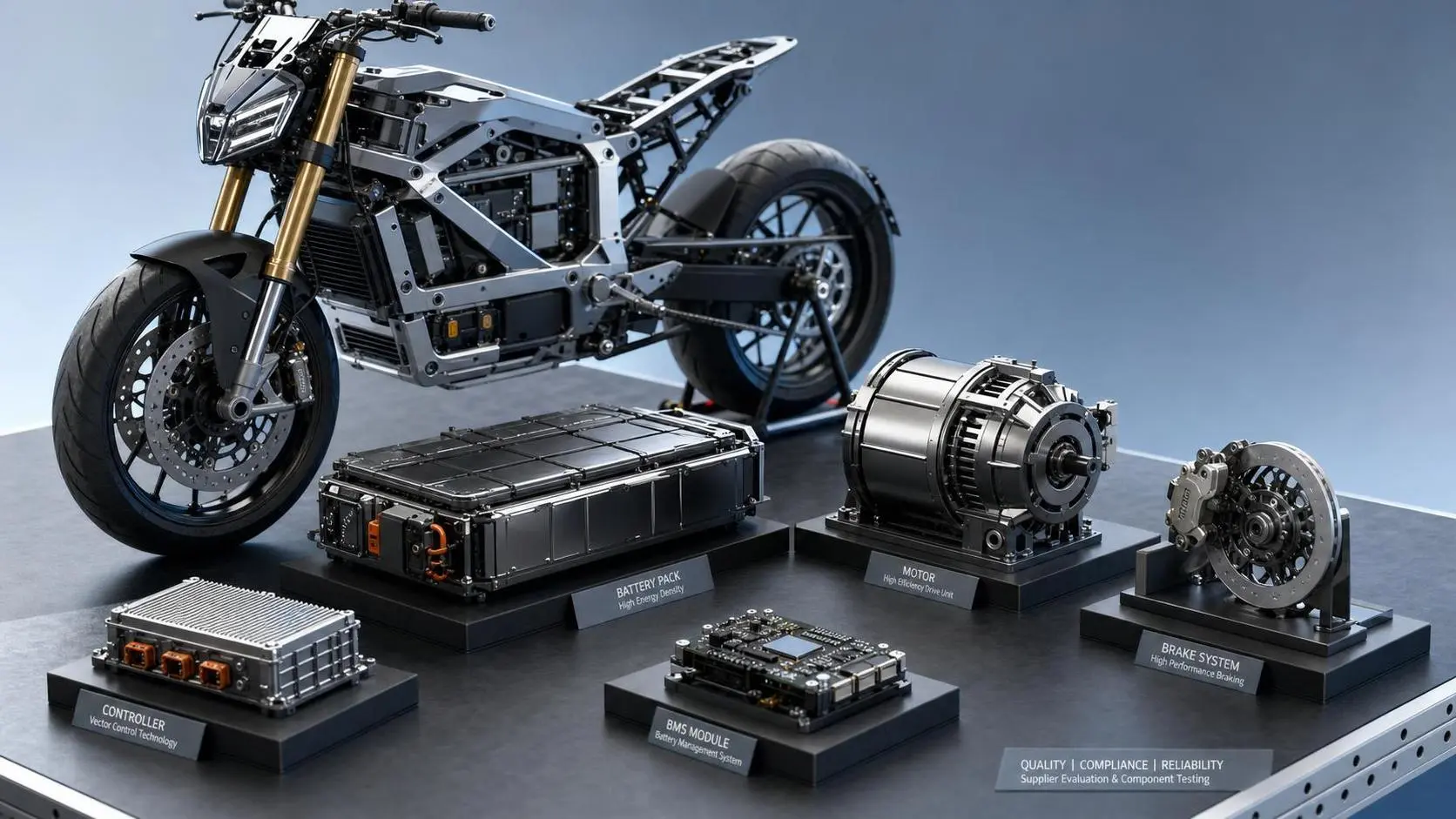
How to Evaluate Core Component Suppliers for Electric Motorcycles Before Sourcing?
Core component suppliers for electric motorcycles can make or break safety, compliance, and delivery. Learn how to assess technical strength, certifications, quality control, and hidden sourcing risks before you buy.