
Related News
- 00
0000-00
Shared Electric Bike Market Explained: Growth Drivers, City Models, and Revenue Risks - 00
0000-00
Green E-bike Demand by Use Case: Commuting, Delivery, and Leisure Compared - 00
0000-00
Urban Commuting E-bike Buying Guide: Range, Motor Power, Weight, and Daily Use Fit - 00
0000-00
Electric Bike Electronics Explained: Controllers, BMS, Sensors, and Failure Points - 00
0000-00
Electric Mobility vs Gas-Powered Transport: Which Option Makes Sense for Daily Commuting?
Micro-Mobility Strategist
Weekly Insights
Stay ahead with our curated technology reports delivered every Monday.
Shared Electric Bike Market Explained: Growth Drivers, City Models, and Revenue Risks





Why the shared electric bike market now matters more than before
The shared electric bike market has moved beyond a niche mobility experiment.
It now sits at the intersection of urban congestion, carbon targets, and digital transport management.
That shift is visible across Europe, North America, and parts of Asia.
Cities are no longer asking whether shared fleets belong in transport systems.
They are asking which operating model can survive regulation, utilization pressure, and rising capital costs.
For any review of the shared electric bike market, that change in tone is the real signal.
The category benefits from cleaner propulsion, flexible routing, and stronger user acceptance than many earlier scooter-only deployments.
Yet profitability still depends on fleet discipline, battery economics, and city-level policy design.
This is why the shared electric bike market deserves a closer, more practical reading today.
Recent signals show a more selective growth cycle
Growth is continuing, but it is becoming more selective.
The early expansion phase rewarded fleet scale and city presence.
The current phase rewards utilization quality, local partnerships, and hardware durability.
More cities now tie licenses to parking compliance, safety metrics, and service reliability.
That changes the economics of the shared electric bike market in a meaningful way.
Operators must think like transport service providers, not just app-led growth companies.
A second signal is modal integration.
Shared e-bikes are increasingly linked with rail stations, bus corridors, and employer mobility programs.
This makes revenue less dependent on spontaneous leisure trips.
It also raises expectations around uptime, battery readiness, and route availability.
From the UMMS perspective, this evolution mirrors a wider micro-mobility pattern.
Electrified two-wheelers win when mechanical efficiency and digital control improve together.
What is pushing the shared electric bike market forward
Several drivers are reinforcing each other rather than acting alone.
That is why the shared electric bike market has become more resilient than many expected.
- Urban policy pressure favors low-emission transport that uses less road and parking space.
- Post-pandemic commuting is more fragmented, making fixed-route transport less sufficient on its own.
- Battery and motor systems are becoming more reliable under daily commercial cycling loads.
- IoT fleet tools now support better rebalancing, predictive maintenance, and theft monitoring.
- Employers and property owners increasingly support micro-mobility access as an amenity.
The technology layer matters more than it did three years ago.
Fleet operators now depend on battery health data, geofencing precision, and component life cycles.
This is where UMMS-style intelligence becomes relevant.
Understanding motors, battery management logic, drivetrain wear, and connected hardware is no longer optional.
It shapes total cost per ride and long-term replacement needs.
City models are separating winners from fragile operators
Not every city creates the same opportunity in the shared electric bike market.
Three operating models are becoming more visible.
The strongest deployments usually match fleet design to street design.
Dense commuter corridors support high turnover and predictable charging cycles.
Tourist-heavy districts can generate volume, but demand is often seasonal and less stable.
In practical terms, the shared electric bike market works best where policy and infrastructure reduce operational friction.
Revenue is improving, but the risks are easy to underestimate
The revenue story is broader than pay-per-ride income.
Subscriptions, public contracts, corporate access, and in-app partnerships are gaining relevance.
Still, the shared electric bike market remains exposed to several structural risks.
- Battery replacement can erode margins faster than ridership models assume.
- Vandalism and theft still distort unit economics in loosely regulated zones.
- Permit caps can halt expansion even when demand is healthy.
- Insurance and liability costs rise when safety incidents become politically visible.
- Fare sensitivity limits how much inflation can be passed to riders.
More subtle risks are appearing inside the hardware stack.
Low-grade components reduce uptime and push maintenance crews into reactive workflows.
Weak battery management can shorten asset life long before headline depreciation schedules suggest.
That is why the shared electric bike market cannot be assessed through demand metrics alone.
Revenue quality depends on engineering quality, not just app downloads.
The impact reaches beyond operators
The shared electric bike market influences several adjacent segments.
Component suppliers see rising demand for motors, braking systems, controllers, and ruggedized frames.
Battery specialists benefit when fleets shift toward swap-ready or fast-service architectures.
Software providers gain a larger role as compliance reporting and route data become contractual requirements.
Even other UMMS-tracked categories are affected.
Shared scooters compete for curb space and trip frequency.
High-speed e-motorcycles may eventually absorb longer urban commutes beyond the e-bike range.
Precision drivetrain components also matter, because commercial fleets punish weak mechanical systems quickly.
Seen this way, the shared electric bike market is part of a wider electrified mobility architecture.
It is not an isolated app business.
What deserves closer attention over the next phase
The next phase will likely reward disciplined expansion over aggressive footprint growth.
A few indicators are especially useful when reading the shared electric bike market.
- Ride frequency by corridor, not just citywide averages
- Battery swap or charging labor cost per active vehicle
- Permit renewal conditions and curbside enforcement trends
- Hardware failure rates during peak weather periods
- Share of revenue coming from contracts versus casual riders
More importantly, market comparisons should stay city-specific.
A profitable station-based network in one region may fail in a free-floating format elsewhere.
Regulation, climate, lane quality, and commuting patterns shape outcomes more than headline adoption narratives.
This is where sector intelligence creates an edge.
UMMS-style analysis helps connect policy signals with electromechanical realities inside the fleet.
A practical reading of where the shared electric bike market goes next
The shared electric bike market is still expanding, but easy growth is fading.
What remains is a more serious mobility business shaped by data, infrastructure, and component resilience.
That makes opportunity more durable, but also more conditional.
The best next step is to compare city models, stress-test revenue assumptions, and track hardware performance together.
It also helps to monitor subsidy shifts, charging workflows, and right-of-way rules before drawing long-term conclusions.
In the shared electric bike market, the strongest position usually comes from reading mobility demand and system engineering as one story.
Related News
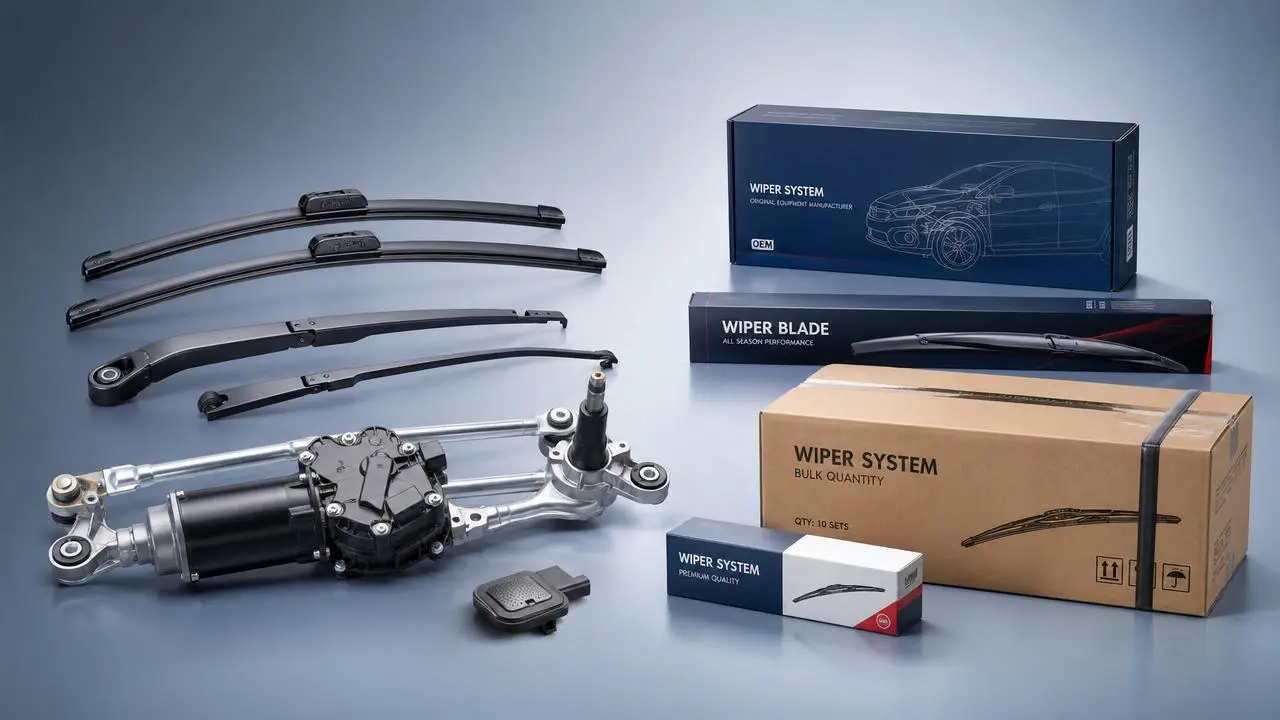
Wiper System Price Breakdown: What Changes Cost Across OEM, Aftermarket, and Fleet Orders
Wiper system price explained: compare OEM, aftermarket, and fleet costs, uncover hidden charges, and learn how to choose suppliers for better value, lower risk, and smarter sourcing.

Wiper Sensor Technology: How Rain Detection Works and What Affects Response Accuracy
Wiper sensor technology explained: learn how rain detection works, what affects response accuracy, and how to evaluate reliable, safety-focused performance across modern mobility platforms.
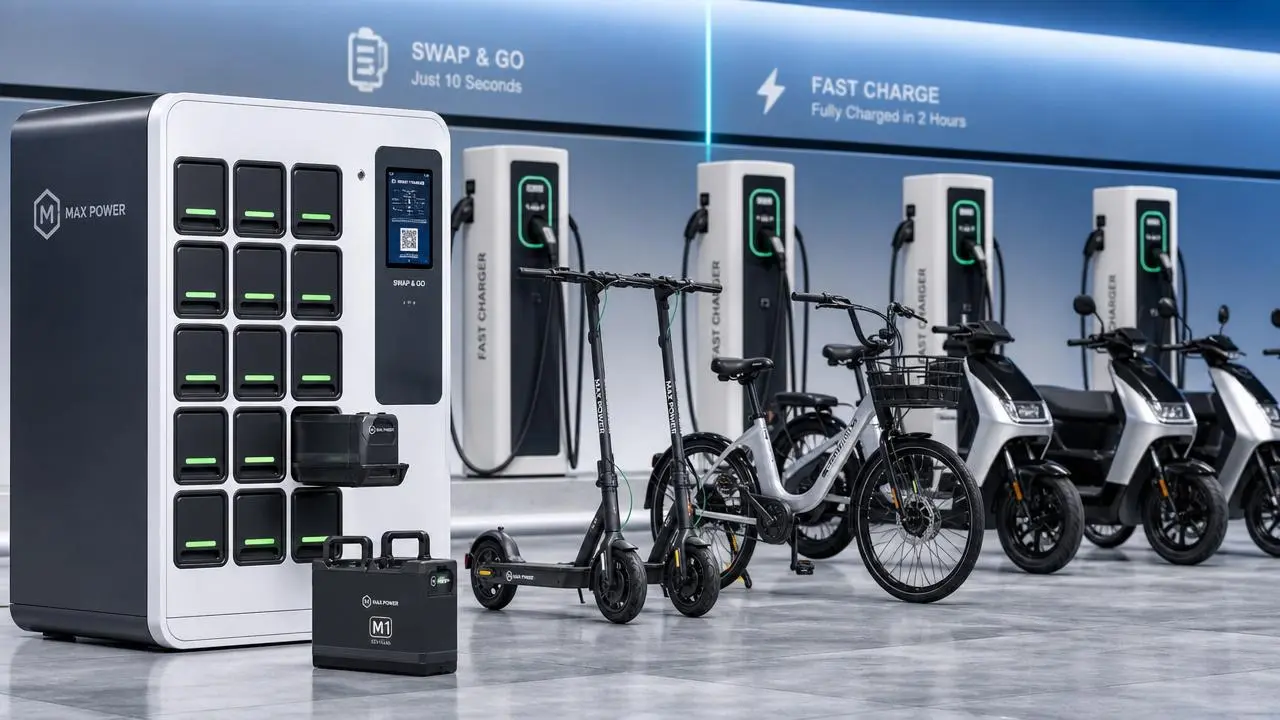
Battery Swapping vs Fast Charging: Which Lowers Fleet Downtime and Operating Costs?
Battery swapping vs fast charging: discover which model cuts fleet downtime, improves uptime, and lowers operating costs for e-bikes, scooters, and urban mobility fleets.
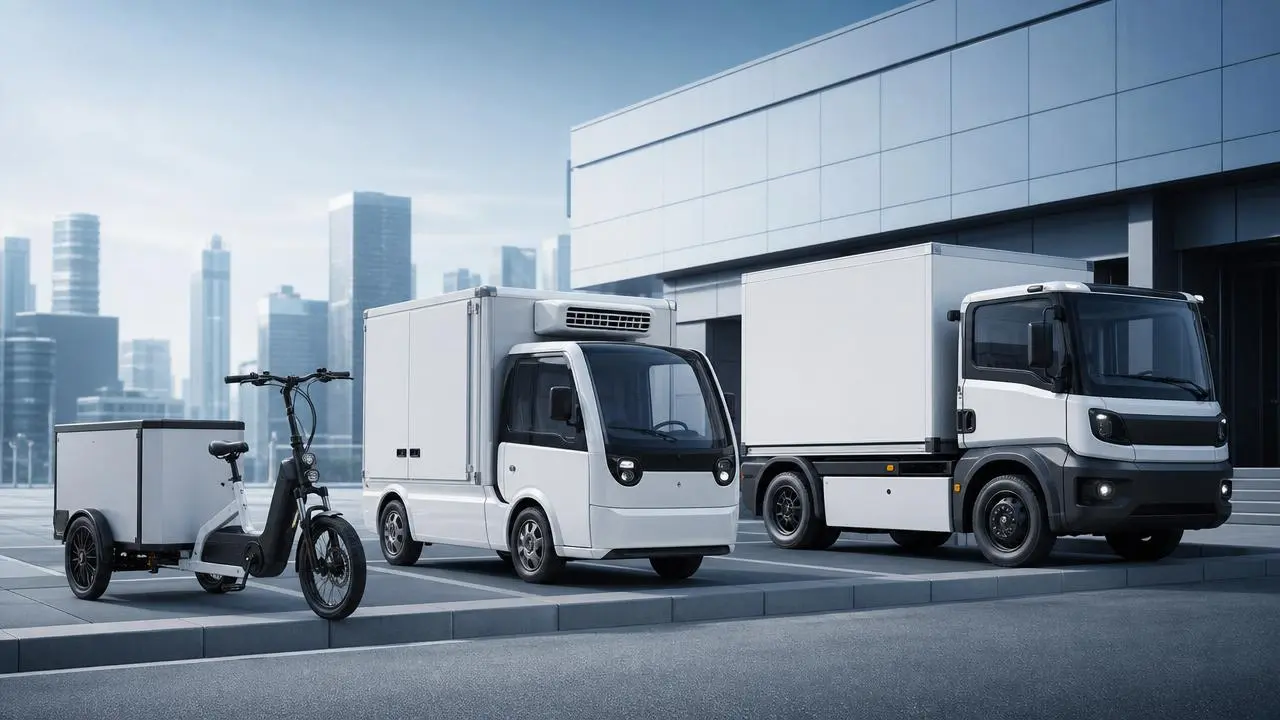
How to Choose Last Mile Delivery Solutions for Urban Routes, Cold Chain, and Heavy Loads
Last mile delivery solutions for urban routes, cold chain, and heavy loads: learn how to compare fleet fit, control risk, and improve delivery performance with a smarter decision framework.
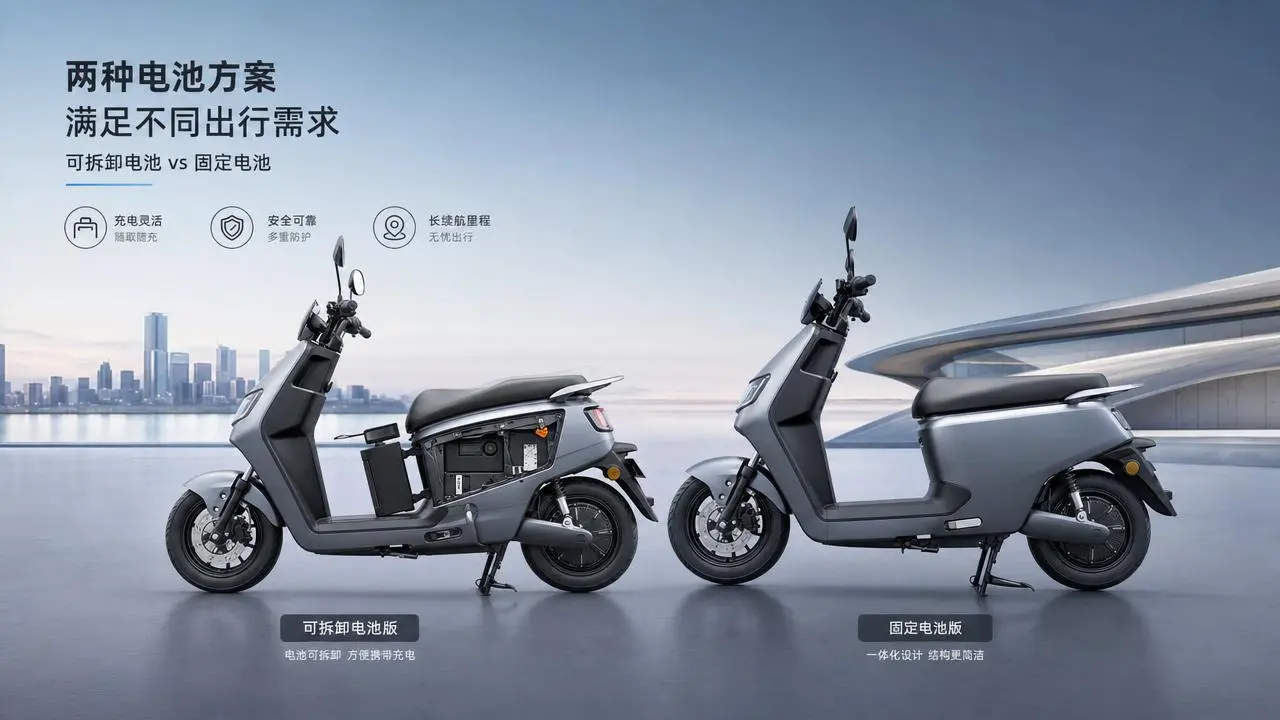
Swappable Battery Motorcycle vs Fixed Battery Models: Which Setup Fits Daily Use?
Swappable battery motorcycle or fixed-battery bike? Compare charging ease, range, cost, and daily convenience to find the best fit for your commute and lifestyle.

Derailleur Skipping Gears: 7 Common Causes and How to Fix Each One
Derailleur skipping gears? Discover 7 common causes, practical fixes, and smart maintenance tips to restore smooth shifting, reduce wear, and keep your bike or e-bike performing better.
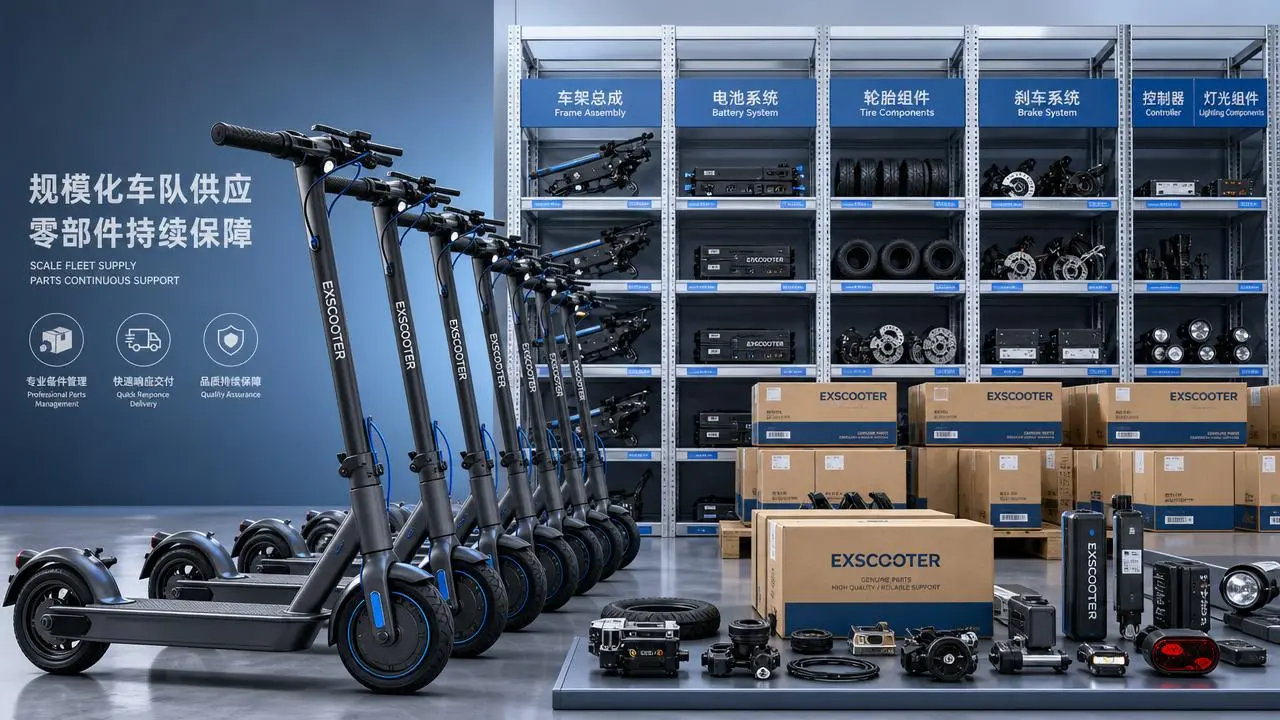
How to Choose a Shared Scooters Supplier for Fleet Scale, Parts Supply, and After-Sales
Shared scooters supplier selection affects fleet uptime, parts availability, and service costs. Learn how to compare scale, spare parts, warranty, and after-sales support before you buy.
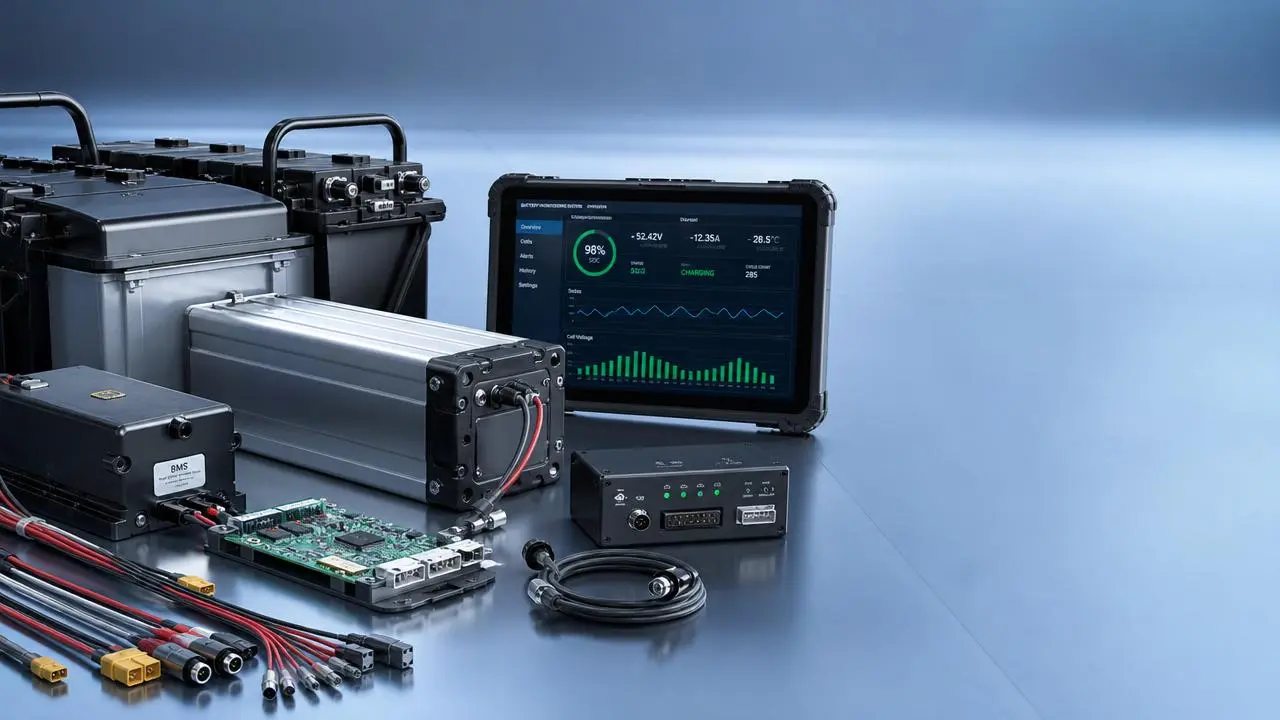
Battery Management USA: How to Evaluate Compliance, Data Visibility, and Service Support
Battery management USA evaluation starts with compliance, data visibility, and service support. Learn how to reduce sourcing risk, improve uptime, and choose a stronger battery partner.
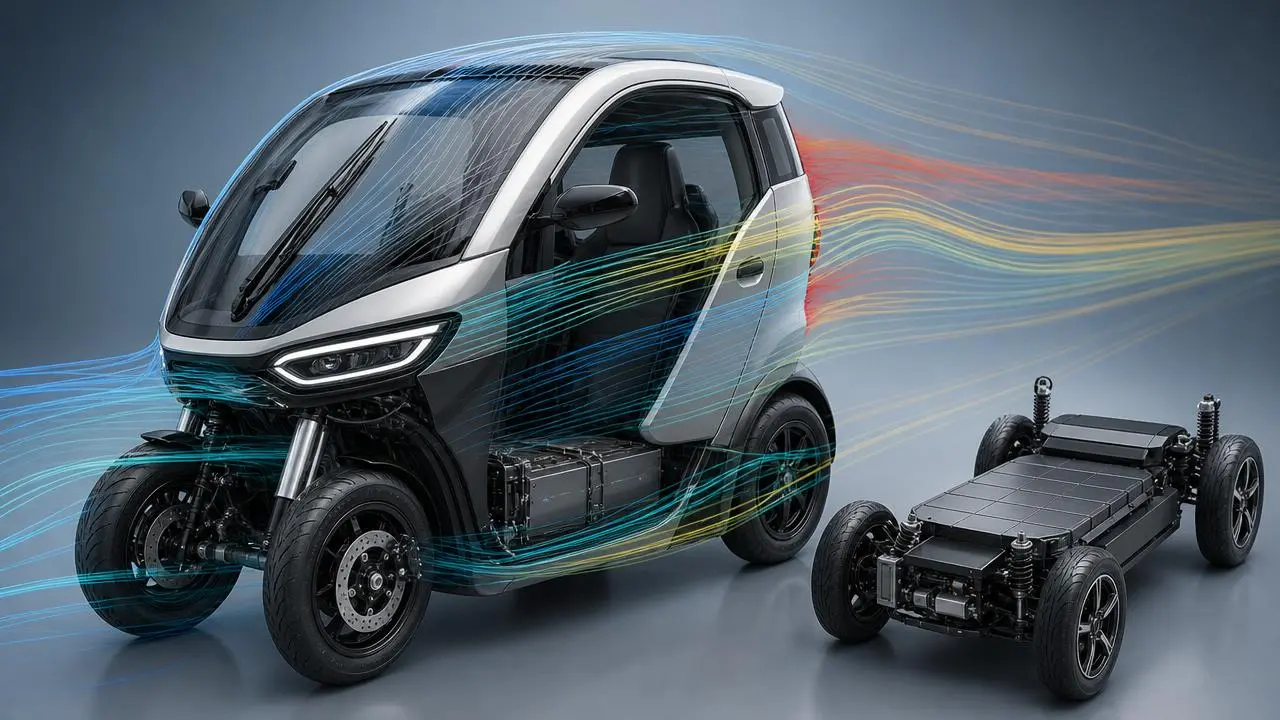
Aerodynamics Analysis for EV Design: Which Drag Parameters Matter Most?
Aerodynamics analysis for EV design goes beyond Cd. Discover which drag parameters most affect range, stability, cooling, and control to build smarter, more efficient electric vehicles.