
Related News
- 00
0000-00
Wiper Sensor Technology: How Rain Detection Works and What Affects Response Accuracy - 00
0000-00
Are smart wiper sensors worth the maintenance cost? - 00
0000-00
Do brushless motors really need less maintenance? - 00
0000-00
How brushless motors cut failures and upkeep costs - 00
0000-00
How smart urban mobility can ease daily congestion
Visibility Safety Expert
Weekly Insights
Stay ahead with our curated technology reports delivered every Monday.
Wiper Sensor Technology: How Rain Detection Works and What Affects Response Accuracy





Wiper sensor technology has moved from a convenience feature to a visibility control system that directly affects safety, rider confidence, and platform reliability. In fast-changing rain, spray, fog, and road grime, the quality of rain detection determines whether a wiper reacts early enough, stays stable, and avoids unnecessary wiping. That matters not only for passenger vehicles, but also for urban mobility platforms, compact electric vehicles, and advanced equipment operating in exposed weather conditions.
For organizations following the broader low-carbon mobility shift, this topic fits a larger pattern. As UMMS tracks intelligence across e-bikes, smart e-scooters, high-speed e-motorcycles, and precision components, it also highlights wiper systems as a critical edge layer between sensing, control logic, and real-world safety. In that context, understanding how rain detection works is not a narrow hardware question. It is part of evaluating system integration, operating resilience, and product maturity.
What rain detection really measures
At its core, wiper sensor technology does not “see rain” the way a camera sees an image. Most automotive rain sensors detect changes in light behavior at the windshield surface.
The common approach uses infrared light. The sensor emits light into the glass and monitors how much is reflected back. A dry windshield reflects differently than a wet one.
When droplets or a water film appear, total internal reflection changes. The sensor interprets that change as rain intensity. The control unit then selects wiping speed, interval, or activation timing.
Some systems go further. They combine optical readings with temperature data, vehicle speed, ambient light, or body network inputs. This allows better distinction between true rain, splash events, and temporary optical noise.
Why the optical path matters
Response quality depends heavily on the optical path between sensor, coupling gel, windshield, and moisture layer. A strong algorithm cannot fully compensate for weak optical consistency.
This is why wiper sensor technology should be reviewed as a full stack. Emitter stability, receiver sensitivity, lens alignment, adhesive quality, and glass properties all influence the final signal.
Why the industry is paying closer attention
Visibility systems are facing higher expectations. Drivers and operators now expect smooth automation, minimal distraction, and consistent behavior across different climates and road surfaces.
That pressure is rising in compact urban platforms as well. Smaller vehicles often operate in dense spray zones, stop-and-go traffic, and mixed weather exposure, where delayed wiping feels more obvious.
There is also a system architecture reason. As mobility products become smarter, each sensor is judged not just by function, but by calibration effort, network compatibility, power efficiency, and field robustness.
UMMS often frames this as an intelligence stitching problem. Rain detection may sit in the wiper domain, yet it connects to electronics packaging, control logic, aerodynamics, and human-machine expectations.
The main factors behind response accuracy
Not all sensing errors come from the sensor chip itself. In practice, response accuracy is shaped by multiple layers, and small weaknesses can accumulate.
1. Windshield material and geometry
Glass thickness, curvature, tinting, coatings, and local surface quality affect optical transmission. A sensor calibrated for one windshield construction may behave differently on another.
Hydrophobic coatings are especially important. They change droplet shape and water spread behavior, which may improve beading visually while altering the optical signature seen by the sensor.
2. Sensor mounting and coupling
Poor mounting alignment can distort the light path. Air gaps, aging gel pads, uneven pressure, or contamination at the contact interface often create unstable readings.
These issues can appear gradually. A system may pass early validation, then lose consistency after thermal cycling, vibration, or long-term UV exposure.
3. Surface contamination
Dust, wax residue, insect marks, washer fluid films, and road salt can all change the optical environment. The sensor may read contamination as moisture or mask actual rain onset.
For urban fleets, contamination is often a bigger issue than lab calibration. Vehicles operating daily in polluted corridors experience a different sensor reality than clean test vehicles.
4. Software thresholds and control mapping
A sensor can detect moisture correctly and still produce poor wiping behavior. That happens when control thresholds, hysteresis, filtering, or speed mapping are not tuned well.
Overly aggressive settings cause false triggers. Conservative settings cause delayed response. The best wiper sensor technology balances sensitivity with stability over varying speeds and rainfall patterns.
5. Environmental interference
Condensation, rapid temperature swings, tunnel exits, glare, and splash-only events can confuse basic systems. Heavy wind also changes how water moves across the sensing area.
This is one reason why field testing matters. Bench repeatability is necessary, but it does not fully predict how wiper sensor technology behaves in mixed urban weather.
Where evaluation should focus
A useful review should separate detection quality from wiping experience. Both matter, but they are not identical.
This distinction is valuable when comparing suppliers. One solution may have a strong optical engine but weak calibration tools. Another may compensate well in software yet depend on tight installation control.
Application context changes the right answer
There is no universal best setup for wiper sensor technology. The right balance depends on operating speed, exposure pattern, maintenance frequency, and user expectations.
Passenger and urban road vehicles
These applications usually prioritize comfort, quick initial response, and smooth speed transitions. False wipes are highly noticeable, so threshold tuning needs refinement.
Commercial and fleet environments
Fleet use often highlights contamination tolerance and repeatability over time. Maintenance intervals, cleaning habits, and round-the-clock exposure test sensor durability more than showroom conditions do.
Emerging mobility platforms
In the wider UMMS landscape, compact electric mobility systems place new pressure on packaging, power draw, and multifunction integration. Components must deliver accuracy without adding unnecessary complexity.
Even when a platform does not use a full automotive windshield architecture, the same logic applies: sensing quality must match the environmental reality, not just the specification sheet.
Practical signals of a mature solution
A mature rain sensing system usually shows discipline in both hardware and calibration workflow. Several signs are worth tracking during assessment:
- Stable detection across light drizzle, steady rain, and splash events.
- Limited sensitivity drift after vibration, heat, humidity, and UV exposure.
- Clear compatibility guidance for windshield variants and surface coatings.
- Calibration tools that support repeatable installation and service replacement.
- Control logic that avoids hunting between wipe levels.
- Data support from both lab simulation and real-route validation.
These points sound basic, but they often separate a promising prototype from production-ready wiper sensor technology.
How to move from specification to decision
The next step is not simply comparing sensitivity claims. A stronger method is to build a short decision framework around environment, installation, control behavior, and lifecycle stability.
Start with the real operating scene. Check expected rainfall types, contamination load, vehicle speed profile, and service intervals. Then review whether the sensor architecture and control logic are matched to that scene.
After that, compare validation evidence. Look for cross-condition testing, not a single benchmark number. In most programs, reliable wiper sensor technology is the result of system discipline rather than one impressive parameter.
For teams using UMMS as a reference point, the useful lens is broader than component selection alone. Rain detection should be assessed as part of intelligent mobility performance, where sensing, actuation, and user safety must remain coherent under real urban pressure.
That makes the most practical next move clear: define the operating scenario, test for contamination and calibration drift, and judge wiper sensor technology by behavior in the field, not by optical theory alone.
Related News
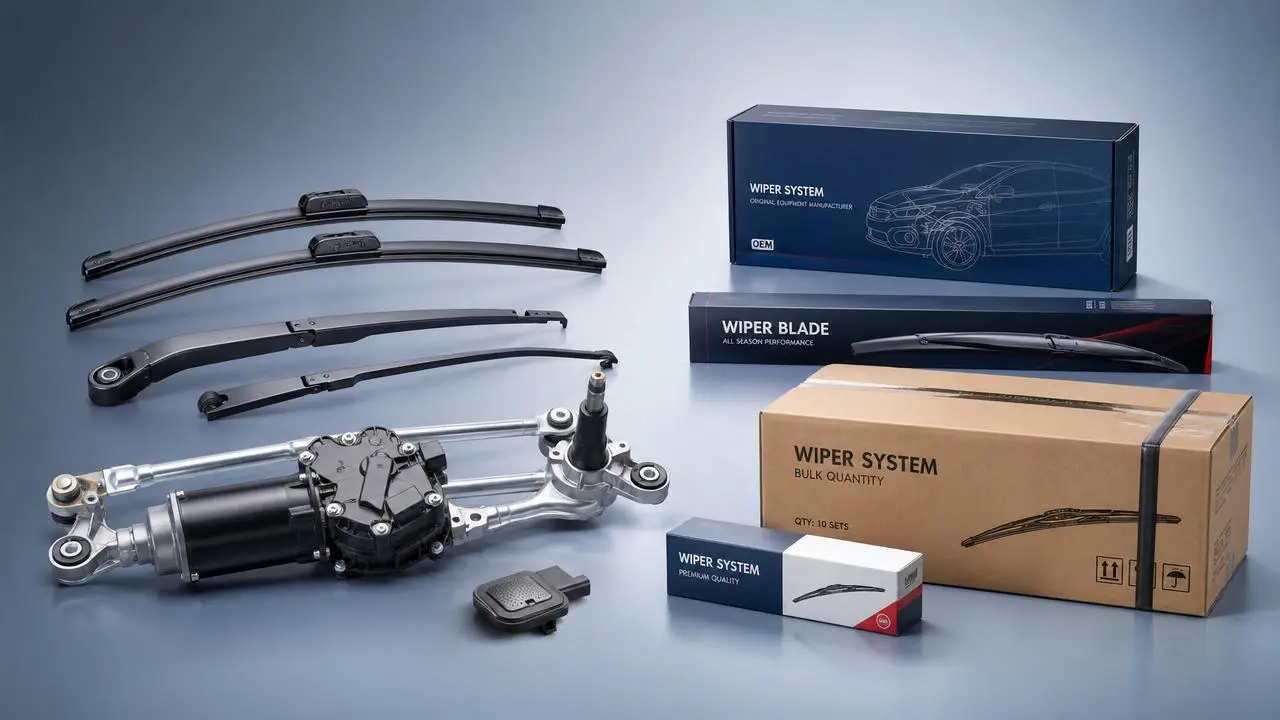
Wiper System Price Breakdown: What Changes Cost Across OEM, Aftermarket, and Fleet Orders
Wiper system price explained: compare OEM, aftermarket, and fleet costs, uncover hidden charges, and learn how to choose suppliers for better value, lower risk, and smarter sourcing.
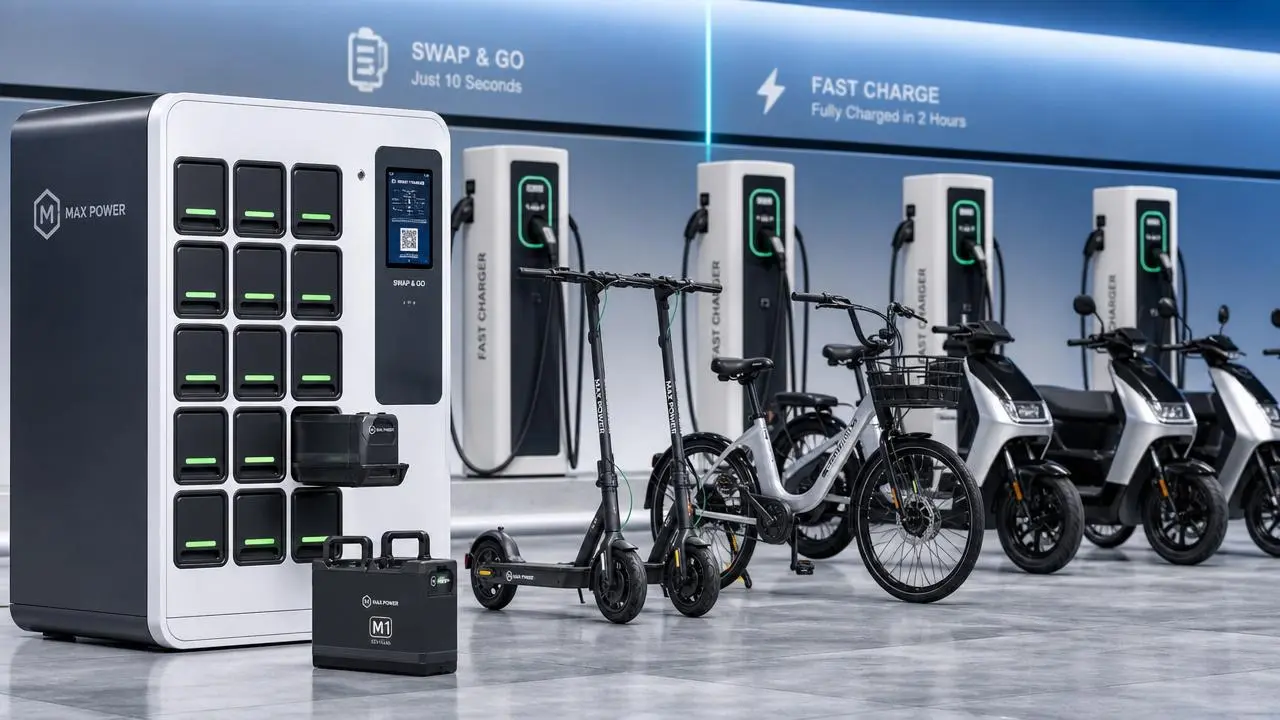
Battery Swapping vs Fast Charging: Which Lowers Fleet Downtime and Operating Costs?
Battery swapping vs fast charging: discover which model cuts fleet downtime, improves uptime, and lowers operating costs for e-bikes, scooters, and urban mobility fleets.
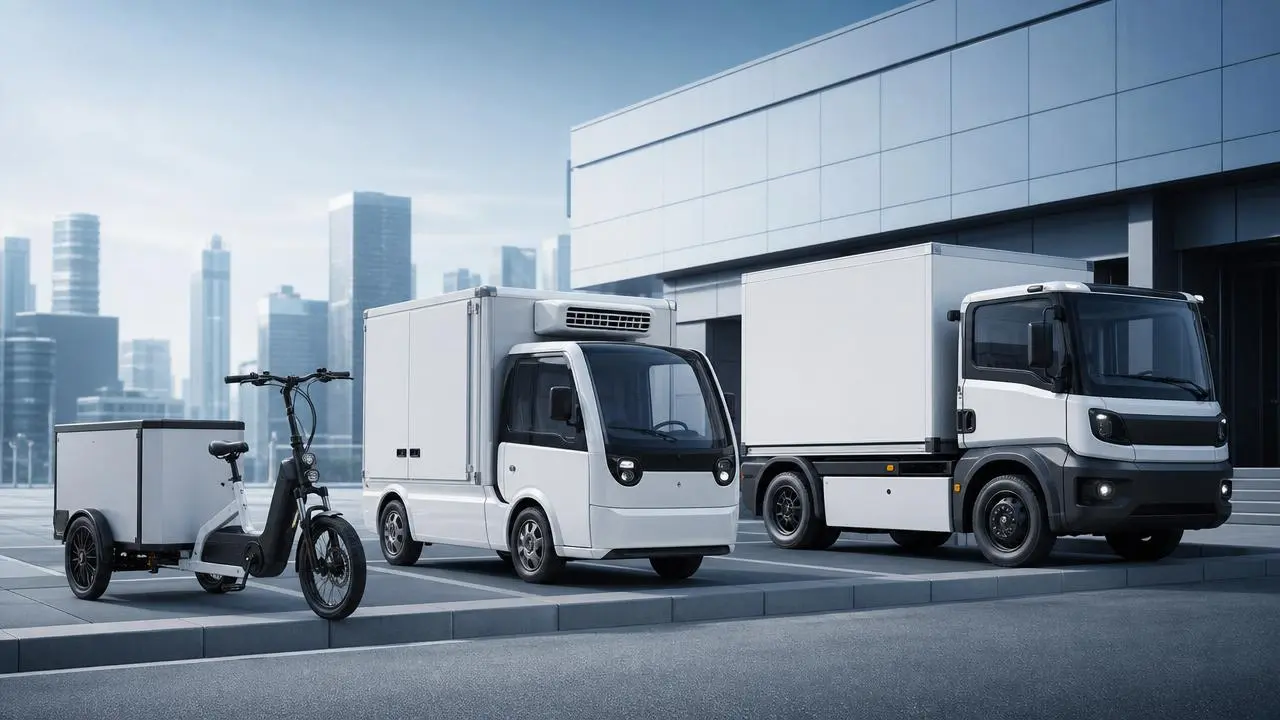
How to Choose Last Mile Delivery Solutions for Urban Routes, Cold Chain, and Heavy Loads
Last mile delivery solutions for urban routes, cold chain, and heavy loads: learn how to compare fleet fit, control risk, and improve delivery performance with a smarter decision framework.
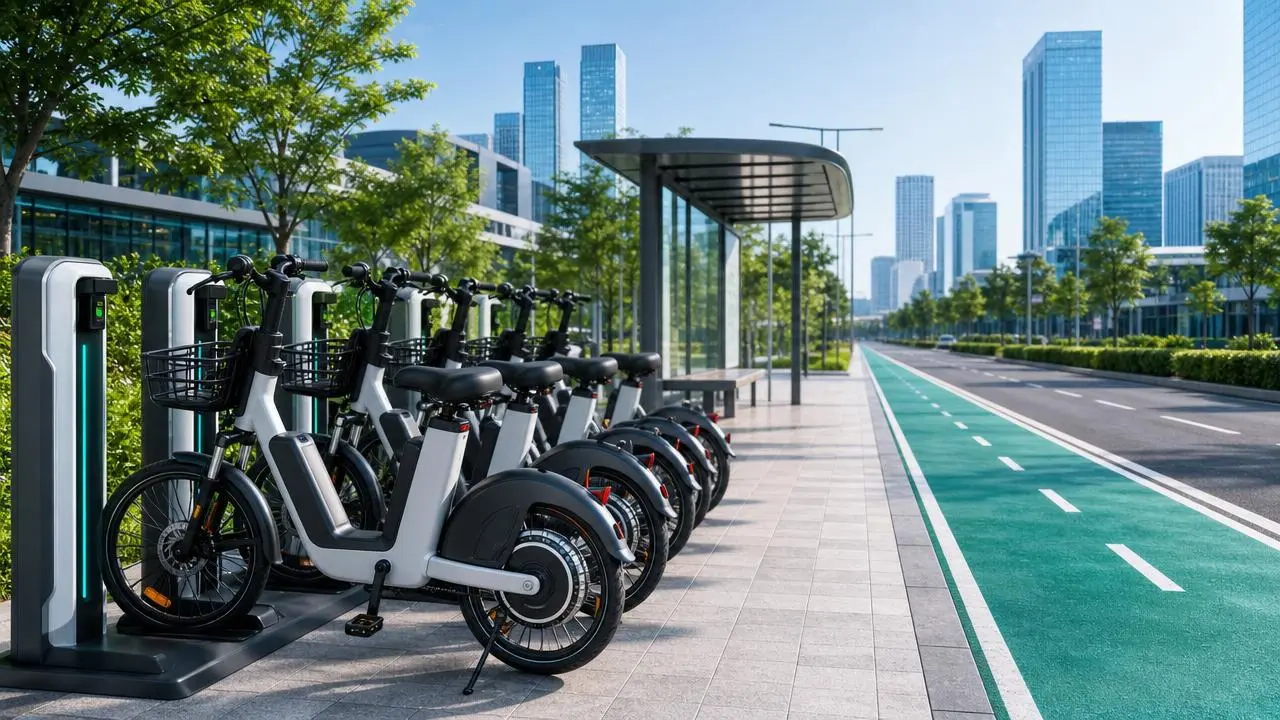
Shared Electric Bike Market Explained: Growth Drivers, City Models, and Revenue Risks
Shared electric bike market trends are reshaping urban mobility. Explore growth drivers, city models, revenue risks, and what defines profitable, regulation-ready fleets.
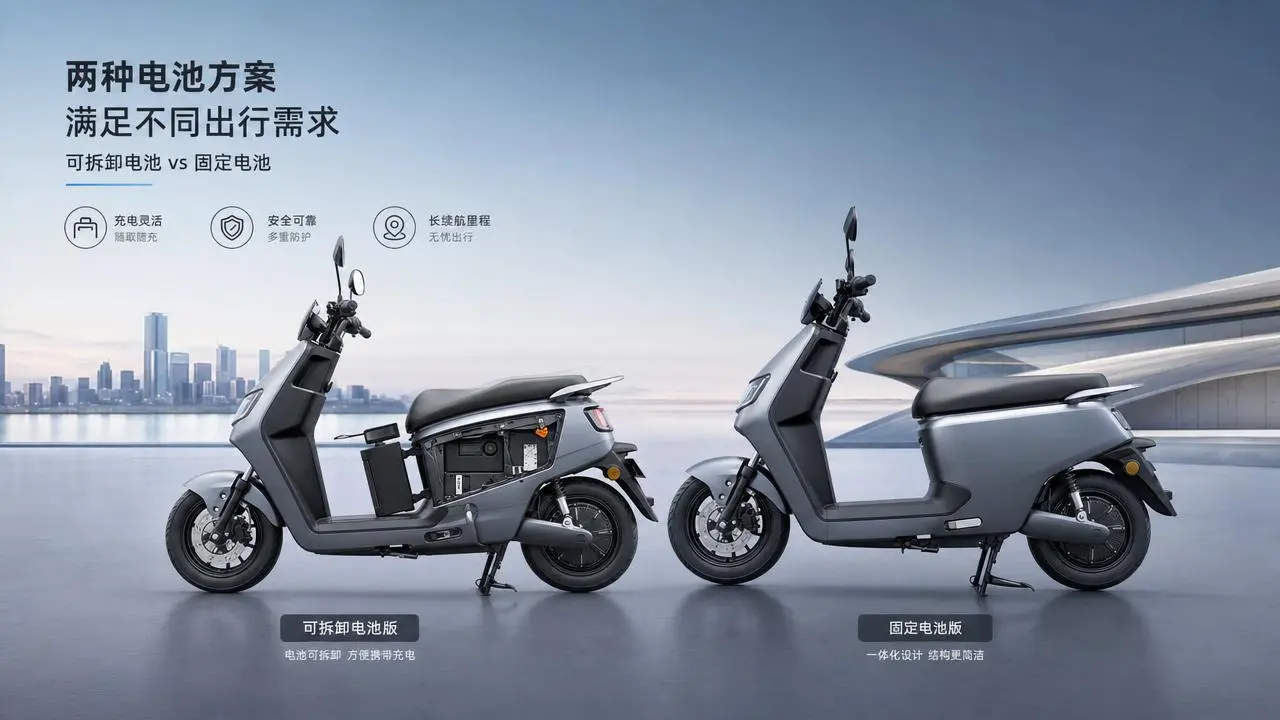
Swappable Battery Motorcycle vs Fixed Battery Models: Which Setup Fits Daily Use?
Swappable battery motorcycle or fixed-battery bike? Compare charging ease, range, cost, and daily convenience to find the best fit for your commute and lifestyle.
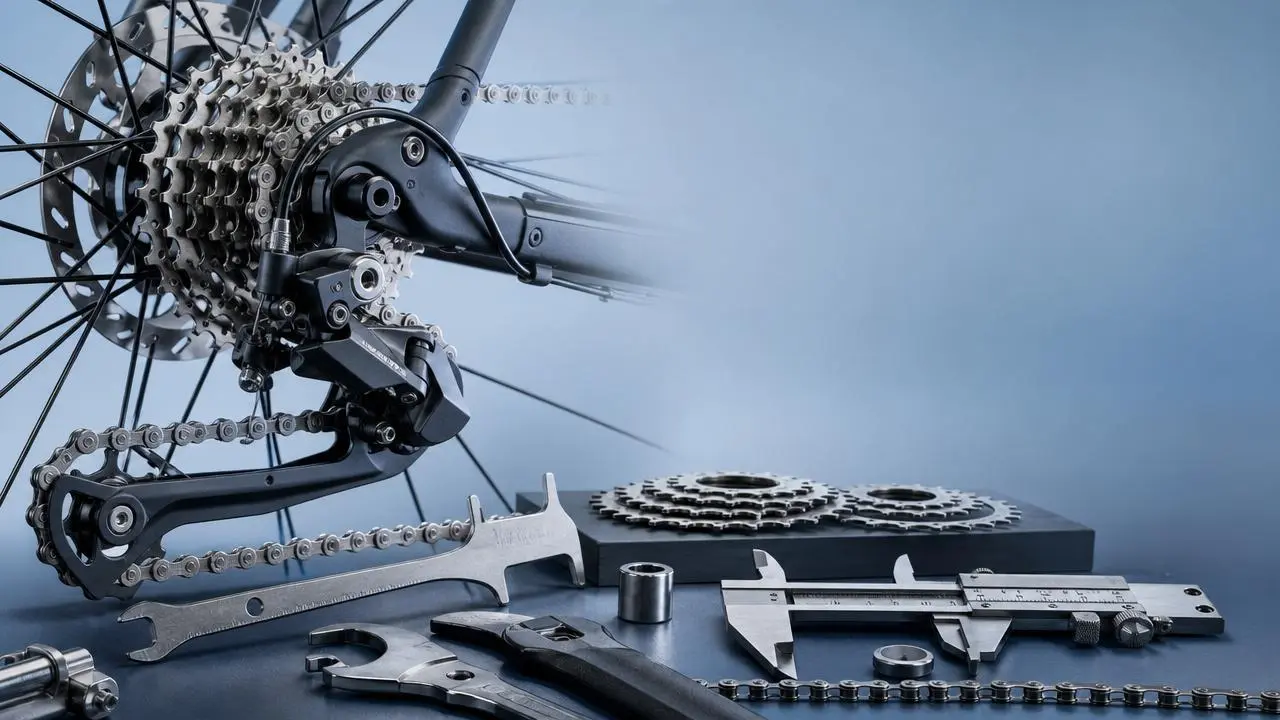
Derailleur Skipping Gears: 7 Common Causes and How to Fix Each One
Derailleur skipping gears? Discover 7 common causes, practical fixes, and smart maintenance tips to restore smooth shifting, reduce wear, and keep your bike or e-bike performing better.
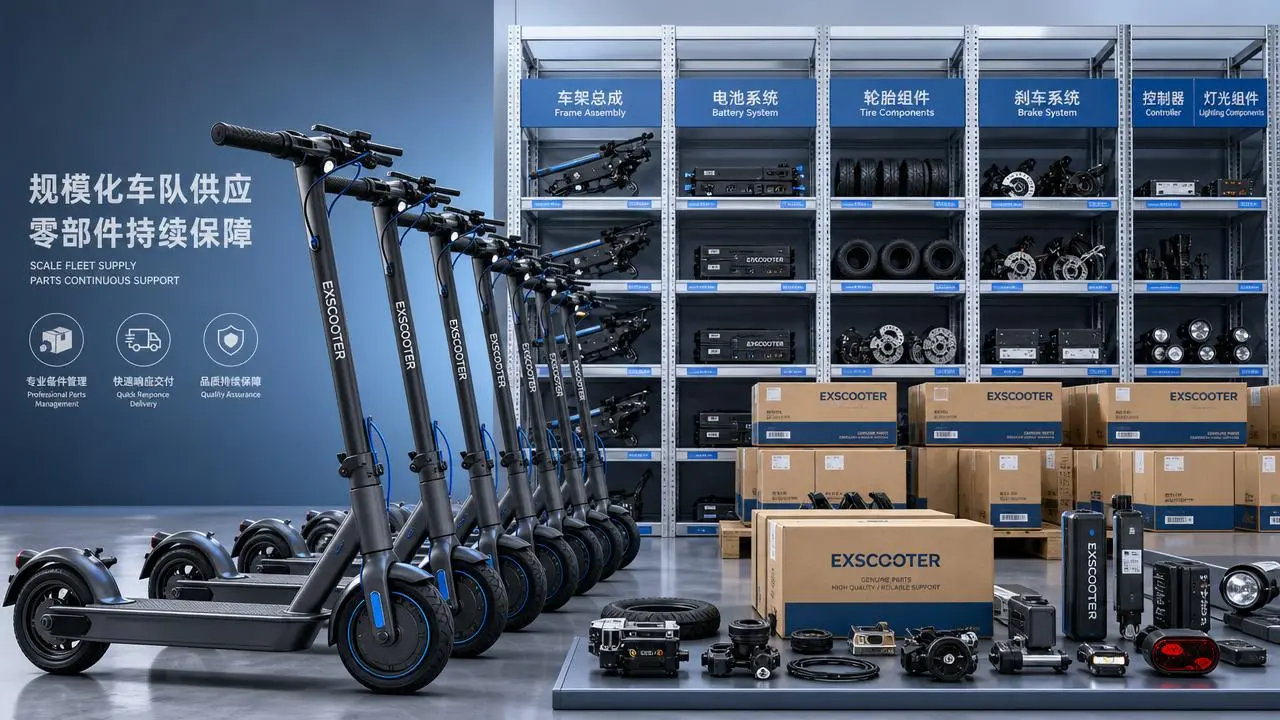
How to Choose a Shared Scooters Supplier for Fleet Scale, Parts Supply, and After-Sales
Shared scooters supplier selection affects fleet uptime, parts availability, and service costs. Learn how to compare scale, spare parts, warranty, and after-sales support before you buy.
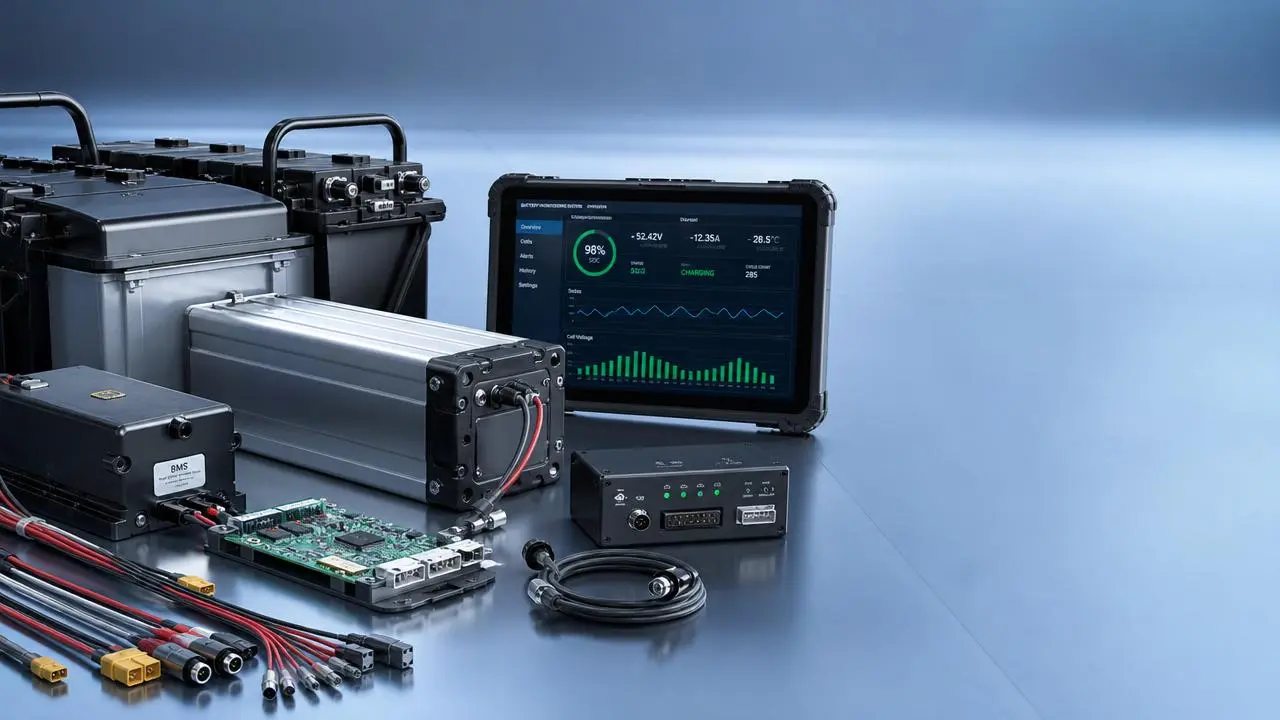
Battery Management USA: How to Evaluate Compliance, Data Visibility, and Service Support
Battery management USA evaluation starts with compliance, data visibility, and service support. Learn how to reduce sourcing risk, improve uptime, and choose a stronger battery partner.
Aerodynamics Analysis for EV Design: Which Drag Parameters Matter Most?
Aerodynamics analysis for EV design goes beyond Cd. Discover which drag parameters most affect range, stability, cooling, and control to build smarter, more efficient electric vehicles.