
Related News
- 00
0000-00
Micro-mobility Systems Explained: Core Components, Operating Models, and City Use Cases - 00
0000-00
Electrification Strategies in Europe: Policy, Charging, and ROI Factors for Fleet Planning - 00
0000-00
OEM Market Share in Electric Motorcycles: What It Reveals About Brand Positioning - 00
0000-00
What Is a Smart Transportation Platform and Which Urban Mobility Use Cases Fit Best? - 00
0000-00
How to Plan Micro-Mobility Charging Stations: Site Selection, Power Needs, and ROI
Ms. Elena Rodriguez
Weekly Insights
Stay ahead with our curated technology reports delivered every Monday.
Micro-mobility Systems Explained: Core Components, Operating Models, and City Use Cases





Micro-mobility systems sit at the intersection of transport technology, urban policy, and consumer behavior. They cover the vehicles, software, power systems, and operating rules that make short trips cleaner, faster, and easier to manage across dense cities.
That matters now because congestion, emission targets, and rising delivery demand are forcing cities to rethink how people and goods move over the final few kilometers. In practice, micro-mobility systems are no longer just about scooters on sidewalks. They now include connected e-bikes, smart e-scooters, high-speed e-motorcycles, precision drivetrain parts, and the data layers that keep them reliable.
From an industry perspective, the strongest signal is convergence. Hardware efficiency, battery logic, fleet software, safety components, and right-of-way regulation increasingly shape one another. This is why intelligence platforms such as UMMS focus not only on vehicles, but also on critical subsystems and market signals behind the broader last-mile transition.
What micro-mobility systems really include
A useful way to understand micro-mobility systems is to treat them as operating ecosystems rather than standalone products. The vehicle is only one layer. The system also includes power management, connectivity, maintenance processes, infrastructure access, and rules for safe public use.
The core vehicle categories are familiar. E-bikes support daily commuting and mixed-use travel. Smart e-scooters address short urban trips and shared mobility. High-speed e-motorcycles extend electric mobility into longer or faster corridors. Each category has different duty cycles, range expectations, and compliance needs.
Less visible components also matter. Bicycle derailleur systems affect mechanical efficiency, ride feel, and maintenance intervals. Wiper systems, while often discussed in broader vehicle safety contexts, show how small electromechanical details can directly affect visibility and rider protection in harsh weather.
Seen this way, micro-mobility systems are built from interdependent modules. A city may approve a fleet, but poor battery thermal control, weak telematics, or unreliable transmission parts can still break the business model.
Core components that determine performance
Not every component has the same strategic weight. In most urban deployments, performance depends on a small group of technical foundations.
Powertrain and battery management
Electric motors, controllers, battery packs, and battery management systems define range, acceleration, efficiency, and safety. High-density battery design is especially important where vehicles face repeated daily charging, variable weather, and stop-start traffic.
For shared fleets, battery intelligence often matters more than peak speed. Operators need predictable state-of-charge data, temperature control, charge-cycle visibility, and alerts that reduce fire, failure, and downtime risks.
Connectivity and control layers
Smart e-scooters and connected e-bikes depend on IoT modules, GPS, lock systems, cloud dashboards, and app-based user controls. These tools support location tracking, geofencing, remote diagnostics, theft prevention, and usage analytics.
Without stable connectivity, micro-mobility systems become hard to govern. Operators lose asset visibility, cities lose compliance oversight, and users lose trust when parking rules or trip billing fail.
Mechanical precision and safety subsystems
Precision drivetrain components influence energy transfer and riding quality. Electronic shifting, anti-interference protocols, durable chain systems, and lightweight frames all contribute to how efficiently a vehicle performs under repeated urban use.
Safety subsystems deserve equal attention. Braking response, lighting, sensor accuracy, tire durability, and weather-exposed visibility tools all shape whether a vehicle works beyond ideal test conditions.
How operating models differ
Micro-mobility systems can look similar on the street while working very differently underneath. The operating model changes the economics, infrastructure needs, and regulatory exposure.
Shared fleet model
This model relies on public access, distributed parking, and high asset turnover. It needs strong dispatching logic, rebalancing operations, anti-vandalism design, and close policy coordination with local authorities.
In this setting, micro-mobility systems are judged by uptime, ride availability, parking discipline, and maintenance cost per vehicle day. Software quality often determines profitability more than hardware specifications alone.
Private ownership model
Privately owned e-bikes and e-scooters shift the focus toward comfort, battery longevity, theft resistance, and after-sales support. Purchase decisions often weigh charging convenience against vehicle weight, motor output, and local lane access rules.
This model tends to reward better materials and more refined components. Riders care more about daily reliability than fleet-style operational intensity.
Commercial and hybrid use
Delivery services, campus mobility, tourism, and industrial sites often combine centralized management with dedicated user groups. Here, micro-mobility systems must balance operational control with route predictability and specialized vehicle design.
High-speed e-motorcycles and battery-swapping networks become more relevant in these use cases, especially where time-sensitive transport or wider service radiuses matter.
Why cities and markets are paying closer attention
The current wave of interest is not just about sustainability branding. Cities are using micro-mobility systems to address very practical transport gaps that buses, cars, and rail do not solve efficiently.
Short trips generate a disproportionate share of congestion, curb pressure, and unnecessary emissions. Replacing even part of that demand with well-managed light electric vehicles can improve circulation without major road expansion.
There is also a policy reason. Subsidies for e-bikes, access rules for scooter fleets, and carbon targets for urban transport increasingly shape procurement and market entry decisions. That makes regulation part of the product environment.
This is where intelligence matters. UMMS reflects a broader industry need for connected insight across technology, standards, and market behavior. Tracking drivetrain innovation, battery thermal models, and city-level access rules in one place improves judgment quality.
City use cases that show the system value
The best way to evaluate micro-mobility systems is through actual urban tasks rather than abstract categories. Different environments reveal different strengths.
- Transit connection: e-bikes and scooters bridge the gap between stations and final destinations.
- Historic city centers: low-speed electric vehicles reduce noise and pressure on narrow streets.
- University and business campuses: managed fleets simplify circulation across large internal road networks.
- Tourism corridors: shared vehicles support flexible movement where parking is limited.
- Urban delivery: cargo-adapted two-wheelers improve stop density and reduce idle time.
These use cases also expose system weaknesses. Poor charging access, weak curb management, fragile components, or vague parking rules can undermine adoption even when demand exists.
What to examine before comparing options
A useful evaluation starts with operating reality, not marketing claims. Range on paper means little if the duty cycle includes steep grades, cold weather, frequent stops, or heavy payloads.
Several checkpoints are usually more revealing than headline specifications.
- Check whether battery management data is detailed enough for maintenance planning.
- Review how connectivity supports geofencing, locking, and remote fault detection.
- Assess drivetrain durability under real urban wear, not ideal test conditions.
- Map regulatory exposure, including lane access, parking zones, and speed classification.
- Consider weather resilience, especially for braking, visibility, and electronic stability.
It is also worth separating personal mobility needs from fleet logic. A system optimized for shared scooters may fail in premium private e-bike use, while a consumer-oriented model may not survive intensive commercial rotation.
Where the next round of decisions will come from
The next phase of micro-mobility systems will likely be shaped by tighter integration. Battery swapping, wireless electronic shifting, smarter vehicle diagnostics, and more precise traffic governance are moving from niche features into core decision factors.
That means better analysis depends on connecting technical details with city context. A battery innovation matters differently in a dense European commuter market than in a delivery-heavy Asian corridor or a North American campus network.
For anyone tracking this space, the practical next step is to build a comparison framework around vehicle category, operating model, infrastructure fit, regulatory limits, and component reliability. Micro-mobility systems make the most sense when those elements are judged together, not in isolation.
- e-bikes
- smart e-scooters
- high-speed e-motorcycles
- bicycle derailleur
- wiper systems
- battery management
- shared scooters
- wireless electronic shifting
- battery-swapping networks
- precision drivetrain
- IoT modules
- lightweight frames
- high-density battery
- shared mobility
- electric mobility
- anti-interference protocols
- electronic shifting
- battery swapping
- micro-mobility
- light electric vehicles
- precision drivetrain components
- torque delivery
- battery management systems
- micro-mobility systems
Related News
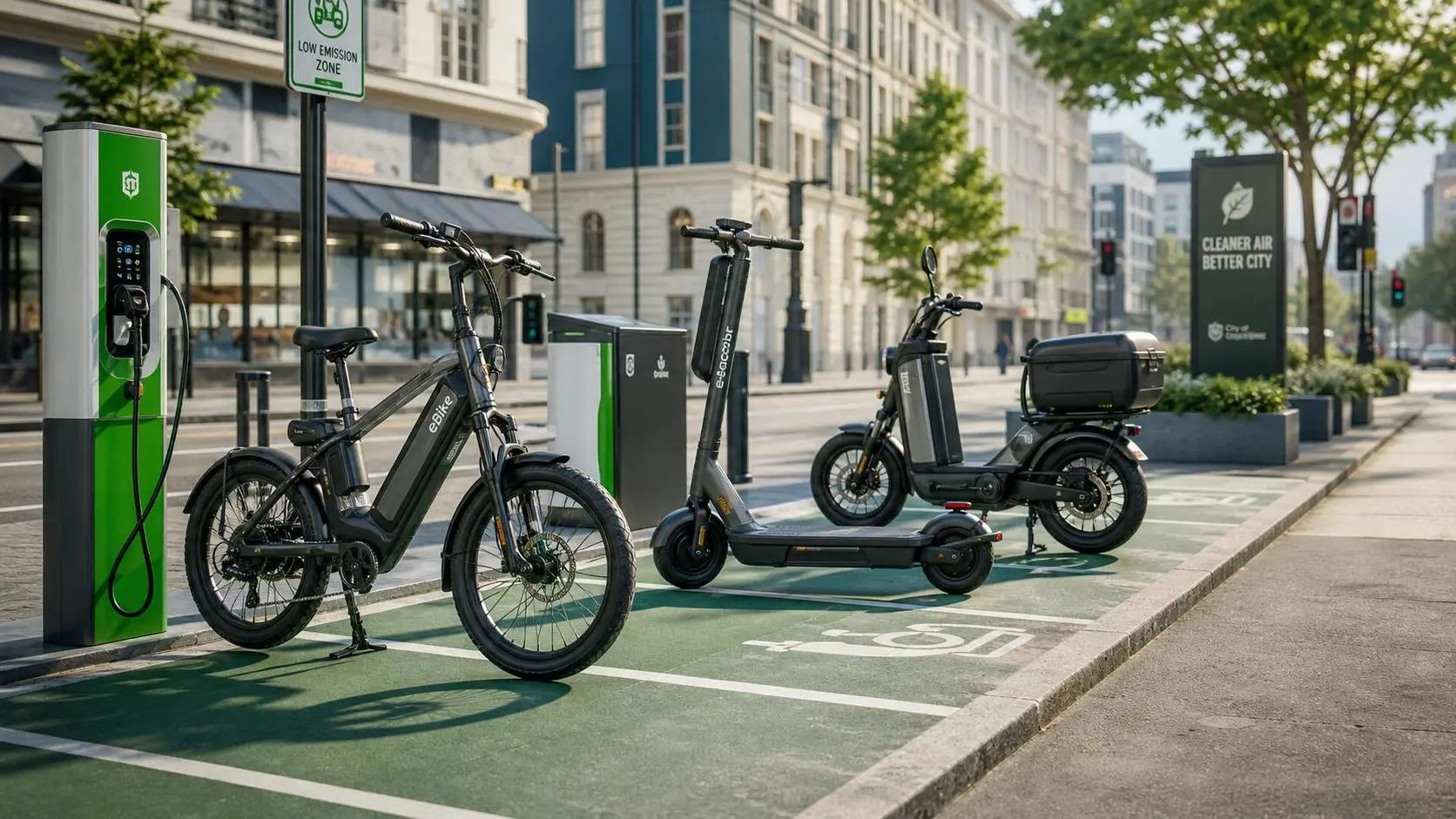
What Is Driving Green Two-wheelers Demand in Europe? Policy, Fuel Costs, and Buyer Segments
Green two-wheelers demand Europe is rising as policy support, fuel cost pressure, and diverse buyer segments reshape urban mobility. Explore the trends driving the next growth wave.
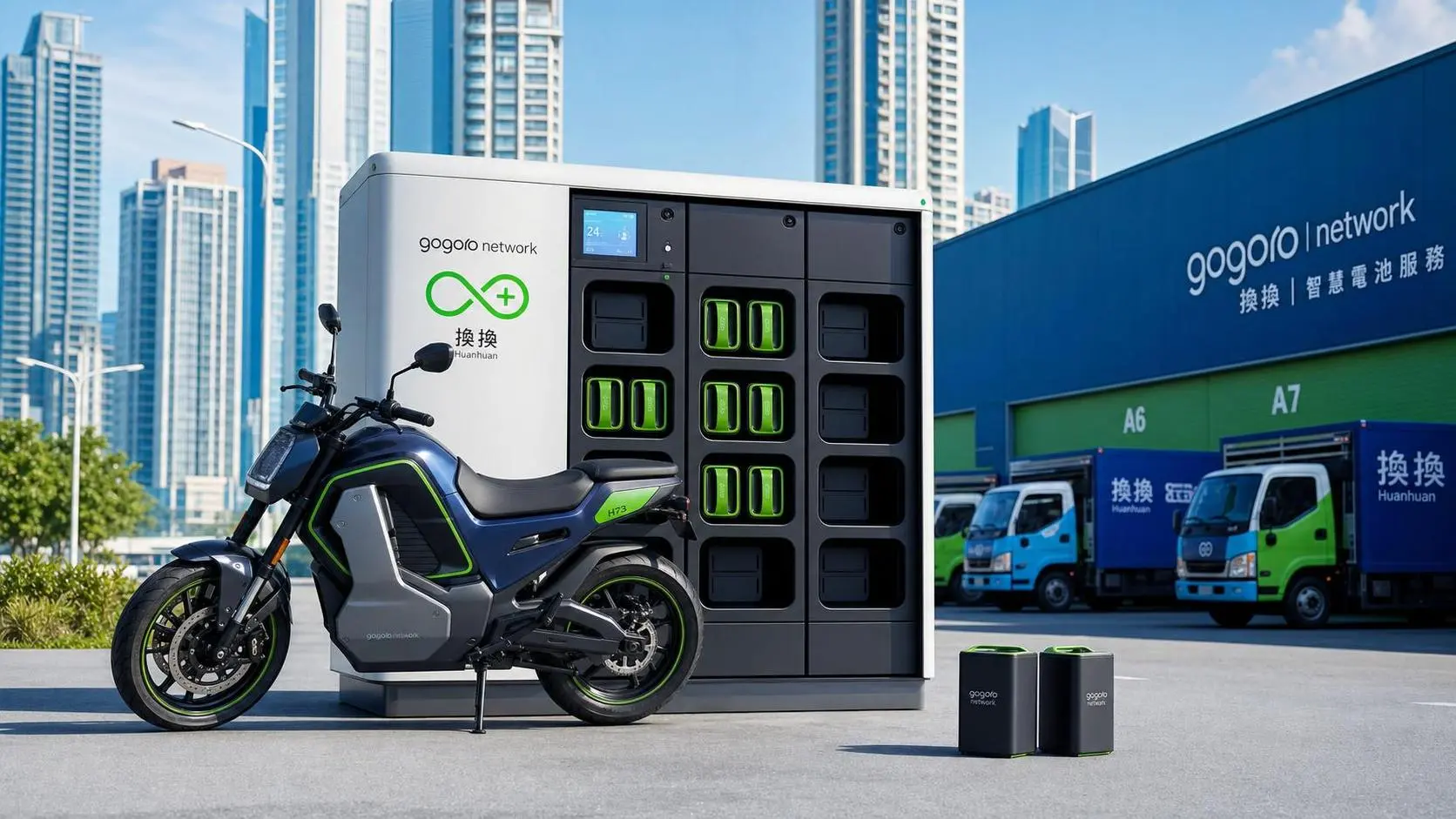
High-speed Electric Motorcycles with Swappable Battery: What to Check Before Commercial Deployment
High-speed electric motorcycles with swappable battery: learn what to verify before commercial deployment, from swap uptime and battery safety to compliance, serviceability, and real fleet ROI.
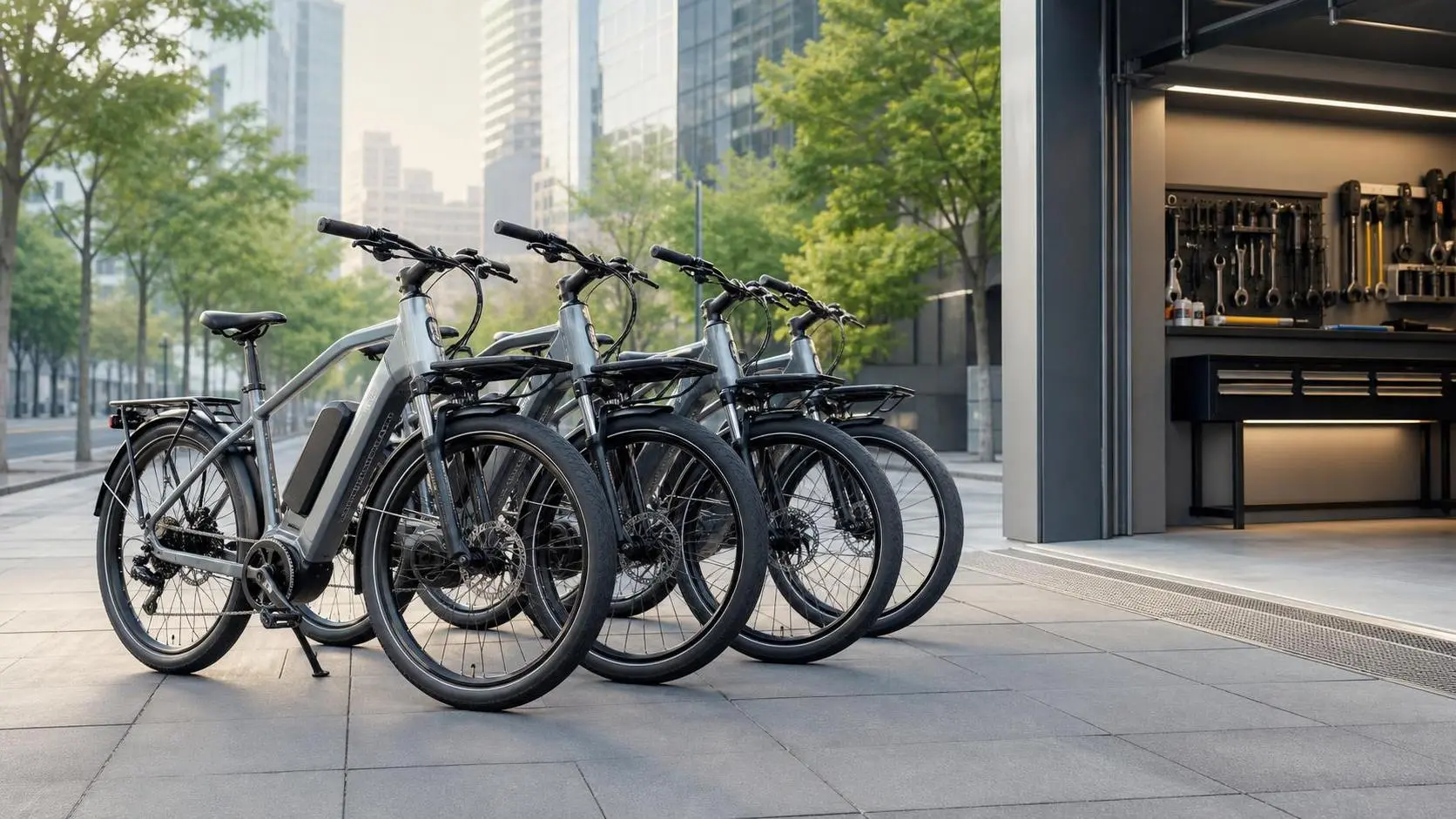
How to Choose Urban Commuting E-bikes for Rental Fleets by Range, Durability, and Serviceability
Urban commuting e-bikes for rental fleets: learn how to compare real-world range, durability, and serviceability to cut downtime, lower fleet costs, and choose smarter bikes.
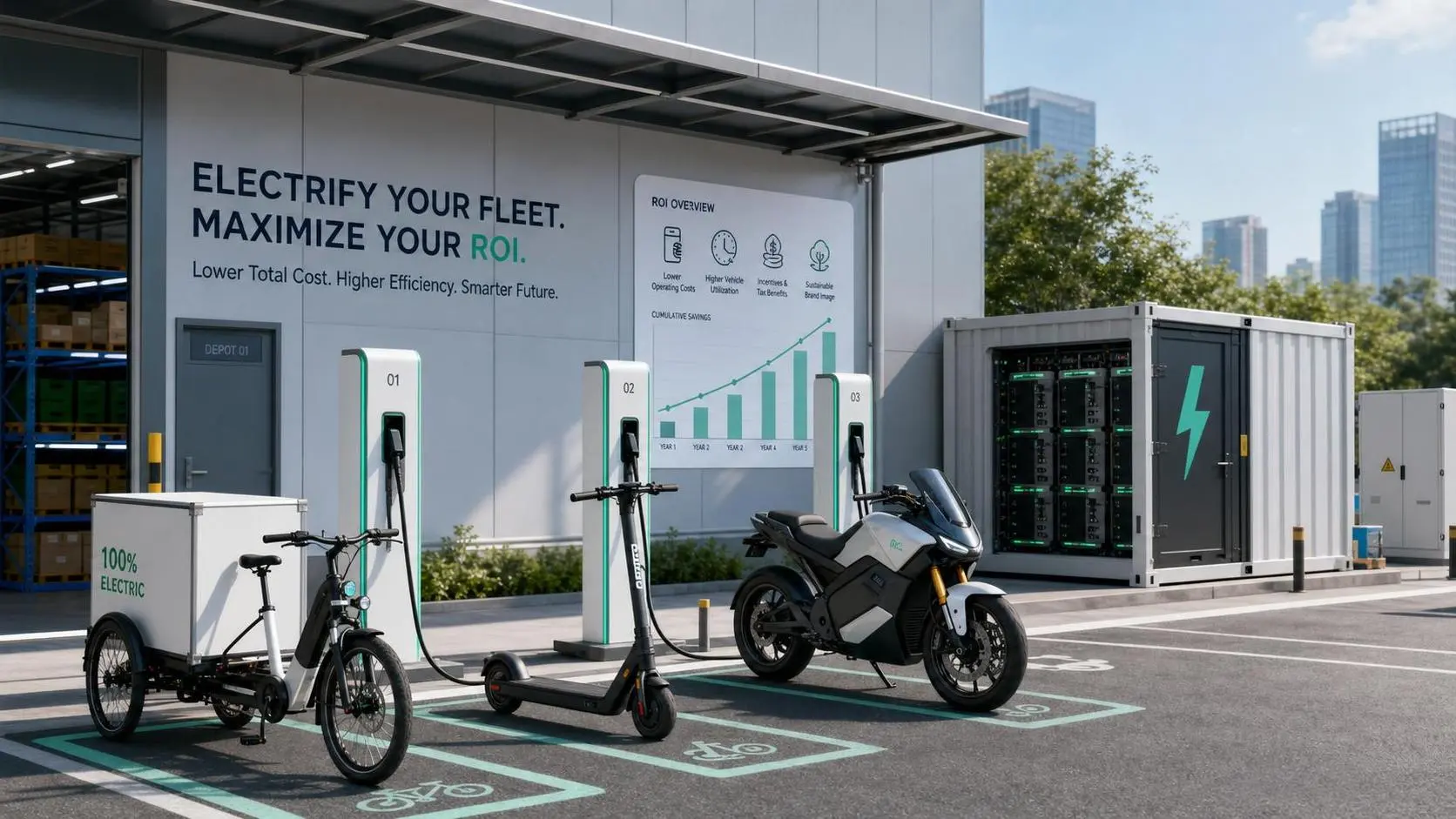
Electrification Strategies in Europe: Policy, Charging, and ROI Factors for Fleet Planning
Electrification strategies Europe: learn how policy shifts, charging readiness, and ROI modeling shape smarter fleet planning, lower risk, and faster payback across urban operations.

Battery Management Systems Factory Capabilities: How to Compare Testing and Traceability
Battery management systems factory comparison starts with testing depth and traceability. Learn how to evaluate BMS quality, firmware control, and risk reduction before choosing a supplier.
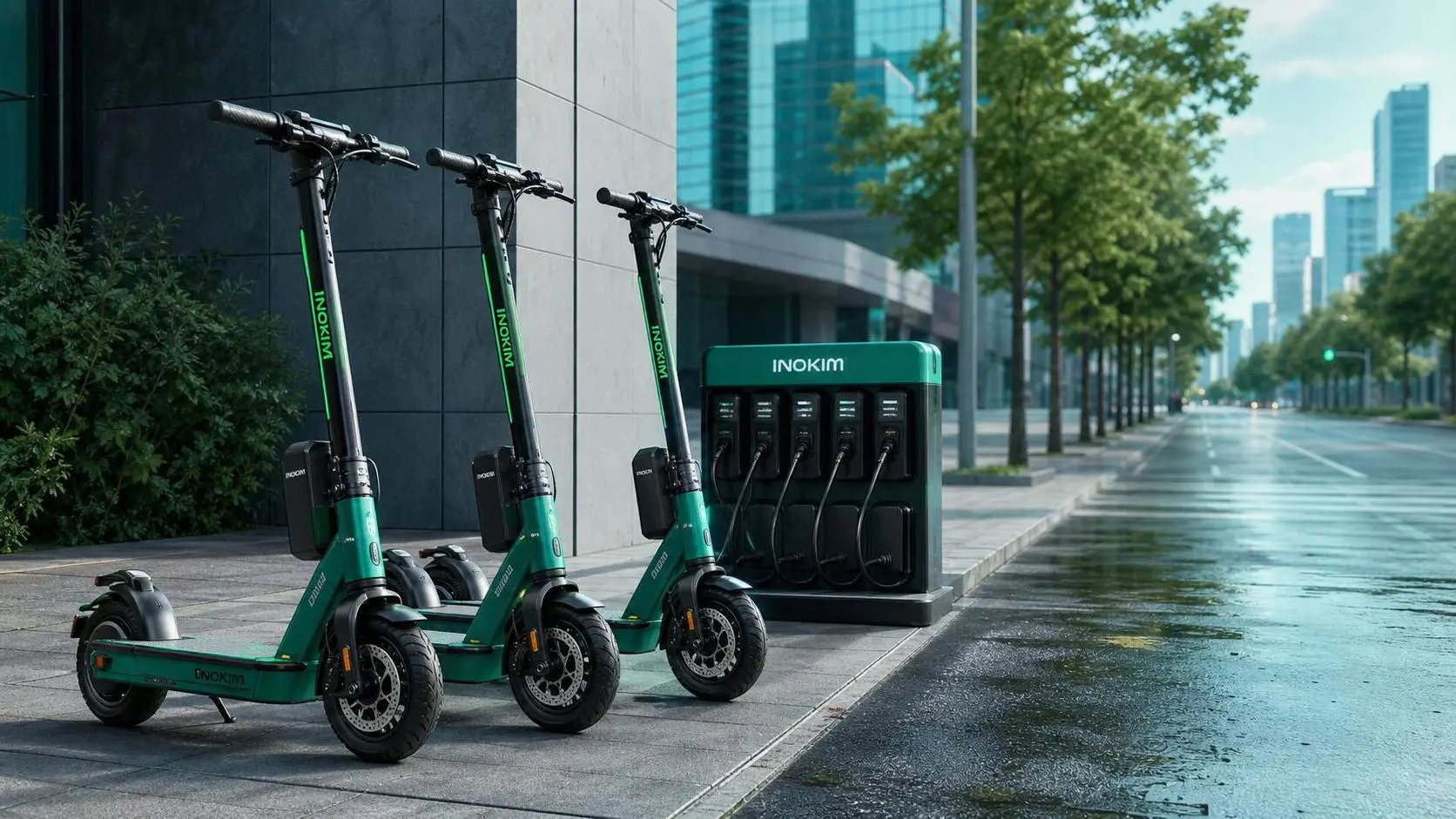
Green Transport Scooters for Urban Fleets: Which Specs Matter Most in Daily Use?
Green transport scooters for urban fleets: discover which specs truly drive uptime, safety, charging efficiency, and lower maintenance costs in daily city use.
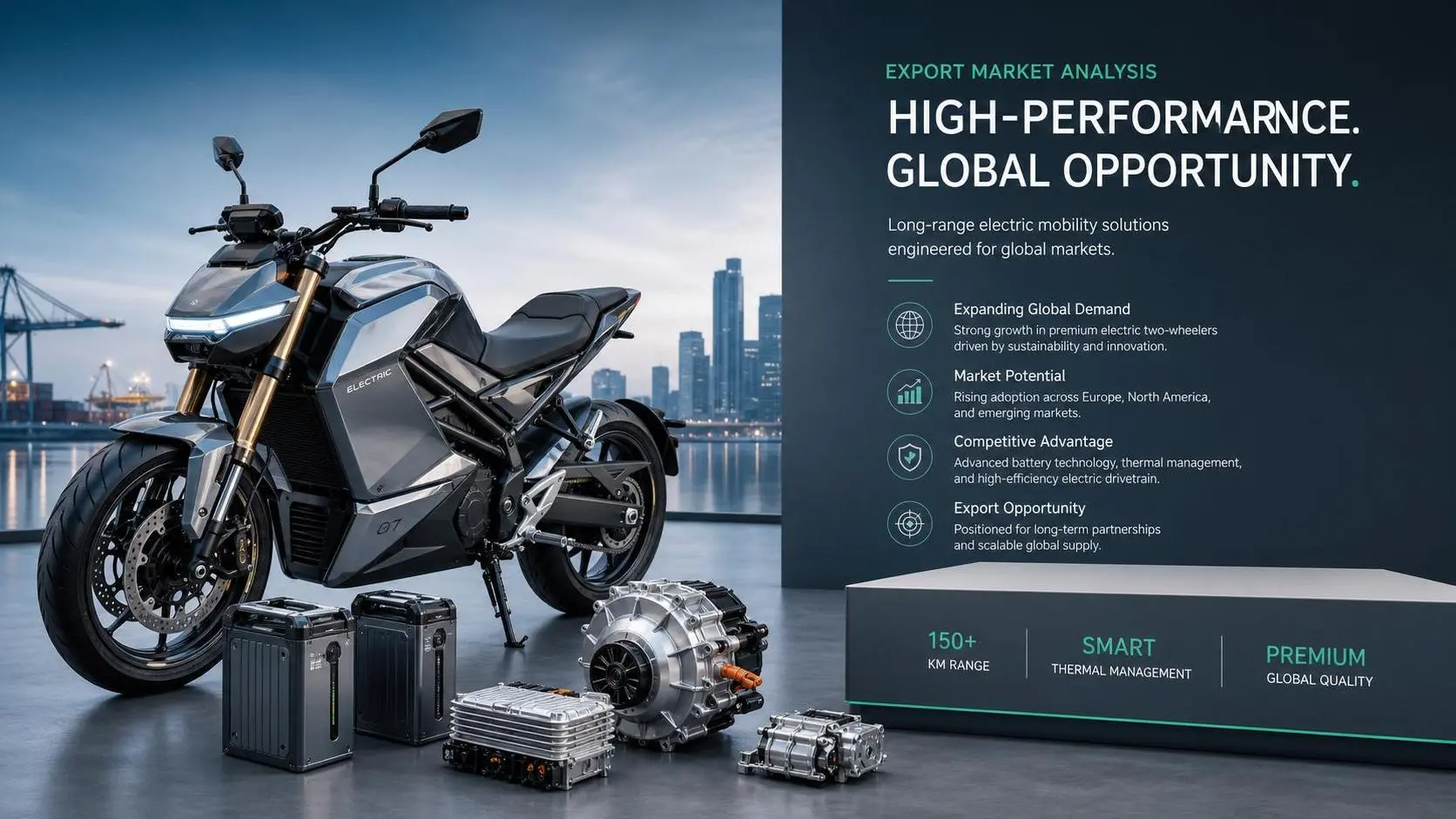
OEM Market Share in Electric Motorcycles: What It Reveals About Brand Positioning
OEM market share electric motorcycles reveals far more than sales volume—discover how share shifts expose brand positioning, technology strength, pricing logic, and scalable growth potential.

Electric Drivetrain Systems Factory Audit Checklist: Key Quality Points Before Sourcing
Electric drivetrain systems factory audit checklist: learn the key quality, testing, traceability, and process checks buyers should verify before sourcing to reduce risk and choose reliable suppliers.

Micro-Mobility Solutions for Campuses: How to Choose the Right Fleet Model
Micro-mobility solutions for campuses: learn how to choose the right fleet model for safety, cost, charging, and rider demand to build a scalable, efficient campus transport program.