
Related News
- 00
0000-00
High-speed Electric Motorcycles with Swappable Battery: What to Check Before Commercial Deployment - 00
0000-00
Urban Electric Motorcycle Buying Guide: Range, Top Speed, Licensing, and Daily Use - 00
0000-00
Electric Motorcycle Battery Trends: Cell Chemistry, Fast Charging, and Pack Design Shifts - 00
0000-00
What Causes Torque Lag in Electric Two-Wheelers and How Can Engineers Reduce It? - 00
0000-00
Swappable Battery Motorcycle vs Fixed Battery Models: Which Setup Fits Daily Use?
Electric Powertrain Analyst
Weekly Insights
Stay ahead with our curated technology reports delivered every Monday.
High-speed Electric Motorcycles with Swappable Battery: What to Check Before Commercial Deployment





Commercial rollout starts with the operating scene, not the headline spec
High-speed electric motorcycles with swappable battery look compelling on paper. In real deployment, the harder question is whether the full system survives daily operational pressure.
That pressure changes by city density, rider turnover, route length, weather exposure, and power availability. A vehicle that works well in one district may underperform badly in another.
For urban micro-mobility platforms, the decision is rarely about replacing charging alone. It is about building a stable link between vehicle uptime, battery logistics, safety control, and local compliance.
This is why UMMS tracks high-speed e-motorcycles alongside e-bikes, smart e-scooters, and drivetrain technologies. The same market logic applies: real value appears when electromechanical efficiency meets field-ready operating models.
Before commercial deployment, high-speed electric motorcycles with swappable battery should be tested against actual use conditions, not ideal lab cycles or marketing range claims.
Why the same vehicle behaves differently across urban use cases
Different scenes create different battery stress patterns. Repeated acceleration, steep grades, hot pavement, and short-stop restart cycles all change thermal behavior and energy draw.
The swap model adds another layer. Battery packs travel through stations, handling teams, charging cabinets, software locks, and fleet scheduling rules. Reliability depends on the weakest link.
In practice, high-speed electric motorcycles with swappable battery are judged by operational consistency. A strong powertrain means little if packs are mismatched, swap time drifts upward, or station uptime falls below planning assumptions.
A useful early check is whether deployment is vehicle-led or network-led. Some projects start from motorcycle performance targets. Others start from station coverage and battery circulation efficiency. The second path is usually more realistic.
Dense delivery corridors usually expose the first weaknesses
In dense commercial districts, high-speed electric motorcycles with swappable battery often face the most punishing rhythm. Frequent starts, curbside waiting, and variable payloads compress battery cycles fast.
Here, the key checkpoint is not top speed. It is whether the battery standard stays stable across every motorcycle, cabinet slot, connector, and firmware version.
Teams also need to confirm how many swaps occur during peak hours, how long pack cooling takes before charging, and whether partially charged inventory creates hidden dispatch delays.
A common misread is assuming urban delivery only needs more stations. Often the better fix is tighter battery circulation logic, clearer pack state thresholds, and better thermal recovery planning.
Commuter and municipal fleets care more about predictability than burst performance
Another scene looks calmer but has stricter service expectations. Campus security, municipal inspection, and commuter shuttle support usually value schedule certainty over aggressive acceleration.
For these uses, high-speed electric motorcycles with swappable battery should be checked for cold start consistency, software diagnostics, parking footprint, and rider access control.
Swap stations may be fewer, but downtime tolerance is also lower. If one cabinet goes offline, route planning, reserve packs, and manual override procedures become operational issues very quickly.
This is where grid integration matters more than many expect. Stable site power, charging sequence control, and demand-response compatibility can determine whether the system remains financially workable.
Regional expansion brings climate and compliance into the same decision
A deployment model proven in one city may fail during regional rollout. Humidity, rain exposure, dust, and seasonal temperature swings quickly reveal pack sealing and connector durability limits.
For high-speed electric motorcycles with swappable battery, thermal safety must be reviewed together with certification scope. Battery chemistry, enclosure rating, crash behavior, and transport rules all affect deployment speed.
In some markets, street legality is straightforward but battery storage permits are not. In others, the motorcycle passes approval while swap infrastructure triggers separate fire, electrical, or zoning review.
That split matters. Commercial deployment slows down when vehicle homologation is treated as the entire compliance task.
Different scenes shift the deployment checklist
The same platform can succeed or struggle depending on operating conditions. A simple comparison makes the decision logic clearer.
What to verify in the battery and swap architecture before scale
High-speed electric motorcycles with swappable battery depend on architecture discipline. If pack dimensions, latch tolerances, or communication protocols drift, service complexity rises quickly.
The most reliable deployments usually verify five points before expansion:
- Battery interchangeability across the planned vehicle batch.
- BMS data integrity during swap, charge, and storage transitions.
- Thermal isolation between charging packs inside the cabinet.
- Connector wear limits under real swap frequency.
- Fallback procedures when a pack is healthy but unreadable to the station.
This is also where many cost models become misleading. A low pack price does not help if additional labor, inspection, and software exceptions consume the savings.
Serviceability and total cost often decide the project later than expected
Early pilots often emphasize range and acceleration because they are easy to compare. Mature deployment decisions tend to shift toward maintenance intervals, parts replacement cycles, and asset utilization rates.
With high-speed electric motorcycles with swappable battery, serviceability reaches beyond the motorcycle. It includes station firmware, charging modules, inventory forecasting, battery refurbishment, and end-of-life handling.
In actual urban programs, the strongest financial signal is usually not energy cost per kilometer. It is the percentage of vehicles unavailable because the swap ecosystem is temporarily out of balance.
That is why UMMS places battery management logic next to drivetrain efficiency in its market analysis. Commercial viability depends on both the machine and the operating intelligence surrounding it.
Useful adaptation moves before committing capital
- Map routes by stop density, grade, payload, and idle time before finalizing battery count.
- Pilot high-speed electric motorcycles with swappable battery through one full seasonal cycle.
- Model station downtime scenarios instead of assuming continuous availability.
- Separate vehicle certification tasks from battery storage and electrical approval tasks.
- Track connector wear, pack temperature deviation, and failed swap attempts from day one.
Misjudgments that slow deployment even when the technology is sound
One frequent mistake is treating all urban fleets as variations of the same demand profile. Similar trip distances do not mean similar duty cycles.
Another is focusing on purchase price while ignoring battery rotation losses, spare pack storage, and service labor. High-speed electric motorcycles with swappable battery can scale well, but only when lifecycle costs are visible early.
There is also a tendency to assume station density solves every problem. In reality, software reliability, inventory balancing, and thermal control often matter more than adding another cabinet.
Finally, teams sometimes validate the vehicle but not the operator workflow. If swaps are awkward, unsafe, or slow under rain and night conditions, deployment friction rises immediately.
A practical next step is to build a scene-based acceptance standard
A sound rollout plan for high-speed electric motorcycles with swappable battery starts with a narrower question: under which operating scenes must the system remain stable, compliant, and economical?
From there, define acceptance thresholds for swap time, station uptime, pack temperature spread, route energy variance, and maintenance response. Those indicators reveal deployment fitness far better than brochure metrics.
The most useful approach is to compare at least two real operating conditions side by side, then test whether the same battery-swapping model serves both without hidden cost transfer.
When high-speed electric motorcycles with swappable battery are evaluated this way, expansion decisions become clearer. The project moves from concept appeal to repeatable urban infrastructure logic.
Related News
What Is Driving Green Two-wheelers Demand in Europe? Policy, Fuel Costs, and Buyer Segments
Green two-wheelers demand Europe is rising as policy support, fuel cost pressure, and diverse buyer segments reshape urban mobility. Explore the trends driving the next growth wave.
Micro-mobility Systems Explained: Core Components, Operating Models, and City Use Cases
Micro-mobility systems explained: discover key components, operating models, and real city use cases shaping cleaner, smarter urban transport and last-mile mobility.
How to Choose Urban Commuting E-bikes for Rental Fleets by Range, Durability, and Serviceability
Urban commuting e-bikes for rental fleets: learn how to compare real-world range, durability, and serviceability to cut downtime, lower fleet costs, and choose smarter bikes.
Electrification Strategies in Europe: Policy, Charging, and ROI Factors for Fleet Planning
Electrification strategies Europe: learn how policy shifts, charging readiness, and ROI modeling shape smarter fleet planning, lower risk, and faster payback across urban operations.

Battery Management Systems Factory Capabilities: How to Compare Testing and Traceability
Battery management systems factory comparison starts with testing depth and traceability. Learn how to evaluate BMS quality, firmware control, and risk reduction before choosing a supplier.
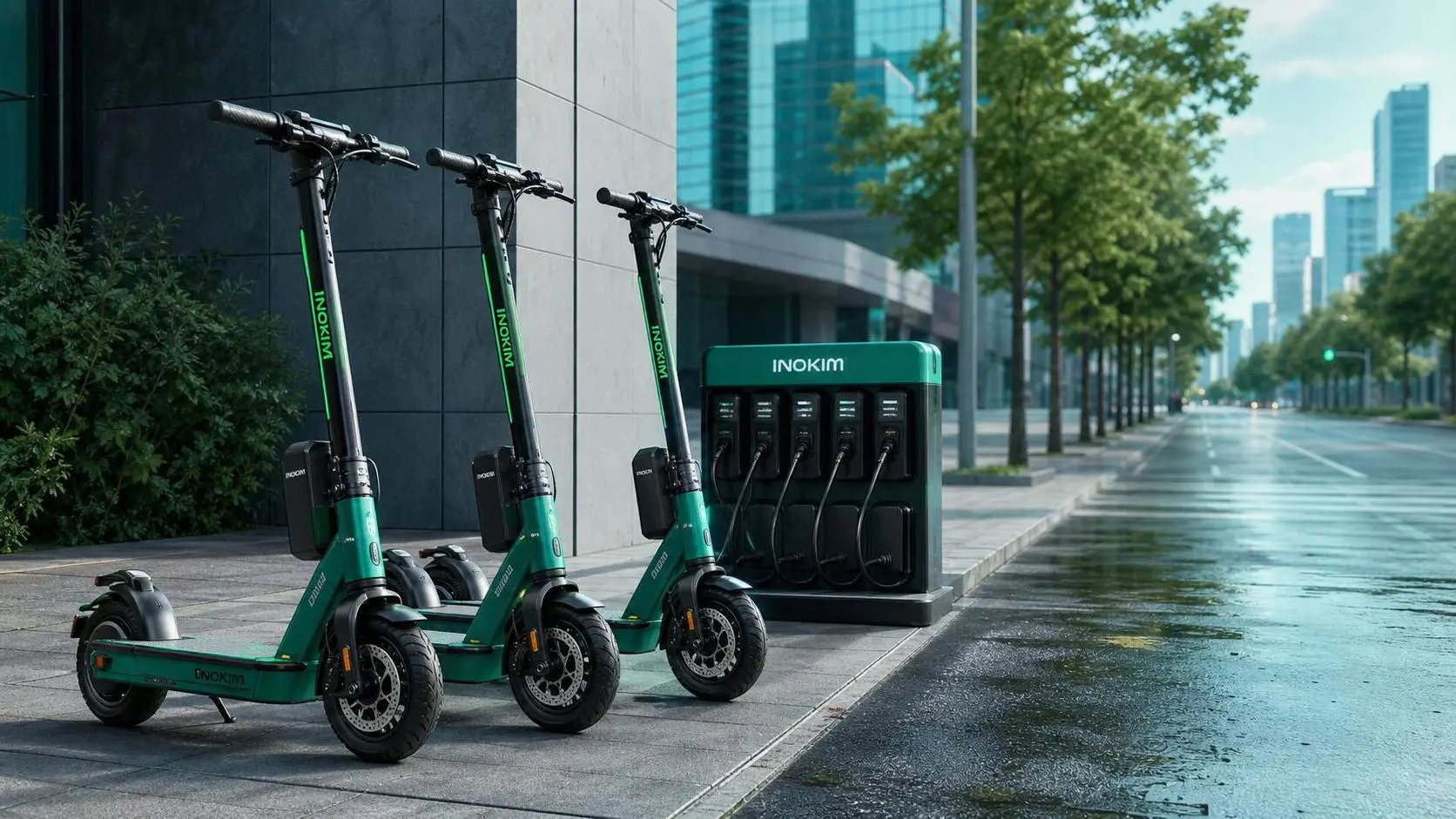
Green Transport Scooters for Urban Fleets: Which Specs Matter Most in Daily Use?
Green transport scooters for urban fleets: discover which specs truly drive uptime, safety, charging efficiency, and lower maintenance costs in daily city use.
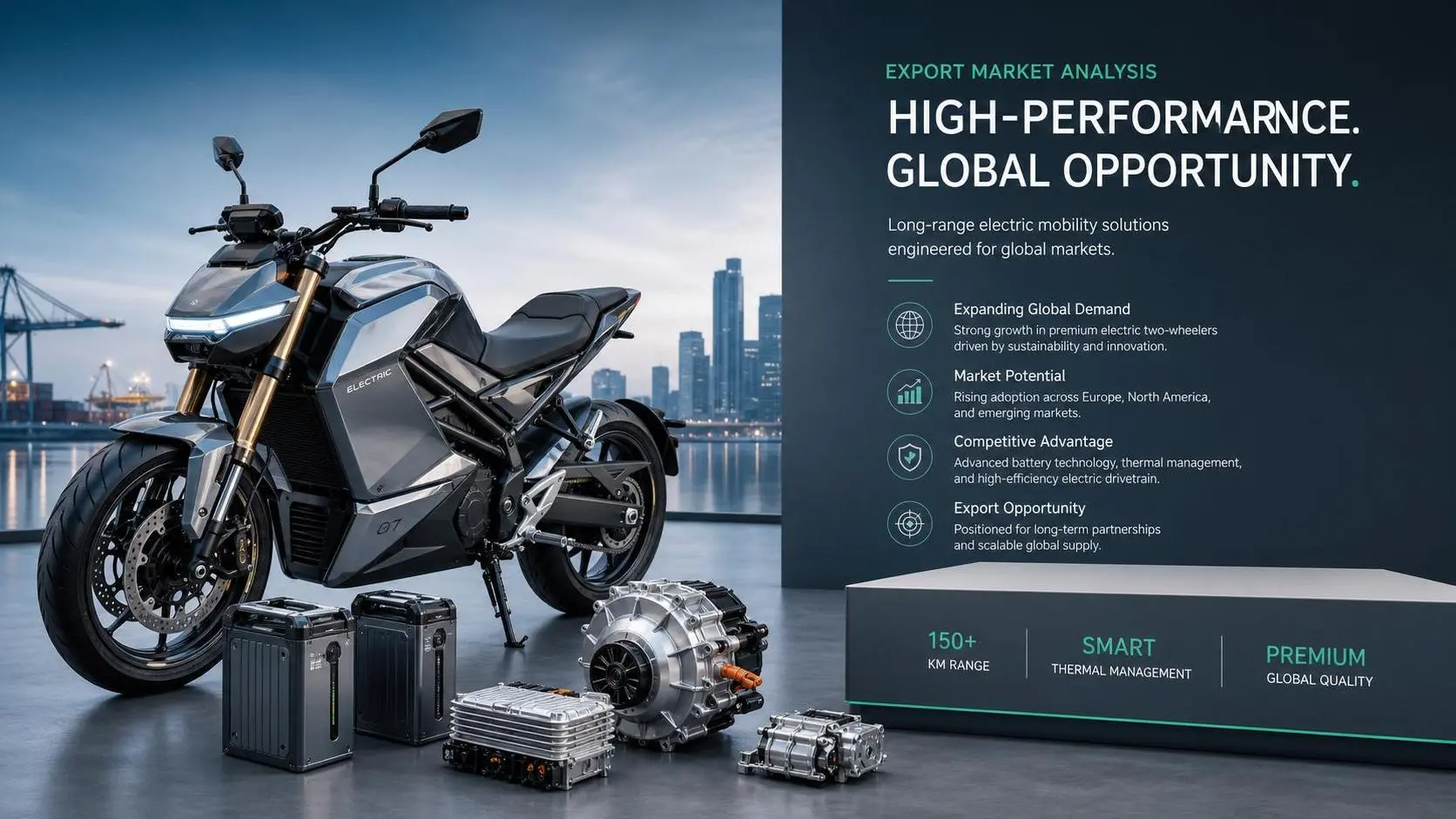
OEM Market Share in Electric Motorcycles: What It Reveals About Brand Positioning
OEM market share electric motorcycles reveals far more than sales volume—discover how share shifts expose brand positioning, technology strength, pricing logic, and scalable growth potential.

Electric Drivetrain Systems Factory Audit Checklist: Key Quality Points Before Sourcing
Electric drivetrain systems factory audit checklist: learn the key quality, testing, traceability, and process checks buyers should verify before sourcing to reduce risk and choose reliable suppliers.

Micro-Mobility Solutions for Campuses: How to Choose the Right Fleet Model
Micro-mobility solutions for campuses: learn how to choose the right fleet model for safety, cost, charging, and rider demand to build a scalable, efficient campus transport program.