
Related News
- 00
0000-00
How to Choose Urban Commuting E-bikes for Rental Fleets by Range, Durability, and Serviceability - 00
0000-00
E-Bike Component Selection: How to Evaluate a Torque Sensor for Commuting and Cargo Use - 00
0000-00
What Drives Low Carbon E-bike Price: Materials, Battery Specs, and Compliance Costs - 00
0000-00
Utility Maximization in E-bikes: Which Motor, Battery, and Range Trade-offs Matter Most? - 00
0000-00
Brushless Motor for Scooters: How to Compare Power, Torque, and Efficiency
Micro-Mobility Strategist
Weekly Insights
Stay ahead with our curated technology reports delivered every Monday.
How to Choose Urban Commuting E-bikes for Rental Fleets by Range, Durability, and Serviceability





How to Choose Urban Commuting E-bikes for Rental Fleets by Range, Durability, and Serviceability
Choosing urban commuting e-bikes for rental fleets is no longer just about upfront cost.
Real-world range, structural durability, and fast serviceability now shape fleet performance more than brochure specs.
That shift is easy to understand.
Urban rental operations face dense stop-and-go traffic, weather swings, curb impacts, high rider turnover, and constant pressure to reduce downtime.
In that environment, the best urban commuting e-bikes for rental fleets are the ones that stay available, stay predictable, and stay economical over time.
This guide breaks down how to evaluate models with more confidence and fewer costly surprises.
Start with the operating profile, not the catalog
Before comparing components, define the real duty cycle.
Urban commuting e-bikes for rental fleets perform differently depending on route density, rider weight range, terrain, theft risk, and charging workflow.
A flat business district needs a different bike than a mixed residential network with hills and rough pavement.
More importantly, service constraints matter early.
If field technicians are limited, highly integrated systems may raise downtime even when rider experience looks better on paper.
- Average daily kilometers per vehicle
- Peak trip frequency and idle time
- Charging model, fixed or battery swap
- Road surface quality and curb exposure
- Weather, corrosion, and storage conditions
- Local regulations on speed, lighting, and parking
This baseline makes later decisions sharper.
Without it, range claims, warranty terms, and maintenance promises are hard to compare in a useful way.
Evaluate range by real urban conditions
Range is often the first filter for urban commuting e-bikes for rental fleets.
It is also the most misunderstood metric.
Lab estimates rarely match urban rental use.
Frequent starts, short trips, aggressive acceleration, headwinds, low temperatures, and mixed rider behavior all compress effective range.
The better question is not maximum range.
It is whether the bike can complete a normal service window with reserve capacity.
What to check in battery and motor matching
Battery size alone does not solve the problem.
For urban commuting e-bikes for rental fleets, motor tuning, controller efficiency, rolling resistance, and bike weight all affect usable range.
- Ask for range data under payload, stop-start, and cold-weather scenarios
- Review battery chemistry, cycle life, and thermal protection logic
- Confirm whether assist tuning favors efficiency or acceleration
- Check charging time from low to operational threshold, not only to full
From a fleet perspective, predictable range matters more than peak range.
A slightly smaller battery with stable output and fast charging can outperform a larger pack that degrades faster or runs hotter.
Questions that reveal real range risk
- How much range remains after 500 charging cycles?
- What is the expected range variance across seasons?
- Can depleted batteries be swapped in the field?
- What telematics data supports charge planning?
These details make model selection more grounded and easier to defend internally.
Durability is where total cost of ownership is decided
Durability often separates good consumer bikes from good fleet bikes.
Urban commuting e-bikes for rental fleets absorb repeated misuse that private ownership rarely creates.
Frames are leaned against poles, wheels hit potholes, drivetrains face poor shifting habits, and brake systems work hard all day.
That means material quality and component protection deserve close attention.
Critical durability areas
- Frame weld quality and fatigue resistance
- Fork stiffness and impact tolerance
- Wheel strength, spoke reliability, and rim design
- Hydraulic brake durability and pad replacement intervals
- Chain, belt, or hub drivetrain wear rates
- IP rating for display, controller, connectors, and battery housing
A useful signal is how the bike handles minor damage.
Well-designed urban commuting e-bikes for rental fleets protect connectors, route cables cleanly, and reduce the number of exposed failure points.
That lowers both repair frequency and inspection time.
Choose components for abuse tolerance, not prestige
Premium consumer parts do not always belong in rental operations.
In many cities, simpler systems last longer because they are easier to inspect, adjust, and replace.
For example, internally geared hubs may reduce maintenance compared with exposed derailleur setups.
Likewise, puncture-resistant tires can save far more labor than they add in purchase cost.
Serviceability determines uptime
Serviceability is sometimes treated as a workshop issue.
In reality, it is a procurement issue because it directly affects availability and labor cost.
Urban commuting e-bikes for rental fleets should be designed for quick diagnosis and fast parts replacement.
This matters even more when fleets are spread across multiple depots or cities.
Look for service-friendly design features
- Modular battery and controller access
- Standard fasteners and common tool compatibility
- Clear cable routing and connector labeling
- Replaceable display, lights, fenders, and brake levers
- Remote diagnostics and fault code visibility
- Local spare parts support and lead-time transparency
In practical operations, minutes matter.
If a brake lever replacement takes forty minutes instead of ten, that difference scales quickly across a large fleet.
The same logic applies to batteries, chargers, displays, and rear wheels.
Measure serviceability with simple benchmarks
Request timed service demos for common repairs.
Then compare suppliers on actual task duration, training needs, and spare part access.
Use a weighted evaluation model
A structured scorecard helps compare urban commuting e-bikes for rental fleets without overreacting to one attractive feature.
It also keeps cross-functional discussions focused on business impact.
- Range under real operating conditions: 25%
- Frame and component durability: 25%
- Serviceability and repair time: 20%
- Parts availability and supplier support: 15%
- Rider safety and comfort: 10%
- Purchase price: 5%
The weighting can vary by business model.
Still, this approach reflects a common truth in shared mobility.
The cheapest bike rarely stays the cheapest after repairs, downtime, battery decline, and rider complaints are included.
Run a pilot before full deployment
Even strong technical documents cannot replace field evidence.
A pilot with 20 to 50 units can reveal issues that never appear in sales material.
For urban commuting e-bikes for rental fleets, pilot tracking should include energy use, failure frequency, repair time, rider feedback, and parts consumption.
More revealing signals often appear after the first few weeks.
Loose connectors, brake wear patterns, wheel truing needs, and battery consistency are easier to judge under repetitive urban use.
- Track failures per 1,000 kilometers
- Measure downtime per bike per week
- Record average repair labor minutes
- Compare battery consistency across units
Make the final decision on lifecycle performance
The strongest urban commuting e-bikes for rental fleets are not simply the fastest, lightest, or cheapest options.
They are the models that match route reality, survive daily abuse, and return to service quickly.
That is where range, durability, and serviceability come together.
In today’s market, smarter selection means looking past headline specs and testing for operational fit.
A disciplined evaluation process reduces risk, improves fleet uptime, and creates a more defensible total cost picture.
For teams reviewing urban commuting e-bikes for rental fleets, the next practical step is clear.
Build a shortlist, request service benchmarks, and validate every claim through a tightly monitored pilot.
Related News
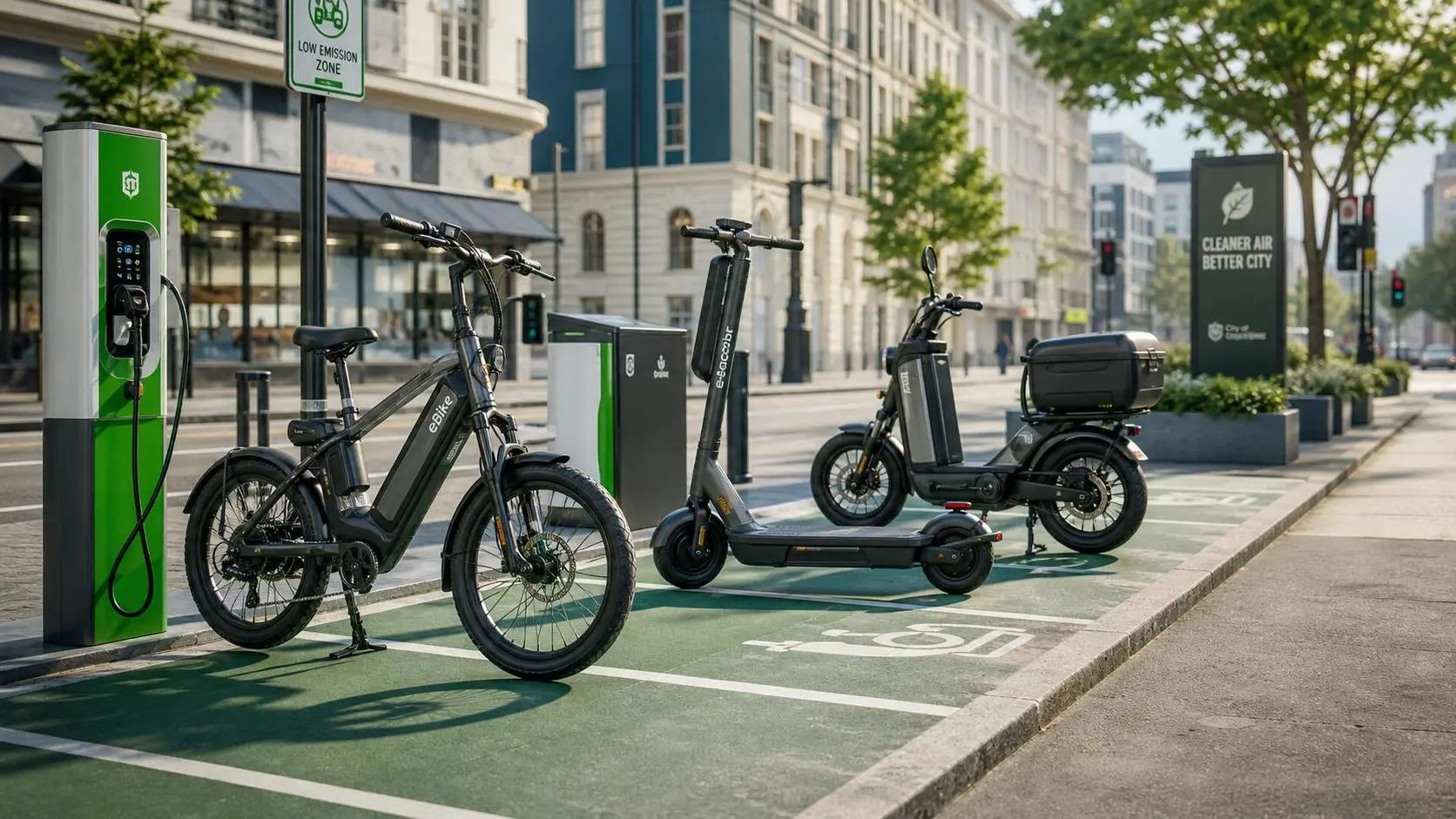
What Is Driving Green Two-wheelers Demand in Europe? Policy, Fuel Costs, and Buyer Segments
Green two-wheelers demand Europe is rising as policy support, fuel cost pressure, and diverse buyer segments reshape urban mobility. Explore the trends driving the next growth wave.
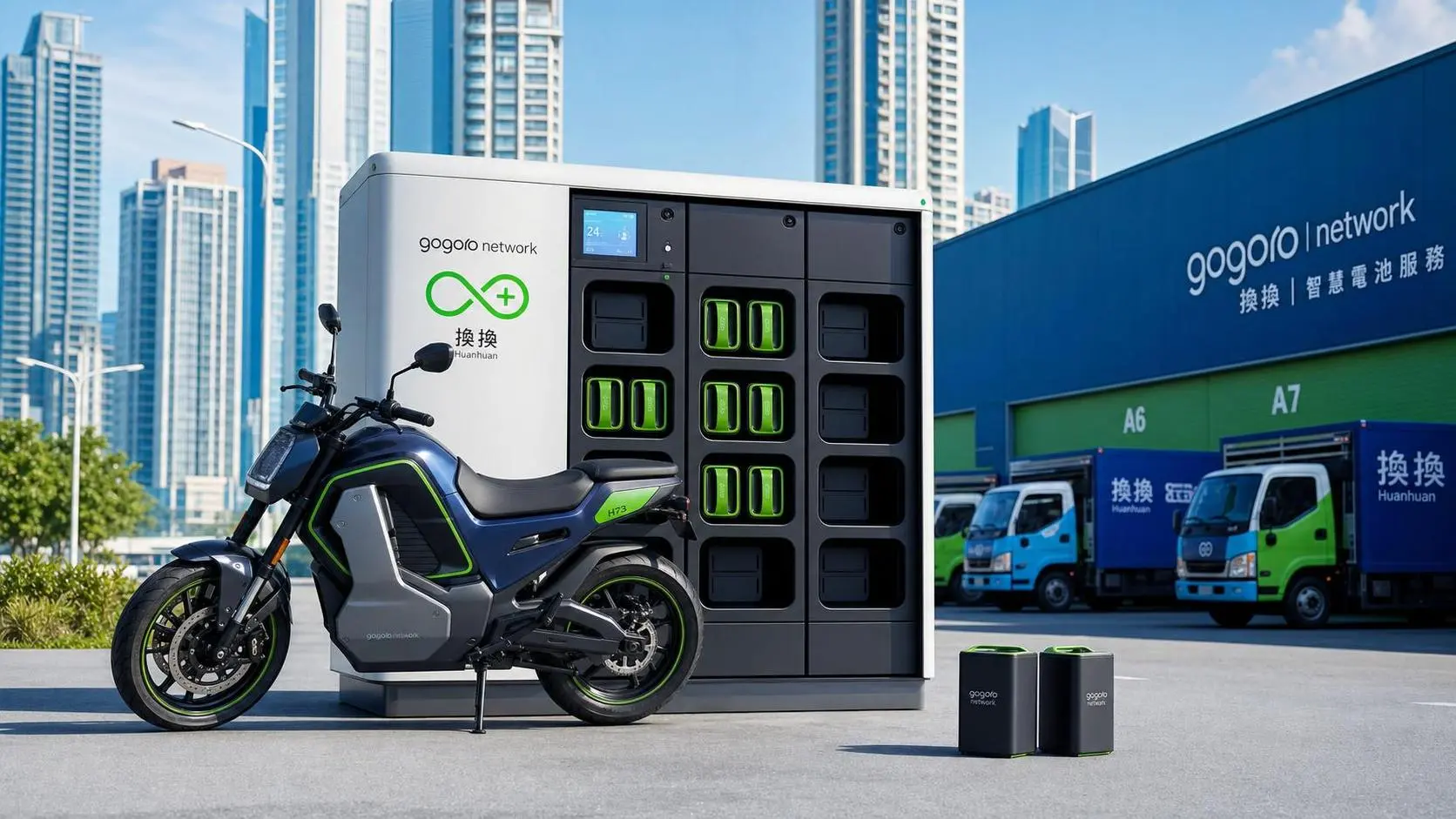
High-speed Electric Motorcycles with Swappable Battery: What to Check Before Commercial Deployment
High-speed electric motorcycles with swappable battery: learn what to verify before commercial deployment, from swap uptime and battery safety to compliance, serviceability, and real fleet ROI.
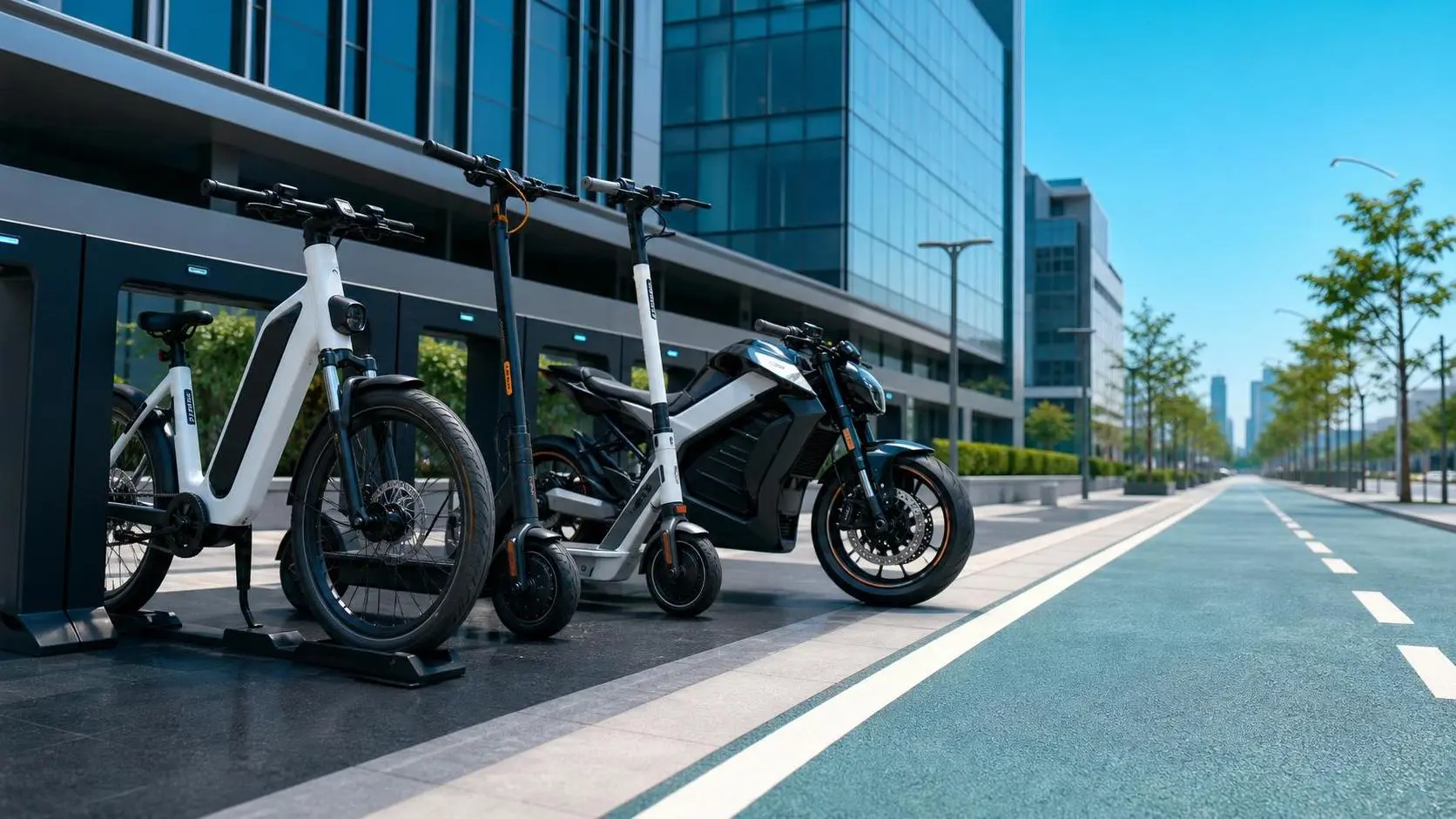
Micro-mobility Systems Explained: Core Components, Operating Models, and City Use Cases
Micro-mobility systems explained: discover key components, operating models, and real city use cases shaping cleaner, smarter urban transport and last-mile mobility.
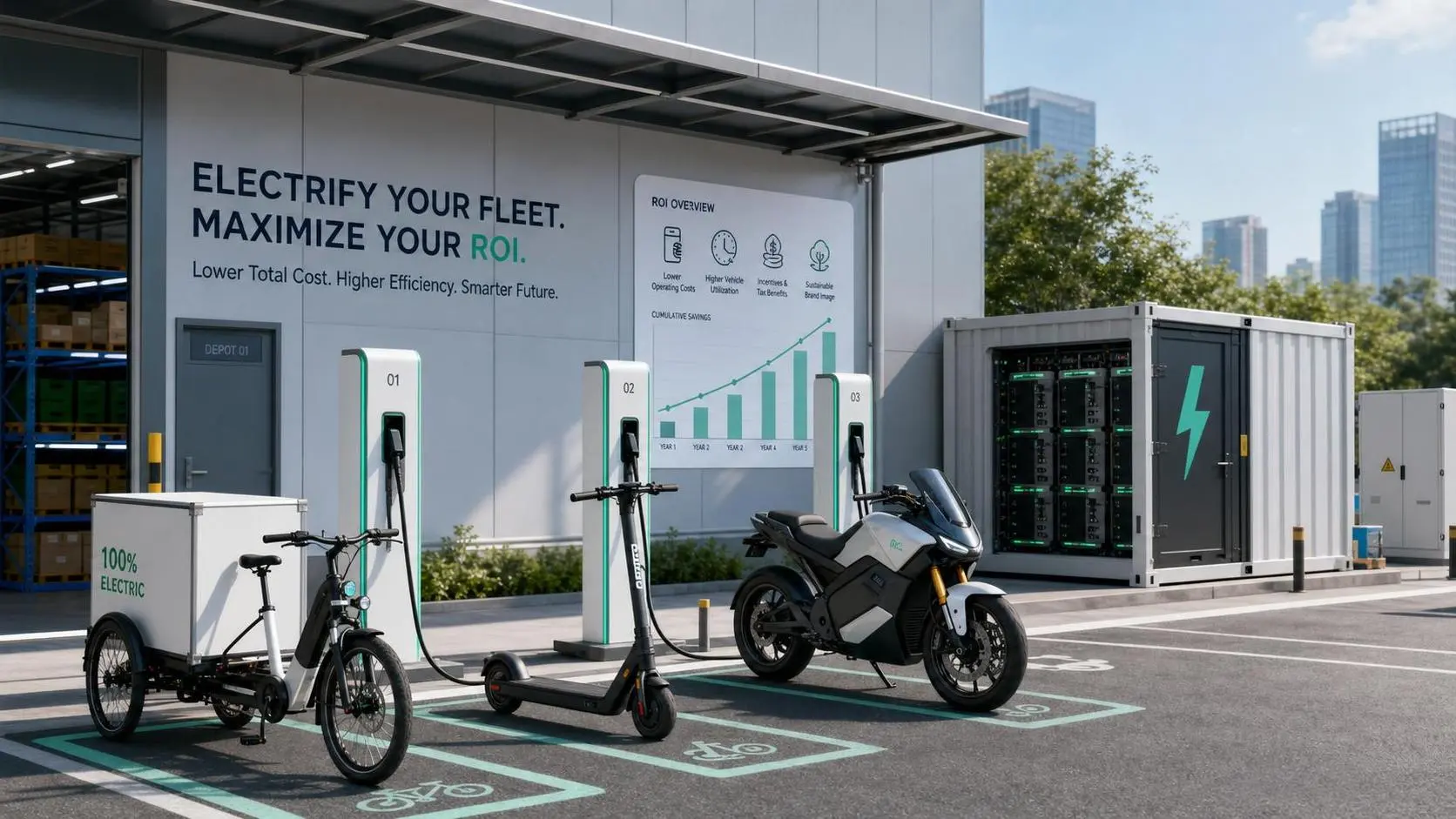
Electrification Strategies in Europe: Policy, Charging, and ROI Factors for Fleet Planning
Electrification strategies Europe: learn how policy shifts, charging readiness, and ROI modeling shape smarter fleet planning, lower risk, and faster payback across urban operations.

Battery Management Systems Factory Capabilities: How to Compare Testing and Traceability
Battery management systems factory comparison starts with testing depth and traceability. Learn how to evaluate BMS quality, firmware control, and risk reduction before choosing a supplier.
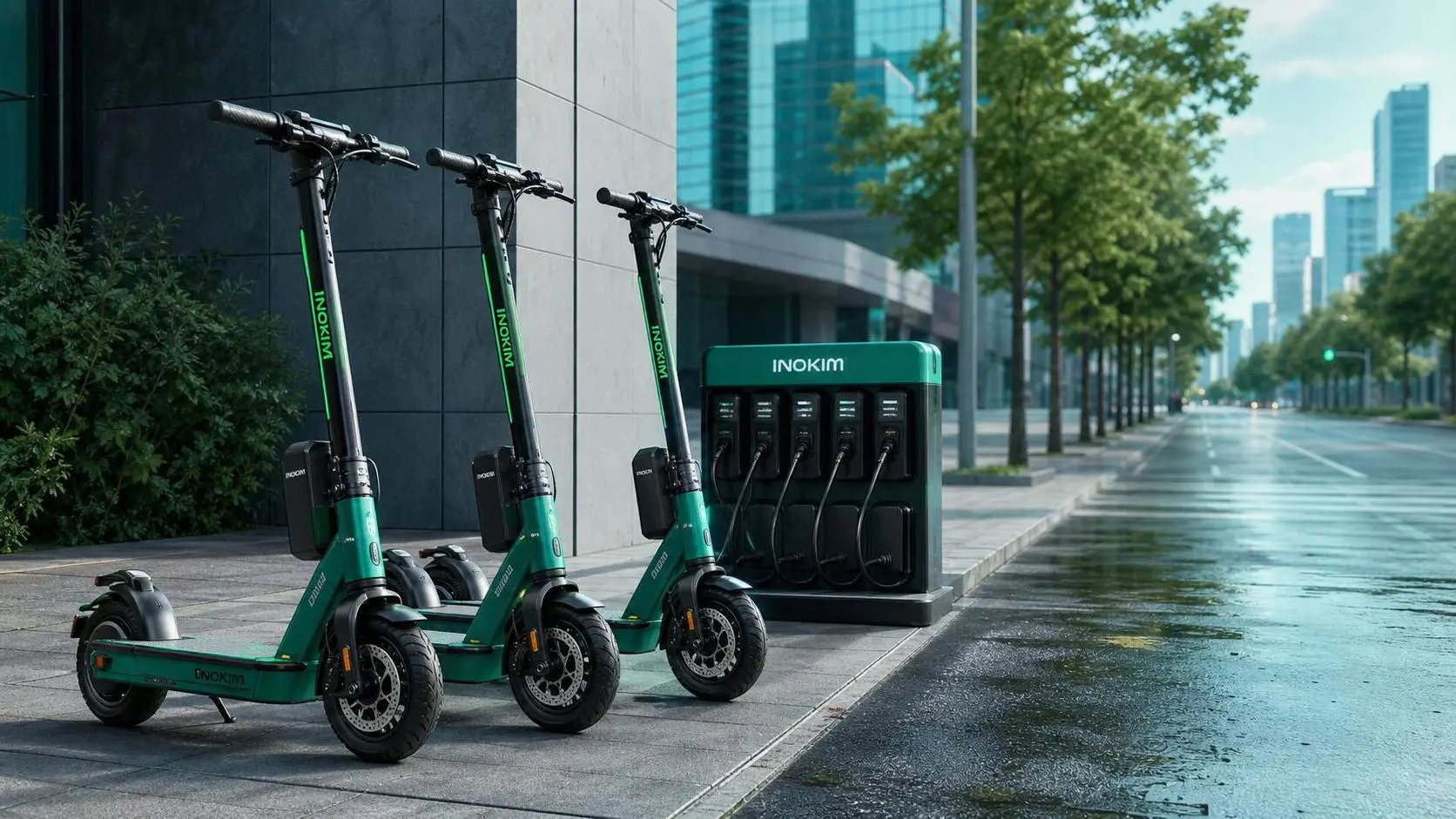
Green Transport Scooters for Urban Fleets: Which Specs Matter Most in Daily Use?
Green transport scooters for urban fleets: discover which specs truly drive uptime, safety, charging efficiency, and lower maintenance costs in daily city use.
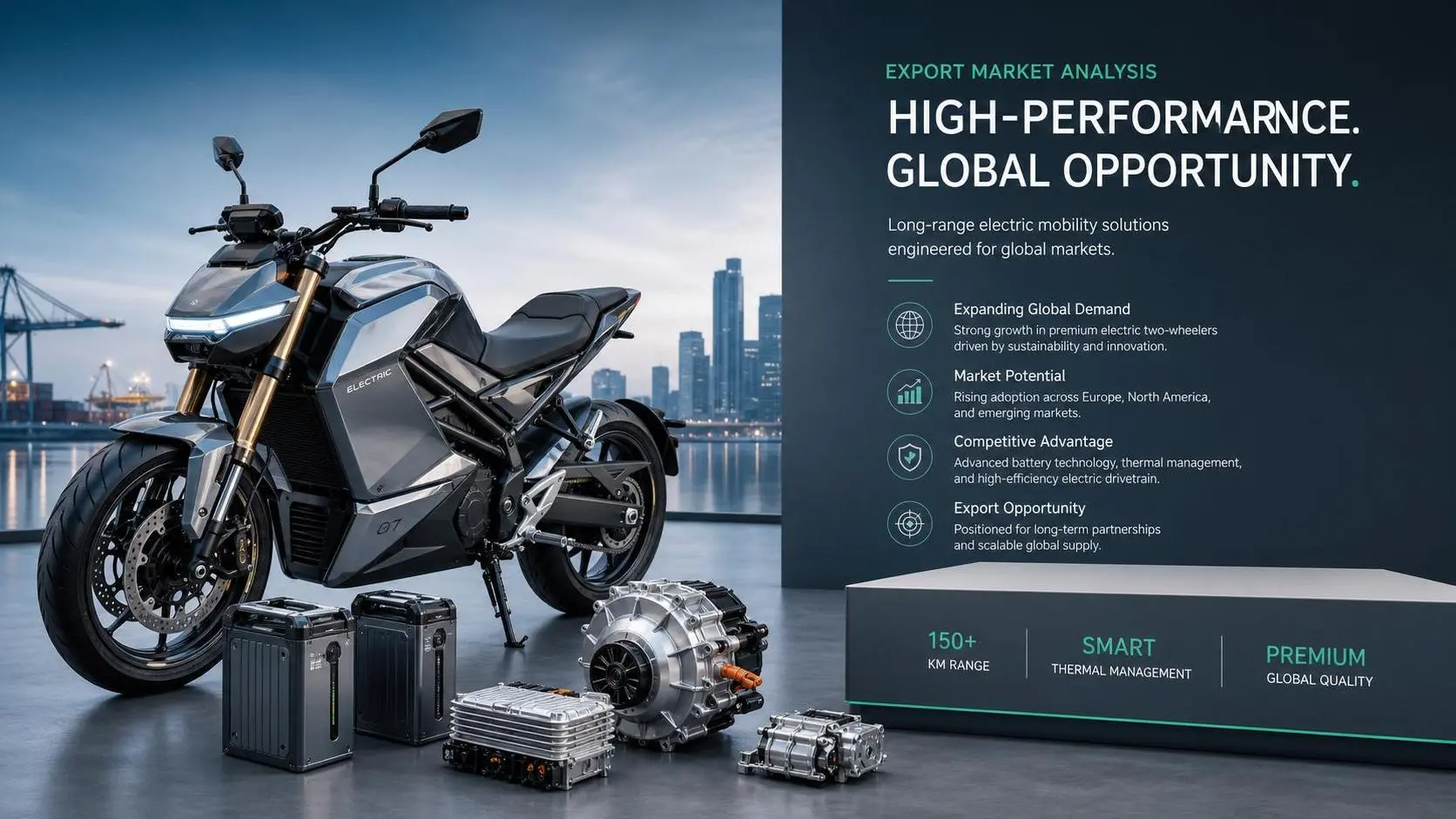
OEM Market Share in Electric Motorcycles: What It Reveals About Brand Positioning
OEM market share electric motorcycles reveals far more than sales volume—discover how share shifts expose brand positioning, technology strength, pricing logic, and scalable growth potential.

Electric Drivetrain Systems Factory Audit Checklist: Key Quality Points Before Sourcing
Electric drivetrain systems factory audit checklist: learn the key quality, testing, traceability, and process checks buyers should verify before sourcing to reduce risk and choose reliable suppliers.

Micro-Mobility Solutions for Campuses: How to Choose the Right Fleet Model
Micro-mobility solutions for campuses: learn how to choose the right fleet model for safety, cost, charging, and rider demand to build a scalable, efficient campus transport program.