
Related News
- 00
0000-00
What Is a Smart Transportation Platform and Which Urban Mobility Use Cases Fit Best? - 00
0000-00
How to Plan Micro-Mobility Charging Stations: Site Selection, Power Needs, and ROI - 00
0000-00
Electric Two Wheeler Battery Components Explained: Cells, BMS, Thermal Parts, and Connectors - 00
0000-00
Carbon Neutrality Standards for E-bike Manufacturing: Key Metrics and Certification Steps - 00
0000-00
Urban Transport Planning Basics: How Cities Match Mobility Options to Trip Demand
Ms. Elena Rodriguez
Weekly Insights
Stay ahead with our curated technology reports delivered every Monday.
Electric Two Wheeler Battery Components Explained: Cells, BMS, Thermal Parts, and Connectors





Electric two wheeler battery components sit at the center of performance, safety, and long-term operating cost in modern micro-mobility. Whether the platform is an e-bike, a smart e-scooter, or a high-speed e-motorcycle, battery quality is never defined by cell capacity alone.
Range, charging stability, thermal resilience, and service life all depend on how cells, BMS logic, thermal parts, and connectors work as one system. That is why this topic matters across technical evaluation, sourcing decisions, and broader market analysis.
For UMMS, which tracks the electrification of two-wheelers through engineering and commercial intelligence, these details are not minor hardware trivia. They shape export competitiveness, fleet uptime, regulatory confidence, and the credibility of every battery-powered mobility product entering global cities.
Why battery architecture deserves closer attention
In the market, headline claims usually focus on voltage, amp-hours, and top speed. Those metrics matter, but they rarely explain why two similar vehicles behave very differently after a year of charging, vibration, heat exposure, and stop-start urban use.
Electric two wheeler battery components determine whether energy delivery stays balanced, whether heat remains controlled, and whether charging events stay predictable. They also influence certification pathways, maintenance planning, and warranty risk.
This is especially relevant in urban micro-mobility, where vehicles face dense traffic, frequent acceleration, curb impacts, varied climates, and irregular charging habits. Under those conditions, component integration becomes more important than single-parameter marketing claims.
The battery pack is a system, not a single part
A battery pack combines electrochemical storage, electronic supervision, mechanical protection, thermal control, and current transfer. If one layer is weak, overall pack quality drops quickly.
When people discuss electric two wheeler battery components, four groups deserve priority attention:
- Battery cells, which store and release energy.
- The BMS, which monitors and protects the pack.
- Thermal parts, which limit heat buildup and temperature imbalance.
- Connectors and interconnects, which carry current and data.
These groups are linked. High-quality cells can still underperform inside a weak thermal layout. A capable BMS cannot compensate for unstable connectors. A durable enclosure will not save a pack that was poorly matched at the cell level.
Cells: the foundation of energy density and lifespan
Cells are the most visible part of electric two wheeler battery components because they set the basic energy reserve. In practice, however, their importance goes beyond capacity ratings.
Chemistry selection affects power output, charging speed, cycle life, cost, and thermal behavior. For urban two-wheelers, lithium-ion variants dominate, but the right choice depends on the vehicle mission.
An e-bike used for daily commuting may prioritize balanced energy density and moderate cost. A fleet scooter may value cycle consistency and easy pack replacement. A high-speed e-motorcycle needs stronger discharge capability and tighter thermal control.
Cell format also matters. Cylindrical, pouch, and prismatic cells each bring different packaging efficiencies, cooling demands, and assembly considerations. None is universally best; the question is whether the format fits the actual use case.
More importantly, cell consistency within the pack often matters more than nominal peak specification. Variation in internal resistance or capacity can accelerate imbalance, heat generation, and early degradation.
What to examine at the cell level
- Chemistry suitability for power demand and ambient temperature range.
- Consistency between cells and lot traceability.
- Cycle-life expectations under realistic charging patterns.
- Mechanical stability under vibration and road shock.
BMS architecture is where safety and usability meet
The battery management system is often the deciding factor between a battery that looks acceptable on paper and one that performs reliably in the field. In electric two wheeler battery components, the BMS is the control layer that translates cell behavior into usable power.
Its core tasks include voltage monitoring, current measurement, temperature tracking, balancing, overcharge protection, over-discharge protection, and short-circuit response. Better systems also support diagnostics, event logging, state-of-charge estimation, and communication with vehicle controllers.
That broader role matters in connected micro-mobility. Smart e-scooters and fleet platforms increasingly rely on remote battery visibility. A well-designed BMS can support maintenance alerts, charging optimization, and pack health analysis across large deployments.
At the same time, BMS design should be judged by algorithm quality and protection logic, not by feature count alone. Unstable state-of-charge readings, poor balancing, or overly conservative current limits can damage user experience and distort commercial planning.
Useful BMS questions during evaluation
Thermal parts are no longer secondary details
Heat is one of the clearest links between engineering design and battery degradation. As power demand rises in premium e-bikes, delivery scooters, and high-speed e-motorcycles, thermal parts become central electric two wheeler battery components.
Thermal management may include heat pads, insulation layers, phase-change materials, conductive fillers, spacing structures, temperature sensors, vents, and enclosure design choices. Even a passive system can be effective if it is matched properly to discharge and charging profiles.
The issue is not only extreme overheating. Uneven temperature distribution across a pack can create cell mismatch, inaccurate monitoring, and gradual capacity loss. In other words, thermal design affects both immediate safety and long-term economic value.
UMMS tracks this closely because thermal behavior has become a strategic differentiator in battery-swapping networks and high-usage shared fleets. Faster turnaround means little if internal heat remains unmanaged.
Connectors and interconnects often decide real-world reliability
Connectors rarely get headline attention, yet they are among the most failure-sensitive electric two wheeler battery components. They must handle current flow, vibration, moisture exposure, repeated mating cycles, and sometimes data communication.
Weak connector design can lead to resistance buildup, heat concentration, intermittent faults, or charging instability. In swappable batteries, this risk becomes even more significant because connection cycles are frequent and field conditions are less controlled.
Busbars, weld quality, terminal plating, sealing performance, and locking mechanisms should all be reviewed together. A connector is not just a plug. It is part of the pack’s electrical and mechanical integrity.
Typical connector-related warning signs
- Visible discoloration from localized heating.
- Loose locking after repeated installation cycles.
- Poor sealing in wet or dusty operating regions.
- Mismatch between connector rating and peak current demand.
How component priorities change by vehicle type
Not every battery pack should be judged by the same checklist weight. The right interpretation of electric two wheeler battery components depends on platform use, duty cycle, and regulatory exposure.
This is where broad market intelligence becomes useful. A component that works in low-speed private mobility may fail commercially in a shared, high-turnover environment.
Practical ways to assess battery component quality
A useful review goes beyond specification sheets. The goal is to understand how electric two wheeler battery components behave across the full operating life of the pack.
- Check whether cell sourcing is stable and traceable.
- Review BMS fault strategy under abuse, not only normal use.
- Ask how heat is measured, dispersed, and validated.
- Examine connector design for water ingress and repeated handling.
- Compare lab claims with field-cycle conditions and charging habits.
- Look for evidence from certification, endurance testing, and service data.
In many cases, the best insight comes from connecting technical details to operating context. A pack should be judged by where it will run, how often it will charge, and how much downtime the business can tolerate.
Where the next layer of insight should come from
As battery systems become smarter and more regulated, electric two wheeler battery components will be evaluated less as isolated hardware and more as part of a complete mobility architecture.
That means following cell technology trends, BMS communication standards, pack safety rules, and thermal design strategies together. It also means watching how these factors change across export regions, fleet economics, and urban policy frameworks.
A solid next step is to build a comparison framework around component quality, integration logic, thermal risk, and serviceability instead of relying on nominal battery size alone. That approach gives a clearer view of product durability and market fit.
For anyone tracking the future of micro-mobility through the UMMS lens, understanding electric two wheeler battery components is not a narrow technical exercise. It is a practical way to read where performance, safety, and competitive value are actually being decided.
Related News
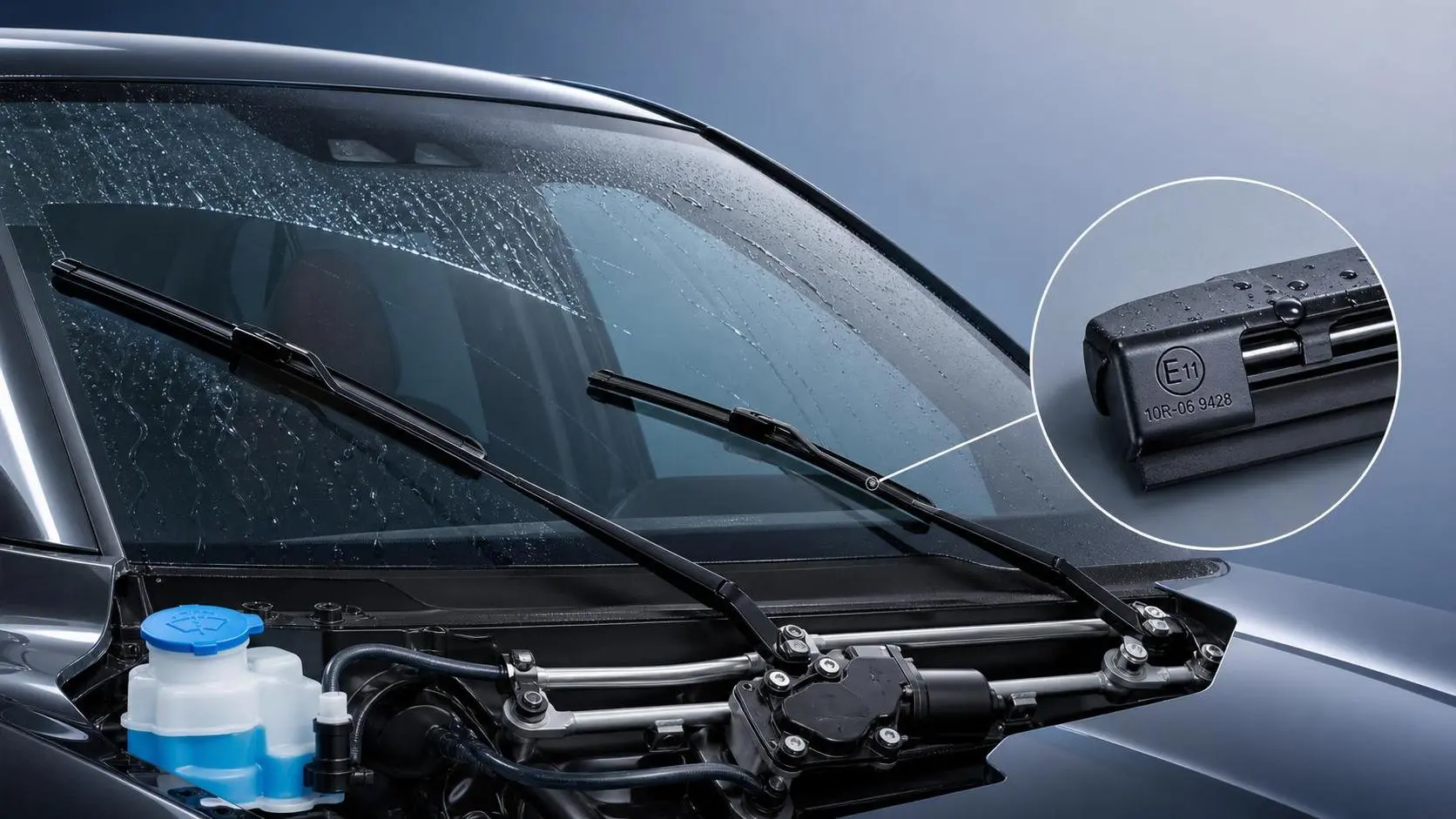
Wiper Systems ECE Compliance: Which Tests, Marks, and Documents Matter for Approval?
Wiper systems ECE approval explained: learn which tests, marks, and documents matter most to avoid delays, reduce compliance risk, and speed market access.
Wiper Streaking Problem: 7 Common Causes and How to Fix Them Step by Step
Wiper streaking problem? Discover 7 common causes and step-by-step fixes to restore clear visibility, prevent repeat failures, and diagnose blades, glass, washer fluid, and system issues fast.
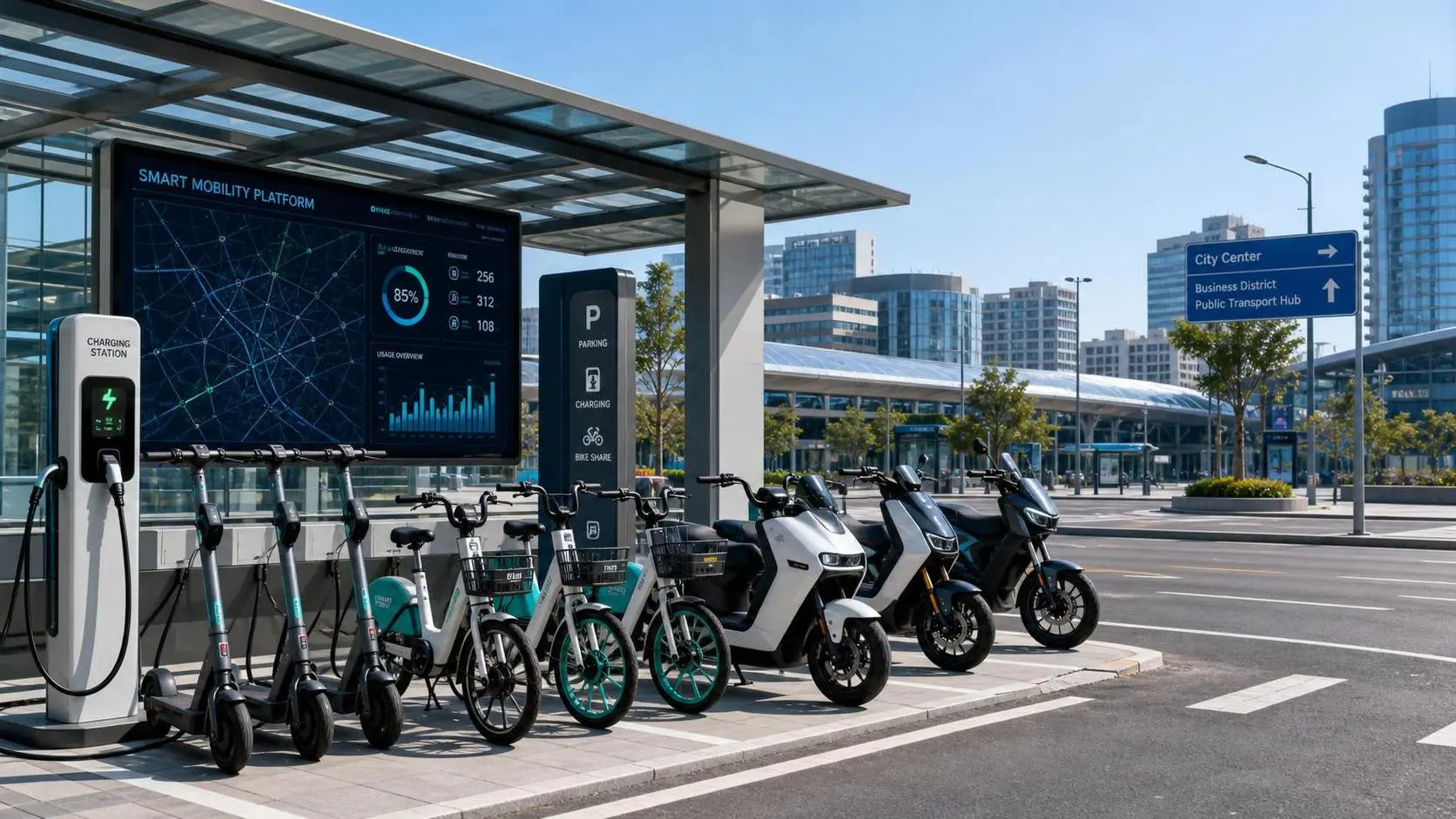
What Is a Smart Transportation Platform and Which Urban Mobility Use Cases Fit Best?
Smart transportation platform strategies help cities and operators improve fleet coordination, battery planning, compliance, and urban mobility efficiency. Explore the best-fit use cases now.
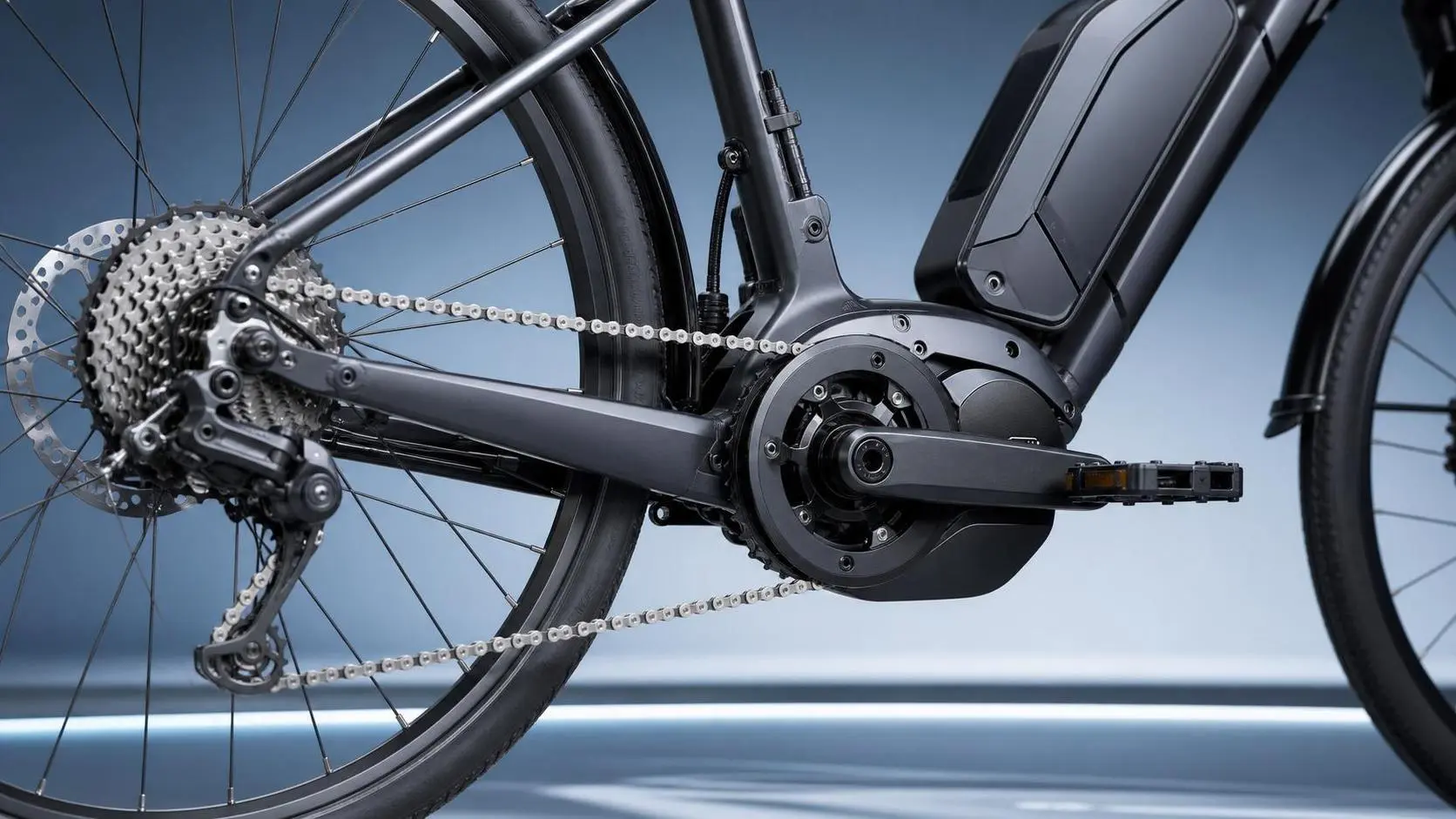
How to Evaluate an Electronic Shifting Drivetrain for E-bikes: Compatibility, Response, and Maintenance
Electronic shifting drivetrain evaluation for e-bikes: learn how to assess compatibility, shift response, and maintenance needs to choose a smoother, more reliable system.
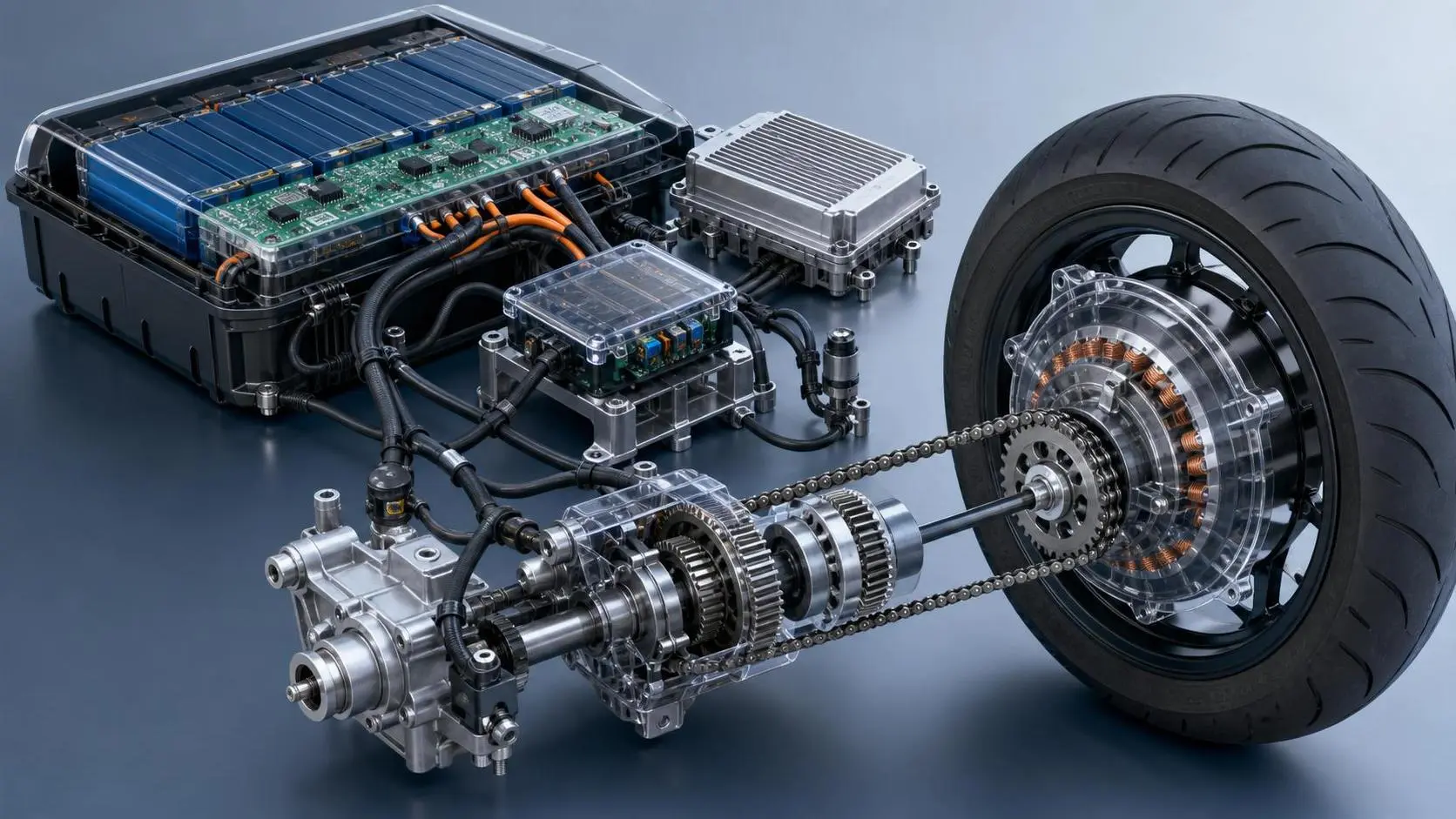
Electric Drivetrain Components Explained: Key Parts, Functions, and Failure Points
Electric drivetrain components explained: discover key parts, core functions, and common failure points to improve performance, reliability, and smarter buying decisions.
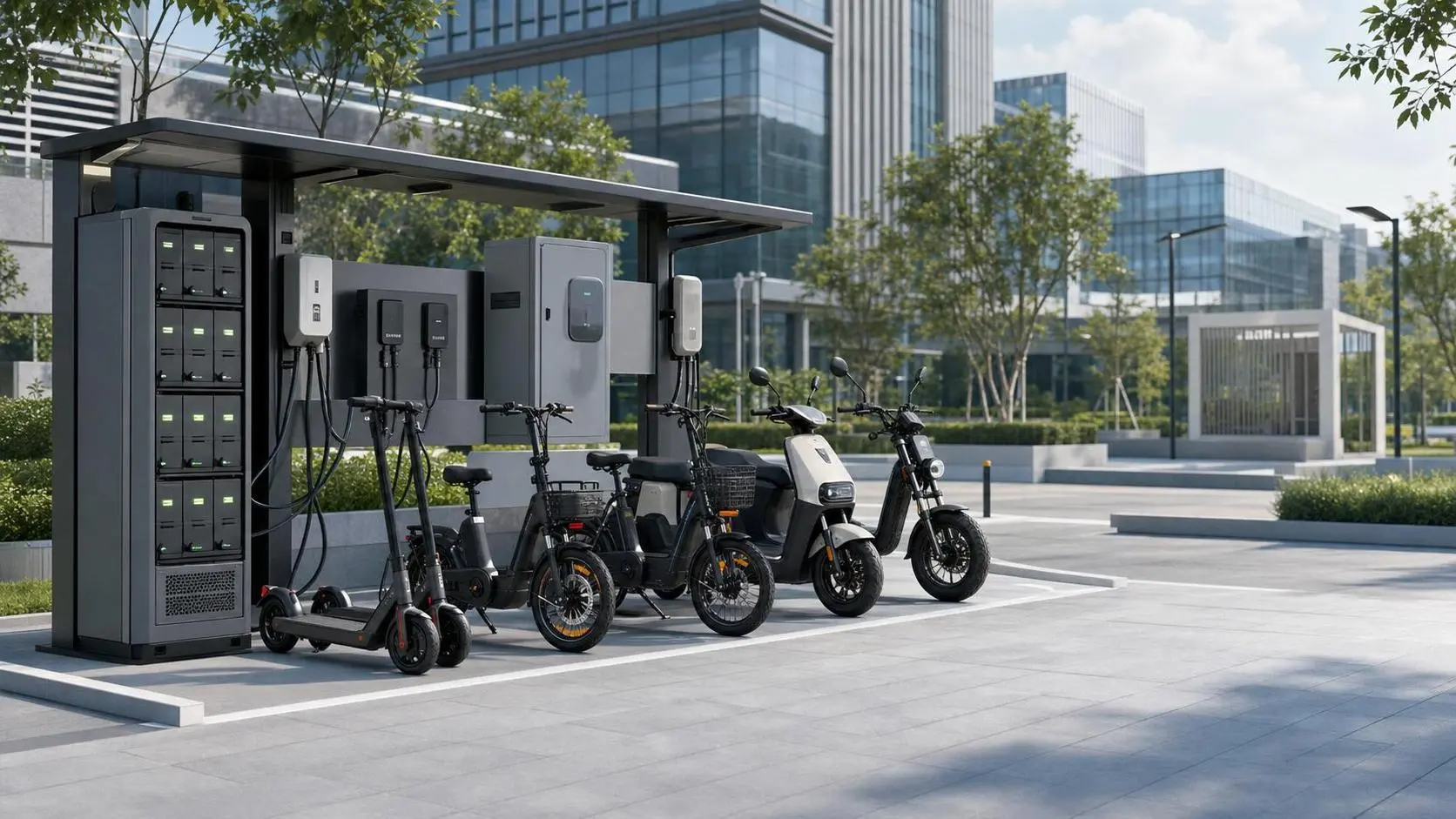
How to Plan Micro-Mobility Charging Stations: Site Selection, Power Needs, and ROI
Micro-mobility charging stations: learn how to choose the right site, size power capacity, improve uptime, and build a stronger ROI model for scalable fleet operations.
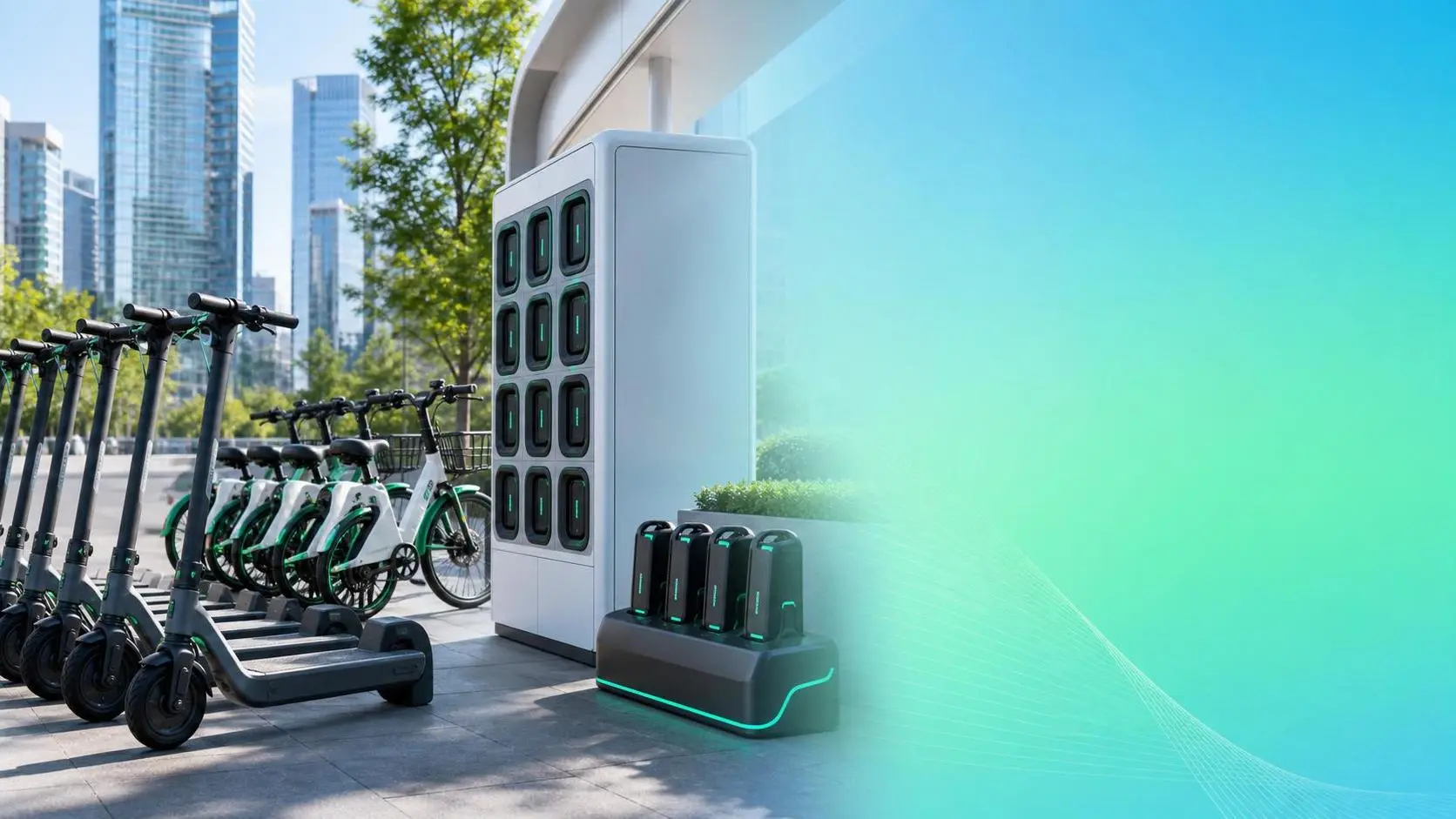
Smart Battery Solutions for Shared Fleets: What Reduces Downtime and Maintenance Costs?
Smart battery solutions help shared fleets cut downtime and maintenance costs with real-time diagnostics, smarter charging, battery swapping, and lifecycle insights.
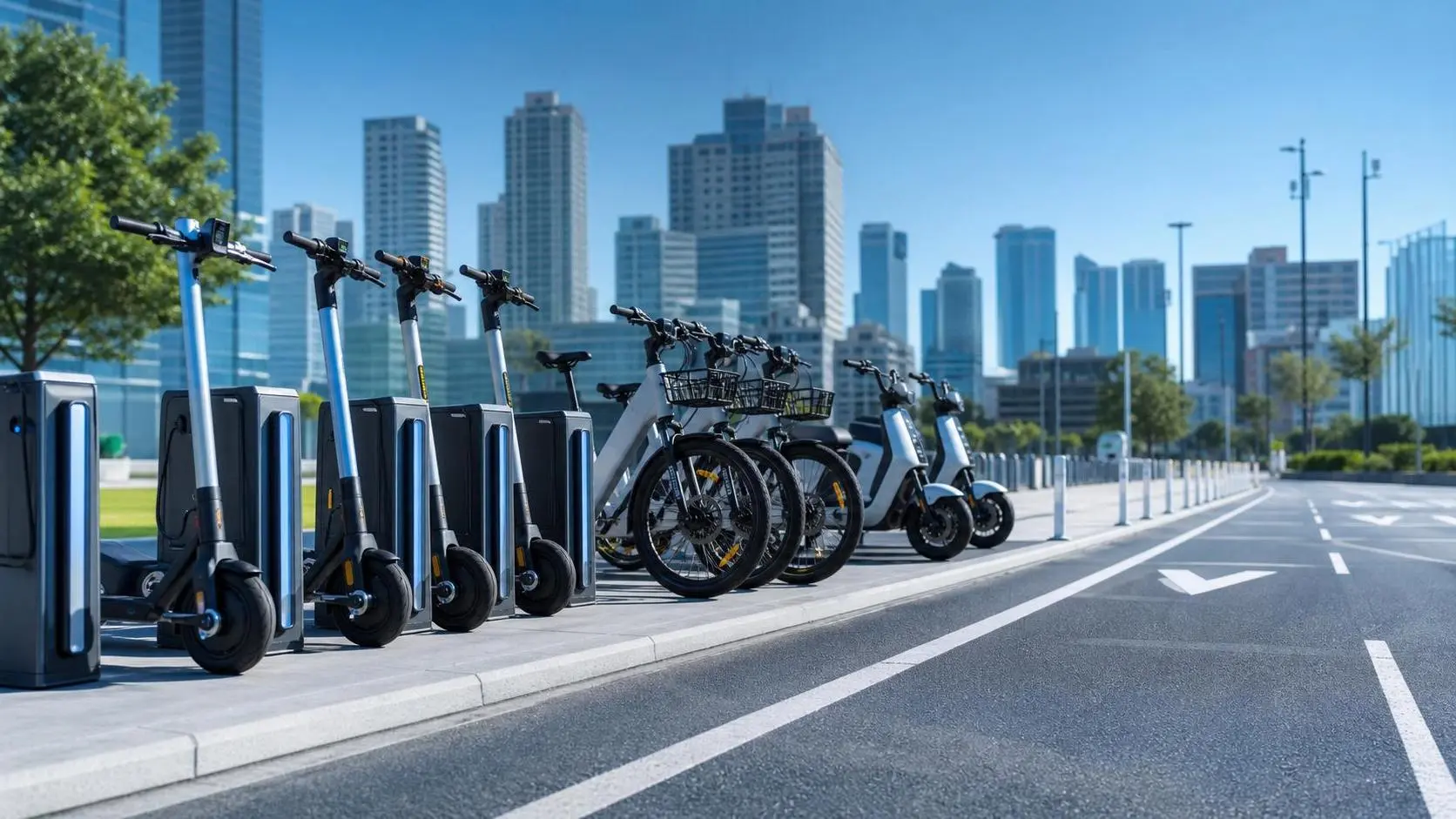
Urban Micro-Mobility in North America: Policy, Charging Access, and Fleet Growth Drivers
Urban micro-mobility North America is evolving fast. Explore how policy, charging access, and fleet economics are shaping scalable growth opportunities across cities.
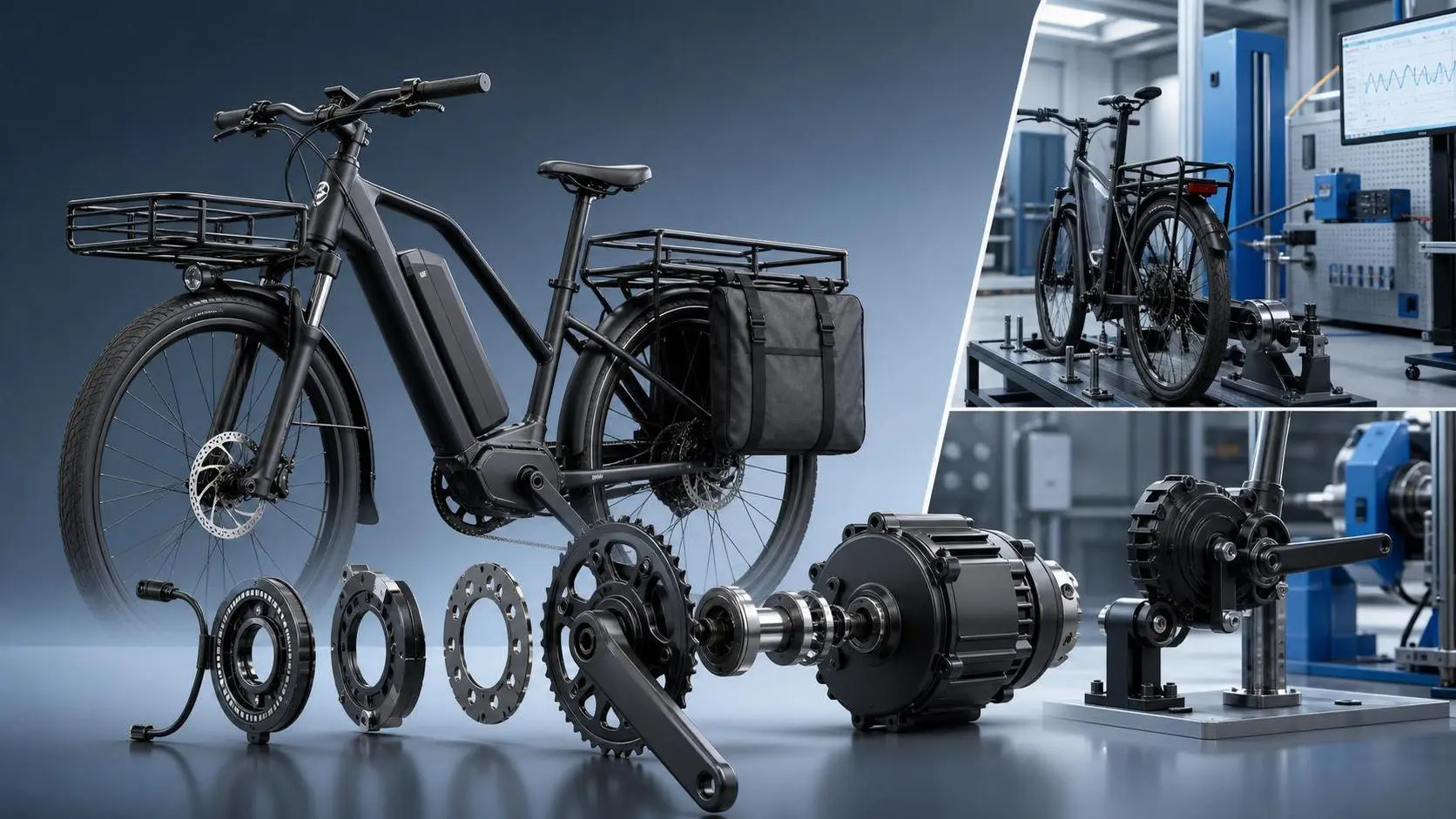
E-Bike Component Selection: How to Evaluate a Torque Sensor for Commuting and Cargo Use
E-bike component selection torque sensor guide for commuting and cargo use. Learn how to compare response, low-cadence control, durability, and integration for smoother, safer rides.