
Related News
- 00
0000-00
Urban Micro-Mobility in North America: Policy, Charging Access, and Fleet Growth Drivers - 00
0000-00
Carbon Neutrality for Fleets: How to Measure Emissions and Prioritize Upgrades - 00
0000-00
Urban Traffic Micro-Circulation Providers: Key Models, Deployment Scenarios, and ROI Factors - 00
0000-00
Ebike Market USA: What Dealers Should Know About Demand Shifts, Pricing, and Product Mix - 00
0000-00
Urban Micro Mobility Market Trends: What Operators and Investors Should Track
Prof. Marcus Chen
Weekly Insights
Stay ahead with our curated technology reports delivered every Monday.
Urban Micro-Mobility in North America: Policy, Charging Access, and Fleet Growth Drivers





Urban micro-mobility North America is moving from experimentation to system-level planning. What once looked like a narrow mobility niche now sits at the intersection of city policy, charging access, fleet utilization, insurance exposure, and infrastructure spending.
That shift matters because e-bikes, smart e-scooters, and light electric two-wheelers are no longer judged only by consumer demand. They are being evaluated by how well they fit public streets, power networks, curb space, safety goals, and urban decarbonization strategies.
For organizations tracking urban micro-mobility North America, the real question is not whether the market exists. It is which operating models can scale under fragmented rules, uneven charging conditions, and changing city expectations.
Why the North American market now looks materially different
North America has reached a more mature phase of micro-mobility development. Major cities have years of pilot data, operators understand demand peaks better, and regulators are less focused on novelty than on measurable urban outcomes.
Those outcomes include congestion relief, lower transport emissions, improved first-and-last-mile access, and better use of dense downtown corridors. In practical terms, city governments increasingly want proof that fleets improve mobility rather than add sidewalk disorder.
This is also why the market can no longer be read through scooter deployment numbers alone. E-bikes, cargo variants, higher-speed electric motorcycles, and connected fleet systems are reshaping the commercial logic.
From an intelligence perspective, UMMS tracks this wider operating field. Policy signals, battery management, IoT-connected scooters, drivetrain efficiency, and thermal performance all influence which urban micro-mobility North America models remain viable.
Policy is no longer background noise
Policy has become the main market filter. A city may support low-carbon mobility in principle, yet restrict fleet caps, parking zones, speed thresholds, or sidewalk operations in ways that sharply alter utilization and margins.
North American cities also differ in how they define device categories. A vehicle treated as an e-bike in one jurisdiction may face moped-style requirements elsewhere. That affects licensing, insurance, helmet rules, and lane access.
The consequence is straightforward. Fleet expansion depends less on headline demand and more on regulatory fit. Operators and suppliers need local rule mapping before committing capital, hardware, or maintenance capacity.
Policy areas that most affect commercial outcomes
- Fleet caps and permit structures that limit deployment density.
- Parking and geofencing rules that affect trip completion rates.
- Battery safety, charging, and fire-code requirements for storage hubs.
- Speed classifications that separate e-bikes, scooters, and higher-speed vehicles.
- Data-sharing obligations tied to public right-of-way access.
A useful reading of urban micro-mobility North America starts here: regulation is not merely compliance work. It shapes route design, fleet composition, depot planning, battery strategy, and the economics of every additional vehicle placed on the street.
Charging access is becoming a strategic differentiator
Charging remains one of the most uneven variables in the region. Dense urban cores may support multiple charging formats, while nearby districts still rely on ad hoc indoor charging, battery swapping, or labor-heavy collection models.
That unevenness has direct operational consequences. Vehicles with strong rider demand can still underperform if charging cycles interrupt availability, create labor bottlenecks, or introduce building safety concerns.
For shared e-scooters, access to efficient battery logistics often matters more than raw fleet size. For e-bikes and light cargo platforms, the mix of range, charging duration, and terrain profile may determine serviceability across an entire district.
Higher-speed electric motorcycles add another layer. They require more disciplined energy planning, more robust thermal management, and in some cases a battery-swapping network that can support predictable commercial uptime.
Where charging constraints show up first
This is one reason intelligence platforms such as UMMS matter. Market growth in urban micro-mobility North America depends on battery architecture, charging logic, and vehicle-system compatibility as much as on demand forecasts.
Fleet growth is being driven by more than rider adoption
Rider adoption still matters, but fleet growth now reflects a broader set of drivers. Cities are looking for lower-emission transport modes, employers want flexible local mobility, and logistics networks need lightweight electric options for short urban routes.
At the same time, operators have become more selective. Expansion is concentrating in geographies where permit structures are clearer, parking management is enforceable, and infrastructure can support predictable asset utilization.
The growth story is therefore segmented. Shared scooters may lead in dense corridors, e-bikes often outperform in mixed commuting zones, and high-speed electric motorcycles can open niche opportunities in delivery, campus mobility, and specialized urban services.
Current fleet growth drivers across the region
- Municipal carbon reduction targets tied to transport mode shift.
- Rising congestion costs in central business districts.
- Improved telematics and IoT visibility for fleet control.
- Better battery reliability and lighter vehicle frames.
- New interest in premium, high-performance two-wheel electric mobility.
Precision components also matter here. Transmission efficiency, electronic shifting reliability, and vehicle durability influence maintenance intervals and lifecycle cost. In a scaling fleet, component quality quickly becomes a strategic variable.
How to read the opportunity by vehicle type and use case
Urban micro-mobility North America is not one product category. It is a layered mobility system with different economics, infrastructure needs, and regulatory exposure.
That segmentation is important when comparing city entry options. The strongest market may not be the one with the largest population, but the one where policy, charging access, and trip patterns align.
What deserves closer scrutiny before expansion
A credible expansion review in urban micro-mobility North America should test several conditions at once. Demand projections alone are not enough.
- Map local classification rules before finalizing vehicle mix.
- Stress-test charging or swapping assumptions against peak operations.
- Examine maintenance models, especially for high-mileage shared assets.
- Review curb management and parking compliance costs.
- Track component reliability, not only upfront acquisition price.
- Use city-specific policy intelligence rather than national averages.
The market is moving toward disciplined execution. Operators, suppliers, and ecosystem partners that combine technical depth with regulatory awareness are more likely to build durable positions.
That is where a structured intelligence lens becomes useful. UMMS connects policy shifts, battery management logic, electric powertrain trends, precision components, and fleet signals into a more usable picture of urban deployment risk.
Where to focus next
The next stage of urban micro-mobility North America will be shaped by disciplined market selection, infrastructure realism, and better matching between vehicle type and urban function. Growth is still available, but it will reward sharper judgment.
A practical next step is to compare target cities across three filters: policy stability, charging readiness, and fleet economics. Once those are clear, vehicle architecture, component strategy, and operating partnerships become easier to evaluate on real commercial terms.
- urban micro-mobility
- e-bikes
- smart e-scooters
- high-speed e-motorcycles
- electric powertrain
- battery management
- low-carbon mobility
- shared scooters
- thermal management
- electric two-wheelers
- electric mobility
- electronic shifting
- battery swapping
- micro-mobility
- electric motorcycles
- high-speed electric motorcycles
- urban micro-mobility North America
Related News
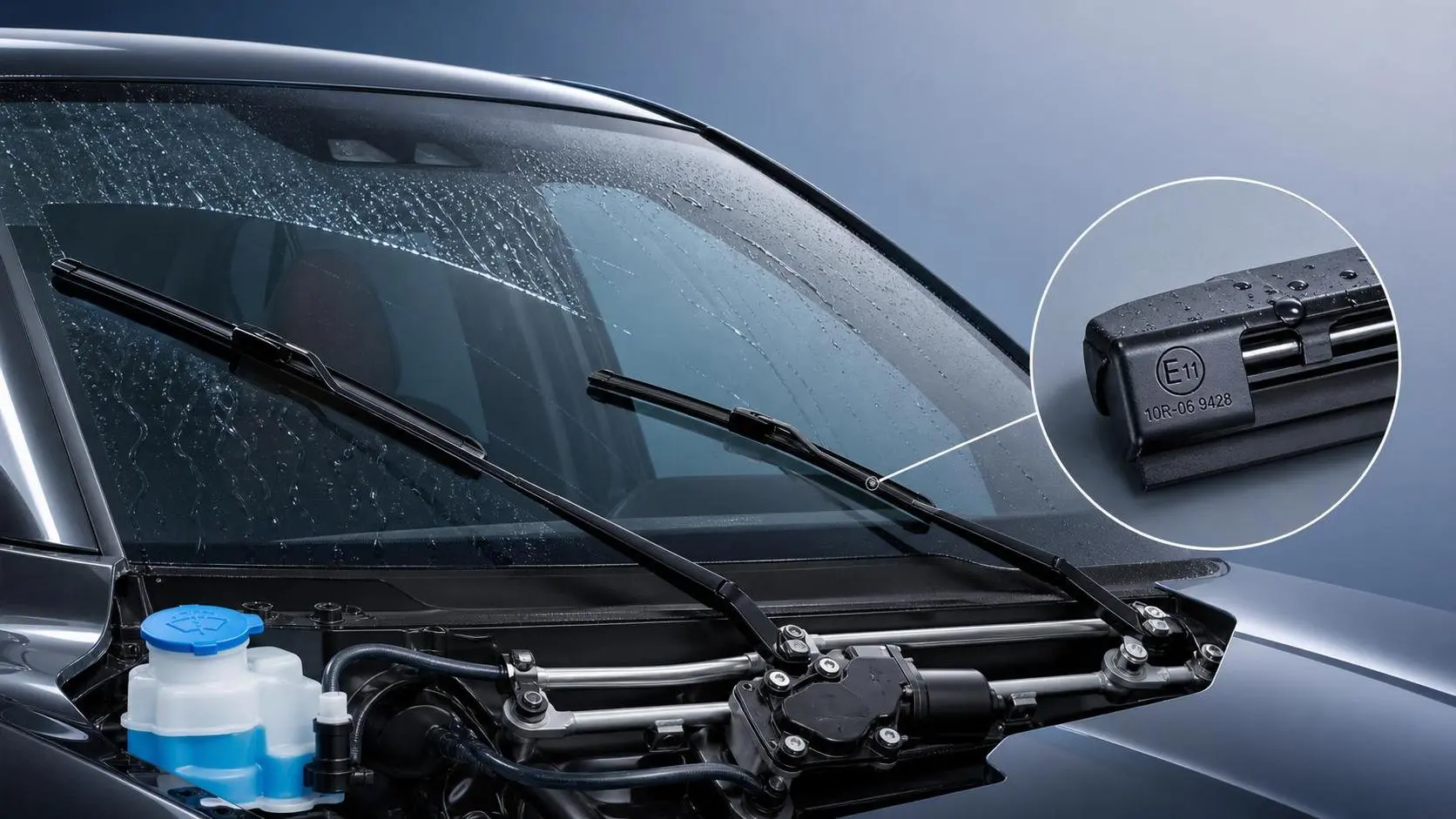
Wiper Systems ECE Compliance: Which Tests, Marks, and Documents Matter for Approval?
Wiper systems ECE approval explained: learn which tests, marks, and documents matter most to avoid delays, reduce compliance risk, and speed market access.

Wiper Streaking Problem: 7 Common Causes and How to Fix Them Step by Step
Wiper streaking problem? Discover 7 common causes and step-by-step fixes to restore clear visibility, prevent repeat failures, and diagnose blades, glass, washer fluid, and system issues fast.
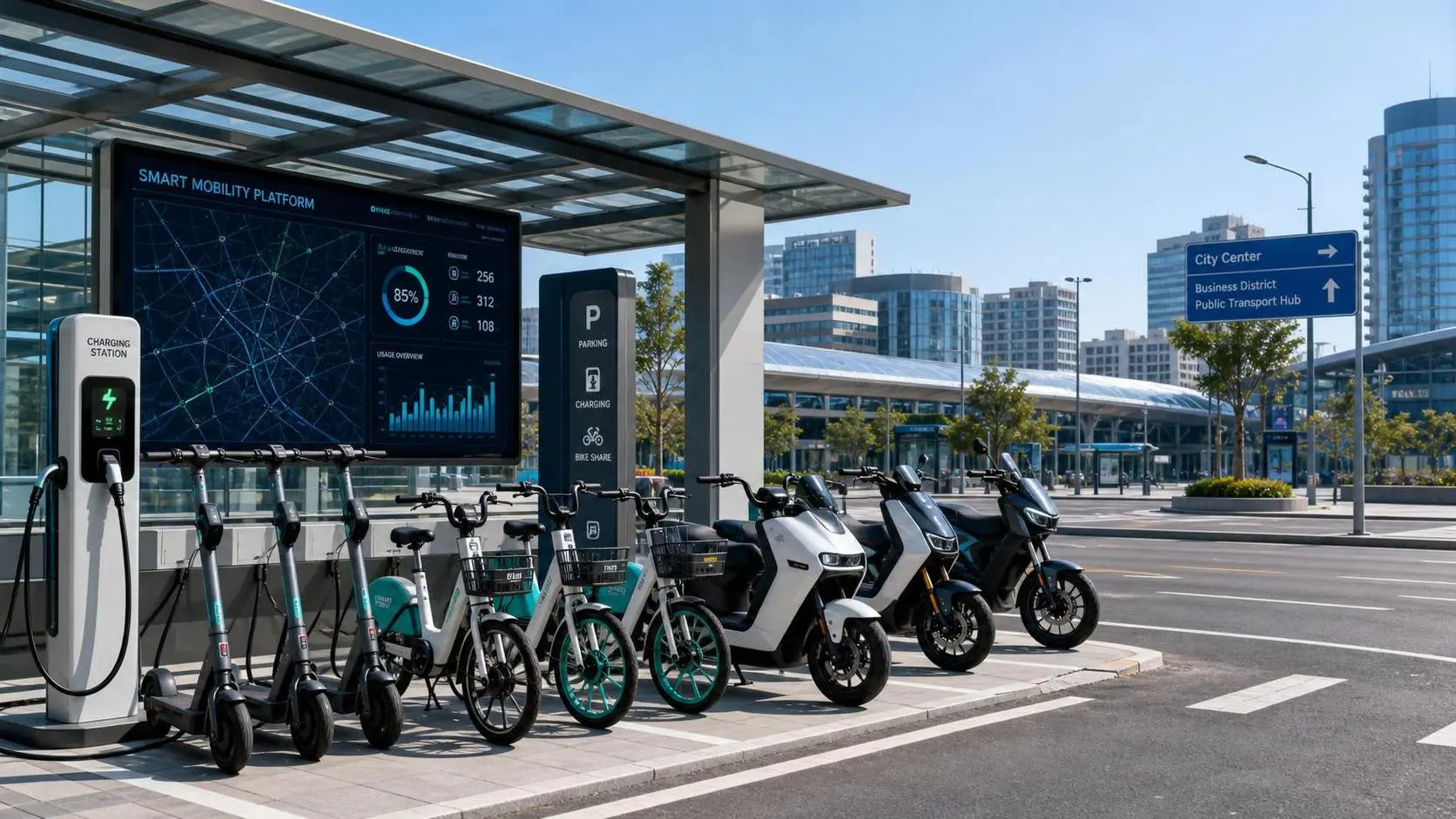
What Is a Smart Transportation Platform and Which Urban Mobility Use Cases Fit Best?
Smart transportation platform strategies help cities and operators improve fleet coordination, battery planning, compliance, and urban mobility efficiency. Explore the best-fit use cases now.
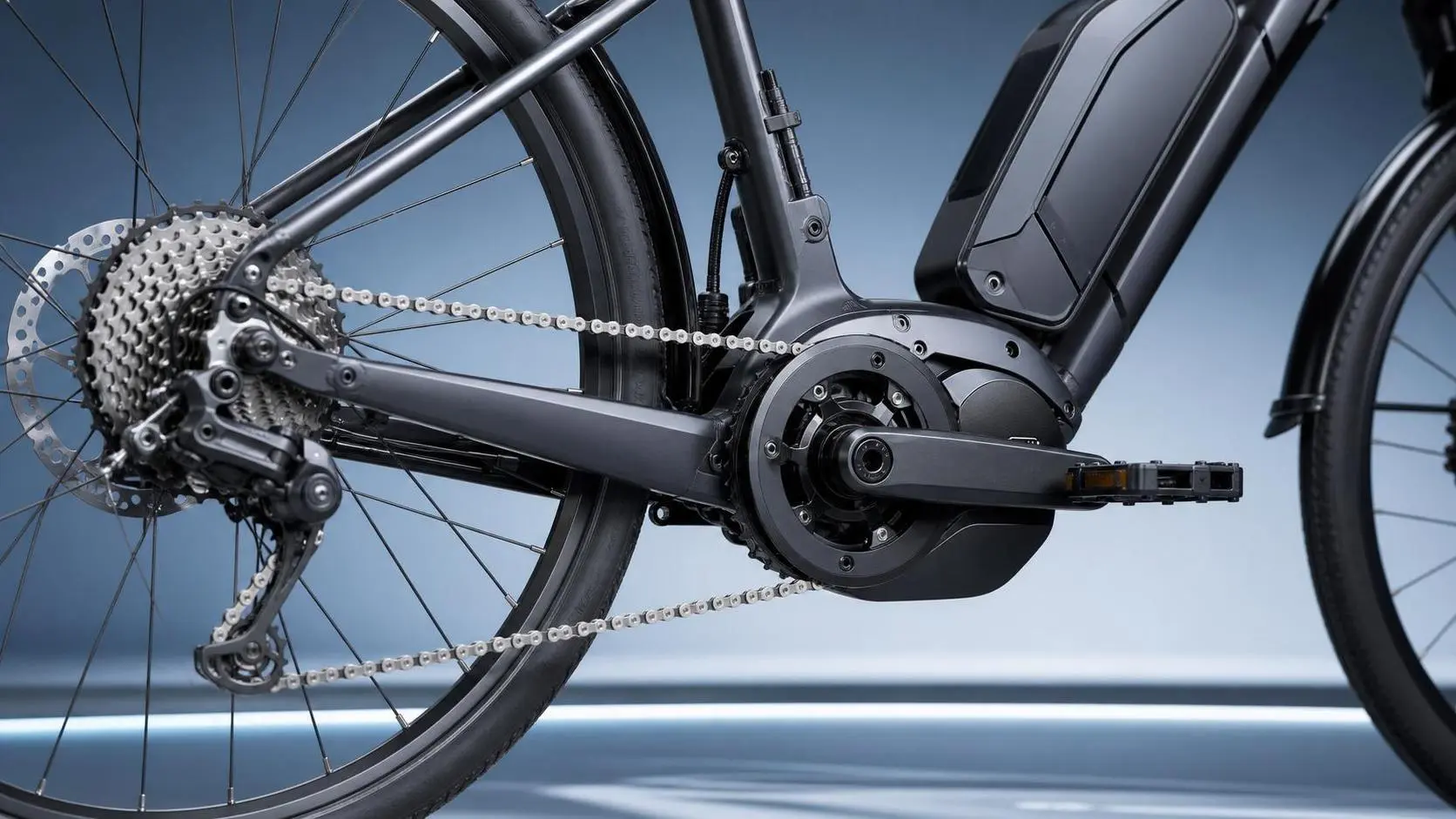
How to Evaluate an Electronic Shifting Drivetrain for E-bikes: Compatibility, Response, and Maintenance
Electronic shifting drivetrain evaluation for e-bikes: learn how to assess compatibility, shift response, and maintenance needs to choose a smoother, more reliable system.
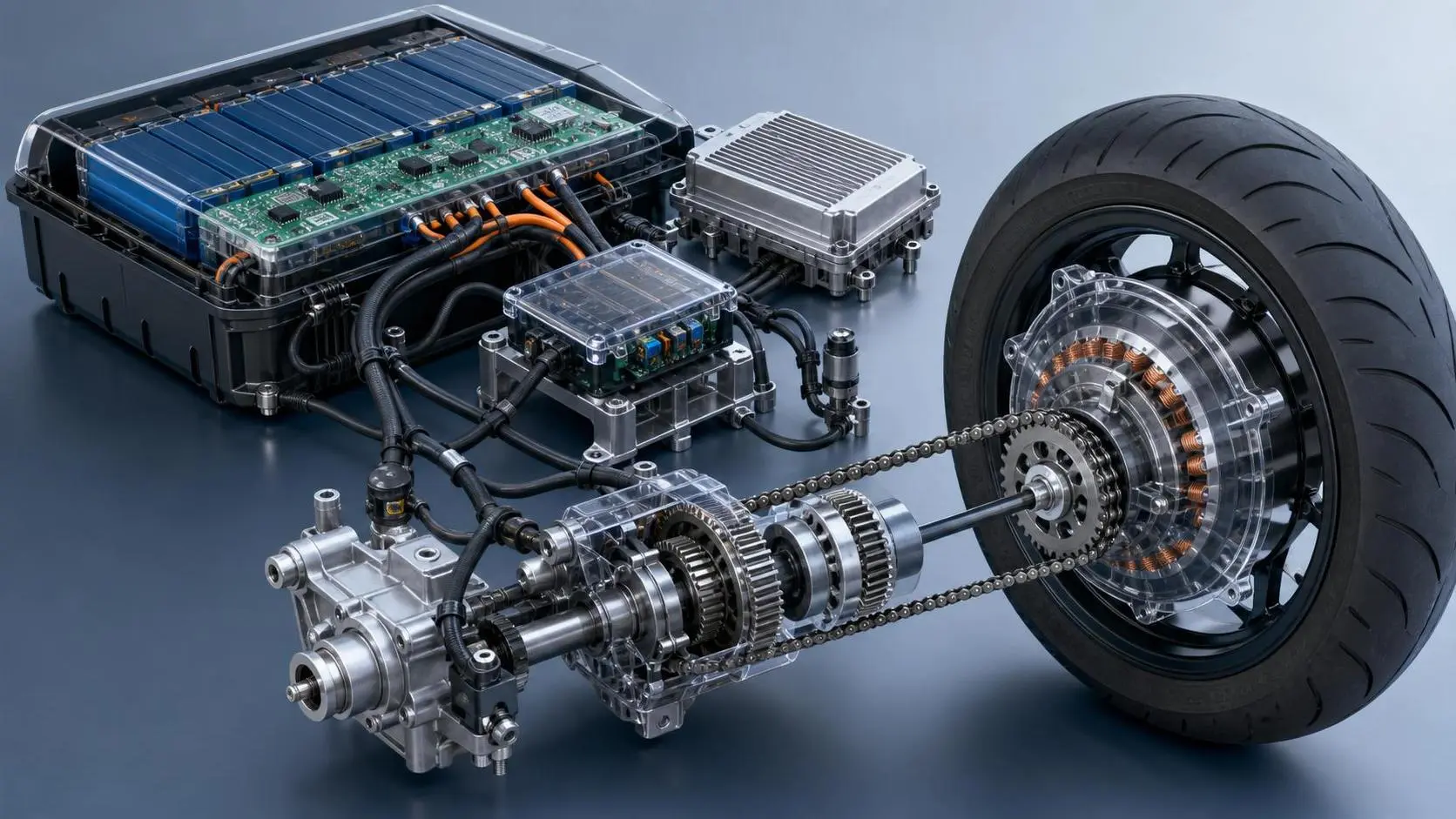
Electric Drivetrain Components Explained: Key Parts, Functions, and Failure Points
Electric drivetrain components explained: discover key parts, core functions, and common failure points to improve performance, reliability, and smarter buying decisions.
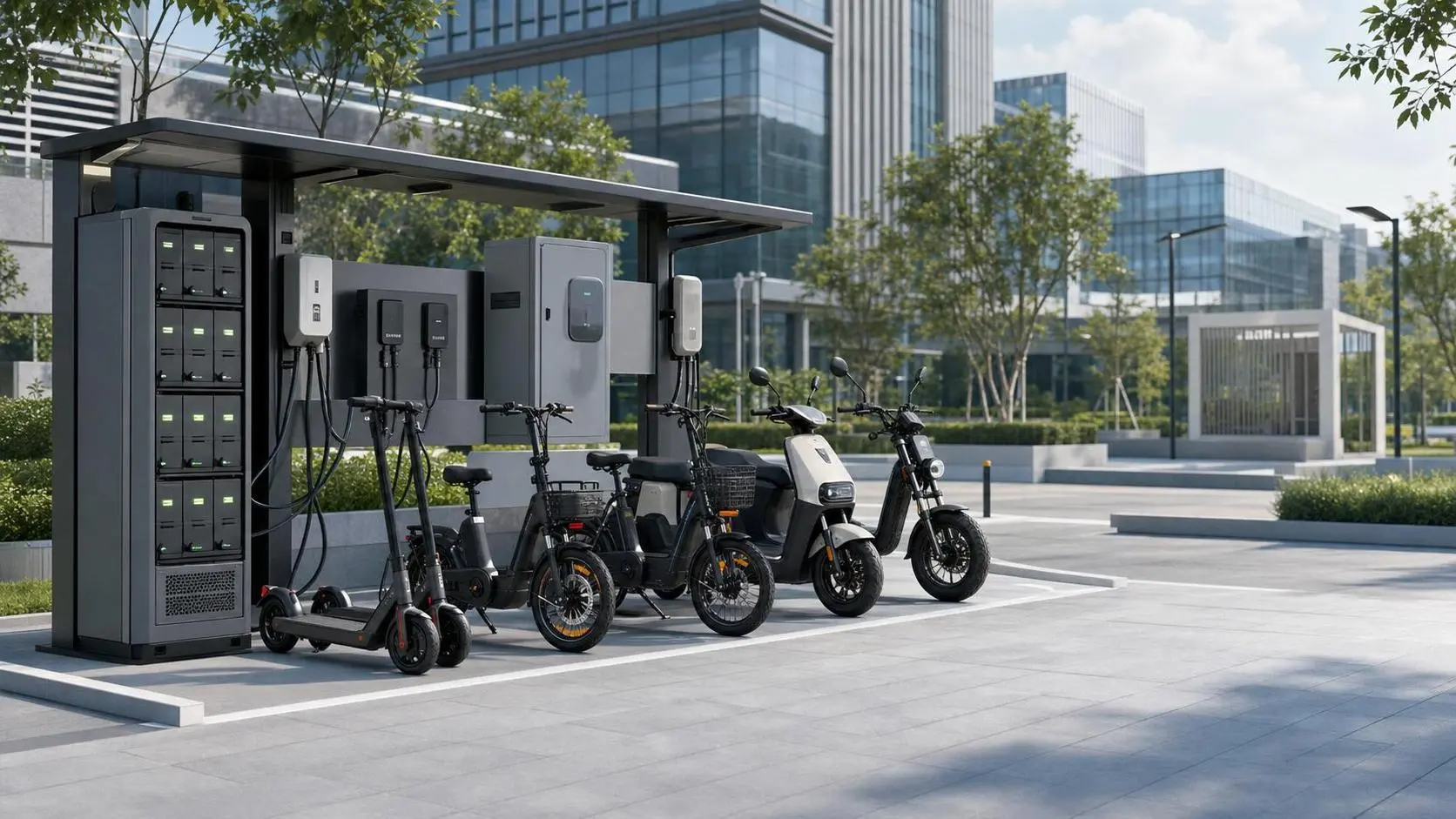
How to Plan Micro-Mobility Charging Stations: Site Selection, Power Needs, and ROI
Micro-mobility charging stations: learn how to choose the right site, size power capacity, improve uptime, and build a stronger ROI model for scalable fleet operations.

Smart Battery Solutions for Shared Fleets: What Reduces Downtime and Maintenance Costs?
Smart battery solutions help shared fleets cut downtime and maintenance costs with real-time diagnostics, smarter charging, battery swapping, and lifecycle insights.
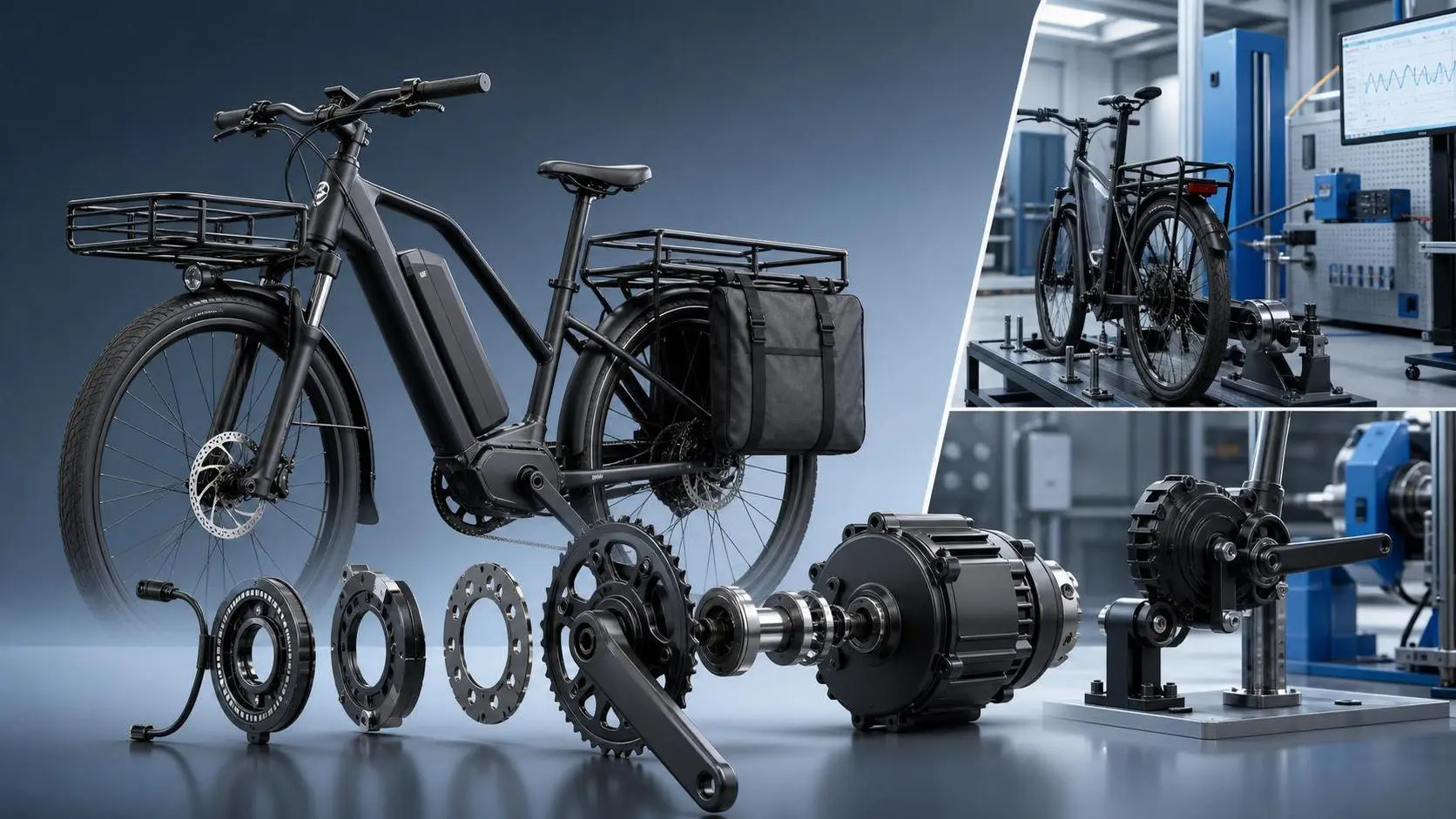
E-Bike Component Selection: How to Evaluate a Torque Sensor for Commuting and Cargo Use
E-bike component selection torque sensor guide for commuting and cargo use. Learn how to compare response, low-cadence control, durability, and integration for smoother, safer rides.
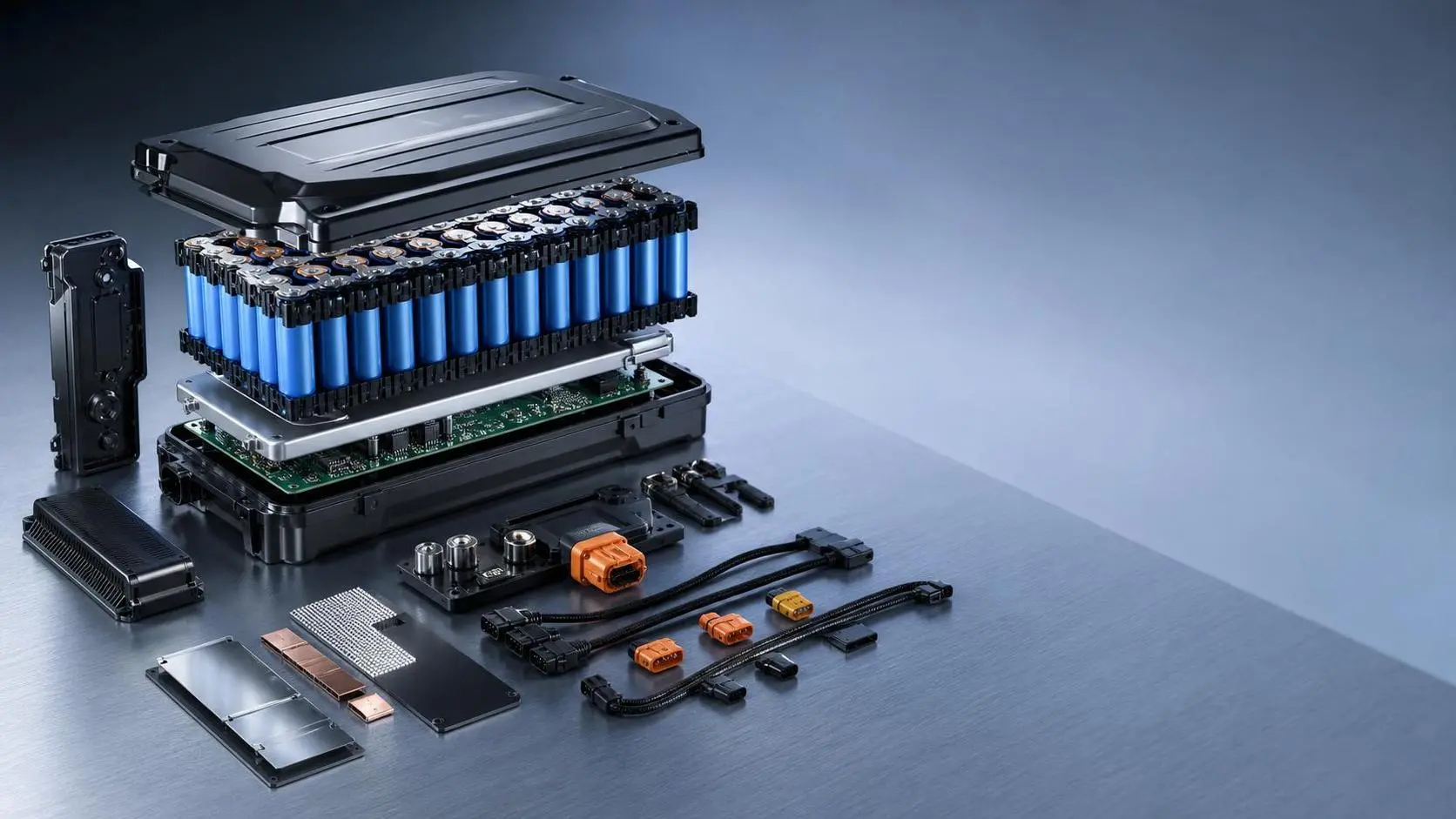
Electric Two Wheeler Battery Components Explained: Cells, BMS, Thermal Parts, and Connectors
Electric two wheeler battery components explained clearly—learn how cells, BMS, thermal parts, and connectors shape safety, range, reliability, and smarter sourcing decisions.