
Related News
- 00
0000-00
Smart Battery Solutions for Shared Fleets: What Reduces Downtime and Maintenance Costs? - 00
0000-00
IoT Scooter Tracking System Explained: GPS Accuracy, Battery Use, and Data Integration - 00
0000-00
Urban Transport Scooters for Campuses: What to Consider for Safety, Charging, and Fleet Size - 00
0000-00
How to Evaluate an E Scooter Sourcing Factory for OEM Quality and Lead Time - 00
0000-00
Utility Maximization for Shared Fleets: Which Data Inputs Matter Most?
Urban Transit Fellow
Weekly Insights
Stay ahead with our curated technology reports delivered every Monday.
Smart Battery Solutions for Shared Fleets: What Reduces Downtime and Maintenance Costs?





Smart Battery Solutions for Shared Fleets: What Reduces Downtime and Maintenance Costs?
For shared fleet operators, uptime is profitability.
Smart battery solutions now sit at the center of that equation.
Across e-bikes, smart e-scooters, and light electric fleets, battery performance shapes availability, labor needs, and rider satisfaction.
A weak battery strategy creates hidden losses.
Vehicles sit idle longer, field teams chase failures, and replacement budgets rise faster than expected.
A stronger approach does more than keep batteries charged.
It connects battery data, charging logic, thermal protection, swap operations, and maintenance planning into one practical operating model.
That is where smart battery solutions start delivering real cost control.
Why Battery Management Has Become a Fleet Performance Issue
Shared fleets operate in a harsher environment than private vehicles.
Assets run longer hours, face irregular charging patterns, and are exposed to weather, vandalism, and uneven riding behavior.
That operating reality makes battery health a daily operational concern, not a background technical detail.
From recent market changes, the clearest signal is this.
Fleet operators no longer judge battery systems only by range.
They now care about serviceability, diagnostic depth, charge consistency, swap speed, and lifecycle visibility.
This shift matters because downtime usually comes from compounding issues.
A battery overheats slightly, degrades faster, triggers weak range, causes rider complaints, and then pushes emergency maintenance visits.
Smart battery solutions break that chain earlier.
What Smart Battery Solutions Actually Include
In practice, smart battery solutions are not one product.
They are a coordinated system that combines hardware, software, and operating rules.
The strongest setups usually include the following elements.
- Battery Management System with cell-level monitoring.
- State-of-charge and state-of-health tracking.
- Remote diagnostics through IoT connectivity.
- Predictive alerts for abnormal voltage, temperature, or current behavior.
- Charging optimization based on usage windows and grid availability.
- Battery swapping workflows for high-utilization routes.
- Lifecycle analytics tied to maintenance and replacement planning.
The value comes from integration.
If charging, monitoring, and field service remain disconnected, data arrives too late to prevent failures.
A connected framework gives operators earlier decisions and fewer surprises.
How Smart Battery Solutions Reduce Downtime
1. Real-Time Visibility Prevents Silent Failures
Many battery issues do not begin as hard failures.
They start as small anomalies in cell balance, charging speed, or thermal response.
Smart battery solutions surface those signals early.
That lets operations teams remove at-risk batteries before they cause roadside outages.
2. Battery Swapping Cuts Vehicle Idle Time
For dense urban fleets, swapping can outperform plug-in charging.
Instead of waiting for a full charge, vehicles return to service in minutes.
This is especially useful for shared scooters and delivery-focused e-bike networks with tight utilization targets.
3. Predictive Diagnostics Reduce Emergency Repairs
Reactive maintenance is expensive because it disrupts scheduling.
Predictive diagnostics allow service teams to batch interventions and plan labor more efficiently.
The difference is simple.
You stop chasing breakdowns and start managing trends.
4. Smarter Charging Protects Daily Availability
Overcharging, deep discharge, and heat spikes shorten battery life.
Smart battery solutions control charge windows and thermal limits more precisely.
That protects both near-term uptime and long-term asset value.
How They Lower Maintenance Costs Over Time
Lower maintenance cost does not usually come from one dramatic saving.
It comes from repeated small efficiencies across the fleet.
Smart battery solutions support that in several ways.
- They extend usable battery life through balanced charging and thermal protection.
- They reduce technician time spent diagnosing unclear failures.
- They improve spare inventory planning by showing real health status.
- They reduce unnecessary battery replacement caused by incomplete data.
- They help standardize service intervals across different vehicle groups.
There is also a second-order benefit.
When battery behavior is easier to predict, procurement decisions improve.
Operators can compare vendors using real degradation data rather than brochure claims.
Key Features to Prioritize When Evaluating Solutions
Not all smart battery solutions deliver the same operational value.
Some offer useful dashboards but limited field impact.
A stronger evaluation should focus on decision quality and workflow fit.
It is also worth checking service realities.
Can technicians isolate battery faults quickly?
Can operations teams act on alerts without waiting for engineering support?
Those questions often matter more than a long feature list.
Common Mistakes That Weaken ROI
Some fleets invest in smart battery solutions but still struggle with downtime.
Usually, the problem is execution.
- Using battery data without clear maintenance thresholds.
- Deploying swap programs without route and labor redesign.
- Ignoring thermal conditions in storage and charging hubs.
- Choosing incompatible packs across mixed vehicle platforms.
- Measuring purchase price instead of full operating cost.
A practical rollout needs process changes alongside technology.
That includes alert ownership, field response timing, charge scheduling, and replacement rules.
A Practical Adoption Path for Shared Fleets
In real operations, the best transition is usually phased.
A full system replacement is not always necessary at the start.
- Audit current downtime causes by battery, vehicle type, and route density.
- Select one fleet segment for pilot deployment.
- Track utilization, failure rate, service labor, and replacement timing.
- Adjust charging or swapping logic using actual field patterns.
- Scale only after alert accuracy and workflow response are stable.
This approach reduces risk and keeps the business case grounded.
It also produces the internal data needed for stronger vendor negotiations later.
Final Takeaway
Shared fleets do not reduce downtime through charging capacity alone.
They reduce it by making batteries more visible, more predictable, and easier to service.
That is why smart battery solutions are becoming a core operating decision.
For fleets managing e-bikes, smart e-scooters, or other urban mobility assets, the strongest gains come from combining monitoring, swapping, diagnostics, and lifecycle planning.
When those parts work together, uptime improves, maintenance becomes more controlled, and cost per active vehicle starts moving in the right direction.
The next step is straightforward: map your current battery-related downtime, test smart battery solutions on the highest-pressure routes, and scale the model that proves measurable savings.
Related News
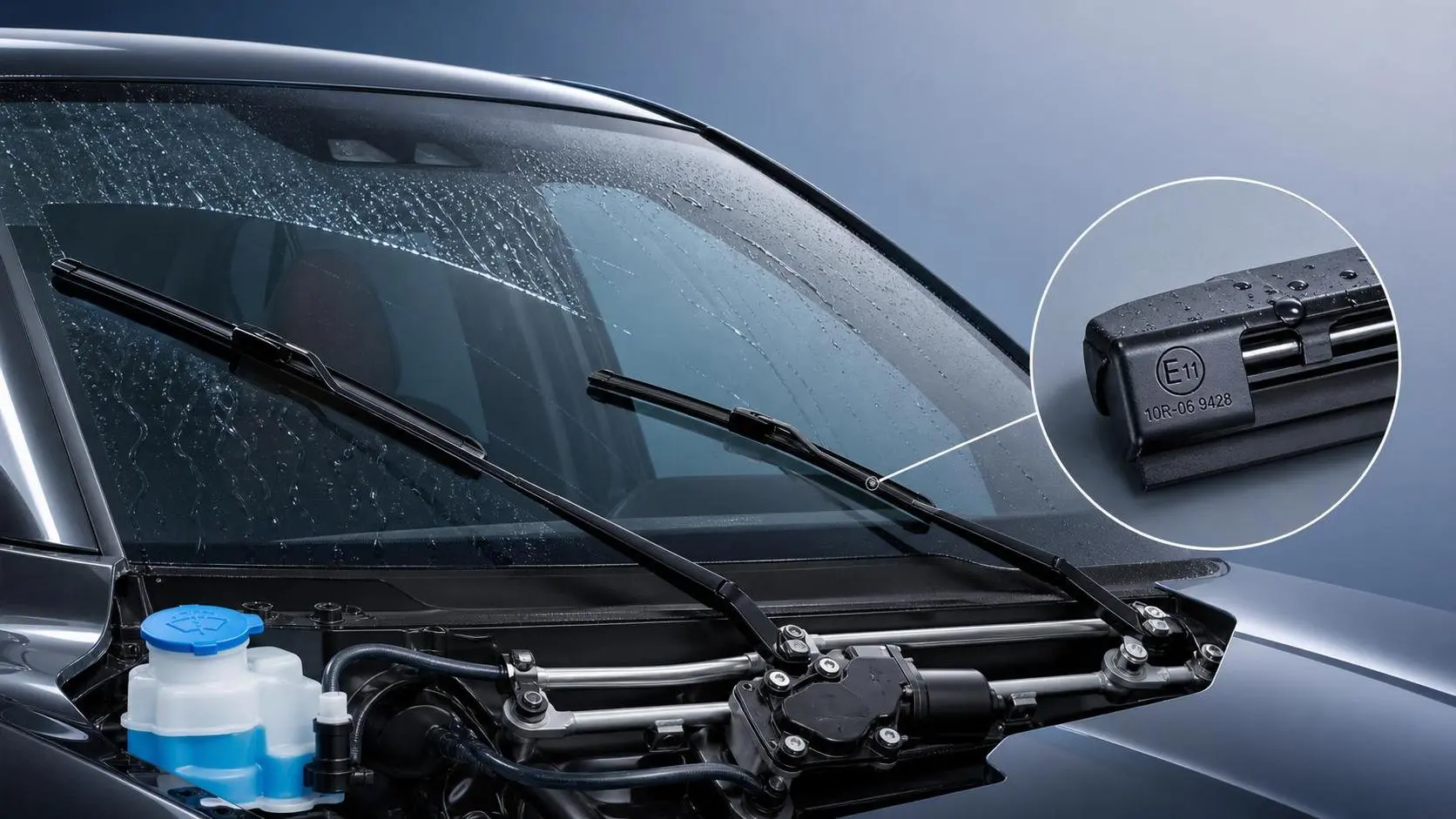
Wiper Systems ECE Compliance: Which Tests, Marks, and Documents Matter for Approval?
Wiper systems ECE approval explained: learn which tests, marks, and documents matter most to avoid delays, reduce compliance risk, and speed market access.

Wiper Streaking Problem: 7 Common Causes and How to Fix Them Step by Step
Wiper streaking problem? Discover 7 common causes and step-by-step fixes to restore clear visibility, prevent repeat failures, and diagnose blades, glass, washer fluid, and system issues fast.

What Is a Smart Transportation Platform and Which Urban Mobility Use Cases Fit Best?
Smart transportation platform strategies help cities and operators improve fleet coordination, battery planning, compliance, and urban mobility efficiency. Explore the best-fit use cases now.
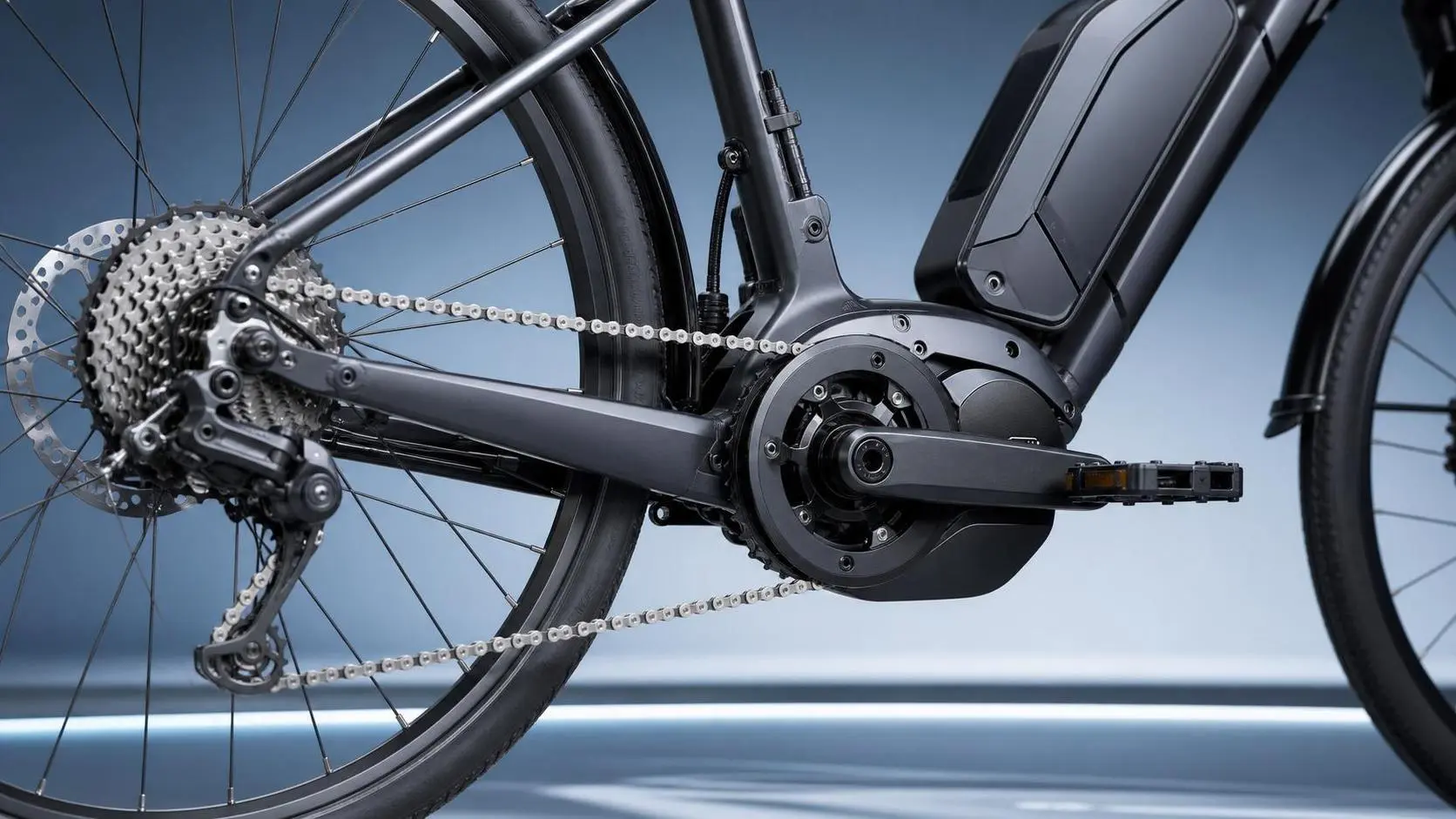
How to Evaluate an Electronic Shifting Drivetrain for E-bikes: Compatibility, Response, and Maintenance
Electronic shifting drivetrain evaluation for e-bikes: learn how to assess compatibility, shift response, and maintenance needs to choose a smoother, more reliable system.
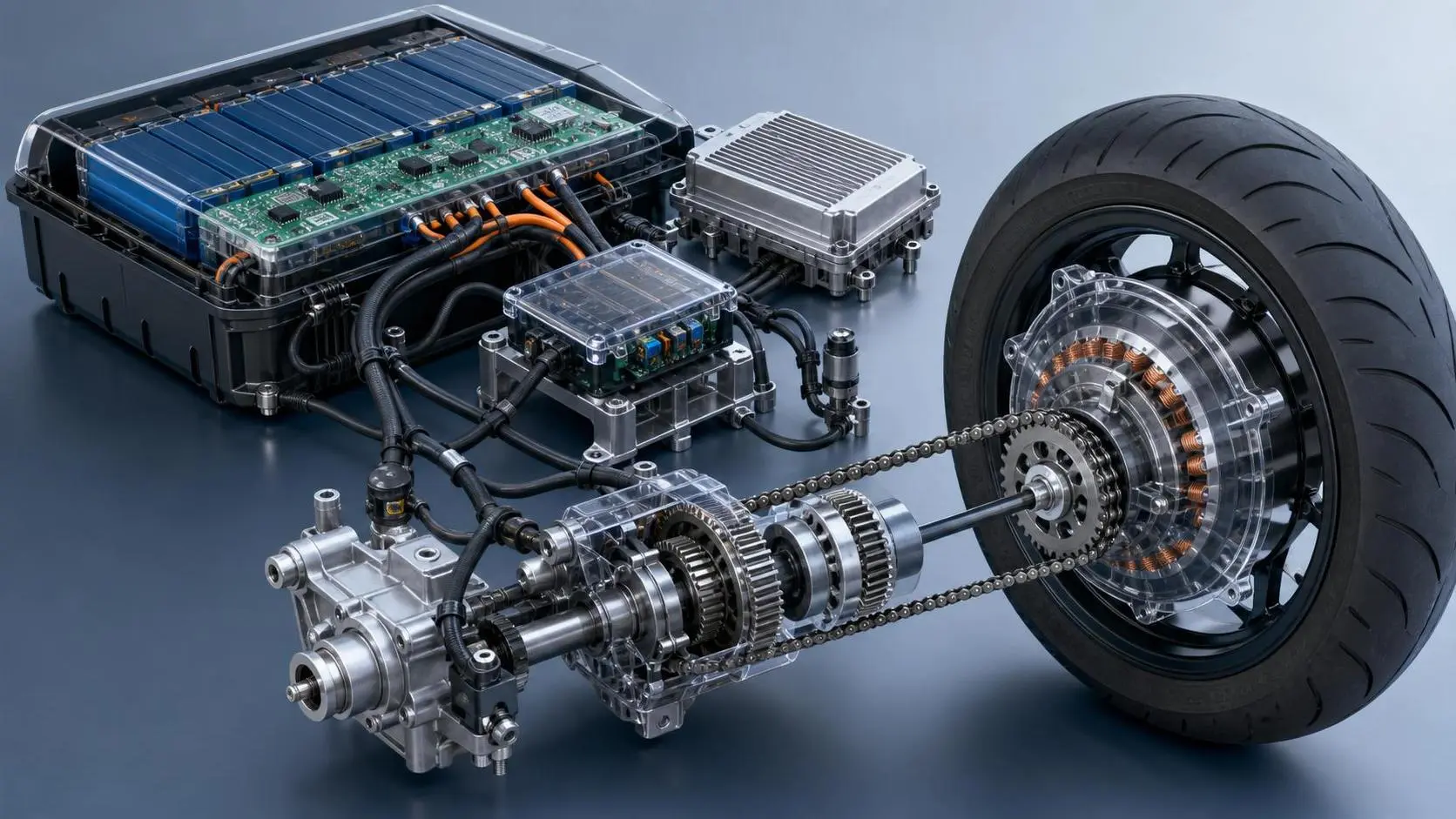
Electric Drivetrain Components Explained: Key Parts, Functions, and Failure Points
Electric drivetrain components explained: discover key parts, core functions, and common failure points to improve performance, reliability, and smarter buying decisions.

How to Plan Micro-Mobility Charging Stations: Site Selection, Power Needs, and ROI
Micro-mobility charging stations: learn how to choose the right site, size power capacity, improve uptime, and build a stronger ROI model for scalable fleet operations.

Urban Micro-Mobility in North America: Policy, Charging Access, and Fleet Growth Drivers
Urban micro-mobility North America is evolving fast. Explore how policy, charging access, and fleet economics are shaping scalable growth opportunities across cities.
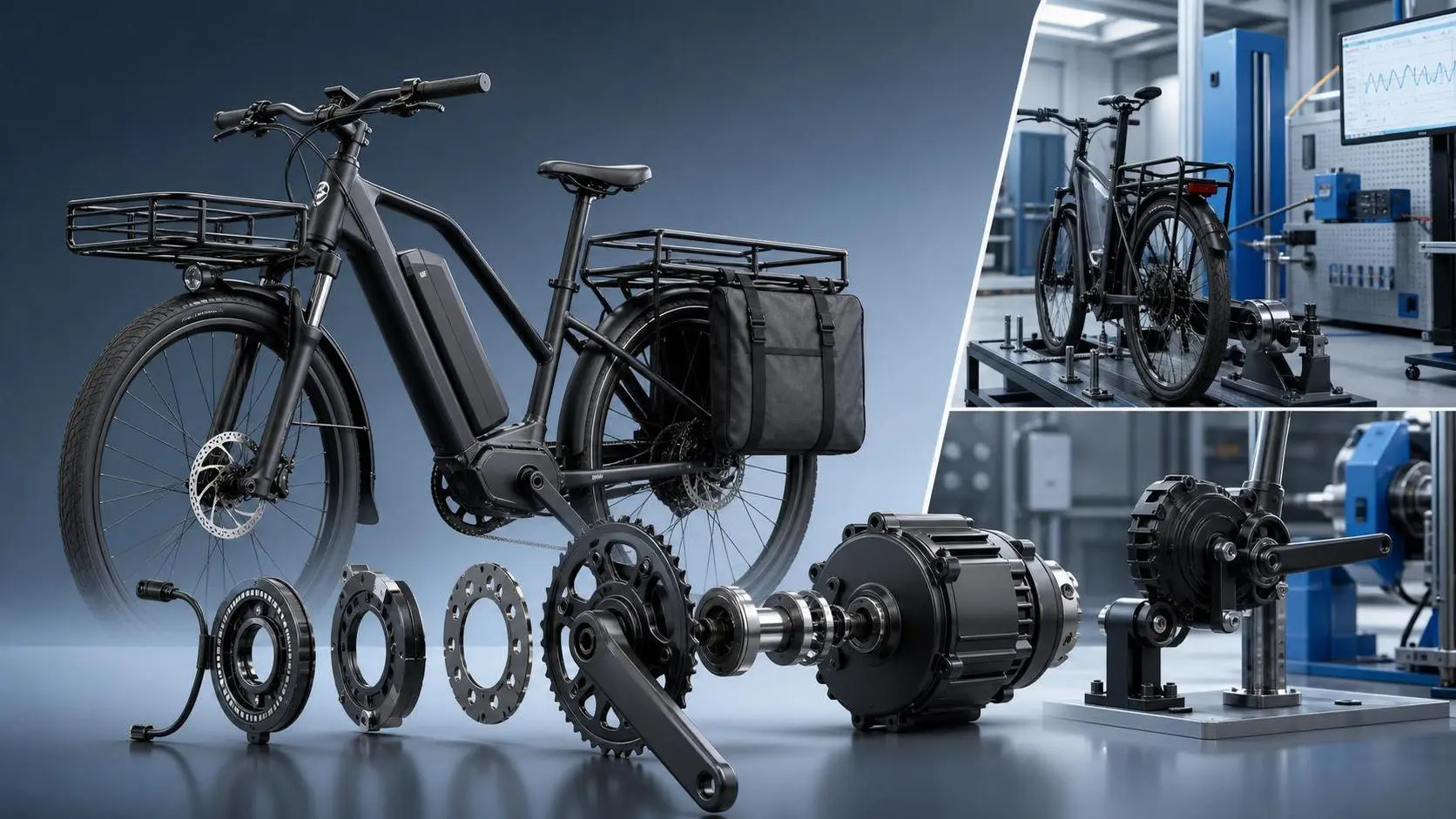
E-Bike Component Selection: How to Evaluate a Torque Sensor for Commuting and Cargo Use
E-bike component selection torque sensor guide for commuting and cargo use. Learn how to compare response, low-cadence control, durability, and integration for smoother, safer rides.
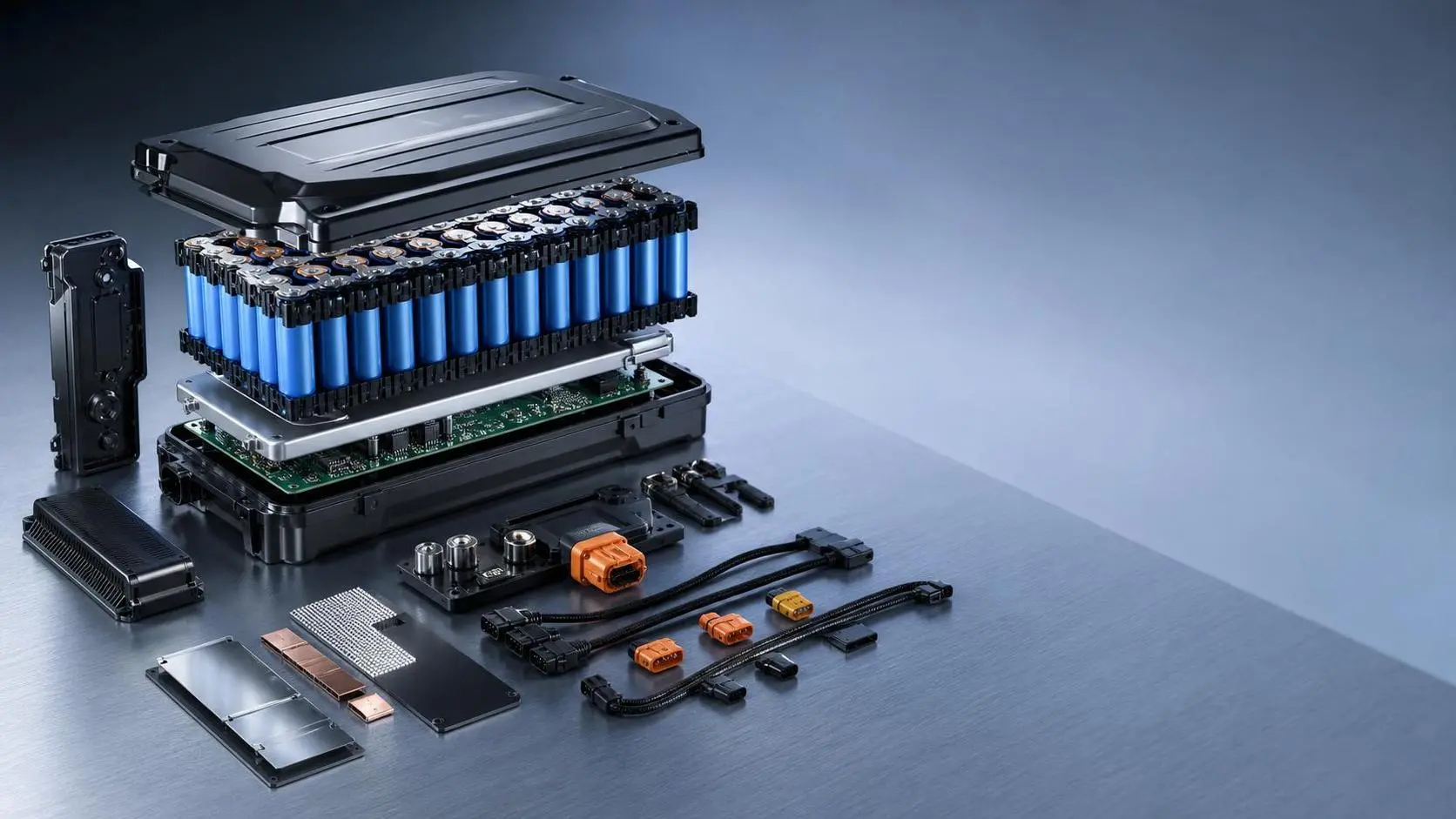
Electric Two Wheeler Battery Components Explained: Cells, BMS, Thermal Parts, and Connectors
Electric two wheeler battery components explained clearly—learn how cells, BMS, thermal parts, and connectors shape safety, range, reliability, and smarter sourcing decisions.