
Related News
- 00
0000-00
What Is a Smart Transportation Platform and Which Urban Mobility Use Cases Fit Best? - 00
0000-00
How to Plan Micro-Mobility Charging Stations: Site Selection, Power Needs, and ROI - 00
0000-00
Electric Two Wheeler Battery Components Explained: Cells, BMS, Thermal Parts, and Connectors - 00
0000-00
Carbon Neutrality Standards for E-bike Manufacturing: Key Metrics and Certification Steps - 00
0000-00
Urban Transport Planning Basics: How Cities Match Mobility Options to Trip Demand
Ms. Elena Rodriguez
Weekly Insights
Stay ahead with our curated technology reports delivered every Monday.
How to Plan Micro-Mobility Charging Stations: Site Selection, Power Needs, and ROI





How to Plan Micro-Mobility Charging Stations: Site Selection, Power Needs, and ROI
As cities expand fleets of e-bikes, smart e-scooters, and high-speed e-motorcycles, planning micro-mobility charging stations has become a strategic procurement priority.
From site selection and power capacity to utilization rates and long-term ROI, buyers need a practical framework that prevents underbuilt assets and costly operating gaps.
The strongest projects usually start with one clear assumption: micro-mobility charging stations are not simple hardware purchases. They are operating infrastructure.
That changes how site risk, electrical design, service models, and payback should be evaluated from the first procurement discussion.
Start with the Real Use Case
Before comparing suppliers, define what the micro-mobility charging stations must actually support in the field.
Charging needs differ sharply between shared scooters, delivery e-bikes, commuter fleets, and high-speed e-motorcycles.
A good procurement brief should answer five questions:
- What vehicle types will use the site?
- How many batteries or vehicles must be charged daily?
- What is the peak charging window?
- Will batteries be charged on-board or off-board?
- How quickly must capacity scale within 12 to 24 months?
This early definition helps avoid a common mistake: buying micro-mobility charging stations sized for average demand instead of peak operational demand.
In practice, the peak period drives queue length, battery turnaround, labor pressure, and user satisfaction. Average demand rarely tells the full story.
Site Selection Drives More Than Convenience
The best location for micro-mobility charging stations is not always the cheapest available space.
Site selection should balance access, electrical readiness, utilization, permitting difficulty, safety, and future expansion.
What to check first
- Distance from fleet parking or battery handling zones
- Existing transformer capacity and panel availability
- Local fire code and battery storage restrictions
- Weather exposure, drainage, and vandalism risk
- Access for service technicians and replacement parts
- Room for future chargers, cabinets, or swap lockers
For public-facing micro-mobility charging stations, visibility matters. Highly visible locations improve usage but may also increase security and compliance requirements.
For depot-based charging, efficiency matters more. Every extra minute spent moving vehicles or batteries adds labor cost and operational friction.
A site that looks affordable on rent can become expensive once trenching, cable runs, permitting delays, and protection upgrades are included.
Power Needs Must Be Calculated, Not Estimated
Power planning is where many micro-mobility charging stations become either overspecified or operationally constrained.
The correct approach starts with battery size, charging time target, charger efficiency, simultaneity, and reserve margin.
A simple planning method
- List battery capacities by vehicle type.
- Define the required recharge time.
- Calculate charger output per vehicle or battery.
- Apply expected simultaneous charging rate.
- Add a contingency margin for growth and downtime.
For example, a shared e-scooter hub may need modest per-unit power but high connector density.
A high-speed e-motorcycle charging site may need fewer ports but far higher power per vehicle and tighter thermal management.
This is why micro-mobility charging stations should be specified around operating profiles, not broad category labels.
From a cost perspective, electrical upgrades often shape the project budget more than charger hardware itself.
Do Not Ignore Safety, Software, and Uptime
Reliable micro-mobility charging stations need more than sockets and enclosures.
Battery charging involves heat, cycle stress, user behavior, and software control. These factors directly affect asset life and operating cost.
Core procurement checks
- Battery compatibility and connector standardization
- Overcurrent, overtemperature, and fault isolation protection
- Remote monitoring and alarm reporting
- Load balancing and smart scheduling functions
- Spare parts availability and service response time
- IP rating, corrosion resistance, and enclosure durability
In real operations, software can make micro-mobility charging stations far more productive.
Smart load management reduces peak electricity costs. Remote diagnostics shorten downtime. Usage data improves fleet planning and future procurement cycles.
If uptime targets are strict, ask vendors for documented mean time to repair, not general promises about reliability.
How to Build a Real ROI Model
ROI for micro-mobility charging stations should never be measured by equipment price alone.
A usable model combines capital cost, operating expense, utilization, asset life, and service continuity.
Key cost inputs
- Charger hardware and cabinets
- Installation, trenching, and grid connection
- Permitting, inspection, and compliance work
- Software licenses and communications
- Maintenance labor and replacement parts
- Electricity demand charges and energy tariffs
Key value inputs
- Higher fleet availability
- Lower battery handling labor
- Reduced third-party charging dependence
- Better route or deployment continuity
- Improved scalability for future fleet growth
The stronger signal is usually utilization. Underused micro-mobility charging stations can look affordable upfront but perform poorly over time.
On the other hand, well-sited stations with stable throughput often justify a higher initial budget because they reduce hidden operating costs.
A sound ROI review should include best-case, expected, and stress-case scenarios. That helps expose sensitivity to power pricing, fleet growth, and downtime.
Questions to Ask Suppliers Before Award
Supplier comparison becomes much clearer when the same technical and commercial questions are asked across every bid.
- What charger configurations fit this vehicle mix today?
- What field data supports uptime claims?
- Which standards, certifications, and battery protections apply?
- How does the system handle peak load events?
- What software features are included, optional, or subscription-based?
- What are the lead times for expansion modules and spare parts?
- What references exist for similar micro-mobility charging stations?
These questions bring hidden lifecycle cost into view early, when contract leverage is still strongest.
A Practical Procurement Approach
The most effective path is usually phased deployment.
Start with one or two representative sites. Validate utilization, charging behavior, service response, and electrical performance before larger rollout.
This approach gives procurement teams better negotiating power and cleaner technical specifications for later phases.
Well-planned micro-mobility charging stations support uptime, cost control, and future market growth across e-bikes, e-scooters, and electric motorcycles.
The real advantage comes from treating charging infrastructure as a long-term operating asset, not a one-time equipment purchase.
When site selection, power needs, and ROI are evaluated together, micro-mobility charging stations become easier to scale, easier to manage, and far more likely to deliver dependable returns.
Related News

Wiper Systems ECE Compliance: Which Tests, Marks, and Documents Matter for Approval?
Wiper systems ECE approval explained: learn which tests, marks, and documents matter most to avoid delays, reduce compliance risk, and speed market access.

Wiper Streaking Problem: 7 Common Causes and How to Fix Them Step by Step
Wiper streaking problem? Discover 7 common causes and step-by-step fixes to restore clear visibility, prevent repeat failures, and diagnose blades, glass, washer fluid, and system issues fast.

What Is a Smart Transportation Platform and Which Urban Mobility Use Cases Fit Best?
Smart transportation platform strategies help cities and operators improve fleet coordination, battery planning, compliance, and urban mobility efficiency. Explore the best-fit use cases now.
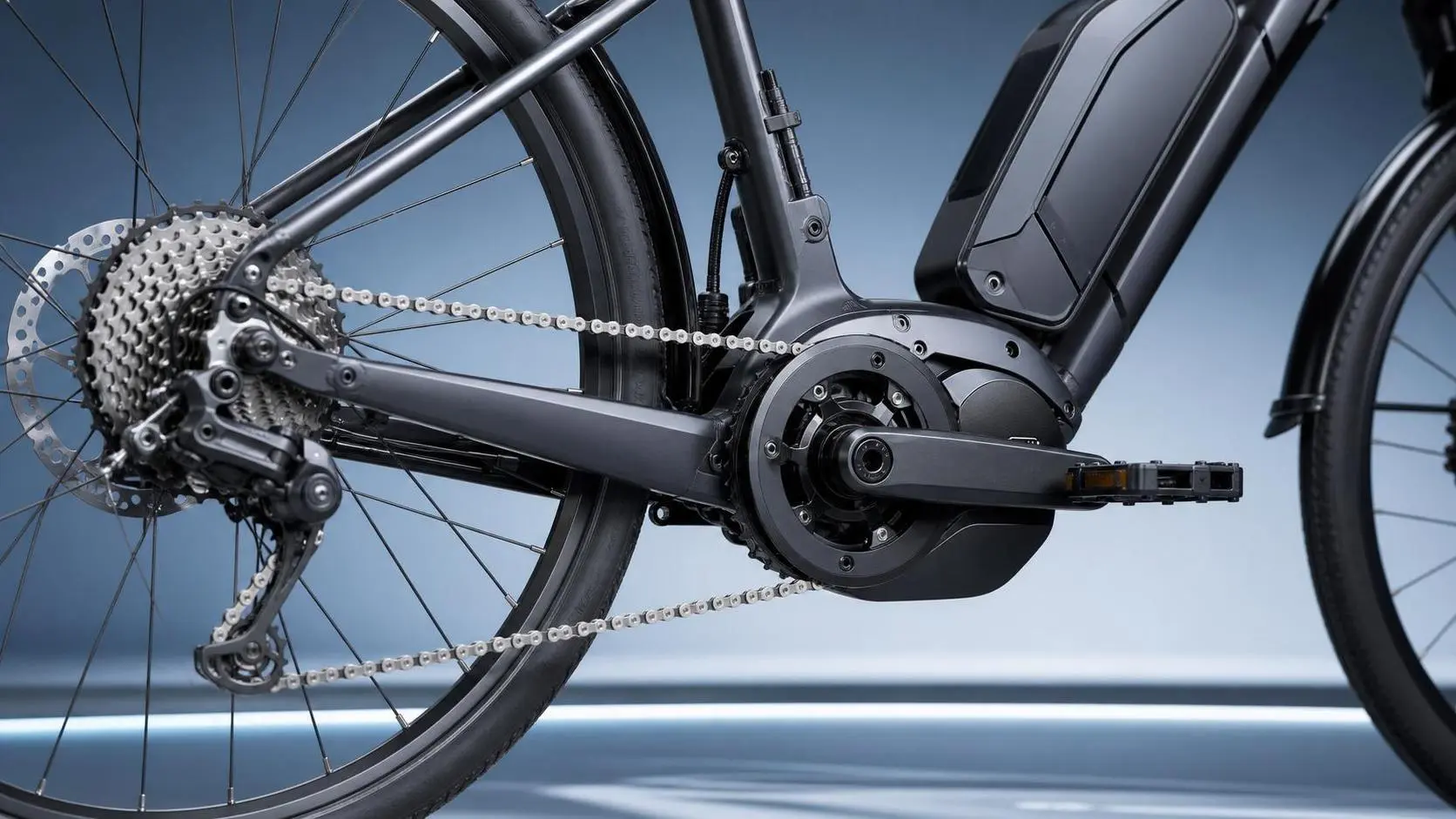
How to Evaluate an Electronic Shifting Drivetrain for E-bikes: Compatibility, Response, and Maintenance
Electronic shifting drivetrain evaluation for e-bikes: learn how to assess compatibility, shift response, and maintenance needs to choose a smoother, more reliable system.
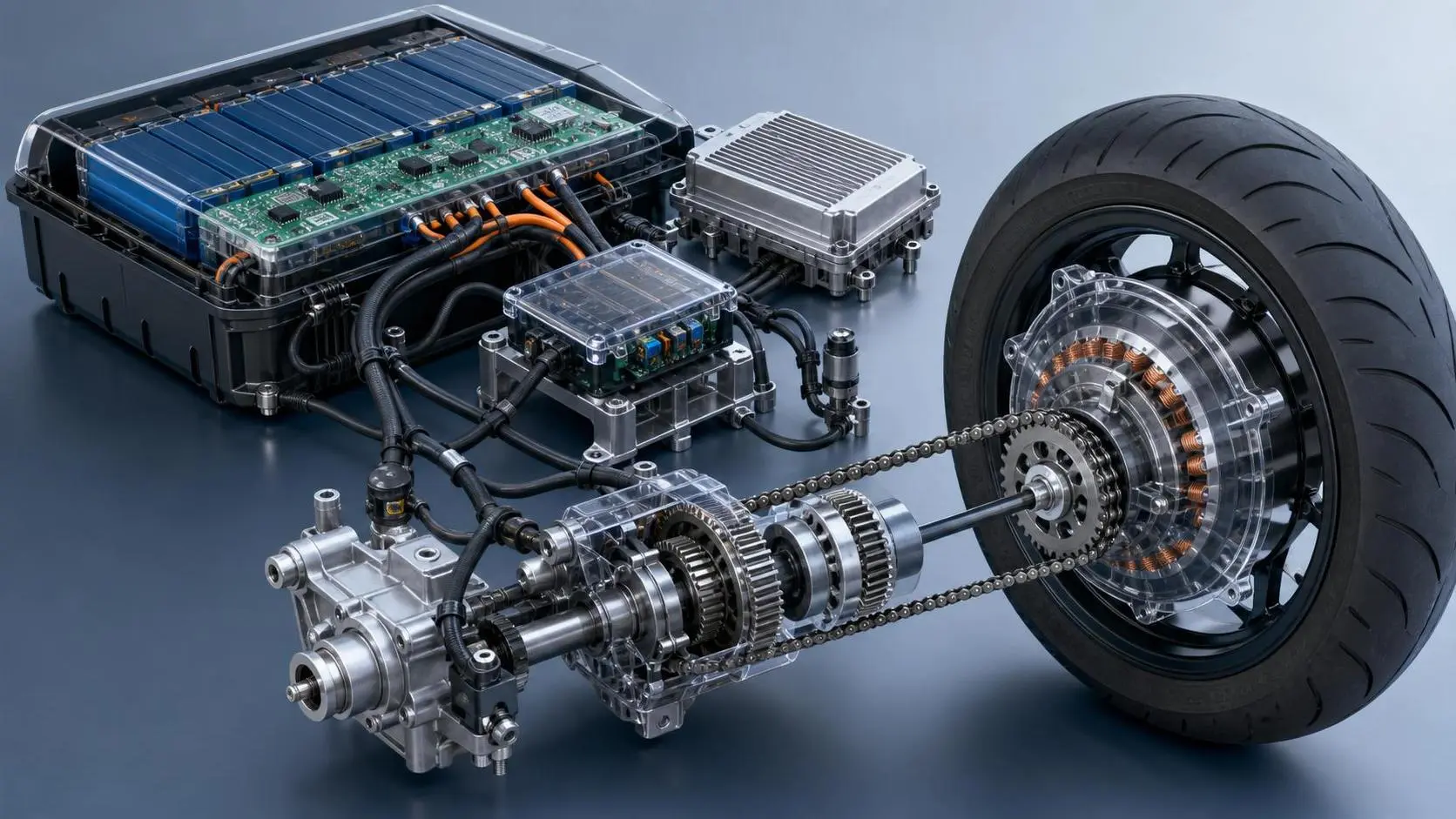
Electric Drivetrain Components Explained: Key Parts, Functions, and Failure Points
Electric drivetrain components explained: discover key parts, core functions, and common failure points to improve performance, reliability, and smarter buying decisions.

Smart Battery Solutions for Shared Fleets: What Reduces Downtime and Maintenance Costs?
Smart battery solutions help shared fleets cut downtime and maintenance costs with real-time diagnostics, smarter charging, battery swapping, and lifecycle insights.

Urban Micro-Mobility in North America: Policy, Charging Access, and Fleet Growth Drivers
Urban micro-mobility North America is evolving fast. Explore how policy, charging access, and fleet economics are shaping scalable growth opportunities across cities.
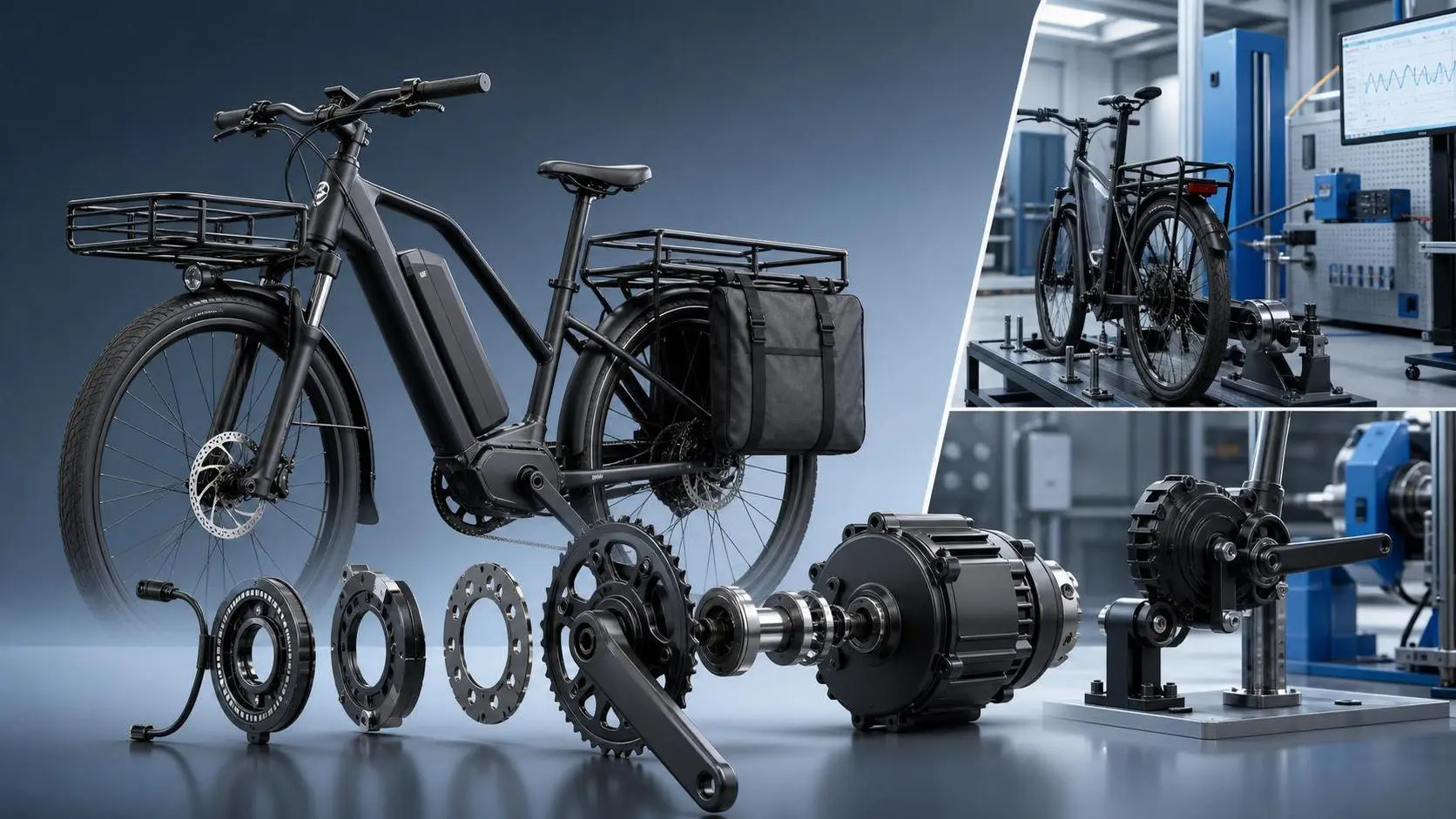
E-Bike Component Selection: How to Evaluate a Torque Sensor for Commuting and Cargo Use
E-bike component selection torque sensor guide for commuting and cargo use. Learn how to compare response, low-cadence control, durability, and integration for smoother, safer rides.
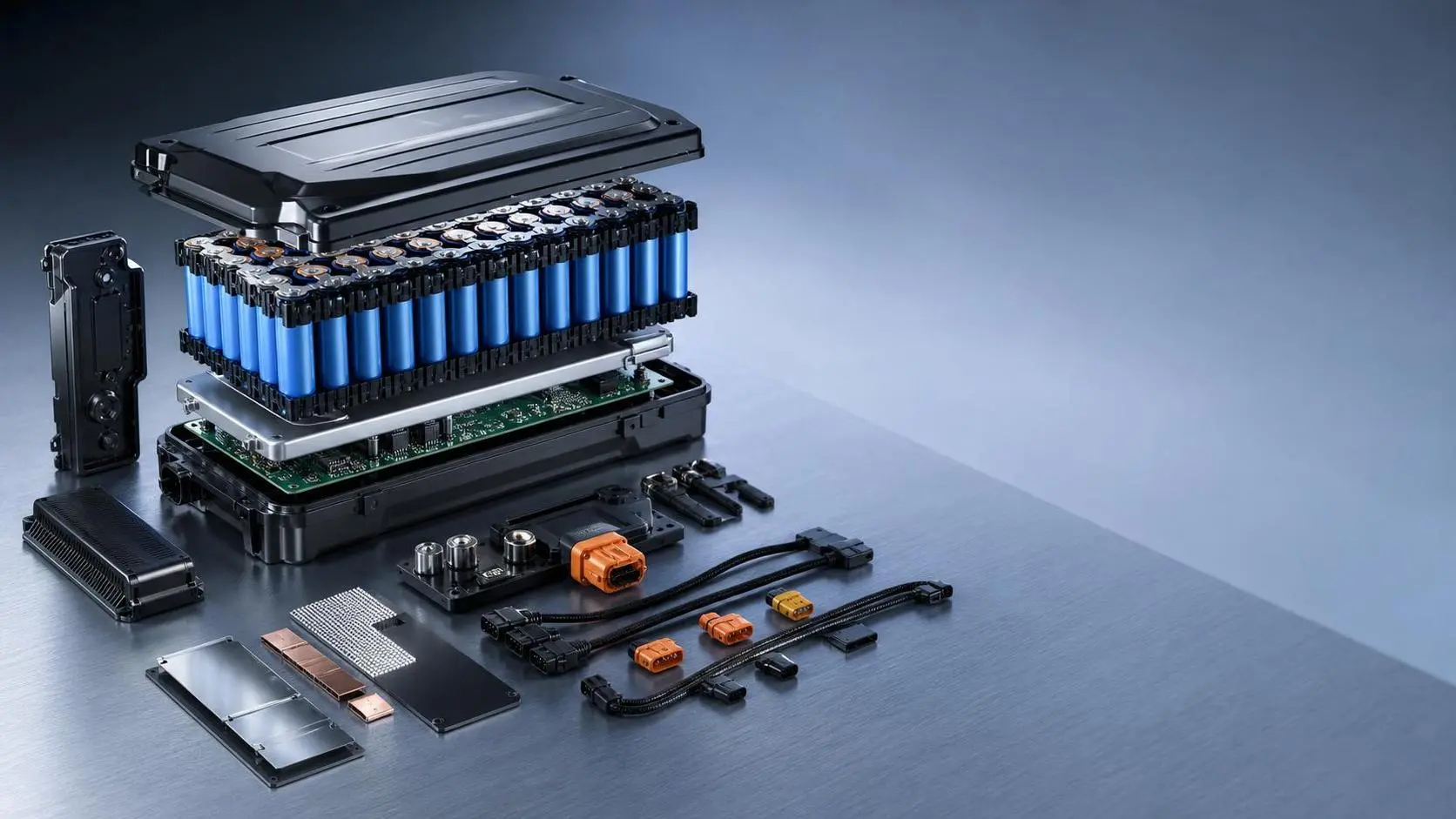
Electric Two Wheeler Battery Components Explained: Cells, BMS, Thermal Parts, and Connectors
Electric two wheeler battery components explained clearly—learn how cells, BMS, thermal parts, and connectors shape safety, range, reliability, and smarter sourcing decisions.