
Related News
- 00
0000-00
E-Bike Component Selection: How to Evaluate a Torque Sensor for Commuting and Cargo Use - 00
0000-00
What Drives Low Carbon E-bike Price: Materials, Battery Specs, and Compliance Costs - 00
0000-00
Utility Maximization in E-bikes: Which Motor, Battery, and Range Trade-offs Matter Most? - 00
0000-00
Brushless Motor for Scooters: How to Compare Power, Torque, and Efficiency - 00
0000-00
E-Bike Application Guide: Which Frame, Motor, and Battery Setup Fits Your Use Case?
Micro-Mobility Strategist
Weekly Insights
Stay ahead with our curated technology reports delivered every Monday.
E-Bike Component Selection: How to Evaluate a Torque Sensor for Commuting and Cargo Use





E-Bike Component Selection: How to Evaluate a Torque Sensor for Commuting and Cargo Use
In e-bike component selection, the torque sensor often decides whether a bike feels refined or frustrating.
That matters even more in commuting and cargo platforms, where starts, hills, and repeated braking shape the real riding experience.
A strong torque sensor does more than detect force.
It turns rider intent into stable motor support, even when payload, road grade, and cadence change within seconds.
For technical evaluation, sensitivity alone is not enough.
The better question in e-bike component selection torque sensor work is simple: can the system stay predictable under urban stress?
Why torque sensor quality changes the whole platform
In commuter bikes, riders want assist that feels natural at every traffic light.
In cargo bikes, operators need the same natural feel, but under much heavier and less stable loading conditions.
That is where torque sensor selection becomes a system decision, not a single-part purchase.
A weak sensor can cause delayed launch, jerky support, uneven hill response, or wasted battery energy.
A well-matched sensor improves controllability, comfort, drivetrain life, and rider trust.
From a market perspective, better e-bike component selection torque sensor decisions also reduce return risk and tuning effort during product rollout.
Start with the real use case, not the datasheet
A datasheet may show range, output, and interface details, but urban riding exposes what those numbers miss.
For commuting, focus on repeated low-speed launch behavior, smooth assist ramp, and stable response during short cadence fluctuations.
For cargo use, add overload tolerance, thermal stability, and consistency during high torque events.
This is why e-bike component selection torque sensor evaluation should always begin with route mapping and payload definitions.
- Average rider mass and expected cargo mass
- Typical stop frequency per kilometer
- Road grade distribution and ramp severity
- Cadence pattern in urban traffic
- Local climate, water exposure, and winter salt conditions
Without this context, even a high-spec torque sensor may be a poor fit.
Core evaluation criteria for e-bike component selection torque sensor work
1. Signal accuracy under variable rider input
The first question is whether the signal truly reflects rider force across light, medium, and heavy pedal loads.
This matters in mixed-use bikes, where one day means solo commuting and the next means child seat or delivery load.
Look for low drift, repeatable output, and clean signal behavior during rapid torque transitions.
2. Response time and assist ramp quality
Fast response sounds attractive, but raw speed is not the only target.
If assist arrives too abruptly, launch behavior feels nervous, especially with front-loaded cargo geometry.
In e-bike component selection torque sensor review, the ideal profile is quick, progressive, and easy to modulate.
3. Low-cadence performance
Cargo bikes often operate at low cadence during starts and climbs.
Some sensors perform well in steady cruising but lose refinement when pedal rotation is slow and force pulses are strong.
That gap becomes obvious in school-run, delivery, and utility fleet applications.
4. Environmental durability
Urban micro-mobility hardware faces water, vibration, curb shock, dust, and temperature swings.
A torque sensor should hold calibration and connector integrity through those conditions.
Ingress protection matters, but so do sealing quality, cable routing, and housing fatigue resistance.
5. Controller and motor compatibility
No torque sensor works in isolation.
The signal must align with controller logic, assist maps, motor characteristics, and safety thresholds.
Many e-bike component selection torque sensor problems come from integration mismatch rather than sensor failure.
How commuting and cargo priorities differ
The same torque sensor strategy rarely fits both light urban commuting and heavy utility use.
Commuter bikes usually prioritize smoothness, intuitive support, and efficient energy use over extreme load tolerance.
Cargo bikes usually prioritize launch authority, load-adaptive response, and predictable control under asymmetrical mass.
This difference should shape your e-bike component selection torque sensor scorecard from the beginning.
Testing methods that reveal real-world performance
Bench testing is useful, but road simulation and controlled field testing reveal much more.
A practical evaluation process should combine laboratory repeatability with urban riding scenarios.
- Run repeated zero-start tests with different payloads.
- Measure assist stability on short inclines and longer climbs.
- Check sensor behavior after vibration and water exposure cycles.
- Compare signal repeatability across low and high cadence ranges.
- Monitor battery draw during stop-and-go use to detect inefficient control mapping.
One useful tactic is to test with intentionally inconsistent rider input.
That exposes whether the torque sensor filters noise without flattening genuine rider intent.
In e-bike component selection torque sensor review, this balance often separates premium systems from merely acceptable ones.
Common risks during selection and integration
Several failure points appear repeatedly in commuter and cargo programs.
- Choosing by peak sensitivity while ignoring launch smoothness
- Assuming commuter tuning will scale to heavy cargo use
- Overlooking wiring, connector, and sealing weaknesses
- Failing to validate controller calibration after thermal cycling
- Using too narrow a rider weight and cadence test window
These are not minor details.
They directly affect rider confidence, service cost, and brand credibility.
For that reason, e-bike component selection torque sensor work should involve electrical, mechanical, and control teams together.
A practical decision framework
When comparing suppliers or architectures, keep the scoring model grounded in use-case outcomes.
A simple framework usually works better than an oversized matrix.
- Define the primary platform: commuter, family cargo, or delivery utility.
- Set weighted criteria for launch feel, hill control, durability, and integration effort.
- Test at realistic rider weights and cargo loads.
- Validate controller tuning with production-intent firmware.
- Review serviceability, replacement process, and long-term calibration stability.
This approach keeps e-bike component selection torque sensor decisions aligned with product behavior, not marketing claims.
It also helps teams translate technical findings into sourcing and launch decisions faster.
In today’s micro-mobility market, that speed matters.
Urban platforms are expected to be efficient, intuitive, and dependable from day one.
A torque sensor that performs well on paper but fails in traffic will quickly expose the weakness of the full system.
The strongest path is straightforward: define the load case, test the edge cases, and choose the torque sensor that stays calm when the city does not.
Related News
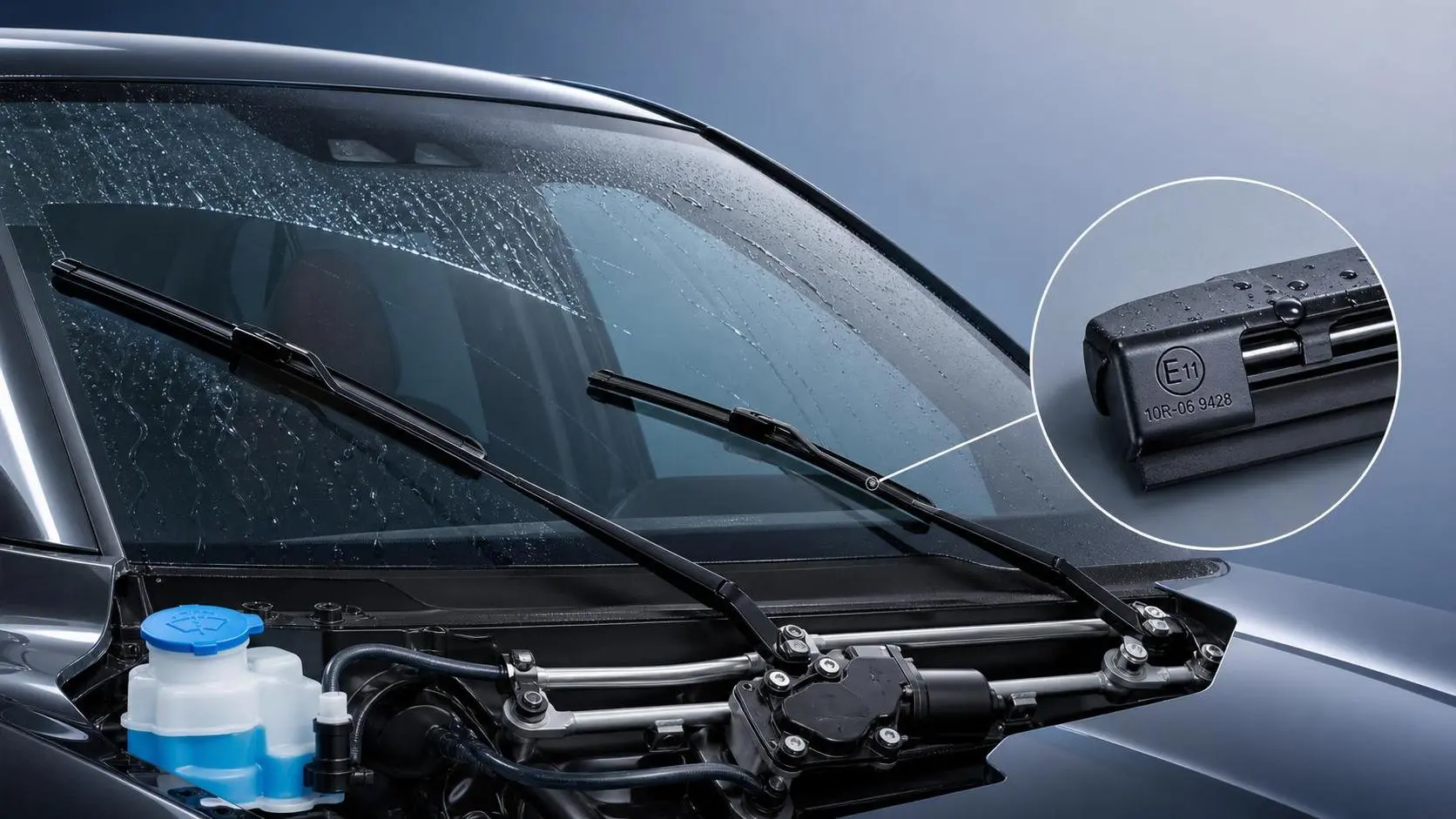
Wiper Systems ECE Compliance: Which Tests, Marks, and Documents Matter for Approval?
Wiper systems ECE approval explained: learn which tests, marks, and documents matter most to avoid delays, reduce compliance risk, and speed market access.

Wiper Streaking Problem: 7 Common Causes and How to Fix Them Step by Step
Wiper streaking problem? Discover 7 common causes and step-by-step fixes to restore clear visibility, prevent repeat failures, and diagnose blades, glass, washer fluid, and system issues fast.
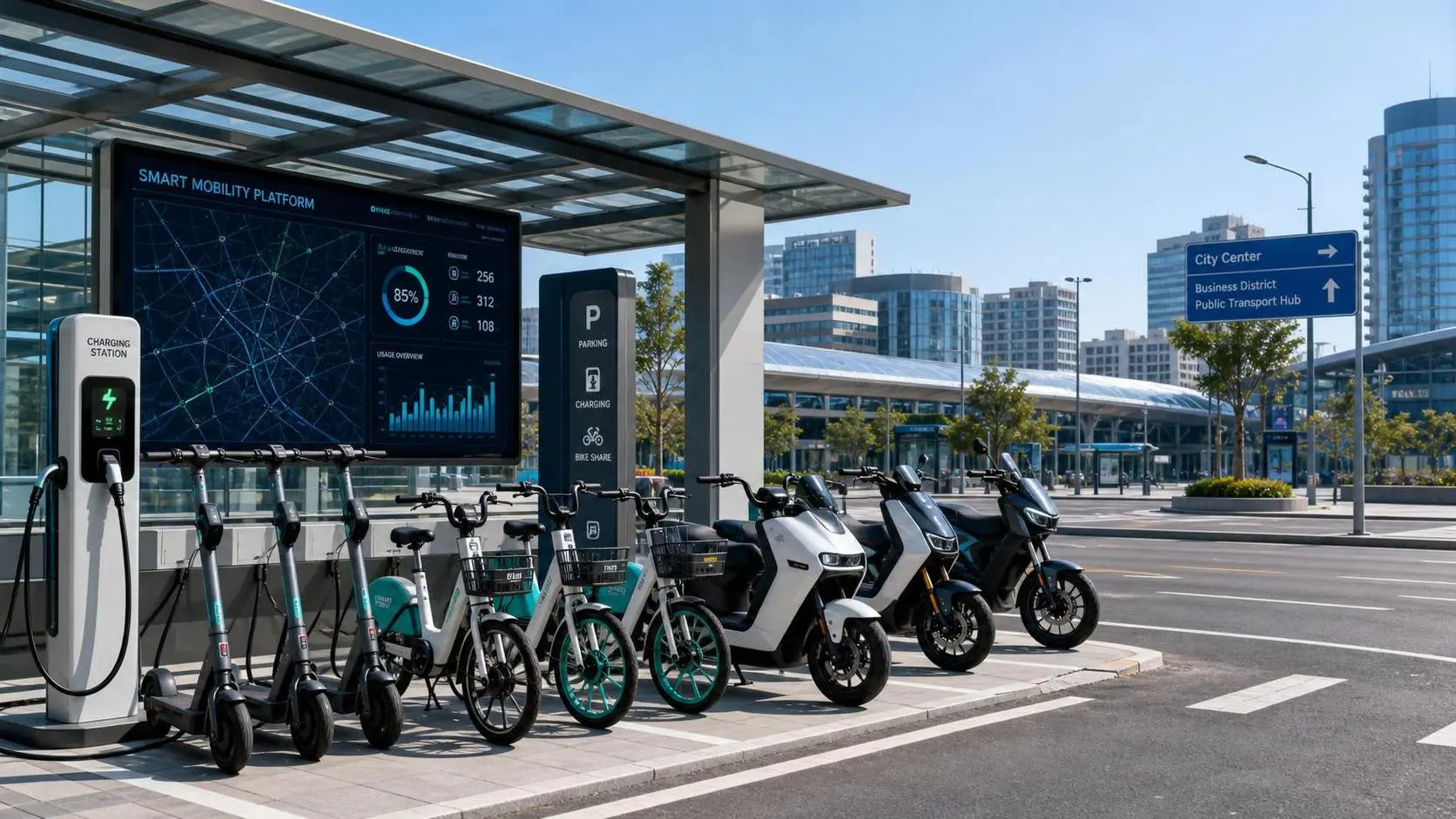
What Is a Smart Transportation Platform and Which Urban Mobility Use Cases Fit Best?
Smart transportation platform strategies help cities and operators improve fleet coordination, battery planning, compliance, and urban mobility efficiency. Explore the best-fit use cases now.
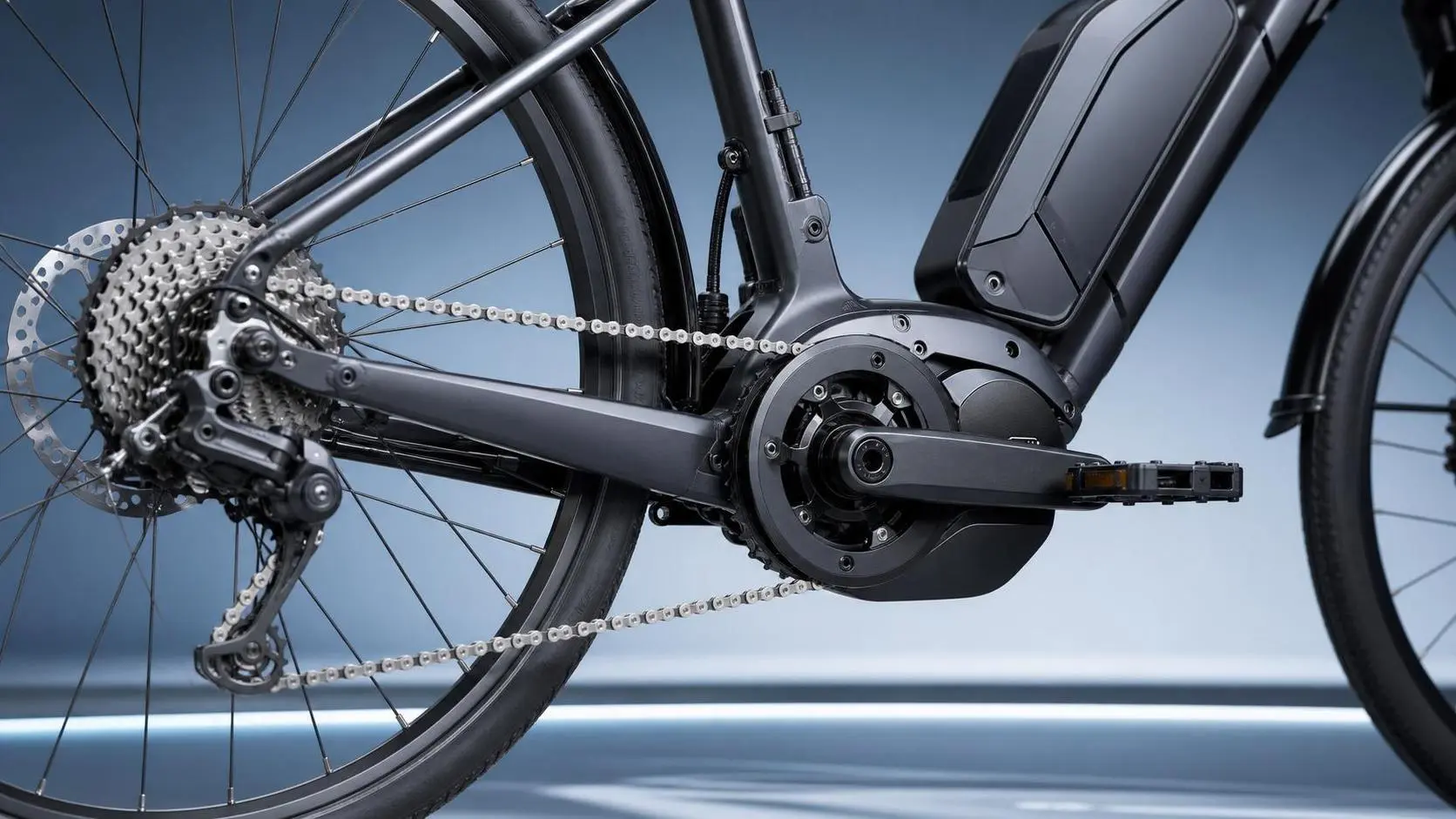
How to Evaluate an Electronic Shifting Drivetrain for E-bikes: Compatibility, Response, and Maintenance
Electronic shifting drivetrain evaluation for e-bikes: learn how to assess compatibility, shift response, and maintenance needs to choose a smoother, more reliable system.
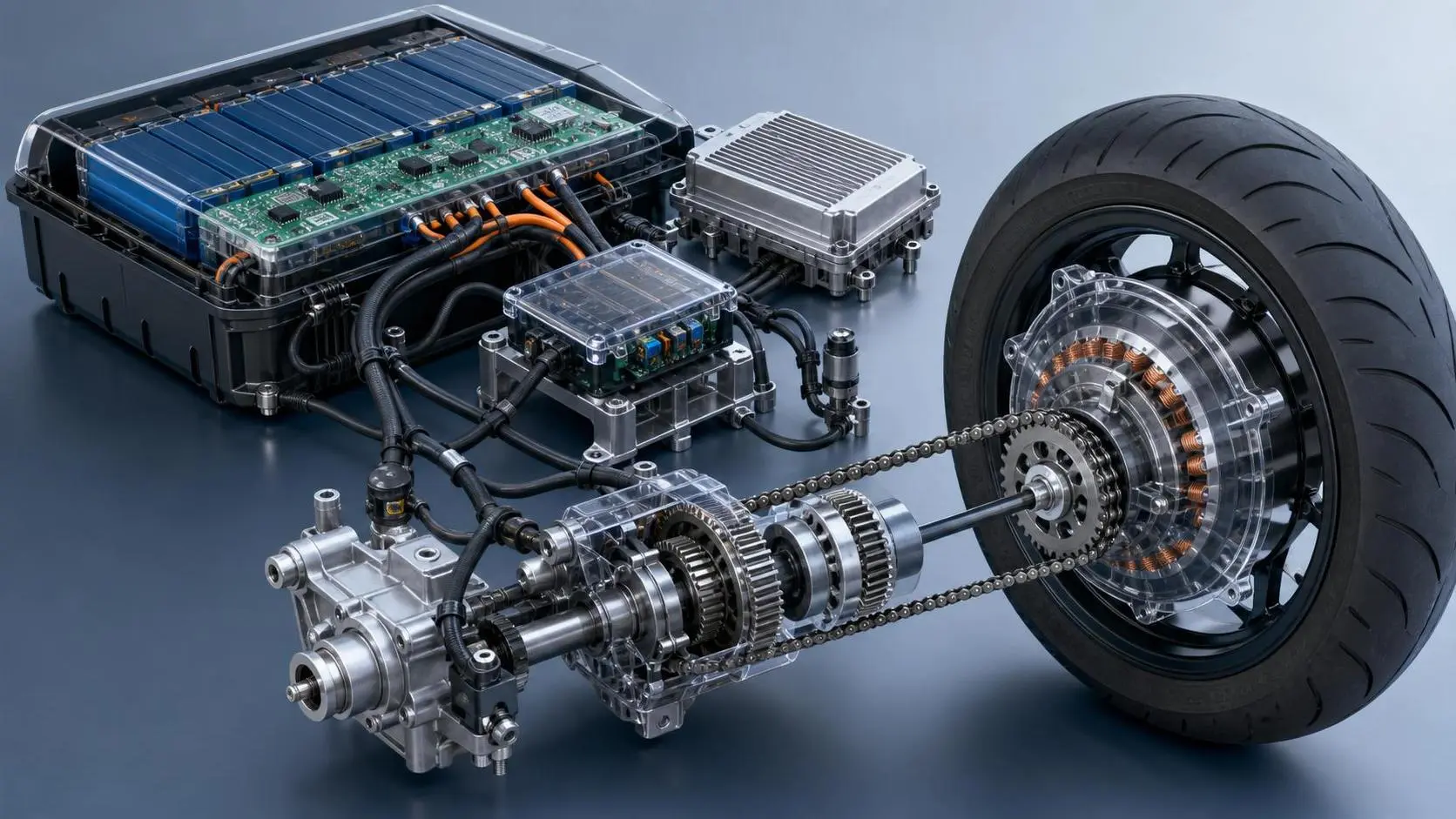
Electric Drivetrain Components Explained: Key Parts, Functions, and Failure Points
Electric drivetrain components explained: discover key parts, core functions, and common failure points to improve performance, reliability, and smarter buying decisions.
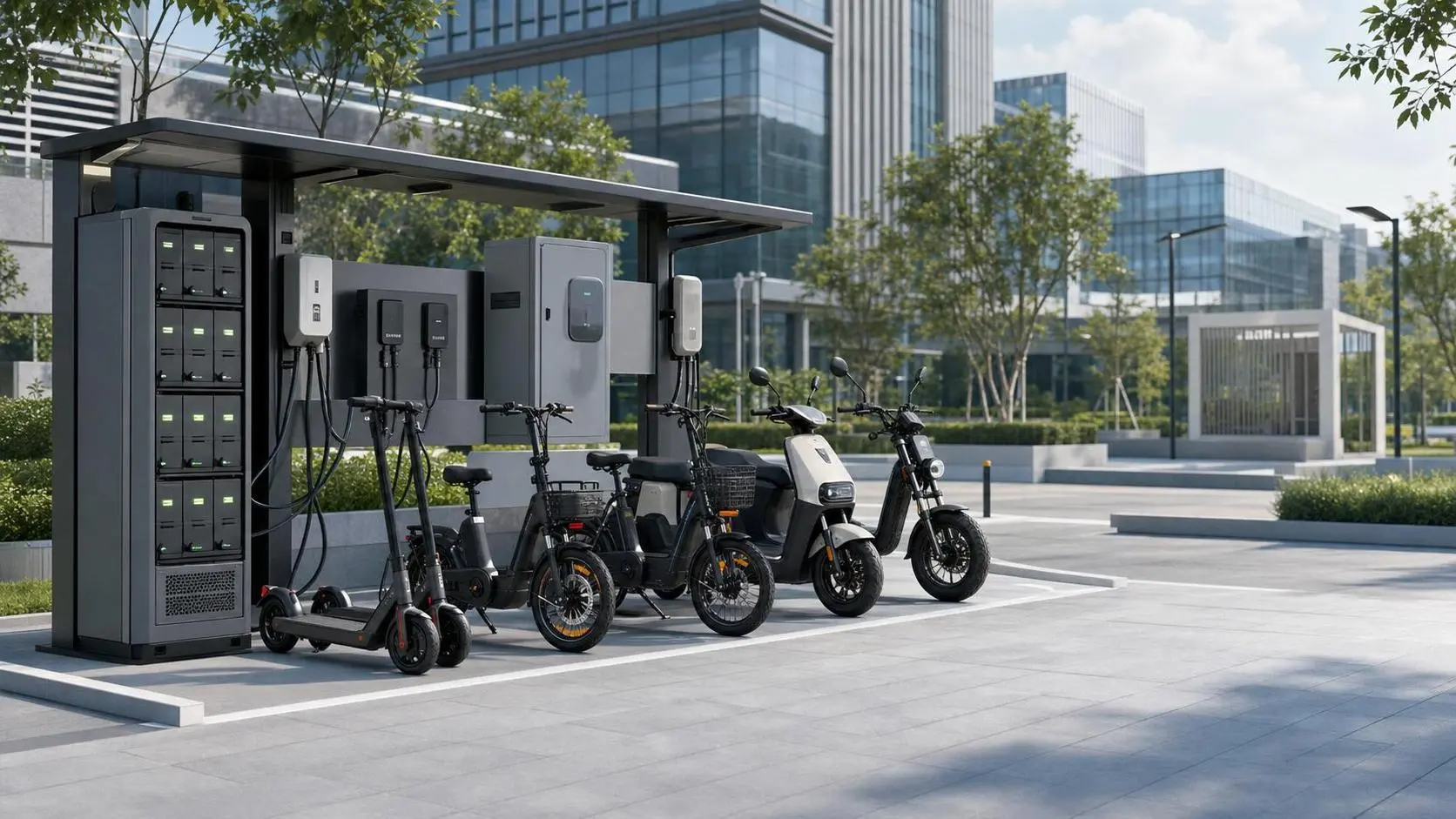
How to Plan Micro-Mobility Charging Stations: Site Selection, Power Needs, and ROI
Micro-mobility charging stations: learn how to choose the right site, size power capacity, improve uptime, and build a stronger ROI model for scalable fleet operations.
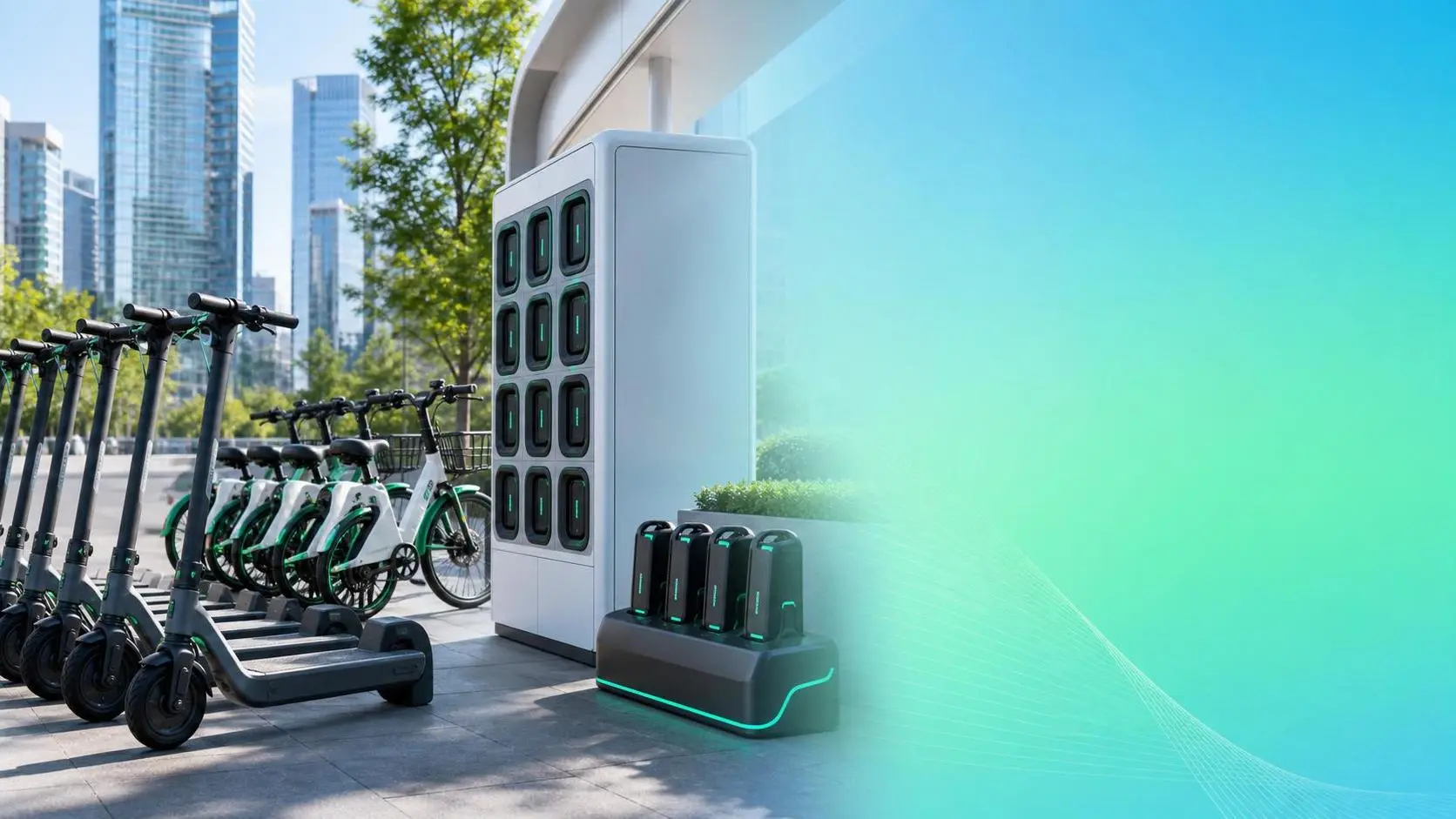
Smart Battery Solutions for Shared Fleets: What Reduces Downtime and Maintenance Costs?
Smart battery solutions help shared fleets cut downtime and maintenance costs with real-time diagnostics, smarter charging, battery swapping, and lifecycle insights.
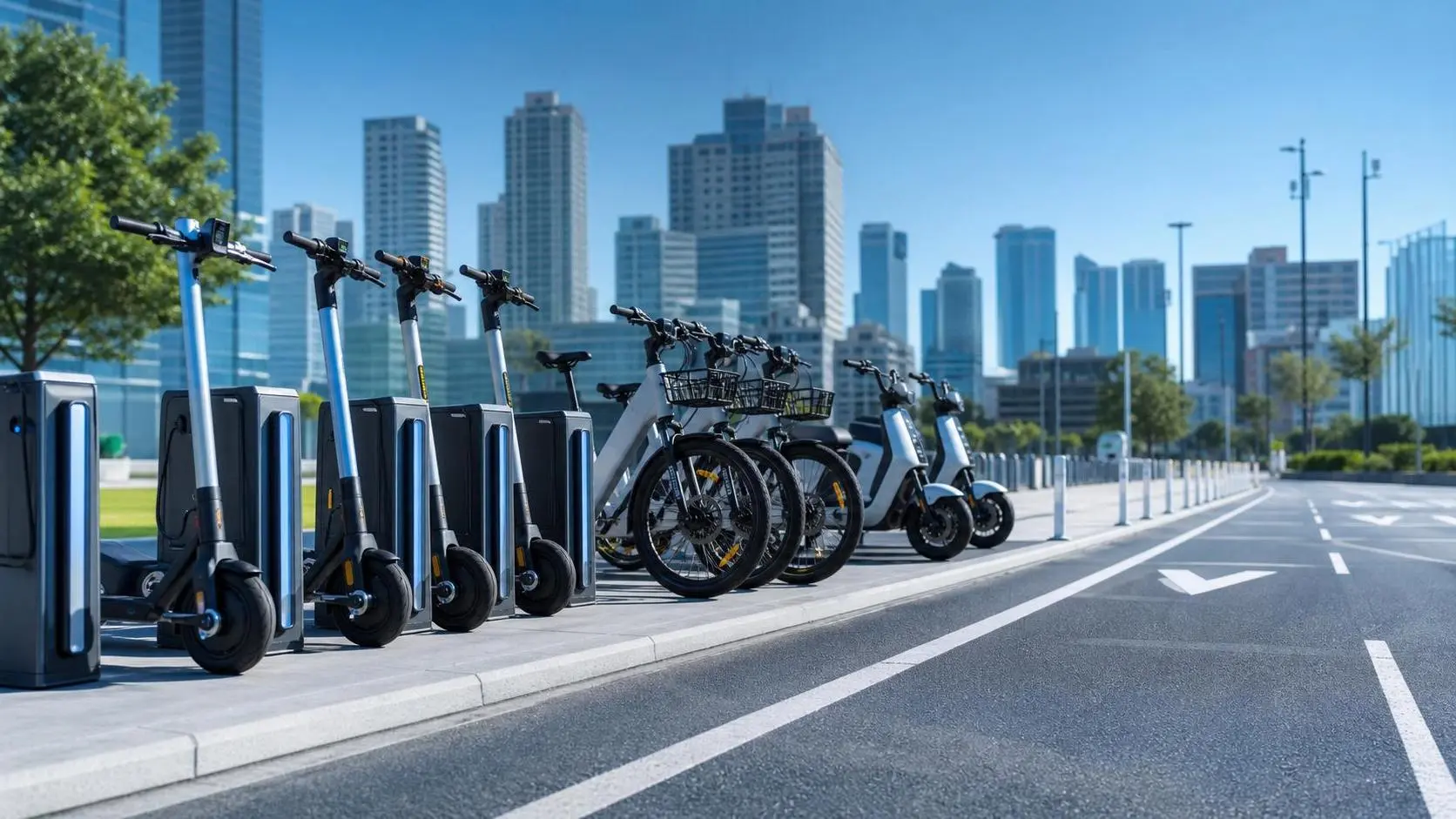
Urban Micro-Mobility in North America: Policy, Charging Access, and Fleet Growth Drivers
Urban micro-mobility North America is evolving fast. Explore how policy, charging access, and fleet economics are shaping scalable growth opportunities across cities.
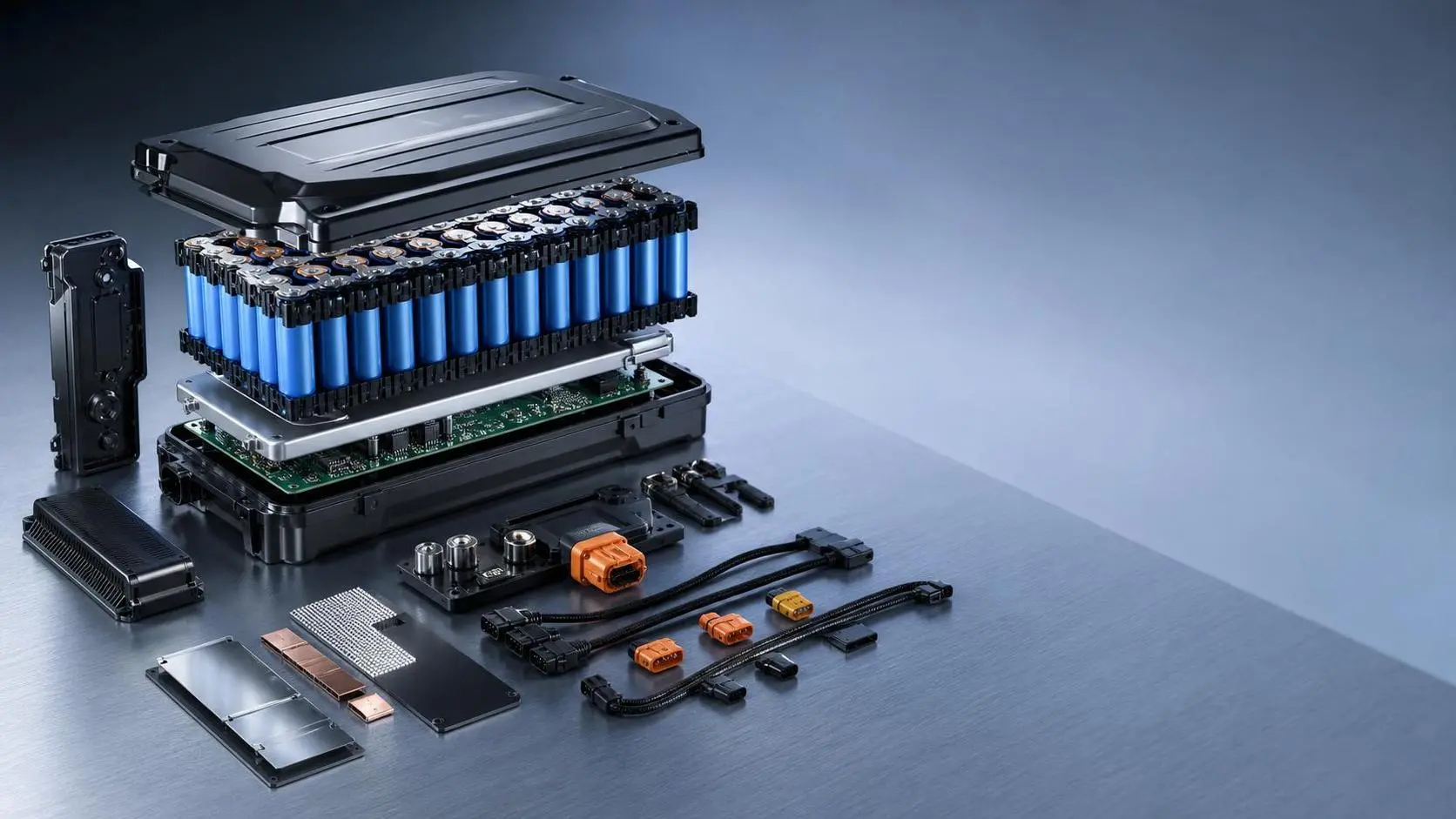
Electric Two Wheeler Battery Components Explained: Cells, BMS, Thermal Parts, and Connectors
Electric two wheeler battery components explained clearly—learn how cells, BMS, thermal parts, and connectors shape safety, range, reliability, and smarter sourcing decisions.