
Related News
- 00
0000-00
How Do Photoelectric Wiper Sensors Work and Where Are They Most Effective? - 00
0000-00
How to Evaluate Core Component Suppliers for Electric Motorcycles Before Sourcing? - 00
0000-00
Electric Motorcycle Systems Price Breakdown: What Affects Cost From Battery to Controller? - 00
0000-00
Micro-mobility Systems Explained: Core Components, Operating Models, and City Use Cases - 00
0000-00
Electrification Strategies in Europe: Policy, Charging, and ROI Factors for Fleet Planning
Ms. Elena Rodriguez
Weekly Insights
Stay ahead with our curated technology reports delivered every Monday.
How Do Photoelectric Wiper Sensors Work and Where Are They Most Effective?





Why are photoelectric wiper sensors getting so much attention?
Photoelectric wiper sensors matter because visibility is no longer treated as a simple mechanical issue. It is now part of a wider safety, automation, and energy-efficiency conversation.
That shift is especially visible in urban mobility. E-bikes, smart e-scooters, compact electric vehicles, and high-speed e-motorcycles all operate in dense, unpredictable traffic.
In those conditions, delayed wiping can become more than an inconvenience. It can reduce reaction time, obscure lane markings, and weaken rider or driver confidence during sudden weather changes.
Photoelectric wiper sensors solve that problem by detecting moisture or optical disturbance on glass, then triggering or adjusting wiper activity automatically.
For platforms such as UMMS, this topic also fits a larger pattern. Smart visibility systems sit at the intersection of electromechanical efficiency, sensor logic, and low-carbon transport reliability.
So when people ask how photoelectric wiper sensors work, they are usually asking two things at once: how the technology detects conditions, and where the investment actually pays off.
How do photoelectric wiper sensors actually detect rain or contamination?
The basic principle is optical measurement. A light emitter sends infrared or visible light into the windshield or transparent surface at a controlled angle.
When the glass is dry, most of that light reflects internally in a predictable way. The receiver reads a stable signal and interprets the surface as clear.
When raindrops, mist, or road spray reach the outer surface, the optical behavior changes. Some light scatters or escapes, so the reflected signal drops.
The control unit compares that signal against calibrated thresholds. If the change is large enough, it activates the wiper motor or increases wiping speed.
More advanced photoelectric wiper sensors do not only look for rain volume. They also monitor pattern changes, signal stability, and transition speed.
That is why some systems can distinguish between light drizzle, splashed water, and a brief disturbance caused by dirt. The goal is fewer false triggers and smoother response.
In practical terms, the sensor is only one part of the chain. Performance also depends on glass quality, adhesive coupling, software tuning, and wiper motor coordination.
Does it react to light, rain, or both?
People often confuse rain sensing with ambient light sensing. Some modules combine both, but they are not the same function.
A rain-sensing photoelectric system tracks reflection changes on glass. A light sensor measures surrounding brightness for headlamp or display control.
Integrated units are common because they save space and simplify wiring. Still, the decision logic for wiping and lighting remains separate.
Where are photoelectric wiper sensors most effective?
They are most effective where visibility changes quickly and manual response is inconsistent. Urban and peri-urban mobility systems fit this pattern very well.
Compact electric vehicles benefit first because their windshields are small, steeply angled, and often exposed to splash from buses, taxis, and delivery traffic.
High-speed e-motorcycles and enclosed micro-mobility cabins also gain value. At higher speeds, spray buildup happens fast, and rider attention is already under pressure.
Photoelectric wiper sensors are also useful in shared mobility fleets. Automated wiping reduces dependence on user behavior and creates more consistent operation across vehicles.
For intelligence platforms following last-mile transport, this matters because reliability is cumulative. A small visibility failure can disrupt safety, maintenance, and fleet uptime together.
The strongest use cases usually include frequent stop-and-go driving, mixed weather, nighttime reflections, and roads with heavy contamination from dust or oily spray.
When is the technology less impressive?
It is less compelling in very simple systems with flat duty cycles and limited windshield exposure. If wiping demand is rare, automation may add little operational value.
Another weaker case appears when the surrounding design is poor. A good sensor cannot fully compensate for weak blade pressure, bad aerodynamics, or unstable power control.
What should you compare before judging sensor quality?
Not every photoelectric wiper sensor behaves the same way, even if product sheets look similar. Real differences usually appear in calibration logic and environmental tolerance.
A practical evaluation starts with a few questions: how quickly does the sensor react, how often does it trigger unnecessarily, and how stable is it over time?
The table below gives a clearer decision framework.
In real deployments, the best choice is rarely the sensor with the most aggressive sensitivity. A better system is one that stays accurate under varied road conditions.
Are photoelectric wiper sensors better than conventional rain-sensing approaches?
Often yes, but the answer depends on what “better” means in the intended vehicle architecture.
Compared with manual intermittent wiping, photoelectric wiper sensors offer obvious convenience and faster response. That part is straightforward.
Compared with simpler detection methods, the main advantage is precision. Optical sensing can interpret small surface changes without relying on crude timing assumptions.
This is especially helpful in advanced mobility systems where control logic is already digital. The sensor can become part of a broader smart visibility stack.
That said, better sensing does not automatically mean lower total system complexity. It may require cleaner installation, stronger software validation, and more careful environmental testing.
- Choose photoelectric wiper sensors when variable weather, automation, and user comfort matter together.
- Be more cautious when the platform has limited electrical margin or inconsistent windshield specifications.
- Treat the sensor as part of a complete wiping system, not as a standalone upgrade.
What problems show up most often after installation?
The most common issue is not sensor failure. It is mismatch between the sensing logic and the real operating environment.
For example, a system may react well in controlled rain tests but behave poorly with road film, washer fluid residue, or winter condensation.
Another common problem is mounting quality. If the optical path is disturbed by adhesive gaps, contamination, or slight alignment errors, readings become unstable.
Software tuning also matters more than many expect. Overly sensitive calibration can cause nuisance wiping, while conservative settings delay the first wipe too long.
In micro-mobility applications, vibration and packaging constraints add another layer. Small vehicles often have tighter spaces and harsher exposure than passenger cars.
A sensible review should include these checkpoints before blaming the sensor alone.
- Confirm the windshield material, coating, and thickness match the sensor design window.
- Inspect optical coupling and adhesive uniformity after thermal cycling.
- Test with drizzle, splash, grime, and night glare instead of rain alone.
- Review controller logic with the actual wiper motor response curve.
If you are evaluating adoption, what is the smartest next step?
Start with the use case, not the component. The right question is not whether photoelectric wiper sensors are advanced, but whether they solve a meaningful visibility problem.
For urban mobility, the answer is often yes when vehicles face mixed weather, frequent stops, dense traffic spray, or shared-use operating patterns.
A strong evaluation usually combines three layers: sensor accuracy, full-system integration, and long-term service stability. Ignoring any one of them leads to weak decisions.
This is why sector intelligence platforms keep tracking photoelectric wiper sensors alongside drivetrain electronics, battery logic, and thermal management.
They are not isolated accessories. They are part of how modern low-carbon mobility systems turn sensing into safer daily operation.
A practical next move is to define the windshield conditions, climate profile, control architecture, and maintenance limits first. Then compare sensor options against those realities.
That approach makes it much easier to judge where photoelectric wiper sensors will be genuinely effective, and where a simpler solution may still be enough.
Related News
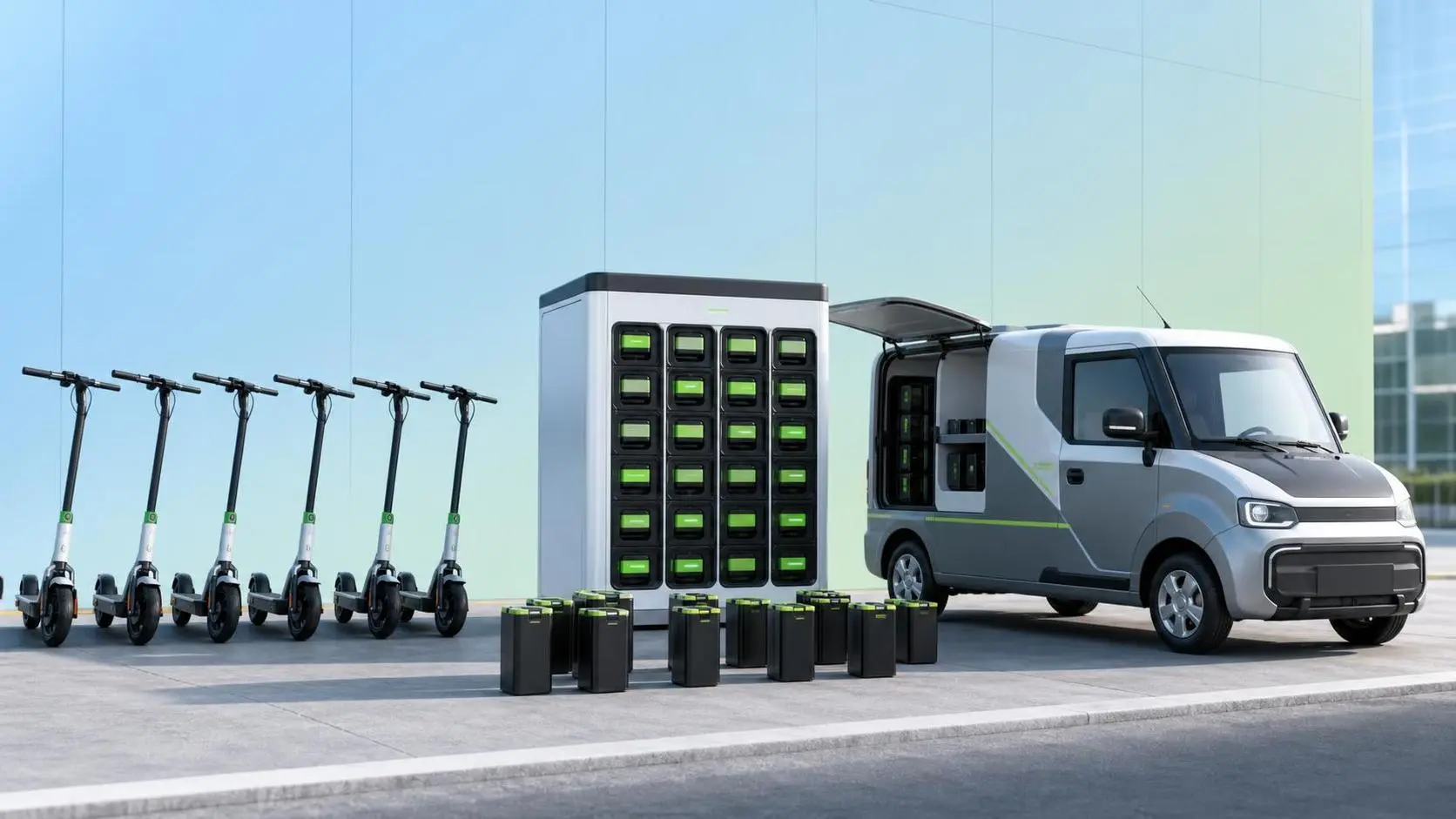
How Battery-Swapping Networks Reduce Downtime in Shared Fleet Scooter Operations
Battery-swapping networks cut scooter fleet downtime by speeding field turnaround, improving uptime in peak zones, and helping operators optimize labor, battery rotation, and service efficiency.
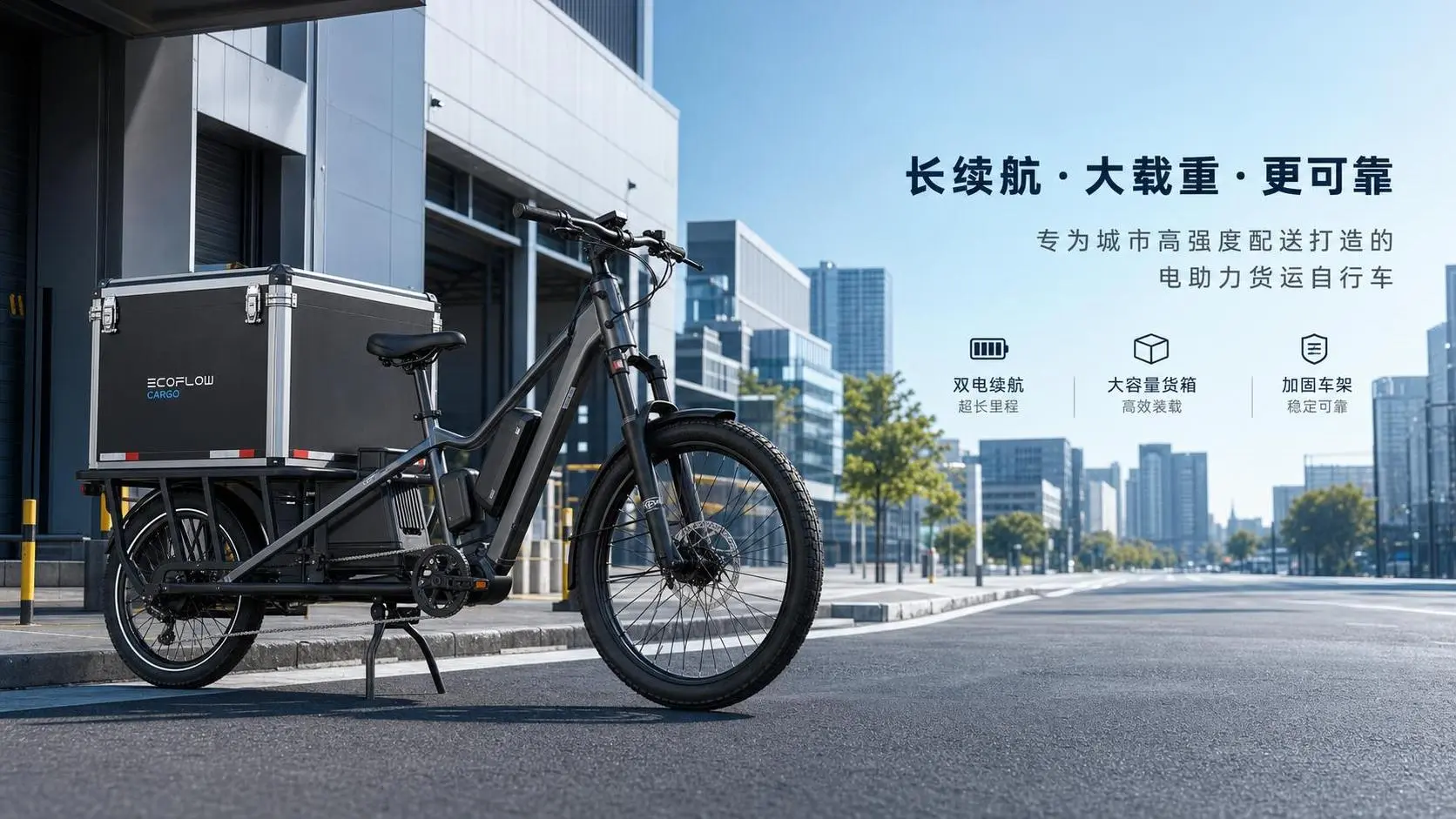
How to Choose a Long-Range Commercial Cargo E-Bike for Delivery Operations
Commercial cargo e-bike long range buying guide: learn how to assess battery, payload, route fit, and uptime support to choose a reliable delivery model with lower operating costs.
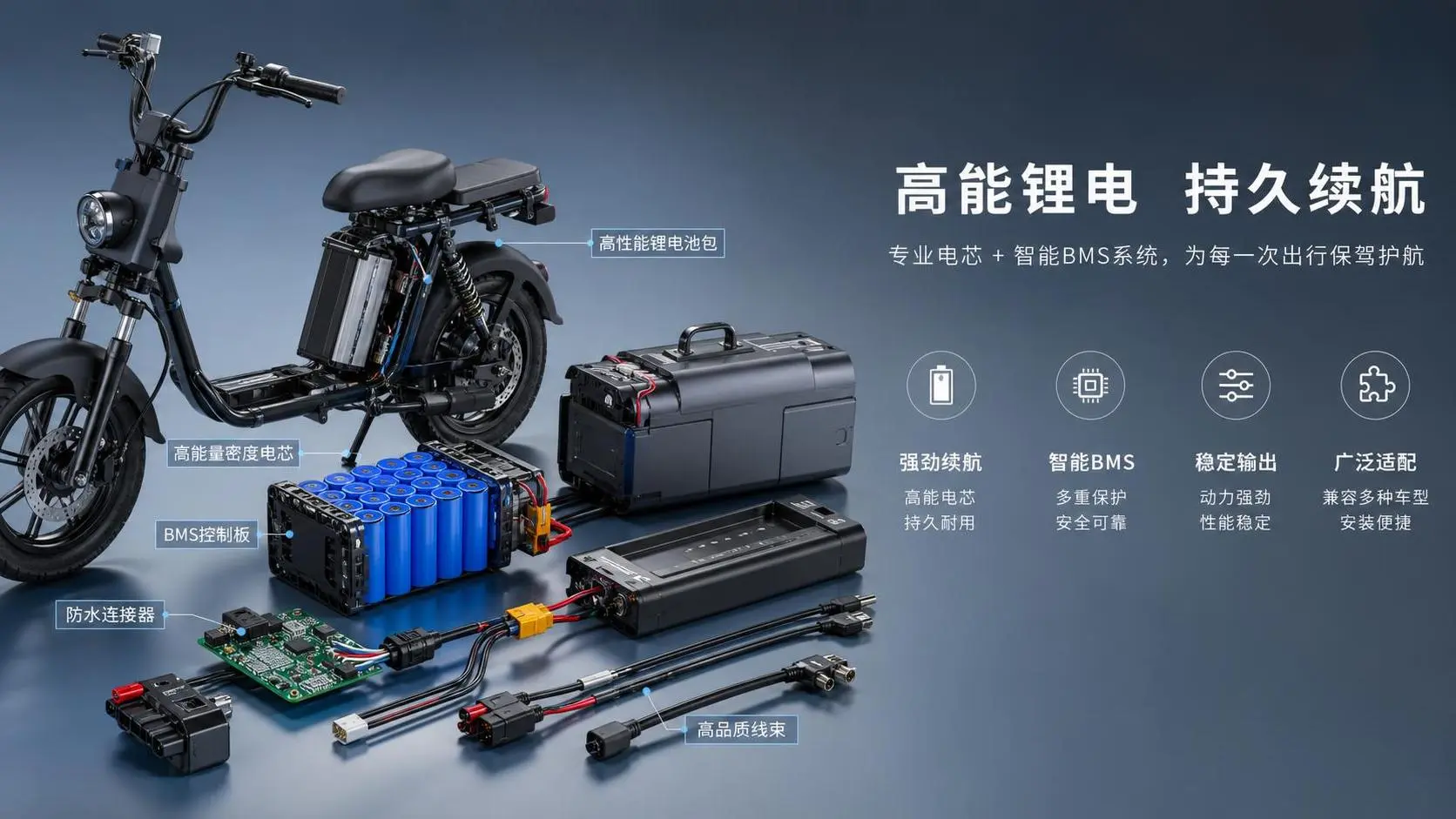
How to Select the Right E-Bike Battery Components for Range, Safety, and Fit?
E-bike component selection battery guide: learn how to choose the right battery components for better range, stronger safety, and perfect fit across modern e-bike platforms.
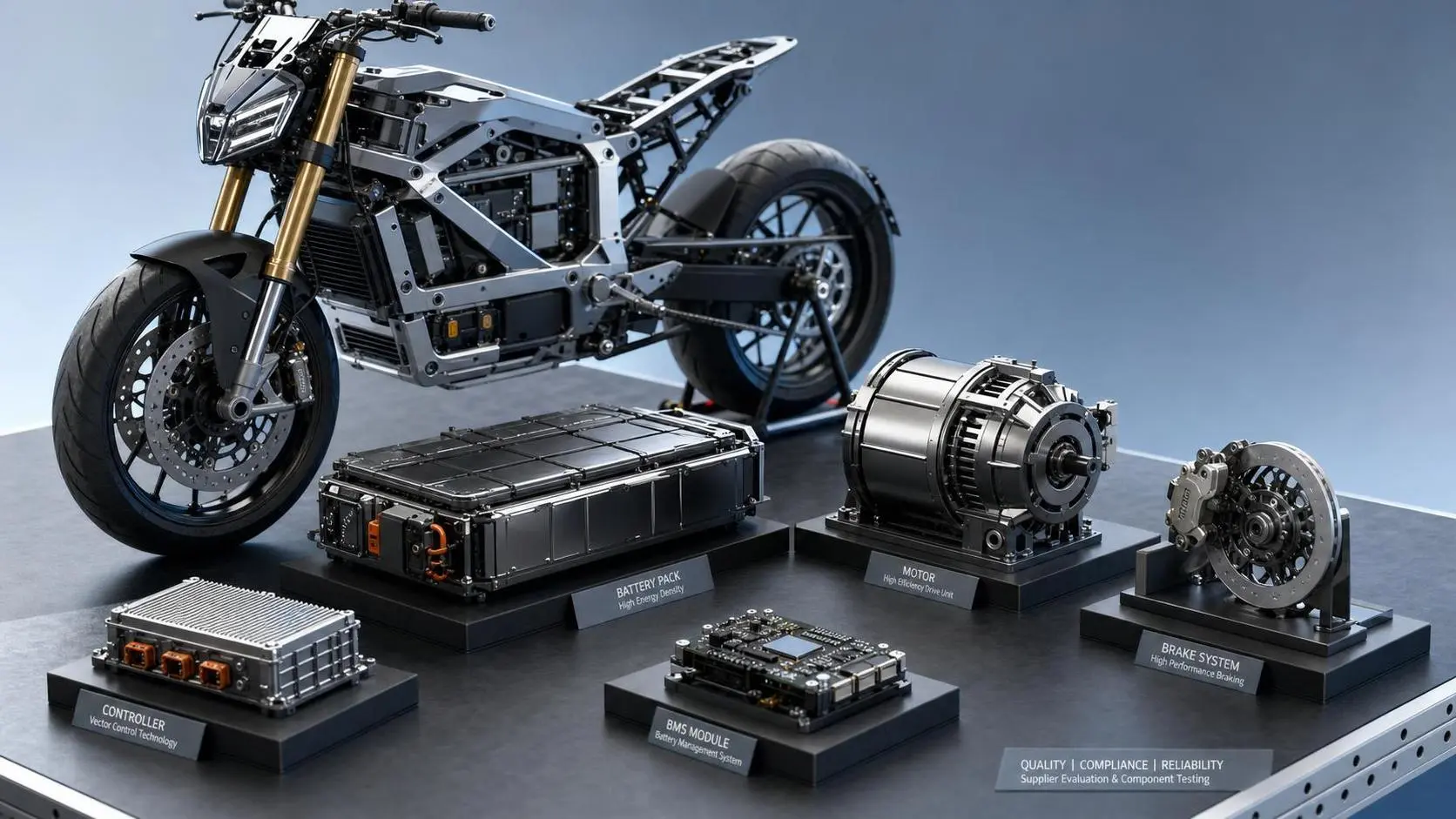
How to Evaluate Core Component Suppliers for Electric Motorcycles Before Sourcing?
Core component suppliers for electric motorcycles can make or break safety, compliance, and delivery. Learn how to assess technical strength, certifications, quality control, and hidden sourcing risks before you buy.
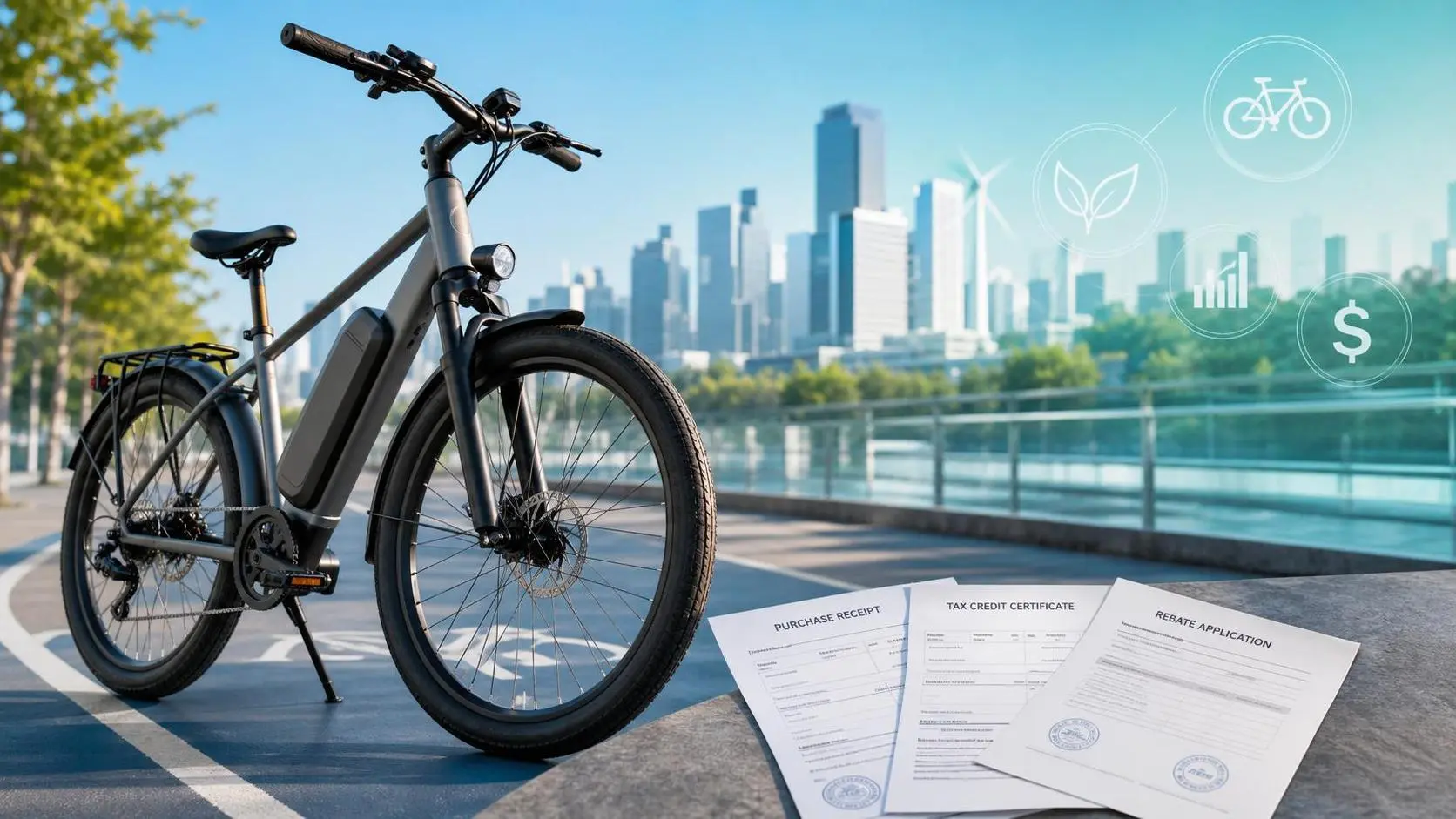
E-Bike Incentives Explained: How Riders Can Find Local Rebates and Tax Credits
E bike incentives explained: learn how to find local rebates, tax credits, and utility offers, avoid common mistakes, and cut the real cost of your next e-bike.
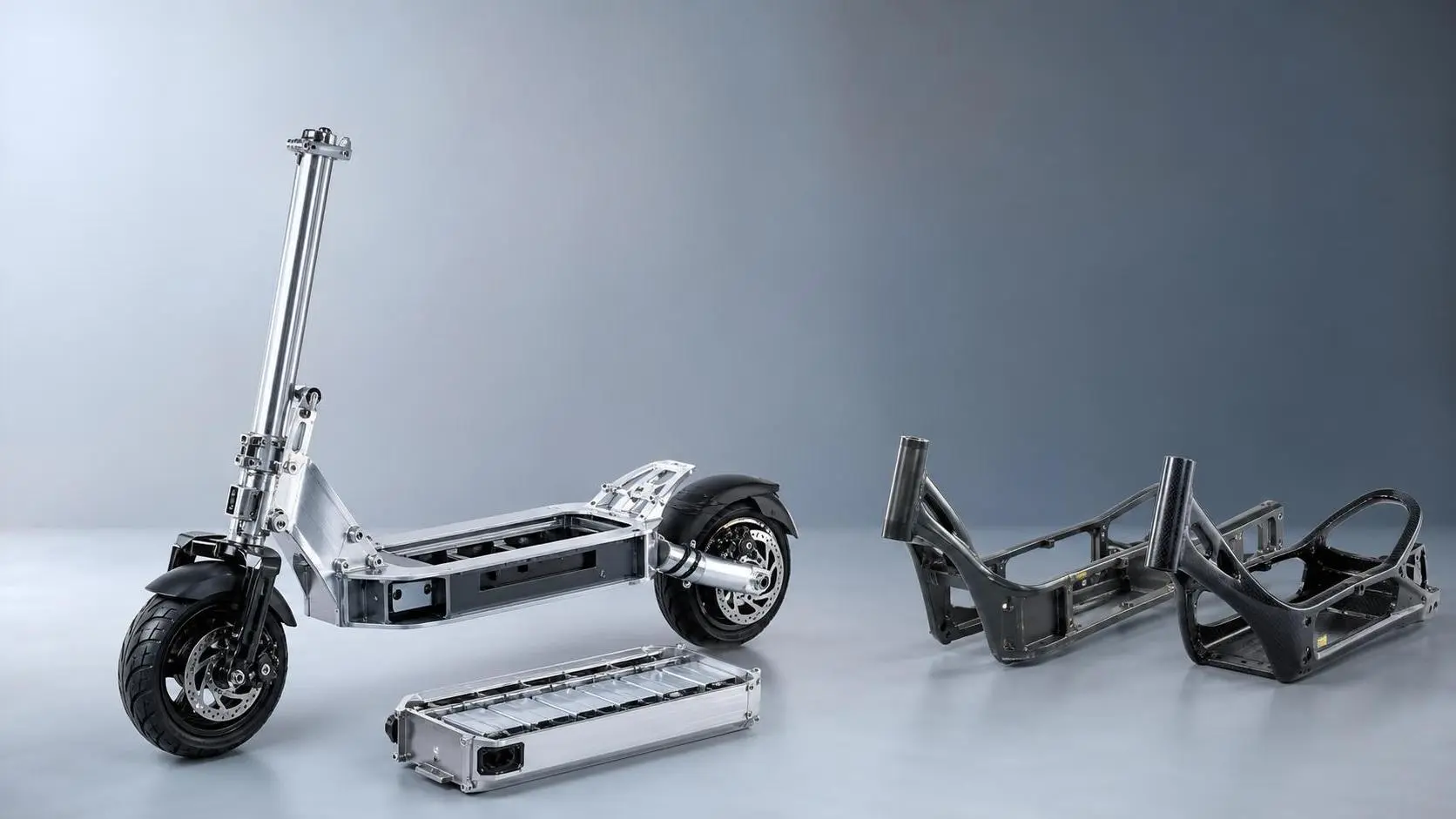
How to Choose Lightweight Scooter Frames in Europe: Materials, Standards, and Use Cases
Lightweight scooter frames Europe buyers need should balance materials, EN standards, durability, and real use cases. Discover how to choose safer, smarter, compliant frames.
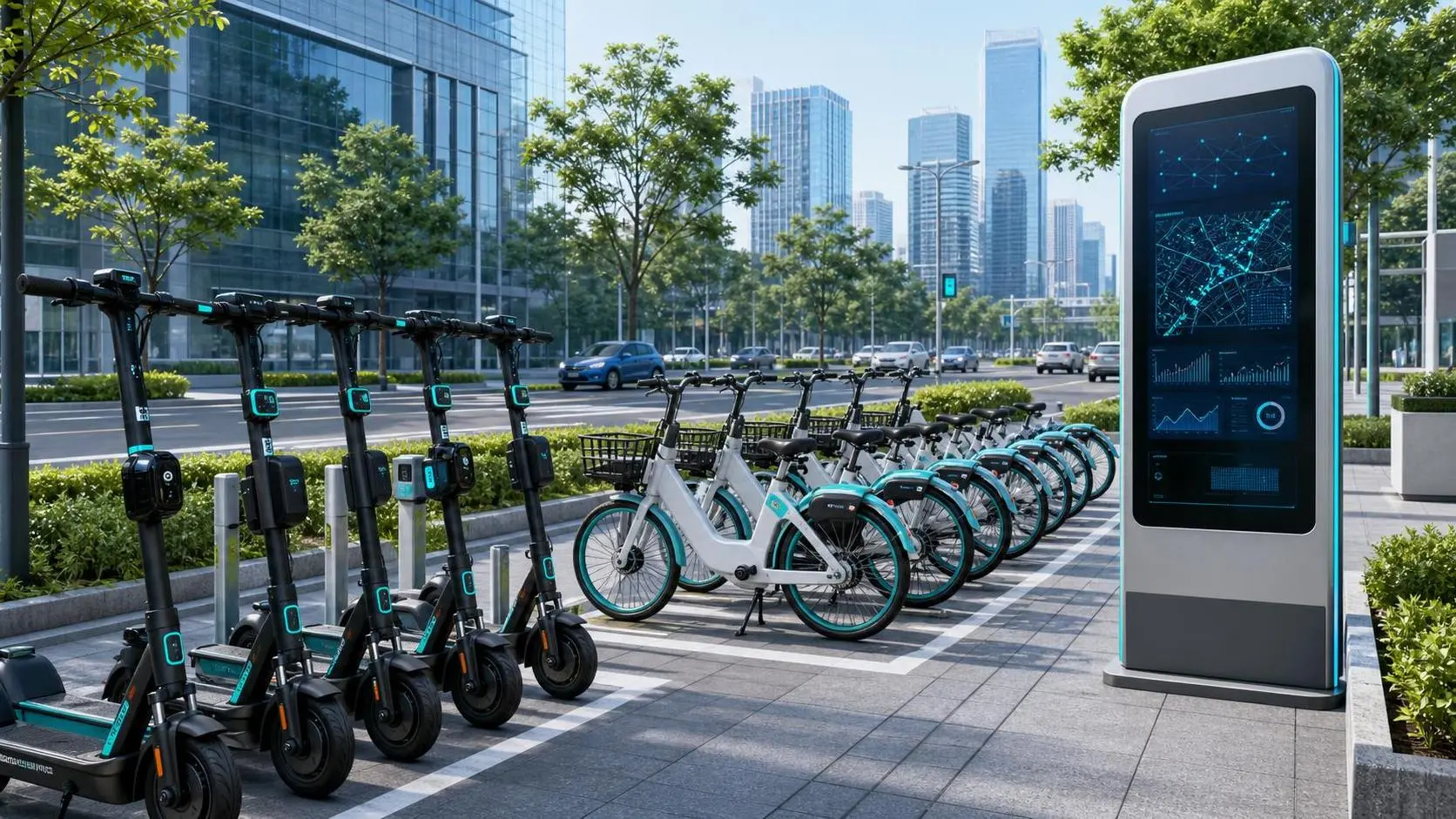
What Is the Intellectualization of Mobility Platform and How Is It Applied in Shared Fleets?
Intellectualization of mobility platform is reshaping shared fleets with real-time data, predictive maintenance, and smarter compliance—learn how it boosts safety, uptime, and urban mobility efficiency.
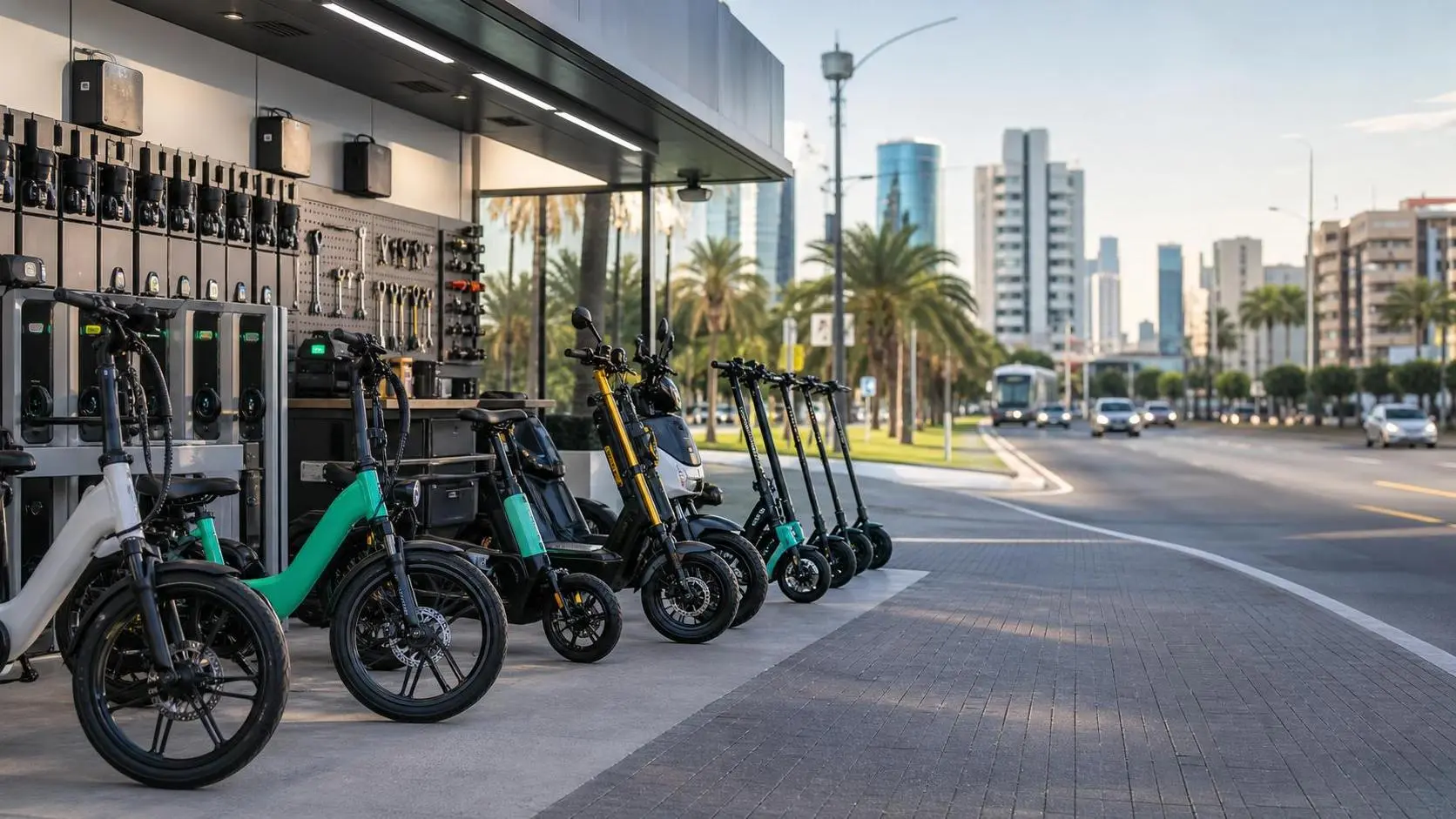
Urban Micro-Mobility Systems in Latin America: Key Market Drivers, Barriers, and Growth Segments
Urban micro-mobility systems Latin America are reshaping city transport. Explore key drivers, barriers, and high-growth segments to spot the region’s most investable opportunities.
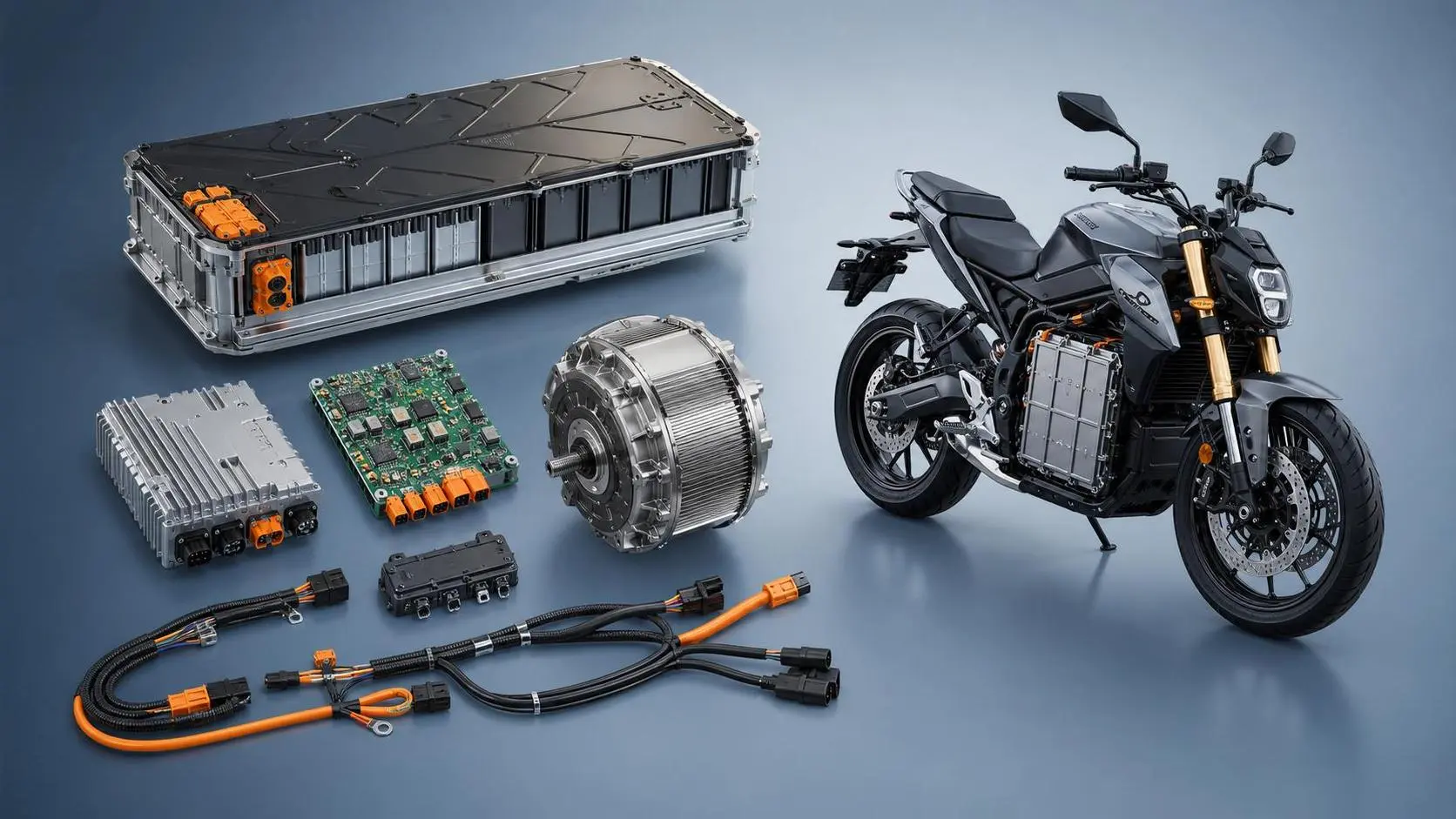
Electric Motorcycle Systems Price Breakdown: What Affects Cost From Battery to Controller?
Electric motorcycle systems price explained: see how battery, controller, motor, BMS, and wiring affect total cost, reliability, and sourcing value before you buy.